Coat of arms of CameroonMinistry of Arts
and Culture
Republic of Cameroon
My procedures
Home
Minister’s message
News
Press releases
Cultural calendar
Official speeches
Press review
Photo library
Video library
Calls for projects
Job vacancies
Public procurement
Newsletter
Frequently asked questions
Site map
Contact
Press area
Podcast “The Voice of Culture”
Legal notices
Privacy policy
Cookies and trackers
The Ministry
Missions and responsibilities
Organisation
Organisation chart
Minister’s Office (Cabinet)
Management team
General Secretariat
General Inspectorate
Central directorates
Regional Delegations
Institutions under supervision
Legislative texts
Regulatory texts
Sector strategy
Major projects
Budget and reports
Partners
Careers
Archives
Institutional communication
Quality and accessibility
Arts
Visual and plastic arts
Visual arts
Performing arts
Theatre
Dance
Music
Literature and books
Cinema and audiovisual
Photography
Fashion and design
Digital arts
Art crafts
Artists’ directory
Residencies
Prizes and awards
Arts education
Urban arts
Heritage
Tangible heritage
Intangible heritage
UNESCO sites
National museums
Listed monuments
National inventory
Palaces and chiefdoms
Archaeology
Linguistic heritage
Oral traditions
Traditional know-how
Restitution of cultural property
Fight against illicit trafficking
Listing and protection
Conservation and restoration
Heritage Days
Cultural landscapes
Industries
Music and recording
Cinema
Publishing and books
Digital arts
Fashion and creativity
Crafts
Cultural tourism
Funding for culture
Support funds
Incubators
Cultural entrepreneurship
Culture Observatory
Vocational training
Studies and reports
Sector statistics
Export and outreach
Intellectual property
Copyright
Legal framework
Copyright and neighbouring rights
Collective management societies
Register a work
Licences
Private copying
Fight against piracy
Model contracts
Social status of artists
Mediation
Disputes
Training
Fee scales
Register of works
Contact
Digital neighbouring rights
Public domain
Festivals
National calendar
Ngondo
Nguon
Écrans Noirs
Heritage Days
Music Day
Regional festivals
Fairs and exhibitions
Biennials
National competitions
Cultural days
Organise a festival
Event grants
Ticketing
Archives
Volunteering
Diaspora festivals
Regions
Adamawa
Centre
East
Far North
Littoral
North
North-West
West
South
South-West
Cultural map
Regional Delegations
Traditional chiefdoms
National languages
Cultural routes
Decentralised cooperation
Regional observatory
Cooperation
UNESCO
Francophonie (OIF)
African Union
Commonwealth
CEMAC
Bilateral cooperation
Cultural agreements
Professional organisations
Scholarships
Artist exchanges
Cultural years
Diaspora
Funded projects
Embassies
Technical partners
International restitution
International monitoring and calls
Services
Artist card
Show authorisation
Filming authorisation
Festival authorisation
Deposit of a work
Export of works of art
Listing of a property
Grant application
Association accreditation
File tracking
Forms
Fees
Opening hours and addresses
Reporting
Online help
My account
One-Stop Shop
Festivals

Fairs and exhibitions

Books, crafts, fashion and tourism: discover the fairs and trade shows of Cameroon, from SIILY in Yaoundé to the regional fairs, and the practical advice to know in order to exhibit well, organise and obtain the necessary authorisations.

Updated on 6 November 20264 sub-pages
SIILY4th edition
Year2026
CityYaoundé
Fields covered4
Fairs and exhibitions

Trade shows and fairs: marketplaces for creation

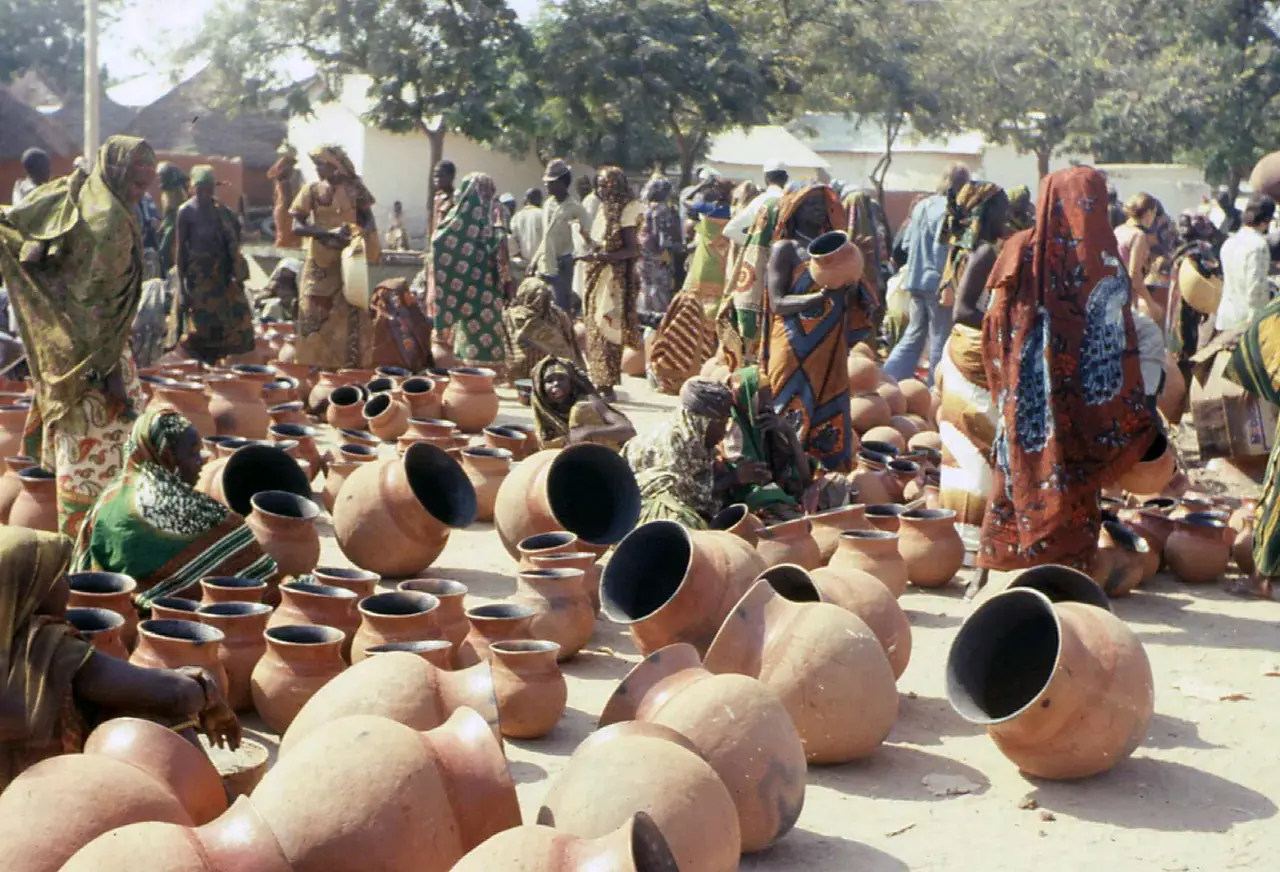
Pottery market in Maroua

Trade shows and fairs are the economic showcases of culture: books, works of art, clothing and tourist circuits are sold there, but above all contacts are made, contracts are signed and new talents are spotted. They complement festivals, which are geared towards performance and celebration, with a professional and commercial dimension.

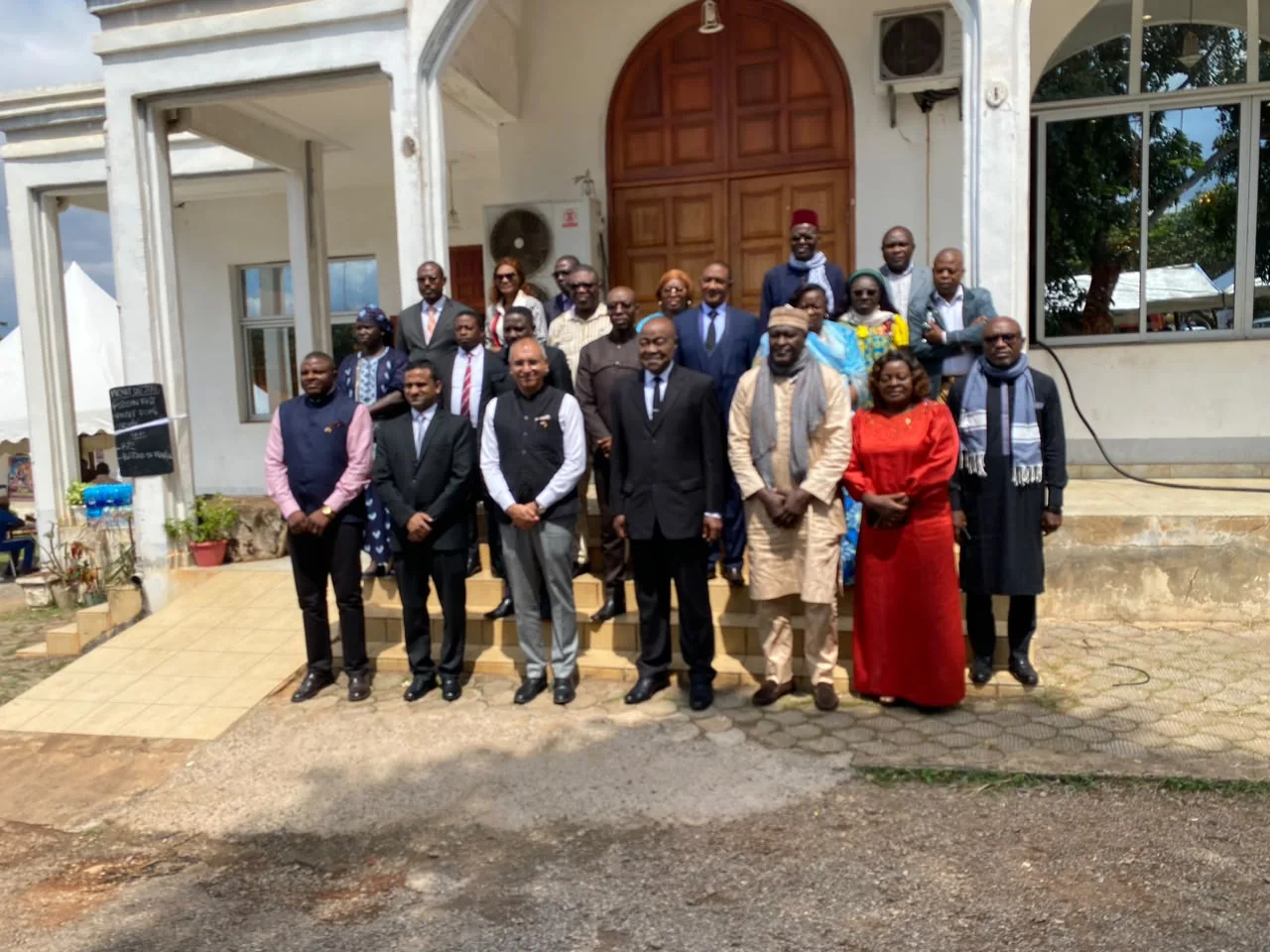
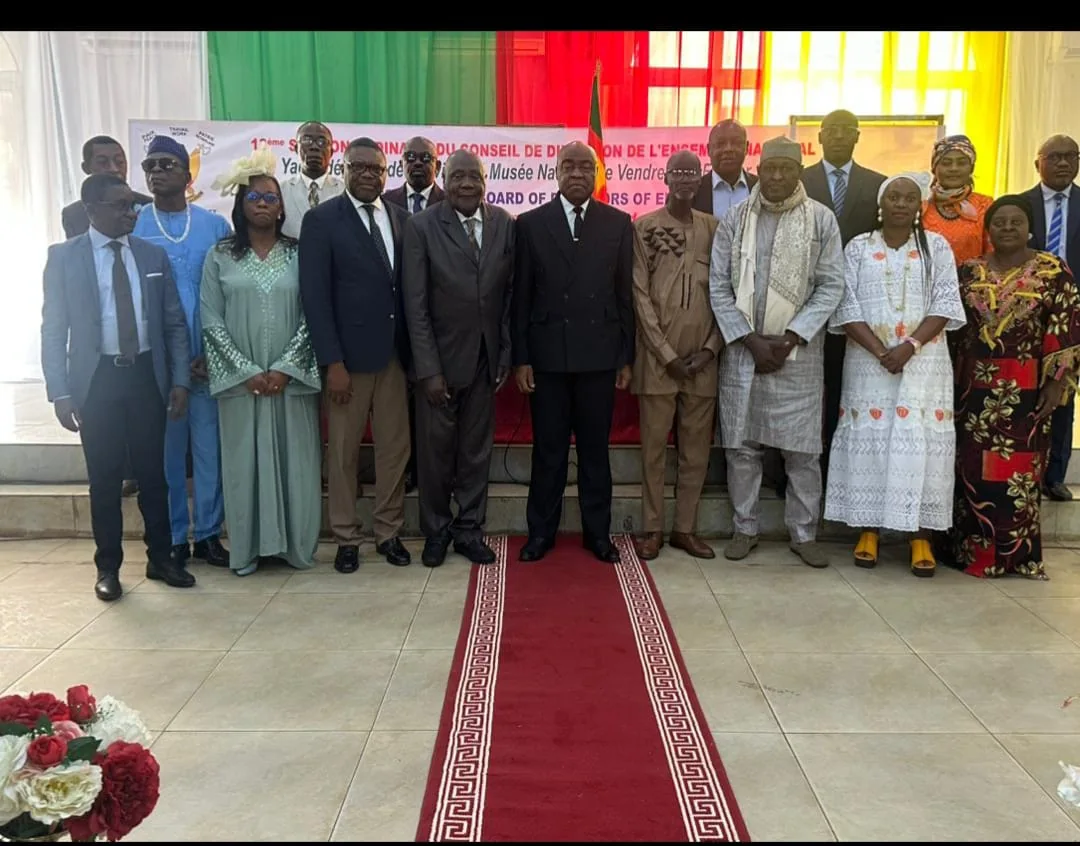
In March 2026, the Ministry chaired the opening ceremony of the 4th edition of the Yaoundé International Book Industry Fair (SIILY) and received a delegation from the fair during the year. This page presents book fairs, craft fairs, fashion shows and tourism fairs, as well as the procedures for exhibiting at one or organising one.

  • SIILY 2026 in Yaoundé
  • Craft fairs in the regions
  • Fashion, tourism and creativity in the spotlight
Discover the book fairs
Books

Book fairs: SIILY and the book sector

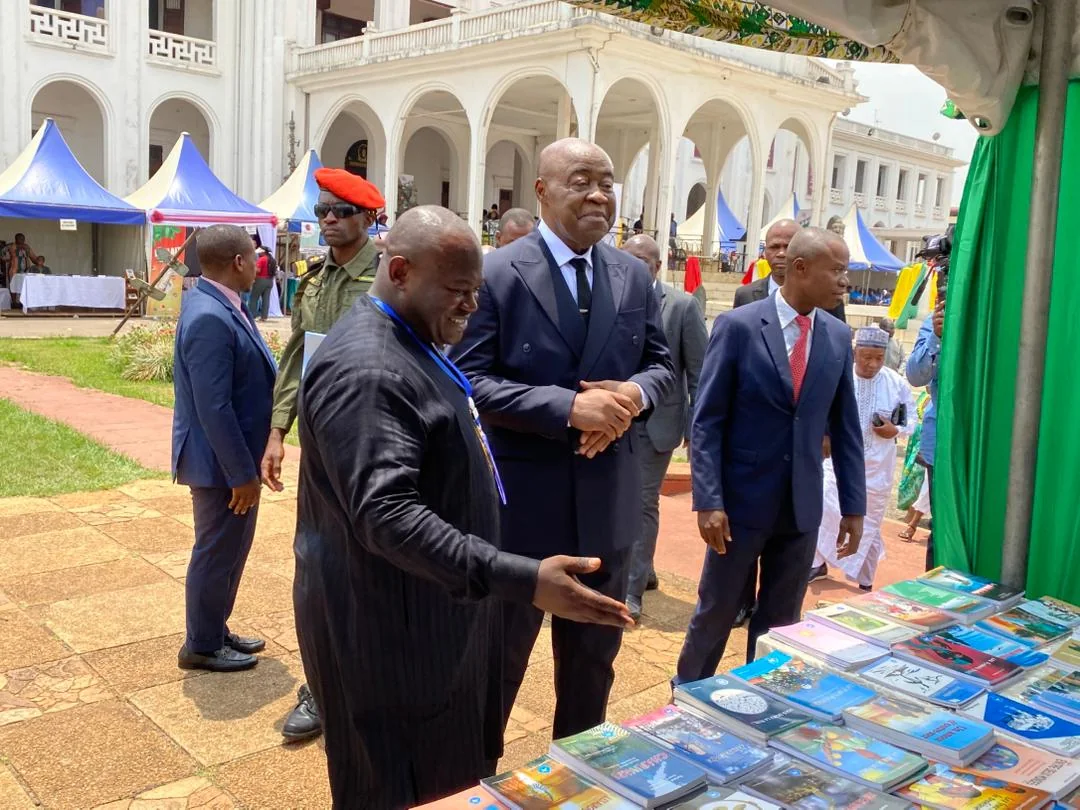
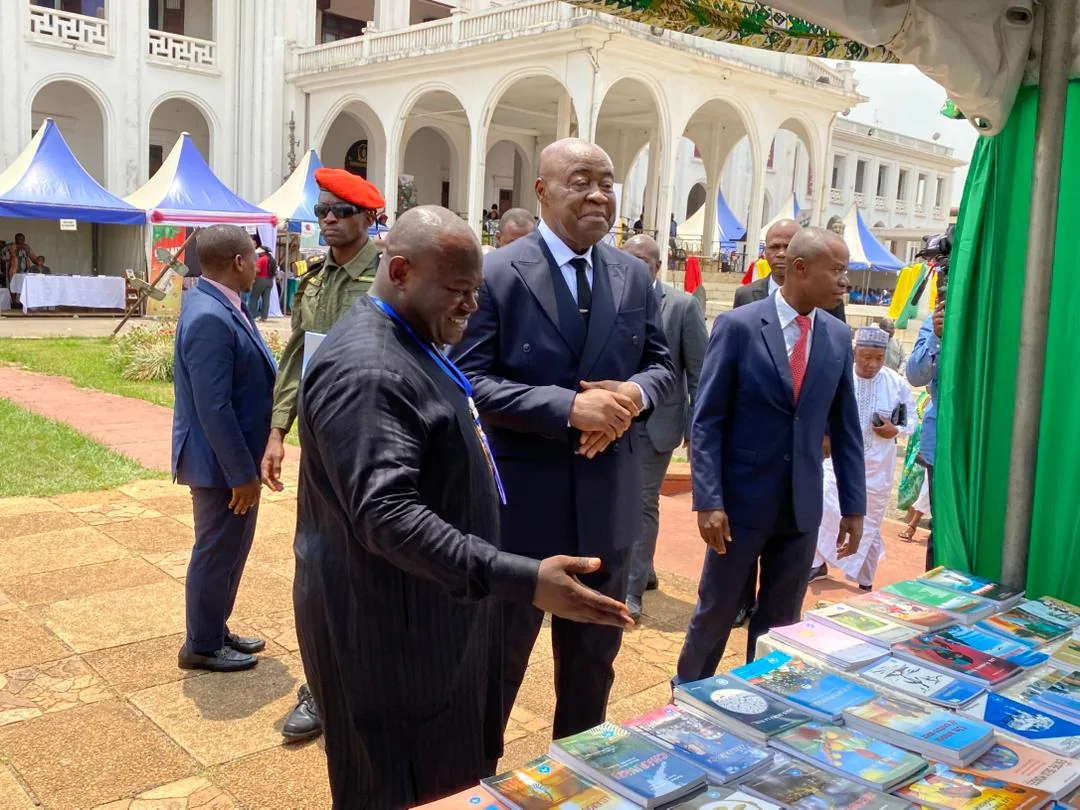
The Minister and officials in front of books displayed on a stand in the courtyard of a colonial-style building

The Yaoundé International Book Industry Fair brings together publishers, authors, booksellers, printers, librarians, illustrators and readers. Its 4th edition, held in Yaoundé in March 2026 and opened under the chairmanship of the Ministry, confirmed its role as the central event of the sector.

What a book fair offers

  • Stands of publishers and booksellers, where new Cameroonian and African titles can be discovered;
  • Book-signing sessions and meetings with writers, in French, English and national languages;
  • Professional conferences on publishing, distribution, digital technology, copyright and legal deposit;
  • A children’s area with tales, animated readings and writing workshops for schoolchildren.
ℹ️
Exhibiting at SIILY

Publishers and booksellers apply to the fair’s organising committee; writers may request a book-signing session through their publishing house.

Crafts

Craft fairs: craftspeople meet buyers

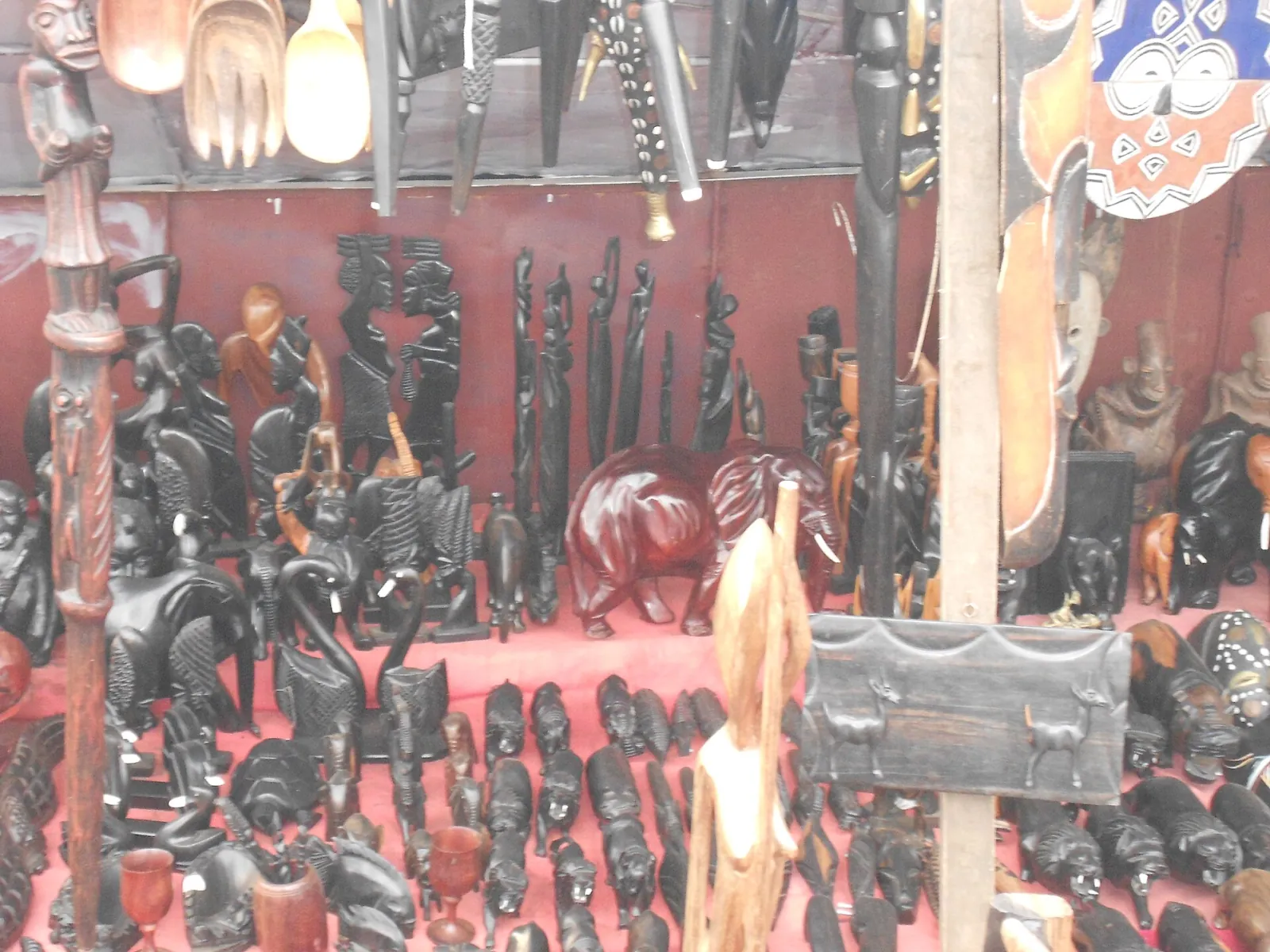
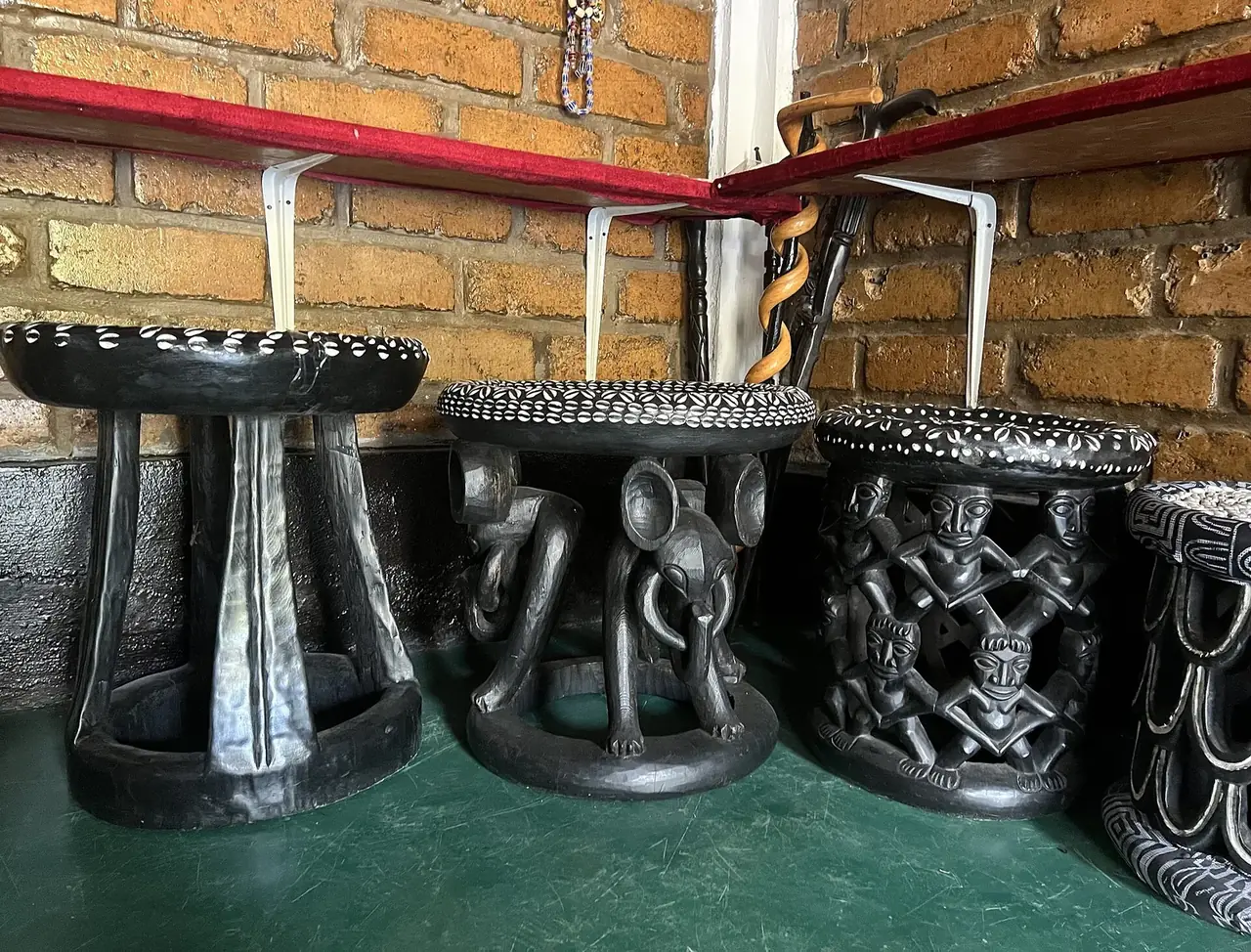
Stall of black wood carvings and masks in a craft shop in Limbe

Craft fairs put craftspeople in touch with buyers: individuals, shops, hotels, decorators, collectors, wholesalers and export bodies. They are held in the main towns – Yaoundé, Douala, Bafoussam, Garoua, Maroua, Bamenda, Ngaoundéré – and are often extended by weekly markets.

Rich sectors

Visitors find basketry from the Centre, copperwork and beadwork from Foumban and the West, wood sculptures from the Grassfields, pottery from Adamawa, leatherwork from the North, dyed and embroidered fabrics, leather goods and jewellery. Stands alternate finished products with live demonstrations: bronze casting, weaving, turning, engraving.

Helping craftspeople sell

The Ministry supports craftspeople’s participation by covering part of the stand costs, providing training in product presentation and giving information on the art craft label. The crafts page in the Industries section details the sectors, markets and export, while traditional know-how shows the richness of the skills.

Craftspeople who export will find advice and contacts in export and outreach.

Fashion

Fashion shows: catwalks, designers and textile sectors

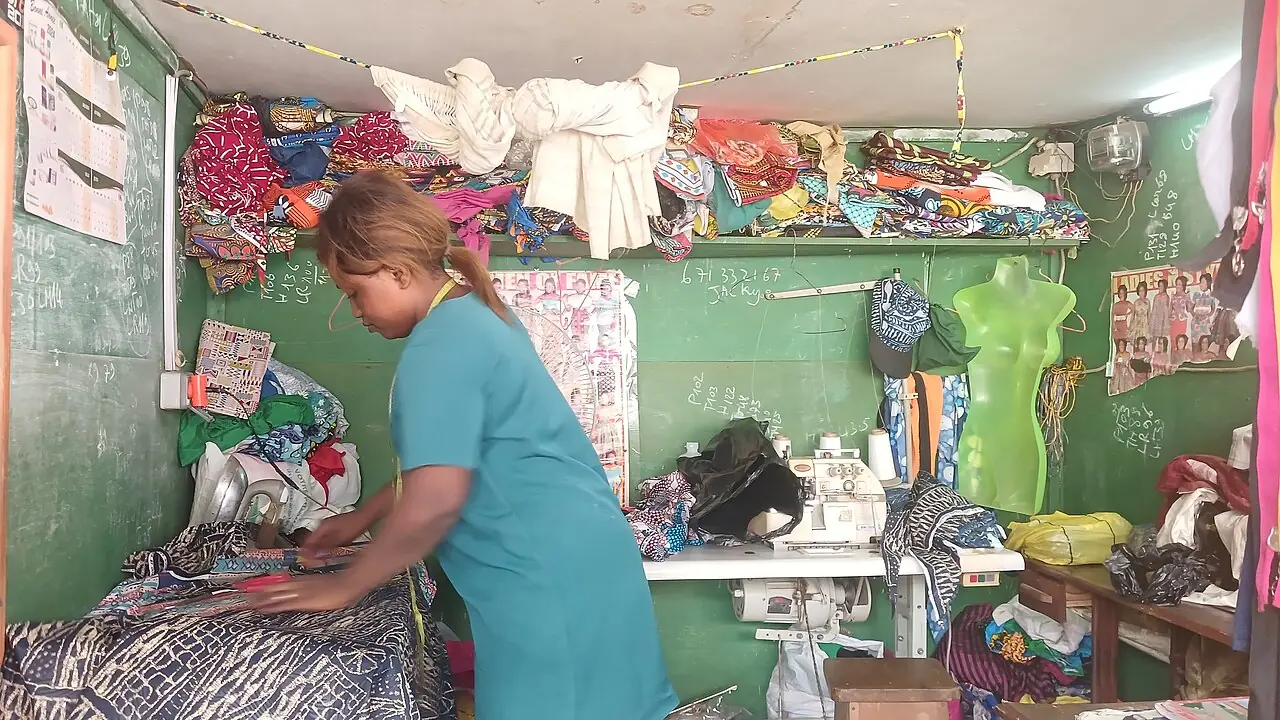
Seamstress in her fashion workshop with colourful fabrics

Cameroonian fashion design has taken on a new place on the African scene in recent years. Stylists, tailors, embroiderers, dyers, pattern makers, photographers and models meet at shows that combine catwalks, fabric exhibitions, pop-up shops and conferences.

The major events

Fashion shows offer an opening catwalk, designers’ markets, sewing workshops for young people and meetings with buyers from shops or online sales platforms. Local fabrics – printed pagne, toghu from the North-West, Bamileke ndop, bogolan, kente – are reinterpreted there for contemporary fashion.

A value chain to be structured

Behind the catwalk are skilled trades: pattern maker, pattern cutter, weaver, embroiderer, fashion photographer, stylist, collection manager. The shows help make them known. For designers wishing to professionalise, the fashion and creativity page describes brands, shows, training and export, while the fashion and design section presents designers and schools. Incubators support young companies in the sector.

Tourism

Cultural tourism fairs: circuits and destinations

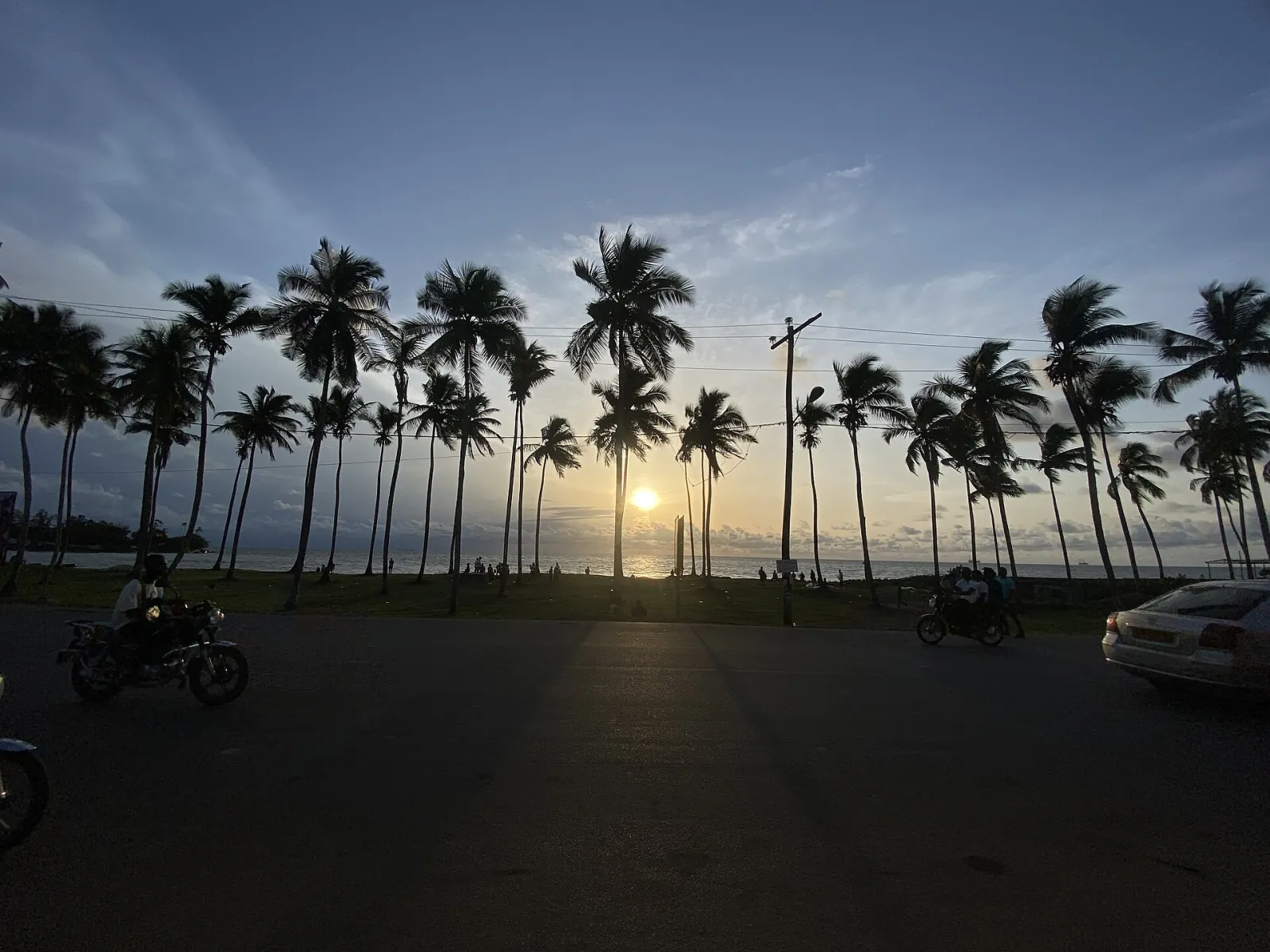
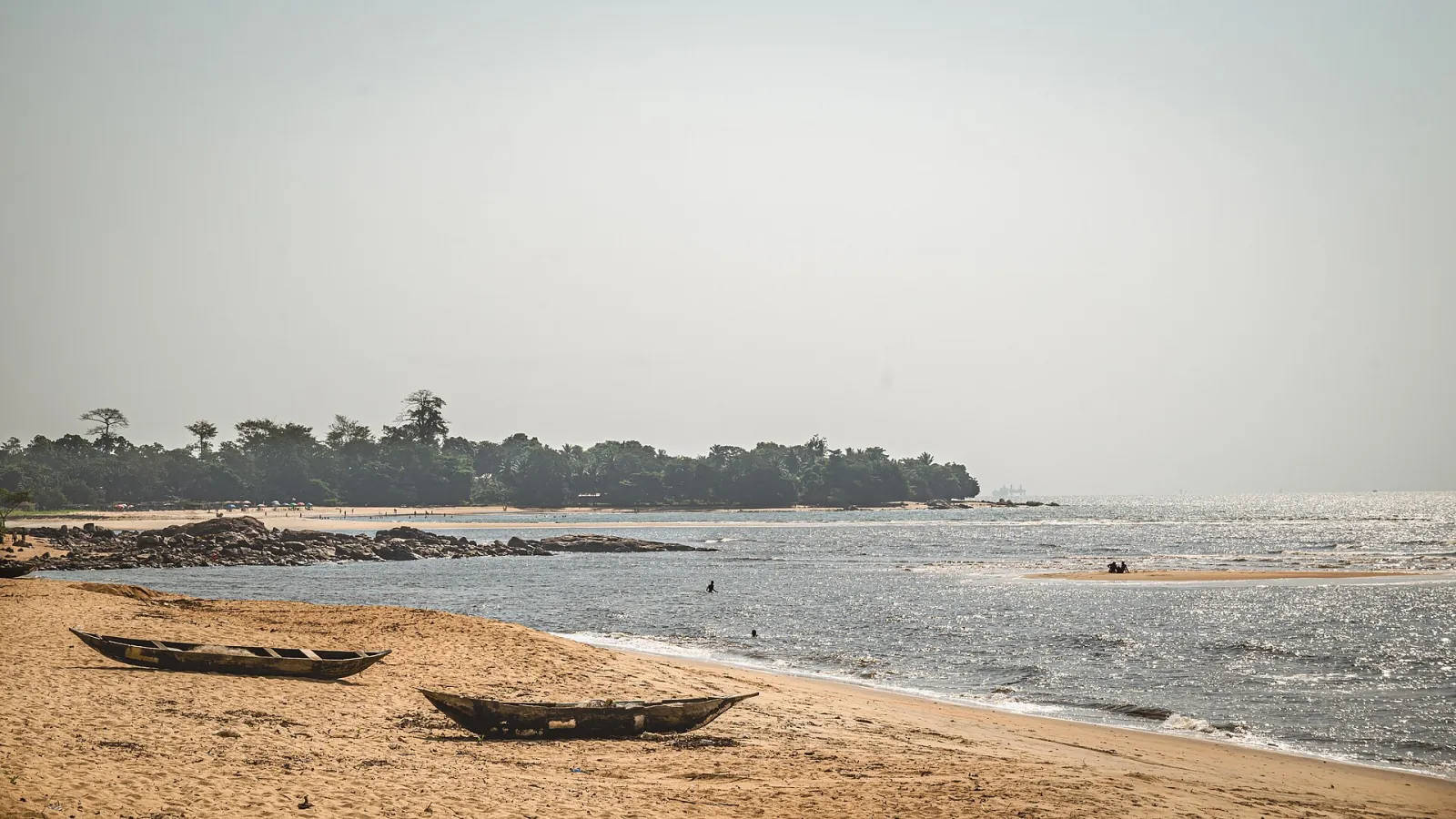
Coconut palms at sunset along the Kribi seafront

Cultural tourism invites visitors to discover the country through its heritage: palaces, museums, natural sites, craft villages, festivals. Tourism fairs are an opportunity for operators to present their circuits, meet tour operators and agencies and form partnerships with accommodation providers.

Which circuits to promote?

  • The chiefdoms route of the West and North-West, with visits to palaces and workshops;
  • The circuits of the national museums in Yaoundé, Dschang and Foumban, presented in national museums;
  • Cultural landscape trails: the Mandara Mountains, sacred forests, the coast and the Littoral;
  • Festival circuits, which combine a stay with participation in a traditional celebration.

A framework to respect

Operators must ensure that their circuits respect the heritage, local populations and visiting rules of protected sites. Circuits, operators, accommodation and labels are detailed in the dedicated section, and the cultural itineraries offer maps and guides. The Ministry works with tourism stakeholders so that every fair serves the visibility of heritage.

Organisation

How a trade show or fair is organised

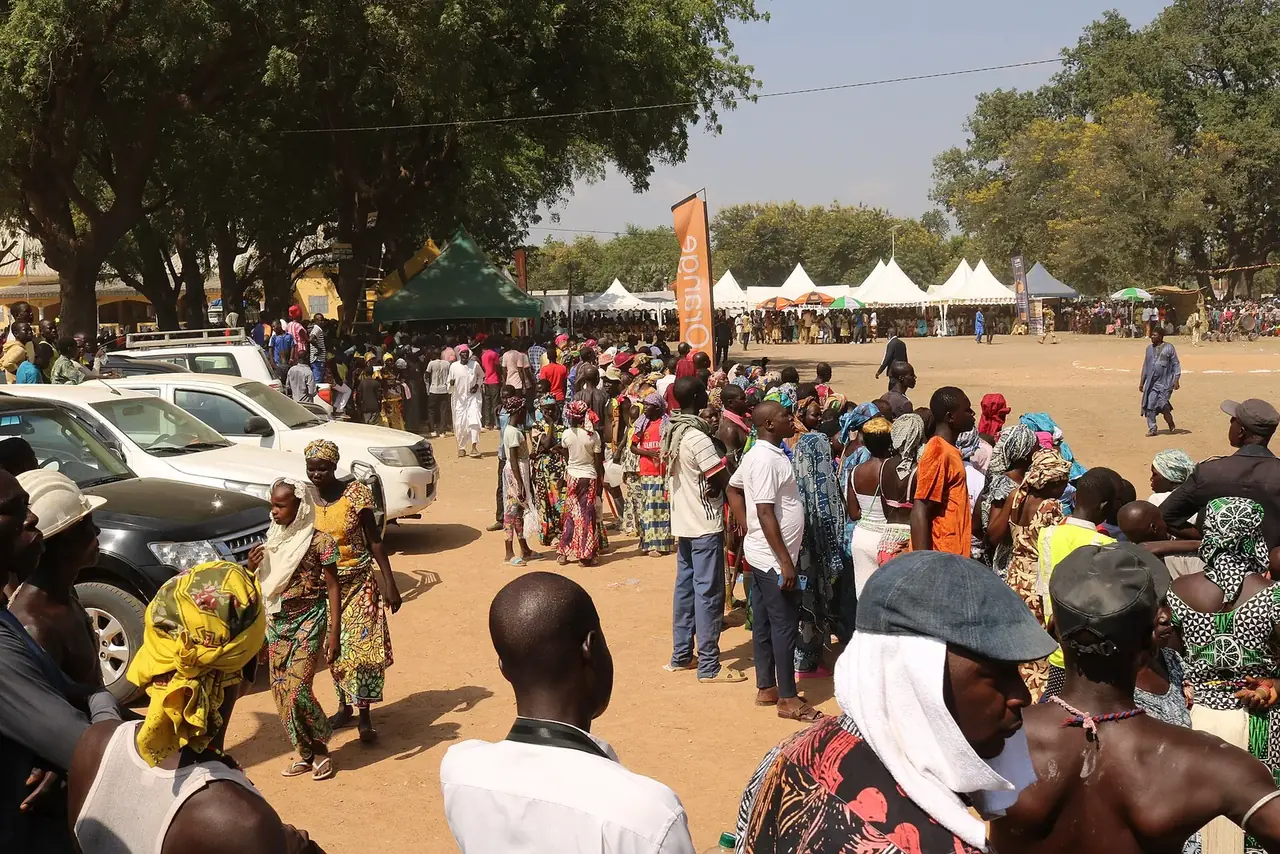
Crowd and stalls at the Gurna festival

Organising a trade show is a profession in its own right. It requires a suitable venue (halls, esplanades, conference centres such as the Yaoundé Conference Centre, listed among the institutions under supervision), a stand plan, a conference programme, a pricing policy, targeted communication and a security arrangement.

Under Law 2004/001 on the regime governing shows and its implementing decree, any trade show that includes performances, fashion shows or concerts must obtain a show authorisation; a venue that regularly receives the public is subject to a prior declaration. A large-scale event falls under the festival authorisation. Ticketing and volunteering complete the reception arrangements.

Exhibitors

Exhibiting: advice for exhibitors, publishers, craftspeople and designers

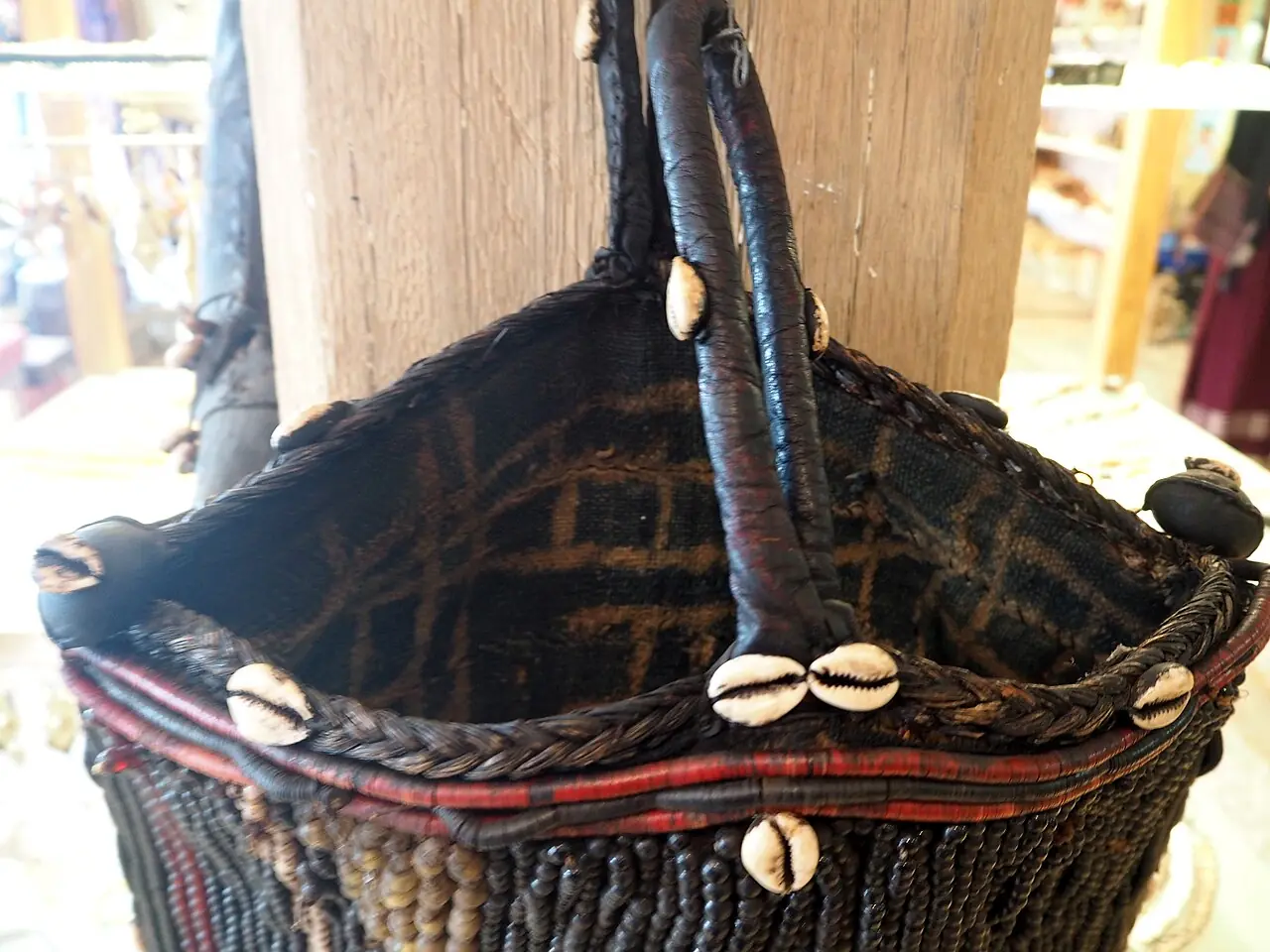
Bamileke woven bag decorated with cowrie shells

A successful trade show is prepared several months in advance. The exhibitor first chooses the show that matches their clientele, books their stand, plans sufficient stock, polished presentation materials and varied payment methods. An attractive stand is recognisable by its clarity: a strong visual, displayed prices, a friendly welcome and a corner where the activity is shown live.

After the show, follow-up is essential: contact leads again, record orders and measure sales. Small structures can draw on the project management training offered in professional training and on the advice of cultural entrepreneurship. Designers should protect their trademarks and designs, as explained on the intellectual property page.

Step by step

Taking part in a trade show as an exhibitor

Choose the show

Compare audiences, dates, stand prices and the reputation of shows before committing.

Book the stand

Submit your file to the organiser: presentation of your activity, photographs and technical needs.

Prepare the products

Build up stock, set prices, and prepare business cards, catalogues, payment devices and packaging.

Fit out the stand

Plan a clear layout, a sign, a space for discussion and, if possible, a live demonstration.

Engage and sell

Welcome every visitor, collect contact details, offer show deals and attend the conferences.

Ensure follow-up

Follow up leads within the week, fulfil orders and draw up a review of sales and contacts made.

To explore

Trade shows in the other sections

They exhibit

Voices of exhibitors and visitors

“
At the fair, I sold in three days what my bookshop sells in a quarter, and I met two publishers I still work with.
A bookseller
Yaoundé
“
My basketry found a buyer for a hotel in Kribi; the fair opened up a market I had never imagined.
A craftswoman
Bafoussam
“
Presenting my collection in front of the press meant that three shops and a fair abroad contacted me.
A fashion designer
Douala
“
Our cultural circuits sell better since we started showing videos and festival programmes on our stand.
A tourism operator
Buéa
To download

The resources of the exhibitor

“A trade show is that rare meeting where the author sees their reader and the craftsperson their buyer, with no intermediary and no distance.”

A publisher, Yaoundé
Glossary

The words of trade shows and fairs

SIILY

Yaoundé International Book Industry Fair, a professional and popular event of the book sector.

Fair

A periodic market where producers and craftspeople sell their products to the public.

Fair

A meeting organised around a sector of activity, combining exhibition, sales and conferences.

Exhibitor

A participant who presents their products or services on a stand.

Stand

A space rented in a trade show to present and sell products.

Book signing

A session where the author signs their books before their readers.

Tour operator

A professional who designs and sells organised trips and stays.

Label

A mark that guarantees the origin or quality of a craft product.

Fashion show

A public presentation of a clothing collection by models.

Buyer

A professional who selects products to resell or use.

To act

The support and procedures for exhibitors and organisers

Festival authorisation

For a large-scale fair with performances or fashion shows, submit the application online.

Apply

Event grants

Support for recognised fairs with logistics, security and interpretation.

See the criteria

Support funds

Creation, publishing, mobility: funds to finance your presence at a trade show.

Discover the funds

Calls for projects

Follow the calls concerning trade shows, fairs and professional mobility.

See the calls
On the site

Extend your visit to the trade shows

Resources

Useful links for trade shows and fairs

Stakeholders

Who organises and supports trade shows?

Key facts

Fairs at a glance

FieldTrade show or fairMain audienceInterest for professionals
BooksSIILY, Yaoundé, 4th edition in 2026Readers, publishers, booksellersSales, rights, meetings between authors and publishers
Children’s booksChildren’s area of the fairsSchoolchildren, familiesReading activities, sales to schools
CraftsRegional craft fairsIndividuals, hotels, collectorsDirect sales, orders, talent spotting
Art craftsMarkets and label exhibitionsBuyers, exportersPromotion and certification of products
FashionDesigners’ shows and catwalksPublic, buyers, pressVisibility, pop-up shops, orders
Fabrics and textilesWeaving and dyeing fairsStylists, tailorsSourcing of fabrics and know-how
TourismProfessional tourism fairsTour operators, agenciesMarketing of cultural circuits
FestivalsFestival marketsFestival-goers, familiesSales during the highlights
Journey

From opening to closing: SIILY 2026

Before March 2026Preparation

The steering committee brings together publishers, booksellers and institutions, sets the programme and opens exhibitor registration.

March 2026Opening ceremony

The Ministry chairs the opening of the 4th edition of the Yaoundé International Book Industry Fair.

During the fairProfessional meetings

Stands, book signings, conferences on copyright and digital technology, activities for schoolchildren.

June 2026Delegation received

The Ministry receives a SIILY delegation to take stock of the follow-up and prospects for the fair.

After the fairReview and next steps

The organisers gather figures, exhibitor feedback and ideas for improvement for the next edition.

Questions

Your questions about trade shows and fairs

Where can I see the dates of trade shows?

The dates are published in the cultural agenda and in the national festival calendar. For each show, the organiser specifies the venue, times, admission prices and exhibitor registration conditions.

How do I exhibit at SIILY?

Publishers, booksellers and book institutions apply to the fair’s organisers to book a stand. The file includes a presentation of the company, a catalogue and technical needs. Registrations open several months before the edition.

Does the Ministry take part in trade shows?

Yes. It chairs some opening ceremonies, such as that of the 4th edition of SIILY in March 2026, receives delegations of organisers and supports the participation of professionals, notably craftspeople and publishers.

Is an authorisation needed to organise a trade show?

If the show includes performances, fashion shows or concerts, Law 2004/001 and its implementing decree require a show authorisation. A large-scale event may require a festival authorisation. Venues receiving the public are subject to prior declaration.

Can a craftsperson receive support to exhibit?

Yes, depending on the schemes open: partial coverage of a stand, support with product presentation or information on labels. Contact the regional delegation or consult the calls for projects.

How do I protect my exhibited creations?

An original creation is protected from the moment it is made. You can register it to date your creation and file a trademark or a design for your models. The intellectual property page details the procedure.

Can one sell books without being a publisher?

Yes, an independent author may run a stand or take part in a book-signing session, according to the organiser’s rules. They must comply with legal deposit obligations and declare their sales.

How can foreign visitors take part?

They register with the fair’s organiser, who sets out the reception formalities. Professionals in the creative industries can also be put in touch through the Ministry’s cooperation and export services.

Contact

Write to the Ministry about a trade show

Specify the trade show, fair or sector concerned: your message will be forwarded to the competent directorate.

Competent directorate

Contact the trade shows and fairs team

Address

Directorate of Shows and Creative Industries
Ministry of Arts and Culture
Quartier du Lac – Ministerial Zone
P.O. Box 1053 Yaoundé, Centre Region, Cameroon

Reach us

+237 6 51 70 58 41

contact@minac.gov.cm

Opening hours

Monday to Friday, 8 am to 4 pm

See books

Discover the book sector, its publishers, its support schemes and its statistics.

Publishing and books
WhatsApp