Coat of arms of CameroonMinistry of Arts
and Culture
Republic of Cameroon
My procedures
Home
Minister’s message
News
Press releases
Cultural calendar
Official speeches
Press review
Photo library
Video library
Calls for projects
Job vacancies
Public procurement
Newsletter
Frequently asked questions
Site map
Contact
Press area
Podcast “The Voice of Culture”
Legal notices
Privacy policy
Cookies and trackers
The Ministry
Missions and responsibilities
Organisation
Organisation chart
Minister’s Office (Cabinet)
Management team
General Secretariat
General Inspectorate
Central directorates
Regional Delegations
Institutions under supervision
Legislative texts
Regulatory texts
Sector strategy
Major projects
Budget and reports
Partners
Careers
Archives
Institutional communication
Quality and accessibility
Arts
Visual and plastic arts
Visual arts
Performing arts
Theatre
Dance
Music
Literature and books
Cinema and audiovisual
Photography
Fashion and design
Digital arts
Art crafts
Artists’ directory
Residencies
Prizes and awards
Arts education
Urban arts
Heritage
Tangible heritage
Intangible heritage
UNESCO sites
National museums
Listed monuments
National inventory
Palaces and chiefdoms
Archaeology
Linguistic heritage
Oral traditions
Traditional know-how
Restitution of cultural property
Fight against illicit trafficking
Listing and protection
Conservation and restoration
Heritage Days
Cultural landscapes
Industries
Music and recording
Cinema
Publishing and books
Digital arts
Fashion and creativity
Crafts
Cultural tourism
Funding for culture
Support funds
Incubators
Cultural entrepreneurship
Culture Observatory
Vocational training
Studies and reports
Sector statistics
Export and outreach
Intellectual property
Copyright
Legal framework
Copyright and neighbouring rights
Collective management societies
Register a work
Licences
Private copying
Fight against piracy
Model contracts
Social status of artists
Mediation
Disputes
Training
Fee scales
Register of works
Contact
Digital neighbouring rights
Public domain
Festivals
National calendar
Ngondo
Nguon
Écrans Noirs
Heritage Days
Music Day
Regional festivals
Fairs and exhibitions
Biennials
National competitions
Cultural days
Organise a festival
Event grants
Ticketing
Archives
Volunteering
Diaspora festivals
Regions
Adamawa
Centre
East
Far North
Littoral
North
North-West
West
South
South-West
Cultural map
Regional Delegations
Traditional chiefdoms
National languages
Cultural routes
Decentralised cooperation
Regional observatory
Cooperation
UNESCO
Francophonie (OIF)
African Union
Commonwealth
CEMAC
Bilateral cooperation
Cultural agreements
Professional organisations
Scholarships
Artist exchanges
Cultural years
Diaspora
Funded projects
Embassies
Technical partners
International restitution
International monitoring and calls
Services
Artist card
Show authorisation
Filming authorisation
Festival authorisation
Deposit of a work
Export of works of art
Listing of a property
Grant application
Association accreditation
File tracking
Forms
Fees
Opening hours and addresses
Reporting
Online help
My account
One-Stop Shop
Arts

Photography

Photographers, exhibitions, archives and competitions: everything you need to know to practise, exhibit, protect and preserve photography in Cameroon.

Updated on 6 November 20264 sub-pages
Regions where photographers work10
Image professions to be structured (NDS30)4
Annual photography competitions and prizes5
Types of photographic collections recorded6
Photography in Cameroon

Capture and convey the image of the country

Framed photograph of two women in beads at an exhibition

Studio portraits from the 1950s in Douala and Foumban, press reports, photographs of festivals and weddings, images of chiefdoms, landscapes of Mount Cameroon, Rhumsiki or the Bénoué reserve: photography has documented the country’s cultural life and heritage for over a century. It is at once art, profession, archive and communication tool.

Photographers are among the artistic professions to be structured under the national development strategy (NDS30). The Ministry supports the visibility of photographers, the preservation of collections, exhibitions and competitions, and ensures respect for copyright and image rights.

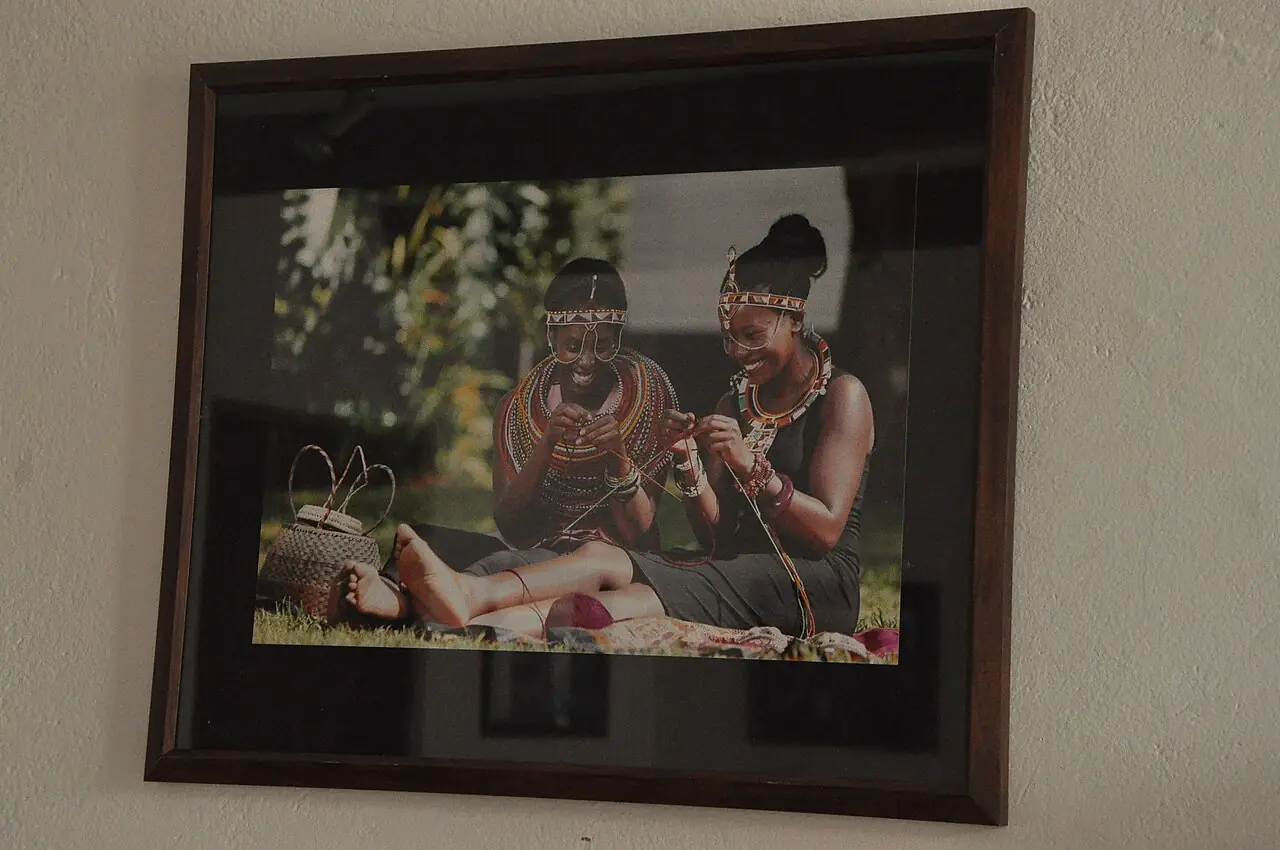
  • Professional and amateur photographers from every region
  • Exhibitions and competitions announced in the calendar
  • Photographic archives joining the heritage collections
Discover the photographers
History

A century of Cameroonian images

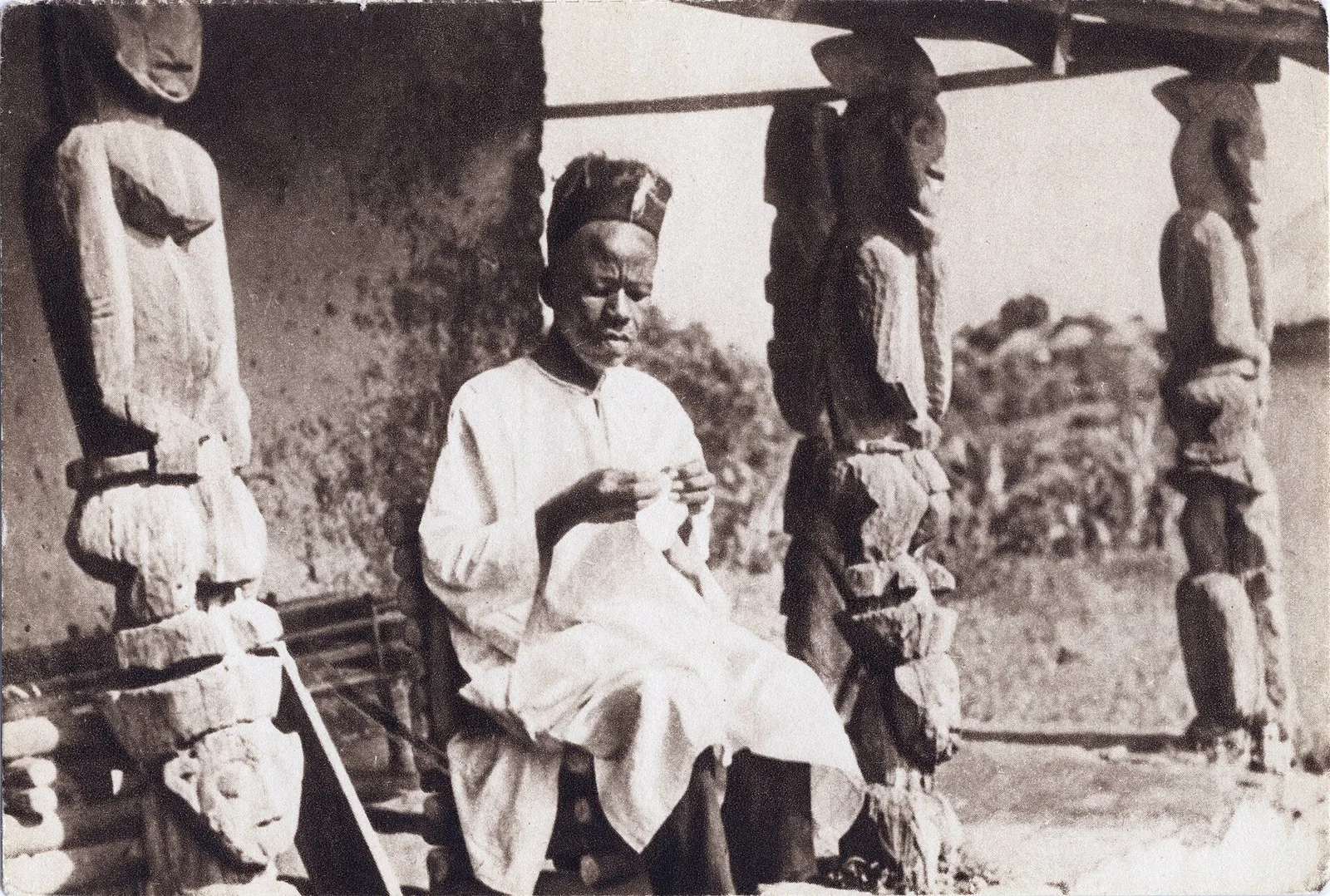
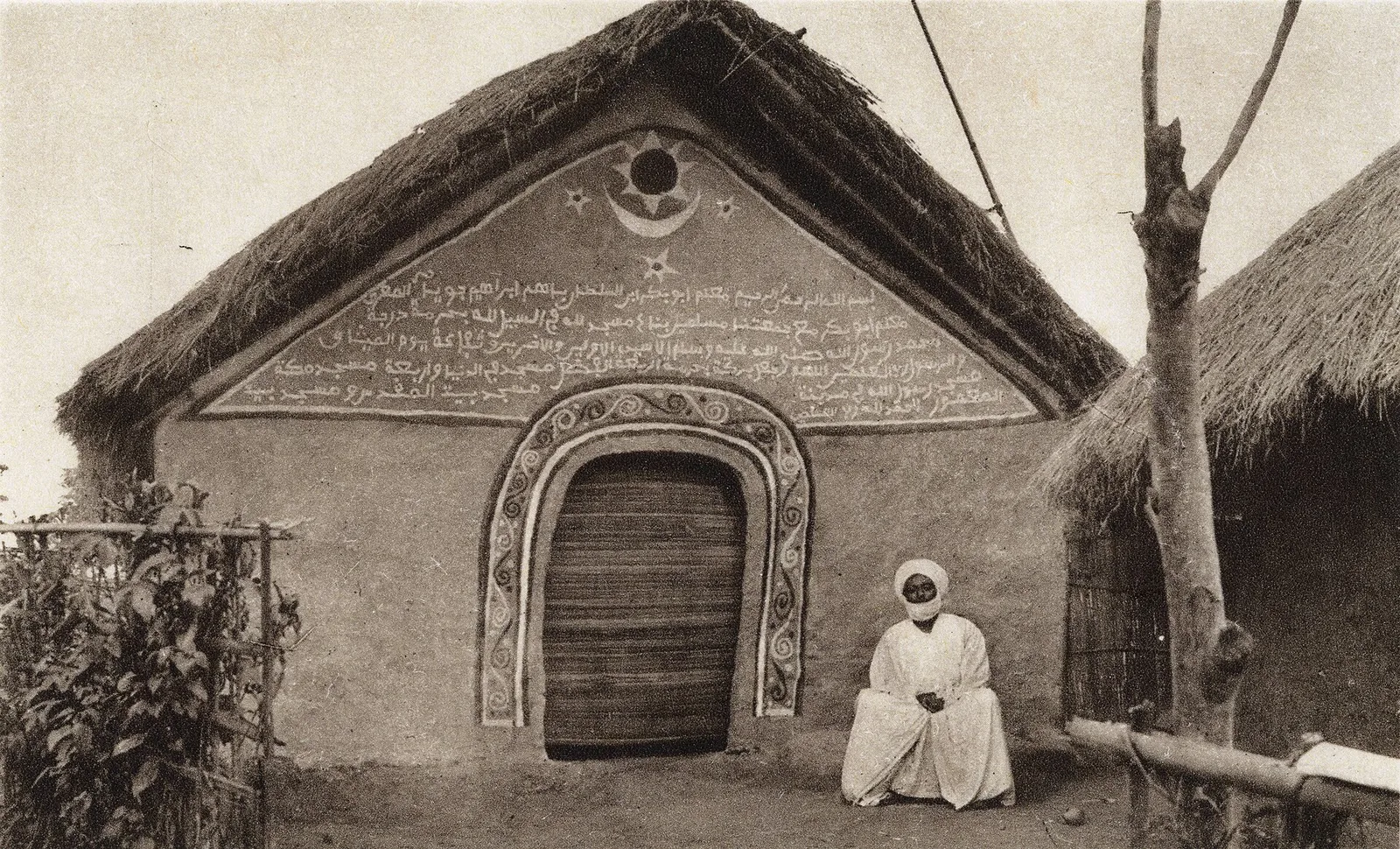
Bamoun craftsman carving in front of his works, old photograph

Photography arrived in Cameroon with explorers, missionaries and the colonial administration, but it very quickly became a local art: studios opened in Douala, Yaoundé, Foumban and Nkongsamba, where families came to be photographed in front of painted backdrops, in their finest clothes. These portraits, now sought after by museums, are a rare testimony to the fashion, trades and social codes of an era.

The neighbourhood photographer

For decades, the itinerant photographer was the witness of baptisms, weddings, graduations and returns to the village. His camera, his makeshift darkroom and his prints sold one by one filled the family albums of millions of Cameroonians.

Press and auteur photography

With the print press and agencies, photojournalism developed; since the 1990s, auteur photography has asserted itself: documentary series, urban portraits, work on memory. Digital technology has opened the profession to many young people, who now publish on social media.

Professionals

Photographers: professions, status, networks

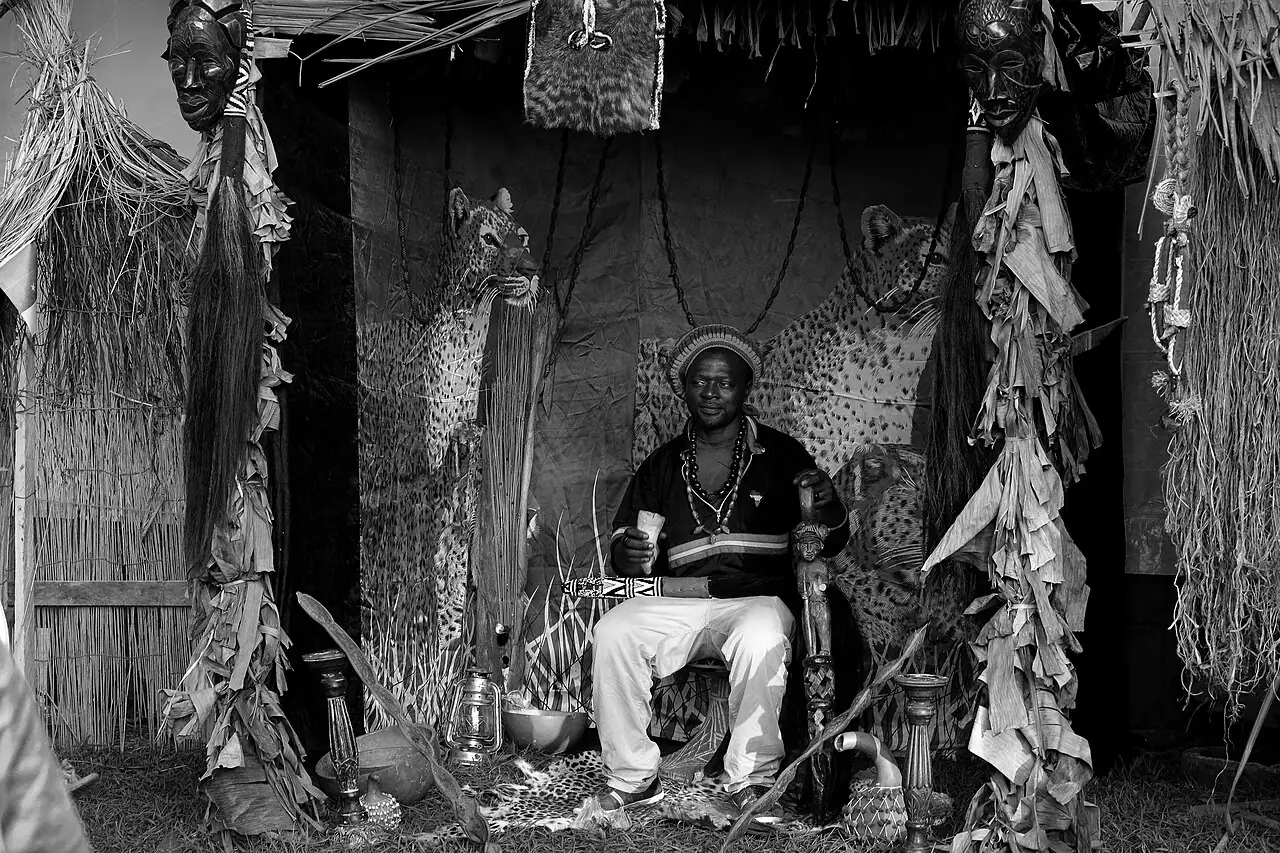
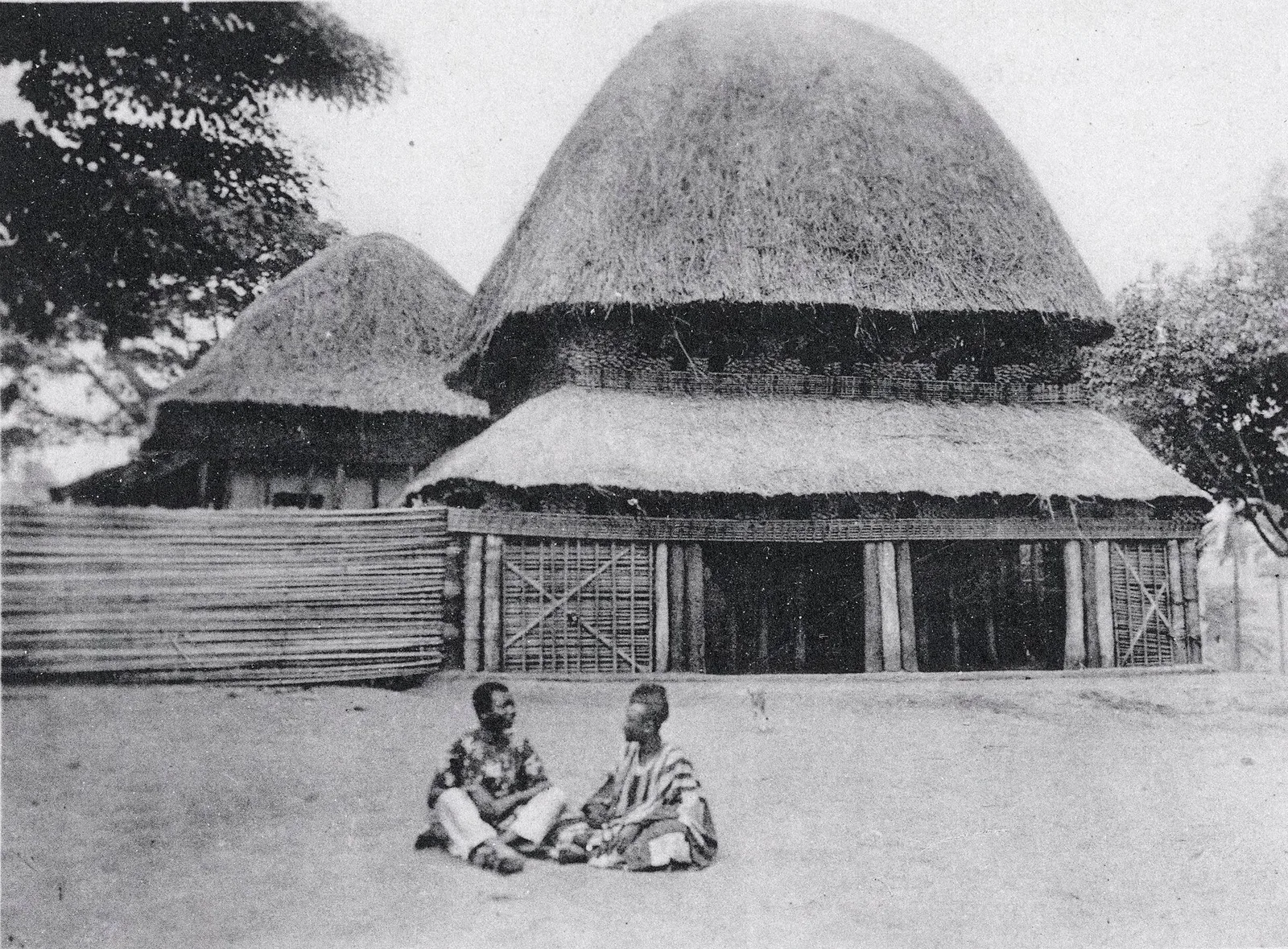
Initiation chief seated in a hut adorned with masks, old photograph

The profession of photographer covers very different realities: studio, wedding and event photographer, photojournalist, architecture and tourism photographer, fashion photographer, documentary author, heritage and museum photographer, drone operator. Many combine several activities to make a living from their images, between commissions, exhibitions, workshops and print sales.

Establishing yourself and becoming known

An independent photographer can set up an association or a business, apply for the artist card to have their professional practice recognised and register in the artists’ directory, whose entry appears only with their consent. A photographers’ association obtains its accreditation before receiving support.

The tools of the trade

  • Cameras, lenses, studio lighting, drones and retouching equipment;
  • Commission contracts specifying the use, duration and territory of distribution;
  • Paper portfolio and website, with up-to-date captions and credits;
  • Secure digital storage, backed up in several places.

Copyright and image rights

An original photograph is a work protected from its creation. Copyright belongs to the photographer, who may register their images, enter them in the register of works and entrust the management of their rights to a collective management society. The people photographed retain an image right.

ℹ️
Having your entry listed

Photographers who wish to may complete the directory registration form: presentation, speciality, region, three images and a link to a portfolio. No entry is published without their written consent.

Distribution

Photography exhibitions and their venues

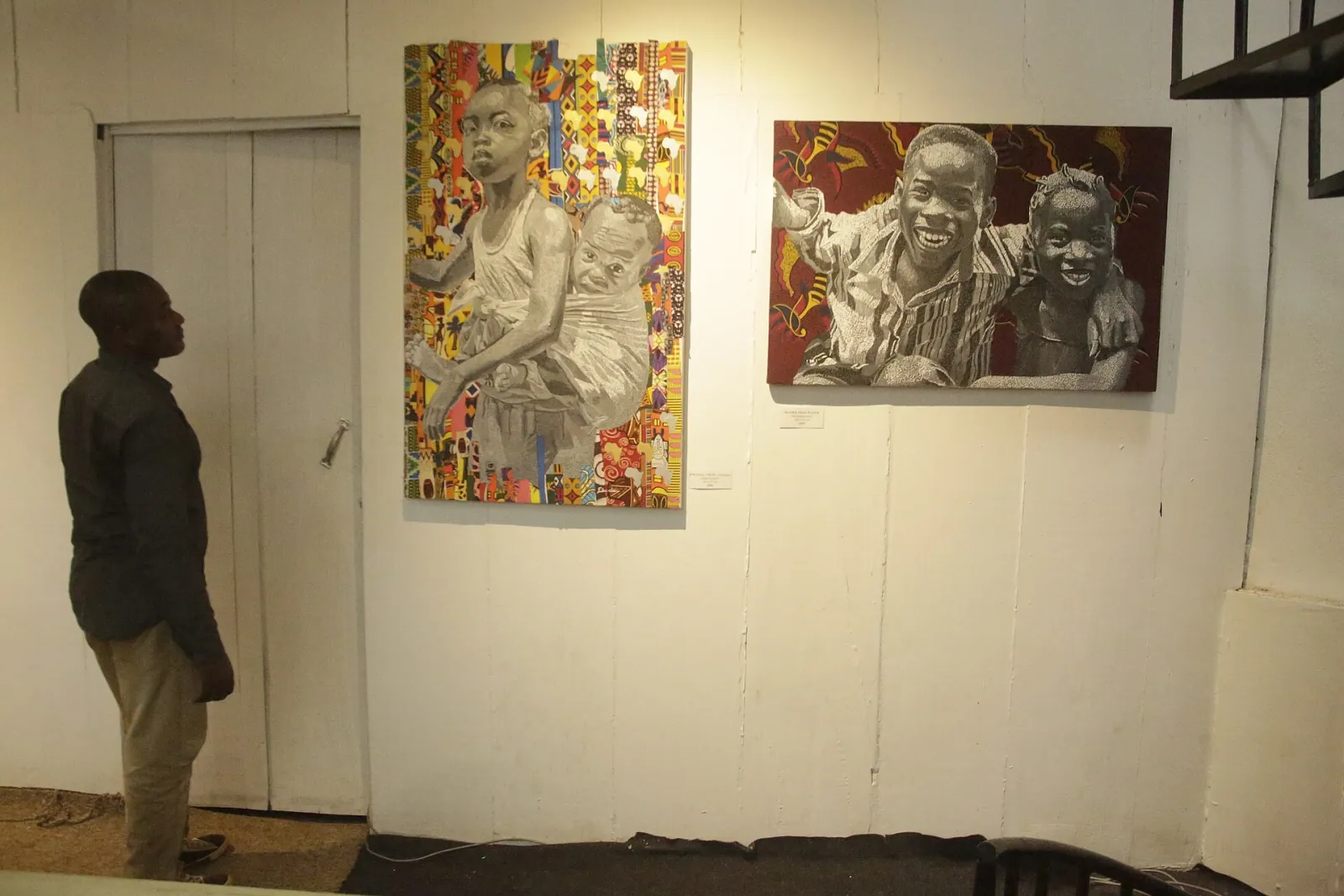
Visitor looking at colourful paintings hung in an exhibition room

To exhibit is to give a series the time and space to be looked at. In Cameroon, photographs are shown in the galleries and cultural centres of Yaoundé and Douala, in museums, on the walls of public places, at festivals and biennials, but also in the street, in large format, to reach an audience that does not step through the door of galleries. Exhibitions are announced in the cultural calendar, and biennials offer international showcases.

Preparing an exhibition

  1. Define the subject and the series (generally twelve to thirty images);
  2. Choose the print: paper, size, framing, screen printing or printing on tarpaulin;
  3. Write the texts: wall labels, captions, introductory text;
  4. Negotiate the venue, dates, insurance and opening night;
  5. Plan communication and time for mediation with the public.

The opening night, mediation and sales

The opening night brings in press and collectors. Mediation (guided tours, workshops for schools) enriches the reading of the images, and the sale of numbered and signed prints provides income for authors. The national museums host temporary exhibitions; consult the national museums and the visual arts page to find partner venues.

Memory

Photographic archives and their preservation

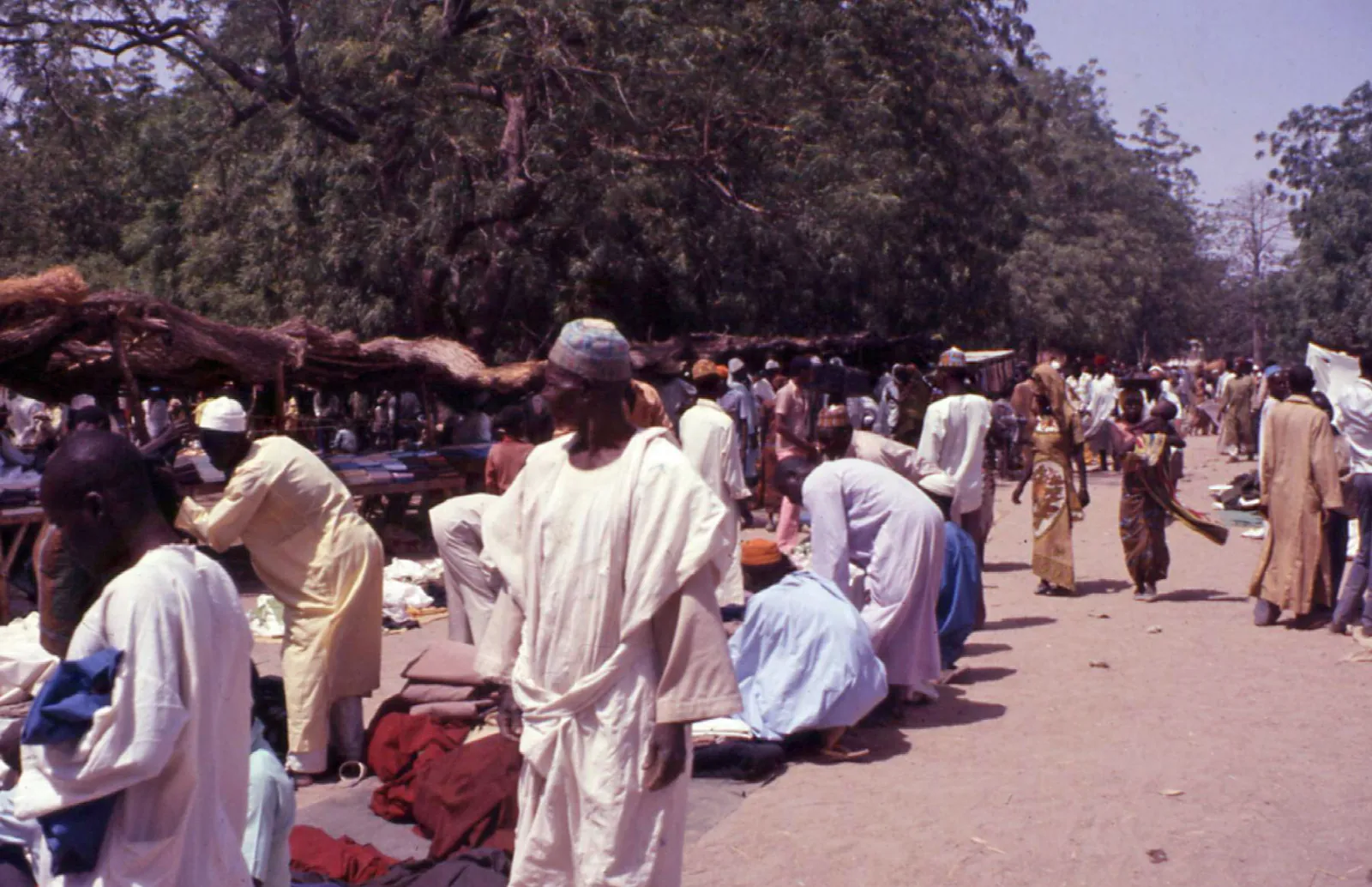
Open-air market in Maroua with traders in white robes, 1970s

Images from the twentieth century are fragile: glass or film negatives, paper prints, slides, family albums. Many disappear in homes, studios and administrative offices for lack of conservation. Photographic archives join the heritage collections: they document the political, social and cultural history of the country.

Preserving at home

At the scale of a family or a studio, one can act: store in acid-free sleeves, away from damp and light, digitise in high definition, write names, places and dates on the back of prints and keep originals separate from copies.

Donating or depositing a collection

A photographer, a family or a studio may deposit their collection, specifying exploitation rights, conditions of consultation and any restrictions. The deposit leads to an inventory, digitisation and storage under suitable conditions. The images can be consulted via the Ministry’s photo library.

Photographs and restitution

Images of cultural property help document objects and support restitution procedures or the fight against illicit trafficking.

ℹ️
Saving a family collection

Do you hold old negatives or albums? Contact the regional delegation of your region: an officer will advise you on digitisation and deposit.

Awards

Photography competitions and calls

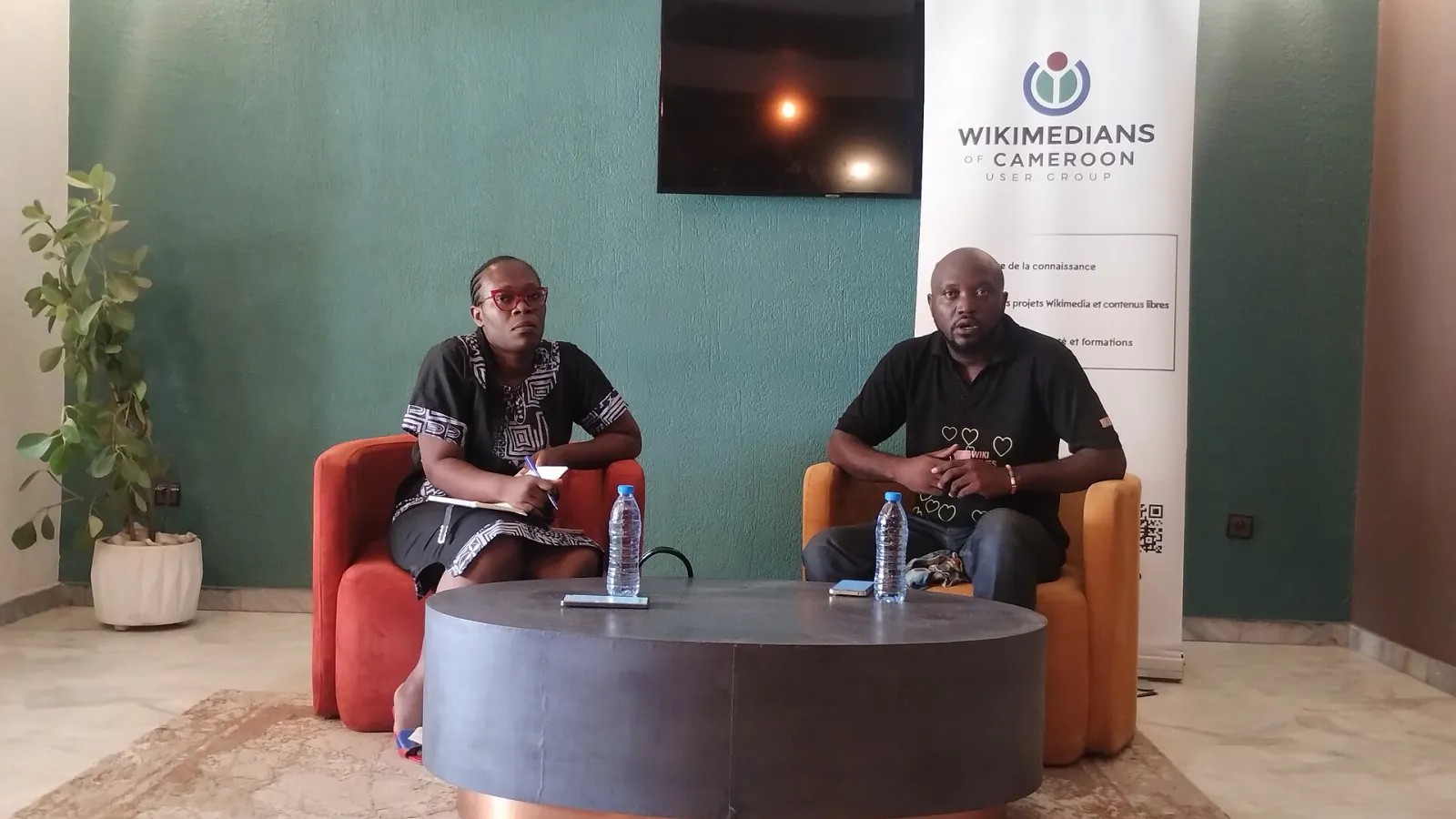
Two speakers seated in front of a banner at the launch of a photo competition

Competitions are a springboard: they provide visibility, an endowment, sometimes an exhibition or a publication. They are organised by the Ministry, institutions, festivals, associations, companies or international partners. Competitions are announced in the calls for projects and in the sections of the cultural calendar, with their rules and schedules.

The usual categories

  • Documentary photography and reportage;
  • Portrait and social photography;
  • Heritage, architecture and landscapes;
  • Young talents, students and schoolchildren;
  • Mobile photography and digital creation.

Applying well

Follow the rules strictly: file format, number of images, captions, deadline. Write a short statement of intent, focus on the coherence of the series rather than quantity, and check that you hold the rights to all the images submitted, as well as the consent of recognisable people.

Awards

Beyond cash prizes, a competition may offer an exhibition in a gallery or festival, a residency, an advanced training course or a publication. National distinctions are presented on the prizes and distinctions page, and national competitions are grouped in the festivals section.

Law and ethics

Image rights, credit and use of photographs

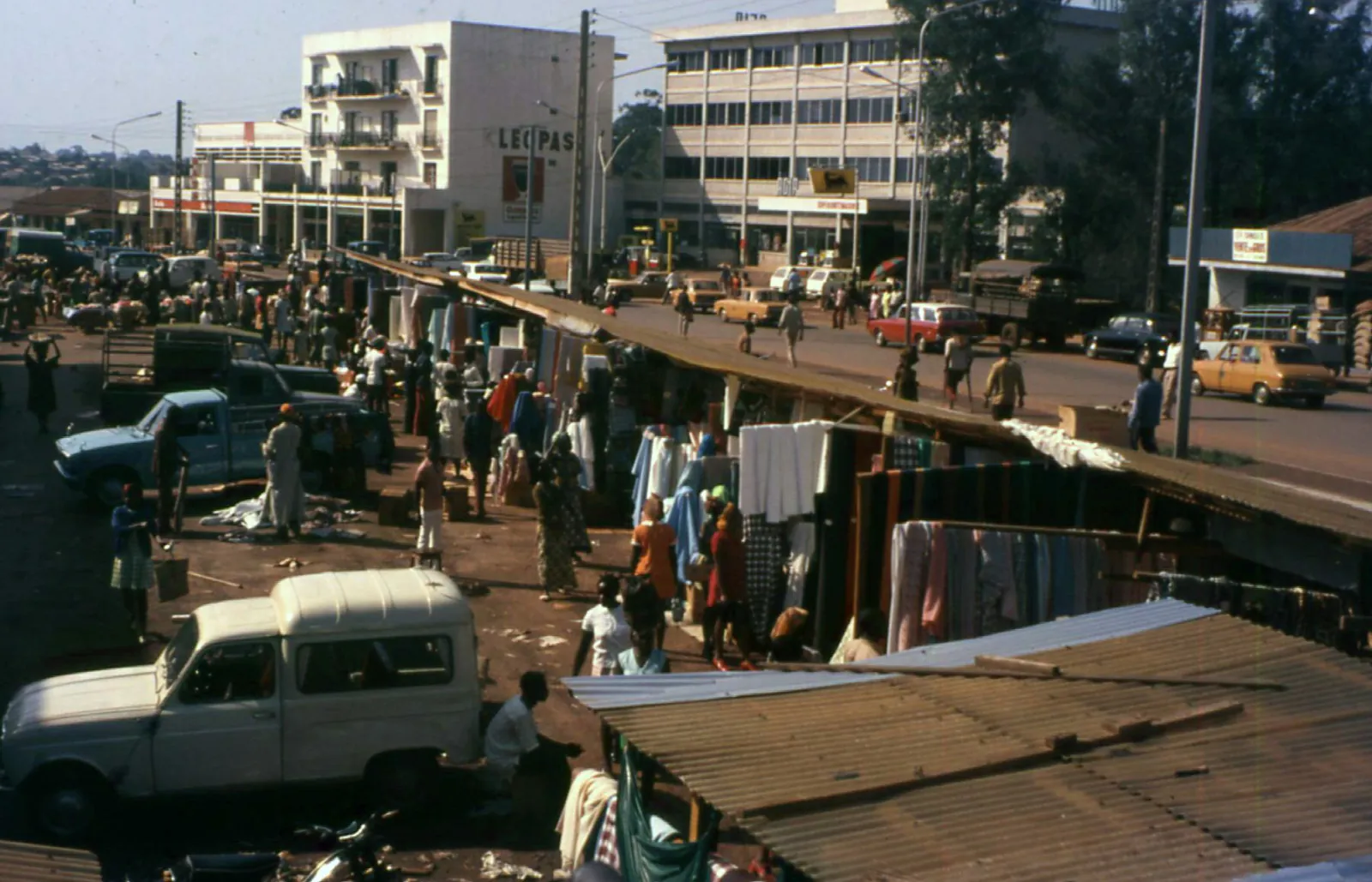
Stalls and crowds at Yaoundé central market in the early 1970s

Publishing a photograph means answering two questions: who is the author, and who is depicted? The author holds the copyright; the person photographed holds a right over their image. In a public space, crowd or landscape images are freer than an individual portrait, which requires the person’s consent.

Citing and crediting

Any reproduction must state the photographer’s name, the date and the place. The site’s official photographs are credited. An omitted credit infringes the author’s moral right, and the author may request its correction.

Licences and commercial uses

A photographer may assign their rights for a specific duration and territory, by means of a written licence. The standard contracts offer clauses for press, publishing, advertising and exhibition. The fee scales give remuneration benchmarks.

Photographing sacred places and heritage

Certain places – chiefdoms, palaces, ritual sites, burial places – have access and photography rules set by their custodians. Before photographing a palace or a chiefdom, ask for the authority’s consent. For a shoot or a professional photo session, submit the filming authorisation.

Step by step

Putting on a photography exhibition from A to Z

Build the series

Choose a precise subject, select twenty to thirty coherent images and write captions with the name, place and date of each shot.

Secure the rights

Gather the consents of the people photographed, check the ownership of the images and register the series to date its creation.

Find the venue

Contact a gallery, a cultural centre or a festival with a file: statement of intent, ten images, curriculum vitae and technical sheet.

Finance and produce

Cost the prints, framing, transport and opening night; submit a grant application or look for a partner.

Hang and open

Install the frames with the venue, light the images, invite the press and organise a meeting with the public.

Archive and distribute

Keep the original files, publish documentation of the exhibition and offer the series to other venues.

Journey

Cameroonian photography in stages

Late nineteenth centuryThe first images

Missionaries, explorers and administrators produce views of the nascent towns, ports and chiefdoms, and portraits of notables.

1930s-1960sThe age of studios

Portrait studios open in Douala, Yaoundé and Foumban; families pose in front of painted backdrops for major occasions.

1970s-1980sPhotojournalism and family albums

The national press trains reporters and neighbourhood photographers cover baptisms, weddings and festivities.

1990s-2000sAuteur photography

Documentary series, exhibitions and participation in international meetings reveal a generation of authors.

2010sThe digital turn

Smartphones, social media and drones democratise photography and multiply publications.

TodayStructuring the profession

The national strategy lists photographers among the professions to be structured; archives are digitised and put online.

To explore

Photography in the other sections

To download

The photographer’s resources

“A photograph only truly lives when it bears a name, a date and a place: credit is the first form of respect owed to the author and to those they looked at.”

A documentary photographer, Douala
Behind the lens

Photographers’ perspectives

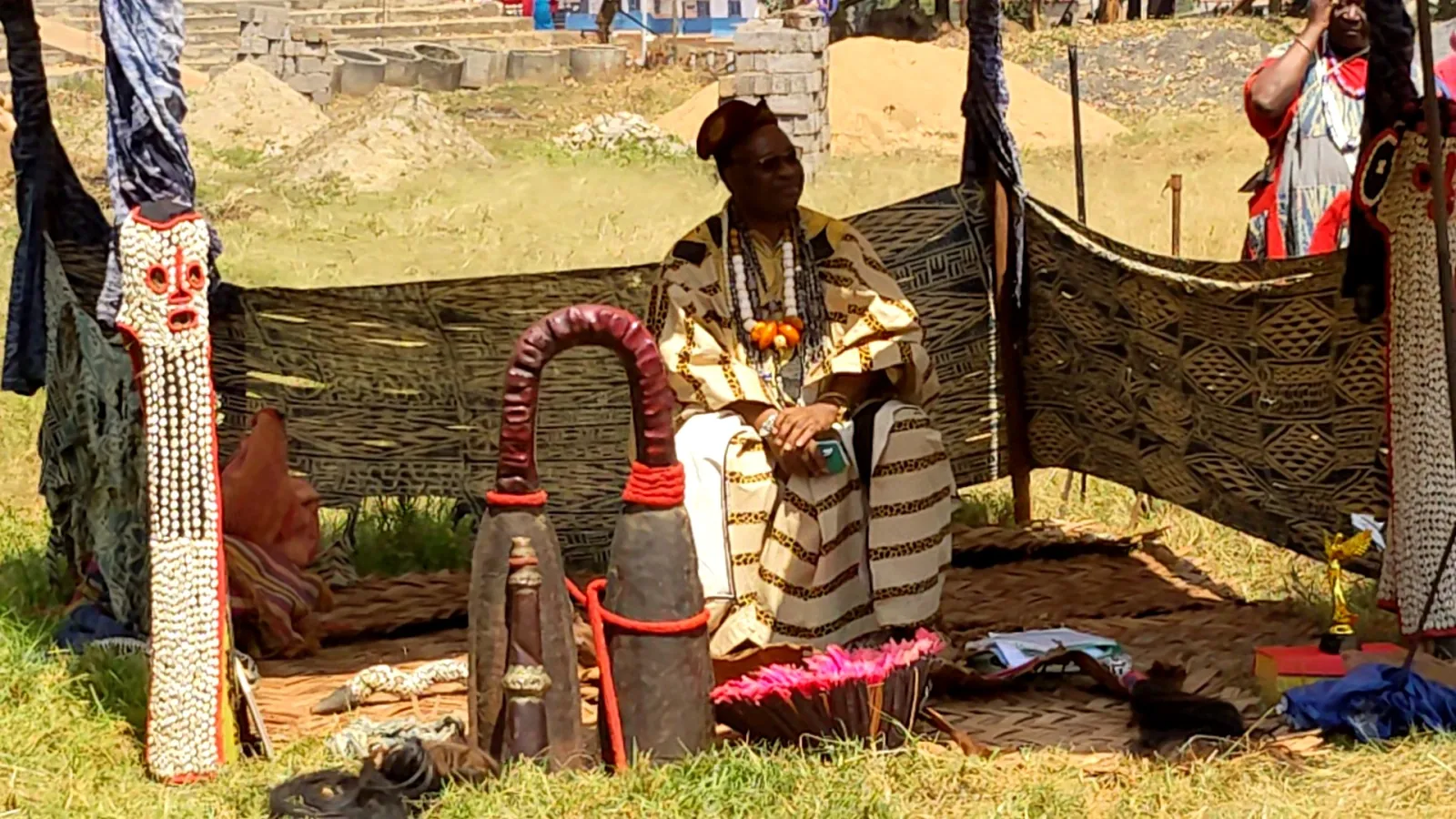
Bamileke chief of Bafoussam seated in a shelter decorated with masks during a festival/ Foumban
A studio photographer

“My father photographed the festivities at court; I digitise his negatives one by one so that families can find their ancestors again.”

/ Yaoundé
A photojournalist

“My job is to arrive before the others and stay after them, so that the image says what words forget.”

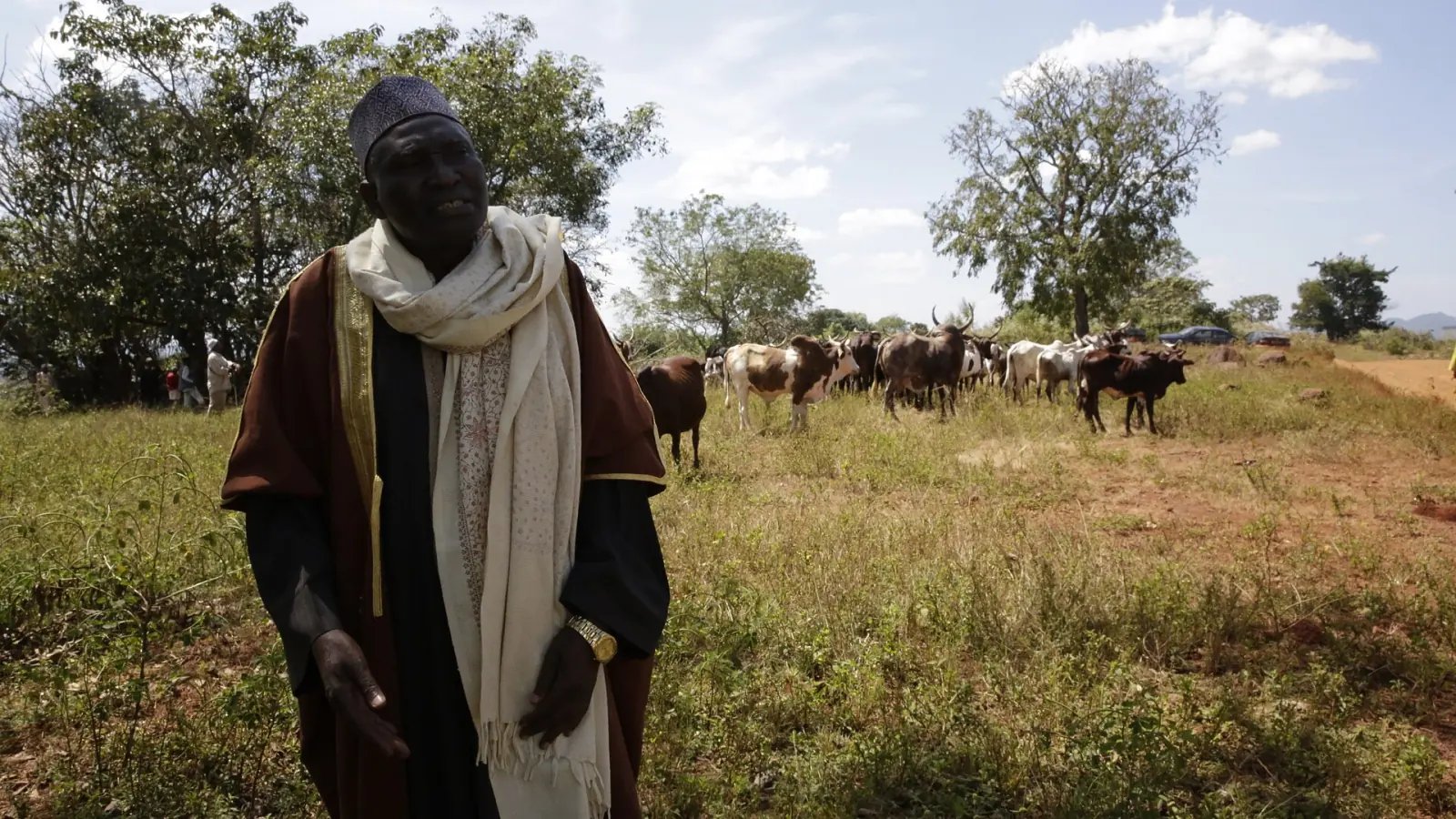
Fulani herder in a robe in front of his cattle herd in Adamawa/ Maroua
A landscape photographer

“The rocks of the Mandara mountains change colour every hour; I spend weeks waiting for a single light.”

/ Douala
A street photographer

“The image education workshop taught me to ask people for their consent and to caption every portrait with care.”

To act

Photography schemes to know about

Register a series

Date your creation and prepare registration in the register of works before any publication or exhibition.

Register

Request official images

Photographs from the Ministry’s photo library may be used on request, with compulsory credit.

See the photo library

Filming authorisation

Compulsory for a professional shoot in a protected place or a sensitive public site.

Submit the application

Support for visual projects

Support for the production, printing and exhibition of a photographic series carried by an author or an association.

Request support
Glossary

The words of photography

Photo credit

Compulsory mention of the photographer’s name accompanying a published image.

Print

Printed proof of a photograph, numbered and signed when intended for sale.

Image rights

A person’s right to object to the distribution of their image without consent.

Archive

Document preserved for its evidential or memory value, accessible under consultation rules.

Negative

Reversed image on film or glass, from which positive prints are made.

Label

Short text accompanying an exhibited work: title, author, date, technique.

Private view

Opening reception of an exhibition in the presence of the artist and the public.

Portfolio

Selection of images presenting a photographer’s work to clients or programmers.

Photojournalism

Practice of news imagery in the service of the press, with ethical rules.

Funds

Coherent set of documents from the same author, studio or family.

Digitisation

Transformation of a print or a negative into a high-quality digital file.

On the site

Look further: images and memory

Resources

Useful links for photography

Stakeholders

Who supports photography?

Key facts

Uses of an image in one table

UseRule to respectAuthorisation to obtainUseful procedure
Publication in the pressCredit compulsory, accurate captionConsent of the author and, for a portrait, of the personCommission contract or licence
Gallery exhibitionRespect of the wall label and creditPhotographer’s consentExhibition agreement
Publication of a bookWritten publishing contractAssignment of rights specifiedStandard publishing contract
PublicitySeparate assignment for commercial useConsent of the author and of the peopleLicence with duration and territory
Ministry websitePhotographic credit visibleConsent of the authorRequest to the photo library
Deposit in the archivesInventory, conditions of consultationConsent of the author or rights holdersDeposit agreement
Photography of a chiefdomRules specific to the placeConsent of the traditional authorityPrior written request
Shoot or professional photo sessionPrior authorisationFilming authorisationOne-Stop Shop
Questions

Your questions about photography

Can I use a photograph found online?

Only with the author’s consent and by stating their credit. An image online remains protected. For the Ministry’s official images, a request for use must be addressed to the photo library, which specifies the conditions of reuse.

Where can I exhibit my photographs?

In galleries, cultural centres, partner museums, festivals and biennials. Prepare a file with a statement of intent, images, curriculum vitae and technical sheet, and consult the cultural calendar and the calls for projects to find venues seeking exhibitions.

How do I register in the photographers’ directory?

Complete the registration form, stating your speciality, your region and a link to your portfolio, and attach three images with their credit. Registration is free, voluntary and requires your written consent for the publication of your contact details.

Do I need the consent of the people I photograph?

For a published individual portrait, yes. Image rights protect every person. For street or crowd scenes, the latitude is wider, but commercial or degrading use remains prohibited. If in doubt, always ask for written permission.

How can I protect my photographic series?

Your photograph is protected from its creation. To date your work and make proof easier, register the series and keep the original files with their metadata. You can also entrust the management of your rights to a collective management society.

Can one photograph a chiefdom or a heritage site?

It depends on the rules of the place. Chiefdoms and sacred sites set their own conditions for access and photography. Request the authority’s consent in writing, and submit a filming authorisation for any professional shoot.

How can I safeguard my family’s old photographs?

Store prints and negatives in acid-free sleeves, away from damp and light, digitise them in high definition, note names, places and dates, and keep the originals separately. The regional delegation can direct you to a public repository.

How do I take part in a photography competition?

Consult the calls for projects and the cultural calendar to identify open competitions, read the rules, prepare your images in the formats requested, write the captions and meet the deadline. Check that you hold all the rights to the images submitted.

Can a photographer obtain the artist card?

Yes. Professional photographers can apply for it online by providing evidence of their activity: publications, exhibitions, commission contracts, agency or media certificates. The card facilitates access to the social status of the artist.

Contact

Talk about your photography project

Describe your organisation, your project and the region concerned: your message is forwarded to the competent directorate, which replies by e-mail.

Competent directorate

Write to the directorate for photography

Address

Directorate of the Development and Promotion of the Arts
Ministry of Arts and Culture
Quartier du Lac – Ministerial Zone
P.O. Box 1053 Yaoundé, Centre Region, Cameroon

Reach us

+237 6 51 70 58 41

contact@minac.gov.cm

Opening hours

Monday to Friday, 8 am to 4 pm

A series to make known?

Consult the open calls for projects and prepare your application file for a competition or an exhibition.

See the calls for projects
WhatsApp