Coat of arms of CameroonMinistry of Arts
and Culture
Republic of Cameroon
My procedures
Home
Minister’s message
News
Press releases
Cultural calendar
Official speeches
Press review
Photo library
Video library
Calls for projects
Job vacancies
Public procurement
Newsletter
Frequently asked questions
Site map
Contact
Press area
Podcast “The Voice of Culture”
Legal notices
Privacy policy
Cookies and trackers
The Ministry
Missions and responsibilities
Organisation
Organisation chart
Minister’s Office (Cabinet)
Management team
General Secretariat
General Inspectorate
Central directorates
Regional Delegations
Institutions under supervision
Legislative texts
Regulatory texts
Sector strategy
Major projects
Budget and reports
Partners
Careers
Archives
Institutional communication
Quality and accessibility
Arts
Visual and plastic arts
Visual arts
Performing arts
Theatre
Dance
Music
Literature and books
Cinema and audiovisual
Photography
Fashion and design
Digital arts
Art crafts
Artists’ directory
Residencies
Prizes and awards
Arts education
Urban arts
Heritage
Tangible heritage
Intangible heritage
UNESCO sites
National museums
Listed monuments
National inventory
Palaces and chiefdoms
Archaeology
Linguistic heritage
Oral traditions
Traditional know-how
Restitution of cultural property
Fight against illicit trafficking
Listing and protection
Conservation and restoration
Heritage Days
Cultural landscapes
Industries
Music and recording
Cinema
Publishing and books
Digital arts
Fashion and creativity
Crafts
Cultural tourism
Funding for culture
Support funds
Incubators
Cultural entrepreneurship
Culture Observatory
Vocational training
Studies and reports
Sector statistics
Export and outreach
Intellectual property
Copyright
Legal framework
Copyright and neighbouring rights
Collective management societies
Register a work
Licences
Private copying
Fight against piracy
Model contracts
Social status of artists
Mediation
Disputes
Training
Fee scales
Register of works
Contact
Digital neighbouring rights
Public domain
Festivals
National calendar
Ngondo
Nguon
Écrans Noirs
Heritage Days
Music Day
Regional festivals
Fairs and exhibitions
Biennials
National competitions
Cultural days
Organise a festival
Event grants
Ticketing
Archives
Volunteering
Diaspora festivals
Regions
Adamawa
Centre
East
Far North
Littoral
North
North-West
West
South
South-West
Cultural map
Regional Delegations
Traditional chiefdoms
National languages
Cultural routes
Decentralised cooperation
Regional observatory
Cooperation
UNESCO
Francophonie (OIF)
African Union
Commonwealth
CEMAC
Bilateral cooperation
Cultural agreements
Professional organisations
Scholarships
Artist exchanges
Cultural years
Diaspora
Funded projects
Embassies
Technical partners
International restitution
International monitoring and calls
Services
Artist card
Show authorisation
Filming authorisation
Festival authorisation
Deposit of a work
Export of works of art
Listing of a property
Grant application
Association accreditation
File tracking
Forms
Fees
Opening hours and addresses
Reporting
Online help
My account
One-Stop Shop
Industries

Culture Observatory

The cultural observatory brings together studies, indicators, surveys and open data on the Cameroonian cultural sector. It informs public decisions and helps professionals build their projects.

Updated on 6 November 20264 sub-pages
Regions covered10
Indicator families6
Annual surveys3
Data formatOpen (CSV)
Observatory

Measuring to decide better

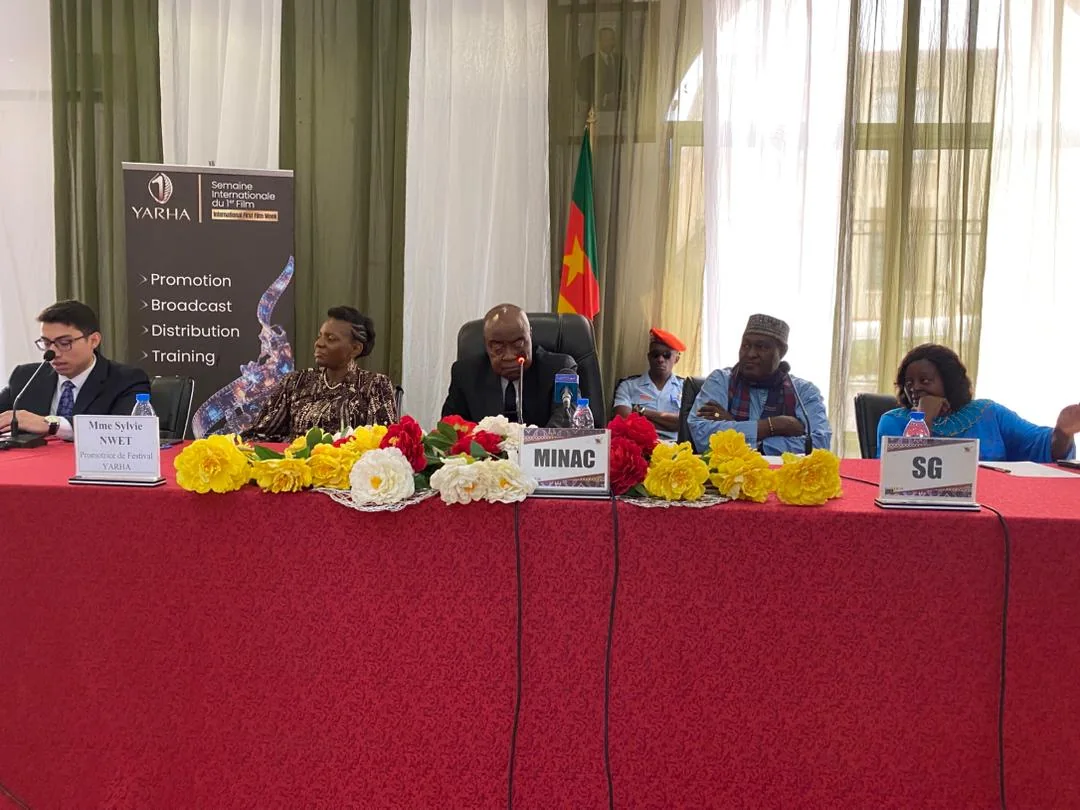
Ministry working meeting around a flower-decked table

There is no cultural policy without data: how many venues, companies, books published, festivals, jobs, museum visitors? The cultural observatory gathers the figures produced by the Ministry’s directorates, its institutions and its partners, checks them, compares them and makes them available to all.

Statistical data collection is part of the missions of several directorates, notably in cinematography, and the Directorate of Performing Arts and Creative Industries conducts studies on the artistic practices of audiences. The observatory organises this work into four components: studies, indicators, surveys and open data.

  • Thematic studies and summary notes
  • Six families of indicators monitored every year
  • Freely reusable datasets
Discover the studies
Studies

Observatory studies

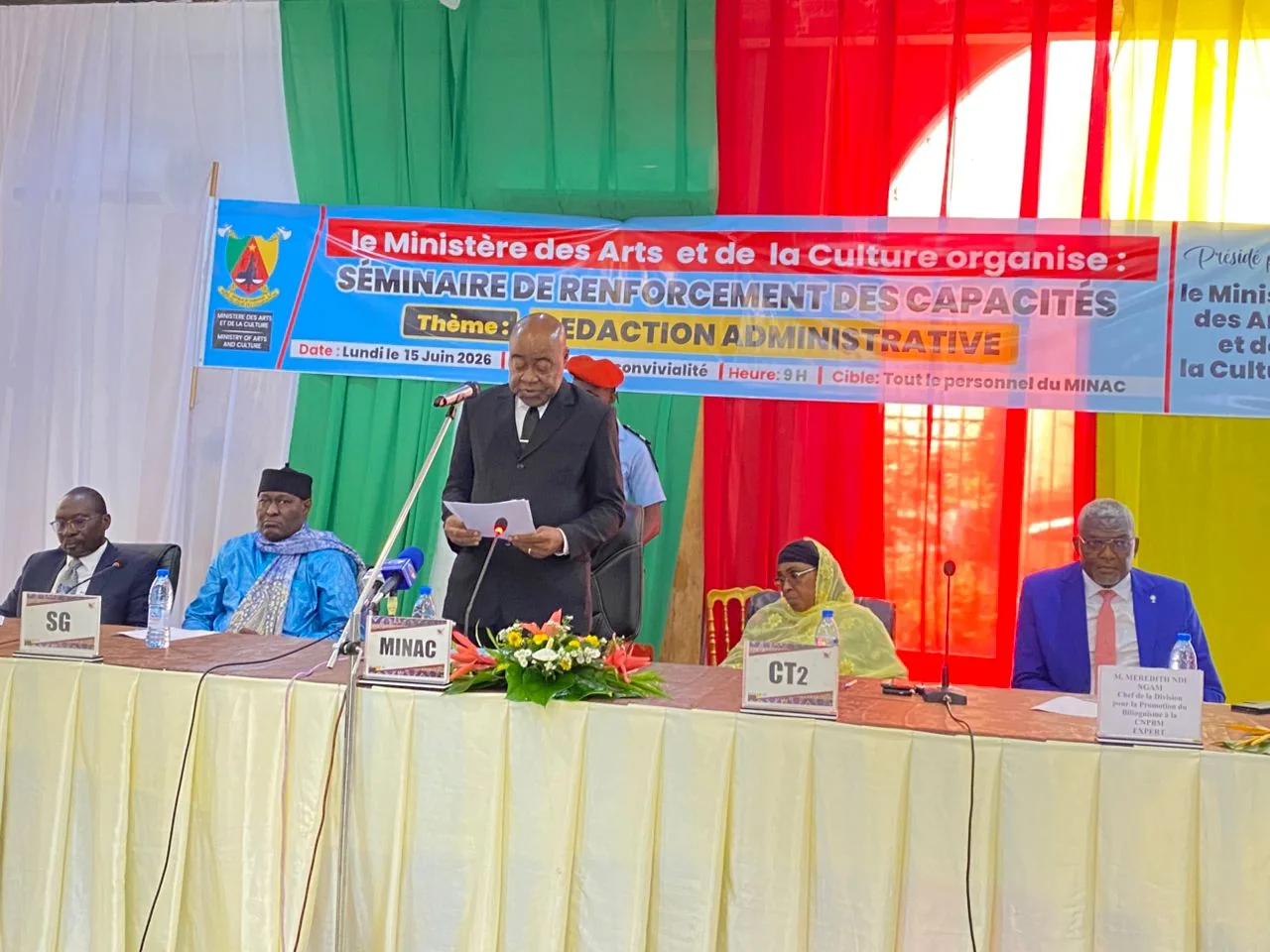
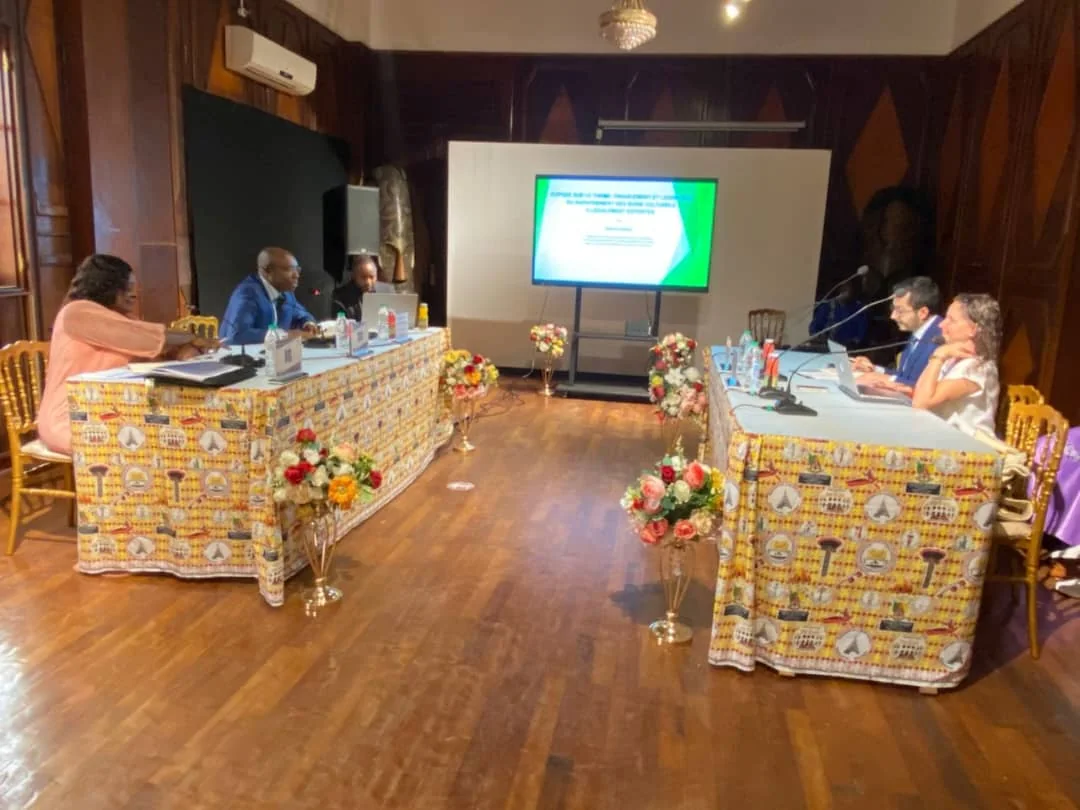
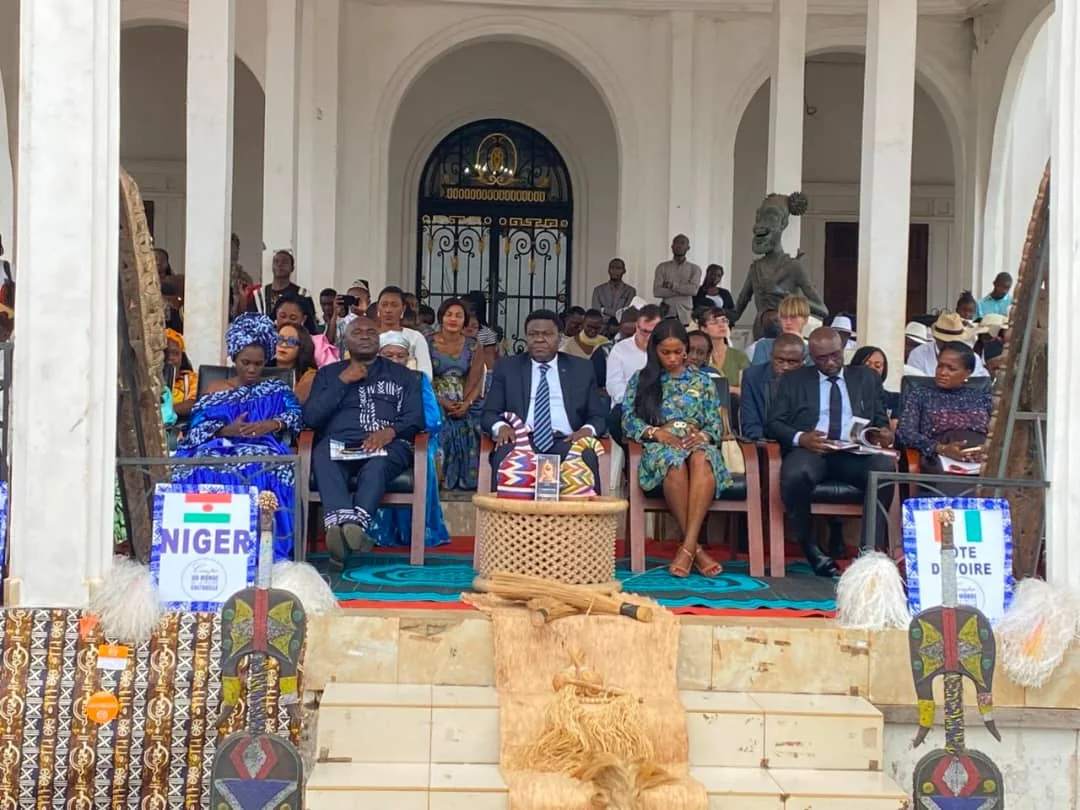
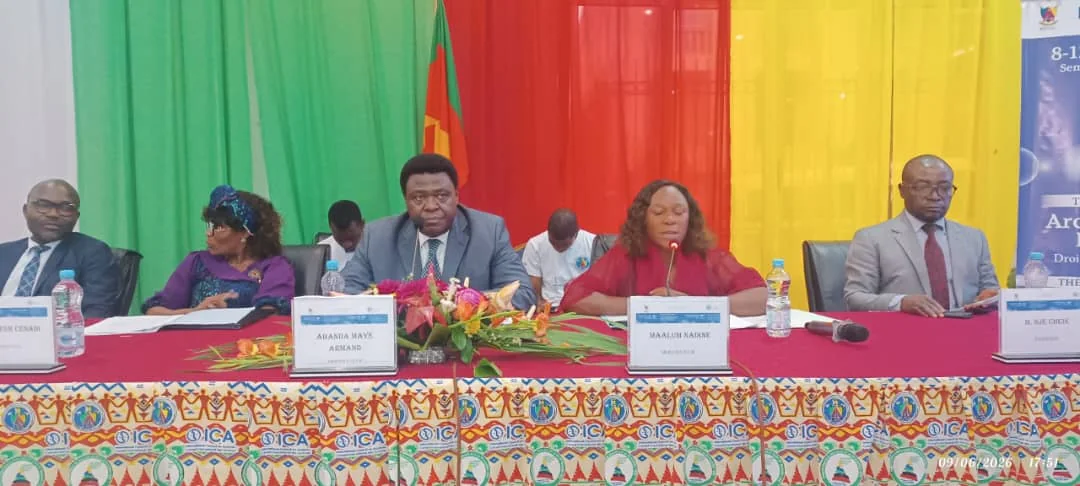
Ministry capacity-building seminar, panel table and speaker

A study answers a precise question asked by decision-makers or professionals: what place for digital technology in film distribution? How many jobs do the festivals of a region create? What obstacles do publishers of books in national languages face? The work is conducted by the directorates, in liaison with universities, specialised firms and professional organisations.

Three formats

  • The full study: about a hundred pages, with method, results and recommendations;
  • The summary note: four to six pages, intended for busy decision-makers;
  • The sector sheet: two pages of figures and benchmarks on a sector (music, cinema, books, crafts, cultural tourism).

A rigorous method

Each study specifies its period, sources, method and limitations. A review committee made up of researchers and professionals proofreads the text before release. The publications are then gathered in the Studies and reports section with their archives.

ℹ️
Suggest a topic

Researchers, associations and professionals can suggest a study topic by writing to the directorate through the contact form on this page. New publications are announced in the newsletter.

Indicators

Cultural indicators

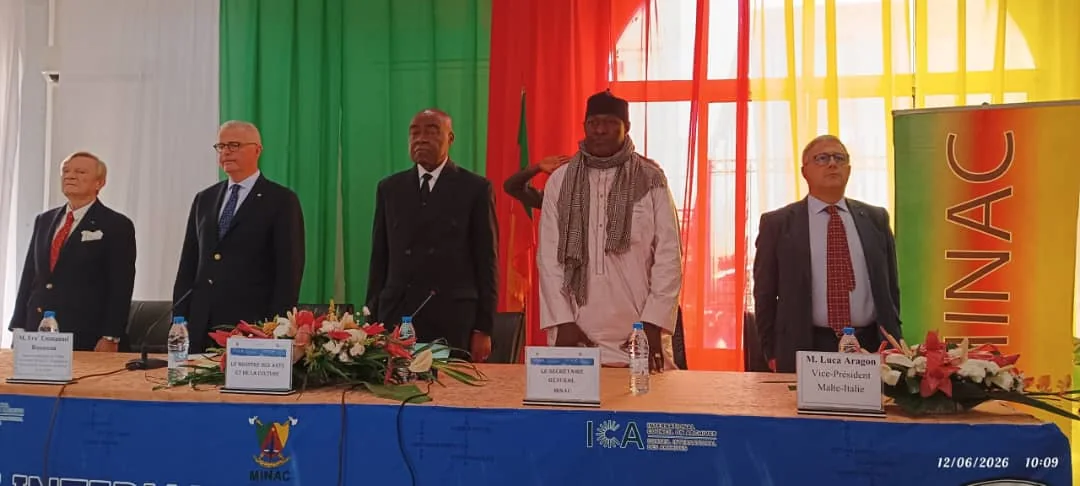
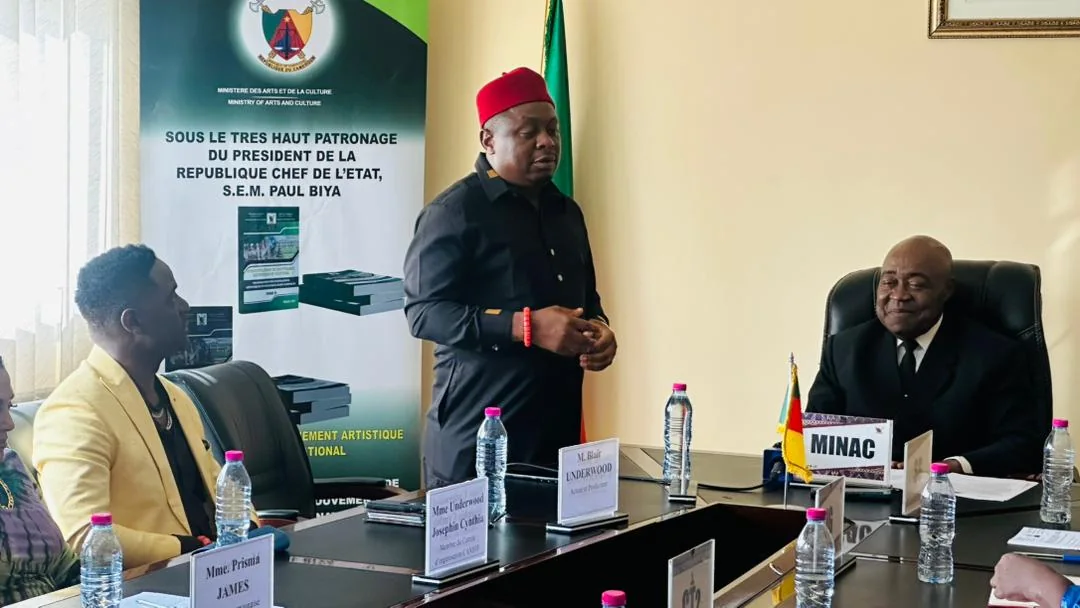
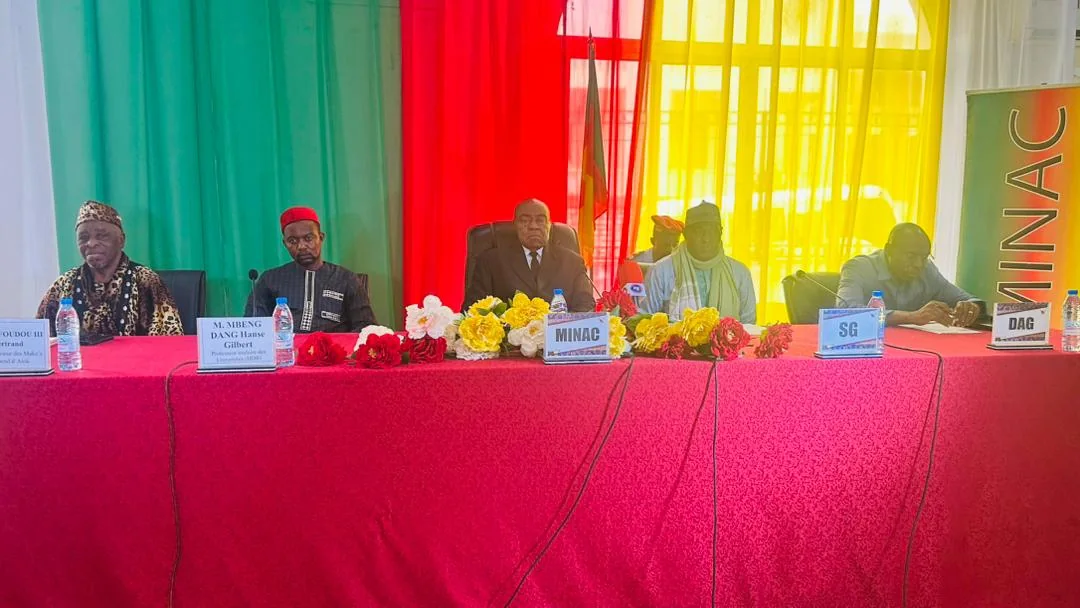
Officials standing before the panel table of a Ministry conference

An indicator is a simple measure, repeated over time, that makes it possible to track the evolution of a phenomenon. The observatory’s indicators are defined with the Ministry’s directorates and with the national statistics institute, so as to use definitions that are common and comparable from one year to the next.

Six families of indicators

  1. Facilities: performance venues, museums, libraries, cultural centres, studios;
  2. Cultural offer: authorised shows, festivals, exhibitions, published titles, films produced;
  3. Attendance: cinema and theatre admissions, museum visitors, festival participants;
  4. Employment and training: registered artists, employees, apprentices, graduates;
  5. Economy: sector turnover, value added, investment;
  6. Public action: files received, support granted, processing times, user satisfaction.

From measurement to decision

Each indicator comes with a fact sheet: definition, method of calculation, frequency, source and limitations. The dashboards are presented to the Directorate General of Services and can be consulted on the Sector statistics and Regional observatory pages. They also feed into the monitoring of the objectives of the sector strategy, as shown on the Sector strategy page.

ℹ️
For the regions

Regional delegations fill in the indicators for their territory each year, which makes it possible to compare the ten regions on a common basis. For any question of method, the online help directs you to the right contact.

Surveys

Surveys of the sector and of audiences

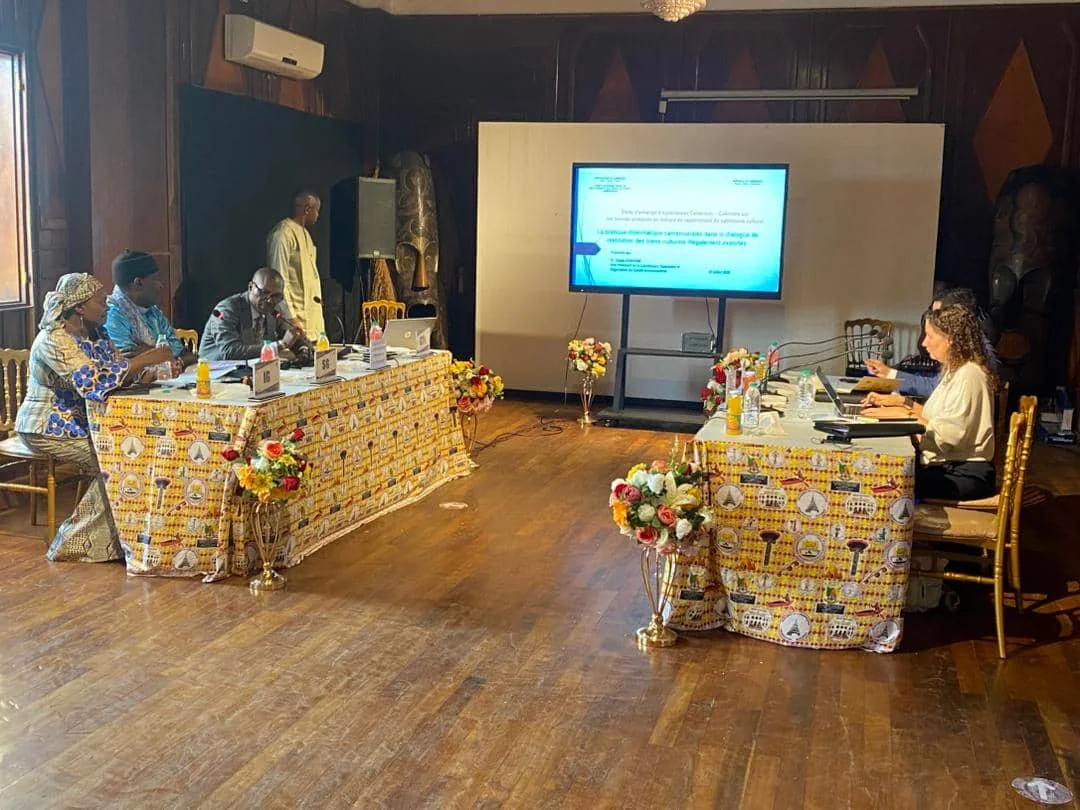
Meeting room with a projection screen during a Ministry workshop

Where administrative statistics are incomplete, the observatory questions those concerned directly. Three regular surveys complement the data collected by the directorates.

The survey of cultural organisations

It is addressed to companies, labels, publishing houses, galleries, studios, venues and festivals. The questionnaire covers the number of jobs, the year’s activity, funding received, difficulties encountered and training needs. Participation is voluntary and individual responses remain confidential.

The survey of audiences’ cultural practices

It measures attendance at shows, museums and festivals and cultural consumption on screens, by age, sex, place of residence and level of education. It extends the studies on audiences’ artistic practices entrusted to the Directorate of Performances and Creative Industries.

The survey of artists

It records artists’ living and working conditions: income, social protection, access to training, mobility. It informs the discussion on the social status of the artist.

How a survey is conducted

  • Drafting of the questionnaire with professionals;
  • Testing on a small group, then launch online, by telephone and in interviews;
  • Support from the regional delegations to reach remote areas;
  • Anonymous processing and feedback to participants.
ℹ️
Responding to a survey

An invitation message states the purpose, the duration (about twenty minutes) and the protection of personal data; see the site’s privacy policy in the site map.

Open data

Culture open data

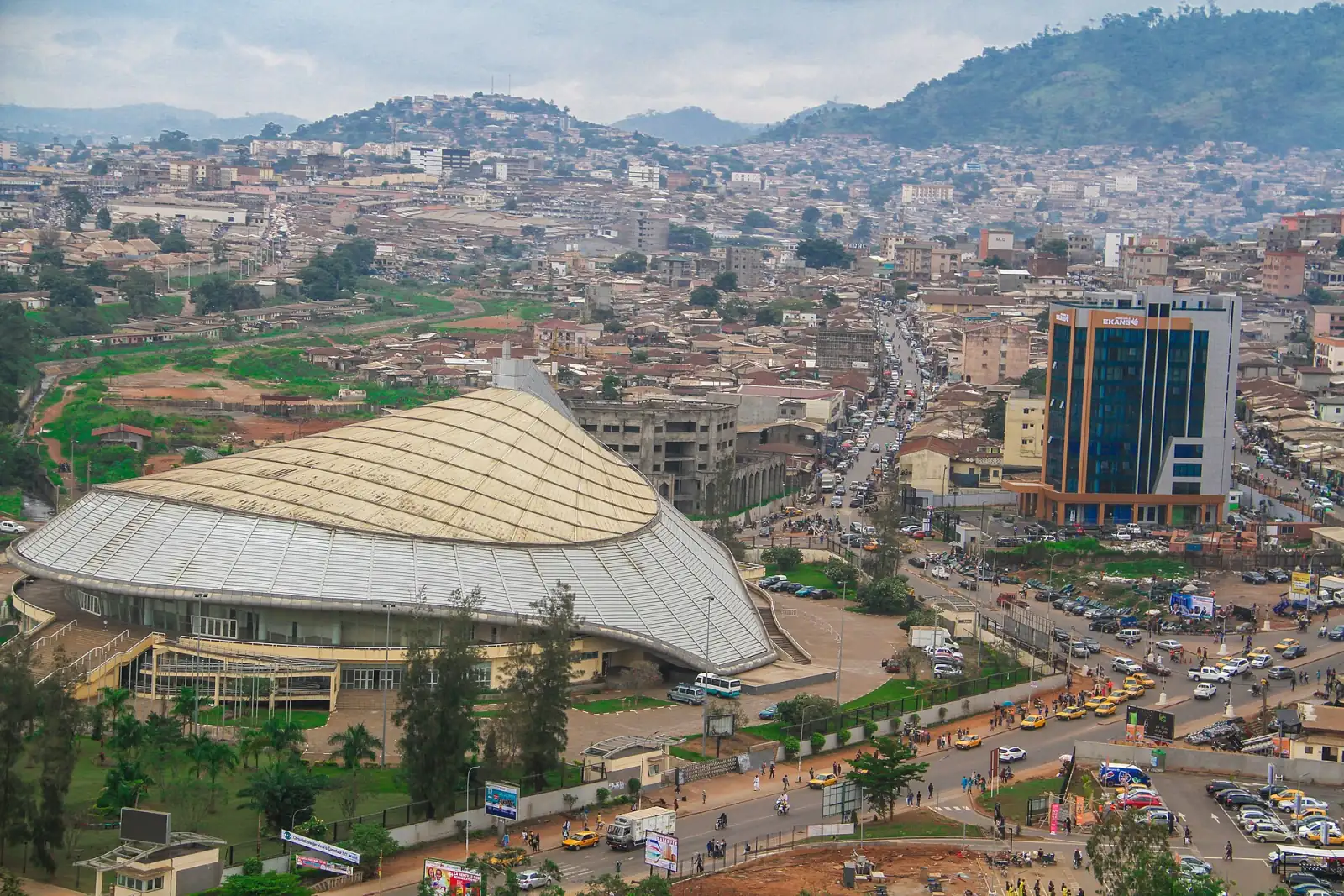
Panoramic view of Yaoundé with the Sports Palace roof and the surrounding hills

Open data are public datasets, free of charge and reusable by everyone: researchers, journalists, developers, associations, students and elected officials. They make it possible to produce maps, applications and analyses that the Ministry could not have produced alone.

What you will find

  • The geolocated list of museums, libraries, listed monuments and venues;
  • The calendar of festivals and events;
  • The observatory’s statistical series, by region and by sector;
  • Directories of national languages and inventoried practices, drawn from the national inventory.

Clear rules

Each dataset is published with a descriptive sheet (producer, date, frequency, licence), an open format (spreadsheet or comma-separated values file) and, where useful, a data dictionary. Reuse is free, provided the source is cited. Personal data are excluded or anonymised.

Reusing the data

An application that shows festivals on a map, a university study on the distribution of facilities, a press report on museum attendance: all of these can draw on the observatory’s datasets. The interactive maps of the cultural map already use these data, as does the site’s agenda feed.

Requests for new datasets should be addressed to the directorate through the contact form.

ℹ️
Reuse licence

The data are distributed under an open licence: copying, adaptation and publication are permitted, with acknowledgement of the source.

Governance

Who steers the observatory and how the data are validated

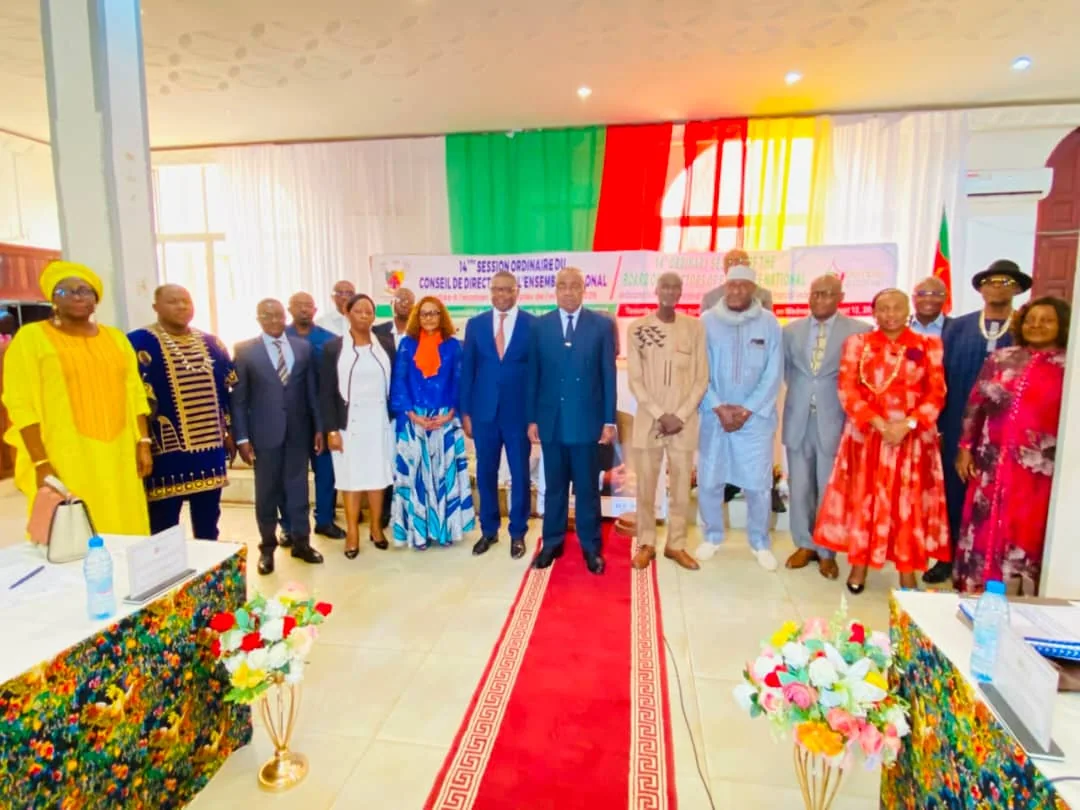
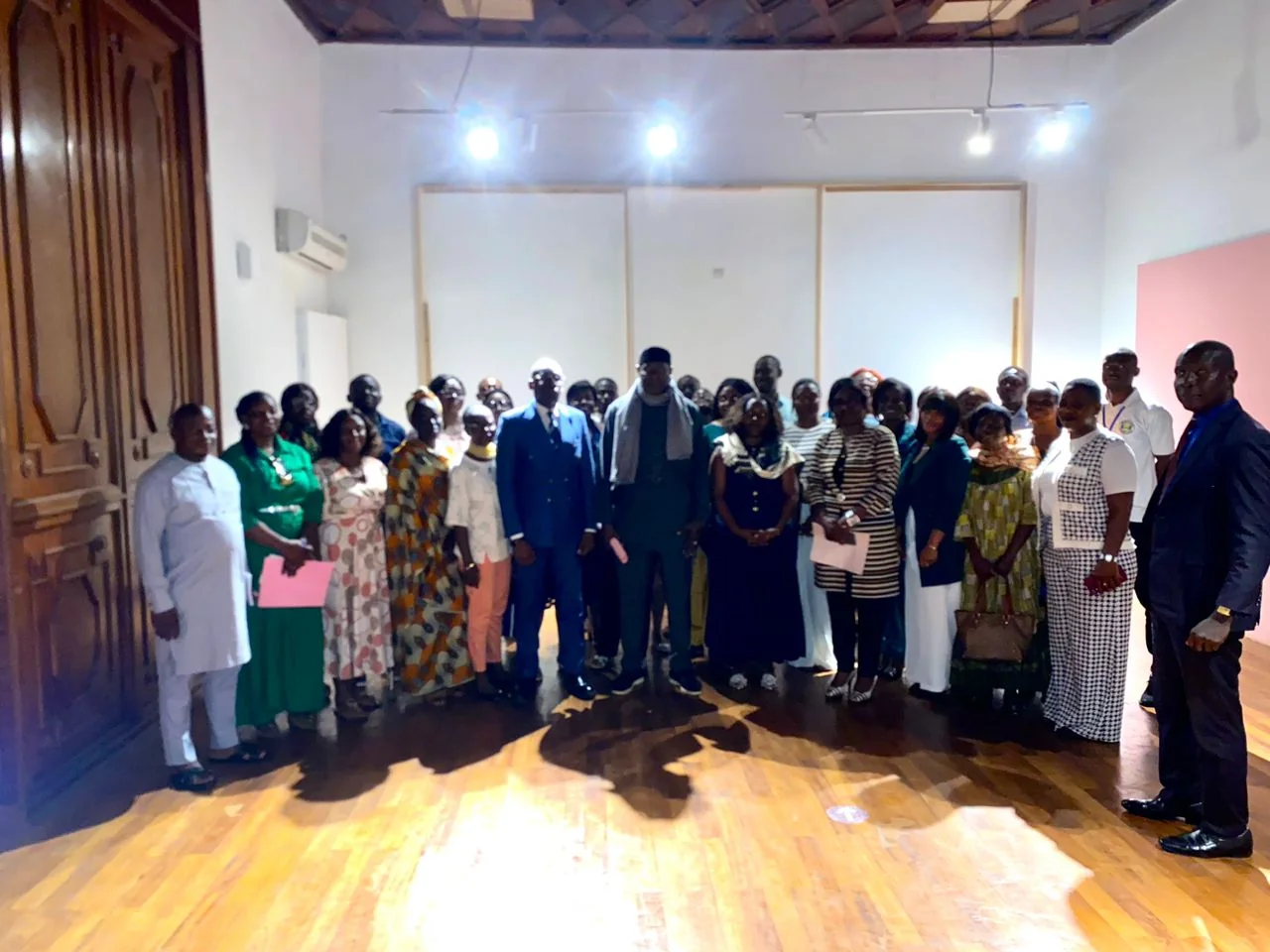
Board session of a Ministry institution, participants posing in the room

The observatory is not an isolated service: it is a network of correspondents in the directorates, the institutions under supervision and the regional delegations. A steering committee, chaired by the General Secretariat, sets the annual work programme and validates publications.

The data pathway

  1. The directorates and delegations enter their data using standardised sheets;
  2. The observatory team checks consistency, corrects discrepancies and documents the sources;
  3. The validation committee approves the series and studies;
  4. Publication takes place on the Sector statistics and Studies and reports pages.

Quality and ethics

Published figures always state their date, scope and margin of uncertainty. An errata section reports corrections. The General Inspectorate may audit the procedures. The rules of statistical confidentiality prohibit publishing any data that would make it possible to identify a person or an organisation.

Scientific partners

Universities, research institutes and international organisations such as UNESCO or the African Union contribute to methods and cross-country comparisons. Activity reports are available under Budget and reports.

Method

Reading cultural figures correctly

Regional delegates and Ministry staff gathered in front of a building

A cultural statistic is useful only if it is read correctly. A few habits help avoid misinterpretation.

Look at the definition

What is meant by a “dance company”? Only registered organisations, or all those that perform? Depending on the definition, the number can vary by a factor of two. Each indicator sheet specifies the scope used.

Compare like with like

A region with a large city naturally has more venues than a rural region. Ratios per inhabitant or per square kilometre give a fairer picture than totals.

Distinguish trend from anomaly

An exceptional year, due to a major festival or the closure of a facility, says nothing about the trend. The observatory presents series over several years and flags breaks in methodology.

Cross-check sources

  • Administrative data (authorisations, approvals, support);
  • Institutional data (museum ticketing, venue attendance);
  • Surveys of audiences and artists;
  • Sources from collective management societies, see their page.

Students and journalists, who can also consult the press review, will find further methodological advice in the workshops of Vocational training.

Step by step

From the field to publication

Define the question

The steering committee selects the year’s topics on the basis of requests from the directorates, professionals and the sector strategy.

Design the method

The team chooses the sources, drafts the questionnaires, defines the indicators and has the method reviewed by a scientific committee.

Collect

The directorates enter their data, the delegations mobilise local organisations and the interviewers survey audiences and artists.

Check and analyse

The data are cleaned, cross-referenced with other sources and analysed; unexplained discrepancies are verified with the correspondents.

Validate and publish

The committee approves the results, which are published as studies, dashboards and open datasets.

Feed back and use

Feedback meetings present the results to participants and decision-makers; the conclusions guide the following year’s choices.

Calendar

A year at the observatory

JanuaryWork programme

The steering committee finalises the studies, surveys and new indicators for the year, with those responsible for them.

MarchLaunch of the surveys

The questionnaires are sent to cultural organisations and artists; the delegations hold help sessions.

JuneAdministrative collection

The directorates submit their data for the past year: authorisations, approvals, support, attendance at institutions.

SeptemberAnalysis

The team consolidates the data, calculates the indicators, writes the summary notes and prepares the maps.

NovemberValidation

The committee approves the series and studies, and sets the publication date for the dashboards.

DecemberPublication and feedback

Results, open data and the annual report are put online, followed by a feedback meeting.

To explore

The observatory in the other sections

Users

Those who use the data

“
The attendance figures by region enabled me to persuade a municipality to invest in a multipurpose hall rather than a new stadium.
Deputy mayor in charge of culture
West
“
For my thesis, the open datasets on festivals saved me months of fieldwork.
Doctoral student in the sociology of culture
Yaoundé
“
I am developing a concert listings application based on the open feed. Every week it reaches more audience members in secondary towns.
Independent developer
Douala
“
The survey of organisations highlighted our management training needs; the workshops that followed meet those expectations.
Director of a festival
Bafoussam

“No cultural policy without data: what is not measured is neither defended, nor funded, nor truly understood.”

A culture statistician
To download

The observatory’s resources

To act

Taking part in the observatory

Respond to surveys

Organisations and artists help improve knowledge of the sector by answering the questionnaires.

Contact us

Download data

The open datasets are available free of charge, with a descriptive sheet and licence.

See the statistics

Read the studies

Reports, notes and sector fact sheets are gathered in an archive section.

Consult the studies

Contribute in the regions

Regional contributors can report a facility or event to be added to the map.

Contribute
Glossary

The observatory’s vocabulary

Observatory

A mechanism that regularly collects, analyses and disseminates the data of a sector.

Indicator

A simple, repeated measure used to track the evolution of a phenomenon over time.

Survey

Collection of data by questionnaire or interview from a sample or a population.

Sample

A representative part of a population surveyed in order to estimate the whole.

Statistical series

A sequence of values of the same indicator over several years, making it possible to identify trends.

Open data

Public data that are freely accessible, reusable and redistributable under an open licence.

Metadata

Information describing a dataset: producer, date, scope, frequency, licence.

Dashboard

A concise presentation of key indicators for monitoring an action or a policy.

Statistical confidentiality

A rule prohibiting the publication of a figure that would make it possible to identify a person or an organisation.

Attendance

Number of admissions or participants at a venue or event over a period.

Scope

The precise limits of what a figure covers: places, organisations, period, type of activity.

On the site

Continue reading the figures

Resources

Useful links for cultural data

Stakeholders

Who feeds the observatory?

Key facts

The four components of the observatory in one table

ComponentContentPaceMain audience
StudiesLong reports, summary notes, sector fact sheetsA few publications per yearDecision-makers, researchers, professionals
IndicatorsSix families of comparable measuresAnnual updateDirectorates, elected officials, journalists
Organisation surveysEmployment, activity, fundingOnce a yearCompanies, labels, publishers, festivals
Audience surveysPractices and attendanceEvery two yearsProgrammers, local authorities
Artist surveyIncome, social protection, trainingEvery two yearsTrade unions, social partners
Open dataDatasets and mapsContinuousDevelopers, students, associations
Questions

Your questions about the culture observatory

What is the culture observatory for?

It gathers, checks and disseminates data on the cultural sector in order to inform public decisions, help professionals build their projects and inform citizens. Its work is organised in four components: studies, indicators, surveys and open data.
Where do the published figures come from?

From the Ministry’s directorates, the institutions under supervision, the regional delegations, collective management societies and partners such as universities. These are supplemented by the results of surveys conducted among organisations, audiences and artists. Each series states its sources.

Where can I consult the statistics?

On the Sector statistics page, which presents employment, the economy and the regions with files to download, and in the Studies and reports section for publications. Regional data are also available in the regional observatory.

Can I reuse the data?

Yes, freely and free of charge, provided the source is cited. Open datasets are distributed in standard formats with a descriptive sheet. No personal data appear in them: sensitive information is excluded or anonymised before publication.

Are my survey responses confidential?

Yes. Individual responses are never published: only aggregated results are released, with a statistical confidentiality rule that prevents any structure or person from being identified. The questionnaires specify the use of the data and the rights of access and rectification.

How can I suggest a study topic?

Write to the directorate describing the question, the audience concerned and the usefulness for the sector. The steering committee examines proposals when drawing up the annual programme and, if the topic is selected, involves the author of the suggestion in the first meetings.

Does the observatory cover all regions?

Yes, the ten regions complete the indicators for their area each year through the regional delegations. Coverage still varies by field: it is better for facilities and the cultural offer than for informal employment and the economy of the sectors.

How do I report an error in a figure?

Use the contact form, stating the page, the figure concerned and the source of your information. The team checks with the producer of the data, corrects the figure if necessary and records the correction in the errata section.

Contact

Write to the Ministry: Culture Observatory

Describe your activity or your project.

Competent directorate

Contact the observatory team

Address

Directorate of Shows and Creative Industries
Ministry of Arts and Culture
Quartier du Lac – Ministerial Zone
P.O. Box 1053 Yaoundé, Centre Region, Cameroon

Reach us

+237 6 51 70 58 41

contact@minac.gov.cm

Opening hours

Monday to Friday, 8 am to 4 pm

Figures to consult?

Access the sector statistics, studies and open datasets of the culture observatory.

See the statistics
WhatsApp