Coat of arms of CameroonMinistry of Arts
and Culture
Republic of Cameroon
My procedures
Home
Minister’s message
News
Press releases
Cultural calendar
Official speeches
Press review
Photo library
Video library
Calls for projects
Job vacancies
Public procurement
Newsletter
Frequently asked questions
Site map
Contact
Press area
Podcast “The Voice of Culture”
Legal notices
Privacy policy
Cookies and trackers
The Ministry
Missions and responsibilities
Organisation
Organisation chart
Minister’s Office (Cabinet)
Management team
General Secretariat
General Inspectorate
Central directorates
Regional Delegations
Institutions under supervision
Legislative texts
Regulatory texts
Sector strategy
Major projects
Budget and reports
Partners
Careers
Archives
Institutional communication
Quality and accessibility
Arts
Visual and plastic arts
Visual arts
Performing arts
Theatre
Dance
Music
Literature and books
Cinema and audiovisual
Photography
Fashion and design
Digital arts
Art crafts
Artists’ directory
Residencies
Prizes and awards
Arts education
Urban arts
Heritage
Tangible heritage
Intangible heritage
UNESCO sites
National museums
Listed monuments
National inventory
Palaces and chiefdoms
Archaeology
Linguistic heritage
Oral traditions
Traditional know-how
Restitution of cultural property
Fight against illicit trafficking
Listing and protection
Conservation and restoration
Heritage Days
Cultural landscapes
Industries
Music and recording
Cinema
Publishing and books
Digital arts
Fashion and creativity
Crafts
Cultural tourism
Funding for culture
Support funds
Incubators
Cultural entrepreneurship
Culture Observatory
Vocational training
Studies and reports
Sector statistics
Export and outreach
Intellectual property
Copyright
Legal framework
Copyright and neighbouring rights
Collective management societies
Register a work
Licences
Private copying
Fight against piracy
Model contracts
Social status of artists
Mediation
Disputes
Training
Fee scales
Register of works
Contact
Digital neighbouring rights
Public domain
Festivals
National calendar
Ngondo
Nguon
Écrans Noirs
Heritage Days
Music Day
Regional festivals
Fairs and exhibitions
Biennials
National competitions
Cultural days
Organise a festival
Event grants
Ticketing
Archives
Volunteering
Diaspora festivals
Regions
Adamawa
Centre
East
Far North
Littoral
North
North-West
West
South
South-West
Cultural map
Regional Delegations
Traditional chiefdoms
National languages
Cultural routes
Decentralised cooperation
Regional observatory
Cooperation
UNESCO
Francophonie (OIF)
African Union
Commonwealth
CEMAC
Bilateral cooperation
Cultural agreements
Professional organisations
Scholarships
Artist exchanges
Cultural years
Diaspora
Funded projects
Embassies
Technical partners
International restitution
International monitoring and calls
Services
Artist card
Show authorisation
Filming authorisation
Festival authorisation
Deposit of a work
Export of works of art
Listing of a property
Grant application
Association accreditation
File tracking
Forms
Fees
Opening hours and addresses
Reporting
Online help
My account
One-Stop Shop
Copyright

Public domain

Public domain works, orphan works, research and reuse: what Law No. 2000/011 provides on prior declaration to the Minister and the fifty per cent royalty paid into the cultural policy support account.

Updated on 6 November 20264 sub-pages
Levy50 %
StatementPrior step
Moral rightsMaintained
ProductCultural fund
Common heritage

Works that belong to everyone

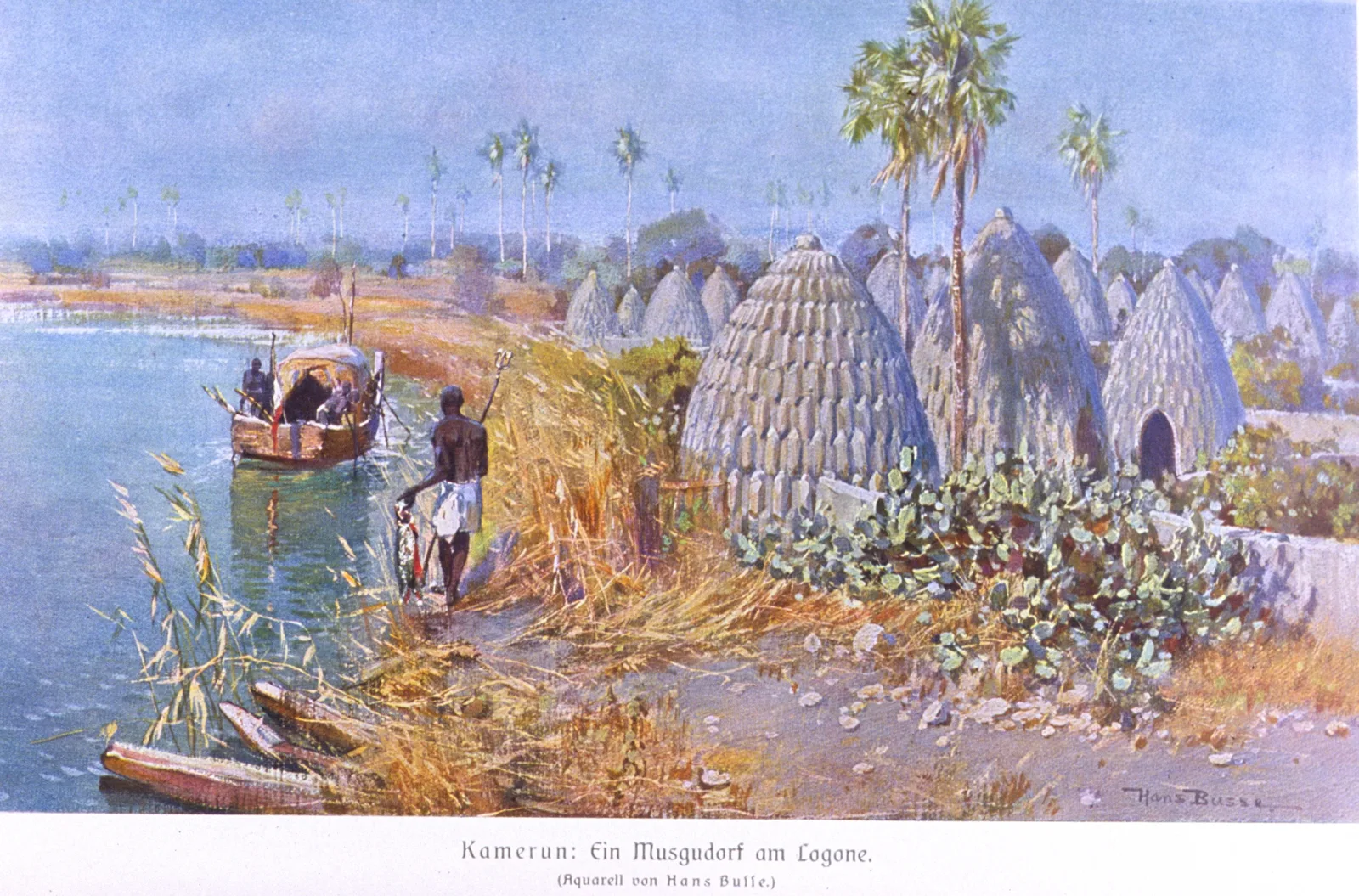
Village on a lake in Cameroon, old painting

When the protection periods provided for by Law No. 2000/011 expire, the author’s exclusive right falls into the public domain. The work may then be performed, published, adapted or taught without requesting authorisation from heirs, but exploitation remains regulated: respect for moral rights, prior declaration to the Minister in charge of culture and payment of a royalty.

This page presents what the public domain covers in Cameroon, the situation of works whose rights holder cannot be found, the research to carry out before exploiting a work and the rules of reuse, with the procedures useful to publishers, producers, teachers and artists.
  • Prior declaration to the Minister
  • Royalty of 50% of the amount that would have been due
  • Permanent respect for moral rights
Public domain works
Definition

Public domain works: durations and special cases

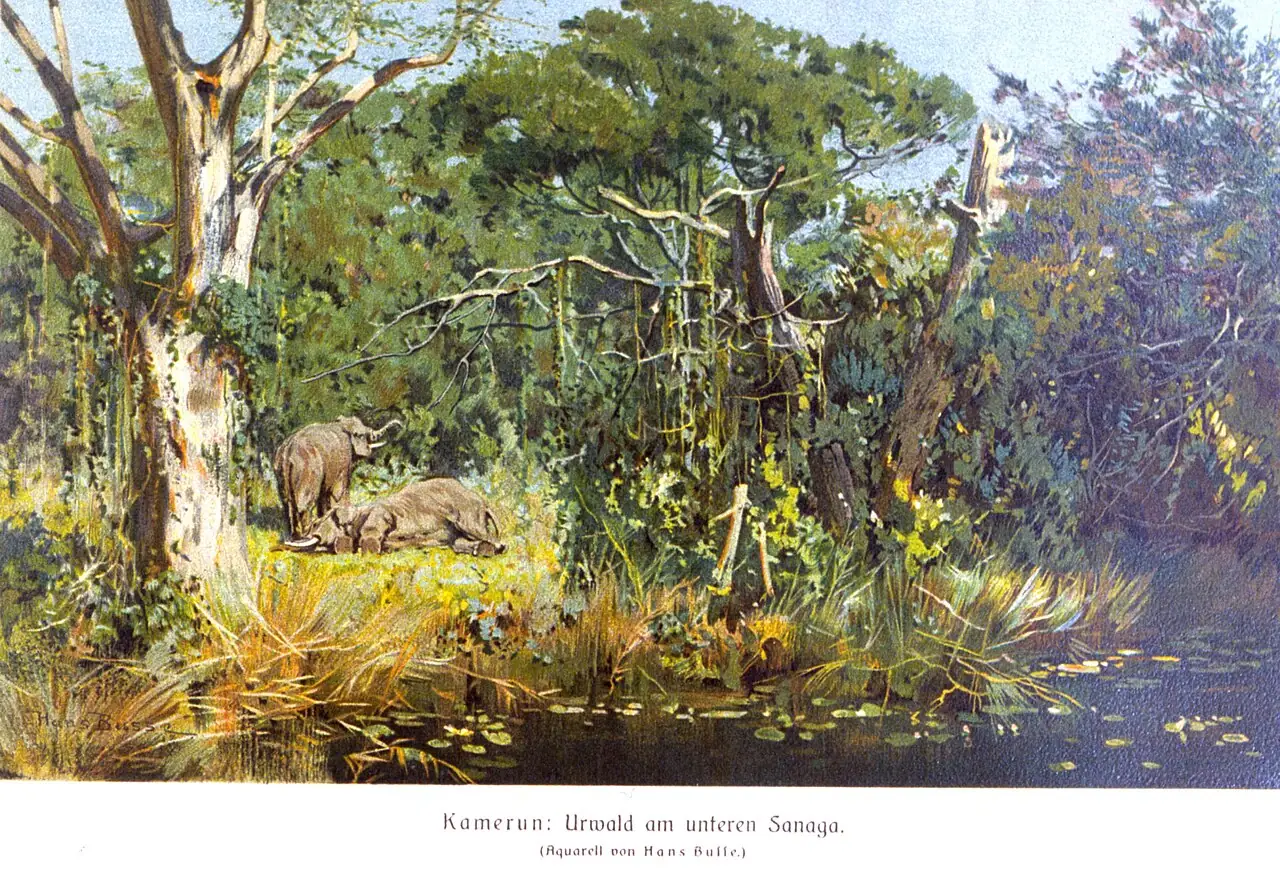
Old watercolour of a Cameroonian forest with elephants

The law defines a public domain work as one whose period of protection has expired. This period depends on the nature of the work and the situation of its author.

The general case

The author’s economic rights last for their whole life. They persist after death for the current calendar year and the fifty years that follow. A song whose composer died more than half a century ago, an old novel or a painting by a long-deceased painter may thus have entered the public domain.

Collaborative works

Where several authors created together, the term is calculated from the death of the last surviving collaborator, in the year of their death and the fifty years that follow.

Other regimes

  • Anonymous or pseudonymous works: fifty years from the end of the year of authorised publication, unless the author’s identity is known;
  • Audiovisual works, works of applied art and collective works: fifty years from the end of the year of publication, or of creation if there was no publication;
  • Posthumous works: a specific regime set out in the texts.

Folklore, a special case

Expressions of folklore (tales, dances, rituals, popular arts) belong originally to the national cultural heritage. Their commercial exploitation requires authorisation, detailed in the legal framework. See also intangible heritage and oral traditions.

ℹ️
Key points

Entering the public domain does not mean disappearing from the law: the author’s moral rights over their name and the integrity of their work remain. Check the date and the applicable regime before exploiting.

Unknown rights holder

Orphan works: when no one answers

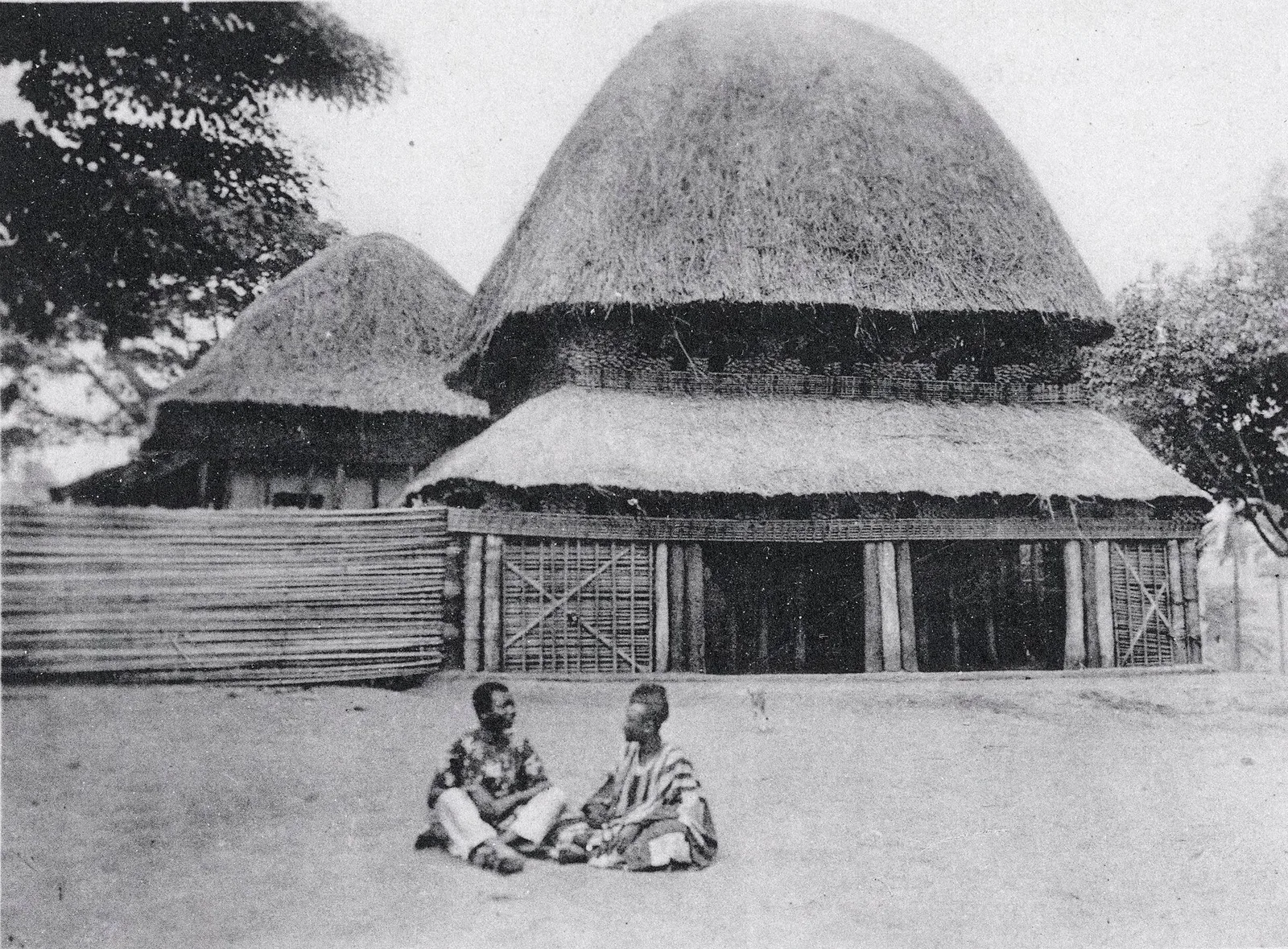
Completed house in Bamoun country, old photograph

An orphan work is a work that is still protected but whose rights holder cannot be identified or found: anonymous author, scattered heirs, defunct publishing house, dissolved society. Many archive collections, old photographs or sound recordings are in this situation.

Why the subject is delicate

Exploiting such a work without authorisation exposes you to proceedings if the rights holder subsequently comes forward. Conversely, refraining from broadcasting it deprives the public of valuable heritage. Prudence therefore calls for serious research, which should be documented.

The recommended procedure

  1. Search the works register and the collective management societies;
  2. Look for publishers, producers, successors in title and estates through archives, the press and professional networks;
  3. Keep a written record of each search: date, contact, result;
  4. Refer the matter to the Ministry with this file to be advised on possible next steps;
  5. In the event of exploitation, provide for a sum to be set aside for the rightsholder should one come forward.

Orphan works and heritage

Museums, libraries and archive services are the first affected. Their digitisation projects, described in the conservation and restoration and archives pages, regularly encounter this situation.

Identify

The research to carry out before exploiting a work

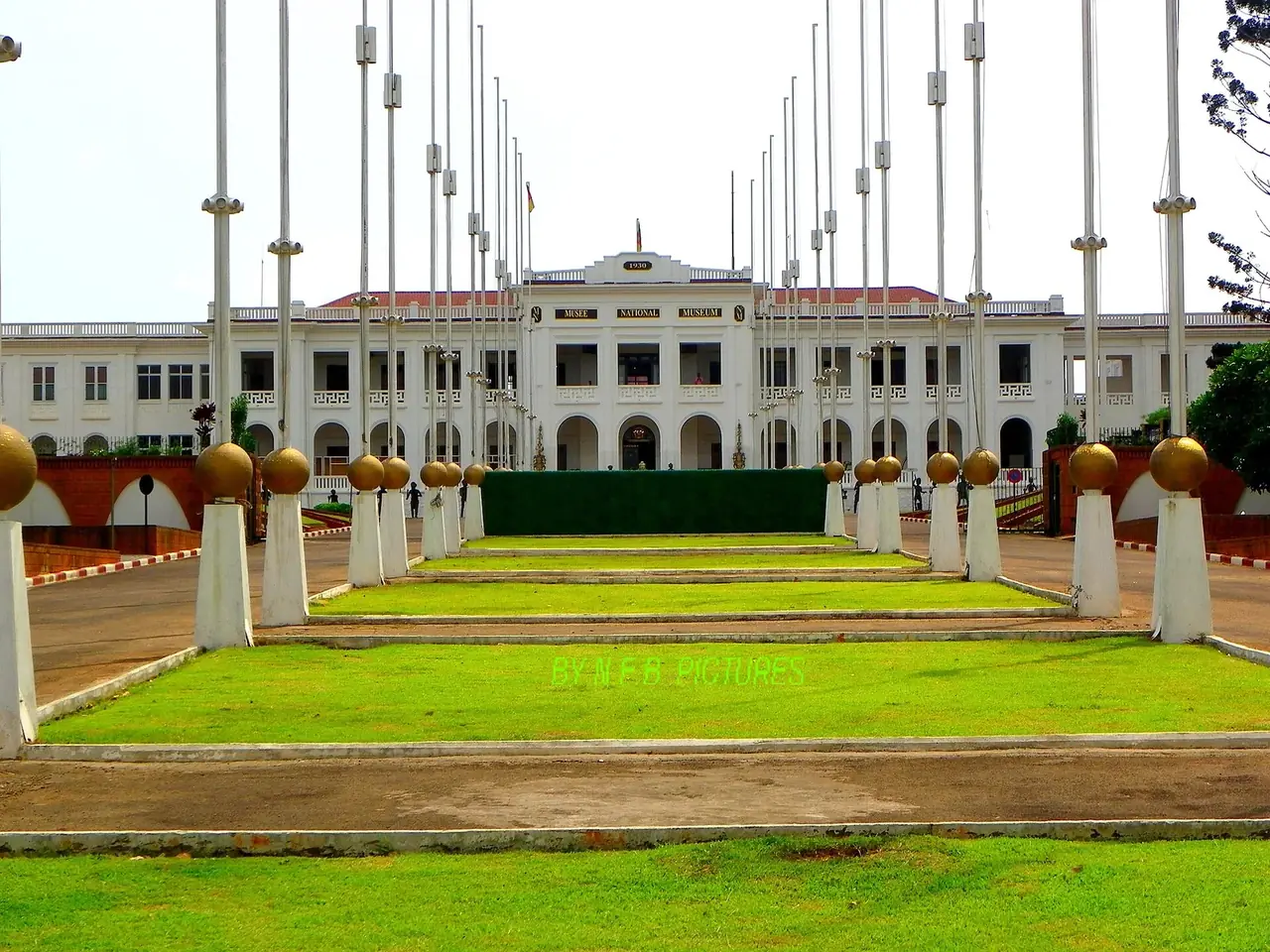
Façade of the National Museum in Yaoundé

Before publishing, reproducing or broadcasting an older work, a three-step check is essential: has the work fallen into the public domain, who is its author, and are there neighbouring rights or rights attached to a particular edition?

Establish the author’s identity and date of death

Dictionaries of artists, museum records, press archives and civil registers make it possible to date a death. For a work of joint authorship, all the collaborators must be traced, together with the date of death of the last survivor.

Distinguish the work from its recording

An old melody may be free of rights while the recording made of it, or the performance, remains protected by neighbouring rights. Likewise, a photograph of a painting or a recent translation of an old text is protected in its own right. See the page on copyright and neighbouring rights.

ℹ️
Keep your evidence

A dated research file, with the names of the bodies consulted and their replies, is the best protection of good faith.

Exhibition

The reuse of works: declaration, fee and moral rights

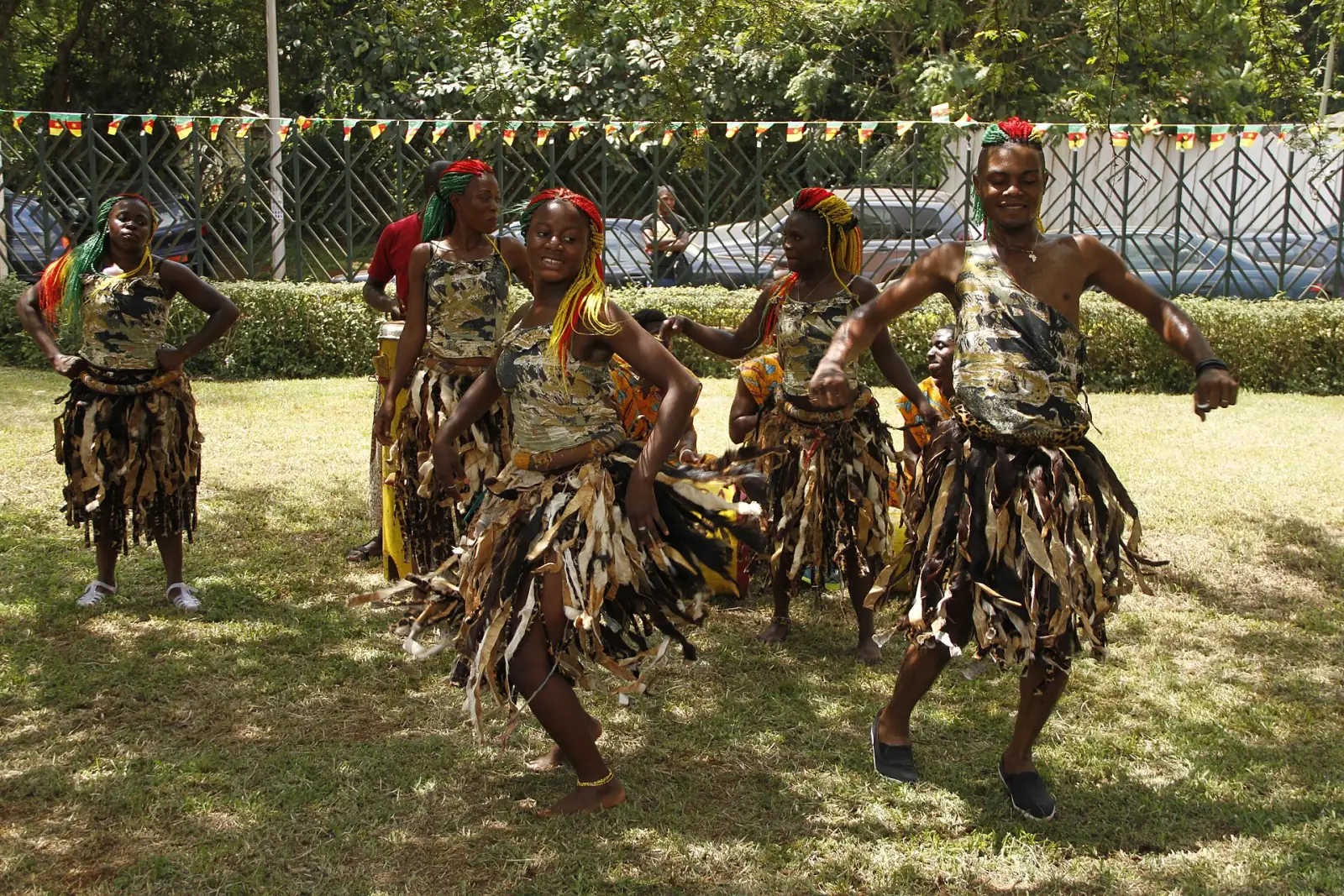
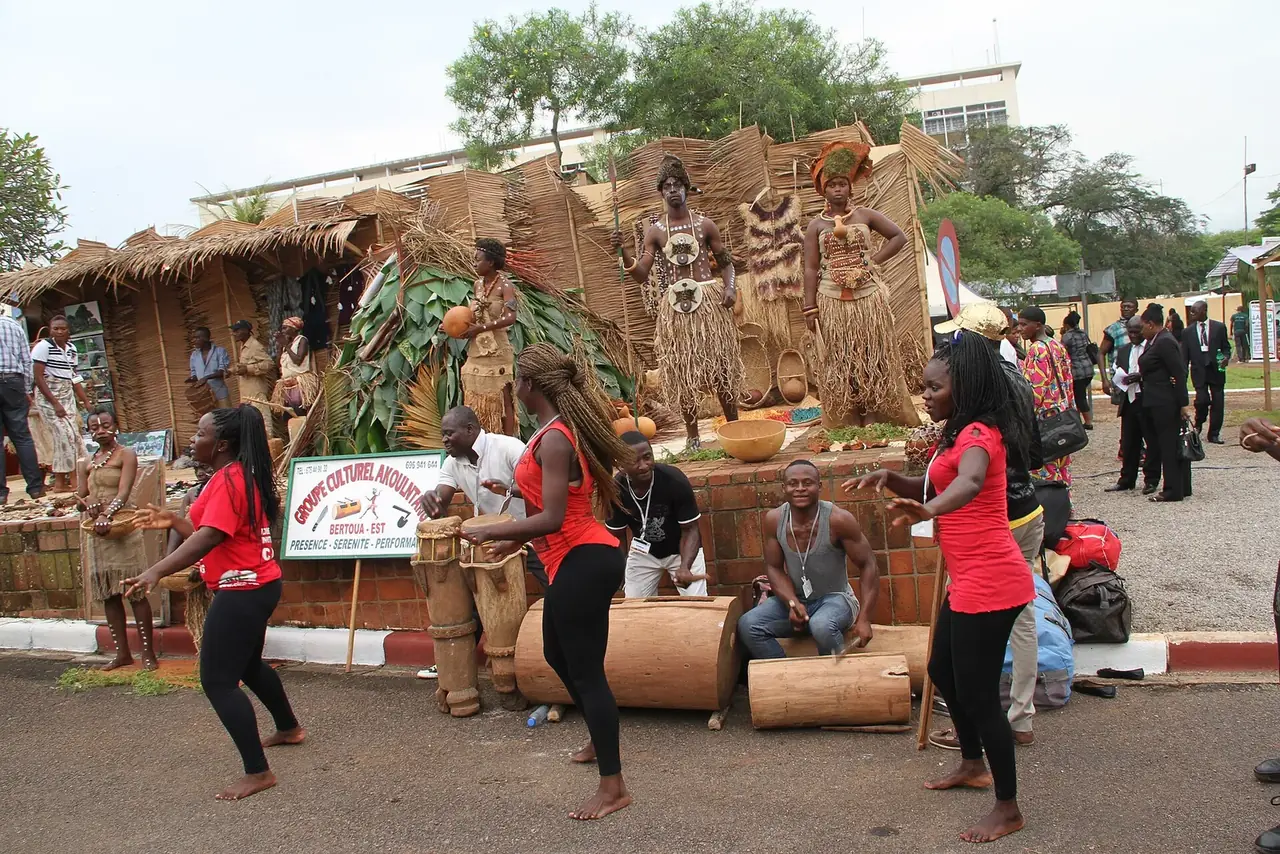
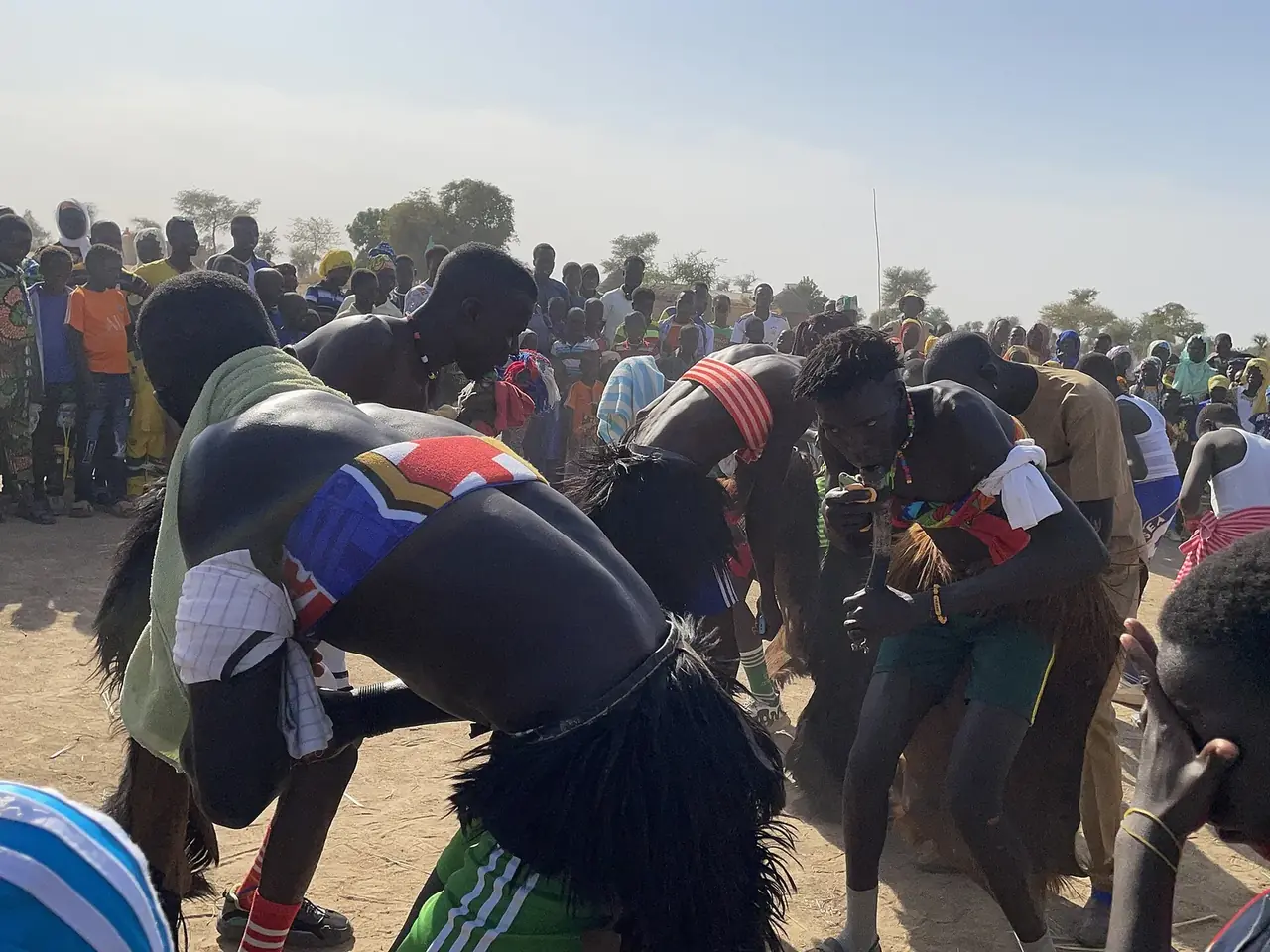
Dancers in raffia and leaf costumes performing on a lawn

The exploitation of a work in the public domain is subject to three conditions: respect for moral rights, a prior declaration addressed to the Minister responsible for culture, and payment of a fee. This fee is set at fifty per cent of the amount that was due when the work was protected. The proceeds are paid into the cultural policy support account.

The prior declaration

It is filed before any exploitation: publication, performance, recording, audiovisual adaptation, advertising use. The declaration identifies the work, its author, the nature of the exploitation, the medium and the intended duration. It may be submitted to the One-Stop Shop.

The levy

The calculation is based on the rate schedules applicable to protected works, to which the rate of fifty per cent is applied. For the amounts, see the rate schedules and the fees page.

Moral rights remain

The author’s name must be cited and the work may not be mutilated or distorted. An adaptation must respect the spirit of the work. Moral rights are perpetual, inalienable and imprescriptible.

Educational and cultural uses

Teachers, libraries and associations may rely on these rules to promote their heritage. Simplified arrangements may apply to certain non-commercial uses; enquire at the One-Stop Shop. Arts education and heritage days are favoured settings for reuse.

ℹ️
Before any exploitation

Declare first, exploit afterwards: exploitation without a prior declaration does not comply with the law, even if the work is old.

Practical cases

Four projects to reuse older works

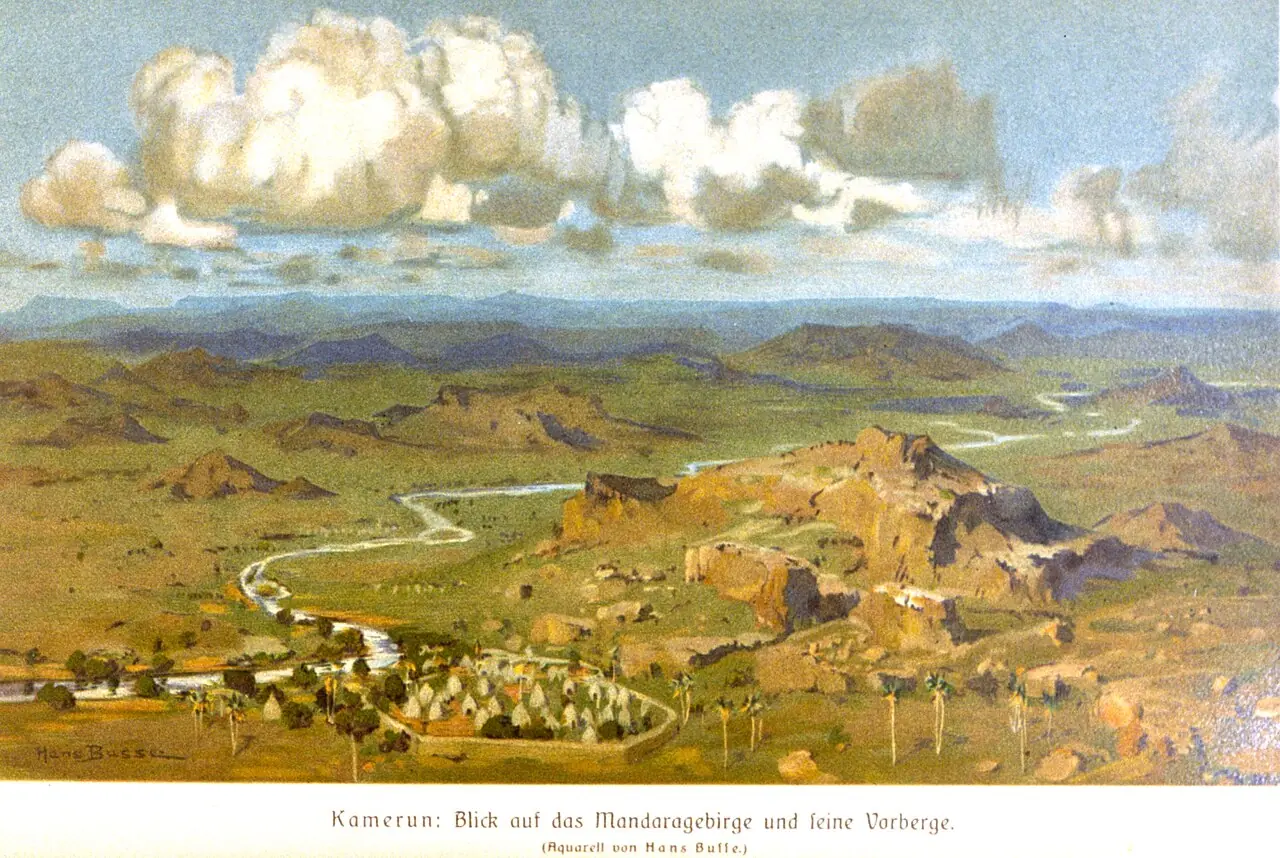
Old watercolour of a village in inland Cameroon and its mountains

The rules on the public domain apply to a very wide range of projects.

A collection of tales

A publisher wishes to reissue a collection of tales published more than sixty years ago. He checks the author’s date of death, declares his project and pays the fee. He cites the author and does not alter the text without saying so.

A theatrical adaptation

A company adapts an old play. The declaration states the number of planned performances. For the staging, it can draw on the theatre page and the procedures for show authorisation.

An album of old music

A producer records old melodies. The compositions are declared as public domain, while the performers engaged hold neighbouring rights in their performance. See the music sector.

An exhibition of archive photographs

A museum exhibits photographs whose author is unknown. It documents its research, declares its project and provides for an explicit credit. More information in the national museums section.

Step by step

Exploiting a public domain work

Date the protection

Identify the author and the date of death or publication, then calculate the end of the fifty years of protection.

Check neighbouring rights

Check whether the recording, translation or edition you are using is subject to separate protection.

Draft the declaration

Describe the work, the author, the planned exploitation, the medium, the territory and the intended duration.

Submit to the One-Stop Shop

Hand in the prior declaration, addressed to the Minister responsible for culture, and keep your receipt.

Pay the fee

Pay the fee of fifty per cent of the amount that was due during the period of protection, according to the rate schedules.

Respect moral rights

Cite the author’s name, do not distort the work and clearly state any adaptations made.

Key facts

The public domain at a glance

Category of workTerm of protectionStarting pointAfter expiry
Work by a single authorLife of the author plus fifty yearsCalendar year of deathPublic domain, declaration and fee
Work of joint authorshipLife of the last survivor plus fifty yearsYear of the last deathPublic domain, declaration and fee
Anonymous or pseudonymous workFifty yearsEnd of the year of authorised publicationPublic domain
Audiovisual workFifty yearsEnd of the year of publicationPublic domain
Collective workFifty yearsEnd of the year of publicationPublic domain
Work of applied artFifty yearsEnd of the year of publicationPublic domain
FolkloreNational heritageBelongs to the nation as an original rightAuthorisation for any commercial exploitation
Moral rightsPerpetualArise with the workAlways respected
Journey

From protection to reuse

CreationBirth of the rights

From the moment of creation, the author enjoys moral and economic rights in their work, without any particular formality.

Author’s lifetimeProtected exploitation

Any exploitation requires the authorisation of the author or their successors in title, by written contract.

DeathTransmission to heirs

Economic rights are transmissible and last for the current calendar year and the fifty years that follow.

ExpiryEntry into the public domain

At the end of the term, the exclusive right falls into the public domain; moral rights remain attached to the work.

ReuseDeclaration and fee

The user sends a prior declaration to the Minister and pays the fee, which is paid into the culture support account.

To explore

The public domain in other sections

“The exploitation of public domain works is subject to respect for moral rights, a prior declaration and payment of a fee.”

Law No. 2000/011 of 19 December 2000
Feedback from the field

They have reused heritage

“
To reissue an old collection, we put together a file of dates and declared the project at the One-Stop Shop: the procedure was clear.
An independent publisher
Yaoundé
“
Our company is performing an old play; the prior declaration reassured us that the author’s moral rights were being respected.
A company director
Douala
“
The research carried out before the exhibition allowed us to trace a photographer’s descendants and pay tribute to them.
A museum curator
Foumban
“
My pupils work on old texts; knowing what is free and what is not changes how I organise my lessons.
A literature teacher
Garoua
To act

Public domain procedures

Declare an exploitation

Hand in the prior declaration addressed to the Minister responsible for culture at the One-Stop Shop.

Go to the One-Stop Shop

Consult the rate schedules

Find the applicable rates to estimate the fifty per cent fee.

See the rate schedules

Find a rightsholder

Search the register of works before launching a reuse project.

Consult the register

Ask a question

In doubt about the date a work entered the public domain? Write to the services.

Contact the services
To download

The documents for reuse

Glossary

The vocabulary of the public domain

Public domain

All works whose period of protection has expired.

Orphan work

A work whose rightsholder cannot be found or is unknown.

Levy

The sum due for exploiting a work, here fifty per cent of the amount that was due.

Moral right

The right to one’s name, to integrity and to respect for the work, perpetual and inalienable.

Rights holder

An heir or assignee who holds the author’s rights after their death.

Posthumous work

A work made available to the public after its author’s death.

Anonymous work

A work that does not bear its author’s name.

Pseudonymous work

A work that identifies its author by a pen name.

Folklore

Productions of the traditional heritage perpetuated by a community: tales, dances, rituals, folk arts.

Support account

The account that receives the proceeds of fees for the benefit of cultural policy.

On the site

Continue reading

References

To find out more about the public domain

Stakeholders

The stakeholders of the public domain

Questions

Your questions about the public domain

Can I freely exploit a public domain work?

No, not without formalities. Exploitation requires respect for moral rights, a prior declaration addressed to the Minister responsible for culture, and payment of a fee. Only the heirs’ authorisation is no longer needed, since the exclusive right has ended.

How much does the fee cost?

It is set at fifty per cent of the amount that was due during the work’s period of protection. The calculation is based on the applicable rate schedules; for an estimate, enquire at the One-Stop Shop or consult the rate schedules page.

Where does the fee money go?

The proceeds are paid into the cultural policy support account. They therefore contribute to financing creation, heritage safeguarding and the training activities carried out by the Ministry.

How can I know whether a work has fallen into the public domain?

You need to identify the author and the date of their death, or the date of publication for collective, audiovisual or anonymous works, then apply the fifty-year period. If in doubt, contact the services with your research.

What should I do if I cannot find the rights holder?

Document your research: works register, management societies, publishers, archives. Then send the file to the Ministry, which will advise you on the next steps. Do not broadcast the work before receiving this guidance.

Do moral rights disappear with time?

No. The right to be named and to respect for the work is perpetual, inalienable and imprescriptible. Even after entry into the public domain, the author must be credited and their work must not be distorted.

Is a recent translation or recording free to use?

Not necessarily. A translation, critical edition or recent recording may be protected by its own right, even if the original work is free. Check the rights attached to each layer before any reuse.

Are traditional tales and dances in the public domain?

Folklore belongs as an original right to the national cultural heritage. It may be performed freely in a private setting, but its commercial exploitation is subject to authorisation. Enquire with the services before any commercial project.

Contact

Write to the Ministry: Public domain

State the work concerned.

Contact the Ministry

Contact the public domain service

Address

Ministry of Arts and Culture
Quartier du Lac – Ministerial Zone
P.O. Box 1053 Yaoundé, Centre Region, Cameroon

Reach us

+237 6 51 70 58 41

contact@minac.gov.cm

Opening hours

Monday to Friday, 8 am to 4 pm

A reuse project?

Consult the rate schedules to estimate the fifty per cent fee before filing your declaration.

See the rate schedules
WhatsApp