Coat of arms of CameroonMinistry of Arts
and Culture
Republic of Cameroon
My procedures
Home
Minister’s message
News
Press releases
Cultural calendar
Official speeches
Press review
Photo library
Video library
Calls for projects
Job vacancies
Public procurement
Newsletter
Frequently asked questions
Site map
Contact
Press area
Podcast “The Voice of Culture”
Legal notices
Privacy policy
Cookies and trackers
The Ministry
Missions and responsibilities
Organisation
Organisation chart
Minister’s Office (Cabinet)
Management team
General Secretariat
General Inspectorate
Central directorates
Regional Delegations
Institutions under supervision
Legislative texts
Regulatory texts
Sector strategy
Major projects
Budget and reports
Partners
Careers
Archives
Institutional communication
Quality and accessibility
Arts
Visual and plastic arts
Visual arts
Performing arts
Theatre
Dance
Music
Literature and books
Cinema and audiovisual
Photography
Fashion and design
Digital arts
Art crafts
Artists’ directory
Residencies
Prizes and awards
Arts education
Urban arts
Heritage
Tangible heritage
Intangible heritage
UNESCO sites
National museums
Listed monuments
National inventory
Palaces and chiefdoms
Archaeology
Linguistic heritage
Oral traditions
Traditional know-how
Restitution of cultural property
Fight against illicit trafficking
Listing and protection
Conservation and restoration
Heritage Days
Cultural landscapes
Industries
Music and recording
Cinema
Publishing and books
Digital arts
Fashion and creativity
Crafts
Cultural tourism
Funding for culture
Support funds
Incubators
Cultural entrepreneurship
Culture Observatory
Vocational training
Studies and reports
Sector statistics
Export and outreach
Intellectual property
Copyright
Legal framework
Copyright and neighbouring rights
Collective management societies
Register a work
Licences
Private copying
Fight against piracy
Model contracts
Social status of artists
Mediation
Disputes
Training
Fee scales
Register of works
Contact
Digital neighbouring rights
Public domain
Festivals
National calendar
Ngondo
Nguon
Écrans Noirs
Heritage Days
Music Day
Regional festivals
Fairs and exhibitions
Biennials
National competitions
Cultural days
Organise a festival
Event grants
Ticketing
Archives
Volunteering
Diaspora festivals
Regions
Adamawa
Centre
East
Far North
Littoral
North
North-West
West
South
South-West
Cultural map
Regional Delegations
Traditional chiefdoms
National languages
Cultural routes
Decentralised cooperation
Regional observatory
Cooperation
UNESCO
Francophonie (OIF)
African Union
Commonwealth
CEMAC
Bilateral cooperation
Cultural agreements
Professional organisations
Scholarships
Artist exchanges
Cultural years
Diaspora
Funded projects
Embassies
Technical partners
International restitution
International monitoring and calls
Services
Artist card
Show authorisation
Filming authorisation
Festival authorisation
Deposit of a work
Export of works of art
Listing of a property
Grant application
Association accreditation
File tracking
Forms
Fees
Opening hours and addresses
Reporting
Online help
My account
One-Stop Shop
Cooperation

Commonwealth

A member of the Commonwealth since 1995, bilingual Cameroon develops programmes, exchanges of artists and students, and scholarships with member countries: an overview of the Ministry’s schemes and contacts.

Updated on 6 November 20264 sub-pages
Member since1995
Official languagesFR · EN
Anglophone regionsNorth-West · South-West
Areas of cooperationProgrammes, exchanges, scholarships
Commonwealth

A bilingual country in the Commonwealth era

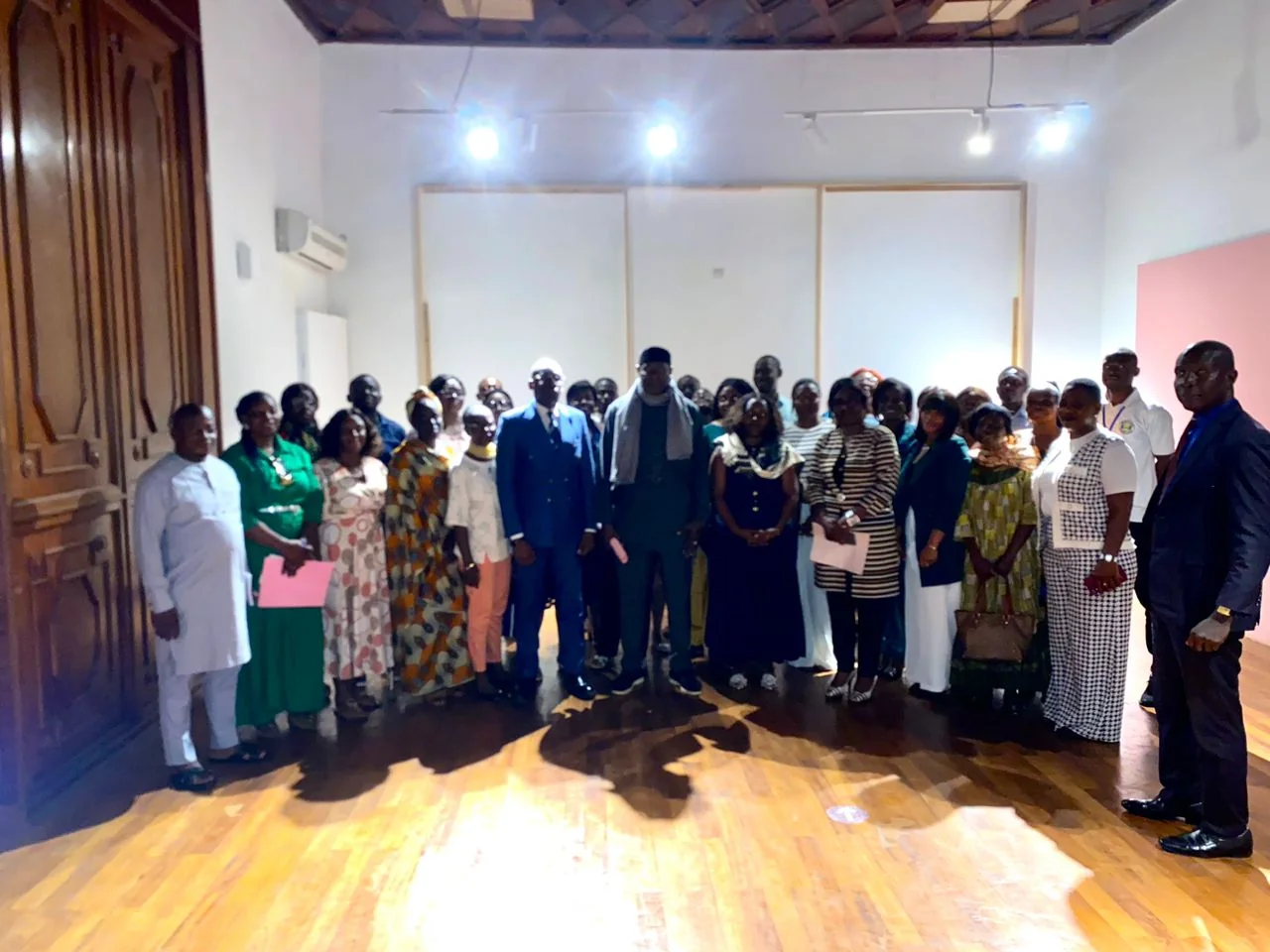
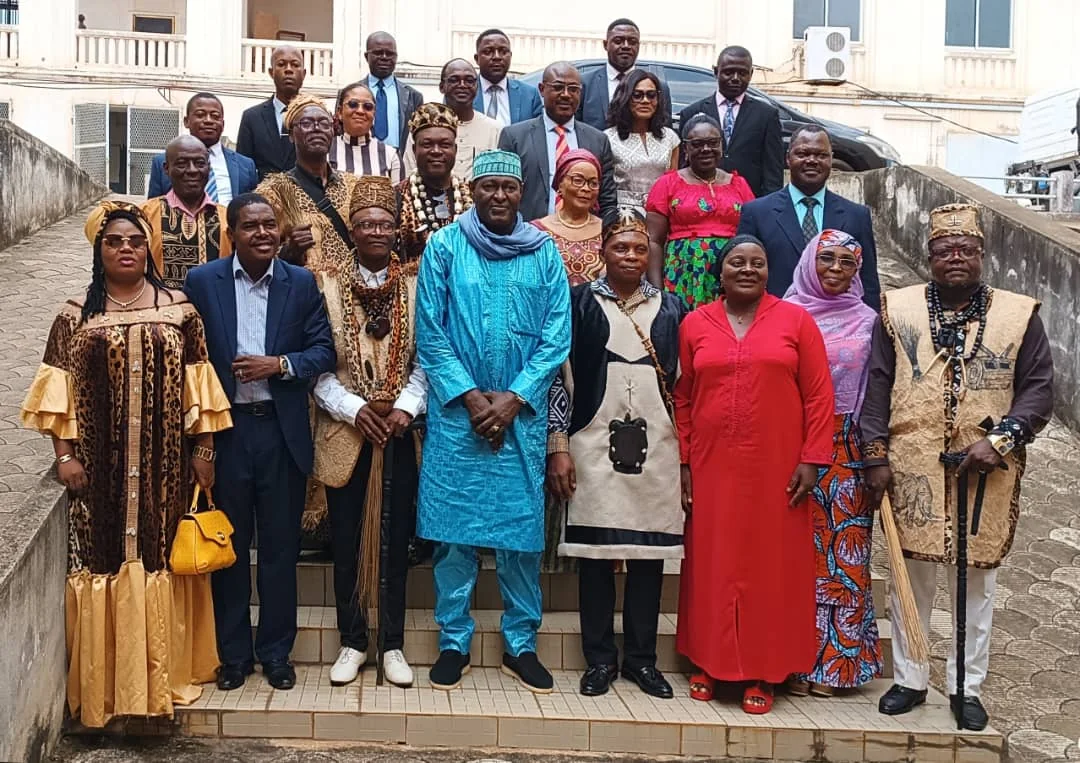
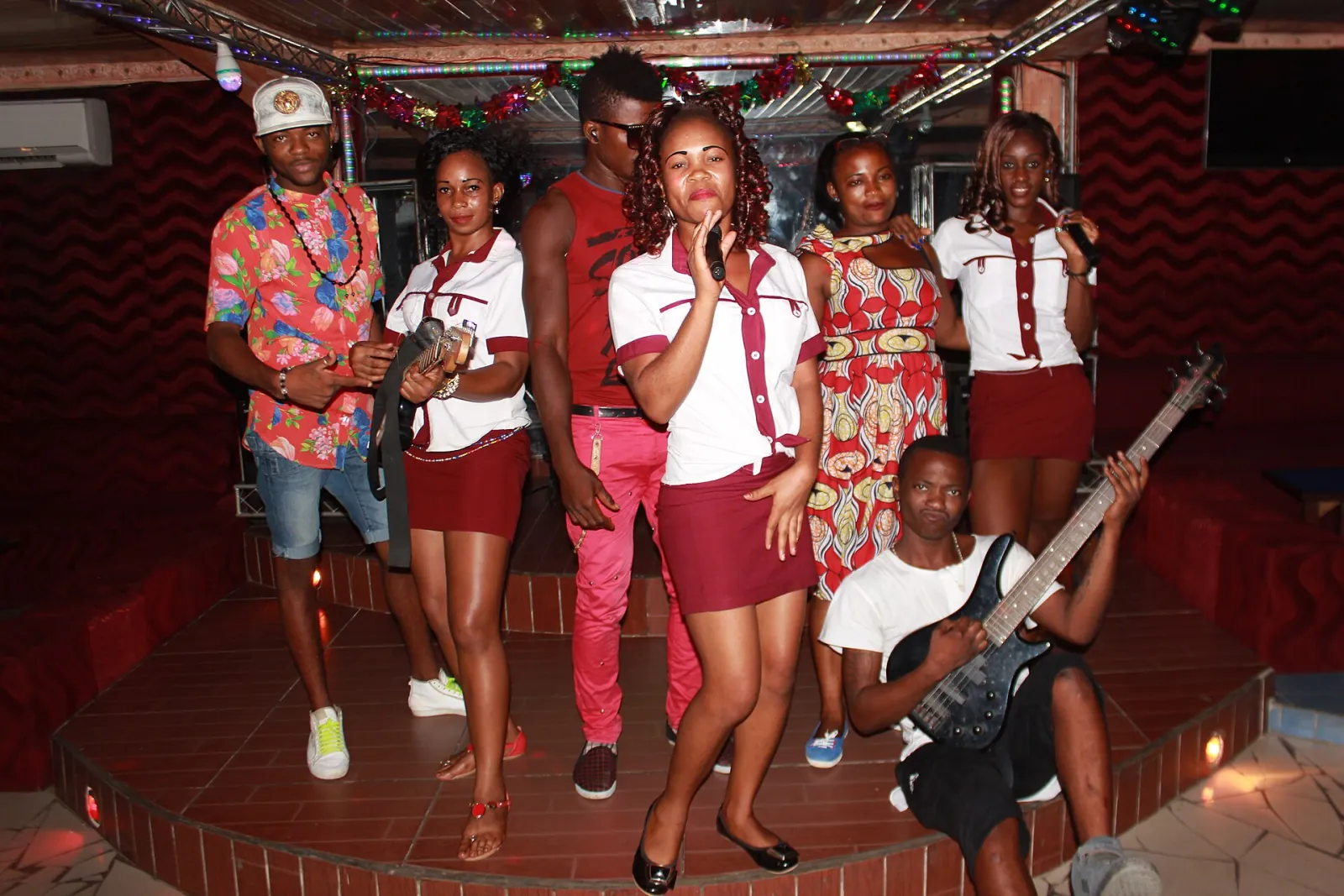
Group of participants in varied outfits posing in the middle of a wooden-floored hall during a Ministry meeting

Cameroon, a bilingual country, has been a member of the Commonwealth since 1995. This membership extends the history of a territory where two administrative and linguistic heritages coexist, and makes it one of the few States on the continent to sit in both the Francophone sphere and the Commonwealth sphere.

Cultural, educational and artistic exchanges are growing with the other member countries, and this membership benefits in particular the Anglophone regions of the North-West and South-West. This page presents the Commonwealth programmes useful to creators and young people, exchanges of artists and students, scholarships and the ways of contacting the Ministry.

  • Programmes for youth, the arts and writers
  • Exchanges of artists and students with member countries
  • Scholarships presented with their conditions
See the programmes
Programmes

Commonwealth programmes for culture and youth

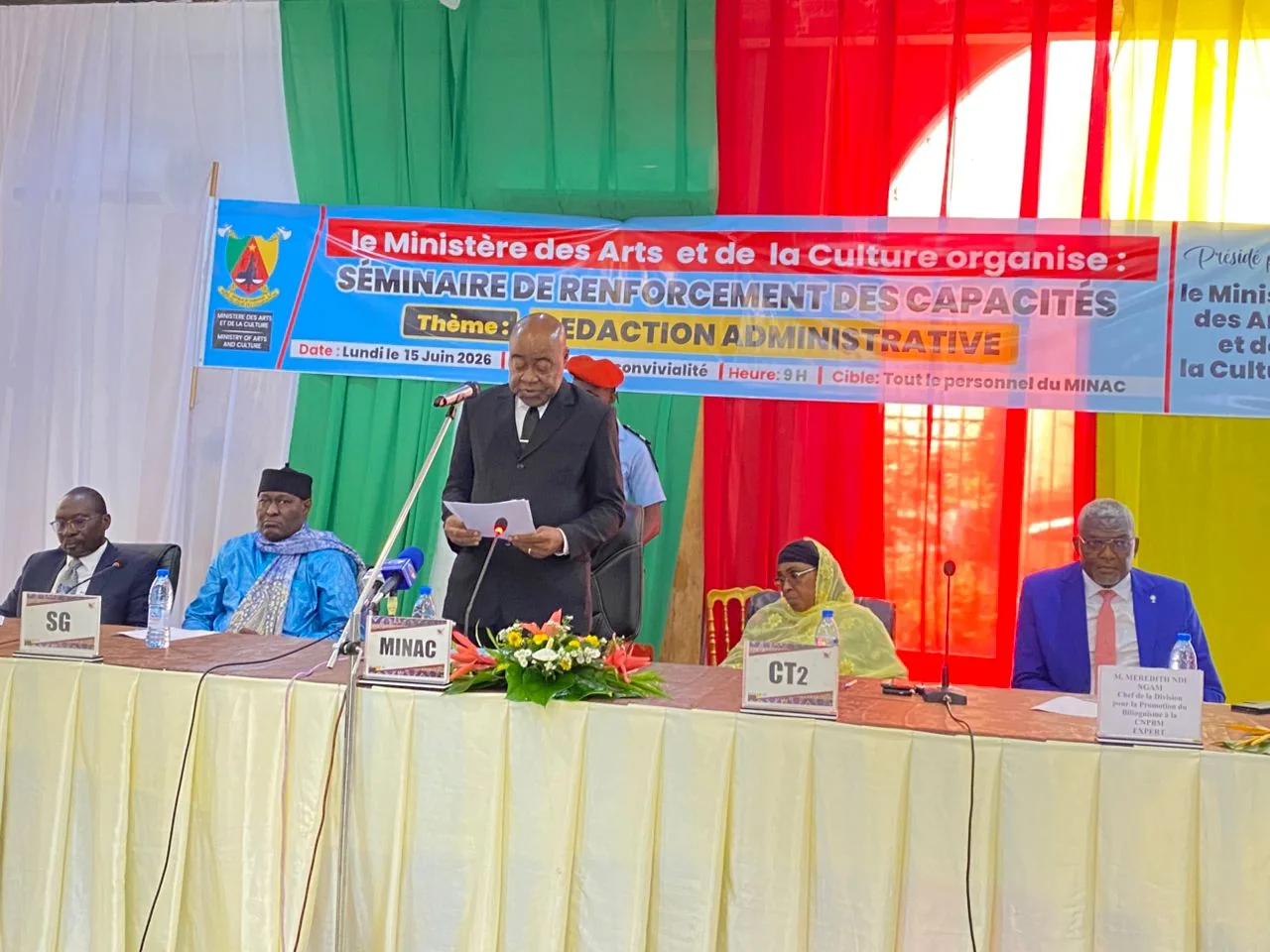
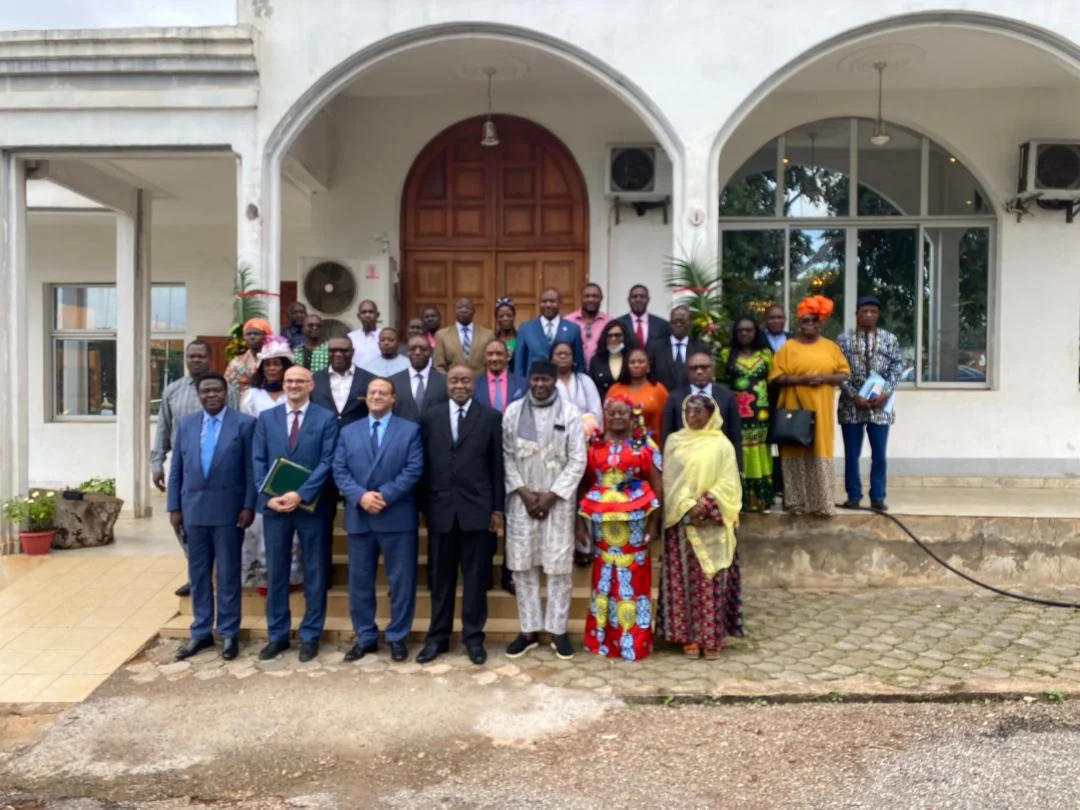
Ministry capacity-building seminar, panel table and speaker

The Commonwealth brings together some fifty countries of different sizes and continents, linked by shared languages, institutions and values. It acts through its secretariat, based in London, and through associated bodies devoted to education, sport, the arts, civil society and youth.

The main programme families

  • Programmes for education and youth, which fund exchanges and training;
  • The actions of the foundation devoted to the arts and civil society, which supports projects and literary prizes open to writers from across the Commonwealth;
  • The Games, which bring together athletes from member countries every four years and are accompanied by cultural programmes;
  • Commonwealth Day, celebrated each year on the second Monday of March.

How the Ministry engages with them

MINAC follows the calls, analyses the eligibility of Cameroonian artists, informs professionals and supports applications. Writers can, for example, draw on the book sector; musicians, filmmakers and visual artists go through the structures of their discipline, such as the music industries or cinema. Regional initiatives are carried by the delegations of the North-West and the South-West.

ℹ️
Please note

Young people aged 18 to 35 are particularly targeted. The Ministry also directs them to arts education and cultural incubators.

Exchanges

Exchanges of artists and students with member countries

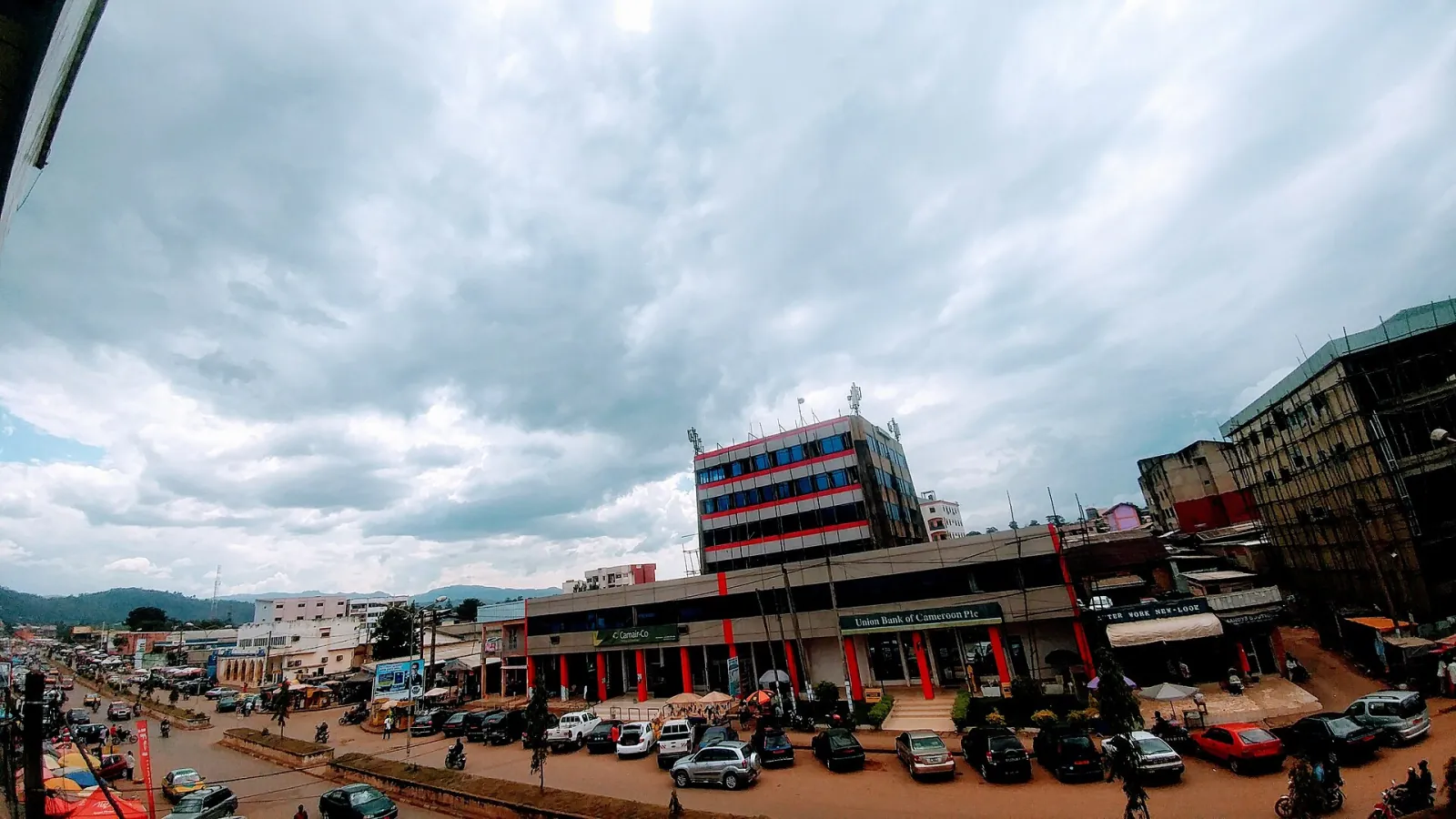
Commercial Avenue in Bamenda with its bank building and parked cars

Exchanges are the heart of cooperation within the Commonwealth. They take the form of short stays, tours, residencies, twinning between institutions and professional meetings. They allow young creators to test their work against other practices, and audiences to discover other artistic languages.

Why Cameroon is well placed

As a bilingual country, Cameroon can naturally host Anglophone artists and send its creators to English-language institutions. The towns of Buea, Bamenda, Limbe and Kumba are home to institutions, theatre groups, music groups and publishing houses that have already built ties with Commonwealth partners.

Forms of exchange

  1. Tours of companies and orchestras, supported by artist exchanges;
  2. Cross residencies, see residencies;
  3. Twinning between art schools and universities;
  4. Co-production projects in theatre and cinema;
  5. Partner festivals in the calendar, notably the regional festival calendar.

Artists wishing to travel must settle visa and passport matters in advance; the section devoted to exchanges explains the steps to follow. The country’s linguistic heritage, where English, French, Pidgin English and national languages coexist, nourishes these encounters.

Scholarships

Commonwealth scholarships and their conditions

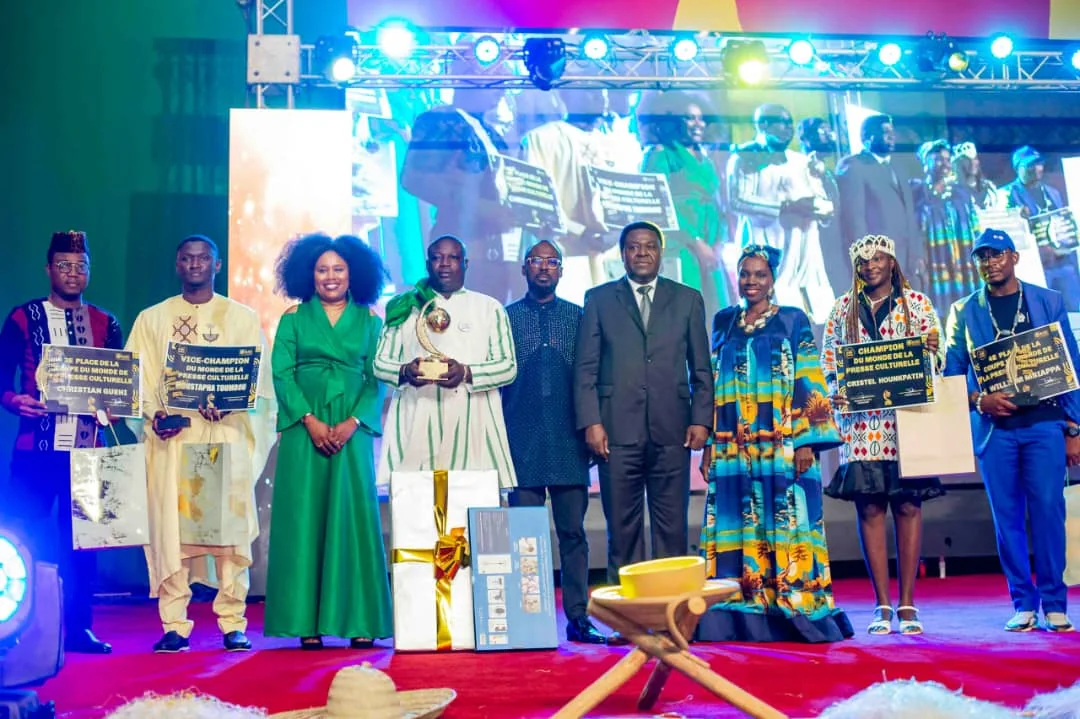
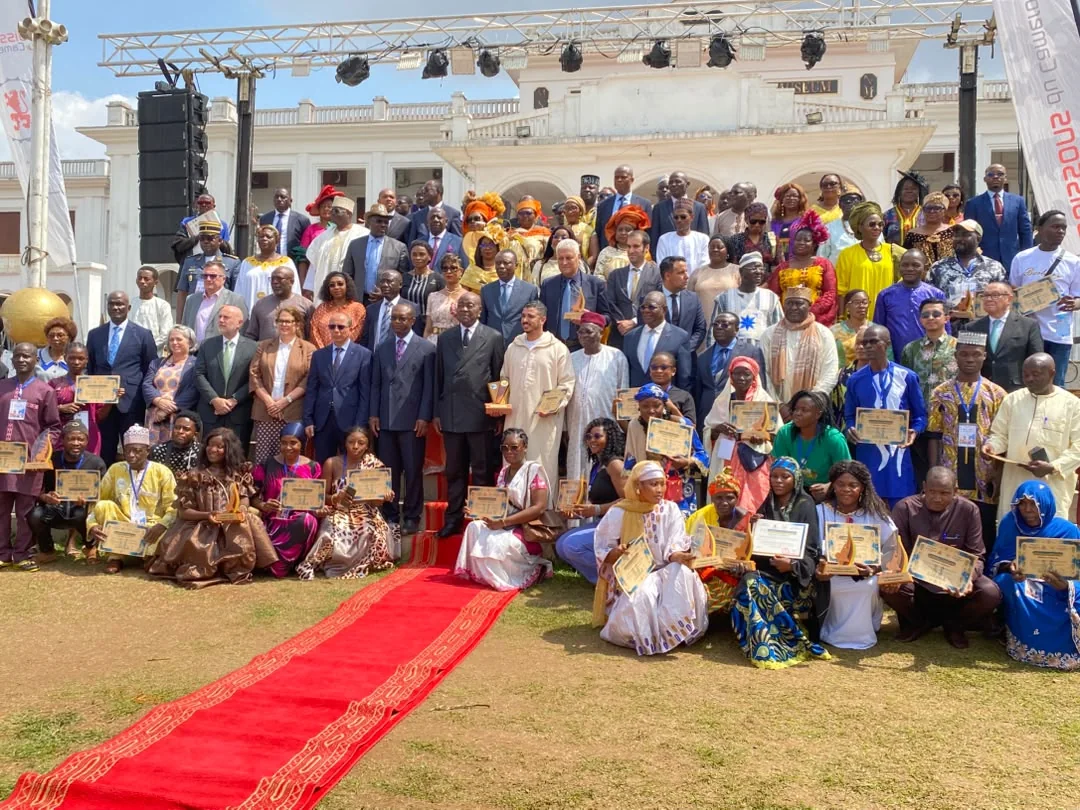
Award winners pose with their trophies and certificates on a red-carpeted stage, alongside two dignitaries.

Each year the Commonwealth awards study and professional development scholarships to students and professionals from its member countries to study in other States of the organisation. They generally cover tuition fees, travel and a living allowance, depending on the category. Applications go through a designated national body, which checks candidates’ eligibility and forwards the files.

The usual criteria

  • Be a citizen of and resident in a member country;
  • Hold a first-cycle degree of a recognised level;
  • Present a study or research project that contributes to the development of the home country;
  • Meet the submission deadlines, generally set in autumn for the following academic year.

The Ministry’s role

MINAC does not itself award these scholarships, but it guides candidates from the cultural professions: curators, archivists, librarians, stage managers, cultural enterprise managers, musicologists, restorers. It provides certificates of employment and letters of recommendation, and keeps up to date the scholarships page, which brings together national and foreign offers.

To apply well

A good file presents a project consistent with the priorities of the Ministry’s sector strategy, solid references and a plan for returning to the country. Interested professionals can supplement their career with training for cultural professions before applying.

ℹ️
Reminder

The fee and amounts are not detailed on this page; each call specifies its funding. Also consult the fees page for any file fees charged by the Ministry.

Contact

Writing to the Minister’s Office with a question about the Commonwealth

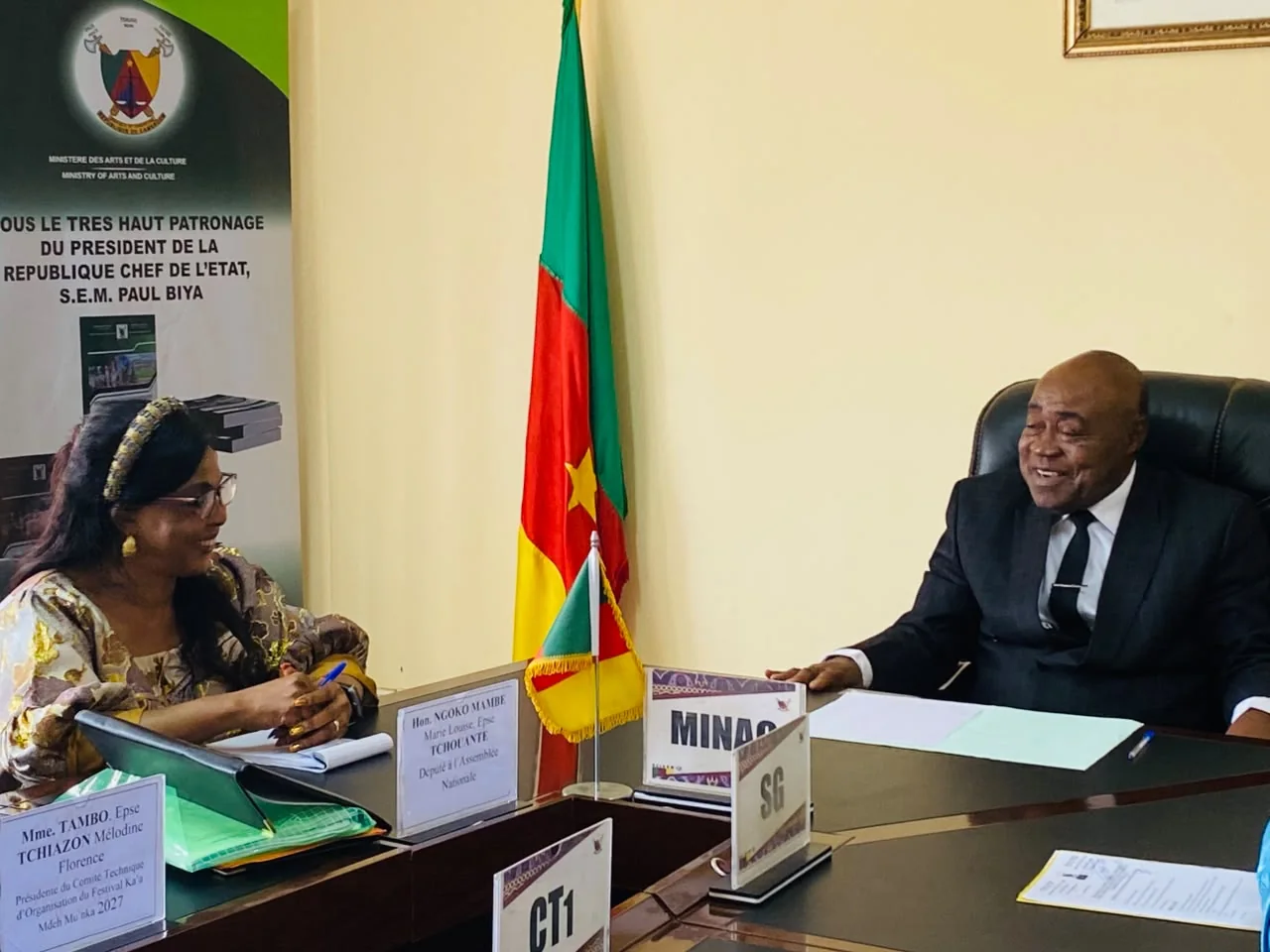
The Minister and the Secretary General meeting in an office of the Ministry

Questions relating to the Commonwealth are addressed to the Minister’s Office, which entrusts them to the cooperation unit. The officers reply to artists, teachers, students and organisers who wish to establish contact with partners in member countries.

Which requests to send

  • A request for information on a current call or scholarship;
  • A request for a certificate or letter of recommendation for an application file;
  • A partnership proposal with an institution in a member country;
  • A request for support for a bilingual event in an Anglophone region.

The channels

The form on this page is the simplest: state your region, your discipline and the programme concerned. You can also write to contact@minac.gov.cm or call +237 6 51 70 58 41. The Contact page lists all the ways of reaching the Ministry, the Minister’s Office page details the role of the Minister’s Office, and the regional delegations in Buea and Bamenda receive local requests.

To follow a file already submitted, use file tracking.

Step by step

Set up a project with a Commonwealth country

Identify the partner

Choose an institution, school or company in a member country that shares a specific artistic interest with your project.

Frame the exchange

Set the duration, content, working languages, number of participants and expected results for each party.

Look for funding

Seek a Commonwealth programme, a scholarship, Ministry mobility support or a private partner.

Settle the formalities

Anticipate passports, visas, insurance, export authorisations for works and agreements between institutions.

Carry out the exchange

Host or join the partner, document the activities and make the results visible through public presentations.

Evaluate and extend

Send a review to the Ministry and propose a follow-up: return tour, publication, co-production or lasting twinning.

Timeline

Cameroon and the Commonwealth

1961A history of two heritages

The reunification of the territories of French Cameroon and British Cameroon gives the country its linguistic and administrative duality.

1995Membership

Cameroon joins the Commonwealth and becomes, at the time, its newest member, together with one other African state.

The 2000sExchanges take root

Anglophone institutions form twinnings, and theatre and music companies tour among their partners.

2010Student mobility

Every year, Cameroonian students leave on scholarships and return to put their skills at the service of the cultural sector.

TodayA bridge between two languages

Cooperation is organised in three strands, programmes, exchanges and scholarships, led by the Ministry’s Unit.

2027A new exchange programme

The Ministry plans a cycle of cross residencies between Buea, Bamenda and two cultural capitals of the Commonwealth.

To act

The Ministry’s schemes for the Commonwealth

Certificate of practice

A document that proves your cultural activity in support of a scholarship or residency file.

Apply

Support for the anglophone regions

The Buea and Bamenda delegations help artists to prepare their applications.

See the delegations

Mobility support

A contribution to the travel costs of artists invited to a member country, on application.

Request support

Monitoring of calls

Every Commonwealth call is published with its deadline and conditions.

See the watch
Voices

Those who link Cameroon to the Commonwealth

“
My study stay in a Commonwealth country taught me collections management, and today I run the outreach service of a regional museum.
A curator
Bamenda
“
Our bilingual company performs in English, French and Pidgin; Commonwealth festivals have enjoyed this blend of languages.
A theatre director
Buea
“
The Commonwealth literary prize gave visibility to my short stories and drew the attention of foreign publishers.
A writer
Limbe
“
Thanks to the Ministry’s letter of recommendation, my scholarship file was judged complete at the first review.
A young archivist
Yaoundé

“A bilingual country is a bridge between two families of languages: every project that crosses this bridge enriches both banks.”

An English teacher, Buea
To download

The resources for Commonwealth applicants

Key facts

The Commonwealth and Cameroon at a glance

ComponentMain audienceWhat the scheme offersContact in Cameroon
Youth programmesYoung people aged 18 to 35Training, volunteering and networksCooperation unit
Arts programmesWriters, visual artists, filmmakersPrizes, creation support, meetingsDirectorate of Arts Development and Promotion
Artist exchangesTheatre groups, orchestras, companiesTours, residencies, co-productionsRegional Delegations
Student exchangesStudents and teachersTwinning and study staysTraining institutions
ScholarshipsStudents and professionalsStudy, research, professional developmentMinister’s Office, Scholarships page
Games and sportAthletes and supportersCompetitions and associated cultural programmesMinistries concerned
Commonwealth DaySchools and associationsBilingual activities every MarchRegional Delegations
Glossary

The words of the cultural Commonwealth

Commonwealth

A voluntary association of states, arising from British history, that cooperate in many fields.

Bilingualism

Use of two official languages in administration, schools and public life.

Scholarship

Financial aid that makes it possible to study or train in another institution or country.

Exchange

A reciprocal stay of artists, students or teachers between two institutions.

Pidgin English

A widely spoken lingua franca in Cameroon, born of contact between English and local languages.

Residency

Creative stay granted to an artist in an equipped place.

Twinning

A lasting partnership between two institutions or two towns.

Foundation

A body that supports projects, often through grants or prizes.

Eligibility

All the conditions that an applicant must meet in order to submit a file.

Certificate

An official document certifying an activity, a situation or a status.

Literary prize

An honour awarded to a work or an author by a jury.

On the site

Further reading on the Commonwealth

Resources

Useful links for the Commonwealth

Stakeholders

Who supports cooperation with the Commonwealth?

To explore

The Commonwealth in other sections

Questions

Your questions on the Commonwealth

Is Cameroon a member of the Commonwealth?

Yes. Cameroon has been a member of the Commonwealth since 1995. As a bilingual country, it also belongs to the International Organisation of La Francophonie. This dual membership allows it to cooperate with partners from two major linguistic and cultural areas.

Where can I find Commonwealth scholarships?

The Scholarships page of the site brings together national and foreign offers, with their deadlines. Each call specifies the eligibility criteria, the documents to provide and the submission, which is made to the designated body. The Ministry can issue a certificate of practice.

Whom should I contact about a project with a member country?

Write to the Minister’s Office (Cabinet), which forwards the request to the cooperation Unit. Attach a presentation of the project, the list of foreign partners, an estimated budget and a timetable. For a local project in an anglophone region, you can also go through the Regional Delegation.

Is an Anglophone artist favoured?

No, all artists are treated in the same way. However, exchanges with the Commonwealth are naturally more accessible to artists who work in English or in Pidgin. The Ministry ensures that information is circulated in both official languages.

How can I enter a Commonwealth literary prize?

Prizes have their own rules: form, length, language of the text, nationality of the author and deadline. You can ask the Ministry to relay the call and to direct you to the book publishing structures that know these competitions.

Can I obtain support to travel to a member country?

Yes, on file. Mobility support may cover part of the travel costs of an invited artist. An application must be submitted specifying the invitation, the programme and the budget. Amounts are given on the fees page.

Do the exchanges concern only the arts?

No. They also cover education, research, heritage, archives and museums. A curator, an archivist or a stage manager can enrol in an internship or a training course offered by a Commonwealth institution.

How do I track my file?

After submission, keep the number you receive and use the online file tracking. For a specific question, write to contact@minac.gov.cm or call +237 6 51 70 58 41, stating the subject of your request.

Contact

Write to the Ministry: Commonwealth

Specify the partner or programme concerned.

Minister’s Office and cooperation

Contact the Minister’s Office on the Commonwealth

Address

Minister’s Office – Cooperation Unit
Ministry of Arts and Culture
Quartier du Lac – Ministerial Zone
P.O. Box 1053 Yaoundé, Centre Region, Cameroon

Reach us

+237 6 51 70 58 41

contact@minac.gov.cm

Opening hours

Monday to Friday, 8 am to 4 pm

See scholarships

Browse national and international scholarships and prepare your application with the Ministry.

See the scholarships
WhatsApp