
Coat of arms of CameroonMinistry of Arts
and Culture
Republic of Cameroon
My procedures
Home
Minister’s message
News
Press releases
Cultural calendar
Official speeches
Press review
Photo library
Video library
Calls for projects
Job vacancies
Public procurement
Newsletter
Frequently asked questions
Site map
Contact
Press area
Podcast “The Voice of Culture”
Legal notices
Privacy policy
Cookies and trackers
The Ministry
Missions and responsibilities
Organisation
Organisation chart
Minister’s Office (Cabinet)
Management team
General Secretariat
General Inspectorate
Central directorates
Regional Delegations
Institutions under supervision
Legislative texts
Regulatory texts
Sector strategy
Major projects
Budget and reports
Partners
Careers
Archives
Institutional communication
Quality and accessibility
Arts
Visual and plastic arts
Visual arts
Performing arts
Theatre
Dance
Music
Literature and books
Cinema and audiovisual
Photography
Fashion and design
Digital arts
Art crafts
Artists’ directory
Residencies
Prizes and awards
Arts education
Urban arts
Heritage
Tangible heritage
Intangible heritage
UNESCO sites
National museums
Listed monuments
National inventory
Palaces and chiefdoms
Archaeology
Linguistic heritage
Oral traditions
Traditional know-how
Restitution of cultural property
Fight against illicit trafficking
Listing and protection
Conservation and restoration
Heritage Days
Cultural landscapes
Industries
Music and recording
Cinema
Publishing and books
Digital arts
Fashion and creativity
Crafts
Cultural tourism
Funding for culture
Support funds
Incubators
Cultural entrepreneurship
Culture Observatory
Vocational training
Studies and reports
Sector statistics
Export and outreach
Intellectual property
Copyright
Legal framework
Copyright and neighbouring rights
Collective management societies
Register a work
Licences
Private copying
Fight against piracy
Model contracts
Social status of artists
Mediation
Disputes
Training
Fee scales
Register of works
Contact
Digital neighbouring rights
Public domain
Festivals
National calendar
Ngondo
Nguon
Écrans Noirs
Heritage Days
Music Day
Regional festivals
Fairs and exhibitions
Biennials
National competitions
Cultural days
Organise a festival
Event grants
Ticketing
Archives
Volunteering
Diaspora festivals
Regions
Adamawa
Centre
East
Far North
Littoral
North
North-West
West
South
South-West
Cultural map
Regional Delegations
Traditional chiefdoms
National languages
Cultural routes
Decentralised cooperation
Regional observatory
Cooperation
UNESCO
Francophonie (OIF)
African Union
Commonwealth
CEMAC
Bilateral cooperation
Cultural agreements
Professional organisations
Scholarships
Artist exchanges
Cultural years
Diaspora
Funded projects
Embassies
Technical partners
International restitution
International monitoring and calls
Services
Artist card
Show authorisation
Filming authorisation
Festival authorisation
Deposit of a work
Export of works of art
Listing of a property
Grant application
Association accreditation
File tracking
Forms
Fees
Opening hours and addresses
Reporting
Online help
My account
One-Stop Shop
Heritage

Listing and protection

Procedure, criteria, easements and support: everything you need to know to have a property of Cameroonian cultural heritage recognised, listed and protected, under the law of 18 April 2013.

Updated on 6 November 20264 sub-pages
Actors who may refer a matter to the Minister3
Deadline to claim compensation6 months
Inventory registration feesFree
Listed movable propertyInalienable
Protect

Listing in order to pass on

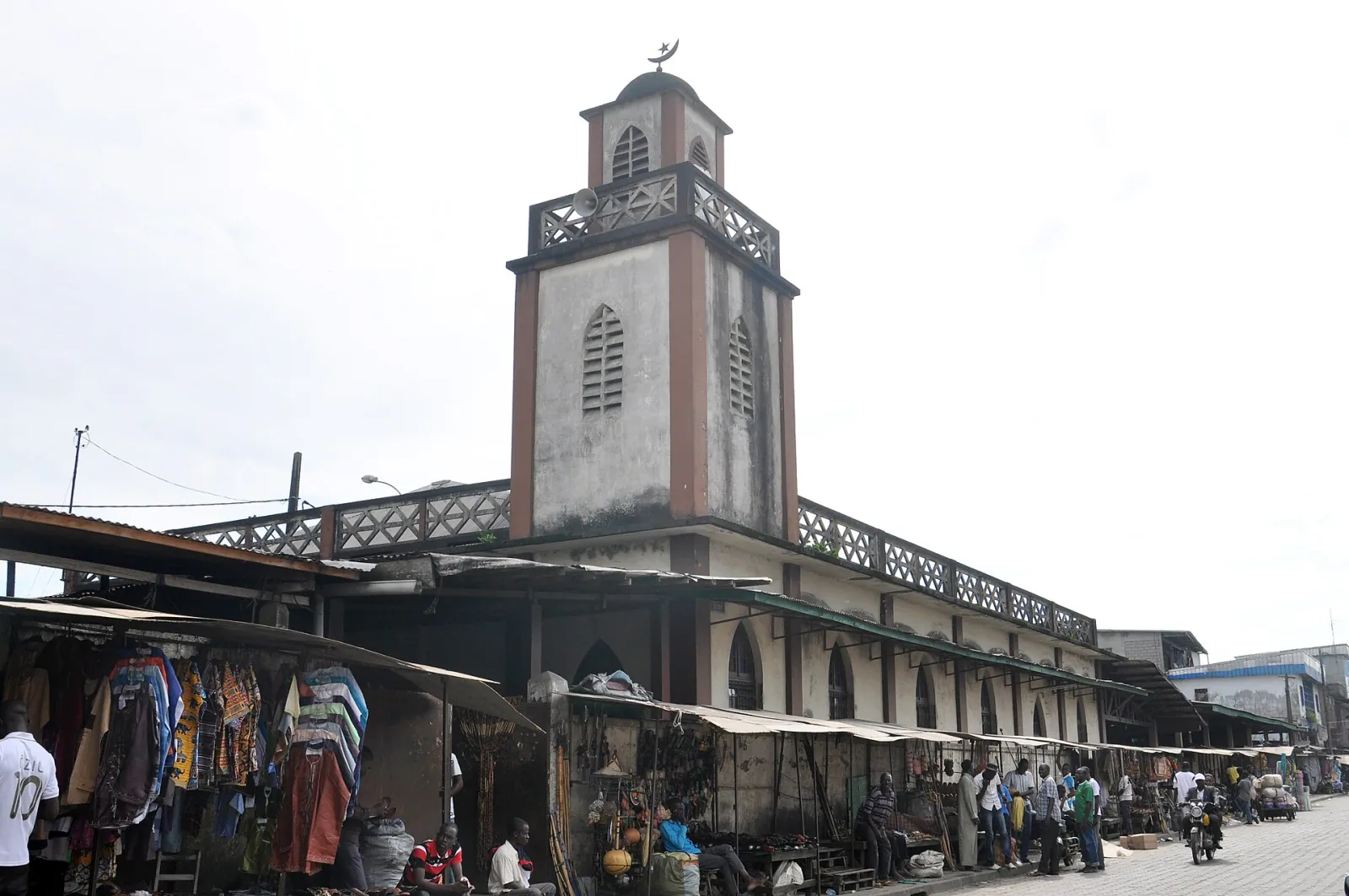
New-Bell central mosque in Douala with its market at its foot

Listing a property means officially recognising its heritage value and surrounding it with the protections provided for by Law No. 2013/003 of 18 April 2013 governing cultural heritage. A monument, a collector’s item, a landscape, or a practice or know-how passed down by a community can thus enter the circle of property that the State undertakes to preserve for future generations.

This page explains the path to follow: who can apply for listing, which properties are eligible, what constraints follow for owners and neighbours, what compensation exists and what support is available. It is intended for owners, local elected officials, traditional chiefs, associations and everyone who looks after a precious property.

  • Prior recognition, then listing
  • Regulated easements and possible compensation
  • Tax benefits for heritage promoters
Follow the procedure
Procedure

The listing procedure step by step

Opening session with the portrait of the Head of State in front of the panel table

Listing is a legal act by which the State grants heritage value to a cultural property. The law sets out a simple principle: only a tangible or intangible property that has been recognised beforehand may be listed. Recognition, that is, the legal acceptance of the existence of the property as cultural property, ordinarily involves its entry in the national inventory. The detailed procedures for listing are set by regulation; the procedure is prepared with the Directorate of Cultural Heritage.

Who can take the initiative?

Three actors may request that a property be put forward for listing: the Minister in charge of cultural heritage, the heads of the executives of decentralised local authorities (mayors, presidents of regional councils) and the owner of the property. An association or community wishing to have a site listed can therefore rely on its council or on the regional delegation to carry the file.
The four-stage process

  1. Survey and recognition of the property, with a descriptive sheet and photographs;
  2. Submission of the listing application, online through the property listing service or in person at the regional delegation;
  3. Technical examination by the competent directorate, with a site visit in the case of immovable property;
  4. Listing instrument, notified to the owner and published in the official gazette.

You can track your application at any time with the file number given at submission, using file tracking.

ℹ️
Good to know

Listing is distinct from registration in the inventory: the inventory records and publicises, listing protects. A property may be in the inventory for years before being proposed for listing.

Criteria

The criteria for a property’s eligibility

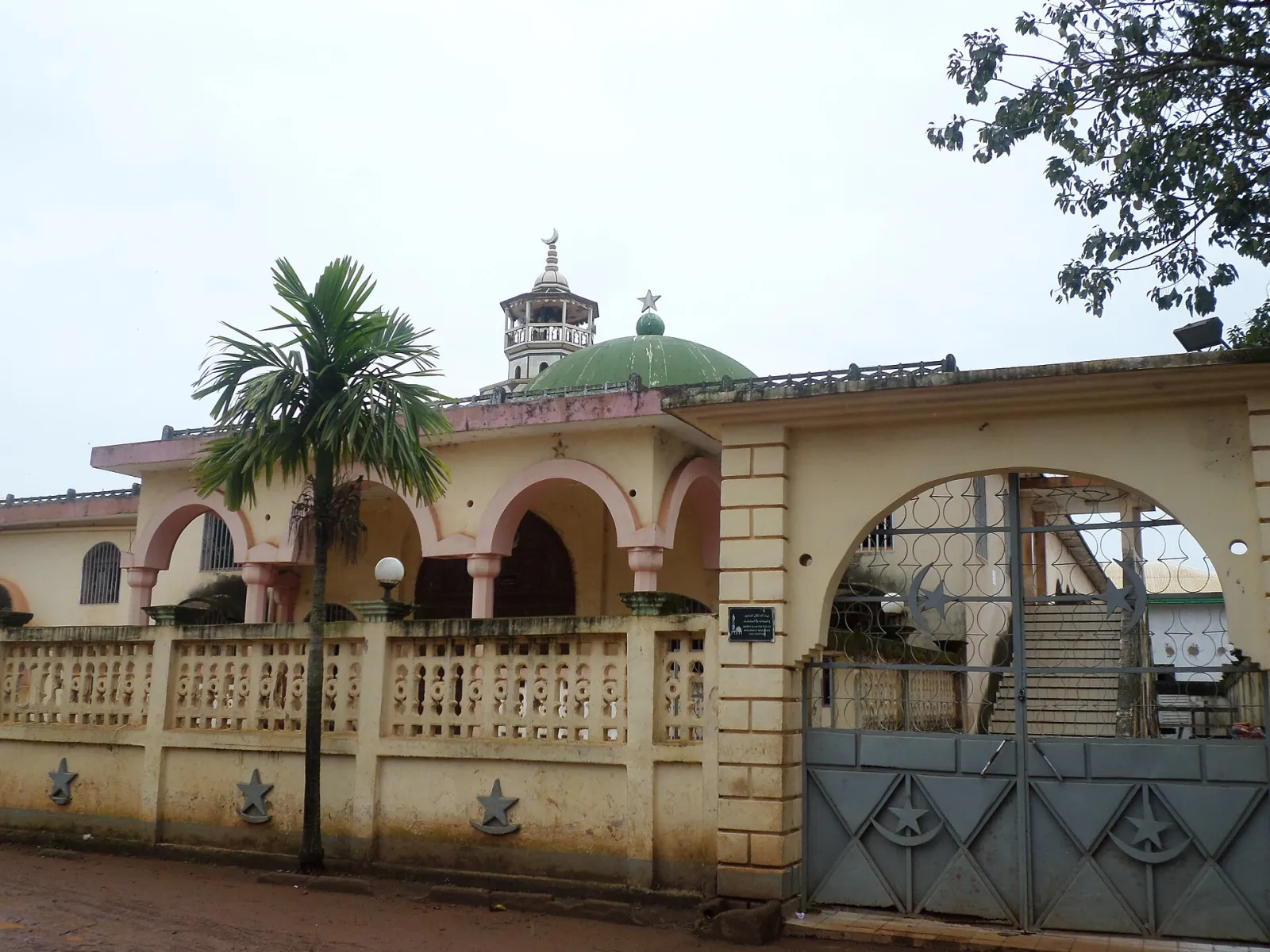
Foumban central mosque with its minaret behind a palm-lined street

The law defines heritage value as the set of historical, anthropological, archaeological, technological, artistic or aesthetic, spiritual, emblematic, political, social, economic, tourist, educational, recreational or use-related qualities that give a property cultural memorability for a community, a region or the country. It is this value, demonstrated in the file, that justifies listing.

A wide variety of property

The following may be concerned: movable cultural property (heritage documents and objects, works of art, instruments, archaeological items), immovable cultural property (monuments, buildings, ruins, deposits, cultural sites and landscapes of heritage character) and intangible cultural property (events, performances, styles, expressions and practices, with the instruments, objects and spaces associated with them). Tangible property and intangible heritage therefore follow the same overall logic.

What the examination looks at

  • The authenticity of the property and the soundness of the information documenting it;
  • Its state of conservation and the risks it faces;
  • Its role for the community that holds or surrounds it;
  • Its capacity to be passed on, studied and shown to the public;
  • The consent of the owner or holders, including for collective property.

For a burial site, a place of memory or a religious building, the opinion of the traditional authorities is sought; palaces and chiefdoms are followed with particular attention.

ℹ️
Advice

A good file has three components: a careful description, dated photographs and a document establishing ownership or custody of the property.

Easements

The easements and obligations of a listed property

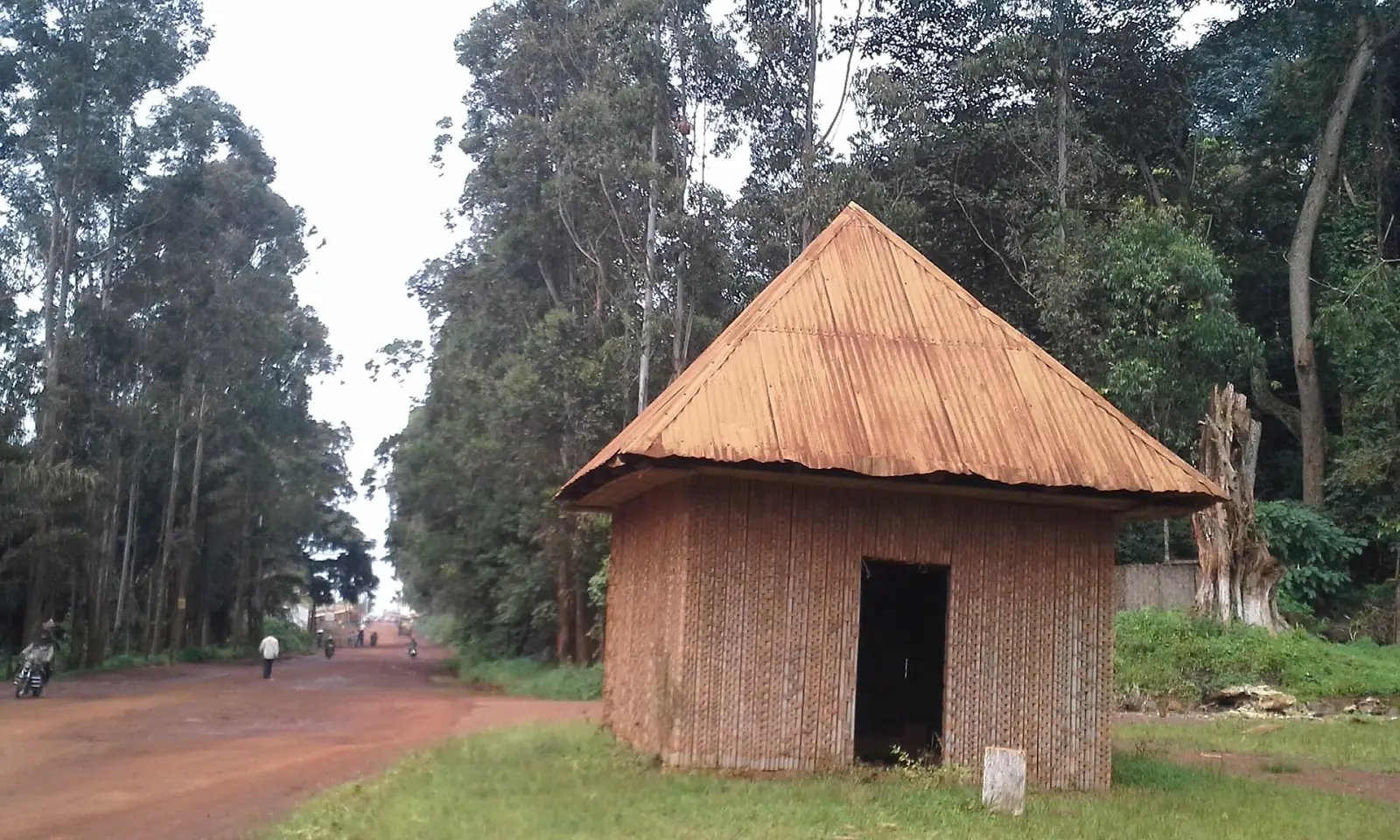
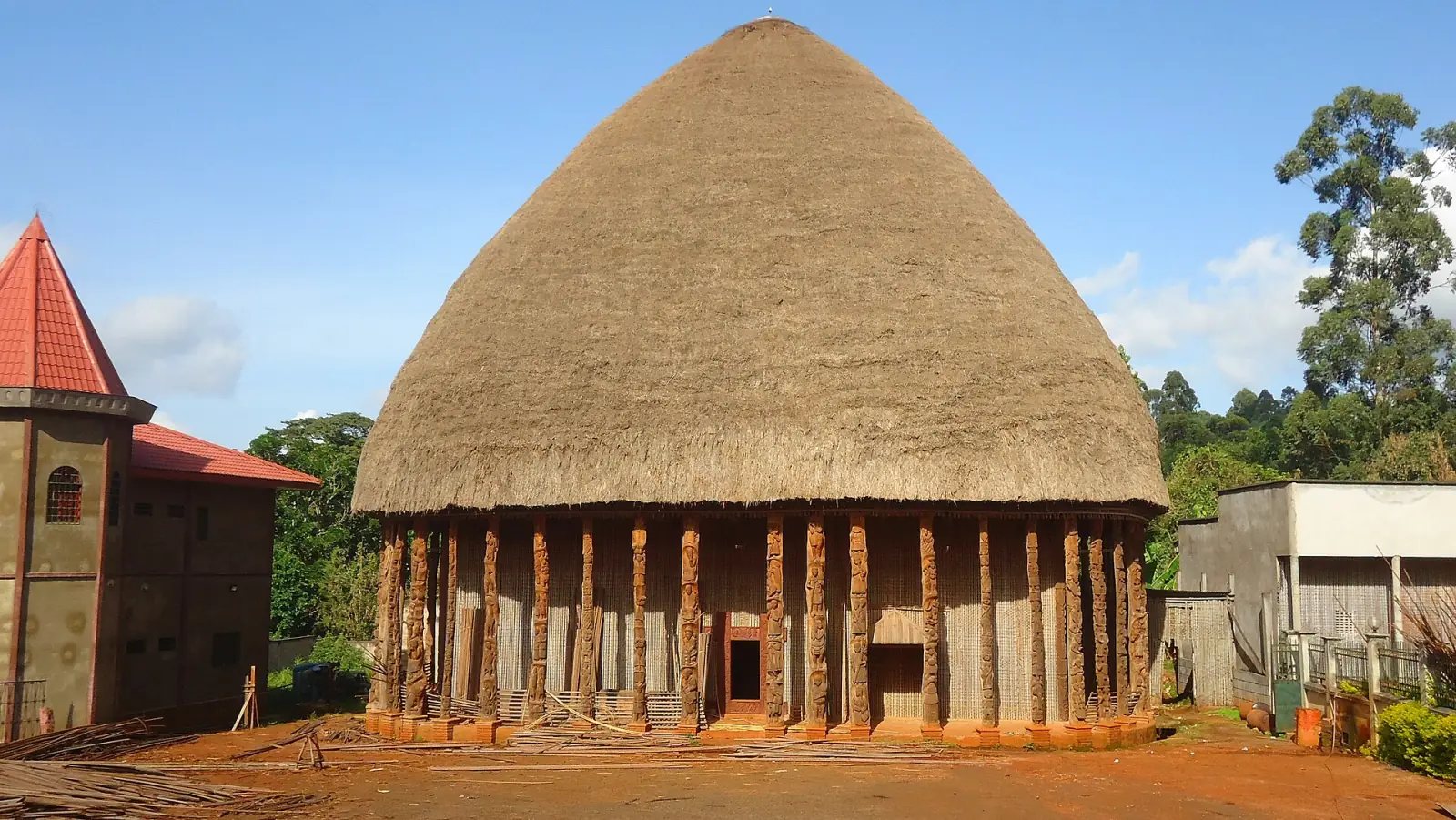
Great thatched-roof hut of the Bandjoun chiefdom under a blue sky

Listing protects the property, but it also imposes rules on those responsible for it. For an immovable property, the listing instrument may establish easements, that is, constraints linked to the building style specific to a region or locality, or to the nature of the vegetation or soil. Development plans, planning schemes and other town-planning documents may modify these easements under the conditions set by regulation.

For movable property

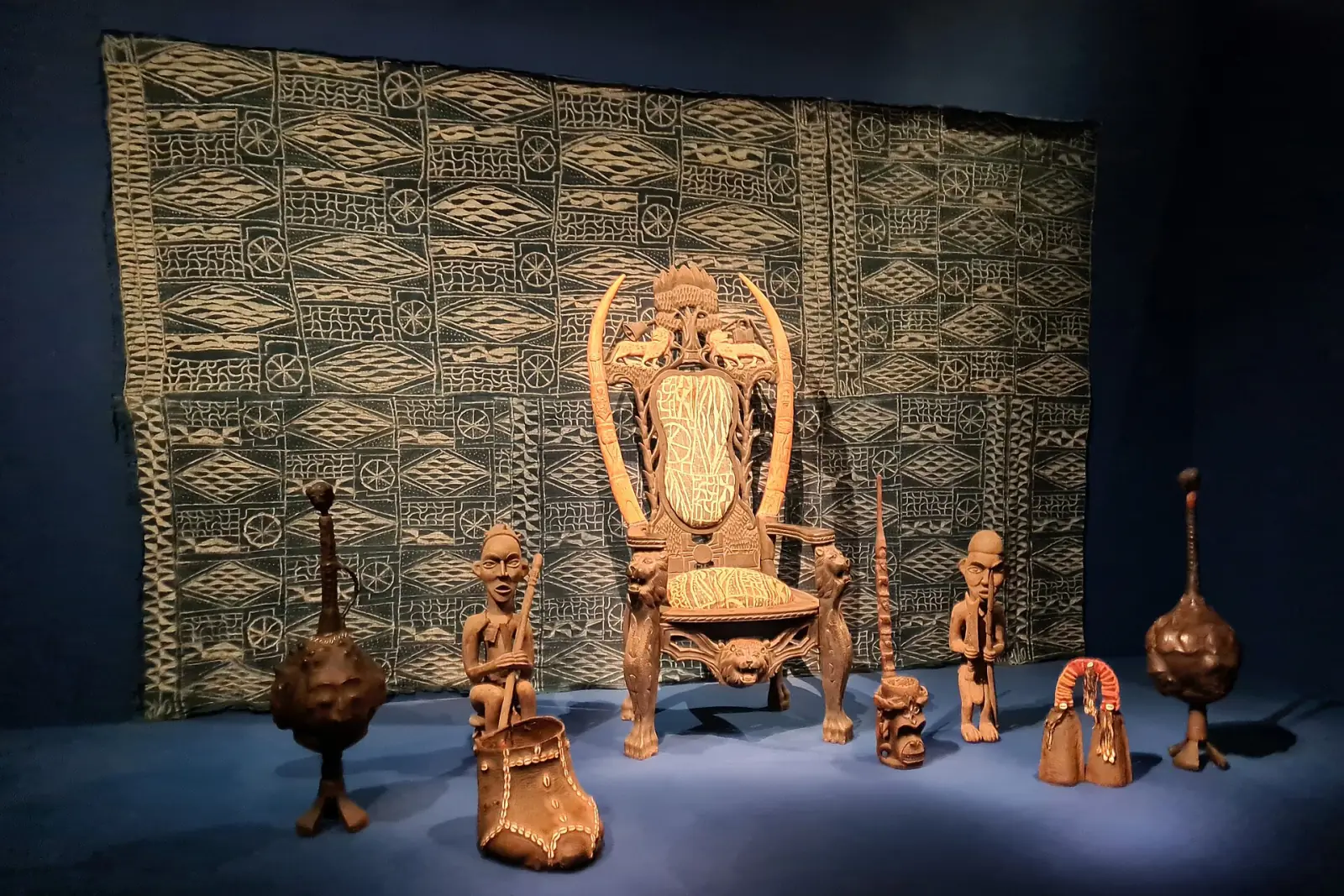
A listed movable property of local, regional or national heritage is inalienable and imprescriptible. It may be neither altered nor exported; only temporary export authorisations, granted by the Minister, allow it to be lent to an exhibition or sent abroad for study. When it belongs to a private individual, it may be transferred, but the State then has a right of pre-emption.

For immovable property

  • It may not be altered, demolished or cleared of trees, even partially, without having been delisted;
  • Development, restoration and modification require the Minister’s authorisation;
  • No new construction may be built against the property;
  • Posters and signs may not be put up on the building;
  • The administration may have safeguarding work carried out ex officio, after notifying the owner.

Neighbouring owners must also protect the property during their own building work. To find out how to go about it, see the conservation and restoration page and the listed monuments arrangements.

ℹ️
Compensation

Compensation is due only if the damage is direct, material, certain and present. The claim must be made within six months of the publication of the listing instrument, failing which it is time-barred, and it does not suspend enforcement of the instrument.

Support schemes

The support and benefits for protecting a property

Handshake between the Minister and a partner during an official meeting

Protection has a cost, and the State has provided for it. The law grants promoters of cultural heritage goods and services who carry out their activities in accordance with its provisions two tax benefits: free registration in the inventory and exemption from property tax. Registration of the listing instrument in the land register, where the property is registered, is also exempt from duties.

Technical and financial support

Communities whose heritage is listed receive assistance in awareness-raising, information, education, training and promotion. The Ministry offers owners conservation advice, a visit from a regional delegation officer and, depending on availability, a contribution to maintenance work. Amounts and scales are shown on the fees page; grants are requested using the grant form.

ℹ️
For owners

Before starting any work, seek advice from the regional delegation: unauthorised work on a listed property exposes you to penalties and may cancel the benefit of the support.

Case studies

Four common situations of listing

Former Woermann-Linie headquarters, a colonial building in Douala

Listing files rarely resemble one another. Four situations come up often in exchanges with the regional delegations and help to explain how the mechanism works.

A chiefdom wishing to protect its palace

The application is carried by the chiefdom with the support of the council. The file describes the buildings, the huts, the ceremonial objects and the rites held there. Listing may cover the building, while the objects are treated separately as movable property. See also traditional chiefdoms.

A private owner of a colonial house

The owner refers the matter to the Minister, accepts easements on the façade and roof, and keeps enjoyment of the property. In the event of a sale, the State may exercise its right of pre-emption.

A municipal council and a natural and cultural site

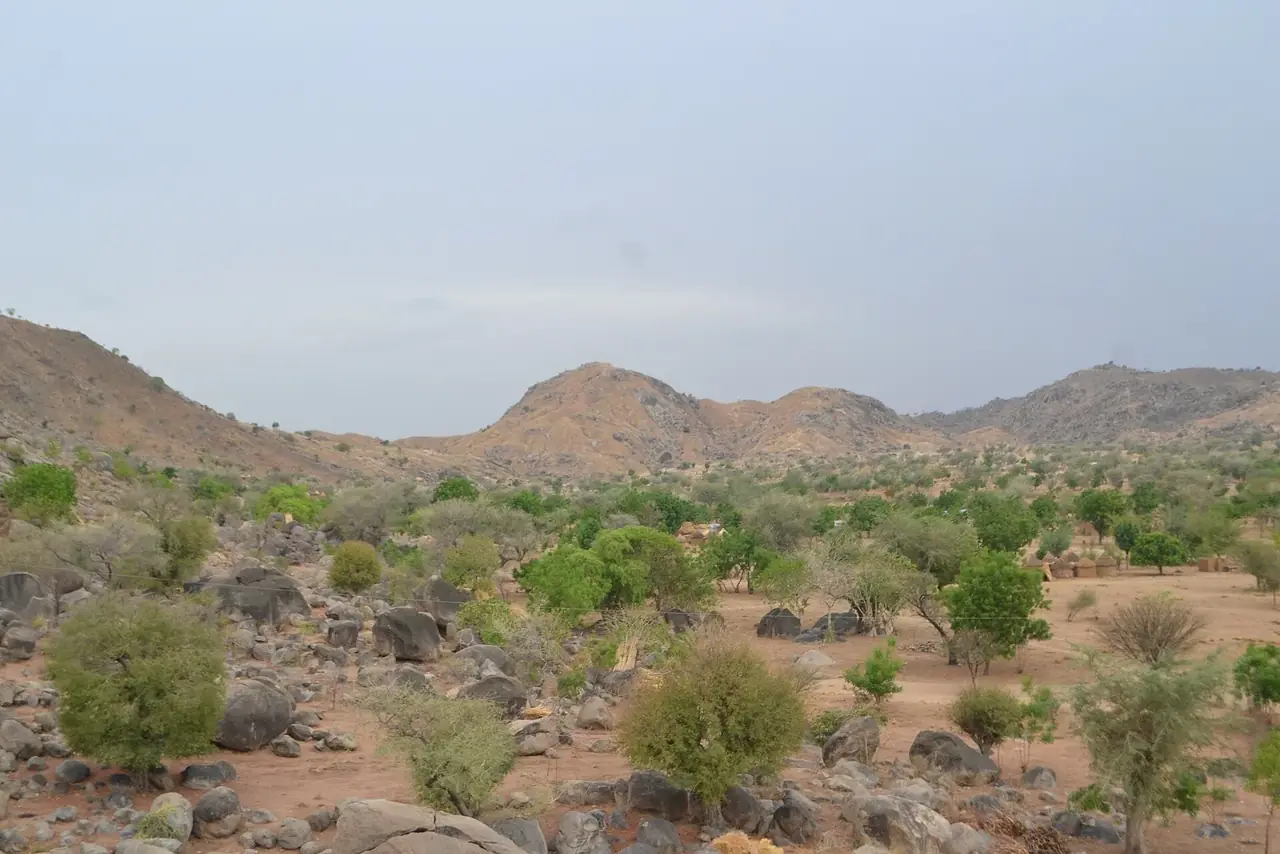
The mayor requests protection for a hill or waterfall held to be sacred. The cultural landscape is then recognised, then listed with rules on construction and clearing of trees.

A community and a living practice

For a rite or know-how, listing goes hand in hand with building corpora, recordings and transmission activities, with the holders themselves.

Delisting

When a property can be delisted

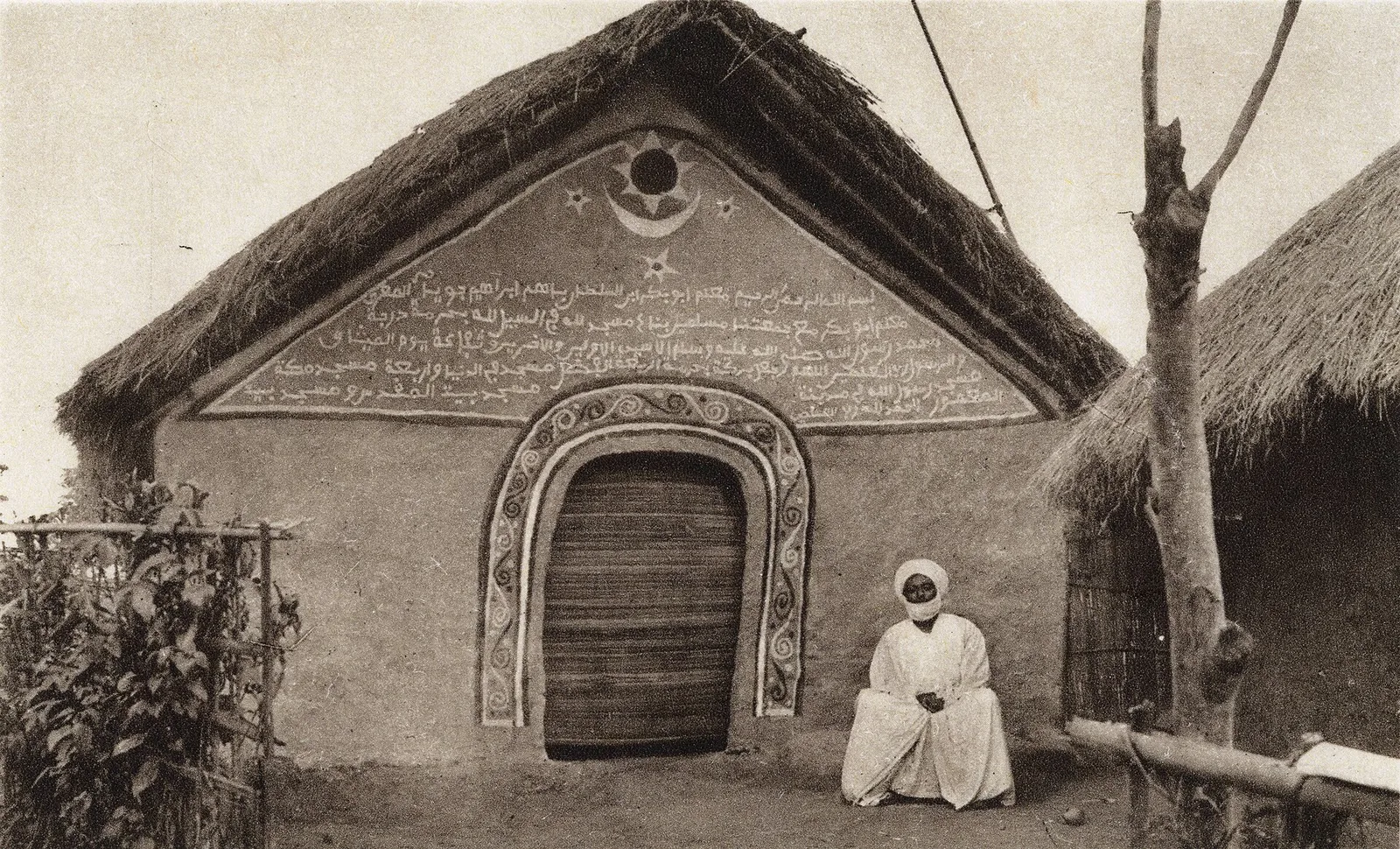
Mosque in Bamoun country, old photograph

Listing is not always permanent. The law defines delisting as the legal process by which the State removes the heritage value from a listed property. It follows the forms and procedures that governed listing, which guarantees the same safeguards in both directions.

Accepted grounds

A movable property that is irreversibly destroyed or mutilated may be delisted. A listed immovable property that poses a danger to human life, the environment or other property may, within an appropriate time, be closed, evacuated, dismantled or demolished, in accordance with procedures set by specific texts. These situations remain exceptional and are preceded by an expert assessment.

Prevent rather than delist

The best way to avoid delisting is to report a threatened property early through the reporting service, to follow maintenance instructions and to combat the illicit trafficking that empties sites of their objects. Stolen or illegally exported property is the subject of restitution work with international partners.

Step by step

Submitting a listing application

Have the property recognised

Check that the property is in the inventory or ask the regional delegation to have it surveyed, with a sheet and photographs.

Gather the documents

Prepare the description of the property, title deeds or the holders’ consent, a location plan and a dated condition report.

Submit the application

Use the online One-Stop Shop service or hand the file to the regional delegation, which forwards it to the competent directorate.

Accompany the examination

Receive an officer’s visit, answer any additional questions and put forward the uses of the property to the commission.

Receive the instrument

The listing instrument is notified, published in the official gazette, then entered in the land register where the immovable property is registered.

Comply with the rules

Apply the easements, request authorisation before any work and report any damage to the competent directorate.

Key facts

The effects of listing by type of property

Type of propertyEffects of listingAuthorisations requiredWhere to apply
Listed movable propertyInalienable, imprescriptible, neither altered nor exportedTemporary export granted by the MinisterDirectorate of Cultural Heritage
Movable property of a private individualTransfer possible with State right of pre-emptionPrior notification of the administrationRegional Delegation
Listed immovable propertyEasements, neither demolished, nor altered, nor cleared of treesMinister’s authorisation for any developmentDirectorate of Cultural Heritage
Protection zone around an immovable propertyAppearance of the premises preserved, construction regulatedAuthorisation before building, subdividing or parcellingCouncil and regional delegation
Listed intangible propertyCorpus, recordings, protection of traditionsConsent of the holders for disseminationRegional Delegation
Listing instrument for a registered immovable propertyEntered in the land register, free of dutiesRequest by the administration or the ownerLand registry
Property in dangerWork carried out ex officio at the State’s expensePrior notice to the ownerReporting service
Journey

From discovery to lasting protection

Step 1Identification

An officer, an association or a resident spots a property that seems to carry heritage value and reports it to the regional delegation.

Step 2Recognition

The property is described, photographed and legally recognised; it is entered in the inventory, for which registration is free.

Step 3Listing application

The Minister, the local authority or the owner submits the application; the examination checks the criteria and the consent of the holders.

Step 4Official instrument

The listing instrument is published in the official gazette, notified to those concerned and entered in the land register if the property is registered.

Six monthsCompensation deadline

An aggrieved third party has six months from publication to claim compensation, under the conditions of the law.

ThereafterMaintenance and follow-up

Owners maintain the property, the administration monitors, and communities benefit from promotion activities.

To explore

To go further on protection

“A listed property no longer belongs only to the one who keeps it: it belongs to everyone’s memory, which is why everyone watches over it.”

A heritage curator, Yaoundé
Feedback from the field

They had a property listed

“
The file seemed heavy to me, but the delegation officer came on site, photographed the hut and helped us gather every document.
A village chief, West Region
Listing application for a ceremonial hut
“
The easements are clear from the outset. I know what I can maintain myself and what requires authorisation, and the property tax no longer weighs on me.
A private owner, Douala
Old trading house
“
Our council referred the matter to the Minister for a sacred hill. Listing calmed the housing development plans and brought the elders together around a management plan.
A mayor, Centre Region
Local authority initiative
“
The children from the neighbouring school now visit the site every term. Protecting is also learning to look.
A teacher, North Region
School outreach
To act

The procedures to know

Request a listing

Submit your file online with the description of the property, photographs and proof of ownership.

List a property

Report a threatened property

A demolition, looting or damage under way: alert the directorate, anonymously if you wish.

Report

Obtain a grant

Fund the maintenance of a protected property using the grant form and the support funds.

Request support

Track my file

Find the progress of your application with the file number given at submission.

Follow
To download

The listing documents

Glossary

The vocabulary of listing and protection

Listing

Legal process by which the State grants heritage value to a cultural property.

Delisting

Process by which the State removes the heritage value from a listed property.

Recognition

Legal acceptance of the existence of a cultural property, a mandatory precondition for listing.

Easement

Constraint established by the listing instrument on an immovable property, linked to its style, vegetation or soil.

Inalienable

Which cannot be sold or transferred by the authority holding it as public heritage.

Imprescriptible

Which cannot be acquired through the passage of time, even after long possession.

Right of pre-emption

The State’s power to acquire in priority a cultural property that its private owner wishes to transfer.

Land register

Register of ownership of immovable property, in which the listing instrument is entered if the property is registered.

Time bar

Loss of the right to act for failure to exercise it within the prescribed time, here six months.

Inventory

Permanent sovereign operation that surveys, studies and publicises cultural heritage.

Heritage value

Set of historical, artistic, social or use-related qualities that give a property its memorability.

On the site

Other pages on heritage protection

Resources

Useful links for listing and protecting

Stakeholders

Who is involved in protection?

Questions

Your questions on listing

Who can request the listing of a property?

Three actors have the initiative: the Minister in charge of cultural heritage, the heads of the executives of decentralised local authorities and the owner of the property. An association or a community therefore relies on its council, its chiefdom or the regional delegation to submit the file.

Which properties are eligible?

Any tangible or intangible property that has been recognised beforehand: heritage objects and documents, monuments, buildings, ruins, sites, cultural landscapes, practices and know-how. Recognition generally involves entry in the national inventory, for which registration is free.

Can I sell a listed movable property?

A listed property of public heritage is inalienable. A property belonging to a private individual may be transferred, but the State has a right of pre-emption and the property may be neither altered nor exported, except with temporary authorisation from the Minister for an exhibition or a study.

Can I renovate my house if it is listed?

Yes, but after authorisation from the Minister in charge of heritage, in liaison with the administrations concerned. A listed immovable property may not be altered, demolished or cleared of trees, even in part, and no construction may be built against it. Routine maintenance work is advised by the regional delegation.

Am I entitled to compensation if listing inconveniences me?

Only if the easements change the use and condition of the premises and cause direct, material, certain and present damage. The claim must be made within six months of the publication of the instrument in the official gazette; it does not suspend the enforcement of the listing.

Are there tax benefits?

Promoters of heritage goods and services who comply with the law benefit from free registration in the inventory and exemption from property tax. Registration of the listing instrument in the land register is also exempt from duties.

Is listing permanent?

Not necessarily. A movable property that is destroyed or seriously mutilated may be delisted, and an immovable property that has become dangerous may be evacuated or demolished. Delisting follows the same forms and procedures as listing, in order to offer the same safeguards.

How can I track my listing application?

A file number is given at submission. It allows you to check progress in the file tracking service, or to contact the competent directorate by telephone on +237 6 51 70 58 41 or by e-mail at contact@minac.gov.cm.

Contact

Write to the Ministry: Listing and Protection

Specify the property or site concerned.

Competent directorate

Contacting heritage protection

Address

Directorate of Cultural Heritage
Ministry of Arts and Culture
Quartier du Lac – Ministerial Zone
P.O. Box 1053 Yaoundé, Centre Region, Cameroon

Reach us

+237 6 51 70 58 41

contact@minac.gov.cm

Opening hours

Monday to Friday, 8 am to 4 pm

A property to protect?

Submit your listing application online and track it with your file number.

Request a listing
WhatsApp