Coat of arms of CameroonMinistry of Arts
and Culture
Republic of Cameroon
My procedures
Home
Minister’s message
News
Press releases
Cultural calendar
Official speeches
Press review
Photo library
Video library
Calls for projects
Job vacancies
Public procurement
Newsletter
Frequently asked questions
Site map
Contact
Press area
Podcast “The Voice of Culture”
Legal notices
Privacy policy
Cookies and trackers
The Ministry
Missions and responsibilities
Organisation
Organisation chart
Minister’s Office (Cabinet)
Management team
General Secretariat
General Inspectorate
Central directorates
Regional Delegations
Institutions under supervision
Legislative texts
Regulatory texts
Sector strategy
Major projects
Budget and reports
Partners
Careers
Archives
Institutional communication
Quality and accessibility
Arts
Visual and plastic arts
Visual arts
Performing arts
Theatre
Dance
Music
Literature and books
Cinema and audiovisual
Photography
Fashion and design
Digital arts
Art crafts
Artists’ directory
Residencies
Prizes and awards
Arts education
Urban arts
Heritage
Tangible heritage
Intangible heritage
UNESCO sites
National museums
Listed monuments
National inventory
Palaces and chiefdoms
Archaeology
Linguistic heritage
Oral traditions
Traditional know-how
Restitution of cultural property
Fight against illicit trafficking
Listing and protection
Conservation and restoration
Heritage Days
Cultural landscapes
Industries
Music and recording
Cinema
Publishing and books
Digital arts
Fashion and creativity
Crafts
Cultural tourism
Funding for culture
Support funds
Incubators
Cultural entrepreneurship
Culture Observatory
Vocational training
Studies and reports
Sector statistics
Export and outreach
Intellectual property
Copyright
Legal framework
Copyright and neighbouring rights
Collective management societies
Register a work
Licences
Private copying
Fight against piracy
Model contracts
Social status of artists
Mediation
Disputes
Training
Fee scales
Register of works
Contact
Digital neighbouring rights
Public domain
Festivals
National calendar
Ngondo
Nguon
Écrans Noirs
Heritage Days
Music Day
Regional festivals
Fairs and exhibitions
Biennials
National competitions
Cultural days
Organise a festival
Event grants
Ticketing
Archives
Volunteering
Diaspora festivals
Regions
Adamawa
Centre
East
Far North
Littoral
North
North-West
West
South
South-West
Cultural map
Regional Delegations
Traditional chiefdoms
National languages
Cultural routes
Decentralised cooperation
Regional observatory
Cooperation
UNESCO
Francophonie (OIF)
African Union
Commonwealth
CEMAC
Bilateral cooperation
Cultural agreements
Professional organisations
Scholarships
Artist exchanges
Cultural years
Diaspora
Funded projects
Embassies
Technical partners
International restitution
International monitoring and calls
Services
Artist card
Show authorisation
Filming authorisation
Festival authorisation
Deposit of a work
Export of works of art
Listing of a property
Grant application
Association accreditation
File tracking
Forms
Fees
Opening hours and addresses
Reporting
Online help
My account
One-Stop Shop
The Ministry

Management team

The Minister, the Secretary General, the General Inspectorate, the directors and the heads of institutions: who runs the Ministry of Arts and Culture, how decisions circulate and how to reach them.

Updated on 6 November 20264 sub-pages
Officials presented19
Central directorates7
Members of the General Inspectorate3
Attached institutions and services4
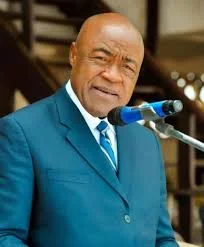
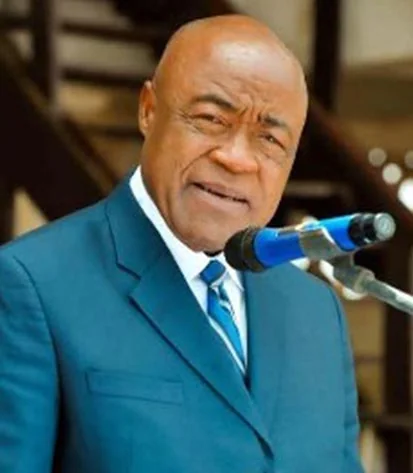
/ At the head of the Ministry Portrait of the Minister in a blue suit, speaking at a microphone.
At the head of the Ministry

A team at the service of culture

The Minister of Arts and Culture, Dr Pierre Ismaël Bidoung Mkpatt, heads the Ministry with the support of a Secretary General, two technical advisers, a General Inspectorate and seven central directorates. Alongside them, the heads of the attached institutions keep the museums, the archives, the ballet and the contemporary art gallery running on the ground.

This page presents the officials in post, their role and how to reach them. It also explains how decisions circulate between the Minister’s Office, the General Secretariat and the directorates, so that every user knows which door to knock on.

  • Minister’s Office and General Inspectorate
  • General Secretariat and seven directorates
  • Heads of attached institutions
The directory of officials
The Minister

The Minister, responsible for cultural policy

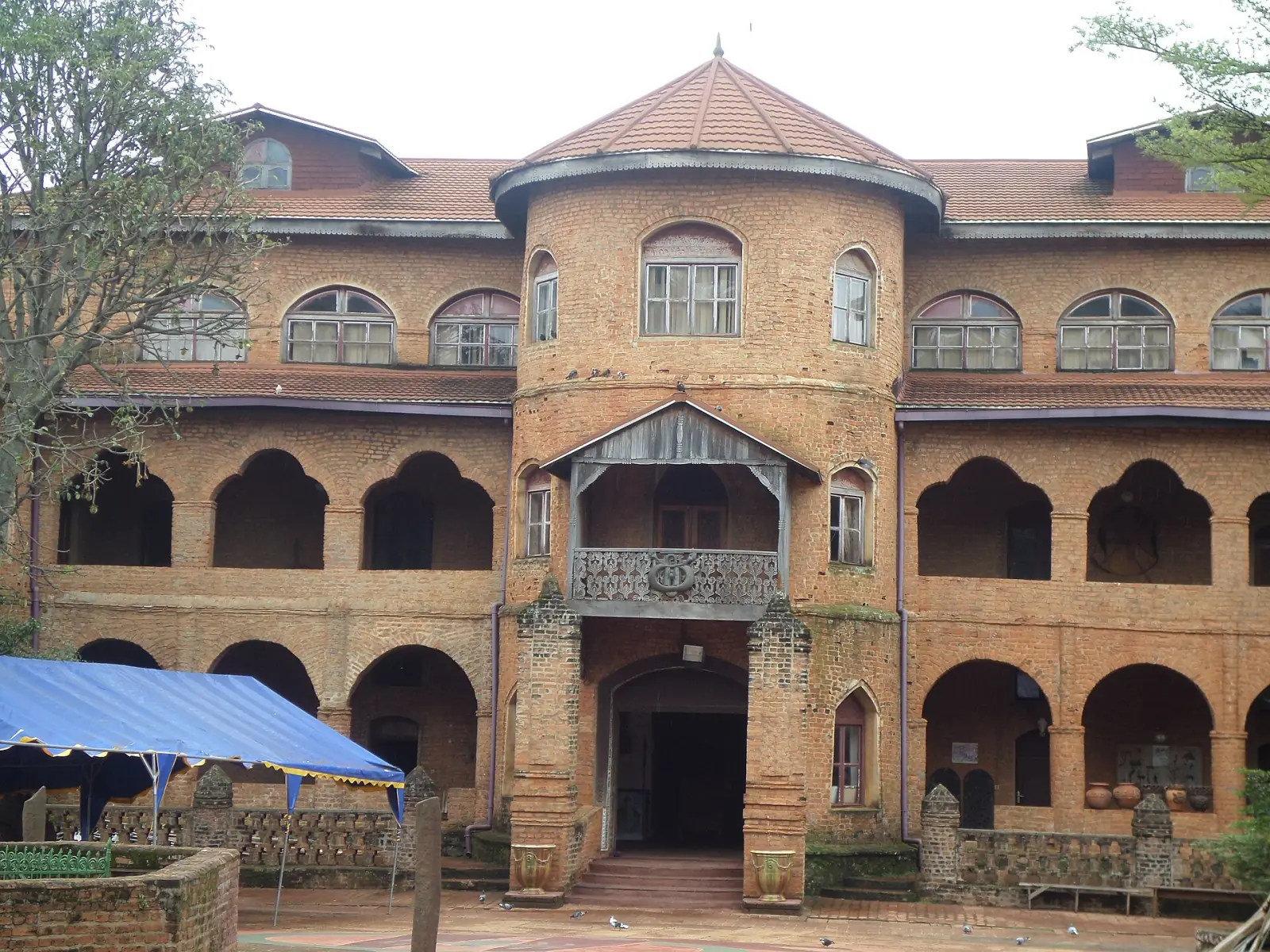
Brick facade of the royal palace of the Bamum sultans in Foumban

The Minister of Arts and Culture, Dr Pierre Ismaël Bidoung Mkpatt, is responsible for drawing up and implementing the Government’s policy on the arts and culture. He answers for it to the President of the Republic and the Prime Minister, and speaks on behalf of the Department at major national and international events: opening of festivals, award ceremonies, sessions of cooperation with UNESCO, meetings of the Francophonie.

What the Minister decides himself

The Minister signs the acts that bind the Department: orders, decisions to list a cultural property, approvals, budget guidelines and appointments to positions of responsibility that fall within his remit. He sets the priorities for the year after hearing the Secretary General and the directors, and arbitrates when two services disagree on a file.

An agenda shared between the administration and the field

In accordance with the cultural agenda, the Minister chairs programming conferences, receives delegations of artists, traditional chiefs (see traditional chiefdoms) and professionals, and travels to the regions to inaugurate a museum, a library or a festival. His message and his official speeches are published on the site, as are the press releases reporting his decisions.

ℹ️
Write to the Minister

Letters addressed to the Minister are received by the mail and liaison service, then directed to the Minister’s Office or to the competent directorate. Always state the subject of your request and attach the relevant documents.

Coordination and control

The Secretary General and the General Inspectorate

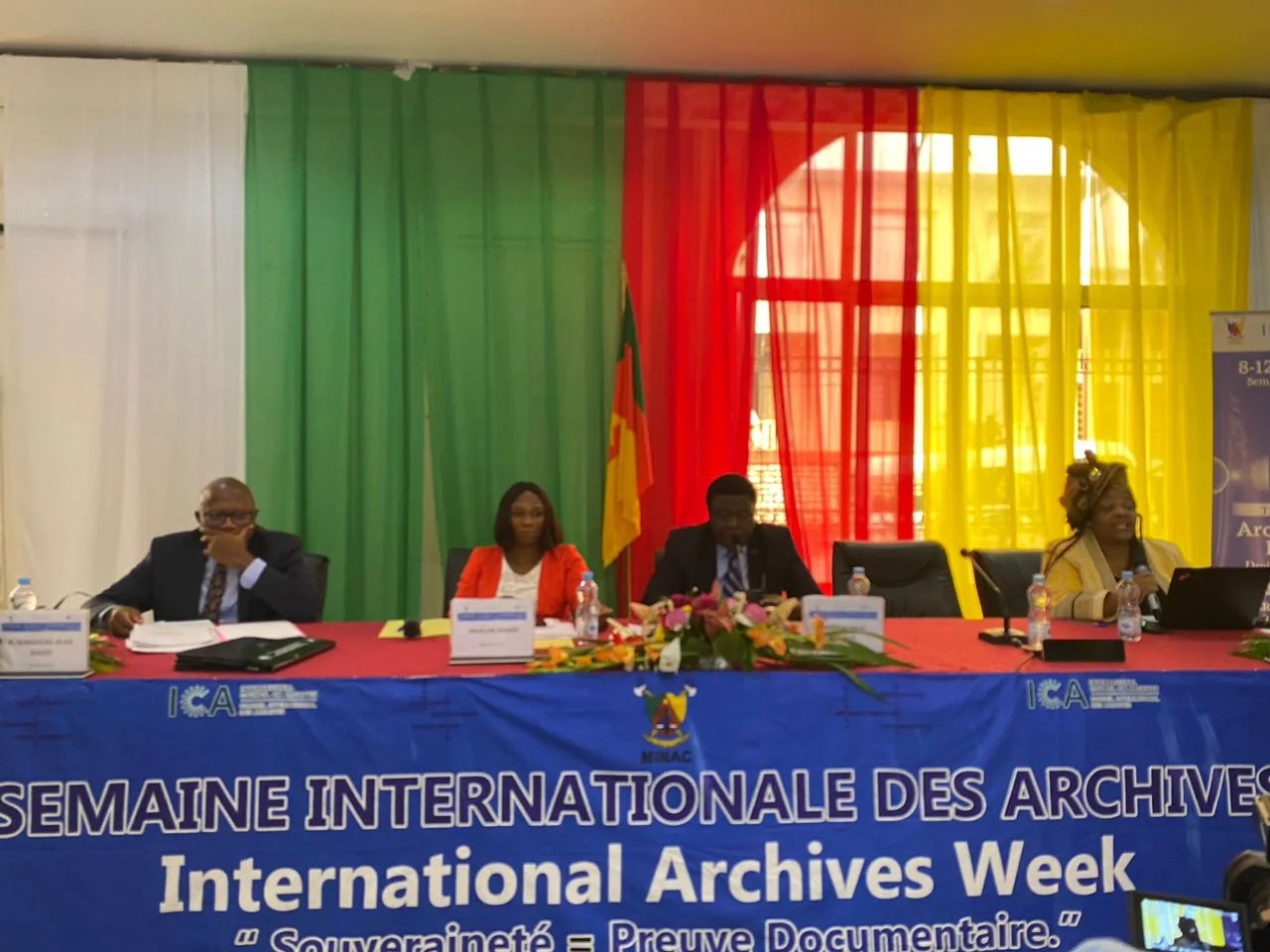
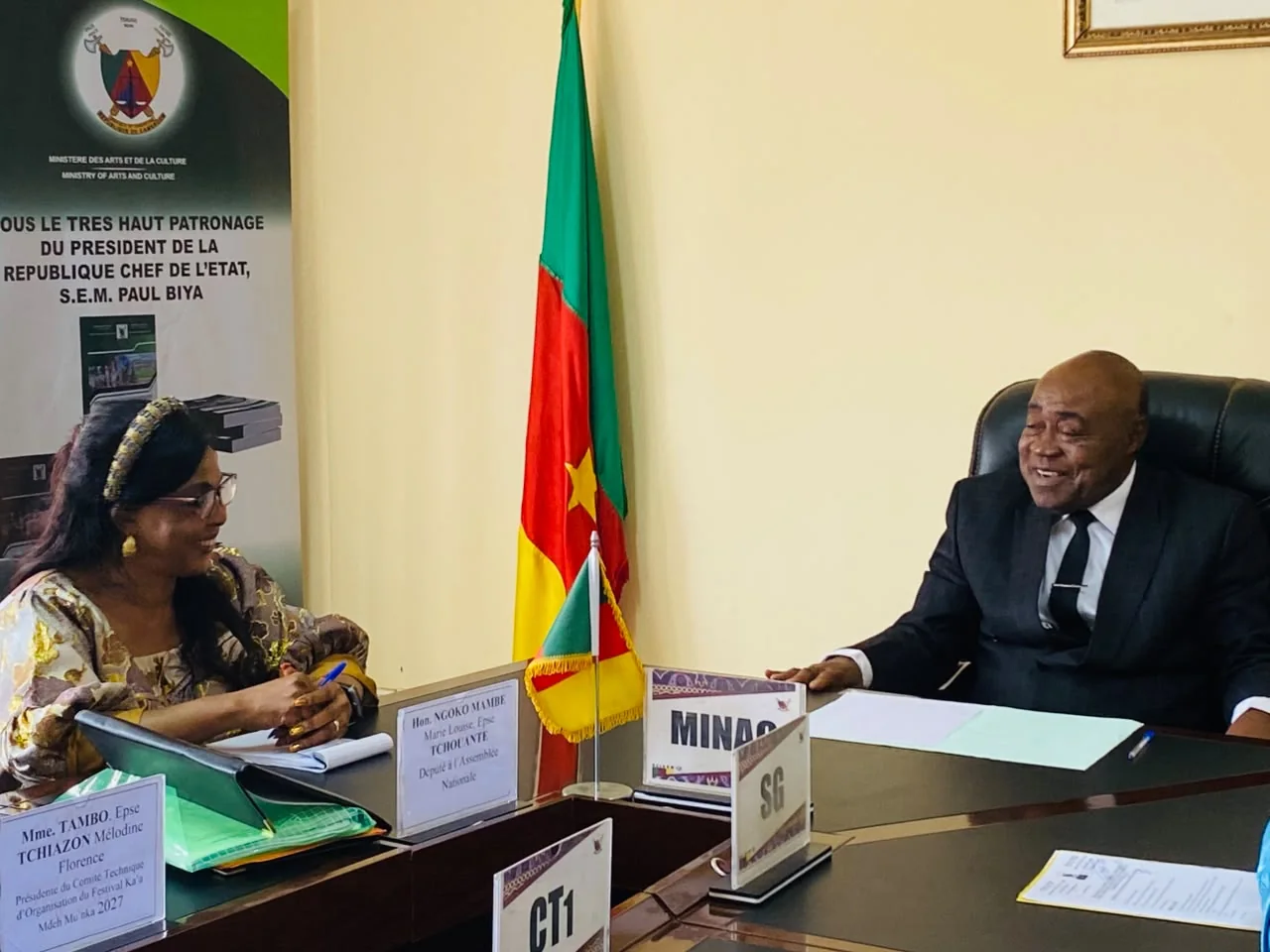
Panel table at International Archives Week

Two functions give the management team its coherence: the coordination of day-to-day work, entrusted to the Secretary General, and internal control, entrusted to the General Inspectorate. The former moves files forward; the latter checks that the services operate according to the rules and meet their objectives.

The Secretary General

Prof. Nkene Blaise Jacques is the Minister’s principal collaborator. He oversees the processing of the Department’s affairs, receives delegations of signature, convenes the directors and regional delegates and ensures that files are handled promptly. He coordinates the central administration and the decentralised services; the details of his responsibilities appear on the General Secretariat page. Prof. Sietchoua Célestin, head of the legal affairs division, reports to him and supports the whole Ministry on legal matters.

The General Inspectorate

Mrs Ngeh Rekia Nfunfu née Mbeume, Inspector General, is assisted by two inspectors, Mr Oyono Bitounou Valère and Mr Ndouma Serge Achille. The Inspectorate evaluates the performance of the services, monitors their functioning, informs the Minister of the quality of output and contributes to the anti-corruption strategy. Its missions, powers and reporting procedure are explained on the General Inspectorate page.

Together, these two functions feed the Department’s accountability, presented each year in the activity reports.

ℹ️
Who does what?

The Secretary General organises the work of the administration; the Inspector General monitors that work and reports to the Minister. Neither ever replaces the directors, who remain responsible for their own fields.

Directorates

The directors of the central administration

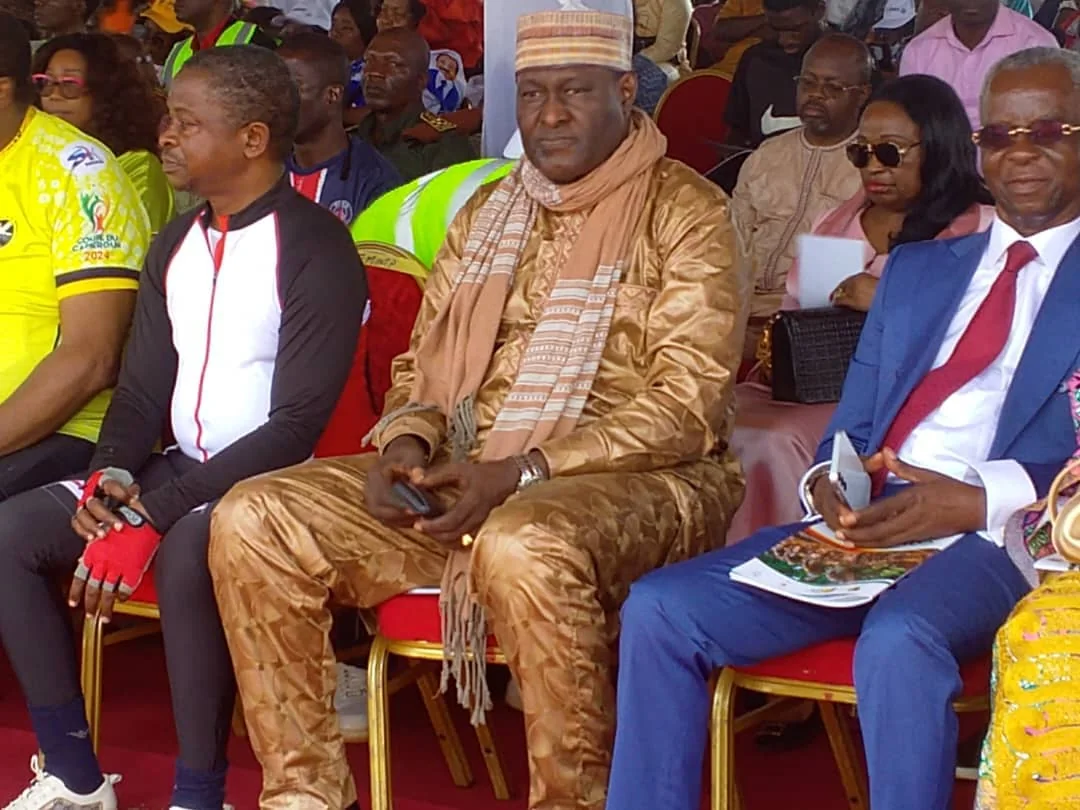
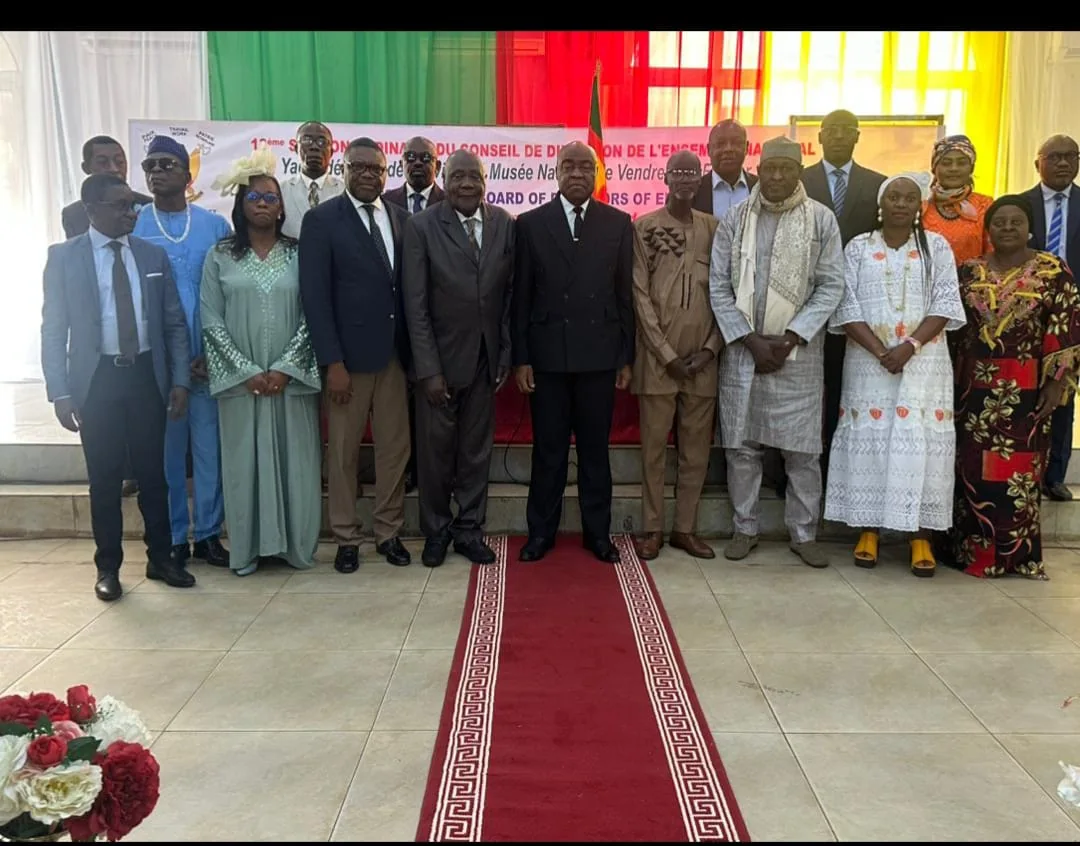
Guests and officials seated during an official ceremony

Seven directorates implement the Ministry’s policy in their respective fields: cultural heritage, development and promotion of the arts, archives and administrative documents, books and reading, cinematography and audiovisual productions, performances and creative industries, and general affairs. Each directorate is placed under the authority of a director, assisted by sub-directors and heads of service.

One director, three roles

The director first designs the policy for his or her field and prepares draft texts. The director then steers the services responsible for processing users’ applications: authorisations, approvals, grants, listings. Finally, the director represents the directorate on interministerial committees, juries and professional meetings. A director reports to the Secretary General on the progress of files and to the Minister on the decisions to be taken.

ℹ️
Acting

When a directorate has no incumbent, the Minister appoints an official to act in the interim. This is currently the case for the Directorate of Books and Reading.

Institutions

The attached institutions and services

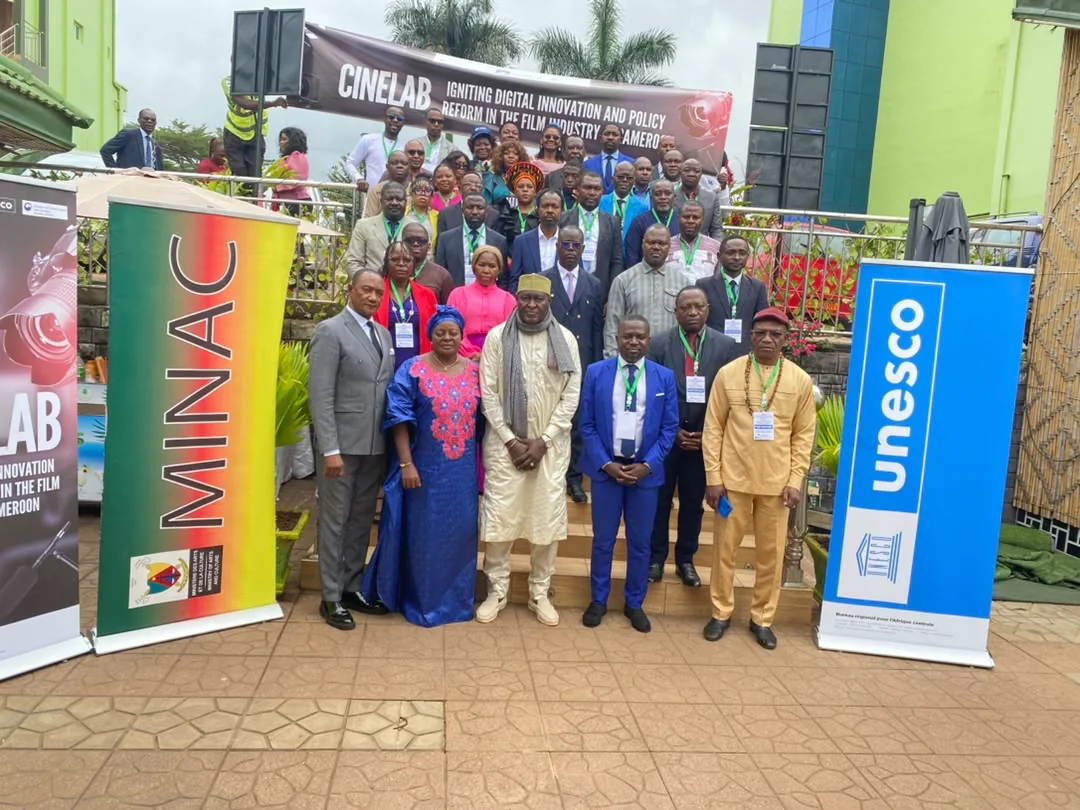
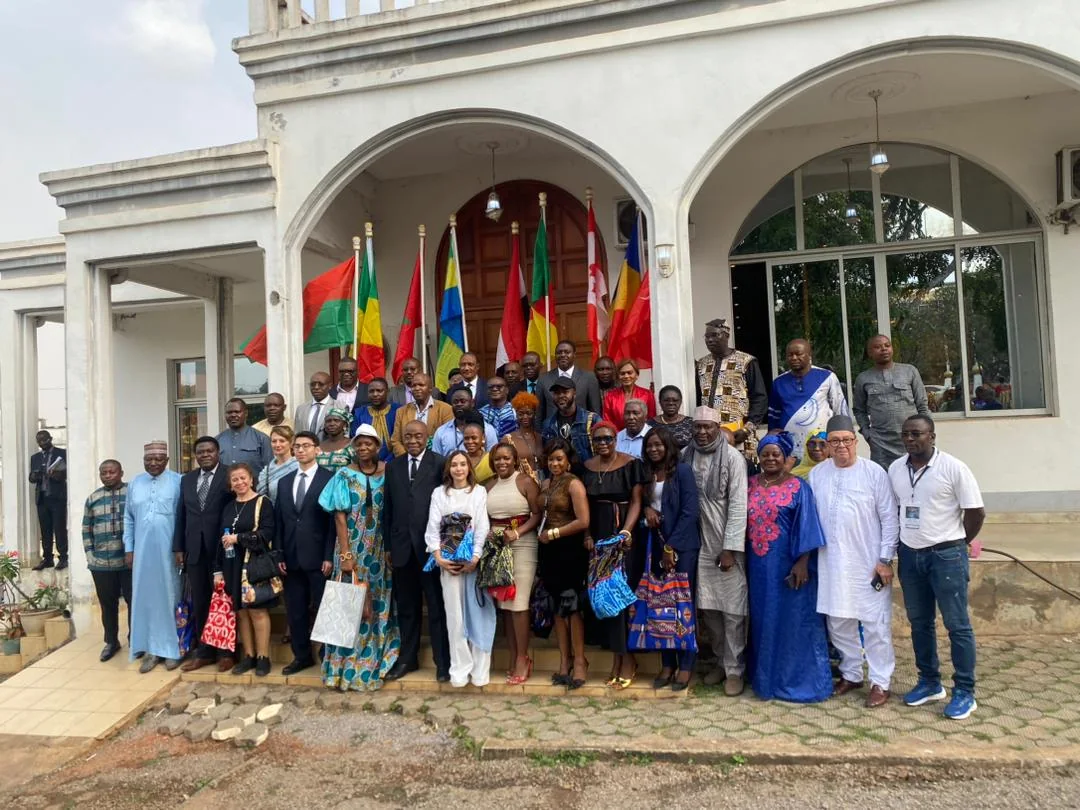
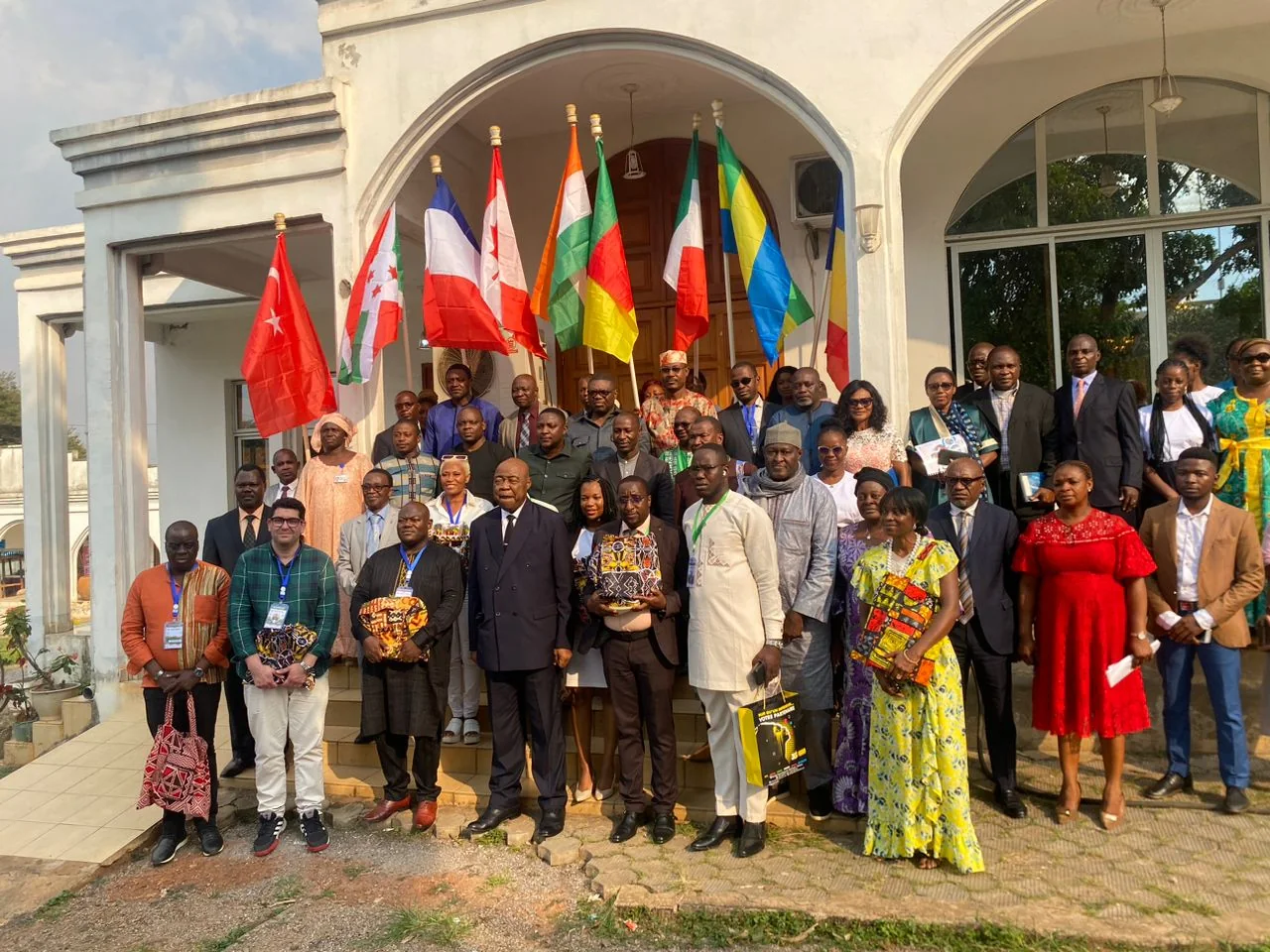
CINELAB workshop participants in front of the Ministry and UNESCO banners

Beyond the central administration, the Ministry relies on institutions that welcome the public and preserve the country’s memory. The National Archives are headed by Dr Olembe Esther, the National Ensemble by Mr Etamba Beleme Léandre and the National Museum, on an interim basis, by Mr Etta Ojang Yvan. Mr Rodrigue Olinga Abanda coordinates the Yaoundé contemporary art gallery.

Institutions on the ground

The National Museum preserves and exhibits the art and history collections; the National Archives receive, classify and make available public documents; the National Ensemble brings together the national ballet, orchestra and theatre, which represent the country on stages around the world. The contemporary art gallery offers exhibition space to plastic artists and visual artists.

Active supervision

The heads of these institutions present their programme to the Secretary General, who approves it and receives their activity reports. Bodies under supervision, such as the Yaoundé Palais des Congrès and CREPLA, have their own governing bodies but work closely with the Ministry. Their full presentation is on the Institutions under supervision page.

ℹ️
Good to know

Institutions are open to the public according to their own opening hours. Consult the opening hours and addresses page before travelling.

Directory

All officials

Minister’s Office · Yaoundé

Dr Pierre Ismaël Bidoung Mkpatt

Minister. Minister of Arts and Culture.

General Secretariat · Yaoundé

Prof. Nkene Blaise Jacques

Secretary General. Main collaborator of the Minister.

General Inspectorate · Yaoundé

Mrs Ngeh Rekia Nfunfu née Mbeume

Inspector General. Internal control and evaluation of the services.

Minister’s Office · Yaoundé

Mr Abanda Maye Armand

Technical Adviser No. 1. Assignments entrusted by the Minister.

Minister’s Office · Yaoundé

Mrs Astadjam Saoudi

Technical Adviser No. 2. Assignments entrusted by the Minister.

General Inspectorate · Yaoundé

Mr Oyono Bitounou Valère

Inspector No. 1. General Inspectorate of the Ministry.

General Inspectorate · Yaoundé

Mr Ndouma Serge Achille

Inspector No. 2. General Inspectorate of the Ministry.

General Secretariat · Yaoundé

Prof. Sietchoua Célestin

Head of the Division of Legal Affairs. Division of Legal Affairs.

Directorates · Yaoundé

Mr Bekono Daniel

Director of General Affairs. Directorate of General Affairs (DAG).

Directorates · Yaoundé

Mrs Edjoa Akoa Marie Thierry née Ndjell

Director of Cultural Heritage. Directorate of Cultural Heritage (DPC).

Directorates · Yaoundé

Pr Fai Donatus Tanguem

Director of Cinematography and Audiovisual Productions. Directorate of Cinematography and Audiovisual Productions (DCPA).

Directorates · Yaoundé

Mrs Mazoume Marie Chantal

Director of Performances and Creative Industries. Directorate of Performances and Creative Industries (DSIC).

Directorates · Yaoundé

Mr Ndongo Mendougan Guy Martial

Director of Arts Development and Promotion. Directorate of Arts Development and Promotion (DDPA).

Directorates · Yaoundé

Pr Ngwang Michael

Director of Archives and Administrative Documents. Directorate of Archives and Administrative Documents (DADA).

Directorates · Yaoundé

Mr Ndouma Serge Achille

Director of Books and Reading (acting). Directorate of Books and Reading (DLL).

Institutions · Yaoundé

Dr Olembe Esther

Director of the National Archives. National Archives.

Institutions · Yaoundé

Mr Etamba Beleme Léandre

Director of the National Ensemble. National Ensemble.

Institutions · Yaoundé

Mr Etta Ojang Yvan

Director of the National Museum (acting). National Museum.

Institutions · Yaoundé

Mr Rodrigue Olinga Abanda

Coordinator of the Yaoundé Contemporary Art Gallery. Yaoundé Contemporary Art Gallery.

Directorates

Who heads which directorate and what does it do?

ManagementHeadField of actionContact them for
Cultural Heritage (DPC)Mrs Edjoa Akoa Marie Thierry née NdjellInventory, protection, museums, cultural diversityList a property, declare a discovery, add a practice to the inventory
Development and Promotion of the Arts (DDPA)Mr Ndongo Mendougan Guy MartialLive arts, visual and applied artsSupport for creation, residencies, artistic training programmes
Archives and Administrative Documents (DADA)Pr Ngwang MichaelArchival standards and oversightManage or deposit archives, train archivists
Books and Reading (DLL)Mr Ndouma Serge Achille (acting)Book economy, libraries, legal depositPublish, open a library, organise a book fair
Cinematography and Audiovisual Production (DCPA)Pr Fai Donatus TanguemFilm regulation and controlFilming authorisation, cinema venue, production support
Shows and Creative Industries (DSIC)Mrs Mazoume Marie ChantalPerformances, major events, creative industriesPerformance authorisation, festival, patronage and sponsorship
General Affairs (DAG)Mr Bekono DanielStaff, pay, budget, procurementCareer, budget or public procurement matters
Decision-making process

How a decision reaches the Minister

A request arrives

A user submits a file to the One-Stop Shop or the mail service. The file is given a number, which is the basis for all subsequent follow-up.

The directorate processes it

The competent service checks the documents, consults the regional delegation if necessary and prepares a summary note with a reasoned proposal.

The General Secretariat coordinates

If several directorates are concerned, the Secretary General convenes a coordination meeting and has a joint opinion drawn up.

The Minister’s Office prepares the decision

The technical advisers review the note, check that it is consistent with the Minister’s guidelines and prepare the draft act.

The Minister or his delegate signs

The act is signed by the Minister, or by the Secretary General or a director holding a delegation of signature.

Notification and follow-up

The decision is notified to the applicant; progress can still be consulted online through file tracking.

At the top

The Minister and his close collaborators

/ Minister of Arts and Culture
Dr Pierre Ismaël Bidoung Mkpatt

“Responsible for the Government’s cultural policy: sets the priorities, signs the major acts and represents the Department at national and international meetings.”

/ Secretary General
Prof. Nkene Blaise Jacques

“Coordination of the central administration and decentralised services, file follow-up, internal procedures and continuing staff training.”

/ Technical Adviser No. 1
Mr Abanda Maye Armand

“Missions and studies entrusted by the Minister on files requiring in-depth analysis or a quick decision.”

/ Head of the Division of Legal Affairs
Prof. Sietchoua Célestin

“Legal support for the Ministry: opinions on draft texts, regulations, litigation follow-up and securing of signed acts.”

Relations with users

Reaching an official: a user’s guide

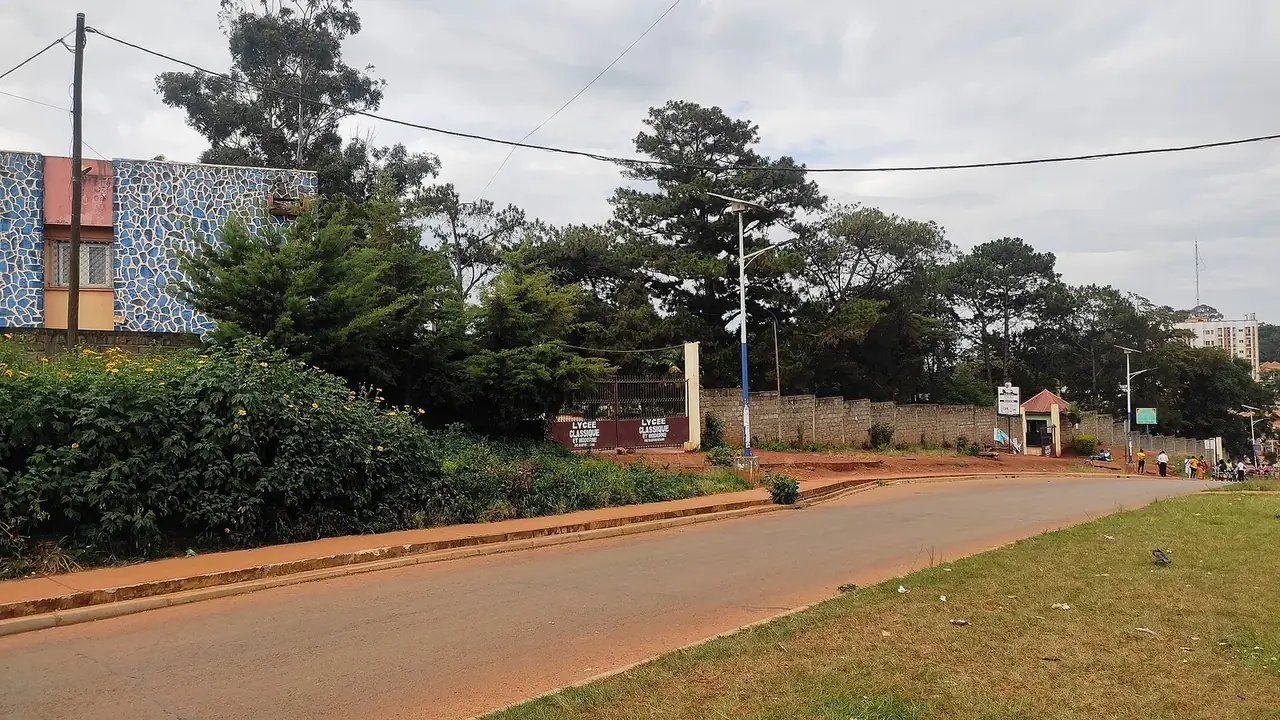
Avenue in Bafoussam

The Ministry’s officials receive many requests. To make sure yours quickly reaches the right person, a few simple habits can save weeks.

Choosing the right contact

An administrative procedure (authorisation, approval, artist card) is first handled at the One-Stop Shop, without going through the Minister’s Office. A technical question about a field (books, cinema, heritage) should be addressed to the directorate concerned, whose missions are presented under central directorates. A project that covers several fields, for example a festival combining dance, cinema and an exhibition, may be submitted to the General Secretariat, which will appoint a lead directorate.

Writing an effective letter

  • State the subject in one line, the region concerned and the date by which you wish to receive a reply;
  • Attach only the documents requested, listed on the forms page;
  • Quote the file number if an earlier submission has already been made;
  • Sign, stating your position and a means of contacting you.

The press and partners

Journalists have the press area to request an interview or accreditation. Foreign partners and professional organisations will find their entry point in the Partners and Cultural agreements pages. Artists’ rights can be consulted in the social status of the artist. The most common questions are gathered in the frequently asked questions, and addresses and hours on the opening hours and addresses page. The Ministry’s commitments on response times and courtesy are set out on the Quality and accessibility page.

In figures

Officials by category

Minister’s Office
Three members, including the Minister and his two technical advisers, who prepare his decisions and follow his files.
16 %
General Secretariat and General Inspectorate
Five officials in charge of day-to-day coordination and internal control of the Department’s services.
26 %
Central directorates
Seven directors, one per central directorate, including one interim appointment, who steer the sectoral policies.
37 %
Attached institutions
Four heads of institutions open to the public: archives, national ensemble, museum and gallery.
21 %
Worth reading

The management team’s reference documents

Affiliations

The institutions headed by the team

Contacting the team

According to your needs

Journalists

Interviews, accreditations, official visuals and press kits to cover the activities of the Ministry, its institutions and its major events.

Press area

Partners

Agreements, joint projects and cooperation with the institutions, donors and professional organisations that support the sector.

See the partners

Users

Online procedures, file tracking and personalised assistance for artists, associations, producers and cultural operators.

One-Stop Shop

Staff and applicants

Job vacancies, competitive examinations, internships and information on the rights and obligations of civil servants of the Ministry and its institutions.

Careers
Glossary

The titles and functions of the management team

Minister

Member of the Government in charge of cultural policy and head of the Department.

Secretary General

The Minister’s principal collaborator, responsible for coordinating all the services.

Technical adviser

Collaborator of the Minister in charge of specific missions and studies on sensitive files.

Inspector General

Head of internal control, evaluation of the services and reporting to the Minister.

Director

Head of a central directorate, author of the policy proposals for his or her field.

Sub-Director

Head of a subdivision of a directorate, direct superior of the heads of service.

Head of Division

Head of a division attached to the General Secretariat, such as legal affairs.

Delegation of signature

Power given by the Minister to sign certain acts on his behalf.

Acting

Temporary exercise of a function in the absence of the incumbent or pending their appointment.

Supervision

Control exercised by the Ministry over the institutions and bodies attached to it.

On the site

Exploring the organisation of the Ministry further

Related pages

Go further

Governance calendar

A year of steering by the management team

JanuaryGuidelines for the year

The management team sets the priorities, allocates funds among the directorates and presents its objectives at a coordination meeting.

MarchProgramming review

Each directorate presents its events and calls for projects; the Secretary General harmonises the national calendar.

JuneMid-term review

The directors and regional delegates assess progress, and the General Inspectorate submits its quarterly report.

SeptemberBudget preparation

The budget proposals for the following financial year are consolidated by the Directorate of General Affairs.

NovemberMajor events

The Minister presides over the highlights of the cultural season, from festivals to award ceremonies.

DecemberReview and reports

Activity reports are written, results are presented and commitments for the following year are set.

By need

Finding the right service for your project

Questions

Contact an official

How do I contact a director?

Use the contact form, specifying the directorate concerned, or write to the General Secretariat, which will forward your message. For a routine procedure, the One-Stop Shop is faster: your file is automatically directed to the right service.

Is this information up to date?

The names and positions are those published on the official site (see also the news). When an appointment or an acting arrangement changes, the page is updated. If in doubt about a post-holder, the General Secretariat will confirm the situation by e-mail or telephone.

Where can I find the complete organisation chart?

On the Organisation page and the Organisation chart page, which present the central administration, decentralised services, attached services and bodies under supervision, in graphic and text form.

Does the Minister receive artists?

The Minister receives delegations of artists and professionals on written request addressed to the Minister’s Office. However, most questions are resolved by the competent directorate, which can be contacted more quickly.

Who stands in for the Secretary General in case of absence?

In case of absence or impediment, the Minister appoints a director to act in the interim. Delegations of signature continue to apply in accordance with the acts in force.

How do I report a malfunction in a service?

Use the One-Stop Shop reporting page. The facts are passed to the General Inspectorate, which may order an inspection and report to the Minister.

Where should I write regarding an institution such as the National Museum?

Each institution (see the national museums page) receives its mail at its own address, but the Ministry also forwards messages received through its contact form. State the name of the institution in the subject line.

Can the Ministry’s head office be visited?

The head office reception directs visitors during opening hours. Groups, delegations and school parties are asked to give prior notice in writing so that a staff member can accompany them.

How do I propose a partnership to the management team?

Send a two-page presentation note to the General Secretariat, with the objectives, timetable and budget. It will be directed to the directorate concerned and then, if necessary, to the Minister’s Office.

Contact

Write to the management team

Indicate the directorate or official concerned.

General Secretariat

Contact the General Secretariat

Address

General Secretariat
Ministry of Arts and Culture
Quartier du Lac – Ministerial Zone
P.O. Box 1053 Yaoundé, Cameroon

Reach us

+237 6 51 70 58 41

contact@minac.gov.cm

Opening hours

Monday to Friday, 8 am to 4 pm

A question for an official?

Write to us: your message will be directed to the right contact.

Write to us
WhatsApp