Coat of arms of CameroonMinistry of Arts
and Culture
Republic of Cameroon
My procedures
Home
Minister’s message
News
Press releases
Cultural calendar
Official speeches
Press review
Photo library
Video library
Calls for projects
Job vacancies
Public procurement
Newsletter
Frequently asked questions
Site map
Contact
Press area
Podcast “The Voice of Culture”
Legal notices
Privacy policy
Cookies and trackers
The Ministry
Missions and responsibilities
Organisation
Organisation chart
Minister’s Office (Cabinet)
Management team
General Secretariat
General Inspectorate
Central directorates
Regional Delegations
Institutions under supervision
Legislative texts
Regulatory texts
Sector strategy
Major projects
Budget and reports
Partners
Careers
Archives
Institutional communication
Quality and accessibility
Arts
Visual and plastic arts
Visual arts
Performing arts
Theatre
Dance
Music
Literature and books
Cinema and audiovisual
Photography
Fashion and design
Digital arts
Art crafts
Artists’ directory
Residencies
Prizes and awards
Arts education
Urban arts
Heritage
Tangible heritage
Intangible heritage
UNESCO sites
National museums
Listed monuments
National inventory
Palaces and chiefdoms
Archaeology
Linguistic heritage
Oral traditions
Traditional know-how
Restitution of cultural property
Fight against illicit trafficking
Listing and protection
Conservation and restoration
Heritage Days
Cultural landscapes
Industries
Music and recording
Cinema
Publishing and books
Digital arts
Fashion and creativity
Crafts
Cultural tourism
Funding for culture
Support funds
Incubators
Cultural entrepreneurship
Culture Observatory
Vocational training
Studies and reports
Sector statistics
Export and outreach
Intellectual property
Copyright
Legal framework
Copyright and neighbouring rights
Collective management societies
Register a work
Licences
Private copying
Fight against piracy
Model contracts
Social status of artists
Mediation
Disputes
Training
Fee scales
Register of works
Contact
Digital neighbouring rights
Public domain
Festivals
National calendar
Ngondo
Nguon
Écrans Noirs
Heritage Days
Music Day
Regional festivals
Fairs and exhibitions
Biennials
National competitions
Cultural days
Organise a festival
Event grants
Ticketing
Archives
Volunteering
Diaspora festivals
Regions
Adamawa
Centre
East
Far North
Littoral
North
North-West
West
South
South-West
Cultural map
Regional Delegations
Traditional chiefdoms
National languages
Cultural routes
Decentralised cooperation
Regional observatory
Cooperation
UNESCO
Francophonie (OIF)
African Union
Commonwealth
CEMAC
Bilateral cooperation
Cultural agreements
Professional organisations
Scholarships
Artist exchanges
Cultural years
Diaspora
Funded projects
Embassies
Technical partners
International restitution
International monitoring and calls
Services
Artist card
Show authorisation
Filming authorisation
Festival authorisation
Deposit of a work
Export of works of art
Listing of a property
Grant application
Association accreditation
File tracking
Forms
Fees
Opening hours and addresses
Reporting
Online help
My account
One-Stop Shop
Festivals

Organise a festival

Idea, budget, venue, authorisation, safety, ticketing, communication, volunteers and review: the complete guide for festival organisers, with the rules of the law on the performance regime.

Updated on 6 November 20264 sub-pages
Stages of the journey9
Deadline for submitting the authorisation2 weeks
Authority’s response7 days
Declaration for occasional organisers15 days
Organise a festival

From idea to closing

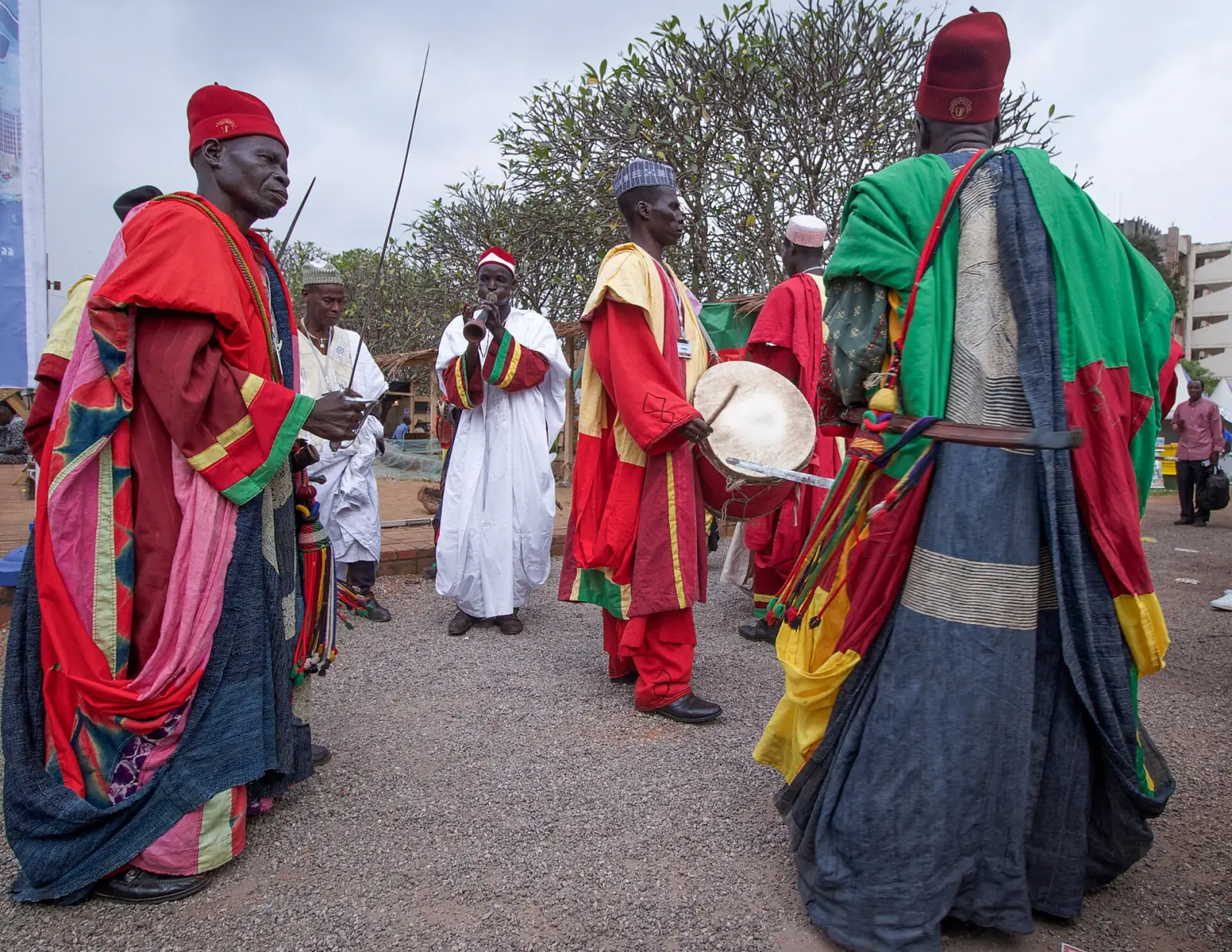
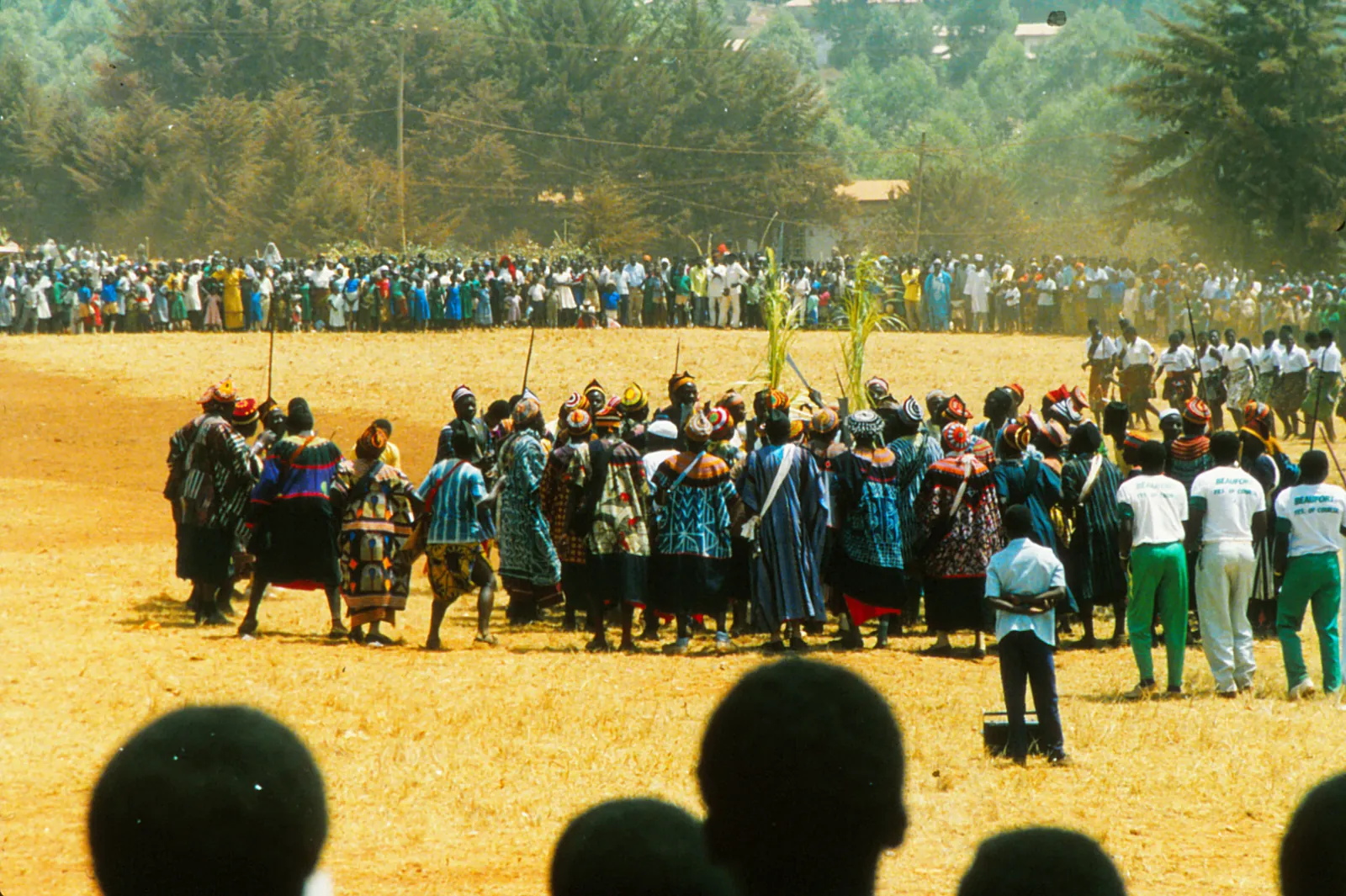
Traditional dance before a large crowd at a national celebration in Nkambe around 1990

Setting up a festival is a complete project: an artistic idea, a team, a venue, a budget, authorisations, a safety arrangement, ticketing, communication, volunteers and a review. This page supports organisers, associations, companies, local authorities and businesses at every stage.

The framework is set by Law No. 2004/001 of 21 April 2004 on the performance regime and its implementing Decree No. 2012/3053/PM of 9 October 2012: the Minister in charge of culture is responsible for organising performances, and any person meeting the conditions laid down may be authorised to organise them. The texts are collected in the legislative texts.

  • A complete guide, from idea to review
  • Authorisation and safety rules explained simply
  • Sources of funding and Ministry support
Read the organiser’s guide
Guide

The organiser’s guide

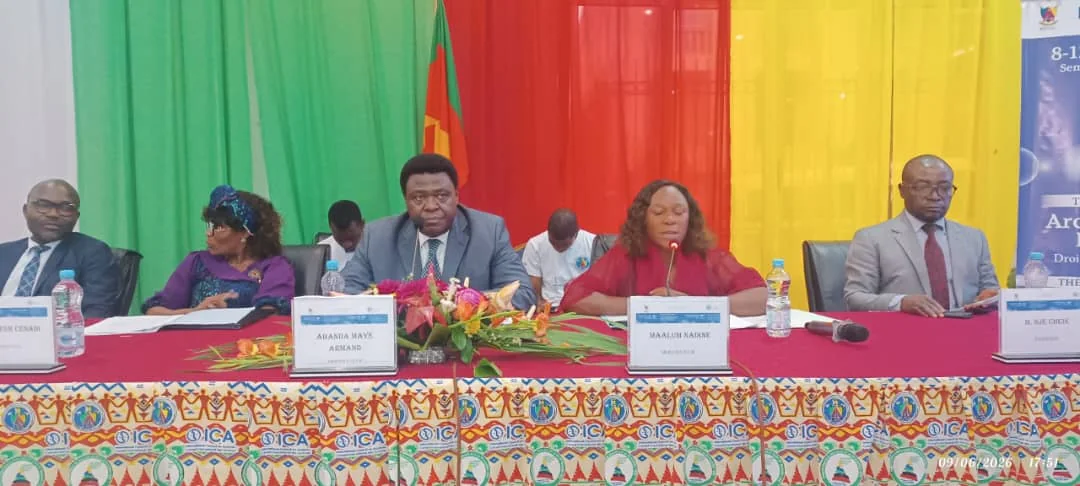
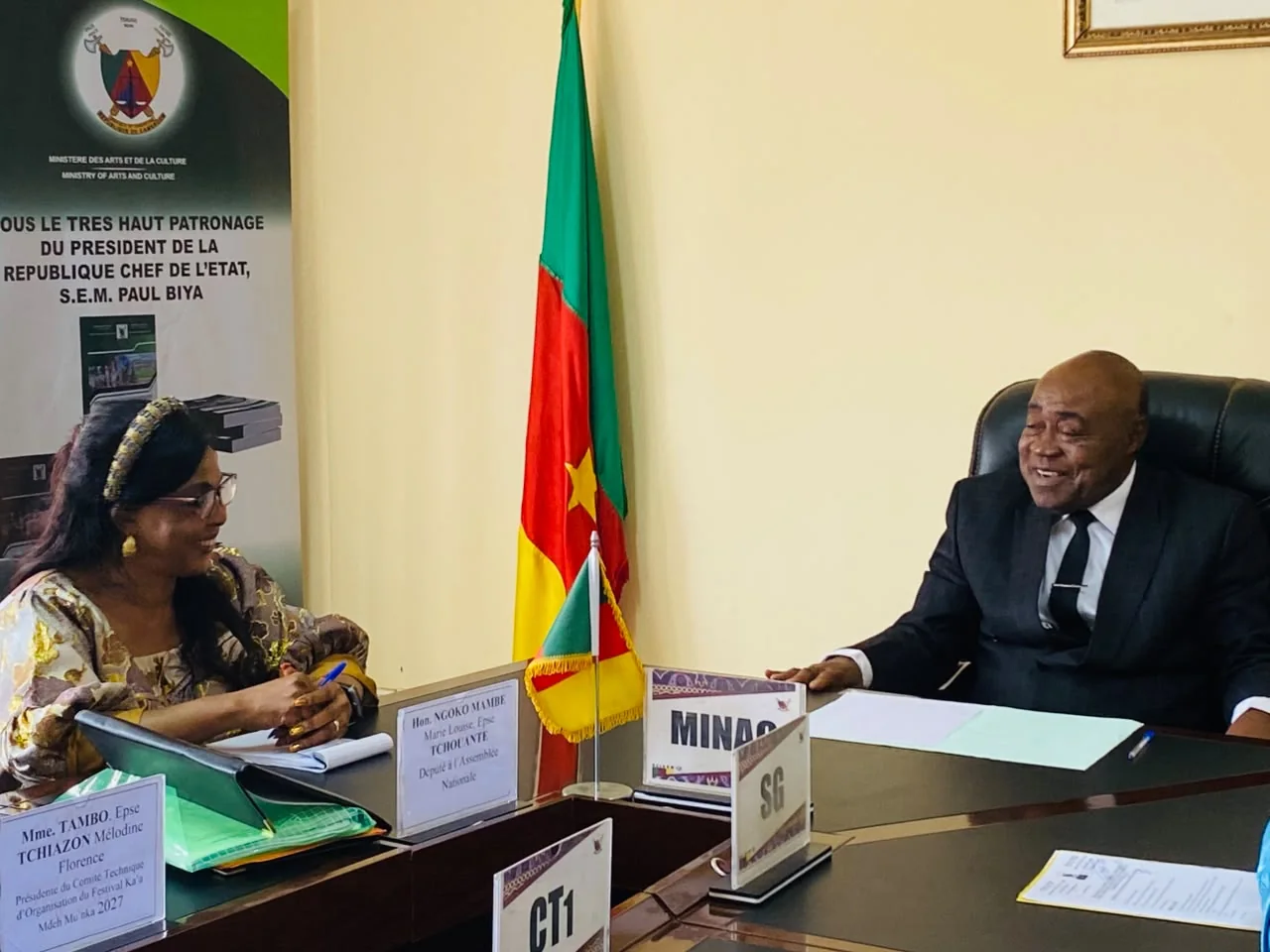
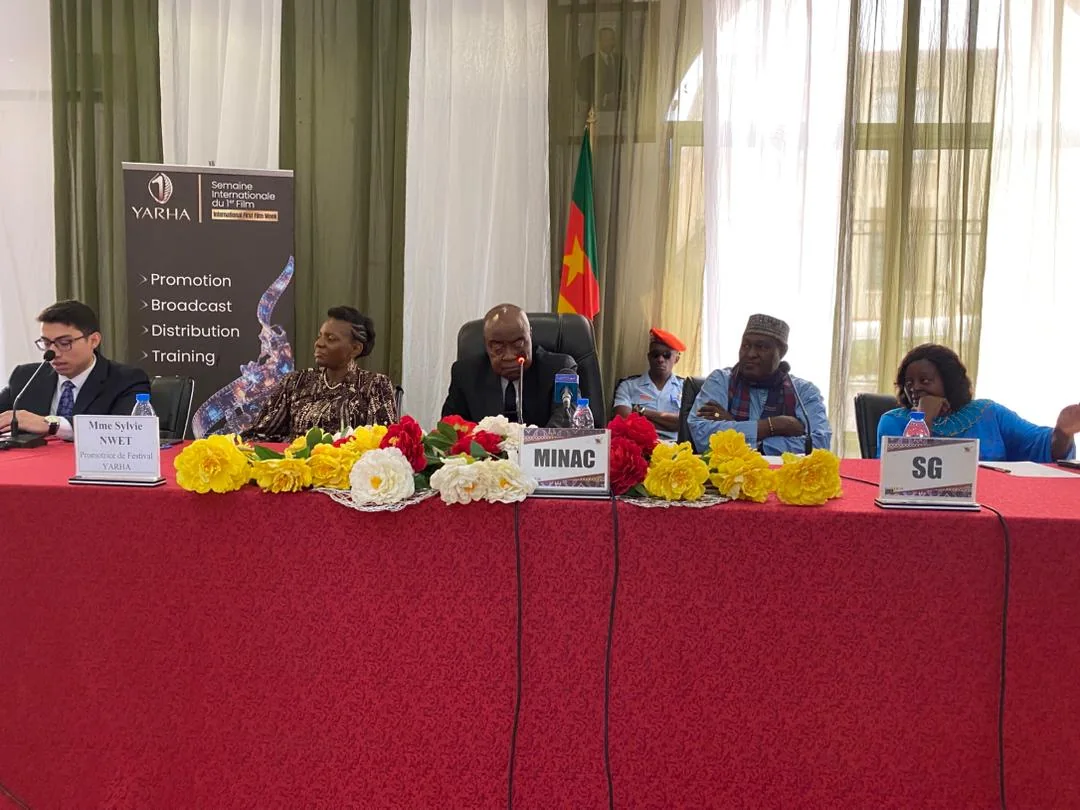
Ministry working meeting around a flower-decked table

A festival is prepared over several months, sometimes more than a year. Here is the complete path, section by section.

The idea and the artistic project

Everything begins with an intention: celebrating a tradition, discovering talent, enlivening a neighbourhood, bringing a diaspora together. Write a presentation note setting out the theme, audience, duration, venue and artists. Check the national calendar to avoid overlaps and draw inspiration from existing regional festivals.
The budget

Draw up a balanced budget: expenditure (artists, technical, hire, security, insurance, communication, catering, logistics, contingencies) and income (grants, patronage, ticketing, stalls, partnerships). Allow a margin for contingencies and a payment schedule. Administrative fees can be consulted on the fees page.

The place

Choose a suitable venue: capacity, access, toilets, electricity, parking, and a fallback option in case of rain. A performance hall must comply with the regulations; an open-air space must have the agreement of the council or the administrative authority.

Ticketing, communication and volunteers

Organise the ticketing (prices, points of sale, free admission for certain audiences), circulate your announcement by radio, poster, press and social media, and recruit volunteers with a charter and training.

The report

Gather attendance figures, accounts, audience feedback, photographs and recordings, then deposit them in the festival archives and include them in your report to partners.

ℹ️
Recommended order

Start with the idea and the budget, then the authorisation, safety and communication: a public announcement is only possible once the authorisation has been obtained.

Authorisation

Authorisation to organise a performance

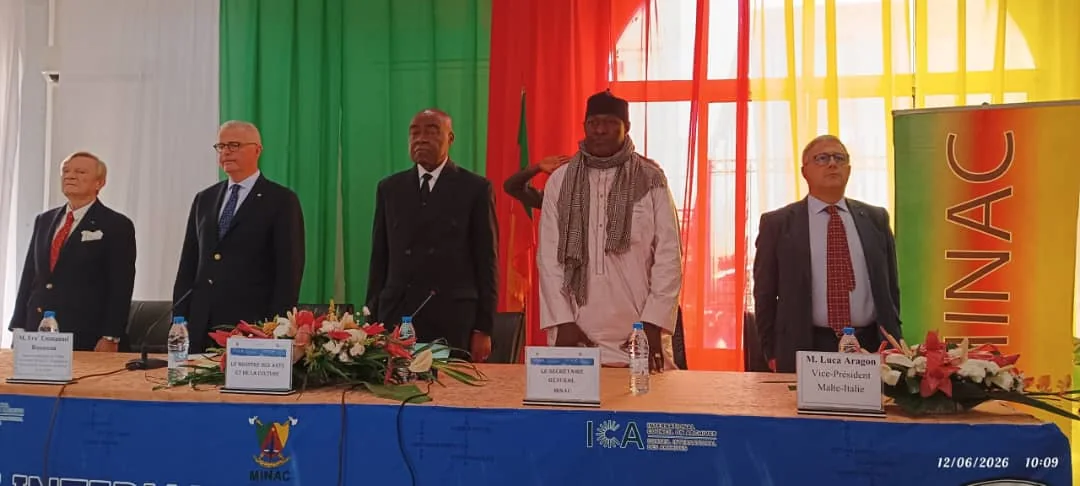
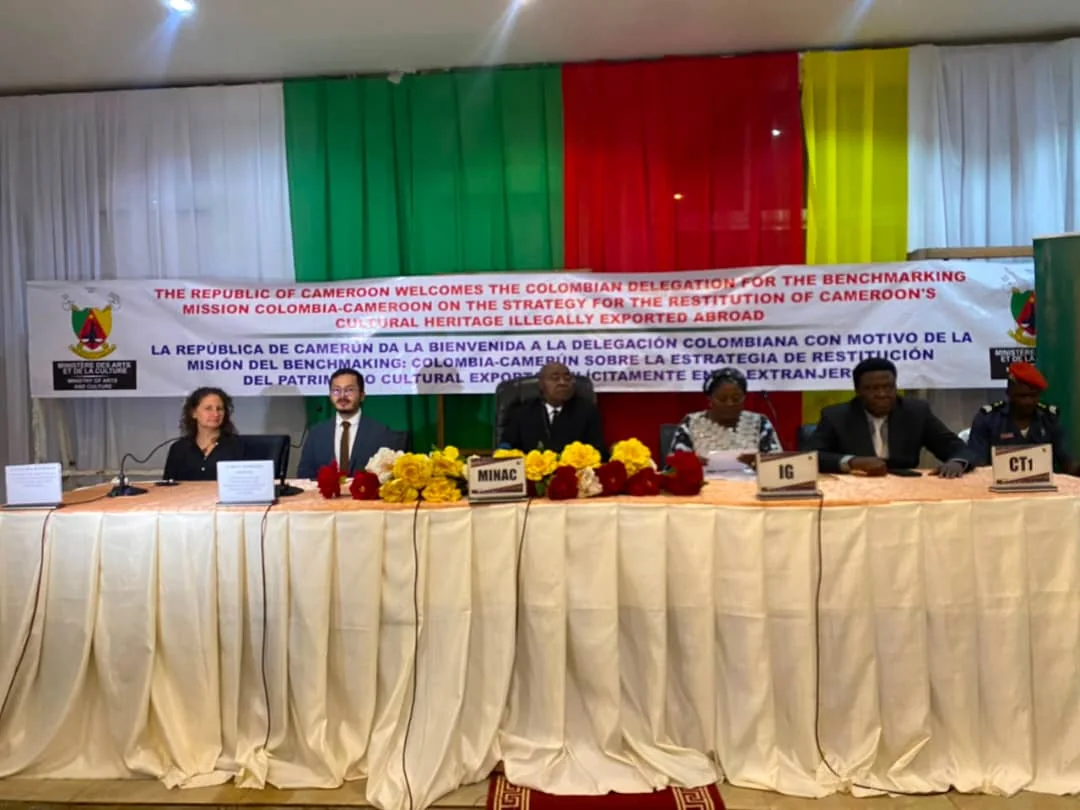
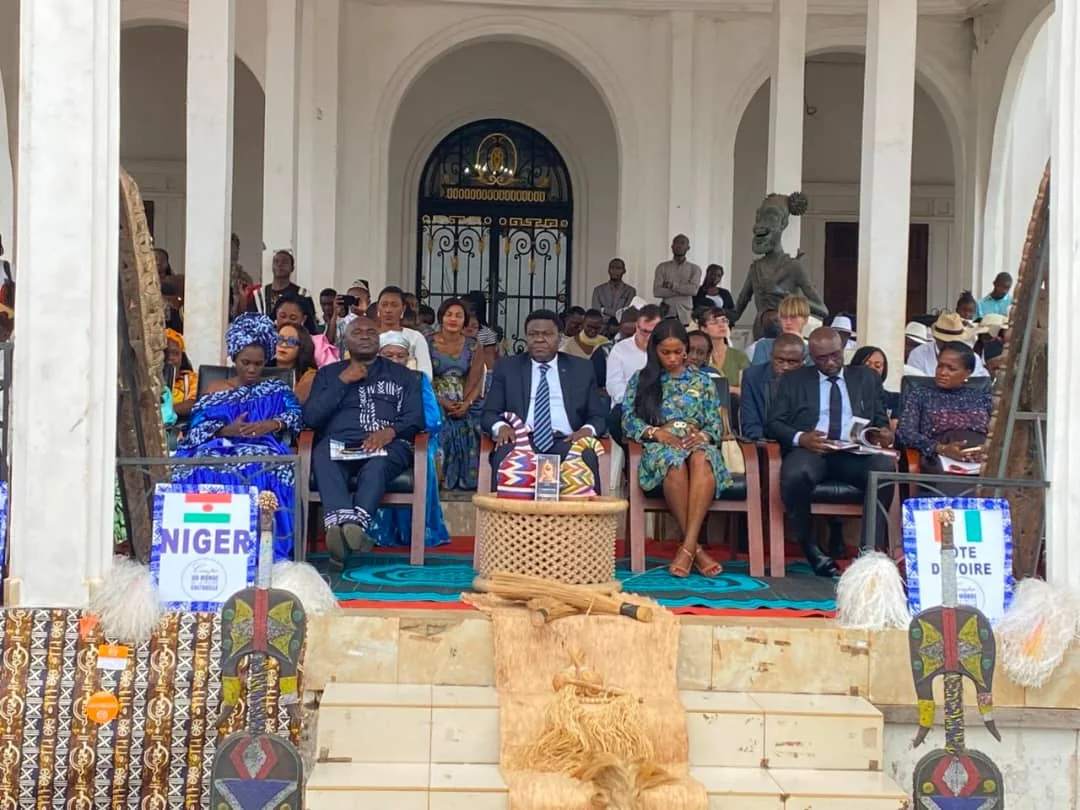
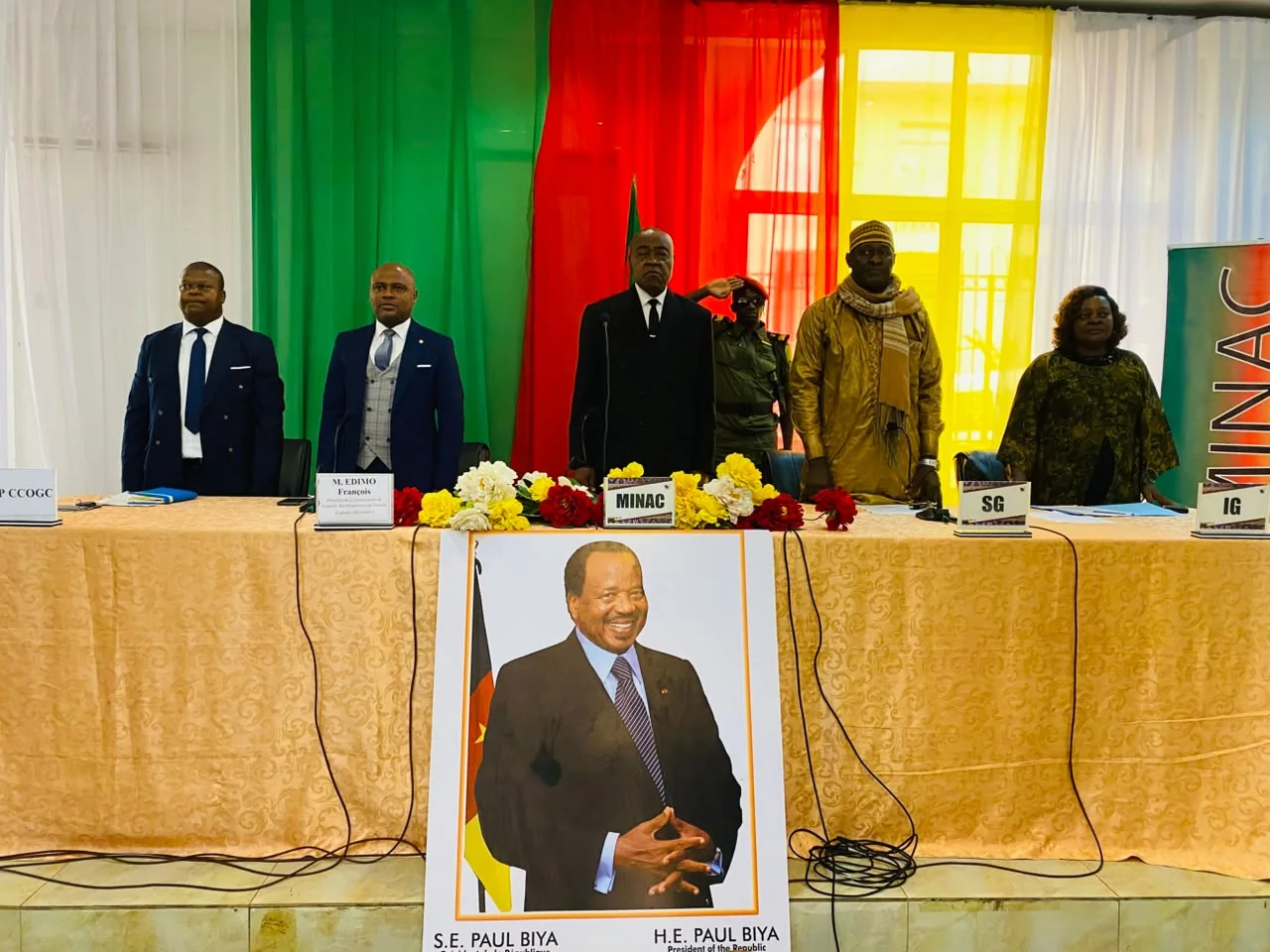
Opening session with the portrait of the Head of State in front of the panel table

The organisation of any show is subject to prior authorisation, in strict compliance with the regulations on security and public freedoms. The Minister in charge of culture is responsible for the organisation of shows; however, any natural or legal person who meets the conditions laid down by decree may be authorised to organise one. The territorially competent administrative authority may also authorise a show within its jurisdiction, after a technical opinion from the Ministry’s decentralised services.

The file and the deadlines

For a professional show, the application is addressed to the competent administrative authority at least two weeks before the planned date; the authority has seven days to reply, and failing a reply the authorisation is deemed granted. It is valid only for the duration of the show concerned. No advertising may be launched before the authorisation has been obtained.

Special cases

  • recognised associations, local authorities and individuals who occasionally organise a philanthropic, socio-educational, sporting or religious show are exempt from authorisation but must send a prior declaration at least fifteen days beforehand;
  • the construction of a performance venue is subject to a special declaration to the Minister;
  • the modification, change of use or demolition of a specially fitted-out performance venue requires the Minister’s authorisation;
  • professional live-performance show promoters and artistic agents hold a licence.

The application is made online: see the festival authorisation, the show authorisation and the One-Stop Shop. File tracking lets you check the status of your application.

ℹ️
Reference texts

Decree No. 2012/3053/PM details the arrangements for applying the law; see also the regulatory texts.

Safety

The safety of the public and the artists

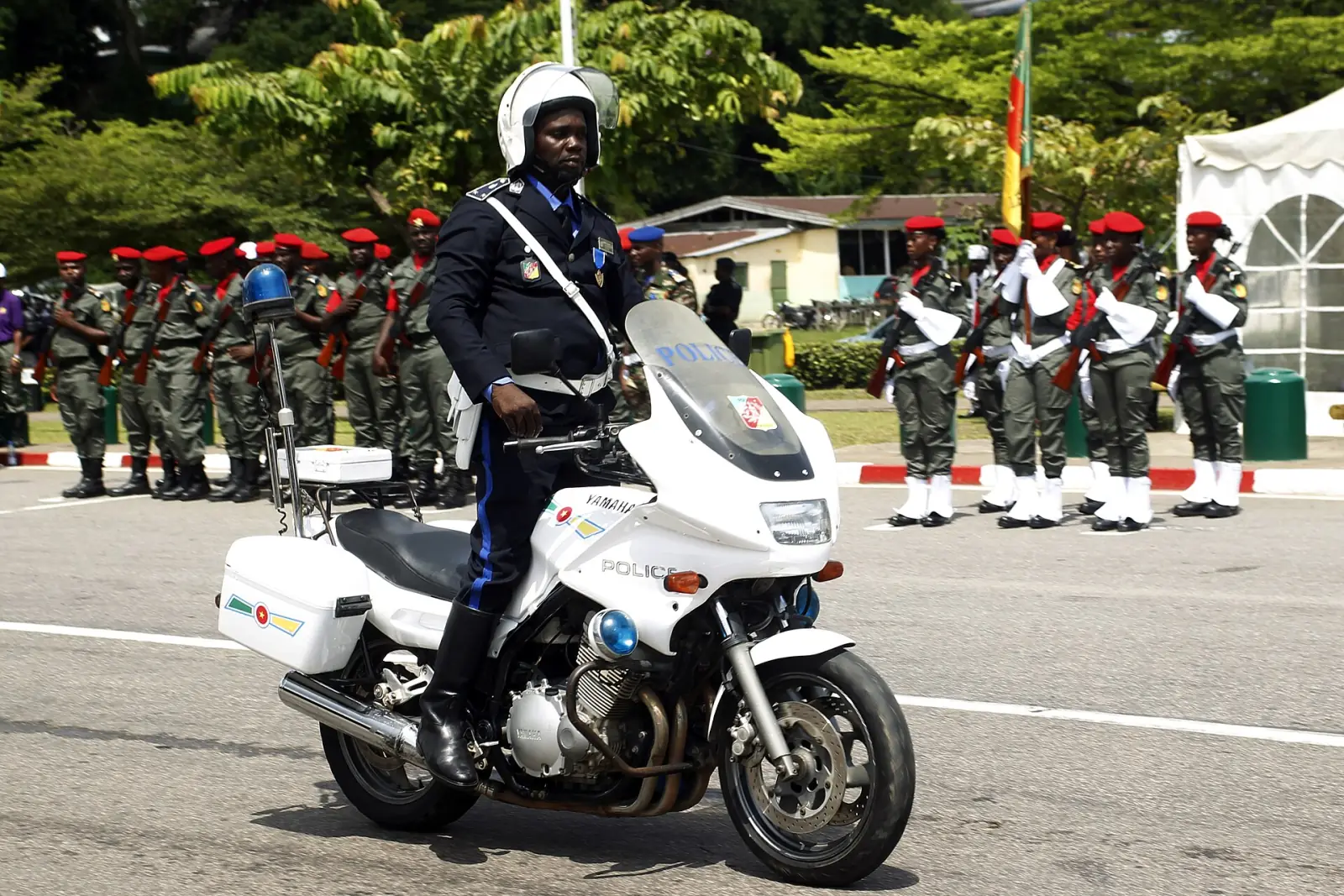
Police motorcyclist and soldiers in parade dress during an official march-past

The safety of performance venues and sites is ensured in accordance with the arrangements laid down by regulation. In the application for authorisation or in the declaration, the organiser must state whether pyrotechnics will be used and what safety measures will be put in place.

Points to watch on stage

The stage surface, ramps, platforms and trapdoors must meet safety conditions for every type of performance. Backstage areas, dressing rooms and access routes between the facilities and the stage are closed to the public. Venues and spaces have a sufficient number of suitable fire extinguishers placed at strategic locations, and technical equipment is checked.

Audits

Venues, performance spaces, installations and technical and safety equipment are inspected by the Ministry, in cooperation with law-enforcement forces and experts. These checks cover electricity, fire, emergency exits, the strength of temporary structures and capacity.

A festival’s safety plan

  • assessment of capacity and management of entry and exit flows;
  • marked emergency exits, emergency lighting and access for the emergency services;
  • first-aid post, trained staff and liaison with the health services;
  • identifiable stewards and volunteers, coordinated by a safety officer;
  • prevention of risks linked to alcohol, weather, heat and crowds;
  • public liability insurance covering the event.

For venues, refer to the performing arts section; the reception of people with reduced mobility falls under the quality and accessibility commitments. Contact the regional delegation for the preliminary visit.

Funding

Financing a festival

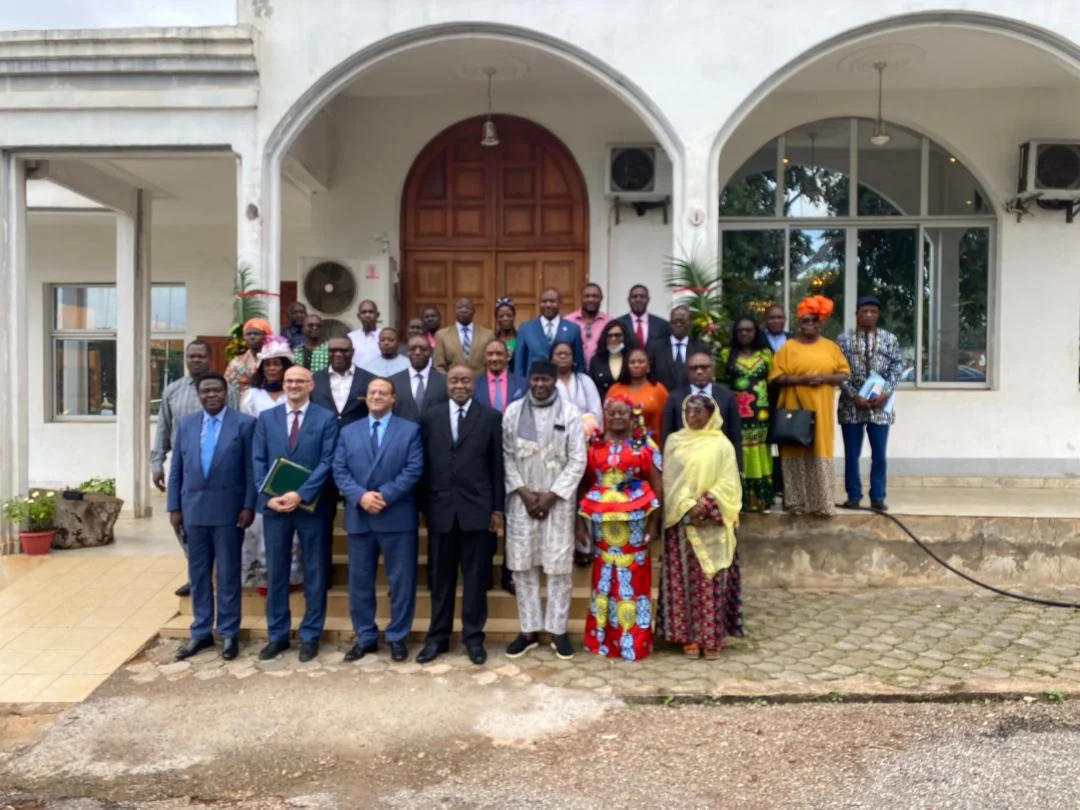
A group of men in suits and women in colourful outfits poses in front of the arched entrance of a building.

A festival rarely relies on a single source. Organisers combine grants, patronage, sponsorship, partnerships, their own revenue and, sometimes, crowdfunding.

Public grants

The Ministry supports events of cultural interest through grants, the conditions of which are described in event grants and in the grant application. Decree No. 2001/389 of 5 December 2001 created a special appropriation account for the support of cultural policy, funded in particular by fees linked to copyright and private copying: it funds cultural projects. Local authorities may also support festivals.

Patronage and sponsorship

A company or an individual may support a festival under the law on patronage and sponsorship, which provides benefits for donors. Present clear returns: visibility, invitations, dedicated outreach activities. See funding for culture and support funds.

Own revenue

  • ticketing, subscriptions and group rates;
  • rental of stalls to craftspeople, publishers and caterers;
  • merchandise, bar, catering;
  • paid workshops and services for companies.

Every expense must be justified: keep clear accounts, retain invoices and prepare the financial report required by funders. The amounts of administrative fees are given on the fees page.

ℹ️
Good to know

Incomplete files are returned: attach the programme, the budget, the safety plan and proof of partnerships.

Step by step

The stages of a successful festival

Conceive the festival

Define the theme, audience and duration, consult the national calendar and bring together a core team with a coordinator, a stage manager and an administrator.

Build the budget

Cost the expenses, seek revenue, set aside a reserve for contingencies and draw up a payment schedule for artists and service providers.

Submit the authorisation request

Put the file together (programme, venue, safety) and submit it on time; launch no advertising before the authority replies.

Secure the venue

Arrange a site visit, validate the safety plan, install extinguishers, exits and a first-aid post, and take out the necessary insurance.

Open ticketing and communicate

Set the prices, designate the points of sale, announce the festival through the press, radio and social networks, and prepare the printed programme.

Welcome, close and evaluate

Brief volunteers and teams, run each day, then gather figures, audience feedback and archives for the final report.

Journey

A festival planning schedule

Twelve months beforeProject and partners

Drafting the presentation note, first contacts with local authorities, patrons, artists and possible venues.

Nine months beforeBudget and funding

Submission of grant applications, search for patrons and signing of the first contracts with artists and service providers.

Six months beforeProgramme and venues

Programme finalised, technical visits, stage plans and technical sheets sent to the teams.

Two months beforeAuthorisation and safety

Submission of the authorisation request, validation of the safety plan, insurance, recruitment and training of volunteers.

During the festivalPublic reception

Ticketing, stages, outreach, catering and security operate with a coordination post open continuously.

After the festivalReview and archives

Accounts, attendance, audience feedback, photographs and recordings are gathered and then passed on to partners and the archives.

To act

The organiser’s procedures

Festival authorisation

Submit your application online with the programme, the venue and the safety plan, no later than two weeks before opening.

Request authorisation

Subsidy

Present a balanced budget and a precise programme to request support from the Ministry.

Apply for a grant

Association accreditation

An approved association may enter into contracts, open an account and receive aid in its own name.

Association accreditation

File tracking

Track your application with the file number issued at submission.

Track my file
Organisers’ voices

They have organised

“
Our first edition nearly had to be cancelled for lack of a safety plan; since then, we prepare it at the same time as the programme.
A festival director
Littoral
“
The volunteers, trained two weeks beforehand, changed the way the public is welcomed: nobody got lost any more.
A volunteer coordinator
West
“
We involved the municipality, a local company and the regional delegation: everyone found their place and the festival endures.
An association president
North-West
“
The figures report given to partners enabled us to renew their support from the following year.
A cultural administrator
Centre

“A festival is won before the doors open: in the budget, in the authorisation and in the safety of the public.”

A general stage manager, Yaoundé
To download

The organiser’s tools

Key facts

Who must do what

SituationFormalityReference deadlineWhere to find information
Professional show open to the publicPrior authorisationApplication at least two weeks beforehand; reply within seven daysOne-Stop Shop and competent administrative authority
Occasional show for educational, social, sporting or religious purposesPrior declarationAt least fifteen days before the eventRegional Delegation
Construction of a performance venueSpecial declaration to the MinisterBefore the worksDirectorate of Shows and Creative Industries
Change of use or demolition of a venueMinister’s authorisationBefore any modificationDirectorate of Shows and Creative Industries
Show promoter or artistic agentLicence issued by orderFile submitted to the competent serviceDirectorate of Shows and Creative Industries
Use of pyrotechnicsMention in the application and safety measuresIn the application fileCompetent administrative authority
Glossary

The organiser’s vocabulary

Organiser

A natural or legal person who designs, finances and runs an event open to the public.

Prior authorisation

Approval from the competent authority required before a public show is organised.

Prior declaration

Simplified formality for certain occasional shows, to be completed fifteen days beforehand.

Show promoter

A person who operates a venue, produces a show or arranges its distribution.

Artistic agent

A person who secures engagements for an artist or a group, such as a manager.

Licence

Title issued by order of the Minister to professional show promoters.

Security plan

Document describing the measures protecting the public, artists and teams.

Visitor capacity

Maximum number of people admitted to a venue at the same time.

Patronage

Support provided without direct return to a work or an event of general interest.

Planning schedule

Preparation calendar drawn up working back from the opening date.

On the site

Complete the preparation of your event

Resources

Useful links for the organiser

Stakeholders

Who takes part in a festival?

To explore

Around the festival, useful sections

Questions

Your organiser questions

What authorisation is needed for a festival?

Any show open to the public is subject to prior authorisation issued under the conditions of the implementing decree of the law on the regime for shows. The file includes in particular the programme, the venue and the safety measures. Submit it online through the One-Stop Shop, well before the date of the event.

What is the deadline for submitting the application?

For a professional live performance, the application must reach the competent authority at least two weeks before the planned date. The authority has seven days to reply; failing a reply, the authorisation is deemed granted. However, allow more time, especially for a large festival, so that any incomplete file can be corrected.

Can advertising be done before authorisation?

No. No advertising may be organised before the authorisation has been obtained, including the broadcast of spots and inserts in the media. Prepare your visuals in advance, but wait for the decision before publicly announcing the date, venue and programme.

Is my association exempt from authorisation?

Recognised associations, local authorities and individuals who occasionally organise a performance for philanthropic, socio-educational, sporting or religious purposes are exempt from authorisation, but must declare the event at least fifteen days beforehand, with the venue, date, nature and duration of the performance.

What does the law say about venue safety?

The safety of performance halls and venues is ensured in accordance with the regulations. The stage, exits, fire extinguishers, installations and equipment are inspected by the Ministry together with law enforcement. The organiser states in the application whether pyrotechnics are used and the safety measures planned.

Can I build or convert a performance venue?

The construction of a venue is subject to a special declaration to the Minister in charge of culture. A venue specially and permanently fitted out may not be demolished or put to another use without their authorisation. Contact the competent directorate before starting any work.

How can I find funding?

Combine grants, patronage, sponsorship, ticket revenue, stalls and partnerships with local authorities. The special appropriation account for the support of cultural policy, created in 2001, finances projects of cultural interest. Present a balanced budget and clear returns to funders.

How do I track my file?

A file number is issued to you at submission. Enter it in file tracking to see the progress, any missing documents and the decision. In case of difficulty, contact the competent directorate through the contact form or reach the regional delegation.

Contact

Write to the Ministry: Organising a festival

State the festival or event concerned.

Competent directorate

Contact the performing arts and creative industries

Address

Directorate of Shows and Creative Industries
Ministry of Arts and Culture
Quartier du Lac – Ministerial Zone
P.O. Box 1053 Yaoundé, Centre Region, Cameroon

Reach us

+237 6 51 70 58 41

contact@minac.gov.cm

Opening hours

Monday to Friday, 8 am to 4 pm

Is your festival taking shape?

Submit your authorisation application online and track it with your file number.

Festival authorisation
WhatsApp