Coat of arms of CameroonMinistry of Arts
and Culture
Republic of Cameroon
My procedures
Home
Minister’s message
News
Press releases
Cultural calendar
Official speeches
Press review
Photo library
Video library
Calls for projects
Job vacancies
Public procurement
Newsletter
Frequently asked questions
Site map
Contact
Press area
Podcast “The Voice of Culture”
Legal notices
Privacy policy
Cookies and trackers
The Ministry
Missions and responsibilities
Organisation
Organisation chart
Minister’s Office (Cabinet)
Management team
General Secretariat
General Inspectorate
Central directorates
Regional Delegations
Institutions under supervision
Legislative texts
Regulatory texts
Sector strategy
Major projects
Budget and reports
Partners
Careers
Archives
Institutional communication
Quality and accessibility
Arts
Visual and plastic arts
Visual arts
Performing arts
Theatre
Dance
Music
Literature and books
Cinema and audiovisual
Photography
Fashion and design
Digital arts
Art crafts
Artists’ directory
Residencies
Prizes and awards
Arts education
Urban arts
Heritage
Tangible heritage
Intangible heritage
UNESCO sites
National museums
Listed monuments
National inventory
Palaces and chiefdoms
Archaeology
Linguistic heritage
Oral traditions
Traditional know-how
Restitution of cultural property
Fight against illicit trafficking
Listing and protection
Conservation and restoration
Heritage Days
Cultural landscapes
Industries
Music and recording
Cinema
Publishing and books
Digital arts
Fashion and creativity
Crafts
Cultural tourism
Funding for culture
Support funds
Incubators
Cultural entrepreneurship
Culture Observatory
Vocational training
Studies and reports
Sector statistics
Export and outreach
Intellectual property
Copyright
Legal framework
Copyright and neighbouring rights
Collective management societies
Register a work
Licences
Private copying
Fight against piracy
Model contracts
Social status of artists
Mediation
Disputes
Training
Fee scales
Register of works
Contact
Digital neighbouring rights
Public domain
Festivals
National calendar
Ngondo
Nguon
Écrans Noirs
Heritage Days
Music Day
Regional festivals
Fairs and exhibitions
Biennials
National competitions
Cultural days
Organise a festival
Event grants
Ticketing
Archives
Volunteering
Diaspora festivals
Regions
Adamawa
Centre
East
Far North
Littoral
North
North-West
West
South
South-West
Cultural map
Regional Delegations
Traditional chiefdoms
National languages
Cultural routes
Decentralised cooperation
Regional observatory
Cooperation
UNESCO
Francophonie (OIF)
African Union
Commonwealth
CEMAC
Bilateral cooperation
Cultural agreements
Professional organisations
Scholarships
Artist exchanges
Cultural years
Diaspora
Funded projects
Embassies
Technical partners
International restitution
International monitoring and calls
Services
Artist card
Show authorisation
Filming authorisation
Festival authorisation
Deposit of a work
Export of works of art
Listing of a property
Grant application
Association accreditation
File tracking
Forms
Fees
Opening hours and addresses
Reporting
Online help
My account
One-Stop Shop
Festivals

Cultural days

School, town, diaspora: the guide to cultural days, from the Rzehwa cultural camp in the South-West to diaspora evenings, with a sample programme and the procedures to follow.

Updated on 6 November 20264 sub-pages
Fields of action3
Participating regions10
2026 cultural campRzehwa
Closing of the camp13 August 2026
Cultural days

Culture within reach of every audience

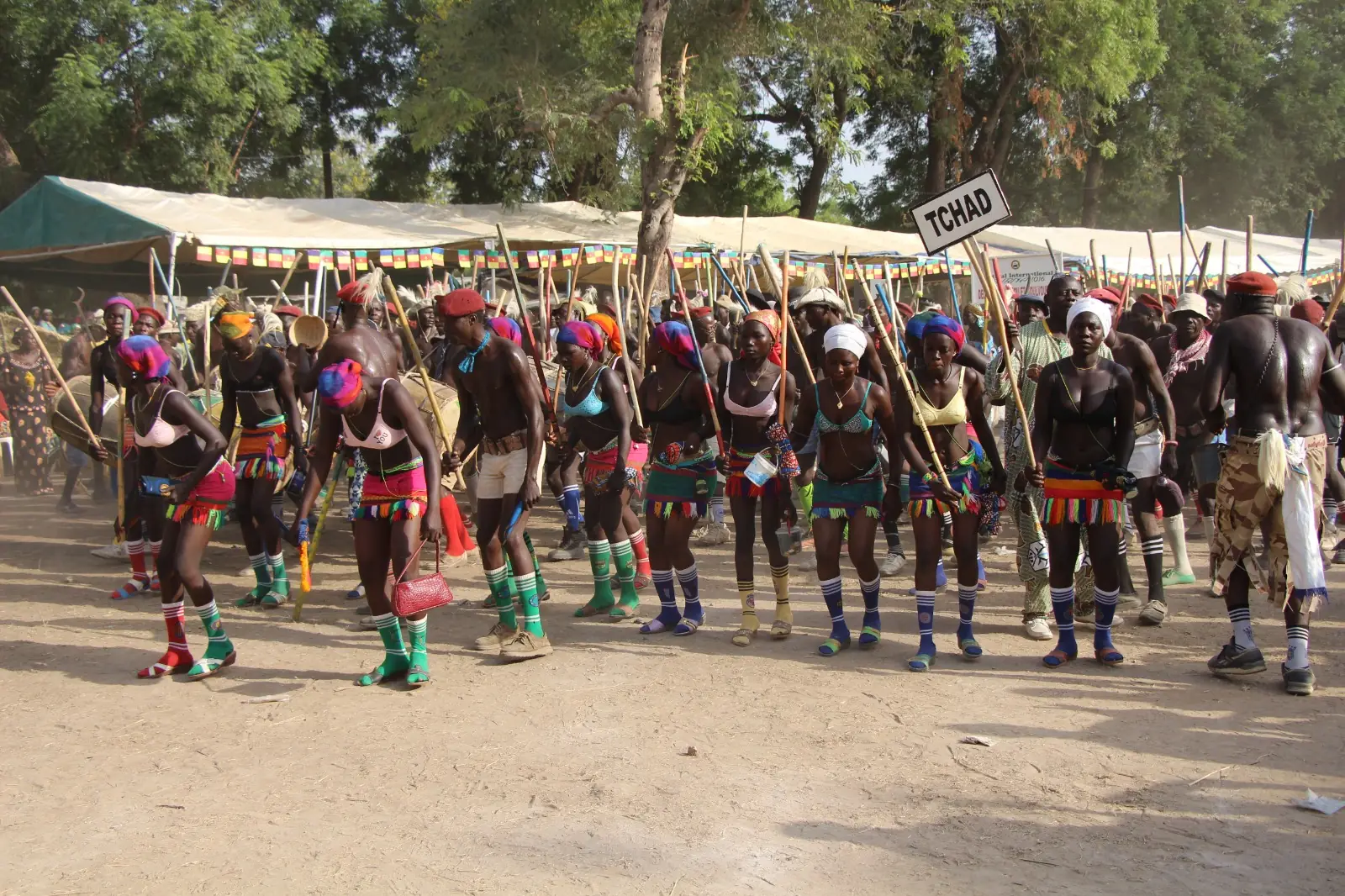
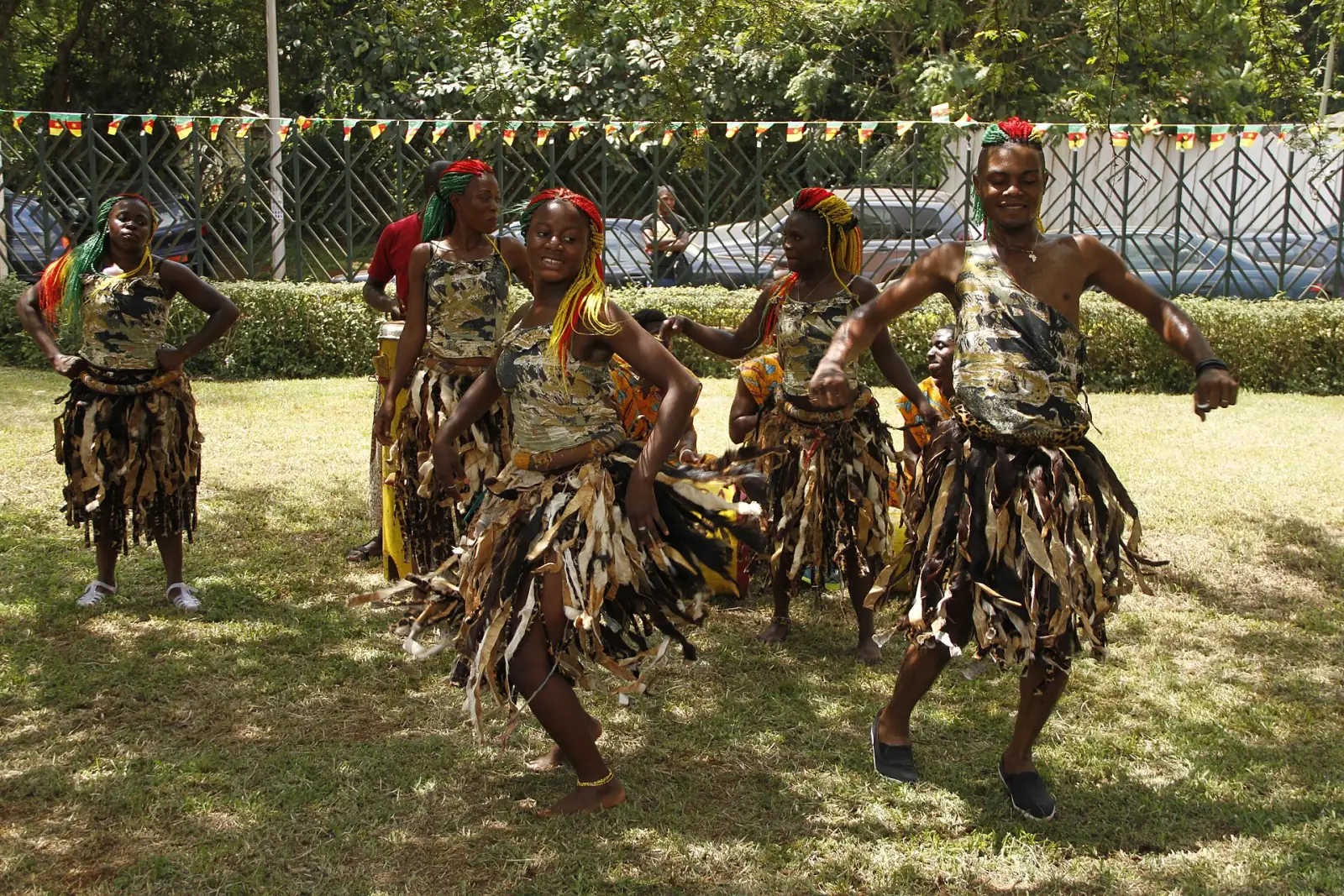
Dancers in raffia and leaf costumes performing on a lawn

Cultural days are short events held close to residents: a day, a weekend or a week of activities in a school, a neighbourhood, a town or a diaspora community. They complement the major festivals by reaching out to those who do not always travel to venues.

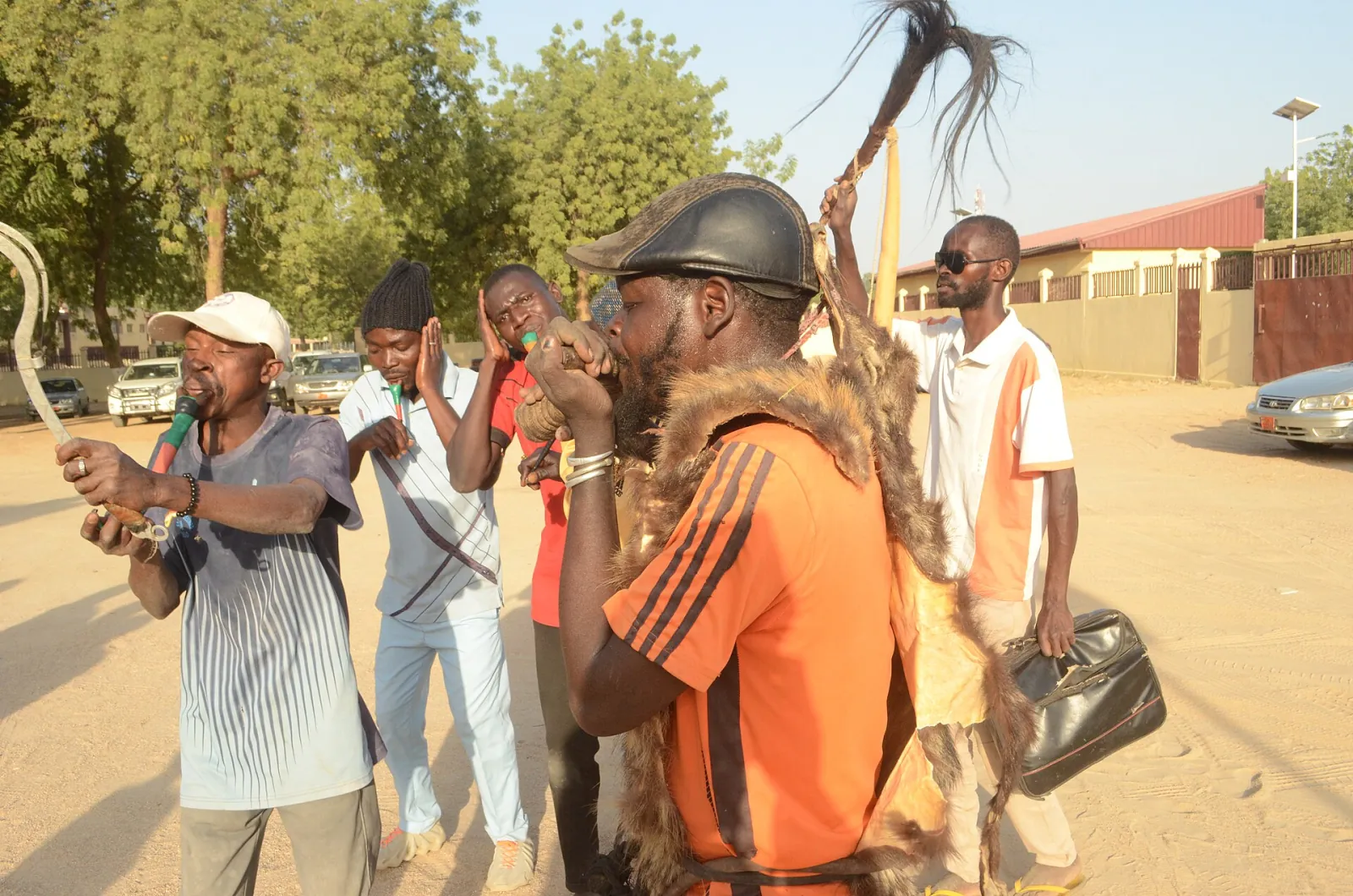
The 2026 cultural camp of the South-West Regional Delegation, named Rzehwa (“the call of the bugle”) and closed on 13 August 2026, offers a recent illustration: young people practised singing, dance, theatre and fine arts together. This page presents the three main settings for cultural days and their programme, in line with the national calendar.

  • Activities in schools, towns and the diaspora
  • A programme built with the regional delegations
  • Days open to all, often free of charge
Days at school
Schools

Cultural days at school

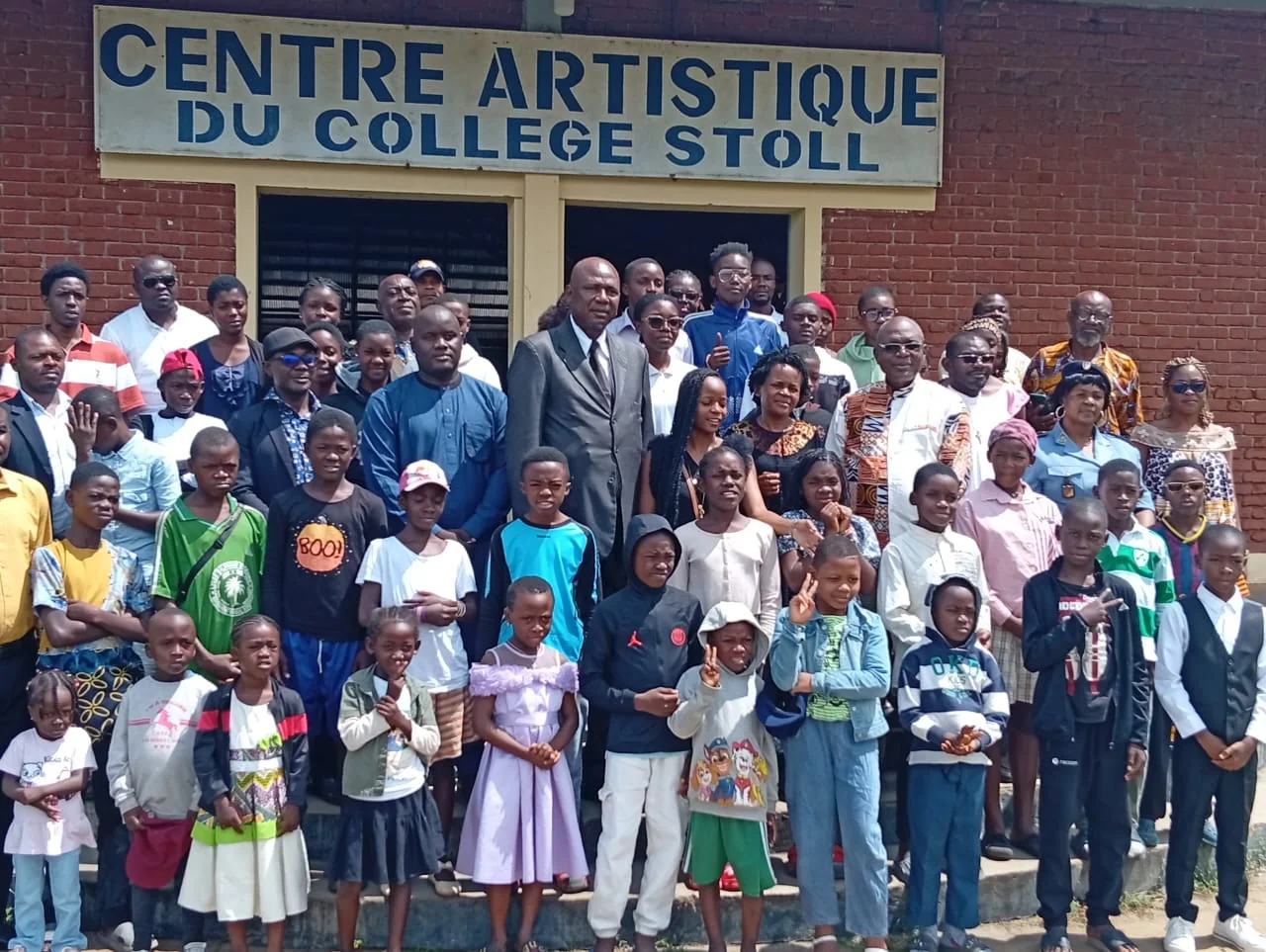
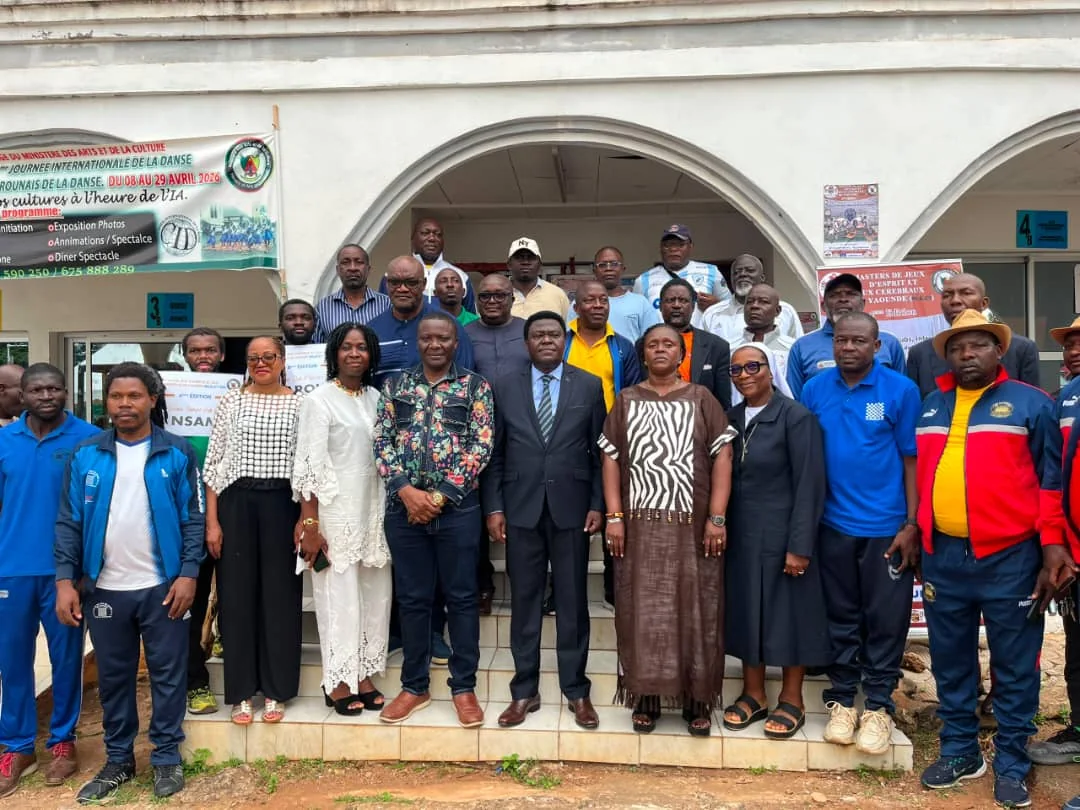
Pupils and staff posing in front of the entrance of the Stoll College arts centre

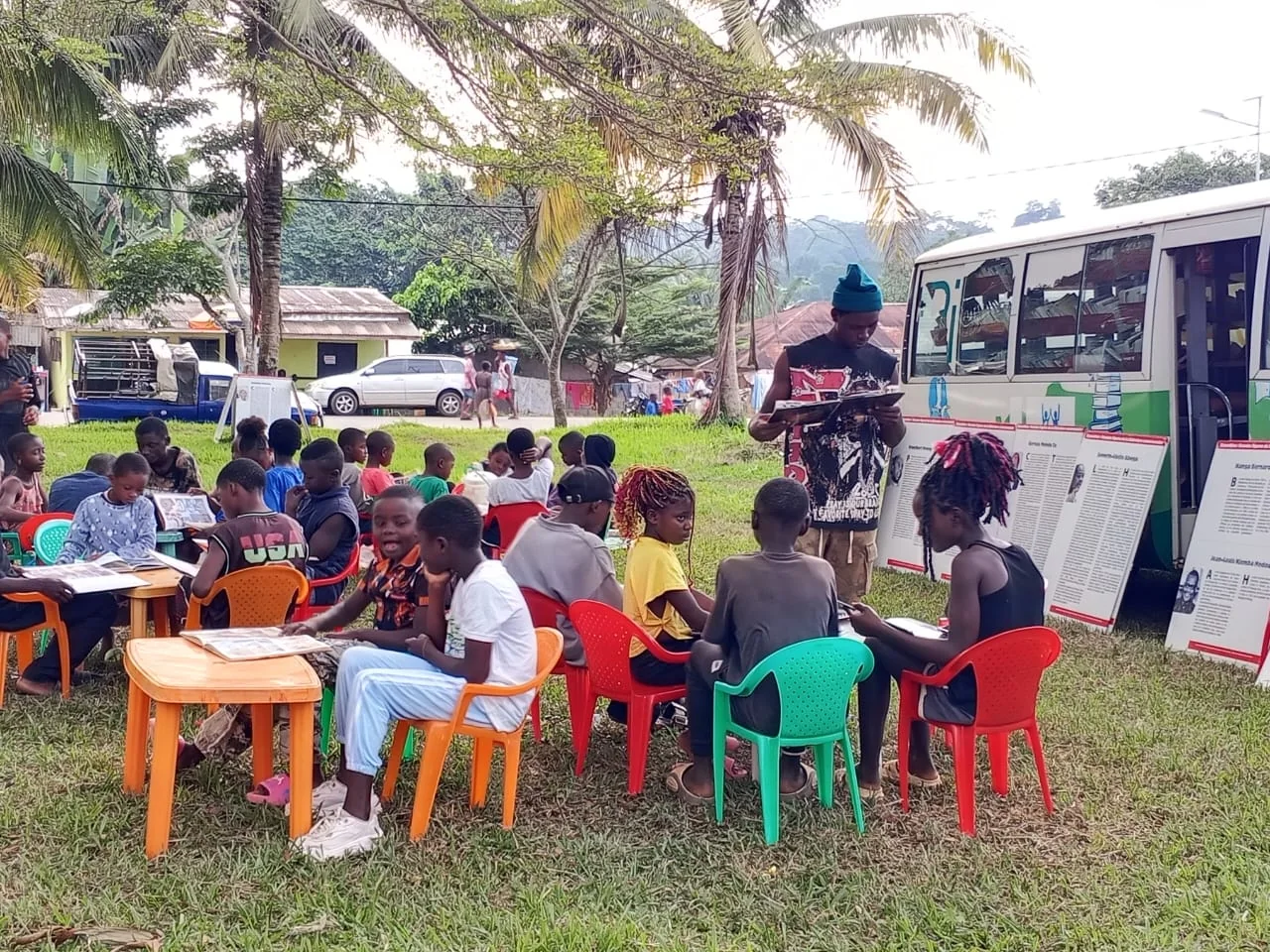
School is the first place where we encounter culture. School cultural days offer pupils, from nursery to upper secondary school, activities that complement the curriculum: storytelling, a dance workshop, an introduction to instruments, a drawing competition, a visit to a museum or monument, and a game based on national languages.

The most common formats

  • a half-day of workshops with a guest artist;
  • a themed week devoted to a region, a heritage or an art form;
  • meetings with a storyteller, a craftsperson or a traditional musician;
  • a public showcase, in front of the parents, on the last day.

Holiday cultural camps

During the holidays, the regional delegations organise cultural camps. The South-West camp, Rzehwa, brought young people together around a variety of practices before a closing ceremony on 13 August 2026. The principle can be transposed to every region: simple accommodation, supervision by artists and facilitators, workshops in the morning and a showcase at the end of the stay.

Teachers can draw on the arts education section and the resources of the linguistic heritage; museums also offer dedicated visits, presented in the national museums. The operation is linked to the heritage days.

ℹ️
For teachers

Inform the regional delegation at least one month beforehand: a cultural facilitator can visit your class; see the regional delegations.

Cities

Cultural days in towns and cities

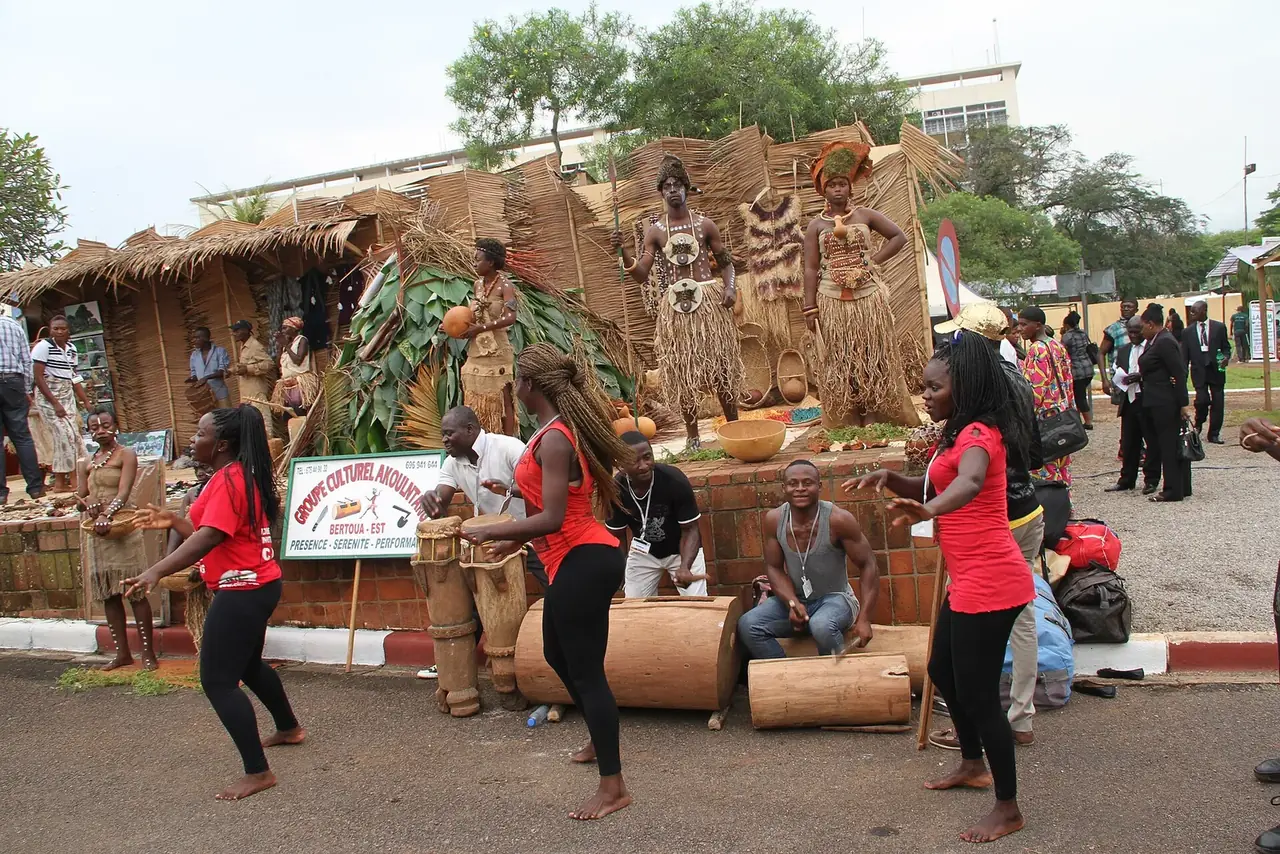
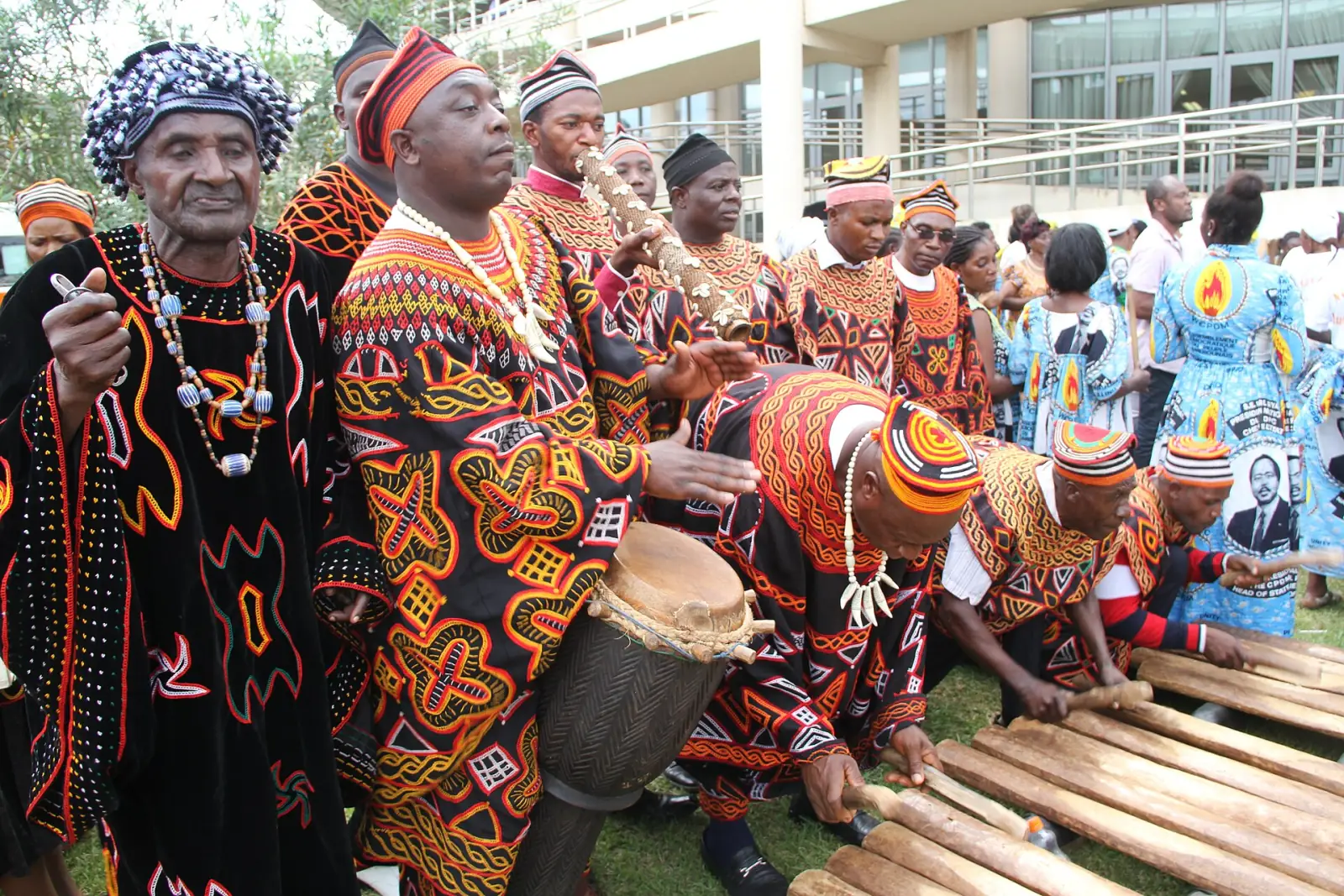
Dancers in front of a craft stand at a festival

In towns and cities, cultural days take the form of routes, artists’ markets, open stages and neighbourhood festivals. They rely on everyday places: the market square, a school courtyard, a landscaped roundabout, a town hall forecourt, a riverbank or a public garden.

The role of local authorities

Councils and regions are the first partners. They lend venues, provide roads and cleaning, mobilise the municipal police and may co-fund the event. The Ministry supports this partnership through decentralised cooperation and networking with cultural operators.

Some forms of activity

For a day in a town or city to succeed, you need to plan authorisations ahead, inform local residents, guarantee access for people with reduced mobility and provide a fallback in case of rain. The Organising a festival guide details each of these steps.

Diaspora

Cultural days of the diaspora

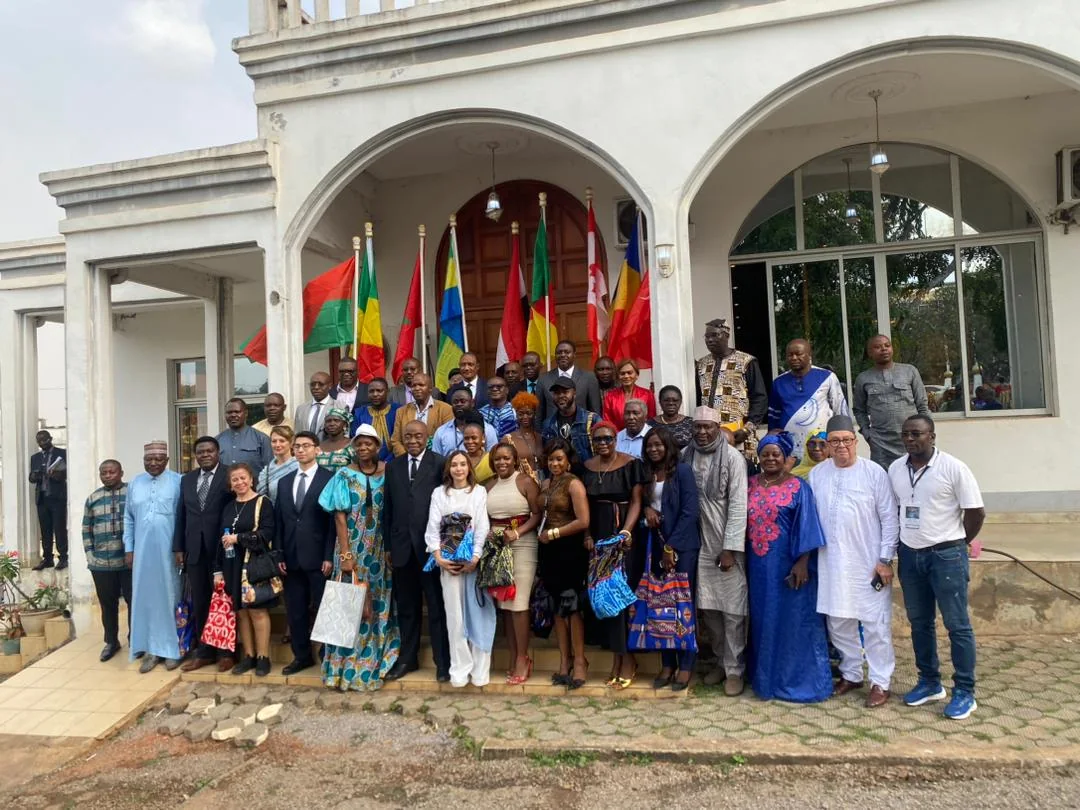
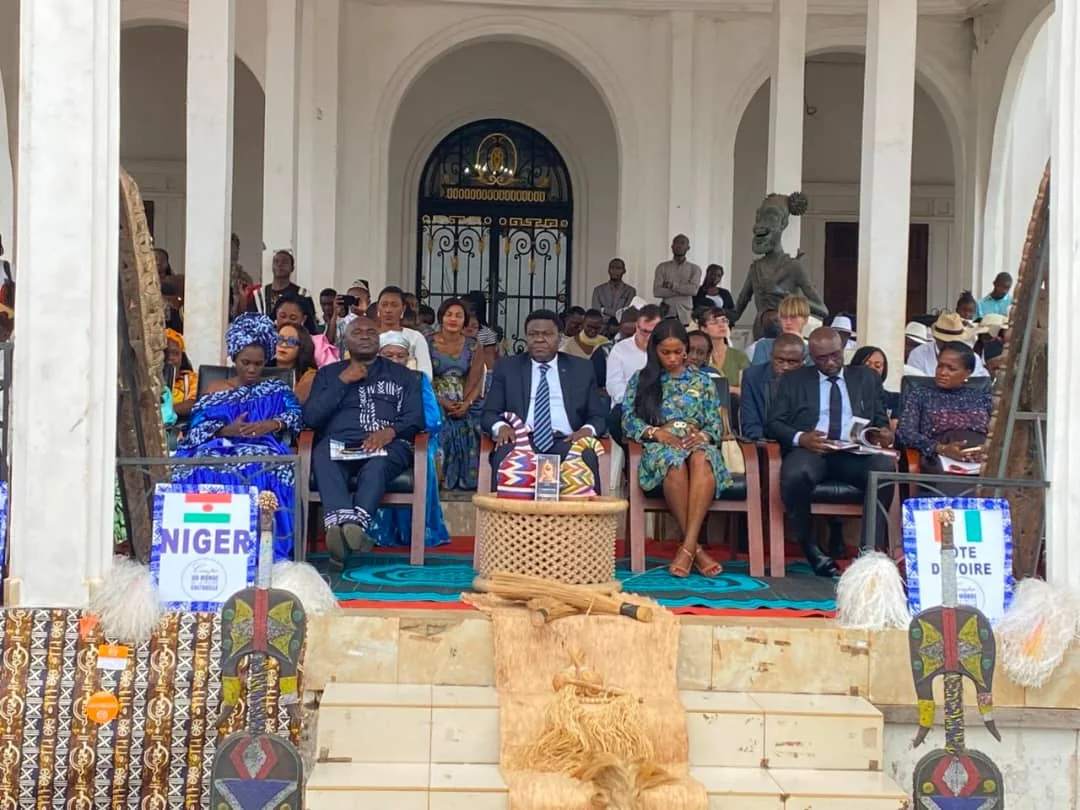
Participants in an international meeting in front of the flags, on the Ministry steps

Several million Cameroonians live outside the country. Diaspora cultural days maintain this link: music evenings, exhibitions, readings, food and fashion days, and meetings with artists from Cameroon.

Who organises it?

These days are run by associations of nationals, embassies, partner cultural centres and artists’ collectives. The Ministry responds to requests for support: supplying documentation, putting organisers in touch with artists, relaying information on the site and, where possible, supporting the travel of guests. Contacts go through the embassies and the diaspora network.

Links with the homeland

Young people of the diaspora discover their heritage through workshops on national languages, tales and dances, often led remotely with masters who remained in the country. Diaspora festivals are echoed on the diaspora festivals page, which presents events in Europe, the Americas and Africa.

Cameroonian artists may also be invited for a tour, which requires an artist visa and funding: see artist exchanges.

ℹ️
Organising abroad

A diaspora association wishing to organise a cultural day may write to the Ministry, stating the venue, date and planned programme.

Programme

The programme of cultural days

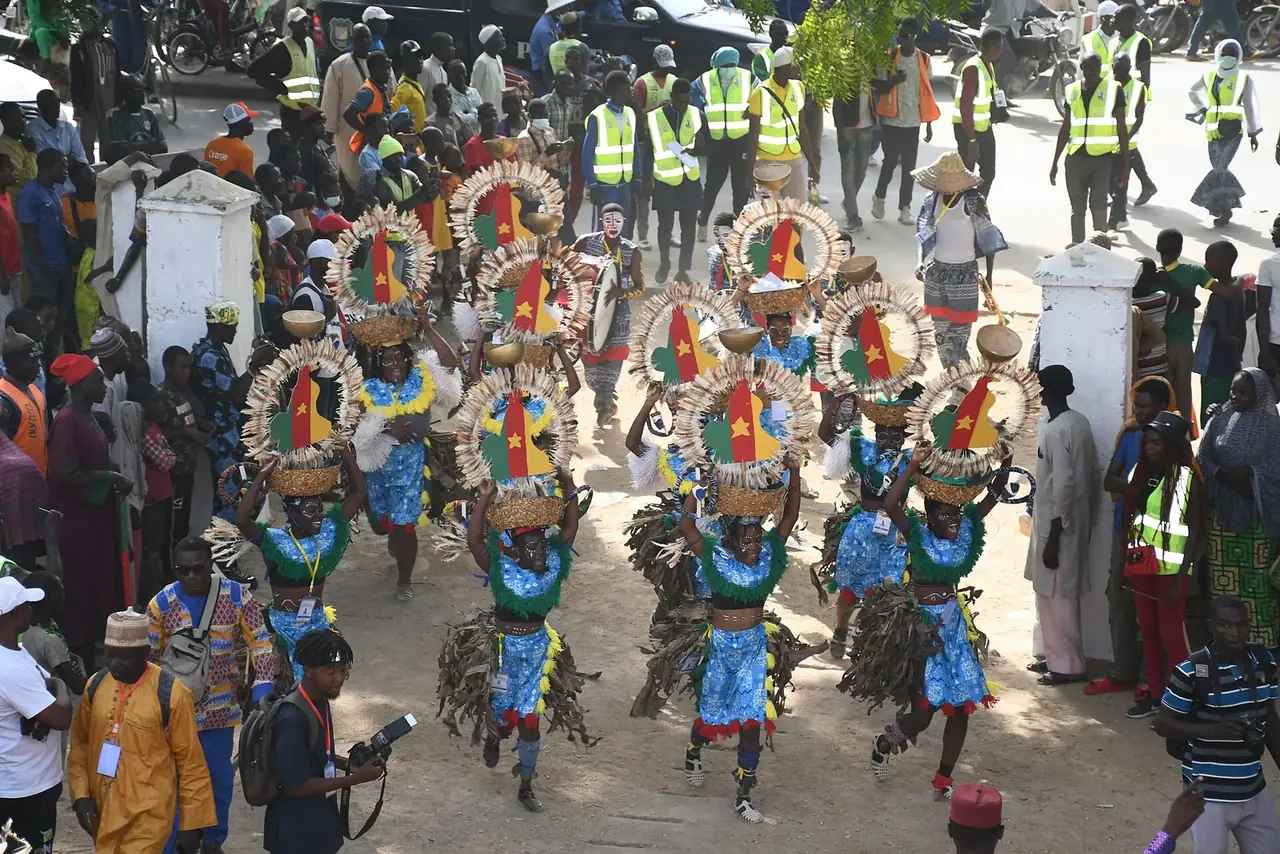
Dancers in raffia costumes at a cultural festival

The programme of a cultural day is built in partnership between the local organiser and the regional delegation. It is published in the cultural agenda, relayed through the site’s news and circulated in schools and town halls. Paid days open a ticket office; past editions are kept in the festival archives and partners’ calls appear among the calls for projects.

A typical day

The morning is devoted to workshops (dance, singing, fine arts, theatre, storytelling). Lunch brings participants and speakers together over a simple meal, often based on local produce. The afternoon hosts showcases, a lecture or round table and an open stage. The evening is reserved for performances open to the whole population.

A typical week

  • Monday: opening and launch ceremony;
  • Tuesday and Wednesday: workshops and visits;
  • Thursday: day of local heritage and know-how;
  • Friday: meetings with artists and professionals;
  • Saturday: main showcase, open stage and closing.

Accessibility and inclusion

Each programme includes activities accessible to children, older people and people with disabilities, as provided for by the quality and accessibility commitments. Activities are offered in French, English and, where possible, national languages, in order to reach all audiences.

ℹ️
Proposing a date

Organisers may submit their day to the cultural agenda: the form is accessible from the agenda page.

Step by step

Organising a cultural day

Define the objective

Choose the target audience (pupils, residents, diaspora), the theme and the venue; a successful day meets a specific local need.

Bring the partners together

Involve the school, the council, the artists, the associations and the regional delegation from the outset to share roles.

Write the programme

Draw up an hour-by-hour schedule, allow for breaks and choose speakers suited to the age of the participants.

Settle the formalities

Check whether the event requires an authorisation or a declaration and submit the request within the deadlines set by the regulations.

Inform and mobilise

Circulate the announcement in schools, by posters, local radio and social media; recruit volunteers and plan the reception.

Take stock

Count the participants, collect their feedback, gather photographs and testimonies, and send them to the regional delegation.

To act

Procedures for a cultural day

Proposing a day

Submit your project to the regional delegation so that it appears in the agenda and receives communication support.

Contact the delegation

Authorisation or declaration

Depending on the nature of the event, an authorisation or prior declaration is required before the planned date.

Show authorisation

Subsidy

Funding can cover part of the expenses: logistics, speakers, equipment, communication.

Event grants

Volunteering

Recruit and train volunteers for reception, guidance and outreach during the day.

Volunteering page
Key facts

The three settings side by side

FieldPublicUsual partnersMost common formats
SchoolPupils, teachers, parentsSchool, inspectorate, regional delegationWorkshops, themed week, cultural camp, showcase
CityResidents, shopkeepers, passers-byCouncil, region, associations, chiefdomsRoutes, craft markets, open stages, screenings
DiasporaNationals, children of the diaspora, local audiencesEmbassies, associations, cultural centresEvenings, exhibitions, readings, food and fashion days
Cultural campYoung people aged twelve to eighteenRegional delegation, artists, facilitatorsStay of one to two weeks, workshops, closing ceremony
HeritageAll audiencesMuseums, chiefdoms, councilsVisits, demonstrations of know-how, lectures
LanguagesFamilies, pupilsSchools, researchers, associationsTales, dictations, games, alphabet workshops
To download

The organiser’s tools

“When children sing in the evening what they learned in the morning, the whole village learns with them.”

A cultural facilitator, South-West
Glossary

The vocabulary of cultural days

Cultural day

An activity lasting a day or a few days, organised to bring an audience closer to an artistic practice.

Cultural camp

A holiday stay devoted to the practice of the arts, supervised by artists and facilitators.

Rzehwa

Name of the 2026 South-West cultural camp, meaning “the call of the bugle”.

Studio

A practice session led by an artist, a craftsperson or a teacher.

Restitution

A moment when participants present the fruit of their work to the public.

Cultural mediation

An action that helps an audience discover and understand a work or a practice.

Cultural facilitator

A professional who designs and leads cultural activities for an audience.

Diaspora

A community of people originating from Cameroon and living abroad.

Open stage

A moment when anyone can present a short performance before the audience.

Regional Delegation

A decentralised service of the Ministry that relays cultural policy in a region.

Journey

A year of cultural days

January to MarchPreparation

The delegations list the proposals, update contacts and mobilise schools, town halls and associations.

April to JuneDays in schools

Workshops, competitions and showcases punctuate the end of the school year in primary schools, lower and upper secondary schools.

July to AugustCultural camps

Holiday camps welcome young people; the South-West camp, Rzehwa, closed on 13 August 2026.

September to OctoberDays in towns and cities

At the start of the school year, heritage routes, craft markets and open stages enliven urban centres.

November to DecemberDiaspora days

Associations abroad organise evenings, exhibitions and meetings, often during the end-of-year festivities.

ContinuousReview and archives

Photographs, films and reports feed the festival archives and the following editions.

On the site

Extending the days beyond school

Resources

Useful links for cultural days

Stakeholders

Who runs the cultural days?

To explore

Cultural days as a network

Voices of the participants

They experienced the days

“
At the camp, I discovered that I could dance; I joined my neighbourhood troupe as soon as school started again.
An upper secondary pupil
Cultural camp, South-West
“
Our class prepared an exhibition on the tales of the region; the parents came in large numbers and told their own stories.
A primary school teacher
Primary school, North
“
The day in our neighbourhood brought the elders back to the square; everyone showed a gesture from their trade.
An association manager
Town, Littoral
“
From abroad, we organise an evening every year with artists from home; our children finally hear the language of their grandparents.
An association president
Diaspora, Europe
Questions

Your questions about cultural days

What is a cultural day?

It is a short activity, lasting a day or a few days, that brings an audience closer to an artistic practice: workshops, performances, visits, meetings. It can be held in a school, a neighbourhood, a town or city, or abroad. It differs from a festival in its more modest size and its local roots.

Who can organise one?

A school, an association, a council, a chiefdom, a company or a diaspora community. Organisers are invited to inform the regional delegation in order to obtain support, appear in the cultural agenda and receive advice on the applicable formalities.

Is an authorisation required?

It depends on the nature of the event. A public performance requires the Ministry’s authorisation; associations, local authorities and individuals who occasionally organise a performance for educational or social purposes may be exempt but must submit a prior declaration. Seek information from the delegation in your region.

What is Rzehwa?

It is the name of the 2026 cultural camp of the Regional Delegation of Arts and Culture for the South-West. Rzehwa means “the call of the bugle”. The closing ceremony was held on 13 August 2026. The camp brought young people together around artistic practice and the discovery of heritage.

How can I take part in a cultural camp?

Registration is opened by the regional delegations before the summer, through schools and associations. Young people are admitted according to their age, with their parents’ consent. Supervision is provided by artists and facilitators, and a detailed programme is given to families.

Are the days free of charge?

Most school-based and open-air activities are free. Some evening performances may carry a moderate entry fee, with seats reserved for school groups. See the ticketing section and the event programme for the conditions.

Can I receive financial support?

Yes, under certain conditions. Days of local interest may apply for a grant from the Ministry, a local authority or a patron. The file includes the programme, a balanced budget and quotes. The criteria and submission calendar are set out in the grants for events section.

How can I organise a day abroad?

Contact the nearest Cameroonian embassy and the diaspora association in your city. The Ministry can supply documentation, relay the information and, in some cases, facilitate the arrival of artists. Bear in mind the local safety and authorisation rules of the host country.

Contact

Write to the Ministry: Cultural days

State the festival or event concerned.

Competent directorate

Write to the directorate of cultural days

Address

Directorate of the Development and Promotion of the Arts
Ministry of Arts and Culture
Quartier du Lac – Ministerial Zone
P.O. Box 1053 Yaoundé, Centre Region, Cameroon

Reach us

+237 6 51 70 58 41

contact@minac.gov.cm

Opening hours

Monday to Friday, 8 am to 4 pm

A day to propose?

Make your project known to the regional delegation and register it in the cultural agenda.

View the cultural agenda
WhatsApp