Coat of arms of CameroonMinistry of Arts
and Culture
Republic of Cameroon
My procedures
Home
Minister’s message
News
Press releases
Cultural calendar
Official speeches
Press review
Photo library
Video library
Calls for projects
Job vacancies
Public procurement
Newsletter
Frequently asked questions
Site map
Contact
Press area
Podcast “The Voice of Culture”
Legal notices
Privacy policy
Cookies and trackers
The Ministry
Missions and responsibilities
Organisation
Organisation chart
Minister’s Office (Cabinet)
Management team
General Secretariat
General Inspectorate
Central directorates
Regional Delegations
Institutions under supervision
Legislative texts
Regulatory texts
Sector strategy
Major projects
Budget and reports
Partners
Careers
Archives
Institutional communication
Quality and accessibility
Arts
Visual and plastic arts
Visual arts
Performing arts
Theatre
Dance
Music
Literature and books
Cinema and audiovisual
Photography
Fashion and design
Digital arts
Art crafts
Artists’ directory
Residencies
Prizes and awards
Arts education
Urban arts
Heritage
Tangible heritage
Intangible heritage
UNESCO sites
National museums
Listed monuments
National inventory
Palaces and chiefdoms
Archaeology
Linguistic heritage
Oral traditions
Traditional know-how
Restitution of cultural property
Fight against illicit trafficking
Listing and protection
Conservation and restoration
Heritage Days
Cultural landscapes
Industries
Music and recording
Cinema
Publishing and books
Digital arts
Fashion and creativity
Crafts
Cultural tourism
Funding for culture
Support funds
Incubators
Cultural entrepreneurship
Culture Observatory
Vocational training
Studies and reports
Sector statistics
Export and outreach
Intellectual property
Copyright
Legal framework
Copyright and neighbouring rights
Collective management societies
Register a work
Licences
Private copying
Fight against piracy
Model contracts
Social status of artists
Mediation
Disputes
Training
Fee scales
Register of works
Contact
Digital neighbouring rights
Public domain
Festivals
National calendar
Ngondo
Nguon
Écrans Noirs
Heritage Days
Music Day
Regional festivals
Fairs and exhibitions
Biennials
National competitions
Cultural days
Organise a festival
Event grants
Ticketing
Archives
Volunteering
Diaspora festivals
Regions
Adamawa
Centre
East
Far North
Littoral
North
North-West
West
South
South-West
Cultural map
Regional Delegations
Traditional chiefdoms
National languages
Cultural routes
Decentralised cooperation
Regional observatory
Cooperation
UNESCO
Francophonie (OIF)
African Union
Commonwealth
CEMAC
Bilateral cooperation
Cultural agreements
Professional organisations
Scholarships
Artist exchanges
Cultural years
Diaspora
Funded projects
Embassies
Technical partners
International restitution
International monitoring and calls
Services
Artist card
Show authorisation
Filming authorisation
Festival authorisation
Deposit of a work
Export of works of art
Listing of a property
Grant application
Association accreditation
File tracking
Forms
Fees
Opening hours and addresses
Reporting
Online help
My account
One-Stop Shop
The Ministry

Archives

The administrative and historical memory of the country: missions of the Directorate of Archives, historical collections, the National Archives closed since 2016, the Buea annexe and how to request a document.

Updated on 6 November 20264 sub-pages
Missions of the directorate11
Closure of the National Archives2016
AnnexBuea
International Archives Week2026
National memory

Preserving and communicating archives

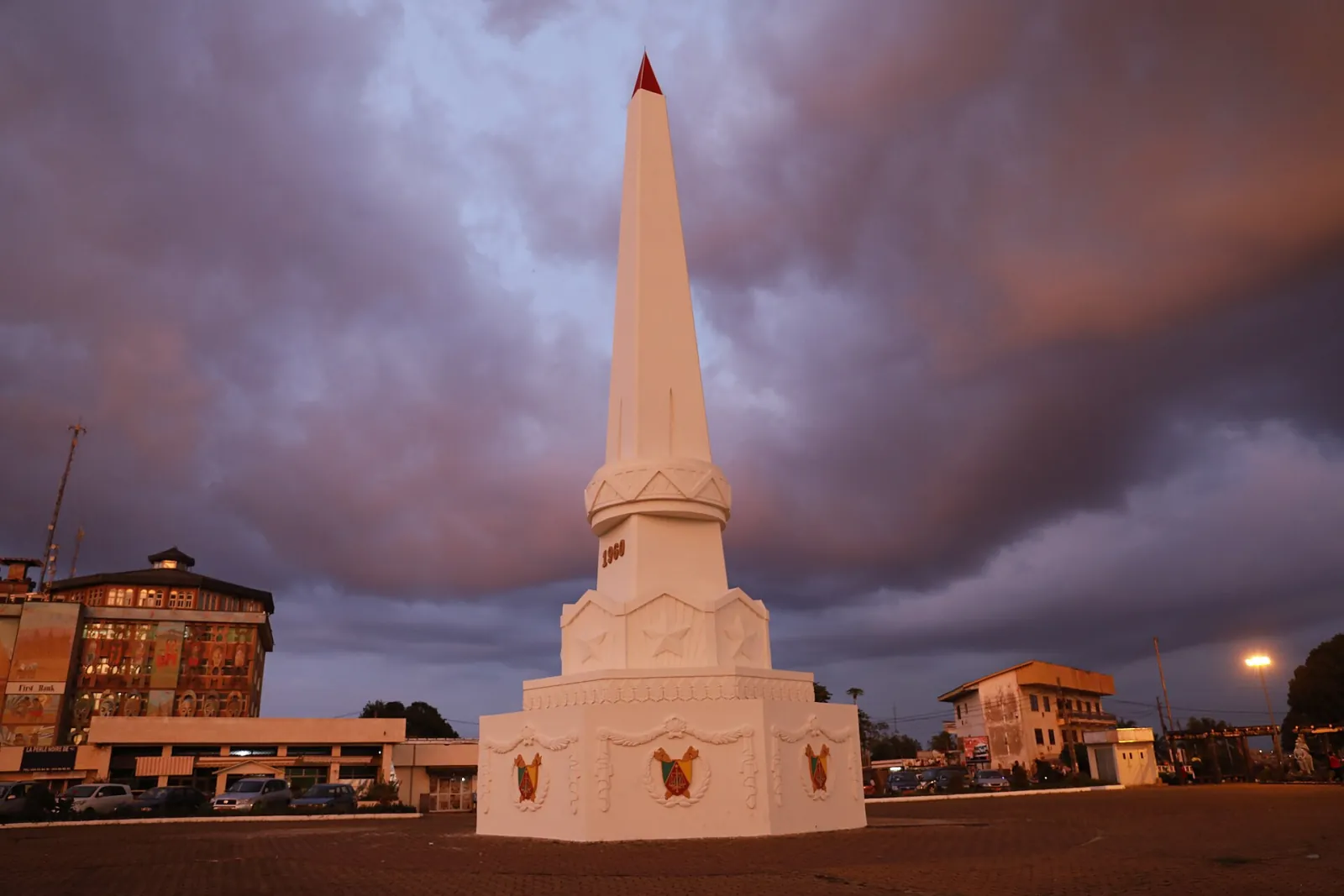
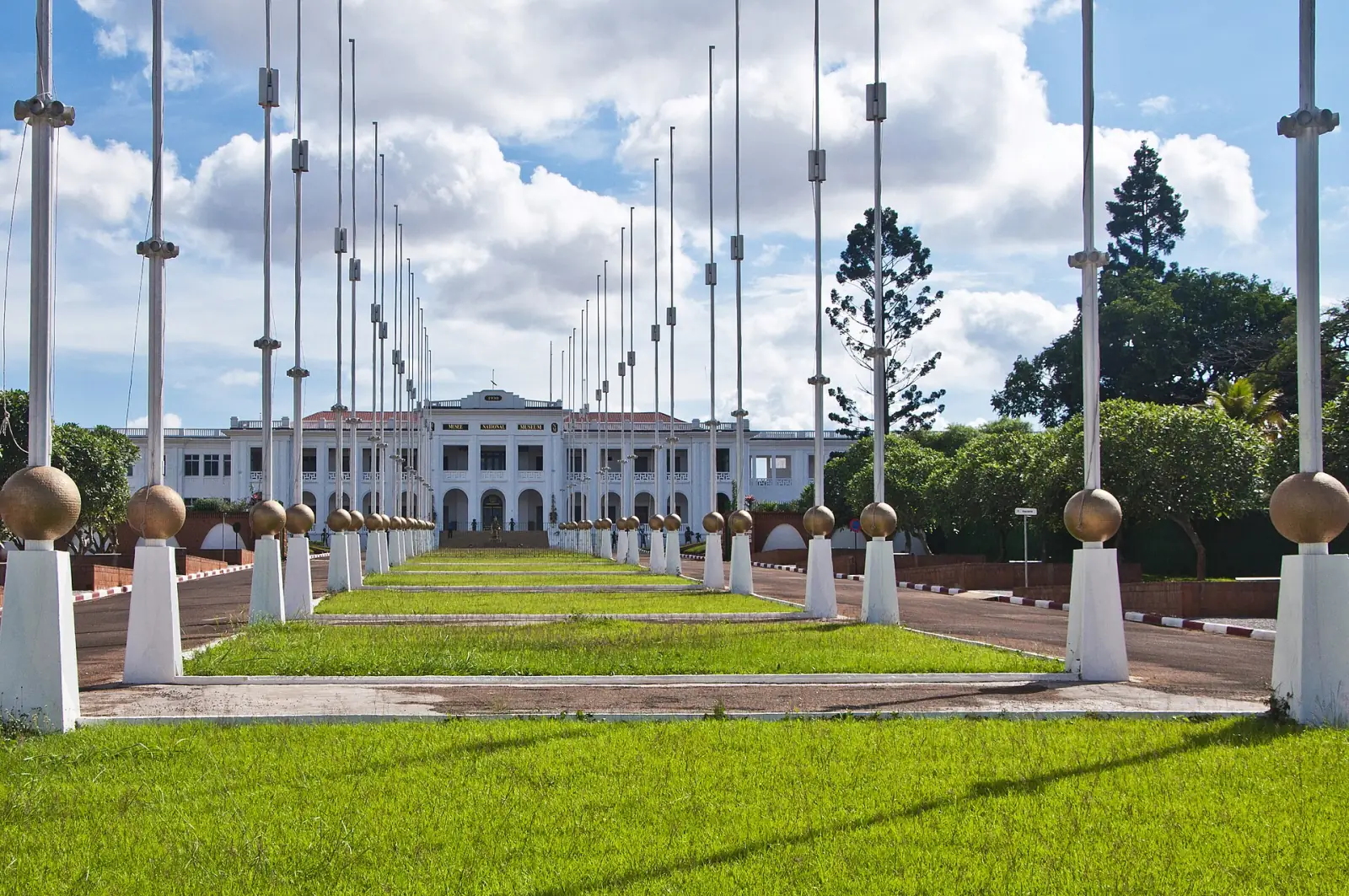
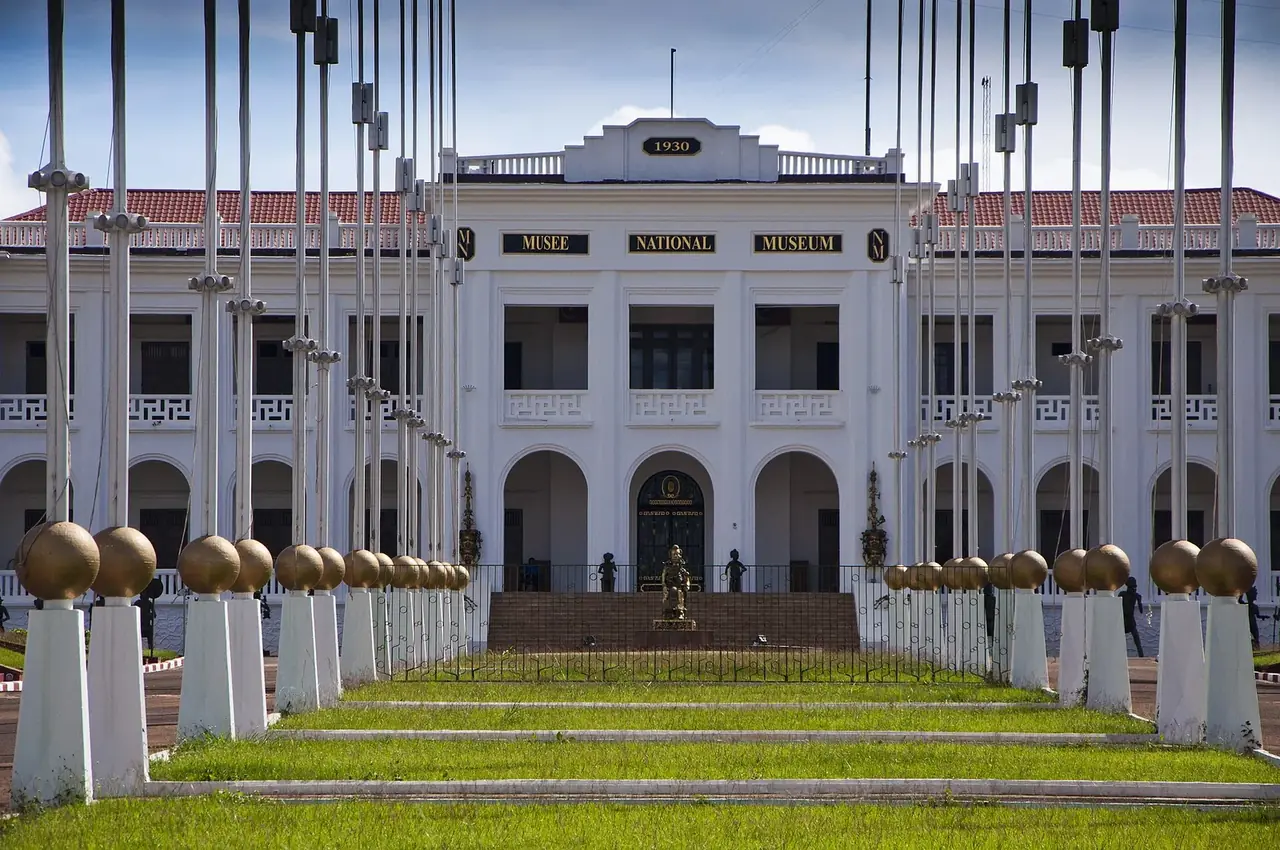
Entrance of the National Museum of Cameroon in Yaoundé

Archives are the written memory of the State and of the country: orders, correspondence, files, maps, photographs, recordings. They prove rights, shed light on history and enable citizens to demand accountability. At the Ministry of Arts and Culture, it is the Directorate of Archives and Administrative Documents that defines the Government’s policy in this area.

It sets standards, monitors the structures that produce archives, oversees the National Archives and the archive centres of the decentralised local authorities, and ensures the training of professionals. Two major projects structure its action: the dematerialisation of collections and the construction of new premises for the National Archives, presented in the major projects.

  • Archival standards and oversight
  • National Archives and Buea annexe
  • International Archives Week 2026
Administrative archives

Administrative archives and their management

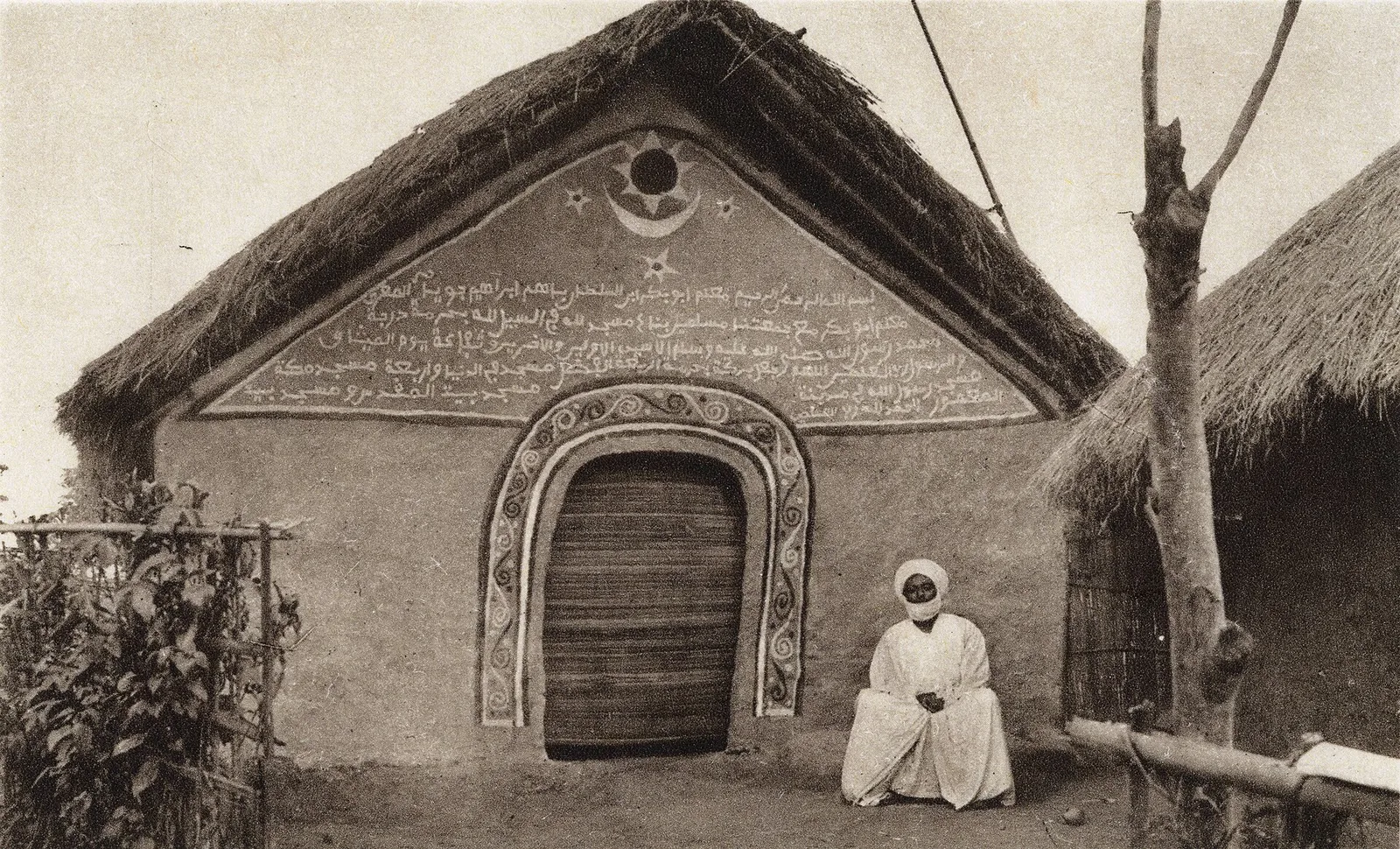
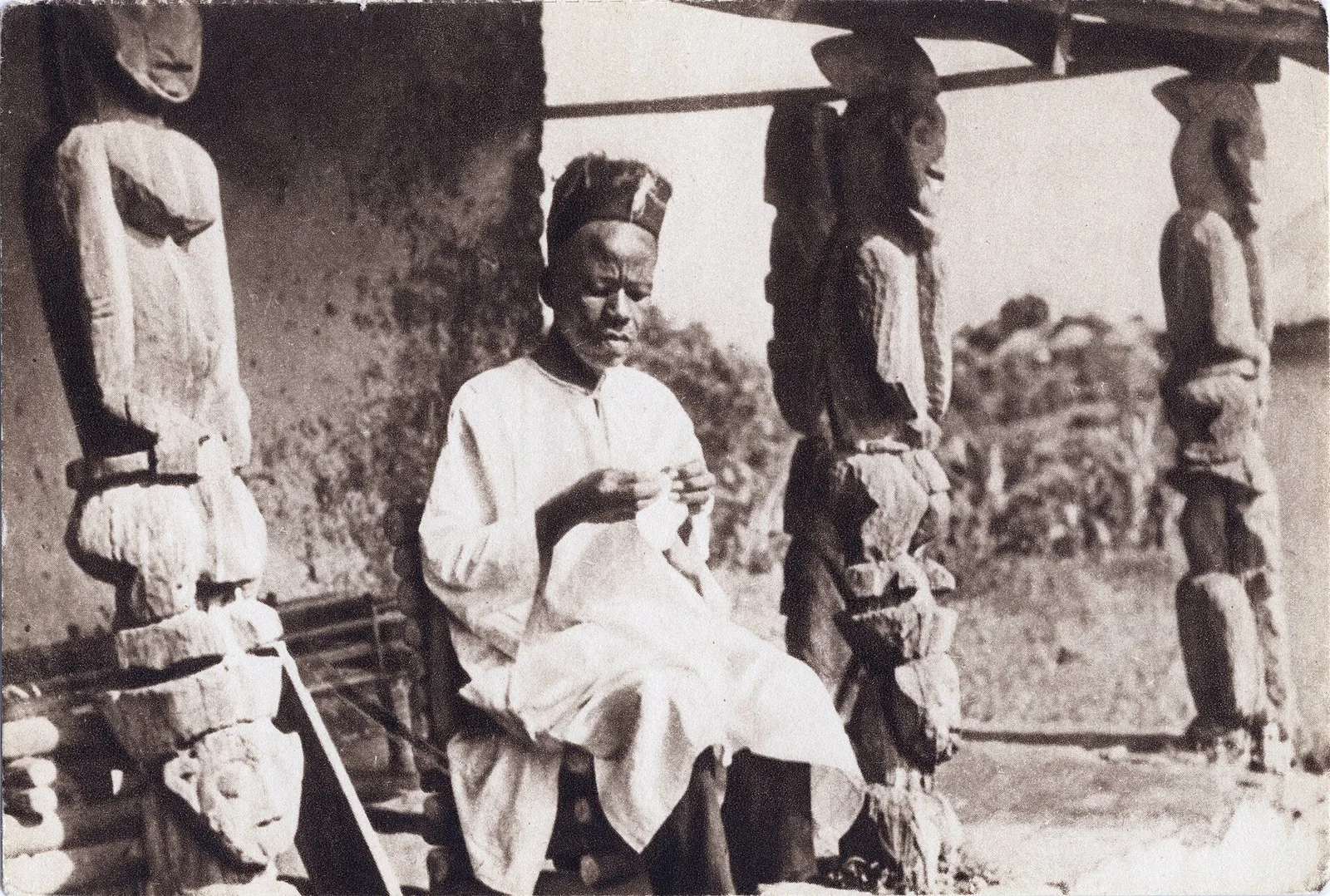
Mosque in Bamoun country, old photograph

The Directorate of Archives and Administrative Documents is responsible for developing the Government’s policy on archives and administrative documents: collection, processing, classification, preservation and communication. Its field of action covers both public archives, produced by administrations, and private archives, for which it harmonises practices in liaison with the National Archives.

The directorate’s eleven missions

  • Develop the Government’s policy and prepare the legislative and regulatory framework;
  • Define uniform scientific and technical standards with the administrations concerned;
  • Harmonise management practices for public and private archives;
  • Monitor and control the structures that produce archives;
  • Oversee the National Archives and the archive centres of the decentralised authorities;
  • Monitor the processing, communication and promotion of public archives;
  • Disseminate and promote the national archival heritage;
  • Approve curricula and assess the content of professional training in the field;
  • Provide continuing training for professionals;
  • Oversee the associations and professional groupings of the sector.

Two structures for action

The directorate relies on the Sub-Directorate of Archival Standards, Regulation and Control, which comprises the Service for Archival Standardisation and Regulation, the Service for Archival Technologies (digitisation, restoration, photo-documentation, sigillography, premises planning) and the Archival Control Service. The Professional Development Unit handles continuing training and the monitoring of professionals’ working conditions. To locate these services, consult the organisation chart.

ℹ️
For administrations

A service that produces documents can request the technical advice of the directorate to organise the sorting, filing and description of its archives, via the contact form.

Historical collections

The national historical collections

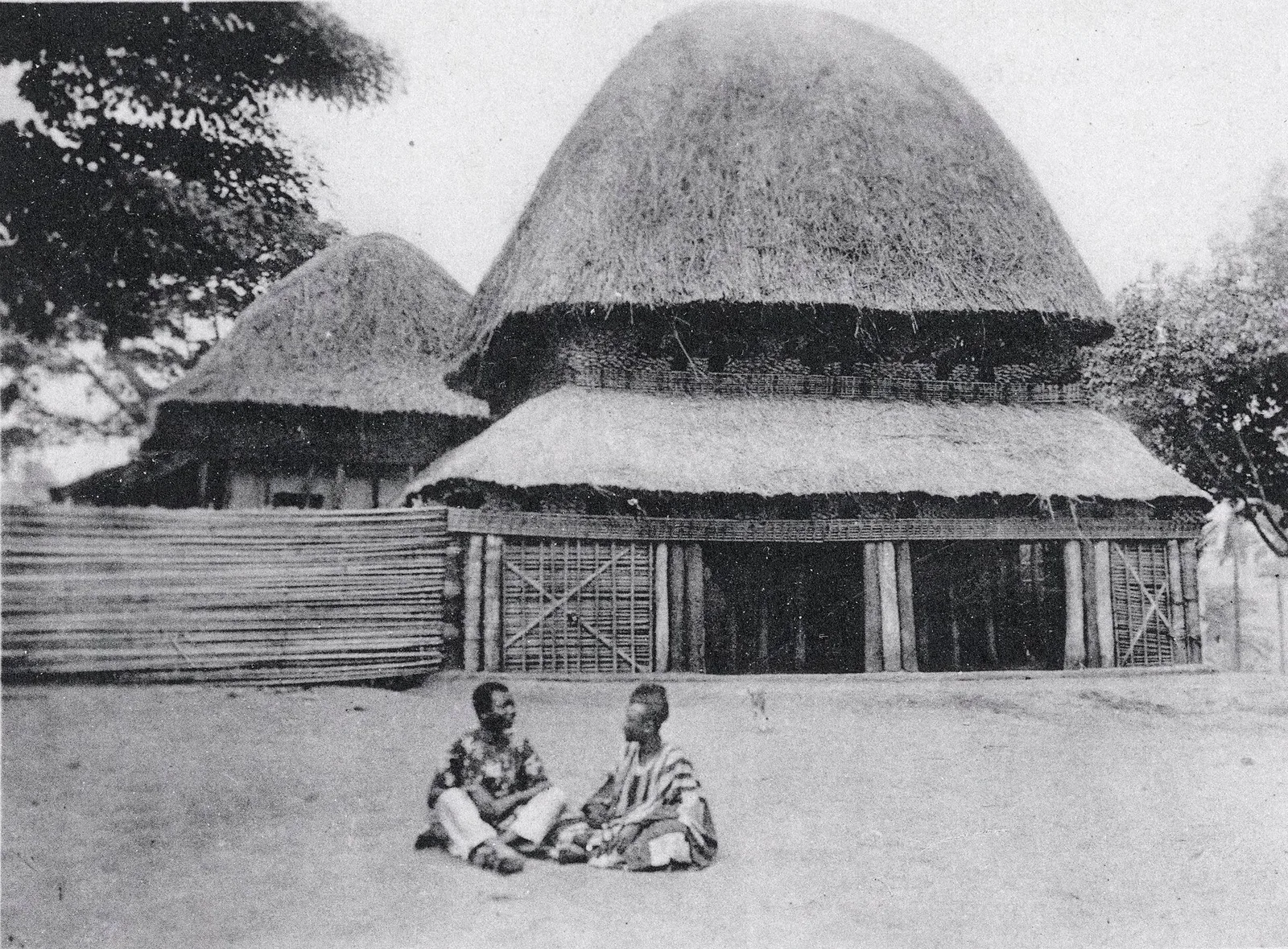
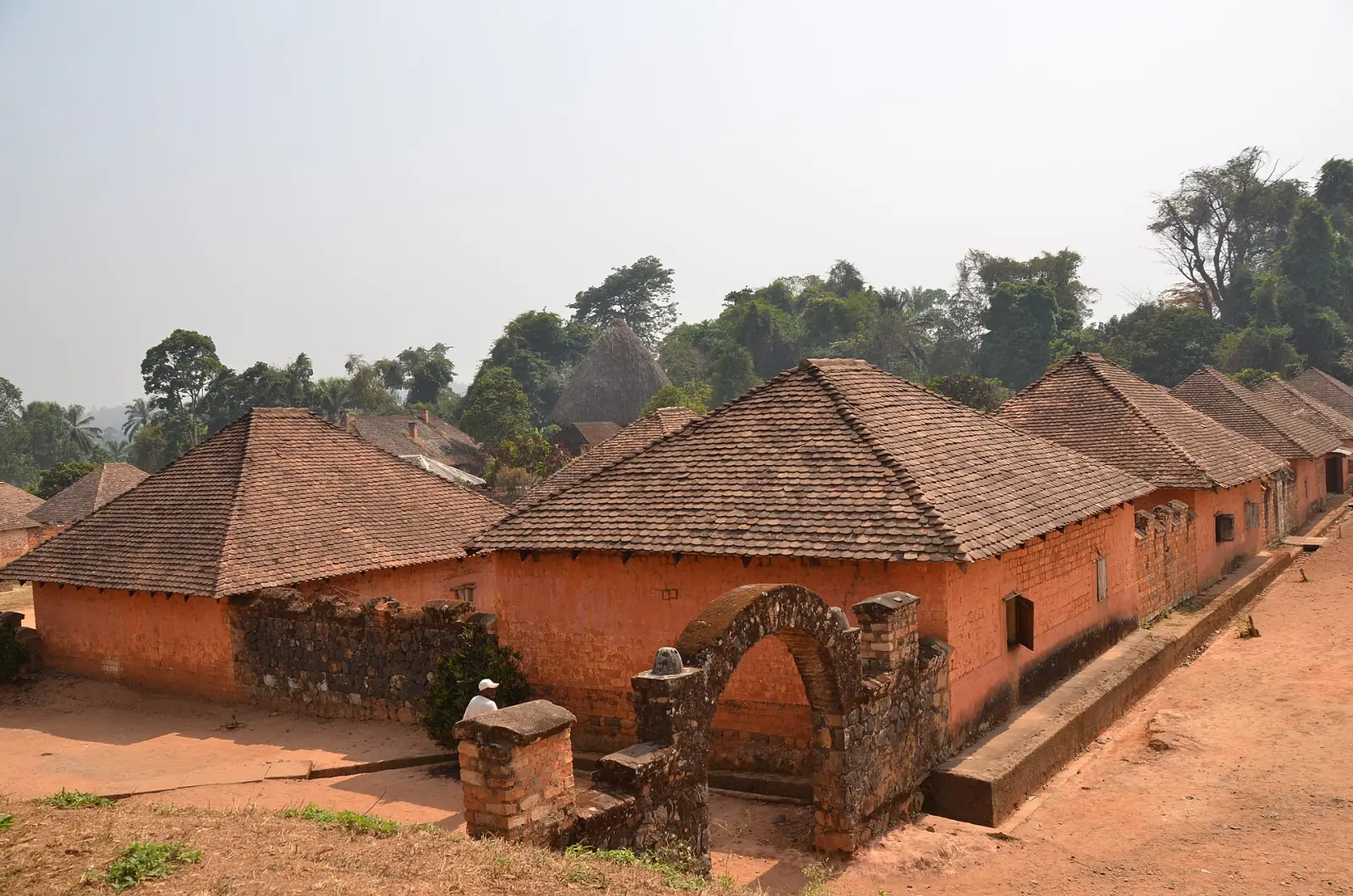
Completed house in Bamoun country, old photograph

The National Archives hold the country’s historical collections, that is, the documents which, because of their administrative, legal or scientific value, have been permanently transferred to the archival heritage. An annexe in Buea also holds older documents, a reminder that Cameroon’s administrative history was written in several places and in several languages.

What is called a collection

A collection (fonds) is the set of documents produced or received by a single institution, person or family in the course of its activities. It is described using a finding aid: inventory, repertory, statement of holdings. The classification plan respects the original order of the documents, because that is what preserves the meaning of the files.

Sources for every discipline

Historians look there for the traces of successive administrations, genealogists for the records that establish lineage, lawyers for titles and decisions, ethnologists for reports on chiefdoms. Heritage services find there the listing files, cross-referenced with the national inventory, while museums rely on the collections to document the origin of objects.

Audiovisual and photographic archives, long less protected than paper, fall under the same safeguarding policy, in liaison with the Ministry’s photo library and video library.

Consult

Consulting the archives today

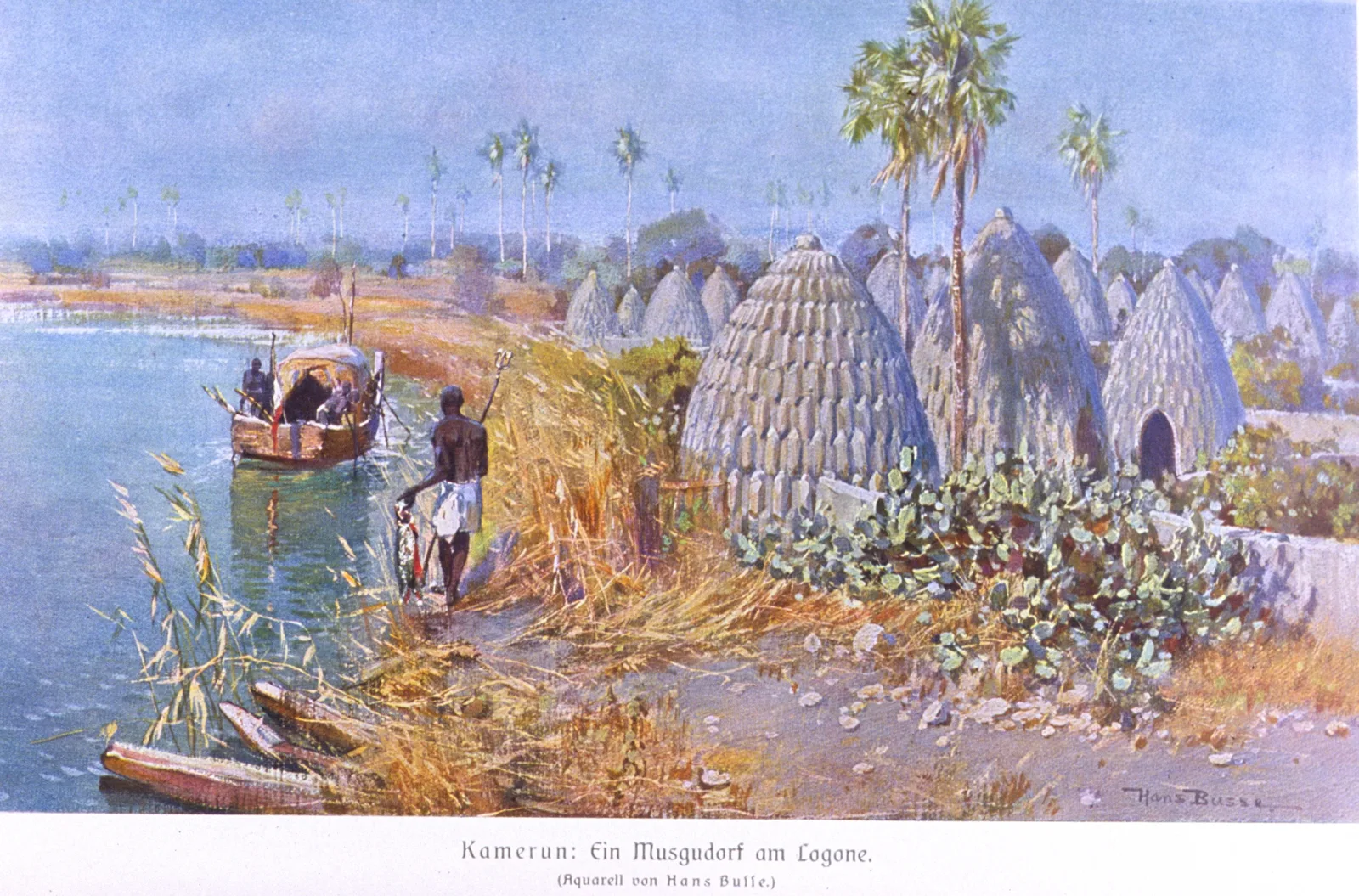
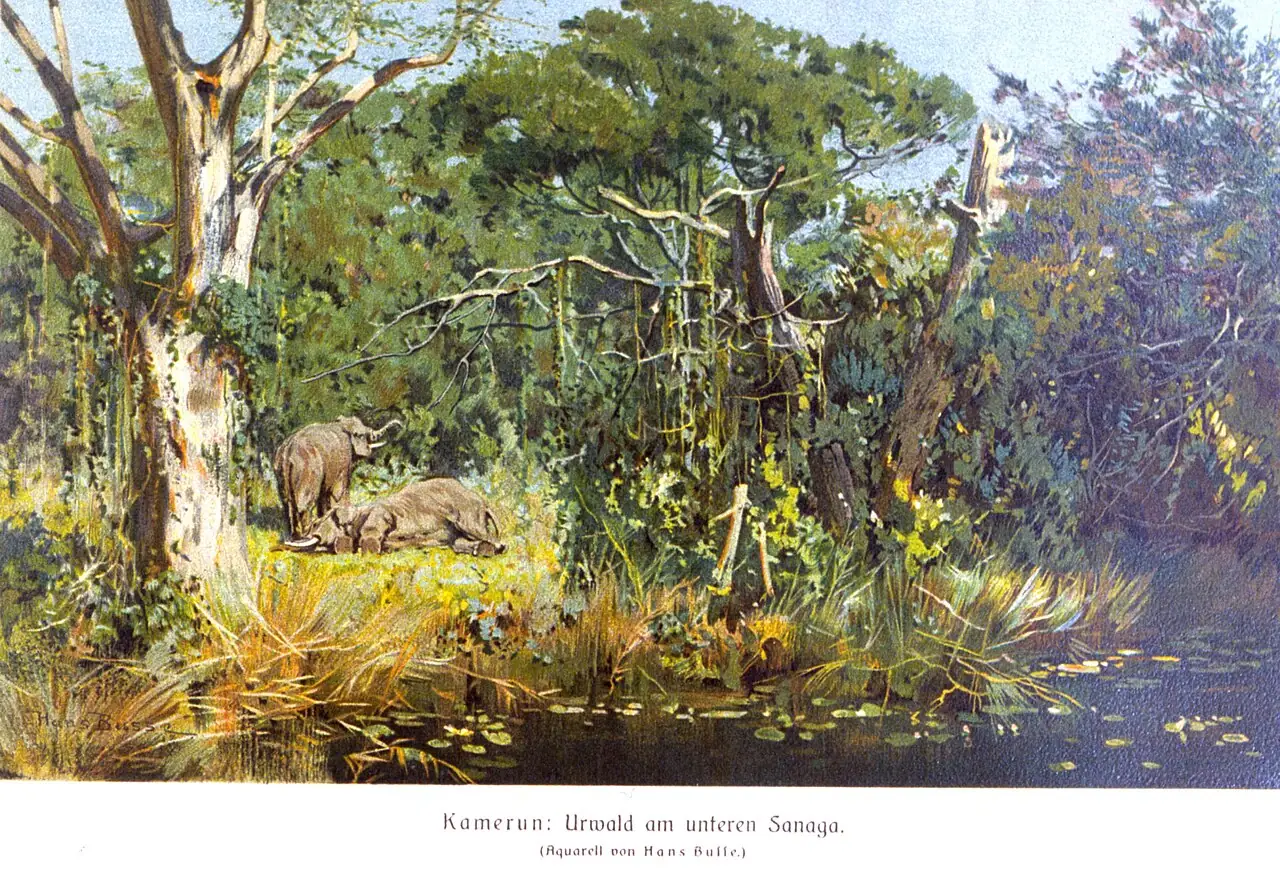
Village on a lake in Cameroon, old painting

The National Archives have been closed since 2016 for a long-term reorganisation and digitisation. This closure to the public responds to a conservation imperative: collections cannot be processed, repackaged and digitised while also welcoming readers in premises that need to be brought up to standard.

Access remains possible

Researchers may nevertheless request access by writing to the Director of Archives and Administrative Documents, with a list of specific documents. The more detailed the request, the easier it is to process: research theme, period, producing institution, nature of the documents expected.

Preparing your research well

  • Identify the producing service that created the documents sought;
  • First find out about the texts that govern communication deadlines;
  • Consult the printed sources and digital resources already available;
  • Attach an accreditation letter if the research is part of a university framework.

Online resources

During the closure period, the Ministry disseminates what can be shared: news, photographs, videos and thematic files. The News page reports on the stages of digitisation, and the studies and reports provide reference points for researchers.

ℹ️
Key points

The closure of the National Archives does not remove the right to request a document: every request must be justified and sent in writing.

Request for access

Requesting access to a document

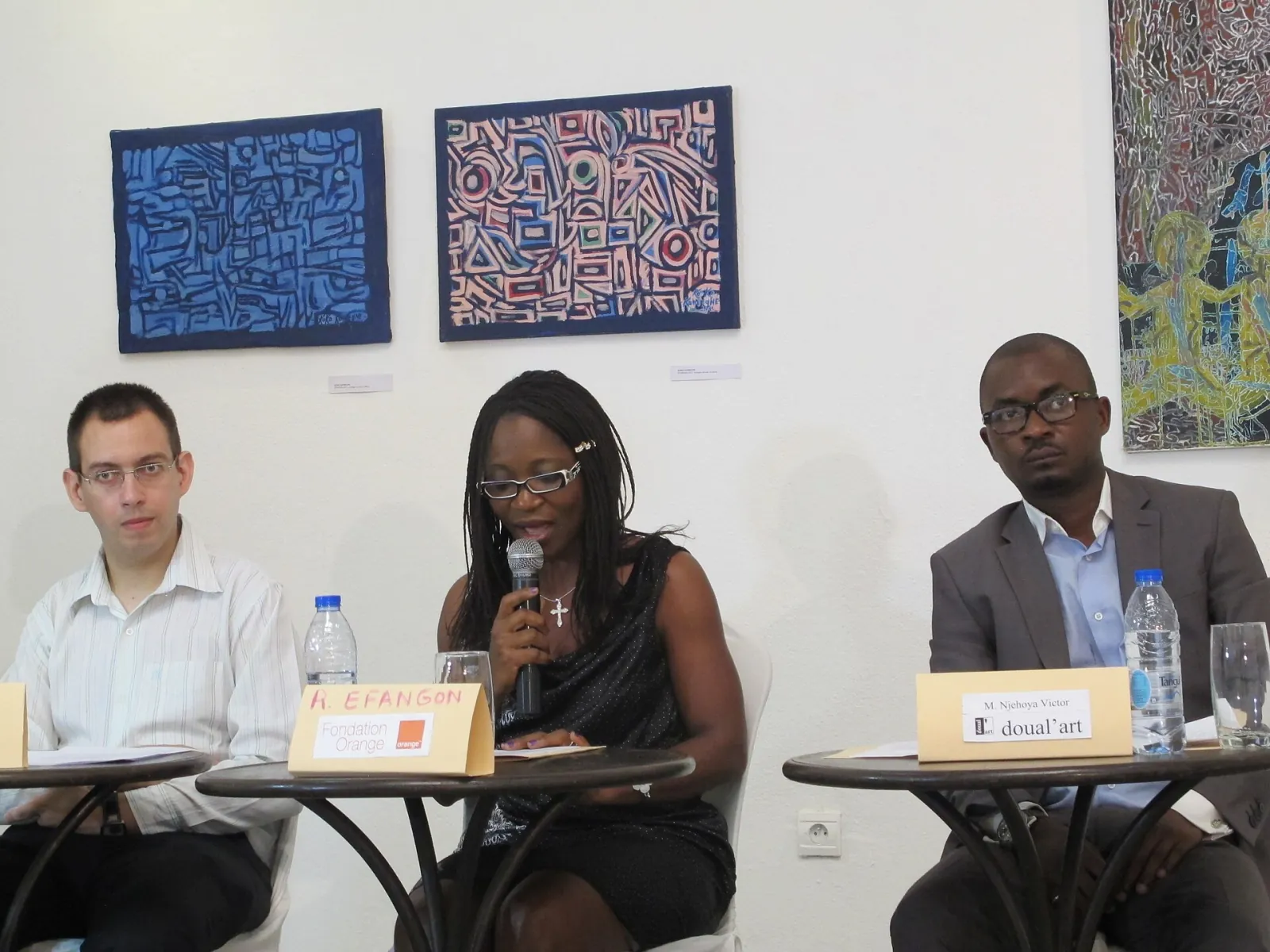
Panel of three speakers at a press-conference table in front of paintings in Douala

Communication is the making available of a document for consultation or reproduction. To request it, send the Director a letter stating your identity, the purpose of your research and the list of documents you wish to see. You may also use the Ministry’s contact form, choosing the subject closest to your request.

What the letter must contain

  1. Your name, your capacity (student, researcher, journalist, private individual, lawyer) and a means of contacting you;
  2. The purpose of the research and the intended use of the documents;
  3. The precise list of documents, with the producing service, the period and, if possible, any known references;
  4. The desired method of consultation: on site, a copy or, where available, a digitised version.

What may limit access

Some documents are subject to restrictions: respect for privacy, professional secrecy, State security, the physical condition of the medium. The staff then indicate the grounds for the restriction and the possibilities of consulting a redacted version. If you consider that you have not obtained a satisfactory response, you may refer the matter to the mediator or lodge a complaint. For works deposited under copyright, see instead the register of works.

Step by step

Obtaining an archive document in five steps

Define the research

Define the subject, the period and the service that produced the documents; a well-delimited search speeds up processing.

Draft the request

Write to the Director stating your identity, the purpose of the research and the list of documents you wish to see.

Send the letter

Deliver the letter to the Ministry or use the site’s contact form, then keep proof of sending.

Exchange with the staff

An officer may ask you to clarify the request, to suggest other sources or to indicate the restrictions that apply.

Consult or receive

Depending on the nature of the documents and the condition of the collections, communication takes place on site, by copy or in digital form.

To act

Procedures related to archives

Request a document

Write to the Director with your identity, the purpose of the research and the list of documents you wish to see.

Write to the Ministry

Track an application

Keep your acknowledgement and consult the file tracking to find out the processing status.

Track a file

Report a threatened document

Abandoned archives, damp premises, irregular destruction: report it to trigger an inspection.

Report

Training

Professionals can follow the continuing training activities of the Professional Development Unit.

See the training courses
Key facts

The organisation of the directorate in one table

StructureRoleAudiences concernedLearn more
Directorate of Archives and Administrative DocumentsNational archives policy, standards, control, trainingAdministrations, professionals, researchersCentral directorates
Sub-Directorate of Standards, Regulation and ControlStandards, regulations, oversight of archive producersPublic services and private bodiesRegulatory texts
Service for Standardisation and RegulationRules for collection, appraisal and managementProducing servicesLegislative texts
Service of Archival TechnologiesDigitisation, restoration, premises, technology watchArchive servicesMajor projects
Archival Control ServiceOversight of the National Archives and local authority centresLocal authoritiesRegions
Professional Development UnitContinuing training, approval of curricula, oversight of associationsPractising archivistsVocational training
National ArchivesPreservation of historical collectionsResearchers, institutionsConsult
Buea annexPreservation of older documentsResearchers, historiansSouth-West Region
Resources

The resources of the researcher and archivist

“Sovereign archives for historical truth, social justice and digital governance.”

Theme of the national round table, International Archives Week 2026
Glossary

The vocabulary of archives

Archives

Documents produced or received by an institution or a person and preserved for their value.

Funds

All the documents of a single creator, preserved in the order in which they were formed.

Communication

Making a document available for consultation or reproduction.

Digitisation

Conversion of paper documents into digital files that can be used remotely.

Payment

Transfer of documents from a producing service to an archive service.

Reference number

Reference that identifies a document or file in the archive stores.

Finding aid

Inventory or repertory that describes the documents of a collection and makes it possible to find them.

Sigillography

Study of the seals, matrices and impressions affixed to deeds.

Public archives

Documents produced by the State, local authorities and bodies responsible for a public service.

Sorting

Operation that separates the documents to be kept from those that may be disposed of.

Steps

From archives to their promotion

2016Closure for reorganisation

The National Archives close to the public to begin a reorganisation and digitisation of the collections, a long-term task that continues.

WorksiteDigitisation of archives

Digitisation, photo-documentation and restoration protect the originals and prepare for remote consultation.

ProjectConstruction of the National Archives

New premises, designed to conservation standards, are to provide storage areas, a laboratory and a reading room.

2026International Archives Week

A round table and a study day bring together professionals, administrations and researchers around sovereign archives.

TomorrowA network of archives

The centres of the decentralised authorities, the administrations and the National Archives work to common standards.

On the site

Continue on archives

References

To go further on archives

Stakeholders

Who acts for archives?

To explore

Archives in the other sections

They work with archives

Everyday uses

“
For my thesis, I wrote to the Director with a precise list of files. The precision of the request meant I was directed without wasting time.
A doctoral student in history
University of Yaoundé
“
Our service received advice on sorting and classification. Our files are now numbered and inventoried, and a document can be found in a few minutes.
A head of a producing service
Public administration
“
Digitisation is meticulous work: cleaning, flattening, shooting, checking. Every page saved is a page that will never be lost.
A digitisation technician
Dematerialisation project
“
Continuing training gave us common description methods; an archivist from Garoua and another from Douala now speak the same language.
A local authority archivist
Municipal archive centre
Questions

Your questions on archives

Are the National Archives open to the public?

No, they have been closed since 2016 for a reorganisation and digitisation of the collections. Access nevertheless remains possible for researchers: write to the Director of Archives and Administrative Documents enclosing a list of specific documents.

How do I request communication of a document?

Send a letter to the Director stating your identity, the purpose of your research and the list of documents you wish to see. You may also use the site’s contact form. Specify the producing service and the period to make it easier to process your request.

Where is the archives annexe?

The annexe is in Buea, in the South-West Region. It holds older documents. For any request concerning these documents, go through the directorate, which coordinates access: write to it stating what you are looking for.

What does the Directorate of Archives and Administrative Documents do?

It develops the Government’s policy, sets management standards, monitors the structures that produce archives, oversees the National Archives and the centres of the local authorities, promotes archival heritage and provides continuing training for professionals.

Can an administration ask for advice on its archives?

Yes. The Archival Control Service provides technical advice to public and, where appropriate, private administrations on collection, sorting, classification, description and communication. The evaluation of archive management instruments is part of its missions.

What is the 2026 International Archives Week?

It is an annual highlight devoted to archives. The 2026 edition brought together a national round table and a study day on the theme of sovereign archives for historical truth, social justice and digital governance.

Can the archives be consulted online?

Digitisation is under way, but online access to the collections remains gradual. The site already offers news, photographs and videos. For the time being, researchers must make a written request to the directorate.

How do I report archives in danger?

Use the reporting form on the site to describe the place, the condition of the documents and the nature of the risk: damp, fire, abandonment or irregular destruction. The Archival Control Service can then arrange a visit and advise the service concerned.

Contact

Write to the Ministry: Archives

Specify the documents you are looking for.

Competent directorate

Contacting the Directorate of Archives

Address

Directorate of Archives and Administrative Documents
Ministry of Arts and Culture
Quartier du Lac – Ministerial Zone
P.O. Box 1053 Yaoundé, Centre Region, Cameroon

Reach us

+237 6 51 70 58 41

contact@minac.gov.cm

Opening hours

Monday to Friday, 8 am to 4 pm

Discover the major projects

Dematerialisation of archives and construction of the National Archives: follow the progress of the works.

Major projects
WhatsApp