Coat of arms of CameroonMinistry of Arts
and Culture
Republic of Cameroon
My procedures
Home
Minister’s message
News
Press releases
Cultural calendar
Official speeches
Press review
Photo library
Video library
Calls for projects
Job vacancies
Public procurement
Newsletter
Frequently asked questions
Site map
Contact
Press area
Podcast “The Voice of Culture”
Legal notices
Privacy policy
Cookies and trackers
The Ministry
Missions and responsibilities
Organisation
Organisation chart
Minister’s Office (Cabinet)
Management team
General Secretariat
General Inspectorate
Central directorates
Regional Delegations
Institutions under supervision
Legislative texts
Regulatory texts
Sector strategy
Major projects
Budget and reports
Partners
Careers
Archives
Institutional communication
Quality and accessibility
Arts
Visual and plastic arts
Visual arts
Performing arts
Theatre
Dance
Music
Literature and books
Cinema and audiovisual
Photography
Fashion and design
Digital arts
Art crafts
Artists’ directory
Residencies
Prizes and awards
Arts education
Urban arts
Heritage
Tangible heritage
Intangible heritage
UNESCO sites
National museums
Listed monuments
National inventory
Palaces and chiefdoms
Archaeology
Linguistic heritage
Oral traditions
Traditional know-how
Restitution of cultural property
Fight against illicit trafficking
Listing and protection
Conservation and restoration
Heritage Days
Cultural landscapes
Industries
Music and recording
Cinema
Publishing and books
Digital arts
Fashion and creativity
Crafts
Cultural tourism
Funding for culture
Support funds
Incubators
Cultural entrepreneurship
Culture Observatory
Vocational training
Studies and reports
Sector statistics
Export and outreach
Intellectual property
Copyright
Legal framework
Copyright and neighbouring rights
Collective management societies
Register a work
Licences
Private copying
Fight against piracy
Model contracts
Social status of artists
Mediation
Disputes
Training
Fee scales
Register of works
Contact
Digital neighbouring rights
Public domain
Festivals
National calendar
Ngondo
Nguon
Écrans Noirs
Heritage Days
Music Day
Regional festivals
Fairs and exhibitions
Biennials
National competitions
Cultural days
Organise a festival
Event grants
Ticketing
Archives
Volunteering
Diaspora festivals
Regions
Adamawa
Centre
East
Far North
Littoral
North
North-West
West
South
South-West
Cultural map
Regional Delegations
Traditional chiefdoms
National languages
Cultural routes
Decentralised cooperation
Regional observatory
Cooperation
UNESCO
Francophonie (OIF)
African Union
Commonwealth
CEMAC
Bilateral cooperation
Cultural agreements
Professional organisations
Scholarships
Artist exchanges
Cultural years
Diaspora
Funded projects
Embassies
Technical partners
International restitution
International monitoring and calls
Services
Artist card
Show authorisation
Filming authorisation
Festival authorisation
Deposit of a work
Export of works of art
Listing of a property
Grant application
Association accreditation
File tracking
Forms
Fees
Opening hours and addresses
Reporting
Online help
My account
One-Stop Shop
Copyright

Model contracts

Publishing, production, assignment or performance contract: the key points, the clauses to check and the templates to adapt, so as to contract with confidence with a publisher, producer or show organiser in Cameroon.

Updated on 6 November 20264 sub-pages
Contract templates offered4
Contracts governed by lawPerformance, publishing
Recommended formWritten
Template formatPDF and DOCX
Contracting

A clear contract for every use

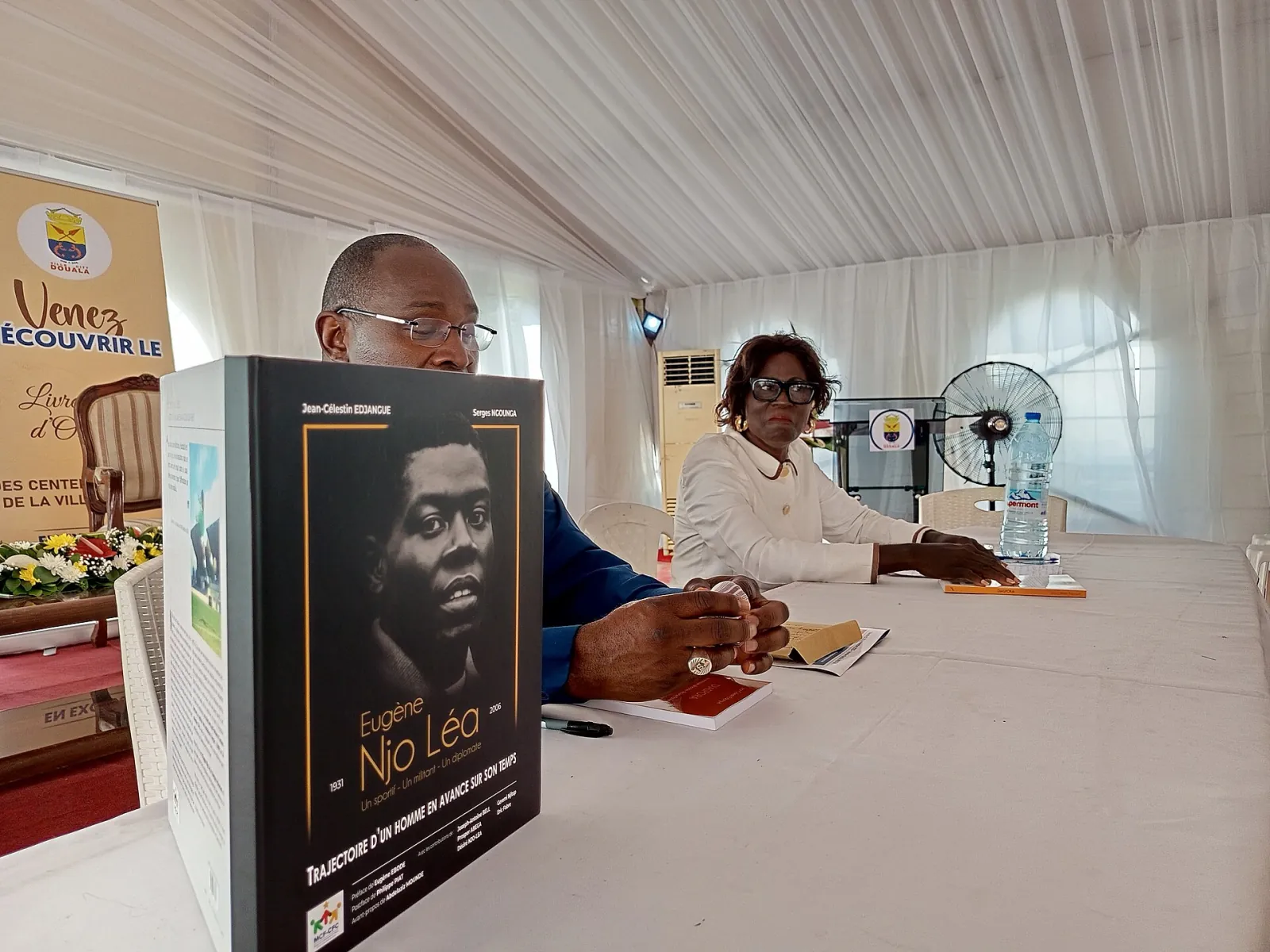
Book-signing session at a table under a marquee with the biography in the foreground

A manuscript entrusted to a publisher on a handshake, an album recorded “among friends”, a concert announced without a precise fee: in Cameroon as elsewhere, most conflicts between creators and operators stem from an agreement that remained verbal. Law No. 2000/011 of 19 December 2000 governs in particular the performance contract and the publishing contract; Law No. 2004/001 of 21 April 2004 governs the regime of performances and intermediaries.

The templates presented here help to draft a balanced agreement that protects the artist as much as their partner. They cover four main uses: publishing, production, assignment of rights and performance. They can be adapted to each situation, with the help of legal advice.

  • Publishing, production, assignment and performance
  • Clauses explained step by step
  • Templates to adapt, never imposed
See the publishing contract
Publishing

The publishing contract: entrusting your work to a publisher

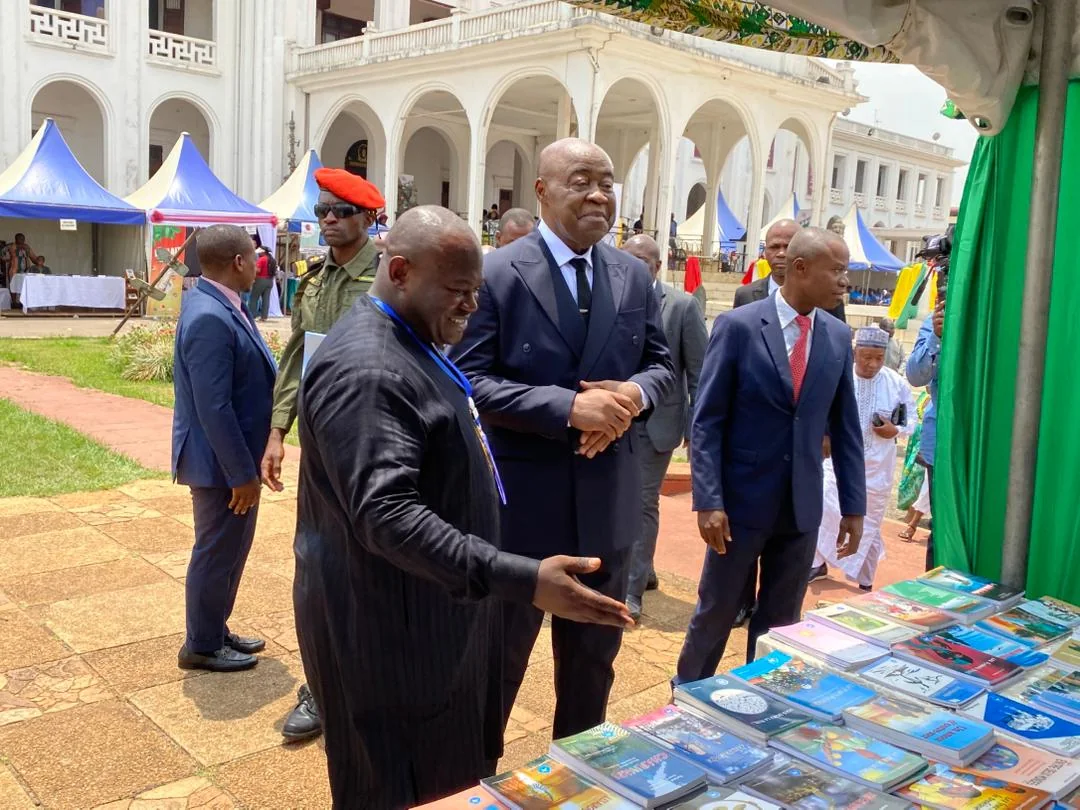
The Minister and officials in front of books displayed on a stand in the courtyard of a colonial-style building

Under a publishing contract, the author entrusts a publisher with the manufacture and distribution of their work, in return for remuneration. It covers books, scores, comic albums, but also music catalogues and graphic works. The contract specifies the duration, the territory and the payment terms; these three elements determine everything else.

Clauses to examine

  • The work: title, nature, state of the manuscript or recording, delivery deadline;
  • The rights assigned: print, digital, translation, adaptation, with the duration and territory for each;
  • Remuneration: percentage of the sale price, any advance, method of calculation, date of statements;
  • The publisher’s obligations: manufacture, distribution, promotion, minimum print run, rendering of accounts;
  • The end of the contract: work out of print, lack of exploitation, termination and reversion of rights.

Common pitfalls

A contract that assigns “all rights, for all countries, for the whole term of protection” without a clear consideration is unbalanced. The same goes for a clause that exempts the publisher from rendering accounts or allows them never to exploit the work. An author should insist on regular statements and a right to inspect the accounts.

ℹ️
Before signing

Have the contract reviewed by legal counsel or by the collective management society to which you belong. Keep a signed and dated copy.

Production

The production contract: financing and making a work

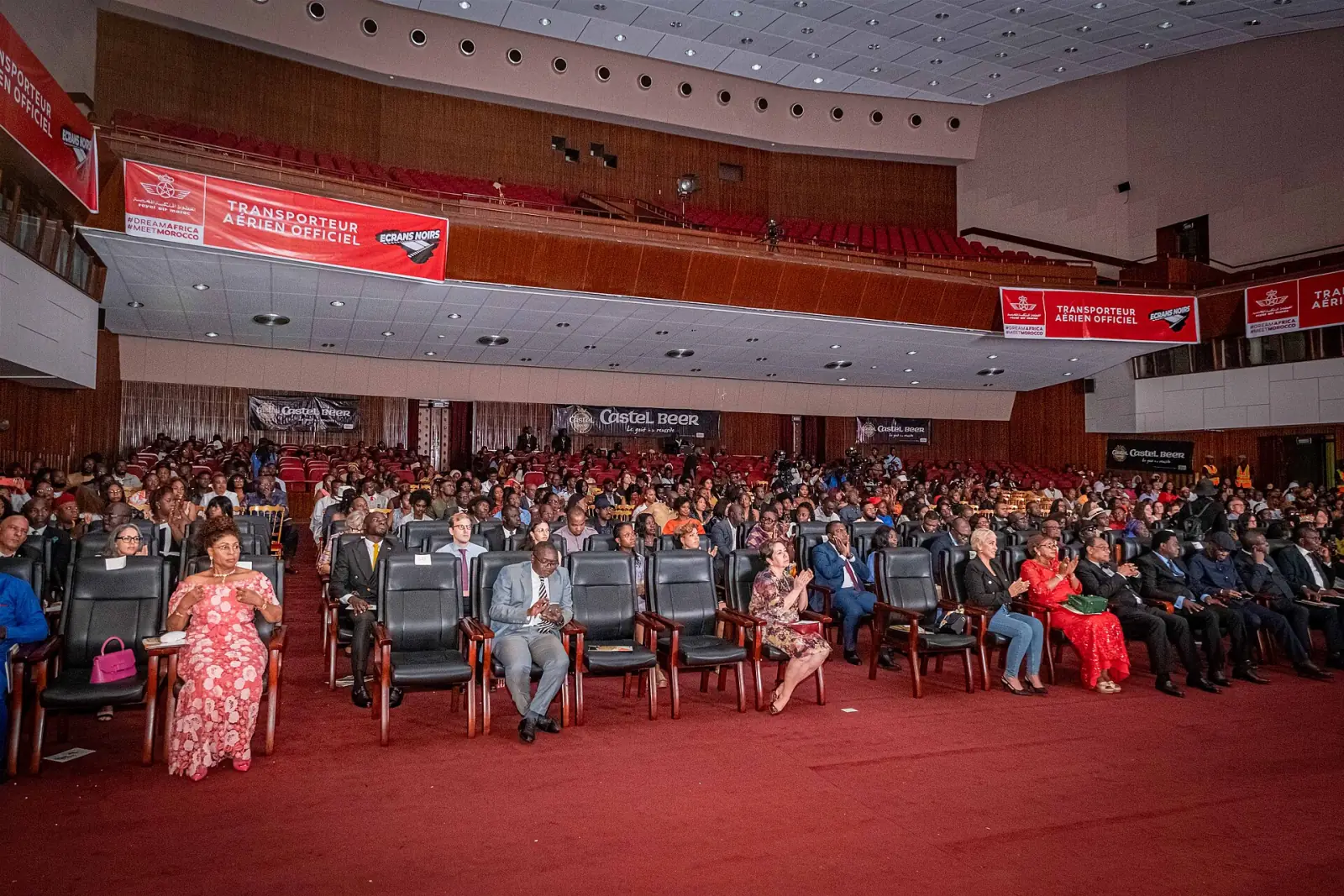
Official audience seated in a large red hall at the opening ceremony of a film festival

The producer finances and makes an audiovisual or musical work; the contract sets out each party’s rights. A film, a video clip, an album, a series or a recorded show involves dozens of people: authors of the screenplay or songs, director, composer, performers, technicians. The production contract organises the whole.

Who signs with whom

The producer enters into a separate contract with each contributor: screenplay author, director, composer, actors, musicians, technicians. These contracts distinguish between salary or fee (the remuneration for work) and the assignment or licence of exploitation rights. Confusing the two deprives the artist of future income.

The essential points

  • The budget, the financing plan and the shooting or recording schedule;
  • The sharing of revenue: first exploitation, television broadcast, media sales, online platforms;
  • The contributors’ credit: mention of the name in the credits or on the sleeve;
  • The ownership of masters and working copies;
  • Insurance and liability in the event of accident or delay;
  • The fate of the project if financing is not secured.
Assignment

Assignment of rights: transferring without being stripped

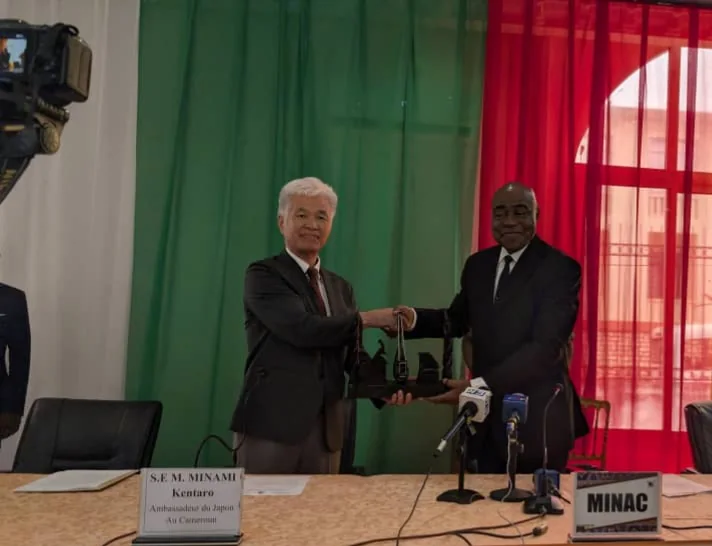
Exchange of gifts with the Ambassador of Japan during a meeting at the Ministry

An assignment transfers certain economic rights; it must be precise as to the work, duration and territory. To assign is to authorise a third party to exploit the work in place of the author, generally in return for payment. But an assignment never has the effect of removing the author’s moral right: their name and the integrity of their work remain protected.

Total or partial assignment

An assignment may cover a single right (reproduction, performance, adaptation, translation), a single form of exploitation (print, digital, audiovisual) or a limited geographical area. The more precise the assignment, the more room the author keeps to exploit their work otherwise. A broad assignment must be offset by suitable remuneration.

Essential mentions

  • The rights assigned, listed one by one;
  • The territory and duration of the assignment;
  • The price, flat-rate or proportional, and the payment dates;
  • The author’s right to be informed of exploitations and to receive statements;
  • The conditions for the reversion of rights in the absence of exploitation.

Commissioned works and collective works

For a commissioned work, the commissioning party pays for the creation, but the author remains the holder of their rights unless the contract expressly provides for their assignment. For a collective work, created on the initiative of a person who publishes it under their own name, the contracts will specify the rights of each contributor. Software and databases follow particular rules; the Intellectual property section presents them.

Assignment and licence

A licence authorises a use without transferring ownership. This is often the most prudent solution for a creator who wishes to keep control of their work.

ℹ️
Good practice

Before any broad assignment, declare the work: declaring a work gives you dated proof of your status as author.

Show

The performance and show contract: hiring, producing, broadcasting

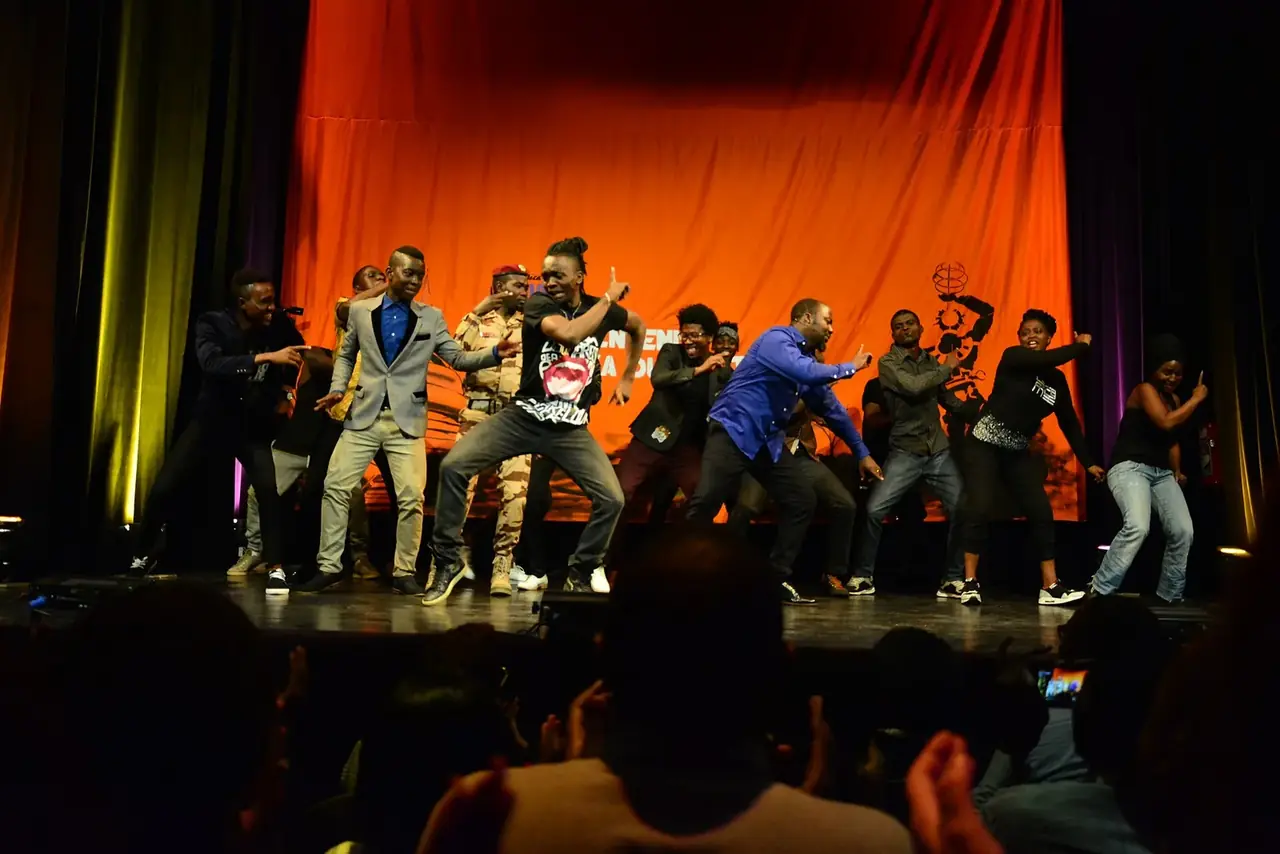
Troupe of performers dancing on a theatre stage

The rights holder authorises a show organiser to perform, or have performed, the work in public: this is the performance contract. Alongside it, Law No. 2004/001 of 21 April 2004 governing performances regulates artists’ engagement contracts, relations with artistic agents and the obligations of live performance promoters.

The parties to the show contract

The text distinguishes the performing artist (musician, choreographer, actor…), the artistic agent, who finds engagements for artists under the title of impresario or manager, and the live show promoter, who operates a venue, produces a show or broadcasts it. The artistic agent licence is issued for one year, renewable; it is personal and non-transferable. The two activities, artistic agent and show promoter, cannot be carried on by the same person.

The clauses of an engagement contract

  • Date, time, venue, duration of the show and rehearsal time;
  • Fee, deposit, date and method of payment, coverage of travel and accommodation costs;
  • Technical conditions: sound system, lighting, dressing rooms, security;
  • Cancellation, postponement and force majeure;
  • Declaration of the programme to authors’ societies and payment of rights;
  • Mention of the promoter’s licence and of the show authorisation.

Guaranteeing payment of artists

To ensure payment of artists’ wages or fees, the law allows the takings of a show to be seized with the authorisation of an order of the court sitting as the judge hearing urgent applications, during the performance. An artist or the Administration may make the request. The placement of artists may be free of charge or paid for; the agent must submit to the Administration each quarter a statement of their placements.

ℹ️
For artists

Never perform without a written document specifying the fee and the payment date. If the organiser has no licence, exercise your remedies: they risk six months to two years in prison.

Step by step

From project to signing a contract

Negotiating the terms

The parties specify the work, the duration, the territory, the remuneration and the obligations of each; an exchange of e-mails or letters keeps a record of the preliminary agreements.

Choosing the template

Choose the template that matches the intended use: publishing, production, assignment or performance, then adapt it to the project by removing clauses that do not apply.

Drafting the clauses

The sensitive clauses are drafted with care: rights assigned, payment schedule, termination, dispute resolution, applicable law and competent jurisdiction.

Review by counsel

A lawyer, legal adviser or the collective management society reviews the contract. This step costs little compared with the disputes it avoids.

Signing and copies

Each party signs and initials every page; each keeps an original copy. For an important contract, the signature is dated in front of a witness.

Monitoring performance

Keep invoices, statements, e-mails and proof of payment. If a disagreement arises, turn first to mediation, then to the court.

Key facts

The four contracts in one table

ContractSubjectPartiesPoints to watch
PublishingManufacture and distribute a work in return for remunerationAuthor and publisherDuration, territory, rendering of accounts, reversion of rights
ProductionFinance and make an audiovisual or musical workProducer and contributorsRevenue sharing, credits, ownership of masters
AssignmentTransfer certain economic rightsAuthor and assigneeRights listed one by one, duration, territory, price
PerformancePerform the work in publicRights holder and organiserAuthorisation, declaration of the programme, rights to be paid
Artist engagementEmploy an artist for a showArtist and show promoterFee, cancellation, security, promoter’s licence
Artistic agent mandatePlacing artists for a commissionArtist and artistic agentOne-year licence, quarterly reports, incompatibility
Journey

The artist’s contract through the texts

19 December 2000The copyright law

Law No. 2000/011 governs, among other things, the performance contract and the publishing contract, and establishes the principle of remuneration for authors.

21 April 2004The law on shows

Law No. 2004/001 requires artistic agents and show promoters to hold a licence and protects the payment of artists.

9 October 2012The implementing decree

Decree No. 2012/3053/PM sets out the arrangements for applying certain provisions of the regime governing shows and the authorisation to hold a show.

2010sThe first widespread written contracts

Companies, labels and publishing houses adopt written contracts more systematically, with the support of collective management societies.

TodayModels close at hand

Four contract models are available, accompanied by notes explaining each clause and negotiation tips.

To explore

Contracts in other sections

“What is written protects everyone: the artist who creates as much as the one who invests.”

A lawyer specialising in cultural law, Yaoundé
Voices from the field

They talk about contracts

“
My first novel was published without a precise contract. For the second, I used the publishing model: my rights, my statements and the reversion date are now clear.
A novelist
Yaoundé
“
We now sign an engagement contract with each musician: fee, schedules, transport. Misunderstandings have disappeared and rehearsals are calmer.
An orchestra conductor
Douala
“
As a producer, I distinguish between the fee and the assignment of rights. This reassures artists and makes funding easier to obtain.
A film producer
Yaoundé
“
A well-drafted assignment contract allowed me to recover the rights to an album that had remained unexploited. The reversion clause settled everything.
A singer
Bafoussam
To act

The tools for contracting

Download a model

The four contract models are available in PDF and DOCX, with a note for each clause.

See the forms

Have a contract reviewed

Legal counsel, a lawyer or a collective management society can review your draft.

Contact the service

Request an authorisation

Every public show requires prior authorisation, to be requested online.

Submit the application

Training

Workshops explain how to negotiate a contract, read a statement and defend your rights.

See the training courses
To download

Contract models

Glossary

The words of the artist’s contract

Assignment

Transfer to a third party of certain economic rights in a work, for a given period and territory.

Licence

Authorisation to exploit a work for a specific use, without transferring ownership of the rights.

Publisher

Company that produces, distributes and promotes a work on behalf of its author.

Producer

Person who finances and organises the production of an audiovisual or musical work.

Clause

Provision of a contract that sets a right, an obligation or a condition.

Fee

Payment to an artist for a specific performance, generally set per performance.

Artistic agent

Person who provides engagements to artists, often called an impresario or manager.

Show promoter

Person who operates a venue, or produces or distributes live performances, and holds a licence.

Rendering of accounts

Obligation to present regularly the details of sales and of the sums owed to the author.

Termination

Early end of a contract when a party fails to meet its obligations.

Moral right

The author’s right to respect for their name, status and the integrity of their work.

Commissioned work

Work created on behalf of a client in return for payment.

On the site

Extend your reading on artist contracts

Resources

Useful links for your contracts

Stakeholders

Who supports contracting?

Questions

Your questions about standard contracts

Are the contract models compulsory?

No. They are drafting aids that you can adapt. They contain common clauses and flag sensitive points, but every project is different. If you prefer to draft your own contract, have it reviewed by legal counsel before signing, especially when exploitation rights are assigned.

Is a written document compulsory?

A written document is strongly recommended for all agreements concerning copyright: it proves what was agreed on duration, territory and remuneration. Without a written document, proof is difficult and disputes are frequent. Certain contracts, such as publishing or rights assignment, are safer when signed and dated.

Can I have my contract reviewed before signing?

Yes, and it is advisable. You can seek the opinion of a lawyer, a legal adviser, the collective management society of which you are a member, or make an appointment with the Ministry’s Copyright Service. Allow a few days before the signing date: a thorough review avoids years of disagreement and proceedings.

What is the difference between assignment and licence?

An assignment transfers certain economic rights to a third party, for a specific duration and territory. A licence authorises only a use, without transferring ownership. For a creator who wants to keep control of their work, a licence is often the more prudent option, whereas an assignment suits heavy exploitation.

Must an artistic agent hold a licence?

Yes. No one may carry on the activity of artistic agent without a licence issued by the competent administrative authority. It is valid for one year and renewable, strictly personal and non-transferable. An agent may not at the same time be a show promoter; operating without a licence is punishable by imprisonment and a fine, with a possible ban on practising.

How can I be sure of being paid for a concert?

Insist on a written contract specifying the fee, the deposit and the payment date, as well as the organiser’s licence. The law allows a request to be made, during the performance, for the seizure of the takings by order of the judge hearing urgent applications, in order to guarantee payment of the artists. Also provide for a deposit clause paid before the date of the show.

My publisher is not rendering any accounts: what should I do?

Send them a written formal notice demanding the sales statements and payment of the sums due. If the contract provides for a rendering of accounts, the breach justifies mediation and then, if necessary, legal action. Keep all your correspondence and seek advice from your collective management society.

Can minors sign an artistic contract?

A minor cannot sign alone: the contract is concluded with the consent of their legal representatives, who oversee working hours, schooling and the protection of the child. The Ministry recommends a clause on schedules, safety and the use of the child’s image, so that the project remains appropriate for their age.

Contact

Write to the Ministry: Model contracts

State the type of contract.

Reach us

Contact the service for your contracts

Address

Ministry of Arts and Culture – Copyright
Quartier du Lac – Ministerial Zone
P.O. Box 1053 Yaoundé, Centre Region, Cameroon

Reach us

+237 6 51 70 58 41

contact@minac.gov.cm

Opening hours

Monday to Friday, 8 am to 4 pm

See licences

Authorise the use of a work without assigning it: discover exploitation licences and how to apply for them.

See the licences
WhatsApp