
Coat of arms of CameroonMinistry of Arts
and Culture
Republic of Cameroon
My procedures
Home
Minister’s message
News
Press releases
Cultural calendar
Official speeches
Press review
Photo library
Video library
Calls for projects
Job vacancies
Public procurement
Newsletter
Frequently asked questions
Site map
Contact
Press area
Podcast “The Voice of Culture”
Legal notices
Privacy policy
Cookies and trackers
The Ministry
Missions and responsibilities
Organisation
Organisation chart
Minister’s Office (Cabinet)
Management team
General Secretariat
General Inspectorate
Central directorates
Regional Delegations
Institutions under supervision
Legislative texts
Regulatory texts
Sector strategy
Major projects
Budget and reports
Partners
Careers
Archives
Institutional communication
Quality and accessibility
Arts
Visual and plastic arts
Visual arts
Performing arts
Theatre
Dance
Music
Literature and books
Cinema and audiovisual
Photography
Fashion and design
Digital arts
Art crafts
Artists’ directory
Residencies
Prizes and awards
Arts education
Urban arts
Heritage
Tangible heritage
Intangible heritage
UNESCO sites
National museums
Listed monuments
National inventory
Palaces and chiefdoms
Archaeology
Linguistic heritage
Oral traditions
Traditional know-how
Restitution of cultural property
Fight against illicit trafficking
Listing and protection
Conservation and restoration
Heritage Days
Cultural landscapes
Industries
Music and recording
Cinema
Publishing and books
Digital arts
Fashion and creativity
Crafts
Cultural tourism
Funding for culture
Support funds
Incubators
Cultural entrepreneurship
Culture Observatory
Vocational training
Studies and reports
Sector statistics
Export and outreach
Intellectual property
Copyright
Legal framework
Copyright and neighbouring rights
Collective management societies
Register a work
Licences
Private copying
Fight against piracy
Model contracts
Social status of artists
Mediation
Disputes
Training
Fee scales
Register of works
Contact
Digital neighbouring rights
Public domain
Festivals
National calendar
Ngondo
Nguon
Écrans Noirs
Heritage Days
Music Day
Regional festivals
Fairs and exhibitions
Biennials
National competitions
Cultural days
Organise a festival
Event grants
Ticketing
Archives
Volunteering
Diaspora festivals
Regions
Adamawa
Centre
East
Far North
Littoral
North
North-West
West
South
South-West
Cultural map
Regional Delegations
Traditional chiefdoms
National languages
Cultural routes
Decentralised cooperation
Regional observatory
Cooperation
UNESCO
Francophonie (OIF)
African Union
Commonwealth
CEMAC
Bilateral cooperation
Cultural agreements
Professional organisations
Scholarships
Artist exchanges
Cultural years
Diaspora
Funded projects
Embassies
Technical partners
International restitution
International monitoring and calls
Services
Artist card
Show authorisation
Filming authorisation
Festival authorisation
Deposit of a work
Export of works of art
Listing of a property
Grant application
Association accreditation
File tracking
Forms
Fees
Opening hours and addresses
Reporting
Online help
My account
One-Stop Shop
Industries

Funding for culture

Grants, support account, patronage, sponsorship and crowdfunding: all the sources of funding for culture in Cameroon, their tax conditions and the procedures to access them.

Updated on 6 November 20264 sub-pages
Special account2001
Law on patronage2003/013
Foundation6 years minimum
Patronage and VATExempt
Funding for culture

Funding creation and cultural enterprises

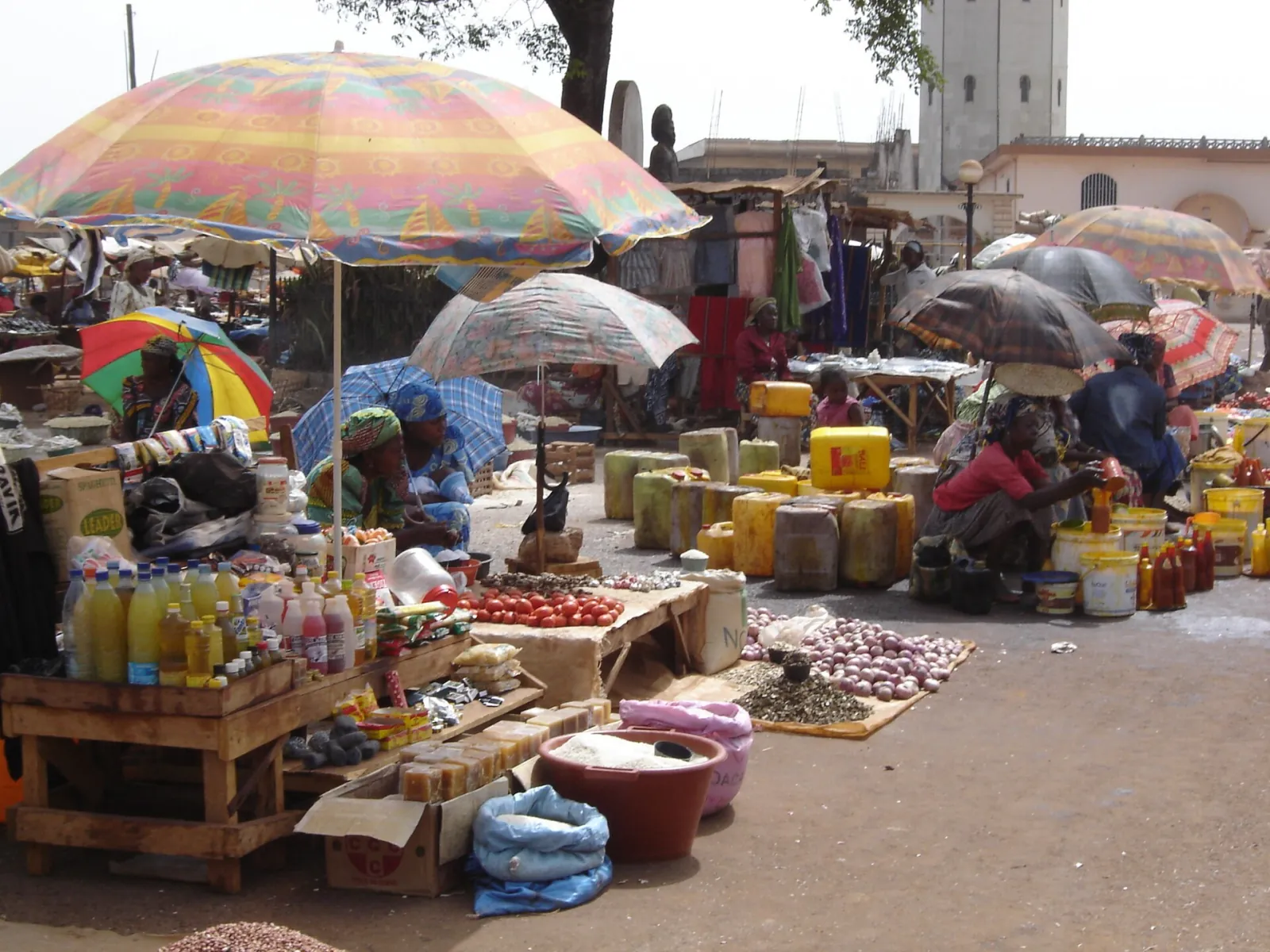
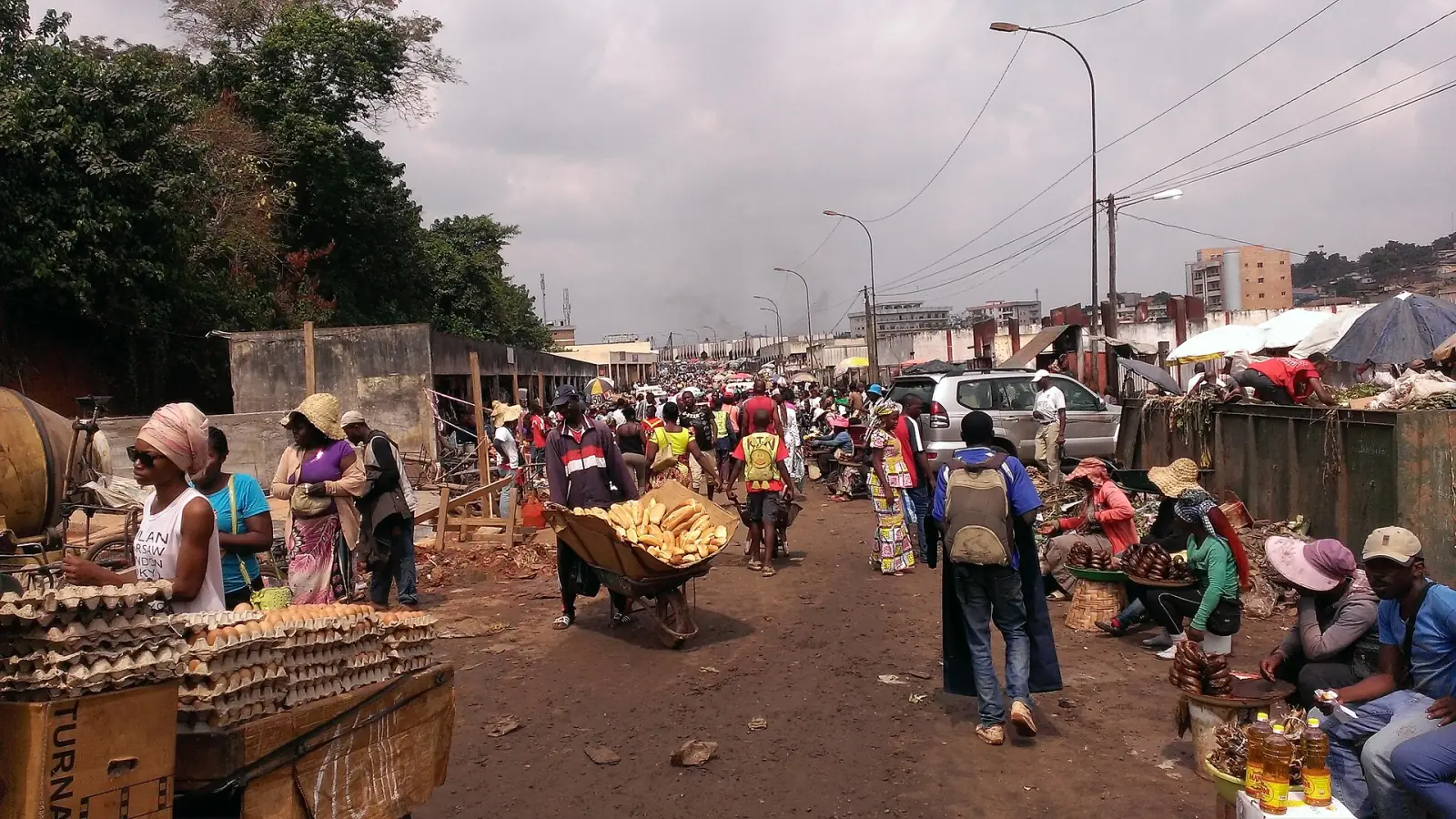
Dirt lane of the Mfoundi market in Yaoundé with vendors, eggs and passers-by

A show, a film, a book, a workshop or a festival requires resources. Funding for culture combines several sources: public grants, the special allocation account for the support of cultural policy, patronage, sponsorship, sales of tickets and products, and crowdfunding. The special account, established by Decree No. 2001/389, is funded in particular by folklore, public domain and private copying royalties.

Law No. 2003/013 of 22 December 2003 encourages patronage and sponsorship by offering tax advantages to companies and individuals. This page explains each source, its conditions, its procedures and how to combine them in a financing plan.

  • A complete overview of funding sources
  • Clear rules on tax deduction and VAT
  • A method for building a credible financing plan
See the overview
Overview

The overview of funding sources

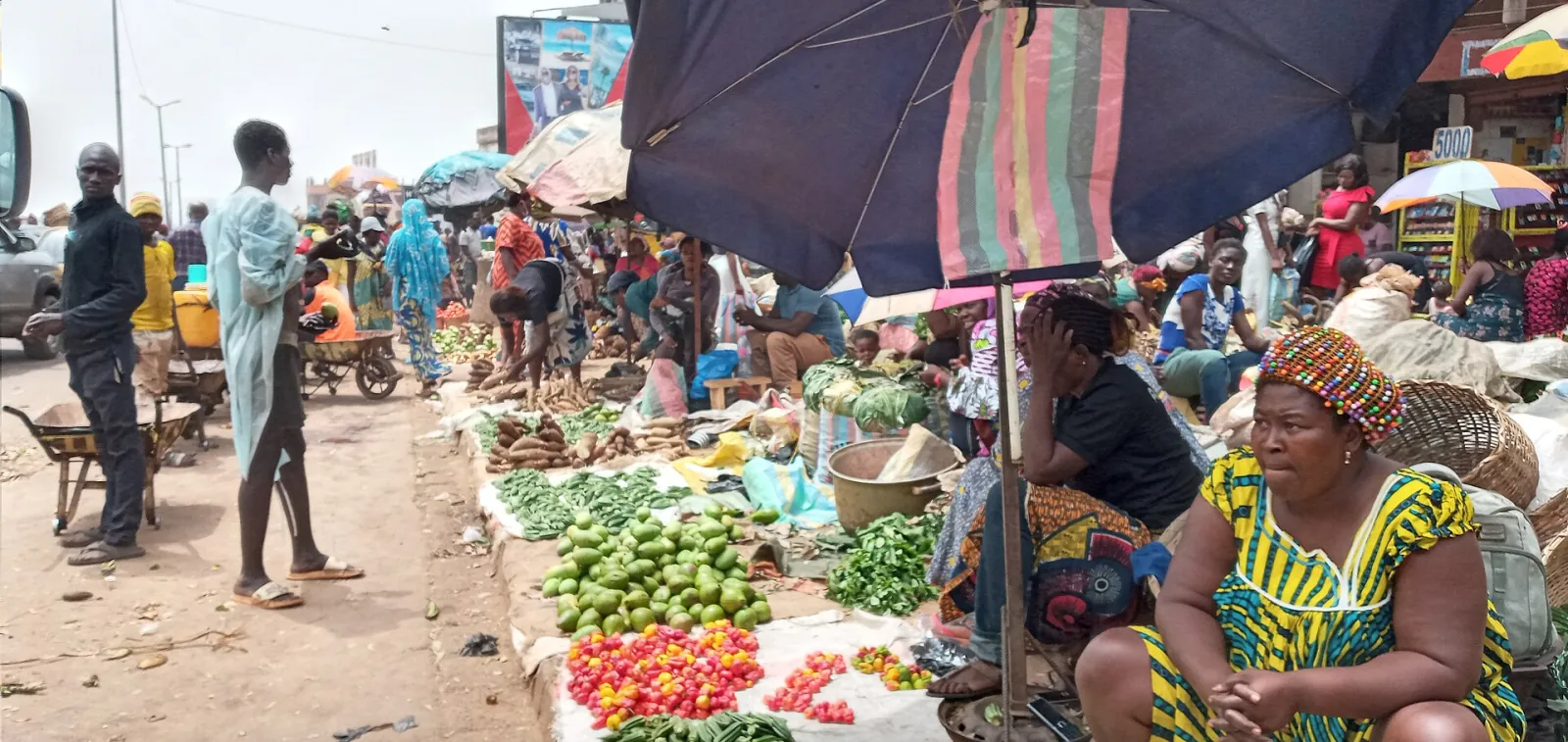
Sugar cane vendor with a handcart on a busy Douala street

No cultural project lives on a single resource. Project leaders combine public funds (operating and project grants, creation support), own resources (ticketing, sales, services, membership fees, hire of spaces), private contributions (patronage, sponsorship, gifts) and, increasingly, public contributions through platforms. To these sources are added international funding obtained through cooperation and the donors presented on the partners page.

The support account

Decree No. 2001/389 established a special allocation account for the support of cultural policy. It is funded by resources linked to culture itself: royalties collected for folklore and the public domain, the private copying levy and other contributions. See the pages public domain and private copying, and the regulatory texts.

Choosing the right source

  • A creation is funded by support, a residency or a co-producer;
  • A festival combines a grant, sponsorship, ticketing and volunteering;
  • A growing structure looks for an equipment grant or a loan;
  • A heritage property to be restored attracts foundation patronage.

Public budget figures are in budget and reports, and sectoral funds in the support funds.

ℹ️
A financing plan

Always present your sources in the form of a table: amounts expected, secured, under discussion. Funders want to see that you do not depend on a single one. Also remember to protect your creations through intellectual property.

Grants

Grants from the Ministry

Entrance to Bafoussam main market with pointed roofs and a yellow taxi

A grant is financial support awarded on application to an association, a company, a festival or a project leader whose work serves the cultural interest. It is not to be confused with public procurement or a gift: it requires a project, a budget, monitoring and a report. The application is submitted online, through the grant application procedure, at the One-Stop Shop.

Building a solid file

  1. A presentation of the project: objectives, audience, schedule, venues;
  2. A balanced budget, distinguishing expenditure and revenue, with co-funding;
  3. The statutes and approval of the association, if it has one;
  4. References: previous activities, press, photographs;
  5. Quotes for the main expenses.

The review

Files are examined by a commission that includes professionals and representatives of the administration. It assesses artistic quality, feasibility, interest for the public, financial balance and local impact. Monitoring is carried out through file tracking. For events, see the section grants for events.

After the decision

The beneficiary uses the funds for the agreed purpose, keeps supporting documents and submits a final report with the financial statement. A failure loses the funder’s trust and may prevent a new application. The support funds and calls for projects complete the scheme; procedure fees are on the rates page.

ℹ️
Common mistakes

An unbalanced budget, missing quotes or an unrealistic schedule are the leading causes of refusal. Have your file reviewed by the regional delegation.

Patronage

Patronage and sponsorship

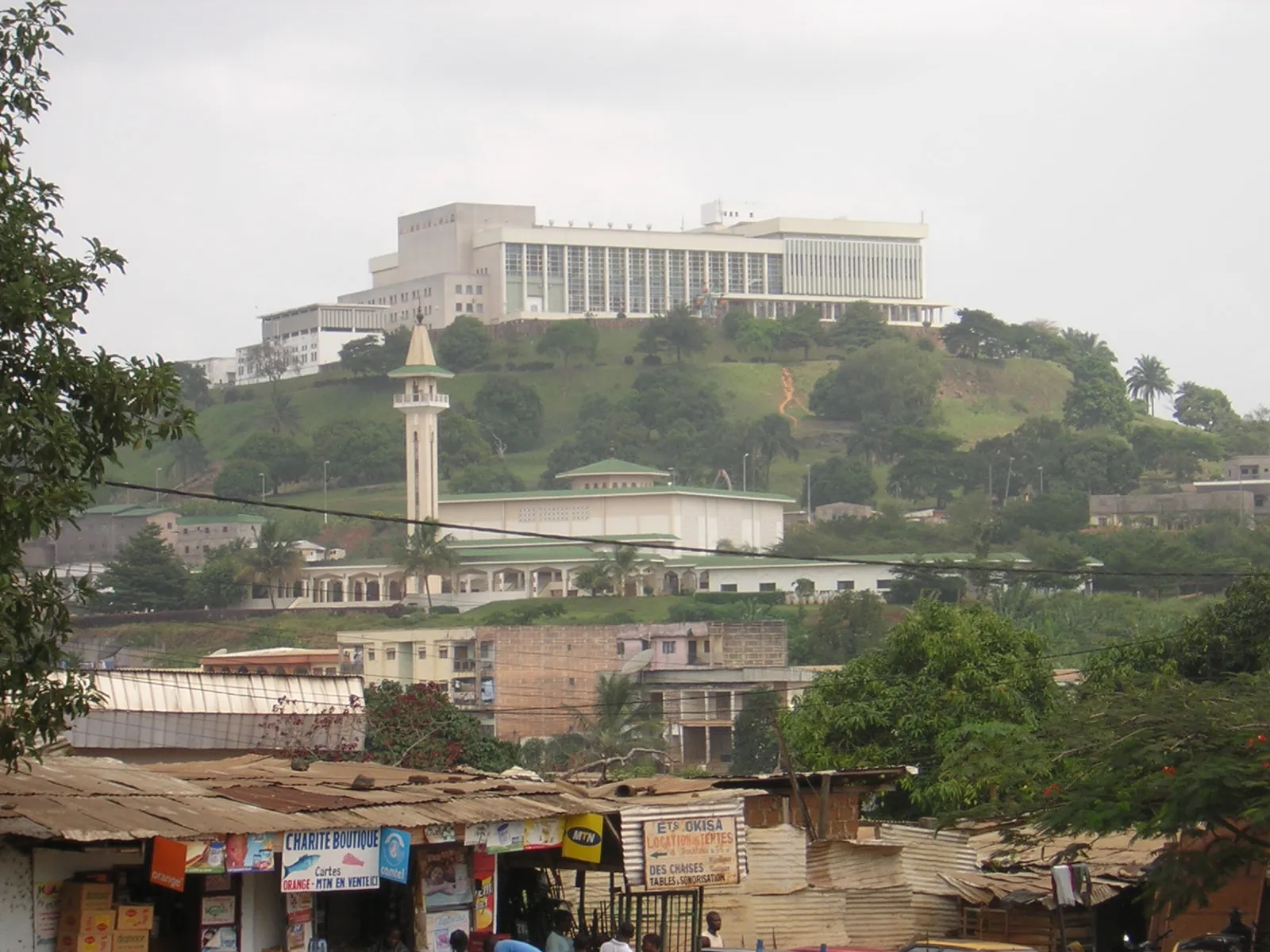
Yaoundé Conference Centre on its hilltop above the city districts

Law No. 2003/013 of 22 December 2003 encourages patronage and sponsorship in support of cultural activities. Patronage is support without a direct counterpart: it may take the form of gifts, acquisitions of works or the creation of a corporate foundation. Sponsorship is support in exchange for visibility, for example the display of a name at a festival.

Tax advantages

  • Patronage expenses are deductible from taxable income under certain conditions: the company must not be loss-making and the beneficiary must be non-profit;
  • Patronage is exempt from VAT;
  • Sponsorship expenses are deductible but subject to VAT.

Consult the text on the legislative texts page before signing an agreement; if in doubt, enquire with the tax services.

The corporate foundation

A company wishing to act over the long term can create a foundation. It is established for a minimum of six years and requires an authorisation; the administration’s silence for two months constitutes authorisation. The foundation funds cultural projects under a multi-year programme.

Building a patronage relationship

A good patronage file presents the project, its social usefulness, its budget, the funding needs, the benefits and the recognition offered to the patron. A written agreement specifies the purpose, amount, schedule and report. Patrons can support the restoration of a property, a residency, a scholarship or a festival, for example in the section conservation and restoration.

ℹ️
Patronage or sponsorship?

If the company expects visibility in exchange, it is sponsorship and VAT applies. If it gives without a direct counterpart, it is patronage. Make this clear in the agreement.

Crowdfunding

Crowdfunding

Rapper on stage with a bass guitarist during a concert at the Institut Français

Crowdfunding makes it possible to gather many small contributions from individuals, through an online platform or a collection organised in the community. It complements other resources and tests public interest in a project: an album, a short film, a book, a neighbourhood festival, the renovation of a workshop.

Three main forms

  • The gift with a symbolic counterpart: show ticket, copy of the book, acknowledgement;
  • The pure gift, without counterpart, close to the spirit of patronage;
  • The pre-order, which funds the production of an already designed product.

Running a successful campaign

  1. Set a realistic target and a transparent budget;
  2. Prepare a short video and a clear text;
  3. First mobilise your close circle, which provides the first contributions;
  4. Communicate regularly on progress;
  5. Keep your promises on counterparts within the deadlines.

Precautions

Choose a reputable platform, check the fees, protect contributors’ data and declare the income in accordance with the applicable regulations. Online fundraising remains an area where information evolves; ask the One-Stop Shop before launching a major campaign. Digital entrepreneurs will also find advice on the digital arts page, and publishing houses in publishing and books.

Financing plan

Building a credible financing plan

Crowded stalls of clothing and accessories in a Cameroonian central market

A financing plan answers three questions: how much do you need, where will the money come from, and when? It starts from the project budget, broken down by item (artistic, technical, communication, administration, contingencies), then places against it each source with its amount and status (secured, requested, envisaged).

A typical case: a neighbourhood festival

A three-day festival in Douala plans a budget with several items: artists’ fees, sound, security, communication, volunteers. It finances the whole with a grant, two local sponsors, ticketing, drinks sales, a donation campaign and in-kind services from the town hall. No source exceeds half of the total, which reduces risk.

Good rules

  • Plan ahead: a grant is applied for several months before the event;
  • Provide a reserve for contingencies;
  • Do not depend on a single funder;
  • Value volunteering and in-kind contributions in the budget;
  • Report to each funder within the deadlines.

The cultural entrepreneurship page develops the notions of cash flow and status, and incubators support the building of the economic model. To organise a complete event, see organising a festival.

Funding chain

From the flow to the work: how money circulates in culture

Women selling under colourful umbrellas at Foumban market near the mosque

Money for culture follows a circuit. Resources levied or collected (folklore, public domain and private copying royalties, budget allocations, ticketing revenue) feed the support account and the budgets of the directorates. They are then distributed in the form of grants, support, public commissions and services. Beneficiaries turn them into artistic work, jobs, works and events.

The roles

  • Collective management societies collect and distribute rights, see collective management societies;
  • The competent directorate reviews files and monitors projects;
  • Regional delegations relay information and advise project leaders;
  • The General Inspectorate audits the use of funds, see general inspectorate.

Transparency

The Ministry publishes its budget and activity reports. Every beneficiary undertakes to account for the use of funds. The sector statistics and the culture observatory make it possible to follow the evolution of resources and jobs.

Step by step

Obtaining funding for your project

Clarify the project

Write the objective, audience, schedule and expected results on one page; this text will serve all funders.

Draw up the budget

Cost all expenses, including contingencies, and list the own revenue the project can generate.

Map the sources

Identify the grants, support funds, patrons, sponsors and platforms that match your discipline and region.

Put the files together

Adapt the file to each funder: same facts, but the angle, amounts and documents requested specific to each.

Sign agreements

Formalise each form of support in writing specifying the purpose, amount, schedule, counterparts and report.

Reporting

Submit the reports and supporting documents within the deadlines; a sound report prepares the next application.

To explore

Funding in the other sections

Words from project leaders

Funding experiences

“
Our company combines a grant, a local sponsor and ticketing; no source weighs more than a third, and we sleep better.
A company director
Yaoundé
“
A telecommunications company funded our residency; the agreement specified everything, from duration to visibility.
A festival manager
Douala
“
Our online donation campaign brought the diaspora together around an album that nobody dared to fund.
A musician
Bafoussam
“
The grant file forced us to cost every item; the management of the association has been put on a sounder footing.
An association treasurer
Garoua
To download

Funding resources

“Patronage is exempt from value added tax.”

Law No. 2003/013 of 22 December 2003 on patronage and sponsorship
Glossary

The words of funding

Patronage

Support without direct counterpart for an activity of cultural interest.

Sponsorship

Support granted in exchange for visibility for the supporter.

Corporate foundation

Legal entity dedicated to patronage, established for a minimum of six years.

Deduction

Reduction of a company’s taxable income in respect of an admitted expense.

Subsidy

Financial support granted on application to a project of cultural interest.

Special appropriation account

Public account whose resources are reserved for a specific purpose.

Private copying

Levy charged on recording media, redistributed to creators.

Public domain

Works whose economic rights have expired, giving rise to a royalty.

Co-funding

Funding of the same project by several sources.

Convention

Written agreement between a funder and a beneficiary setting out the commitments.

Financing plan

Table that sets a project’s budget against its funding sources.

Non-profit beneficiary

Body that does not distribute profits to its members.

To act

Funding procedures

Grant application

Submit your file online with project, budget, statutes and quotes.

Apply for a grant

Calls for projects

Identify the open calls and their deadlines before putting your file together.

See the calls

File tracking

Check the progress of your application with your file number.

Track my file

Association accreditation

Give your structure a recognised status before applying for support.

Approve my statutes
On the site

Continue reading on funding

Resources

Useful links for funding

Stakeholders

Who supports funding?

Key facts

Sources at a glance

SourcePrincipleDistinctive featureProcedure
Support accountPublic fund fed by cultural royaltiesDecree No. 2001/389; folklore, public domain, private copying royaltiesSupport reviewed by the competent directorate
SubsidySupport on application for a project of cultural interestBudget, monitoring and final report mandatoryOnline file at the One-Stop Shop
PatronageGift, acquisition or foundation without direct counterpartDeductible under certain conditions; exempt from VATWritten agreement with the beneficiary
SponsorshipSupport in return for visibilityDeductible expenses but subject to VATSponsorship contract
Corporate foundationLegal entity dedicated to patronageMinimum duration of six years; two months’ silence constitutes authorisationAuthorisation file
CrowdfundingPublic contributions through a platformTests the public, complements other sourcesOnline campaign or local collection
Journey

Funding for culture through time

2001The support account

Decree No. 2001/389 establishes the special allocation account for the support of cultural policy.

2003The patronage law

Law No. 2003/013 of 22 December 2003 encourages patronage and sponsorship through tax advantages.

2010sSectoral funds

Support for creation, cinema, books and mobility becomes structured and opens regular calls.

2020sDigital technology

Collection and mobile payment platforms open new avenues of funding.

TodayA networked plan

NDS30 places the creative industries among the drivers of growth and encourages public-private partnerships.

Questions

Your questions on funding

Is patronage tax-deductible?

Yes, under certain conditions: the company must not be loss-making and the beneficiary must be non-profit. Patronage expenses are then deductible from taxable income and exempt from VAT, under Law No. 2003/013 of 22 December 2003. Check your situation with the tax services.

What is the difference between patronage and sponsorship?

Patronage is support without a direct counterpart: gifts, acquisitions, corporate foundation. Sponsorship is support in return for visibility. Its expenses are deductible but subject to VAT, whereas patronage is exempt from it.

How long does a corporate foundation last?

A foundation is established for a minimum of six years. Its creation requires an authorisation; the administration’s silence for two months constitutes authorisation. A multi-year programme of supported projects generally accompanies the file.

Where can I apply for a grant?

At the One-Stop Shop, through the online grant application procedure. Attach the project, budget, statutes, references and quotes. You receive a file number to track the review in your account.

Where does the money in the support account come from?

The special allocation account, established by Decree No. 2001/389, is funded in particular by folklore, public domain and private copying royalties, as well as other contributions. It funds the support of cultural policy.

Can a crowdfunding campaign be launched?

Yes, for a clearly defined cultural project. Choose a reputable platform, set a realistic target, keep your promises on counterparts and comply with the applicable regulations. For a major campaign, first enquire with the One-Stop Shop.

Can an association receive patronage?

Yes, if it is non-profit. It must have statutes and, preferably, an approval. A written agreement specifies the use of funds, the duration, the recognition given to the patron and the report submitted at the end of the project.

What should I do if my grant application is refused?

Ask for the reasons, correct the file (budget, schedule, references) and resubmit it at the next call. In the meantime, look for other sources: support funds, patronage, sponsorship, crowdfunding. The regional delegation can review your new version.

Contact

Write to the Ministry: Funding for culture

Describe your activity or your project.

Competent directorate

Contact the funding team

Address

Directorate of Shows and Creative Industries
Ministry of Arts and Culture
Quartier du Lac – Ministerial Zone
P.O. Box 1053 Yaoundé, Centre Region, Cameroon

Reach us

+237 6 51 70 58 41

contact@minac.gov.cm

Opening hours

Monday to Friday, 8 am to 4 pm

An idea to fund?

Submit your grant application online and track it with your file number.

Apply for a grant
WhatsApp