Coat of arms of CameroonMinistry of Arts
and Culture
Republic of Cameroon
My procedures
Home
Minister’s message
News
Press releases
Cultural calendar
Official speeches
Press review
Photo library
Video library
Calls for projects
Job vacancies
Public procurement
Newsletter
Frequently asked questions
Site map
Contact
Press area
Podcast “The Voice of Culture”
Legal notices
Privacy policy
Cookies and trackers
The Ministry
Missions and responsibilities
Organisation
Organisation chart
Minister’s Office (Cabinet)
Management team
General Secretariat
General Inspectorate
Central directorates
Regional Delegations
Institutions under supervision
Legislative texts
Regulatory texts
Sector strategy
Major projects
Budget and reports
Partners
Careers
Archives
Institutional communication
Quality and accessibility
Arts
Visual and plastic arts
Visual arts
Performing arts
Theatre
Dance
Music
Literature and books
Cinema and audiovisual
Photography
Fashion and design
Digital arts
Art crafts
Artists’ directory
Residencies
Prizes and awards
Arts education
Urban arts
Heritage
Tangible heritage
Intangible heritage
UNESCO sites
National museums
Listed monuments
National inventory
Palaces and chiefdoms
Archaeology
Linguistic heritage
Oral traditions
Traditional know-how
Restitution of cultural property
Fight against illicit trafficking
Listing and protection
Conservation and restoration
Heritage Days
Cultural landscapes
Industries
Music and recording
Cinema
Publishing and books
Digital arts
Fashion and creativity
Crafts
Cultural tourism
Funding for culture
Support funds
Incubators
Cultural entrepreneurship
Culture Observatory
Vocational training
Studies and reports
Sector statistics
Export and outreach
Intellectual property
Copyright
Legal framework
Copyright and neighbouring rights
Collective management societies
Register a work
Licences
Private copying
Fight against piracy
Model contracts
Social status of artists
Mediation
Disputes
Training
Fee scales
Register of works
Contact
Digital neighbouring rights
Public domain
Festivals
National calendar
Ngondo
Nguon
Écrans Noirs
Heritage Days
Music Day
Regional festivals
Fairs and exhibitions
Biennials
National competitions
Cultural days
Organise a festival
Event grants
Ticketing
Archives
Volunteering
Diaspora festivals
Regions
Adamawa
Centre
East
Far North
Littoral
North
North-West
West
South
South-West
Cultural map
Regional Delegations
Traditional chiefdoms
National languages
Cultural routes
Decentralised cooperation
Regional observatory
Cooperation
UNESCO
Francophonie (OIF)
African Union
Commonwealth
CEMAC
Bilateral cooperation
Cultural agreements
Professional organisations
Scholarships
Artist exchanges
Cultural years
Diaspora
Funded projects
Embassies
Technical partners
International restitution
International monitoring and calls
Services
Artist card
Show authorisation
Filming authorisation
Festival authorisation
Deposit of a work
Export of works of art
Listing of a property
Grant application
Association accreditation
File tracking
Forms
Fees
Opening hours and addresses
Reporting
Online help
My account
One-Stop Shop
Regions

North-West

The North-West Region, with Bamenda as its regional capital, forms the heart of the Grassfields and its fondoms. Discover its Regional Delegation, palaces and museums, festivals, languages and know-how.

Updated on 6 November 20264 sub-pages
Regional capitalBamenda
Divisions7
Cultural ensembleGrassfields
Regional Delegation1
North-West Region

Bamenda and the Grassfields

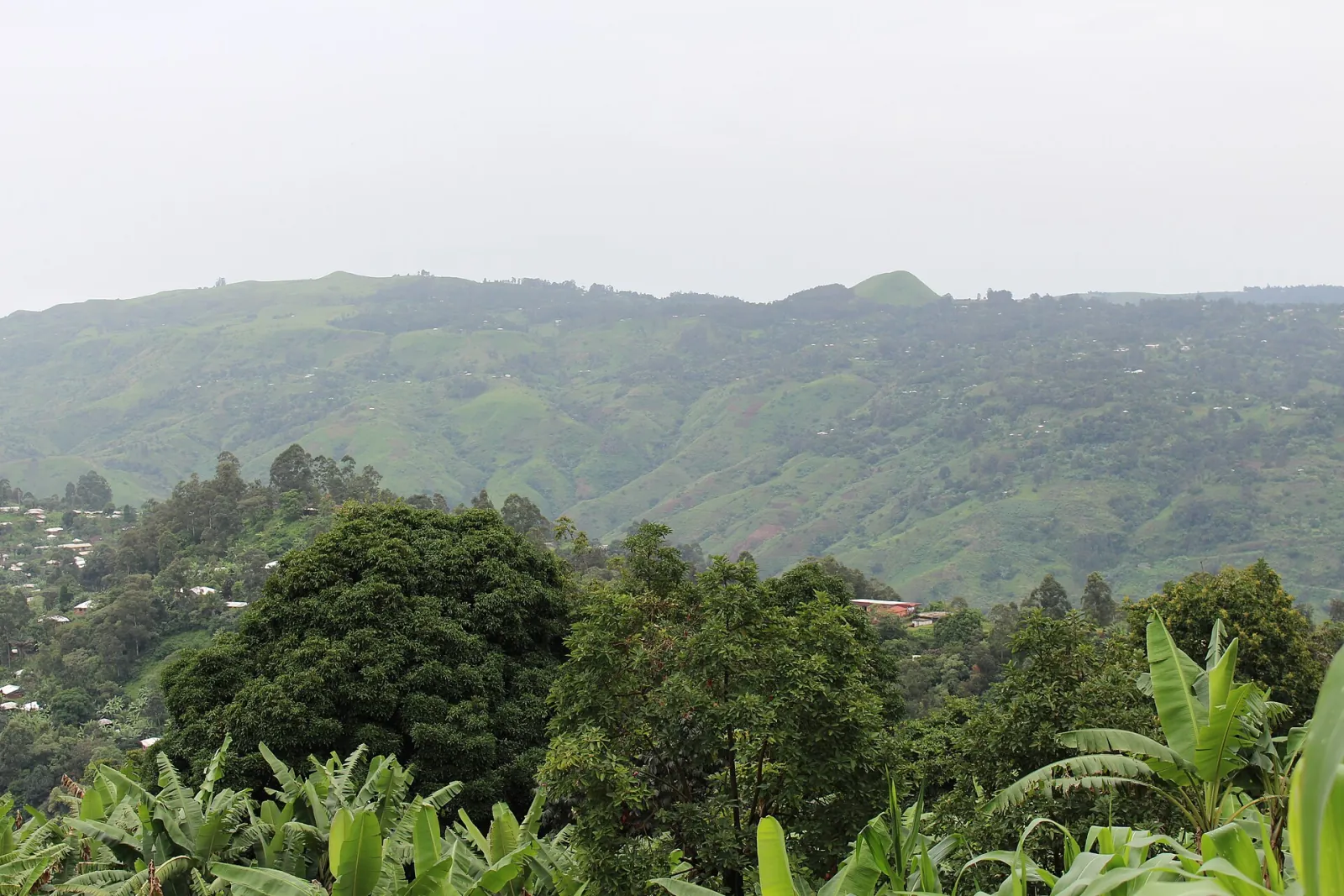
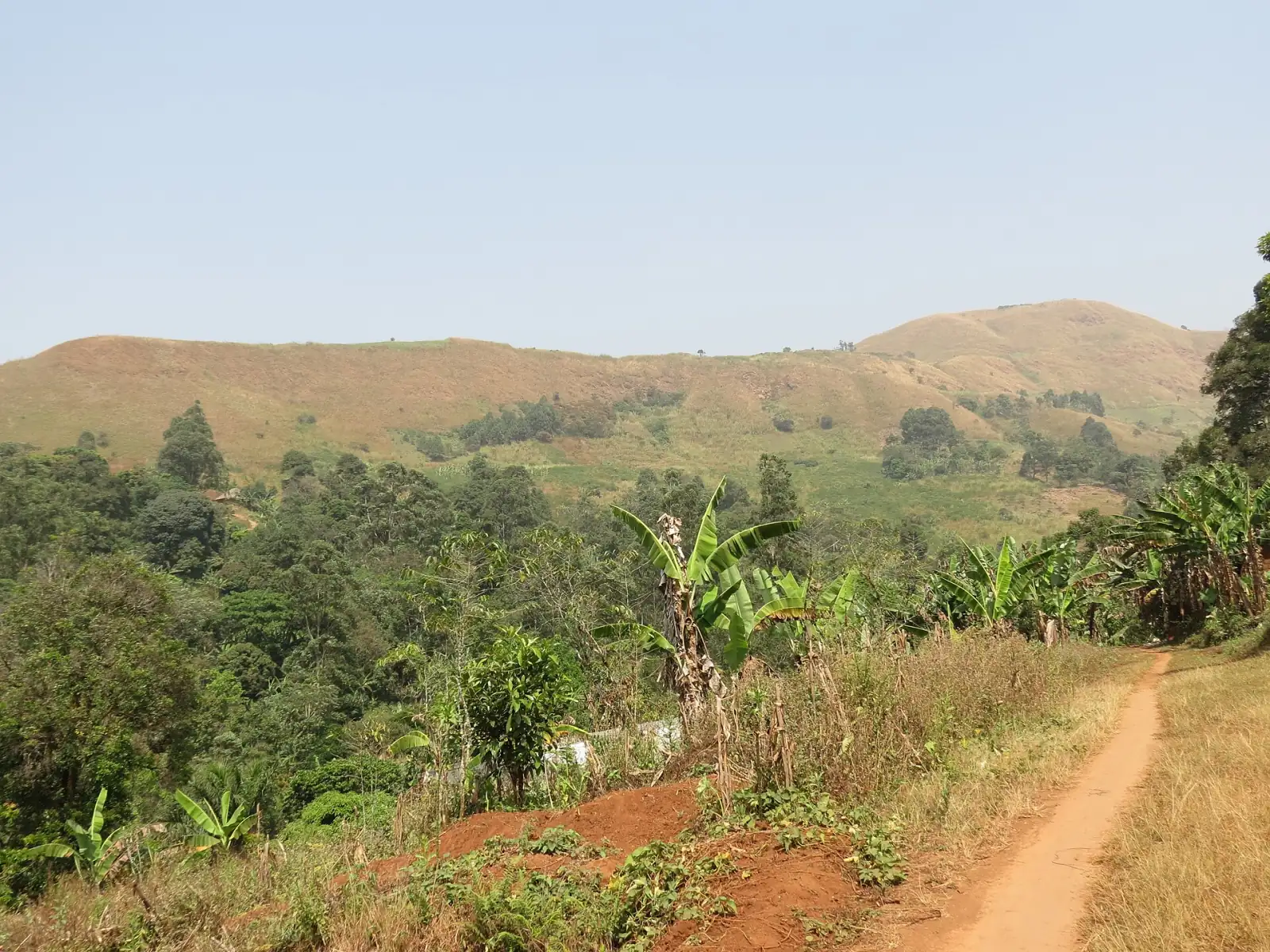
Green hills of the Boyo range near Bamenda

A region of high plateaus and green hills, the North-West has Bamenda as its regional capital. It is the heart of the Grassfields, a group of kingdoms and chiefdoms known as fondoms, whose palaces, societies of notables, masks and dances form one of the densest heritages in Central Africa. An English-speaking region, it shares with the South-West a distinctive administrative, educational and linguistic heritage.

Placed under the responsibility of a Regional Delegation of Arts and Culture, the region relies on the fons, associations of natives and creators to keep its traditions alive. This page presents the delegation, the sites and museums, the festivals and languages, with the procedures useful to artists and organisers.

  • A Regional Delegation in Bamenda to support projects
  • Fons’ palaces, chiefdom museums and plateau landscapes
  • Fondom festivals, masks, dances and embroidered fabrics
Discover the delegation
Delegation

The North-West Regional Delegation, in Bamenda

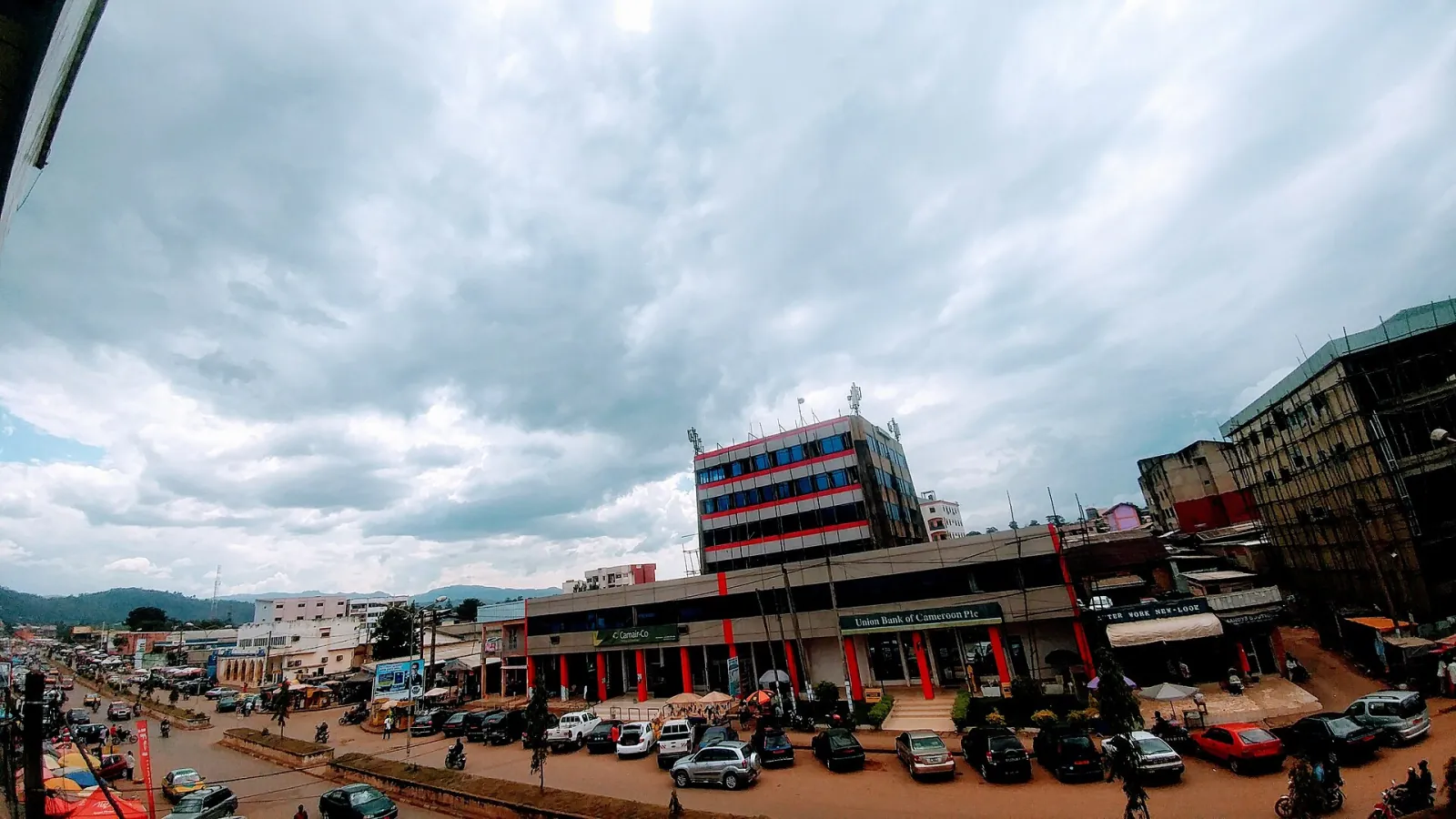
Commercial Avenue in Bamenda with its bank building and parked cars

The Regional Delegation of Arts and Culture for the North-West is the Ministry’s decentralised service in the region. Based in Bamenda, it represents the Ministry before the governor, the prefects, the mayors and the fons, and supports creators from seven divisions and a great many villages scattered across the hills.

Bilingual and remote operation

In a region where travel can be difficult at certain times, the delegation encourages online submission and telephone contact. Documents and forms are available in French and English, and staff reply in both languages. Project holders can also go through local correspondents and the heads of associations of natives.

The official contact details are given in the Regional Delegations page; the Ministry switchboard (+237 6 51 70 58 41) will also direct you to the relevant service.

ℹ️
Online deposit

The One-Stop Shop makes it possible to submit a file from any village; file tracking shows its progress.

Sites and museums

Sites and museums of the North-West, from palaces to crater lakes

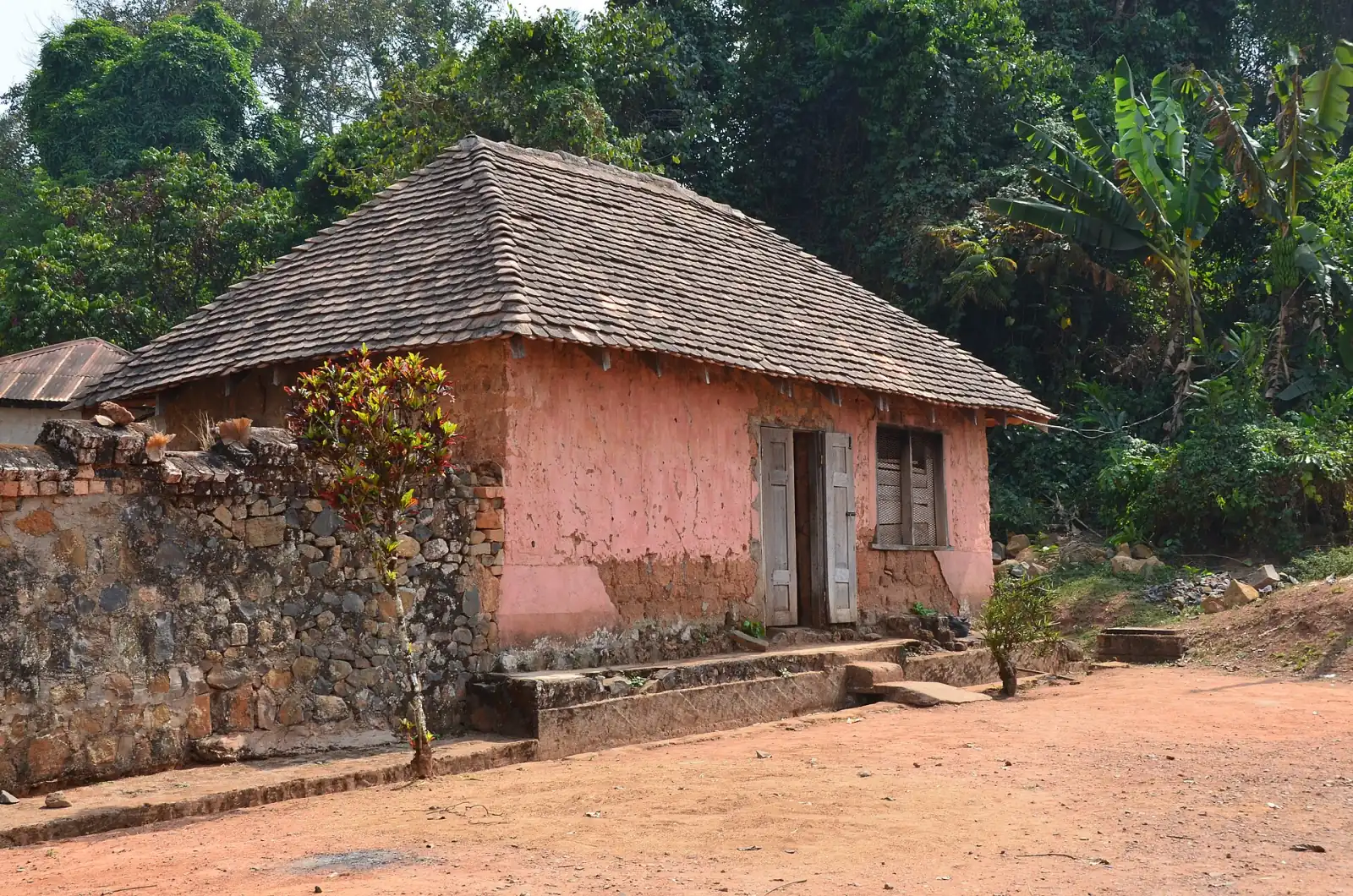
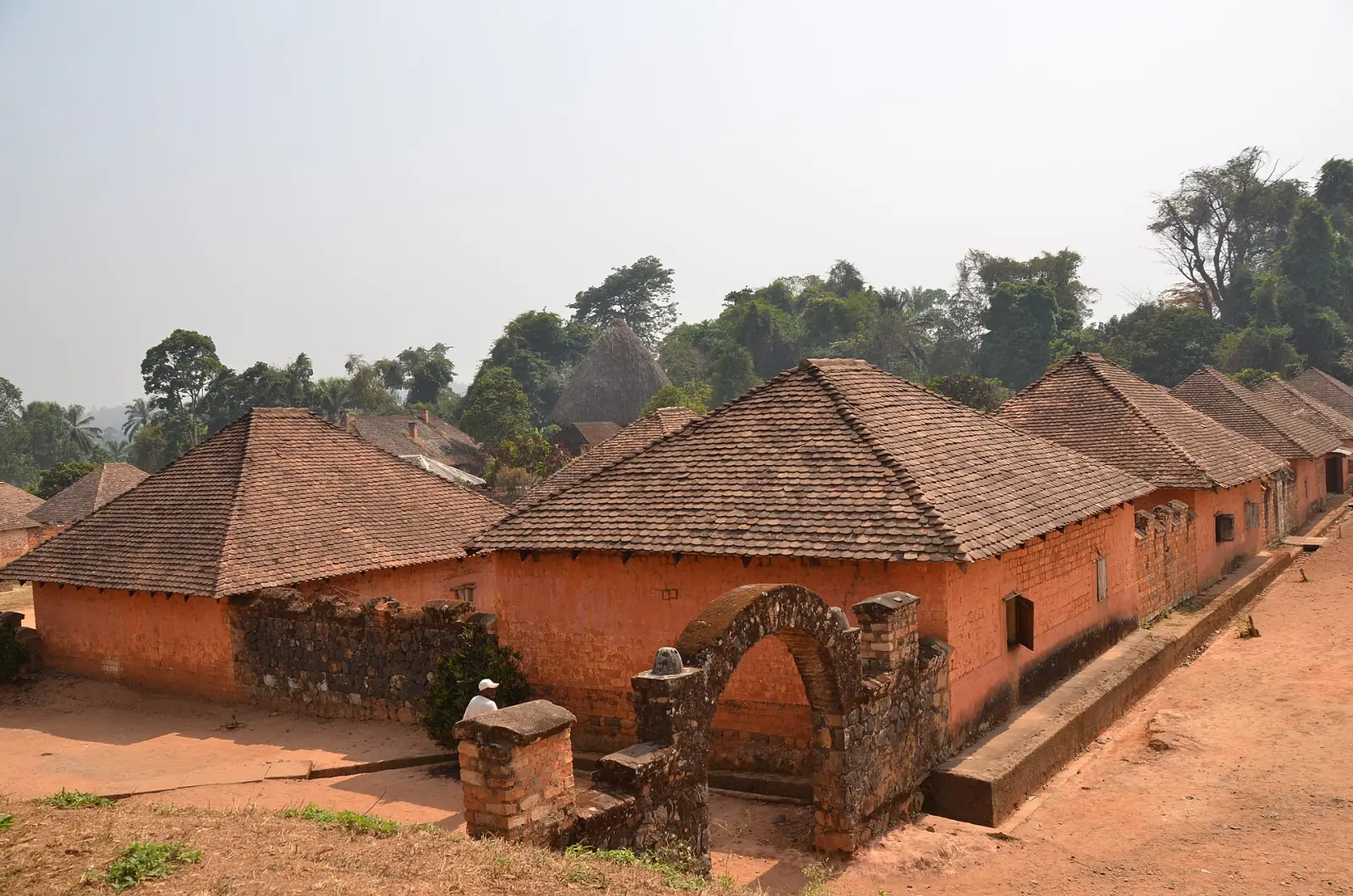
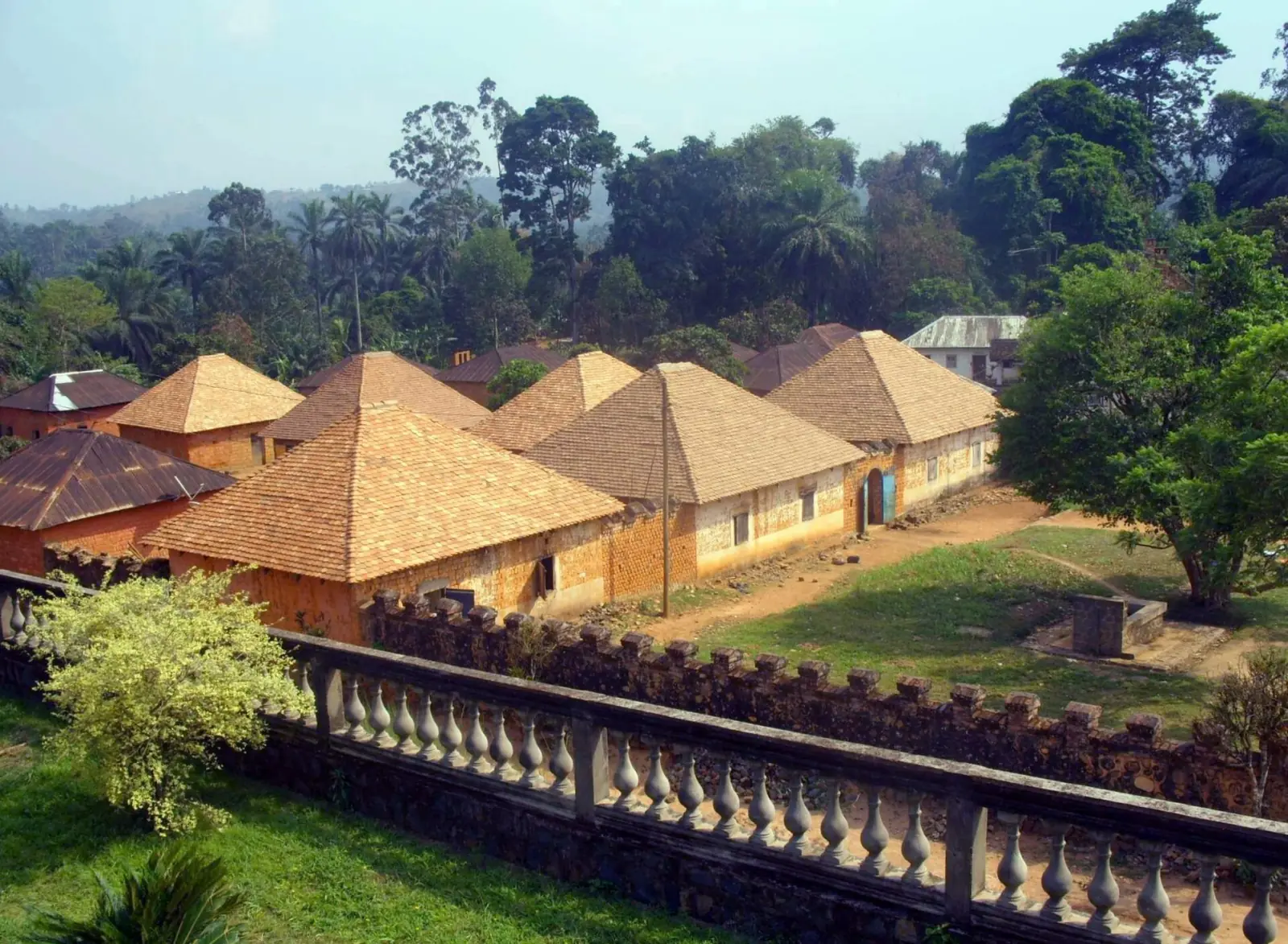
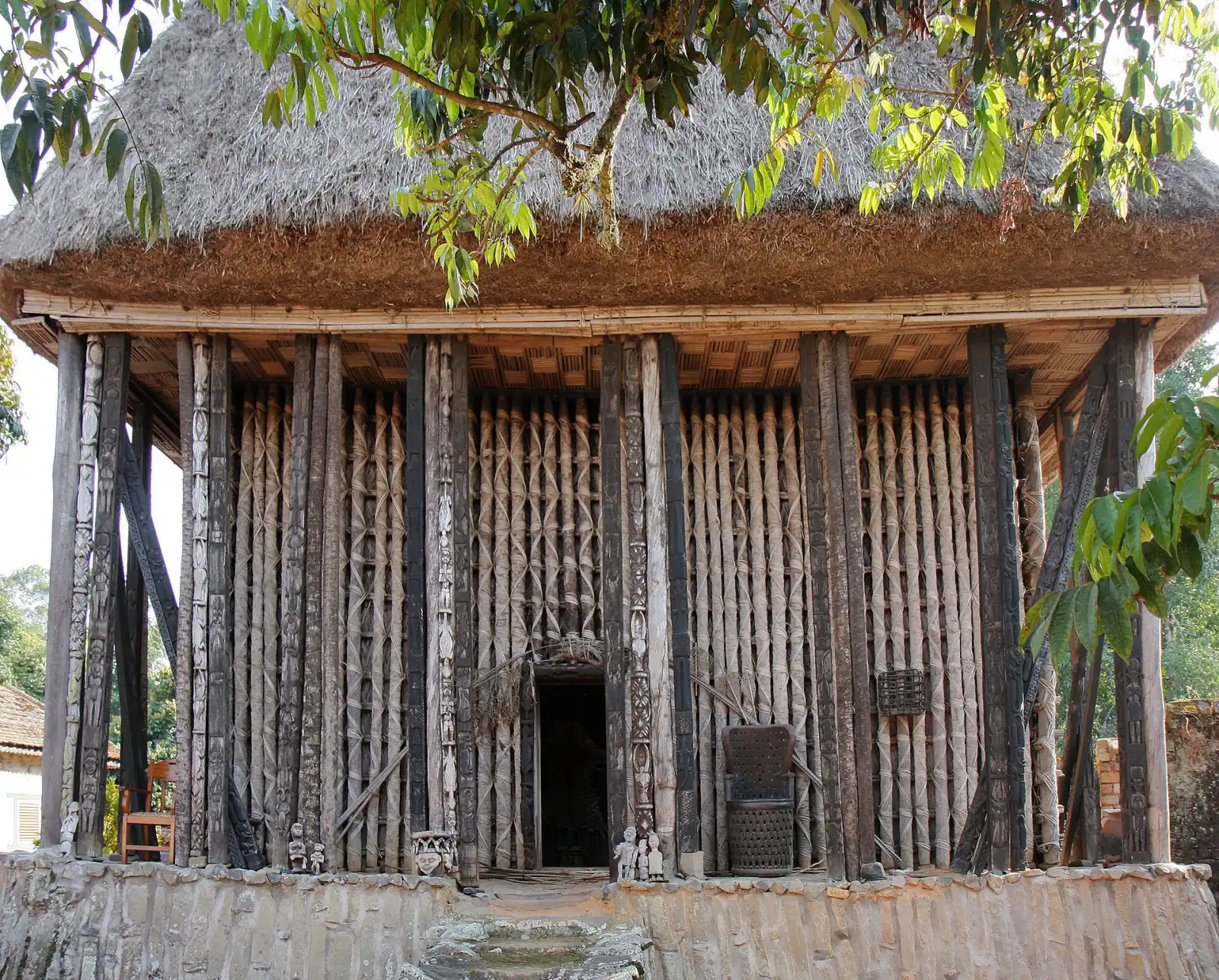
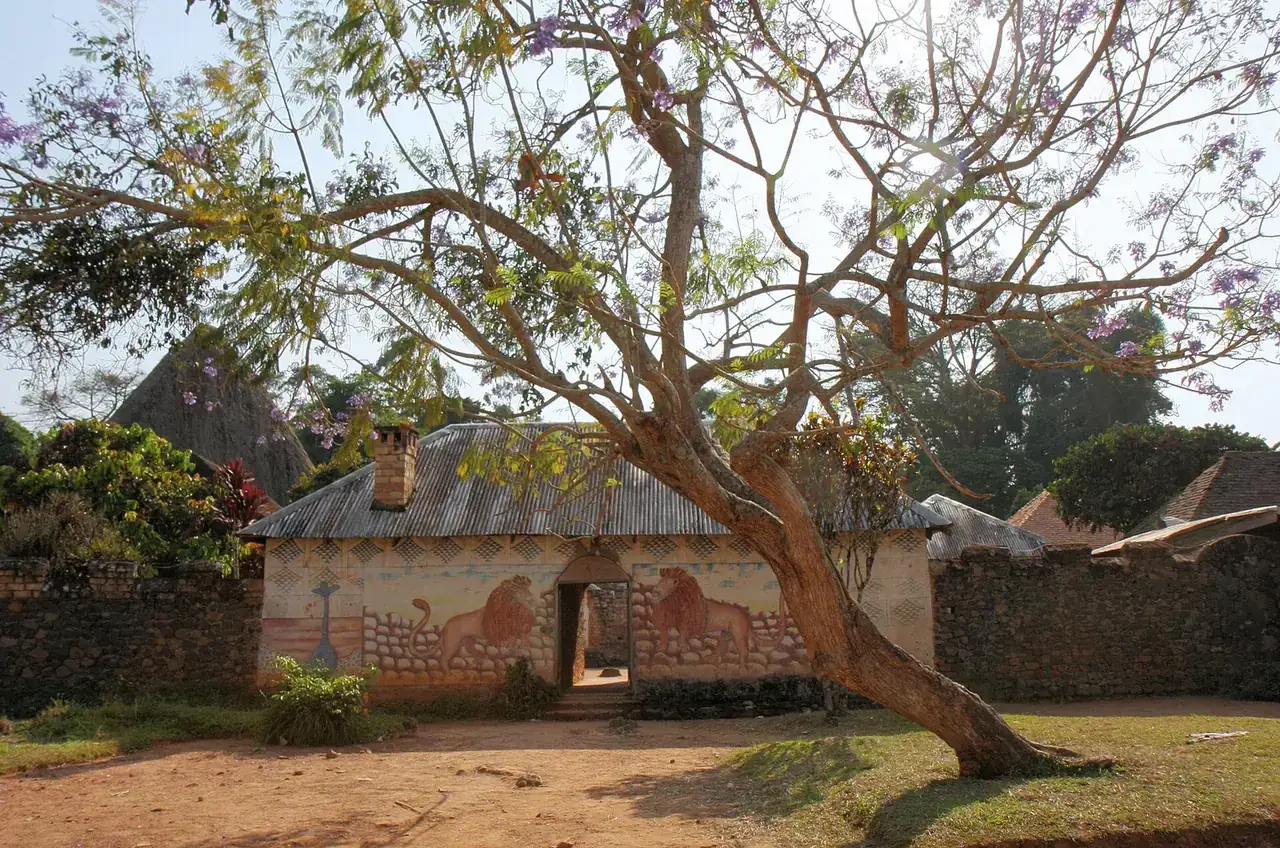
Pink-walled tiled-roof house within the Bafut palace compound

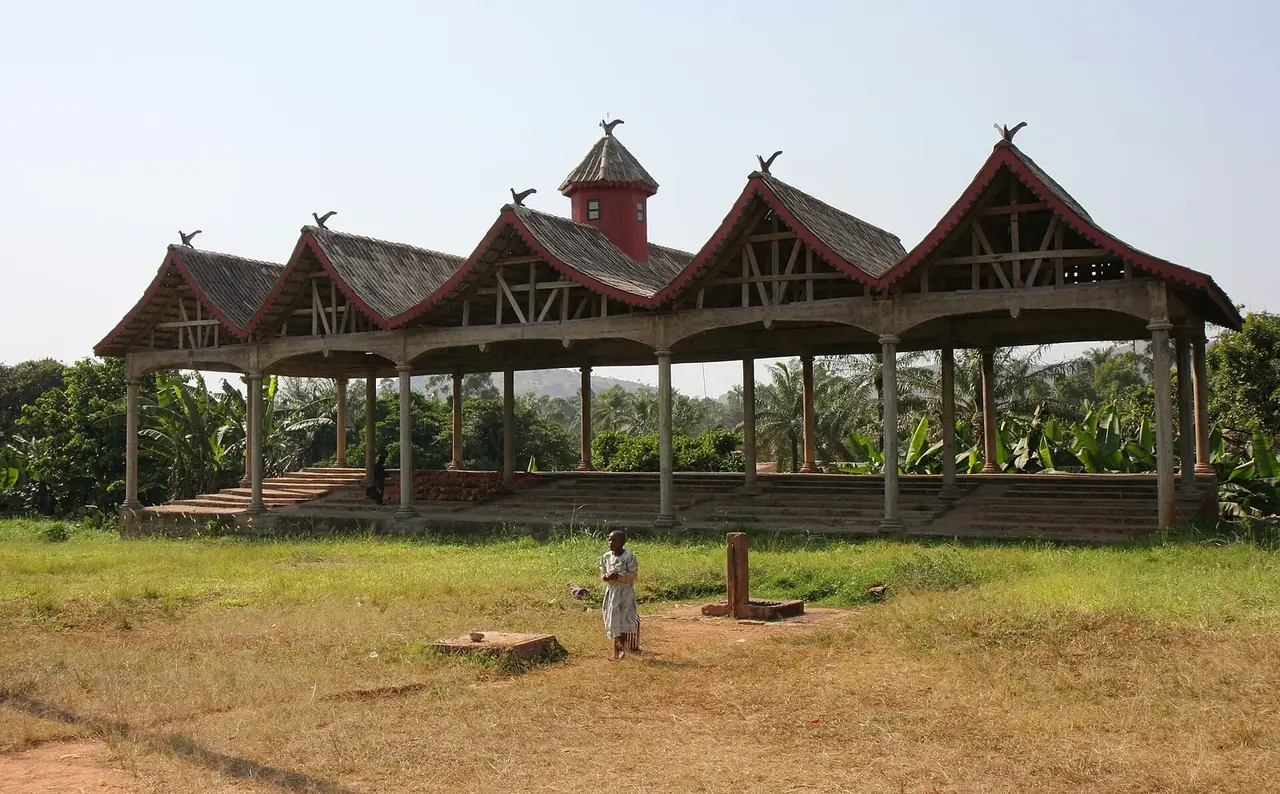
The North-West has an exceptional concentration of palaces and chiefdom museums. The fondoms of Bafut, Kom, Nso, Bali Nyonga, Mankon and many others have preserved their architecture of wood, raffia bamboo and thatch, their carved gateways, their shrines and their collections of masks, thrones, beads and court objects. These complexes are described in the palaces and chiefdoms section.

A few landmarks

  • The Bafut palace, with its reception halls, notables’ huts and collections;
  • The chiefdom museums of the region, in Kom, Nso (Kumbo) and Mankon, which preserve statues and ceremonial objects;
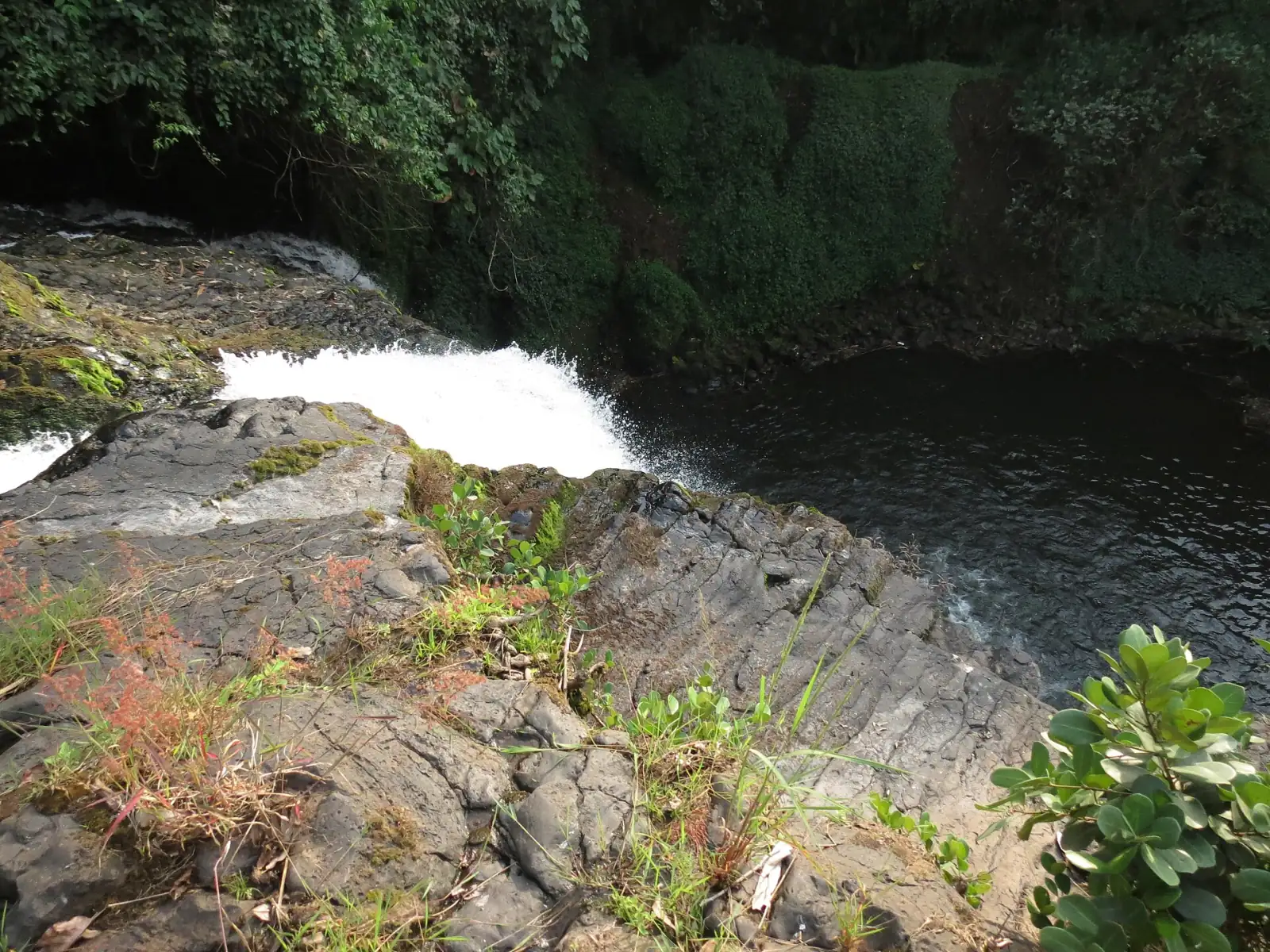
  • The montane forests of Oku, the crater lakes and the high plateaus around Ndop, Oku and Wum, landscapes of hiking and legend;
  • The craft markets of Bamenda and the weaving and pottery workshops of neighbouring villages.

Living museums

In most fondoms, the museum is housed in or near the palace: it preserves objects that are still used during ceremonies. Visitors are received according to a precise protocol (greetings, taboos, supervised photography). The national museums, listed monuments and cultural landscapes complete the discovery, and the cultural routes offer circuits between the fondoms.

ℹ️
Protocol

Palace visits are arranged with the agreement of the fon or his representative; the delegation can help make contact.

Festivals

Festivals of the North-West: fondom celebrations, masks and harvests

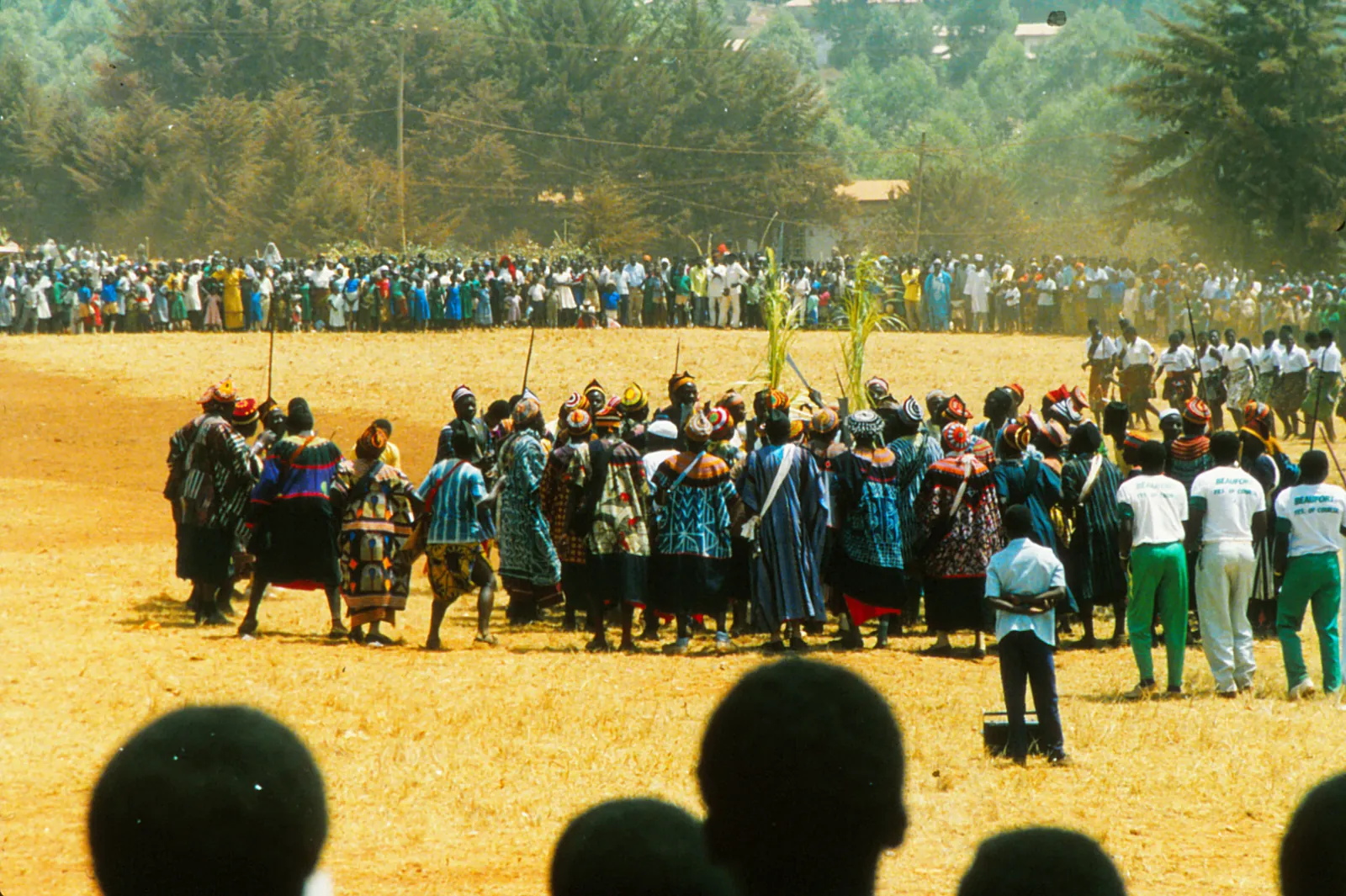
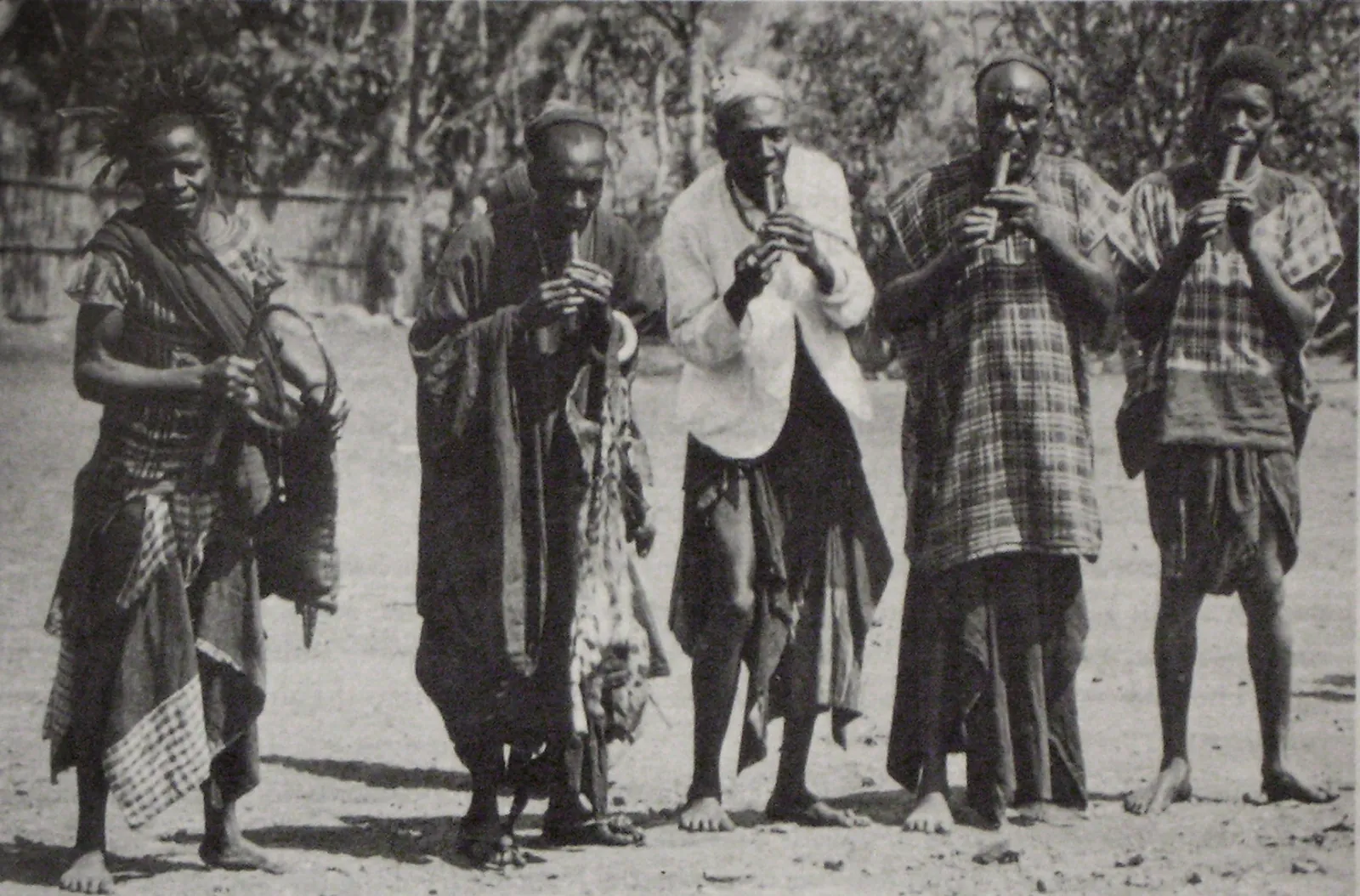
Traditional dance before a large crowd at a national celebration in Nkambe around 1990

The festive calendar of the North-West follows the seasons and the court ceremonies. Each fondom has its major festivals, often annual, which bring together the village’s natives from across the country and the diaspora. Court dances, masquerades, society songs and processions of notables in embroidered dress are the highlights.

Emblematic festivals

  • The Lela festival of Bali Nyonga, which celebrates the history and unity of the Chamba people settled in Bali;
  • End-of-harvest-season festivals, with society dances and masquerades;
  • Enthronement and funeral ceremonies for notables, open to the community according to custom;
  • Craft fairs and cultural days in schools and universities in Bamenda.

Keeping the calendar alive

Festival committees can have their event listed in the national calendar and in the regional festivals. The cultural days page lists school initiatives, and the diaspora festivals section concerns the annual homecomings of natives.

Organisers submit a festival permit application and follow the Organising a festival guide. In the current context, the delegation recommends taking local security and traffic conditions into account from the preparation stage, and providing fallback solutions in case of access difficulties.

ℹ️
Advice

Involve the traditional authorities, young people, women and associations of natives from the outset: this is the key to a successful festival.

Languages

Languages of the North-West: Lamnso, Bafut, Kom and Pidgin

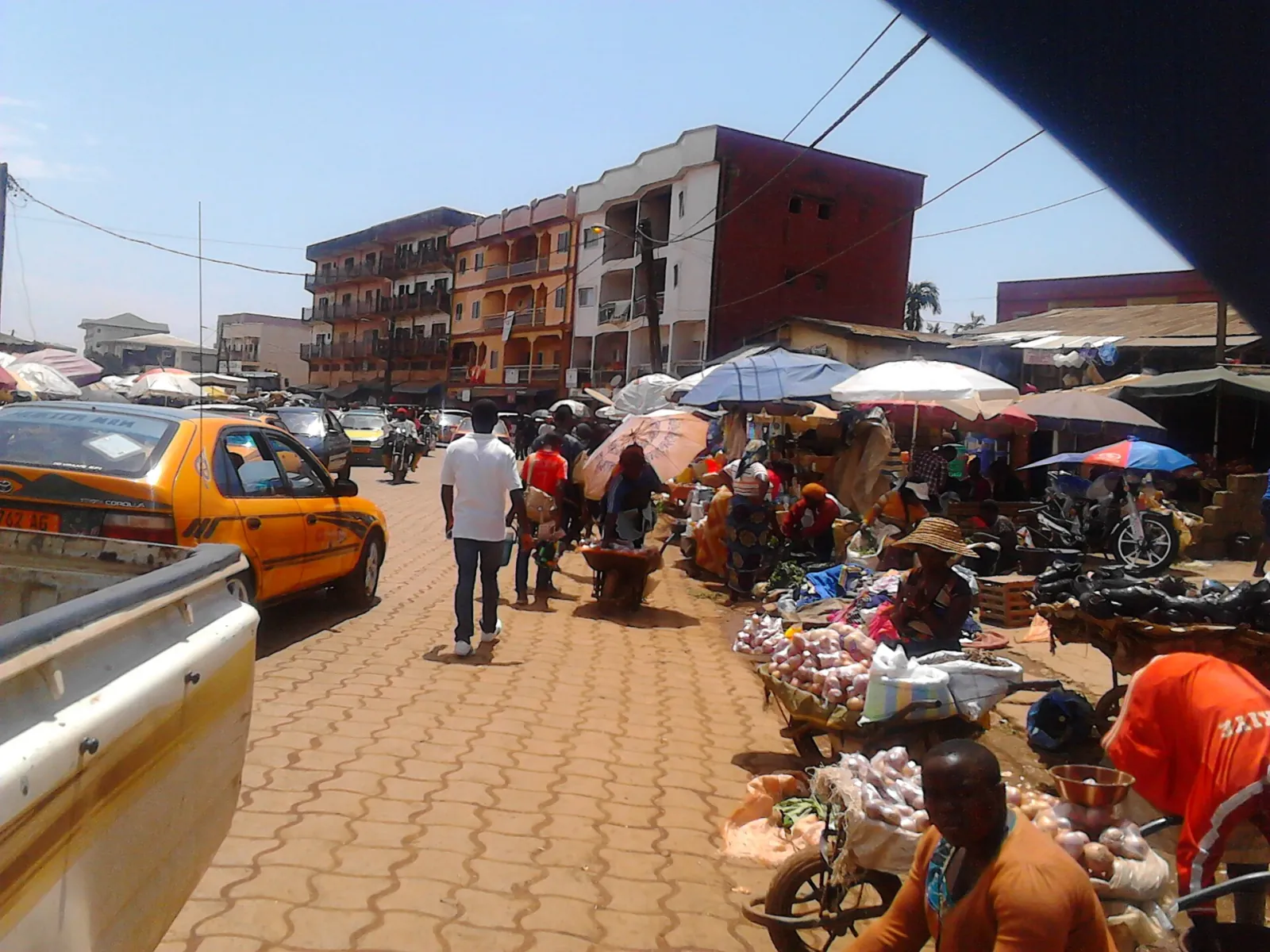
Paved street in Bamenda with market stalls, a taxi and apartment blocks

The North-West is one of the richest regions in Cameroon in terms of languages. Several dozen languages are spoken there in a modest territory, often from one valley to the next: Lamnso (Nso), Bafut, Kom, Mungaka (Bali), Mankon, Oku, Ngie and many others, often attached to the Grassfields language group. Each has a rich vocabulary for the court, agriculture, dance and public speech.

English, Pidgin and local languages

English is the language of administration and school, a legacy of the region’s English-speaking history. Cameroon Pidgin English, the language of the market, radio and music, serves as a common language between speakers of diverse origins. Most residents switch from one language to another during the day.

Writing, teaching, recording

  • Writing and reading programmes in several Grassfields languages;
  • Collections of proverbs, court genealogies and society songs;
  • Radio programmes in local languages and in Pidgin;
  • Compilation of dictionaries and primers by language committees.

This work forms part of National languages, linguistic heritage and oral traditions. Authors of books in local languages can declare their works.

ℹ️
Take part

A language committee, a teacher or a radio station can propose a workshop or a programme to the delegation, which includes it in its programme.

Know-how

Masks, beads and embroidered fabrics of the Grassfields

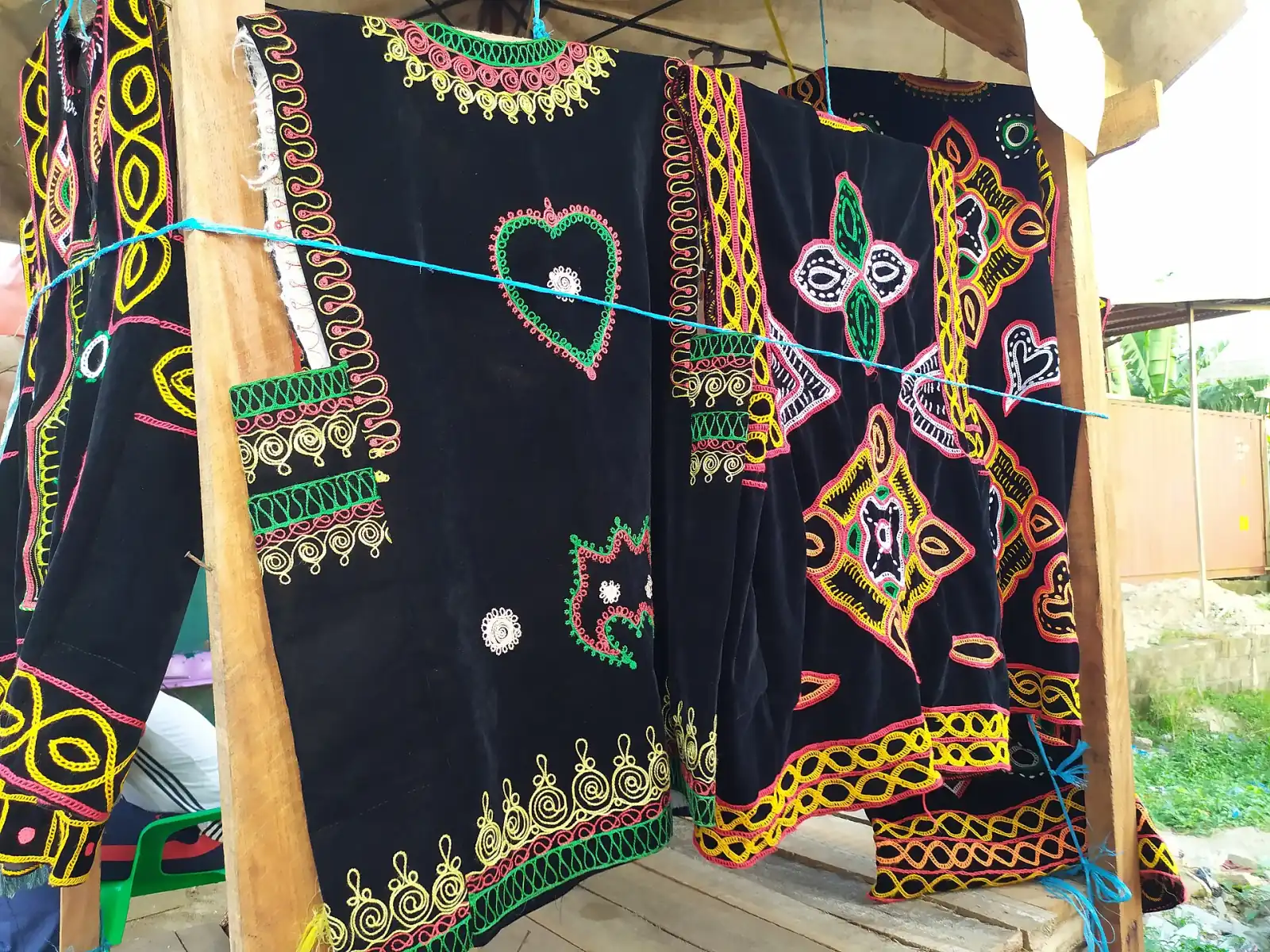
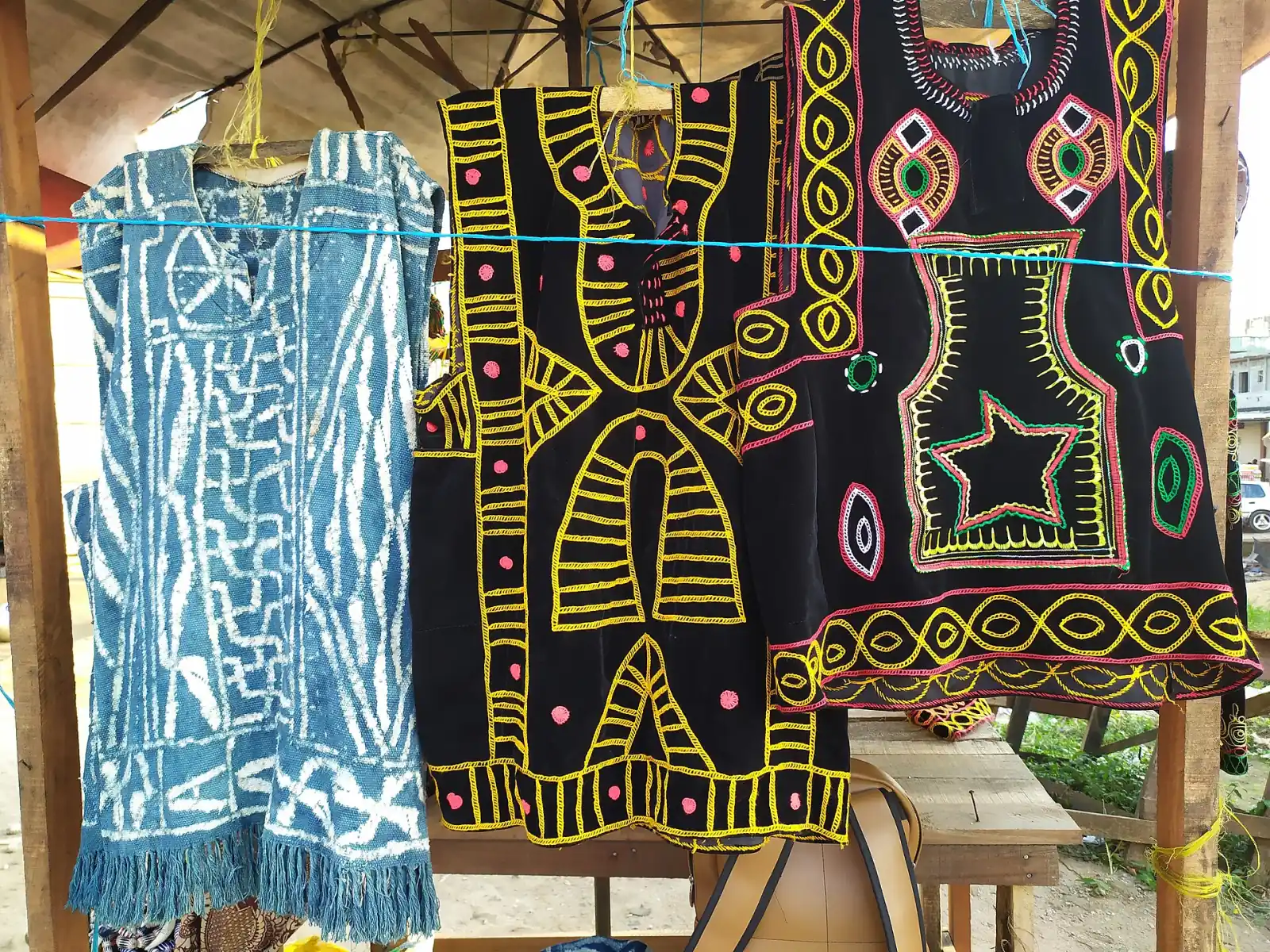
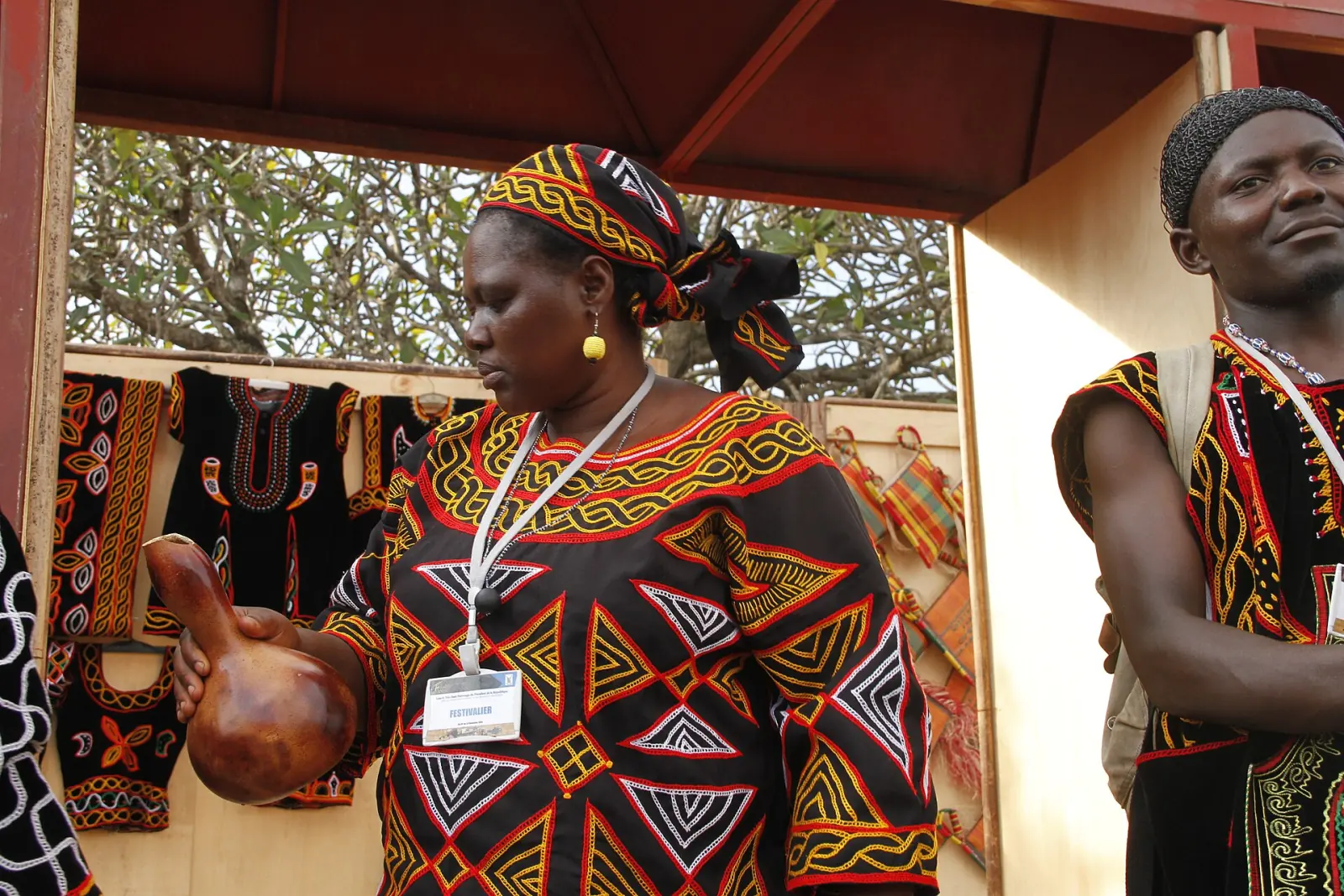
Black velvet toghu outfits embroidered with colourful patterns hanging at a stall

The Grassfields are famous for their court arts: carved thrones, ancestor statues, masks worn during ceremonies, decorated pipes, glass beads assembled into adornments. Embroidered cloth, known as toghu, and indigo-dyed cloth called ndop, have become symbols of fondom identity. Beaded calabashes and decorated pottery complete the set.

This know-how is passed down in families and workshops. Craftspeople can join the artists’ directory, request support through the support funds and present their creations in the art crafts section. Contemporary fashion draws inspiration from it on the fashion and design page.

Table

Food and music of the North-West

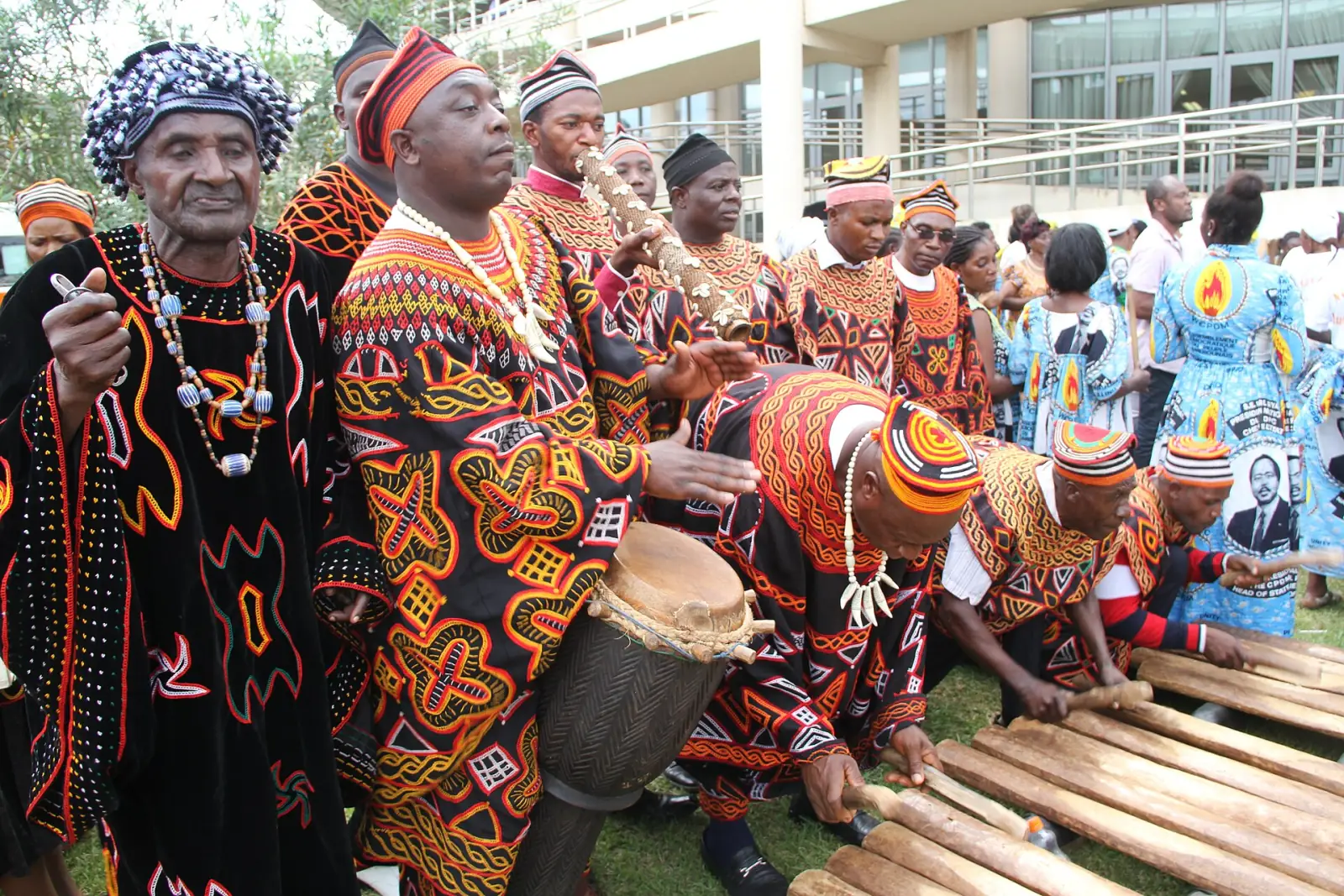
Traditional ensemble in colourful costumes around a xylophone and drums in front of an audience

The North-West table is made of taro, maize and vegetables. The best-known festive dish is achu, a taro paste served with a yellow sauce made with palm oil and spices; to it are added kati-kati (grilled chicken), maize fufu with green vegetables (njama njama), palm wine and maize beer, which accompany ceremonies. Meals are shared according to a respected order of precedence.

Music is inseparable from the court: drums, xylophones, bells, horns and society songs set the rhythm of festivals. Young artists in Bamenda blend these sounds with hip-hop, gospel and afrobeat. Musicians will find guidance on the Music page and from the collective management societies.

Step by step

Organising a fondom festival in the North-West

Bring the committee together

Form a committee with the palace, associations of natives, young people and women, and define the programme and budget.

Obtain the fon’s agreement

Present the project to the fon or his representative; his agreement determines the rites, the place of the masks and access to the shrines.

Inform the delegation

Contact the Bamenda delegation, which advises on procedures, security and listing in the regional calendar.

Submit the file

Submit the permit application online or through the delegation, several weeks before the date, in French or English.

Prepare the welcome

Plan accommodation, transport from Bamenda, security, first aid and the reception of the diaspora.

Archive the festival

Take photographs, film with the agreement of the custodians and send a report to enrich the regional archives.

Key facts

The North-West at a glance

Key factDetailCultural interestWhere to learn more
Regional capitalBamenda, a plateau and market cityCrossroads of the fondoms, music, crafts/regions/delegations-regionales
Cultural ensembleGrassfields, kingdoms and chiefdoms (fondoms)Palaces, societies, masks, thrones/regions/chefferies-traditionnelles
Well-known fondomsBafut, Kom, Nso, Bali Nyonga, Mankon, OkuChiefdom museums, annual festivals/patrimoine/palais-et-chefferies
LanguagesLamnso, Bafut, Kom, Mungaka, Mankon, PidginTales, genealogies, proverbs/regions/langues-nationales
Know-howToghu, ndop, beads, masks, potteryWorkshops, markets, contemporary fashion/arts/artisanat-dart
CuisineAchu, yellow sauce, kati-kati, njama njamaCourt meals, food tourism/industries/tourisme-culturel
LandscapesPlateaus, Oku montane forests, crater lakesHiking and discovery circuits/patrimoine/paysages-culturels
ProceduresSubmission online or at the delegation, in two languagesAuthorisations, approval, grant/services/guichet-unique
Journey

The North-West through history

Ancient timesThe first kingdoms

Groups settle on the high plateaus, found kingdoms and chiefdoms and develop agriculture and the salt and kola nut trade.

19th centuryFondoms and migrations

Migrations and alliances reshape the fondoms; palaces become centres of power, art and trade with neighbouring regions.

Early twentieth centuryBritish administration

An administration under British mandate is established; mission schools spread English and writing in the villages.

After 1961An English-speaking legacy

The region joins the federation and then the Republic, retaining its own educational and legal system and a strong cultural identity.

1990s-2010sMuseums and associations

Chiefdom museums are created, associations of natives fund the restoration of palaces and cultural tourism develops.

TodayPassing on traditions despite difficulties

Communities continue to pass on dances, languages and know-how, with the support of the delegation and its partners.

To explore

The North-West in other sections

“At the palace, nothing is merely decorative: every sculpture, every bead, every dance step tells who we are and where we come from.”

A court notable, North-West
Voices of the North-West

They keep the Grassfields alive

“
Every year, natives come back for the village festival; the delegation helps us prepare the welcome and showcase the court dances.
A president of an association of natives
Bamenda
“
My embroidered fabrics workshop found new customers after an exhibition, and I learned to present my creations in two languages.
A toghu embroiderer
Bamenda
“
In our chiefdom museum we keep objects that are still used during rites; they must be preserved and shown with respect.
A chiefdom museum curator
North-West
“
The city’s young artists blend court drums and hip-hop; the open stages at the cultural centre give us an audience.
A musician
Bamenda
To act

The most useful procedures in the North-West

Festival authorisation

For fondom festival committees, craft fairs and cultural days: programme, security and agreement of the palace.

See the procedure

Show authorisation

To be submitted before a concert, a dance show or a play, in English as well as in French.

Submit the application

Listing of a property

Chiefdoms may request the protection of a palace, a shrine or a collection.

Apply

Cultural grant

Support to restore a court hut, equip a chiefdom museum or train young craftspeople.

Request support
Agenda

Cultural events in the North-West in 2026-2027

Glossary

The words of the North-West

Fon

Title of the traditional chief of a Grassfields fondom, guardian of customs and ceremonies.

Fondom

Kingdom or chiefdom ruled by a fon, with his palace, his societies and his notables.

Grassfields

Grassy high plateaus of the West and North-West, cradle of a cultural complex of kingdoms.

Toghu

Black cloth embroidered with colourful motifs, worn at ceremonies by notables and bridegrooms.

Ndop

Indigo-dyed cloth decorated with resist-dyed motifs, produced in the Ndop area.

Achu

Festive dish of pounded taro served with a yellow sauce made with palm oil and spices.

Njama njama

Sautéed green vegetable, a speciality of the North-West, served with maize fufu.

Lamnso

Language of the Nso, spoken around Kumbo, very present in court festivals and songs.

Pidgin

Cameroon Pidgin English, a language of communication linking the inhabitants of English-speaking regions.

Regional Delegation

Decentralised service of the Ministry that represents and relays its action in a region.

On the site

Continue exploring the North-West

Resources

Useful links for the North-West

Stakeholders

Who supports culture in the North-West?

Questions

Your questions about culture in the North-West

Where do I submit my file if I live in the North-West?

You can submit it online through the One-Stop Shop, from any village, or hand it to the Regional Delegation in Bamenda, which forwards it to Yaoundé. Forms are available in French and English, and the file number allows remote tracking.

Are the documents and staff available in English?

Yes. Forms, guides and replies are available in French and English. You can write or telephone the delegation in the language of your choice, or call the Ministry switchboard on +237 6 51 70 58 41, Monday to Friday.

How can I visit a palace or a chiefdom museum?

Visits are arranged with the agreement of the fon or his representative, as certain rooms and objects are part of ritual. Contact the delegation to find out the opening hours, the greeting protocol and the rules on photography.

Do I need a permit for my village festival?

Yes, every public event requires a festival permit. Submit the application with the programme, the venue, the security plan and the agreement of the palace several weeks before the date, taking local traffic conditions into account.

How can I protect an object or a place in my fondom?

A chiefdom may request the listing of a palace, a shrine or a collection. The delegation helps to put the file together: description, photographs, history, state of conservation and agreement of the traditional authorities.

Can a toghu or bead craftsperson be supported?

Yes. Craftspeople can apply for a grant, take part in the fairs listed in the calendar and appear in the artists’ directory. The delegation directs them to the funding schemes and helps them present their file.

Where can I have a tale or song recorded in a local language?

Contact the delegation or a language committee. Recordings are made with the agreement of the custodians, deposited in the regional archives and may be declared as works if the author wishes, under copyright.

How do I report a threatened property?

Use the reporting form on the site or inform the delegation, describing the place, its condition and the threat observed. The heritage services examine the situation and propose protection, restoration or listing measures.

Contact

Writing to the Ministry from the North-West

State your commune, your procedure and, where applicable, the organisation you represent: your message is directed to the relevant service.

Contact the Ministry

Contacting the Ministry for the North-West

Address

Ministry of Arts and Culture
Quartier du Lac – Ministerial Zone
P.O. Box 1053 Yaoundé, Centre Region, Cameroon

Reach us

+237 6 51 70 58 41

contact@minac.gov.cm

Opening hours

Monday to Friday, 8 am to 4 pm

A cultural project in Bamenda or in a fondom?

Submit your file online and track it with your number, or approach the regional delegation.

Open the One-Stop Shop
WhatsApp