Coat of arms of CameroonMinistry of Arts
and Culture
Republic of Cameroon
My procedures
Home
Minister’s message
News
Press releases
Cultural calendar
Official speeches
Press review
Photo library
Video library
Calls for projects
Job vacancies
Public procurement
Newsletter
Frequently asked questions
Site map
Contact
Press area
Podcast “The Voice of Culture”
Legal notices
Privacy policy
Cookies and trackers
The Ministry
Missions and responsibilities
Organisation
Organisation chart
Minister’s Office (Cabinet)
Management team
General Secretariat
General Inspectorate
Central directorates
Regional Delegations
Institutions under supervision
Legislative texts
Regulatory texts
Sector strategy
Major projects
Budget and reports
Partners
Careers
Archives
Institutional communication
Quality and accessibility
Arts
Visual and plastic arts
Visual arts
Performing arts
Theatre
Dance
Music
Literature and books
Cinema and audiovisual
Photography
Fashion and design
Digital arts
Art crafts
Artists’ directory
Residencies
Prizes and awards
Arts education
Urban arts
Heritage
Tangible heritage
Intangible heritage
UNESCO sites
National museums
Listed monuments
National inventory
Palaces and chiefdoms
Archaeology
Linguistic heritage
Oral traditions
Traditional know-how
Restitution of cultural property
Fight against illicit trafficking
Listing and protection
Conservation and restoration
Heritage Days
Cultural landscapes
Industries
Music and recording
Cinema
Publishing and books
Digital arts
Fashion and creativity
Crafts
Cultural tourism
Funding for culture
Support funds
Incubators
Cultural entrepreneurship
Culture Observatory
Vocational training
Studies and reports
Sector statistics
Export and outreach
Intellectual property
Copyright
Legal framework
Copyright and neighbouring rights
Collective management societies
Register a work
Licences
Private copying
Fight against piracy
Model contracts
Social status of artists
Mediation
Disputes
Training
Fee scales
Register of works
Contact
Digital neighbouring rights
Public domain
Festivals
National calendar
Ngondo
Nguon
Écrans Noirs
Heritage Days
Music Day
Regional festivals
Fairs and exhibitions
Biennials
National competitions
Cultural days
Organise a festival
Event grants
Ticketing
Archives
Volunteering
Diaspora festivals
Regions
Adamawa
Centre
East
Far North
Littoral
North
North-West
West
South
South-West
Cultural map
Regional Delegations
Traditional chiefdoms
National languages
Cultural routes
Decentralised cooperation
Regional observatory
Cooperation
UNESCO
Francophonie (OIF)
African Union
Commonwealth
CEMAC
Bilateral cooperation
Cultural agreements
Professional organisations
Scholarships
Artist exchanges
Cultural years
Diaspora
Funded projects
Embassies
Technical partners
International restitution
International monitoring and calls
Services
Artist card
Show authorisation
Filming authorisation
Festival authorisation
Deposit of a work
Export of works of art
Listing of a property
Grant application
Association accreditation
File tracking
Forms
Fees
Opening hours and addresses
Reporting
Online help
My account
One-Stop Shop
Regions

North

The Northern Region, with Garoua as its regional capital, combines Fulani lamidates, Dowayo mountains and the savannahs of the Bénoué. Discover its regional delegation, its sites including Rey-Bouba, its festivals and its languages.

Updated on 6 November 20264 sub-pages
Regional capitalGaroua
Major siteLamidate of Rey-Bouba
Languages recorded in the region6
Regional Delegation1
North Region

Garoua and the lands of the Bénoué

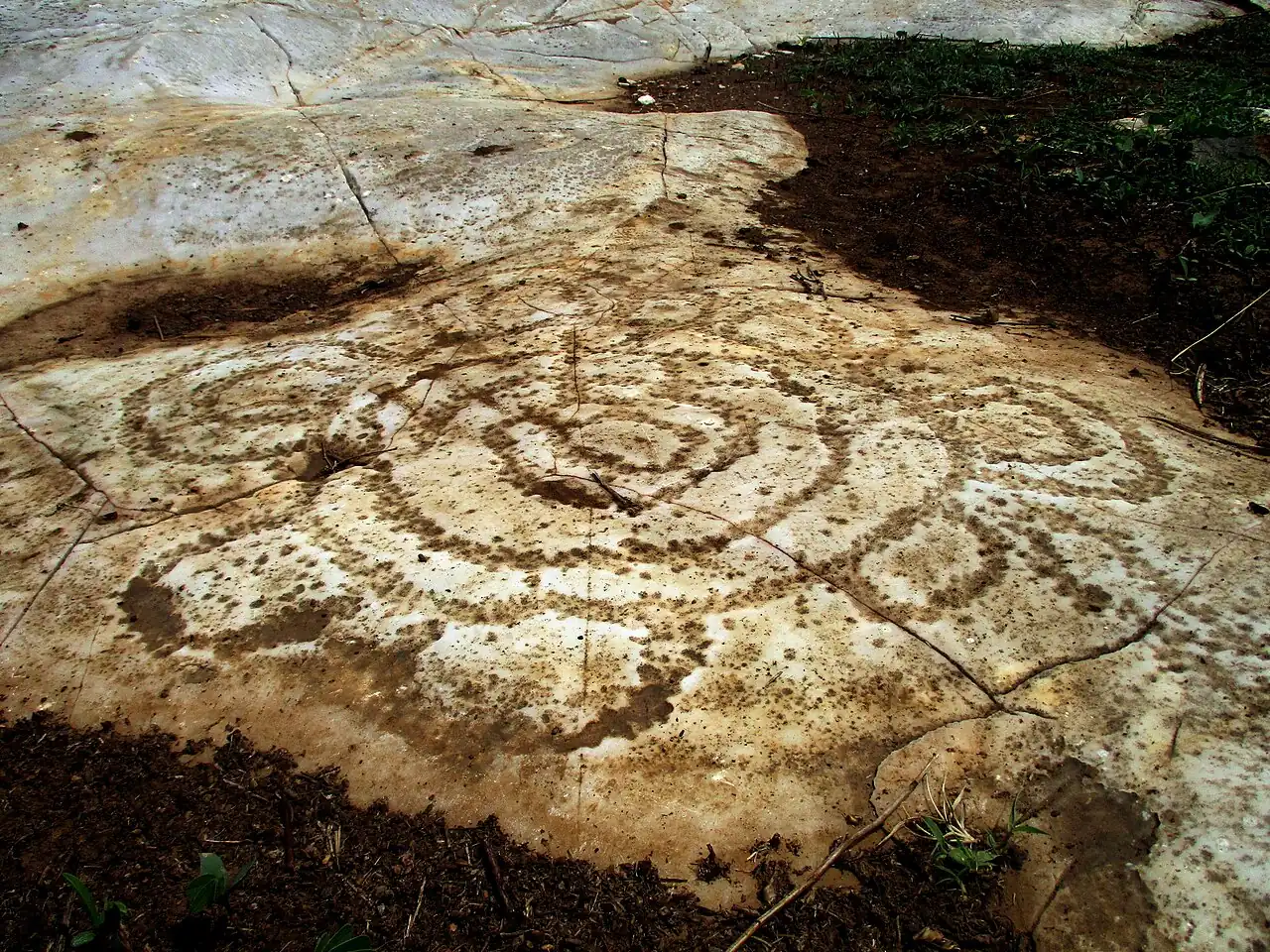
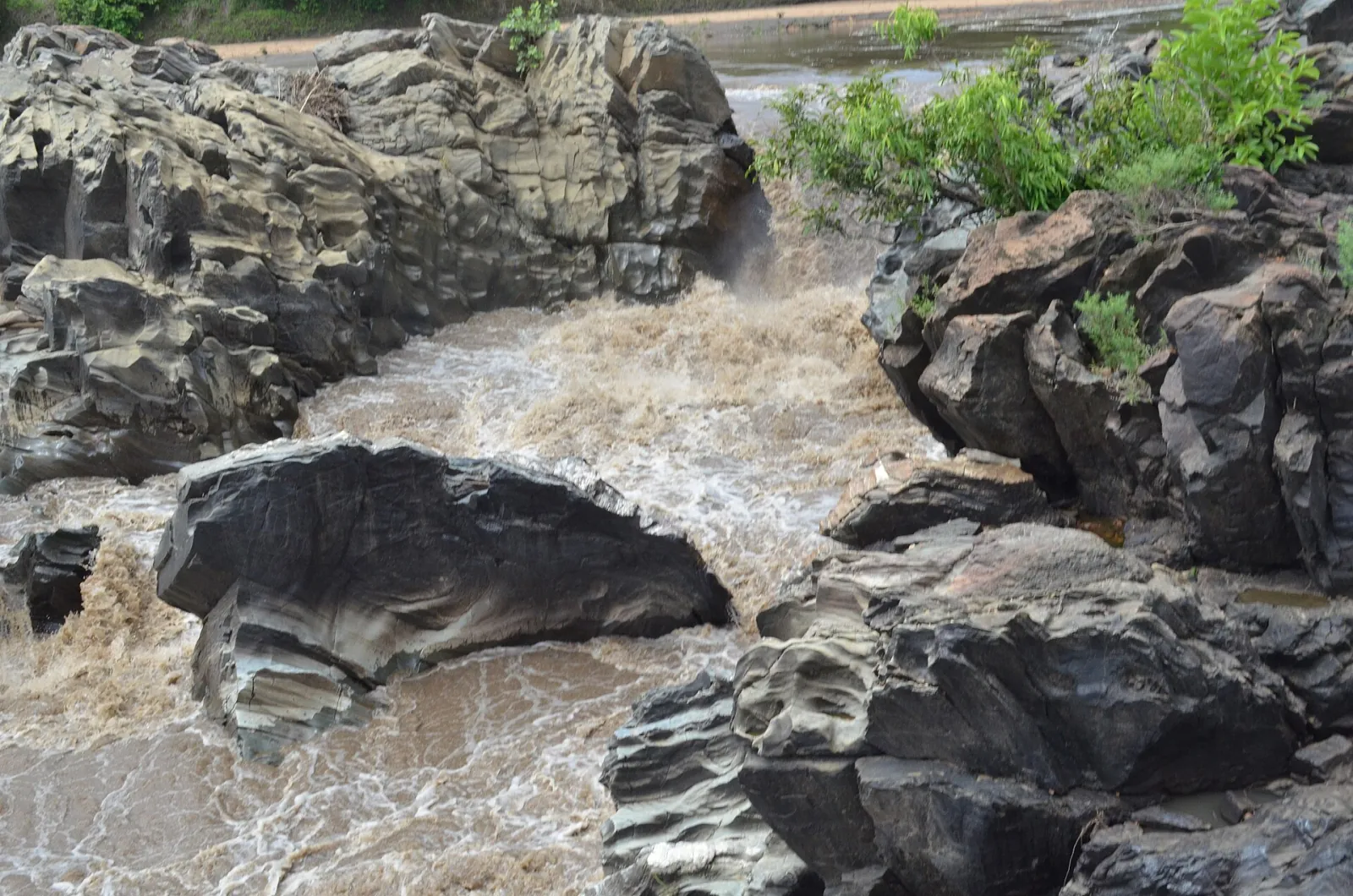
Rocks smoothed by the Benoue current within the national park

In the heart of the Sudano-Sahelian zone, the Northern Region has Garoua as its regional capital, a major river city on the Bénoué. Its savannahs, mountains and plains are home to peoples of many origins: Fulani (Fulbe), Dowayo, Guidar, Fali, Koma, Mambay and many others, united by a long history of trade, Islam, livestock farming and agriculture.

Under the responsibility of a regional delegation of arts and culture, the region preserves lamidates, earthen architecture, a strong musical tradition and skills in leatherwork, pottery and weaving. This page brings together the delegation, the sites and museums, the festivals and the languages, as well as the procedures useful to artists and organisers.

  • A regional delegation in Garoua to support files
  • The Rey-Bouba lamidate and an earthen architecture heritage
  • Festivals of horsemanship, music and crafts all year round
Discover the delegation
Delegation

The Northern Regional Delegation, in Garoua

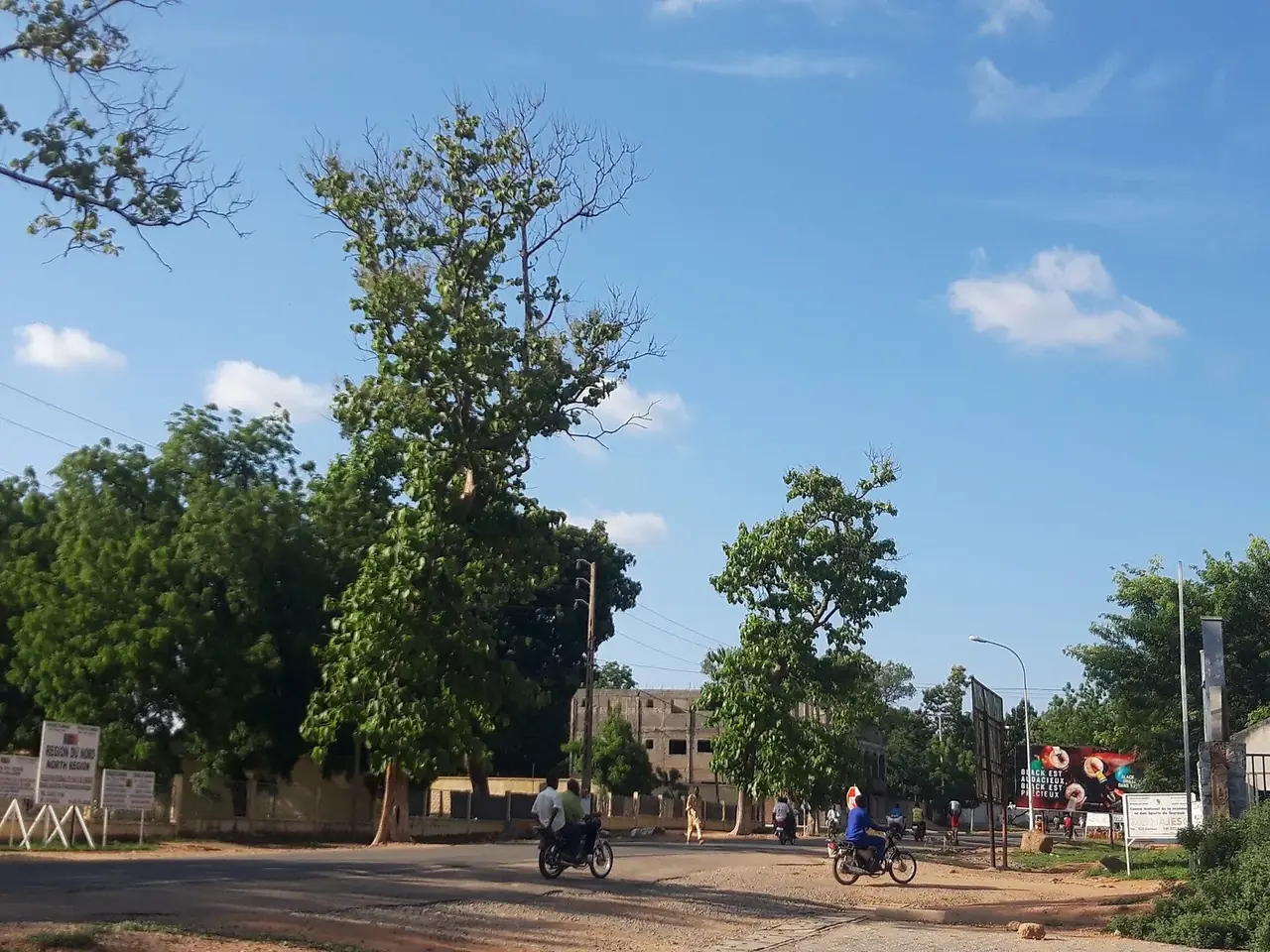
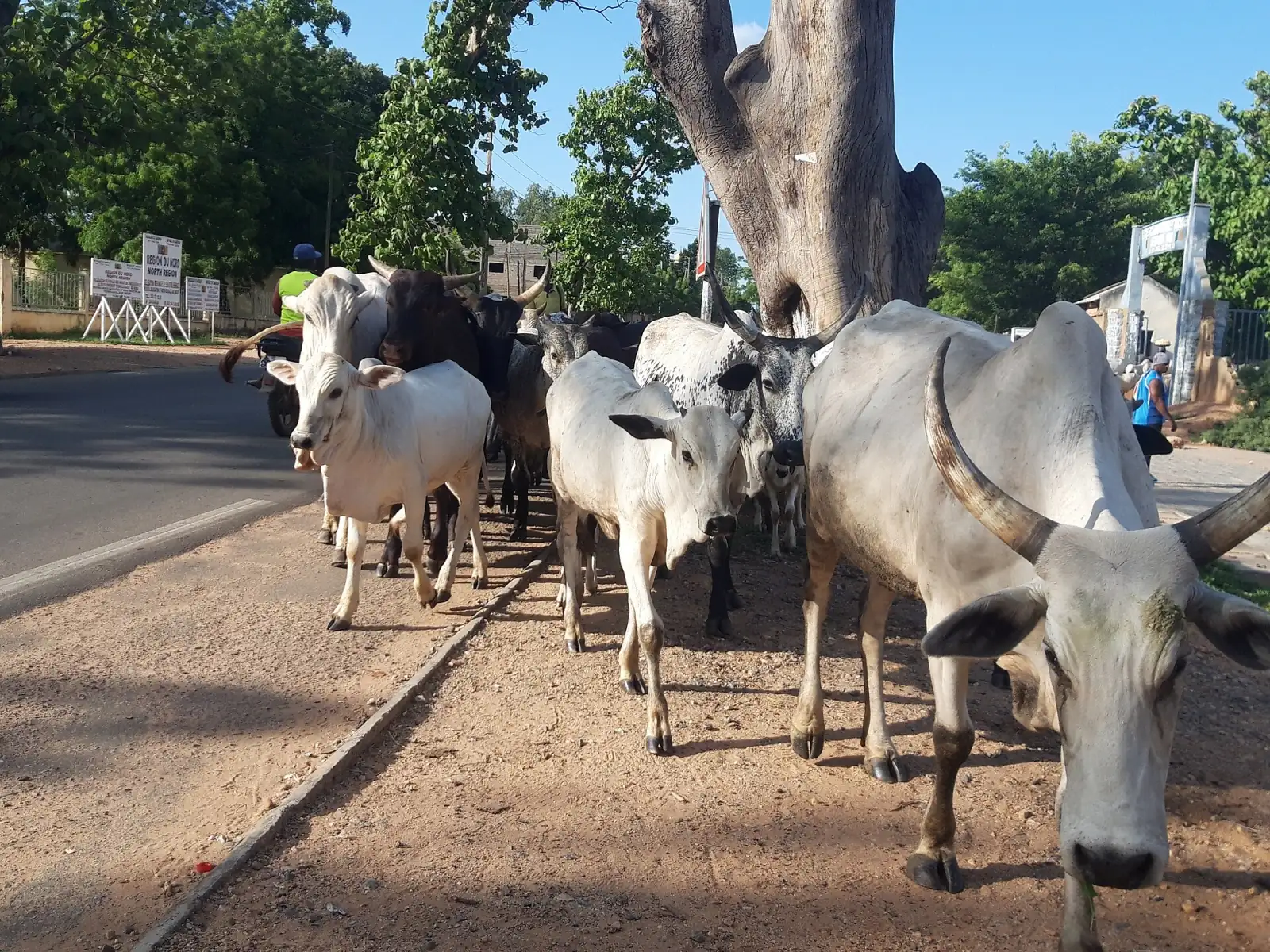
Street in Garoua under a blue sky

The Northern Regional Delegation of Arts and Culture is the Ministry’s decentralised service in the region. Established in the regional capital, Garoua, it represents the Ministry before the governor, prefects, sub-prefects, mayors and traditional authorities, among them the lamibé, whose role is central in local cultural life.

Working with traditional authorities

In the North, a cultural project cannot be conceived without the agreement of the chiefdoms: organising a festival, restoring a palace or collecting the accounts of elders are prepared with the lamibé and their councils. The delegation acts as an interface between these authorities and the Ministry’s services, and ensures that projects respect local customs and religious calendars.

The divisions of Bénoué, Faro, Faro-et-Déo and Mayo-Louti are covered by correspondents. The official contact details are in Regional Delegations; the Ministry switchboard (+237 6 51 70 58 41) also directs callers to the service concerned.

ℹ️
Online deposit

Files can be submitted at the One-Stop Shop without travelling, then tracked with file tracking.

Sites and museums

Sites and museums of the North, from Rey-Bouba to the Bénoué

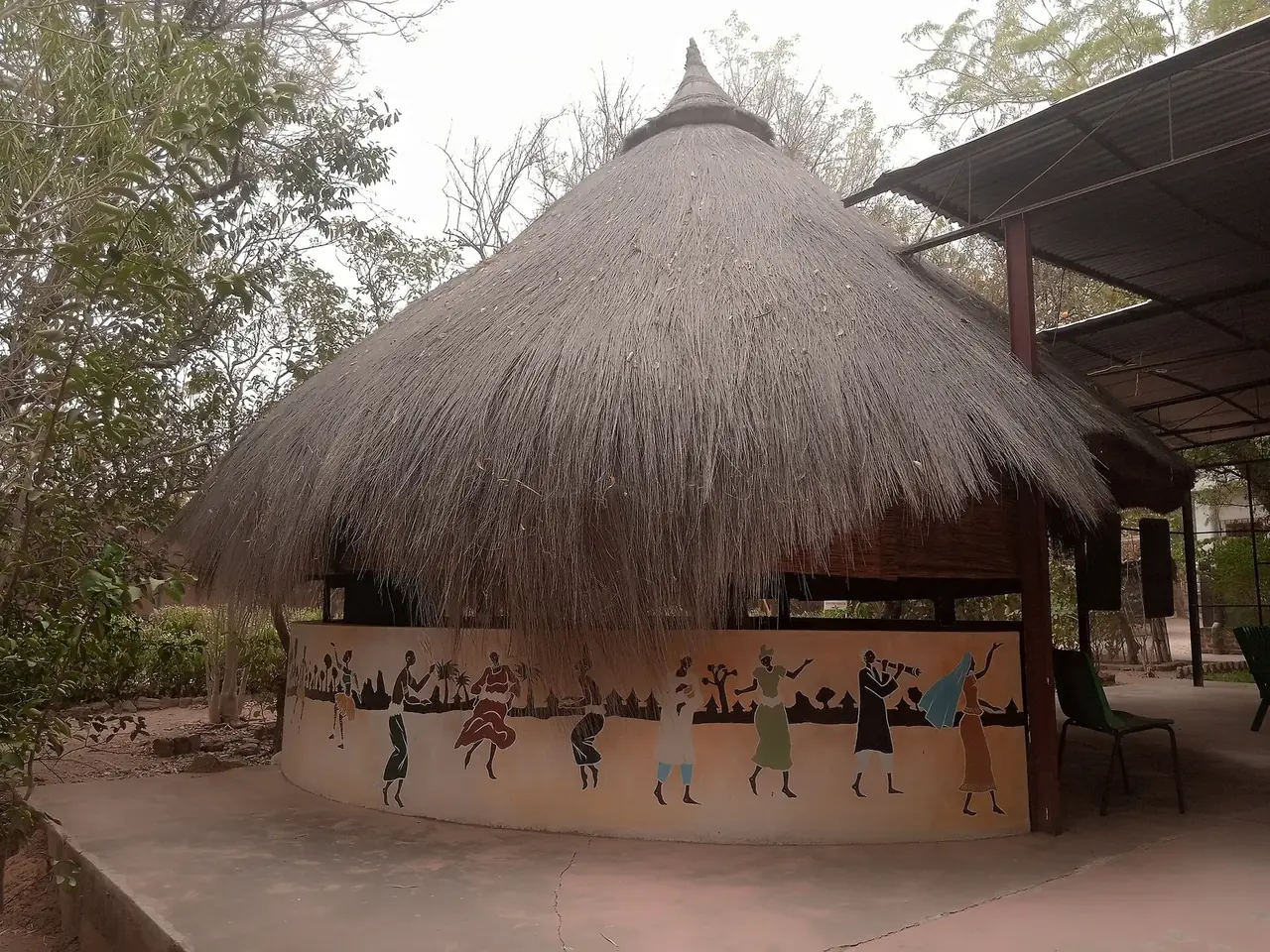
Boukarou of the Alliance Française in Garoua

The Rey-Bouba lamidate is one of the great heritage sites of the North. Founded in the 19th century by Fulani who came from the west in the movement of Islam and livestock farming, this lamidate preserves an earthen palace, a hierarchical court organisation, mosques and a ceremonial that impress visitors. It is among the complexes presented on the palaces and chiefdoms page.

Other landmarks of the region

  • Garoua, a city of markets, river port and mosques, with its tradition of weaving and tanning;
  • The Bénoué National Park and the savannah landscapes, between wildlife and herders’ villages;
  • The Dowayo villages and the Poli mountains, where housing and rites can be read in the landscape;
  • The mud-brick hut complexes, granaries and fortified courtyards of the former Fulani kingdoms;
  • The museums and exhibition venues of Garoua, which preserve everyday objects, instruments and adornments.

Reading earthen architecture

Mud-brick walls (raw earth), vaulted or thatched roofs, façades decorated with geometric patterns and inner courtyards tell of the inhabitants’ adaptation to a hot, dry climate. Their annual upkeep before the rainy season is a collective ritual, which falls under traditional know-how.

Visitors will find other ideas for tours in the cultural routes, the listed monuments and the national museums.

ℹ️
Respect for places

Some areas of the palace are reserved; visits are prepared with the agreement of the traditional authority and with respect for local customs.

Festivals

Festivals of the North: cavalcades, music and seasonal celebrations

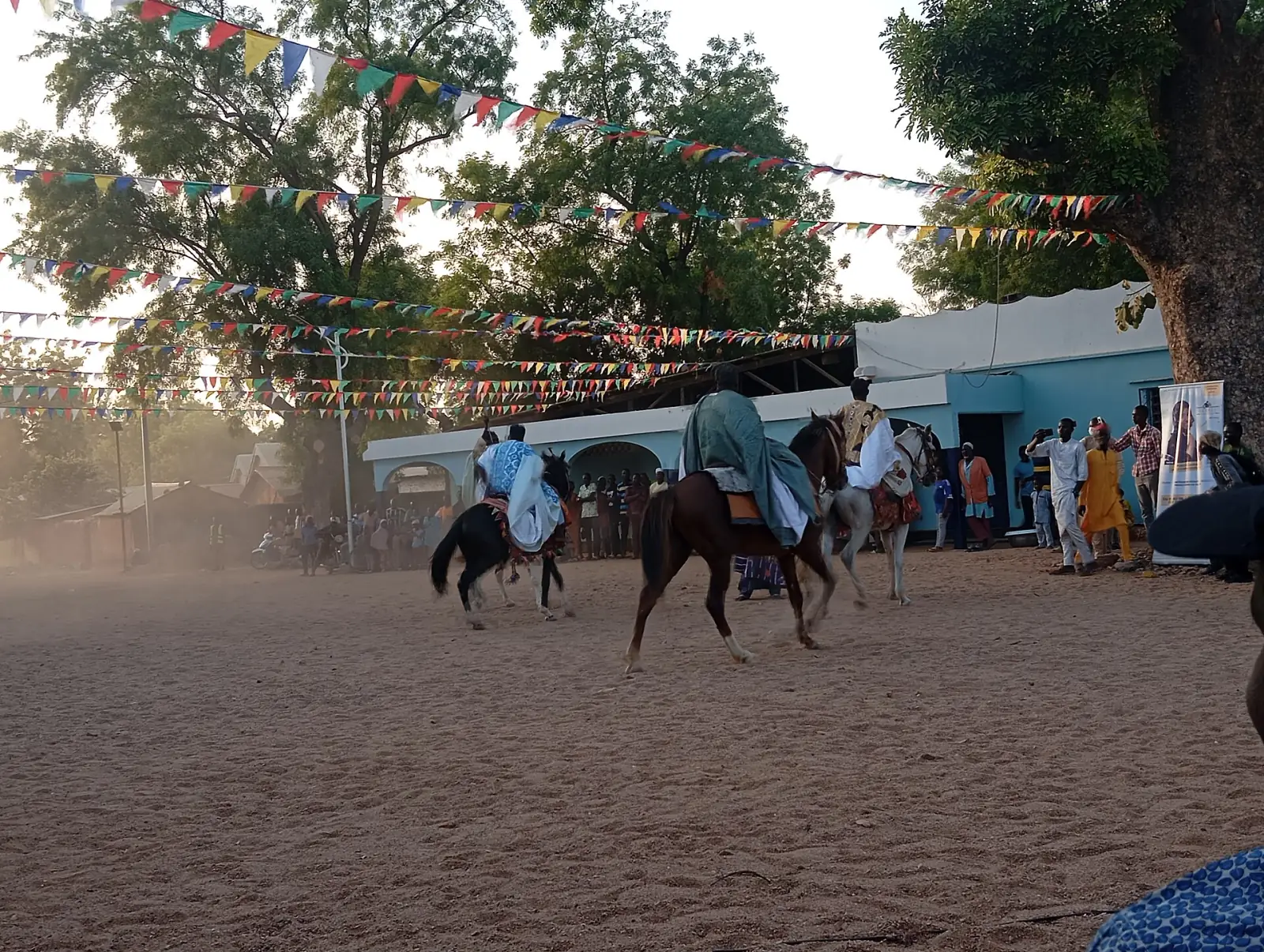
Equestrian fantasia in a sandy courtyard under bunting during the Tabaski celebrations

In the North, the festive calendar follows agricultural seasons, religious holidays and the rhythms of court life. Muslim festivals, such as Eid al-Fitr and Eid al-Adha (Tabaski), give rise to court ceremonies, parades and cavalcades in which horsemen in ceremonial dress salute the lamido.

A multifaceted cultural season

  • The cavalcades, or fantasias, of the lamidates, with their caparisoned horses, musicians and processions;
  • The end-of-harvest festivals of the peoples of the mountains and savannahs, set to flutes, drums and group dances;
  • The music gatherings of Garoua, where praise singers, wedding orchestras and youth groups rub shoulders;
  • Craft markets and fairs for leather, pottery and weaving.
ℹ️
Calendar

The dates of religious festivals vary each year: the delegation recommends checking the lunar calendar before setting an event.

Languages

Languages of the North: Fulfulde, Dowayo, Guidar and their neighbours

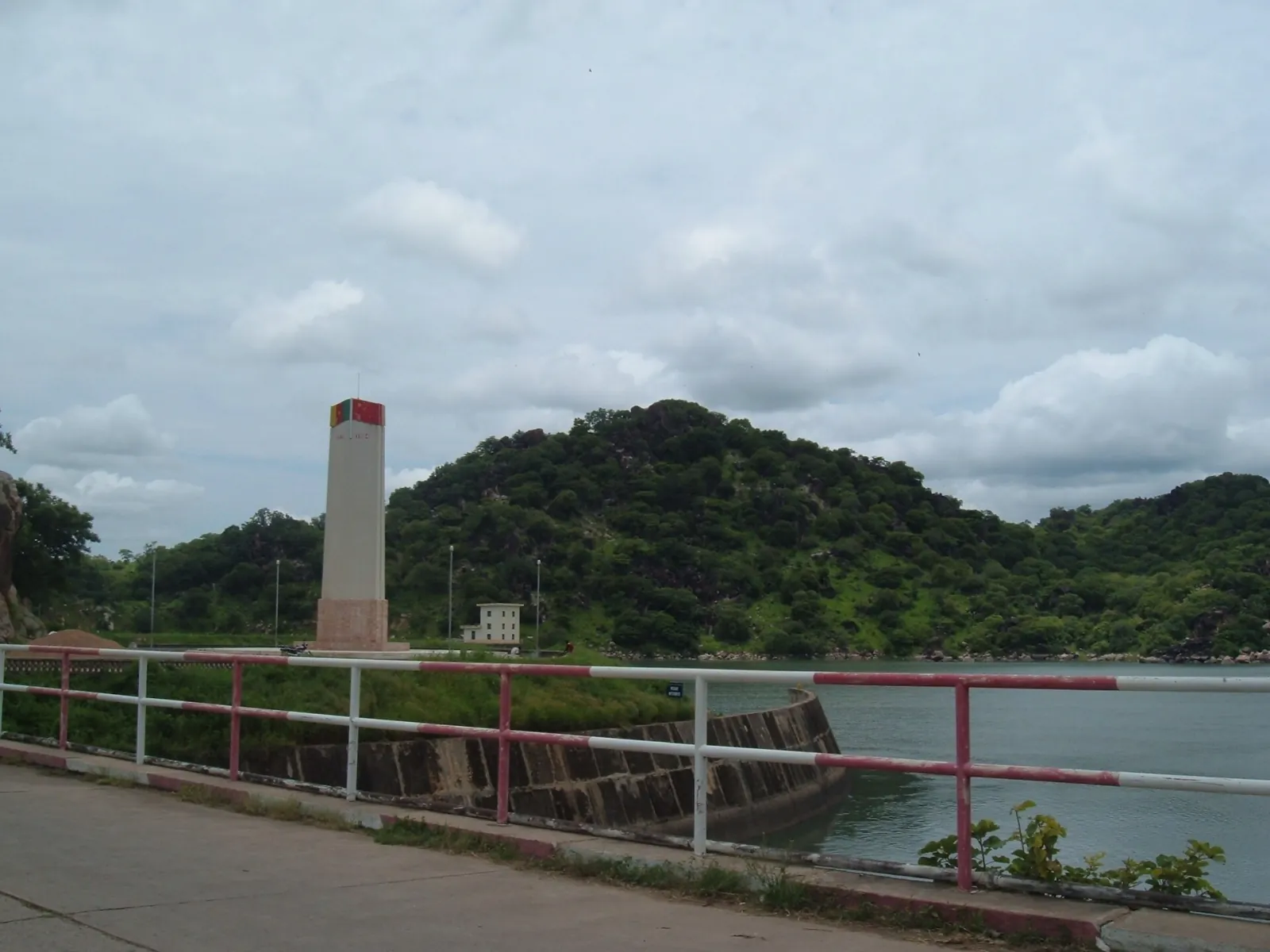
Lagdo dam reservoir and wooded hills under a cloudy sky

Fulfulde, the language of the Fulani, is the vehicular language of the North: it serves as a link between the peoples of the region and even beyond its borders. It is also a language of poetry, praise, genealogies and counsel, carried by renowned singers and storytellers. It coexists with languages spoken by peoples settled there for longer.

A mosaic of languages

Dowayo, spoken around Poli and the Alantika mountains, Guidar, Fali, Koma, Mambay and other languages of the Bénoué and the Faro each have their own proverbs, origin stories and songs. Many speakers use several languages: the family language, Fulfulde for the market, French at school and in administration, sometimes Hausa or Arabic for religion and trade.

Writing and passing on

  • Collecting poems, praise and historical accounts from masters of the spoken word;
  • Literacy and writing workshops, including in adapted scripts;
  • Recording wedding, herders’ and court songs;
  • Preserving the manuscripts of Koranic schools and court chronicles.

The national policy is presented in National languages, in linguistic heritage and in oral traditions.

ℹ️
Take part

A storyteller, a community radio station or an association can propose a broadcast or a workshop to the delegation, which includes it in its programme.

Live arts

Music of the North: algaïta, lutes and songs of praise

Musician in an embroidered cap playing a long traditional horn

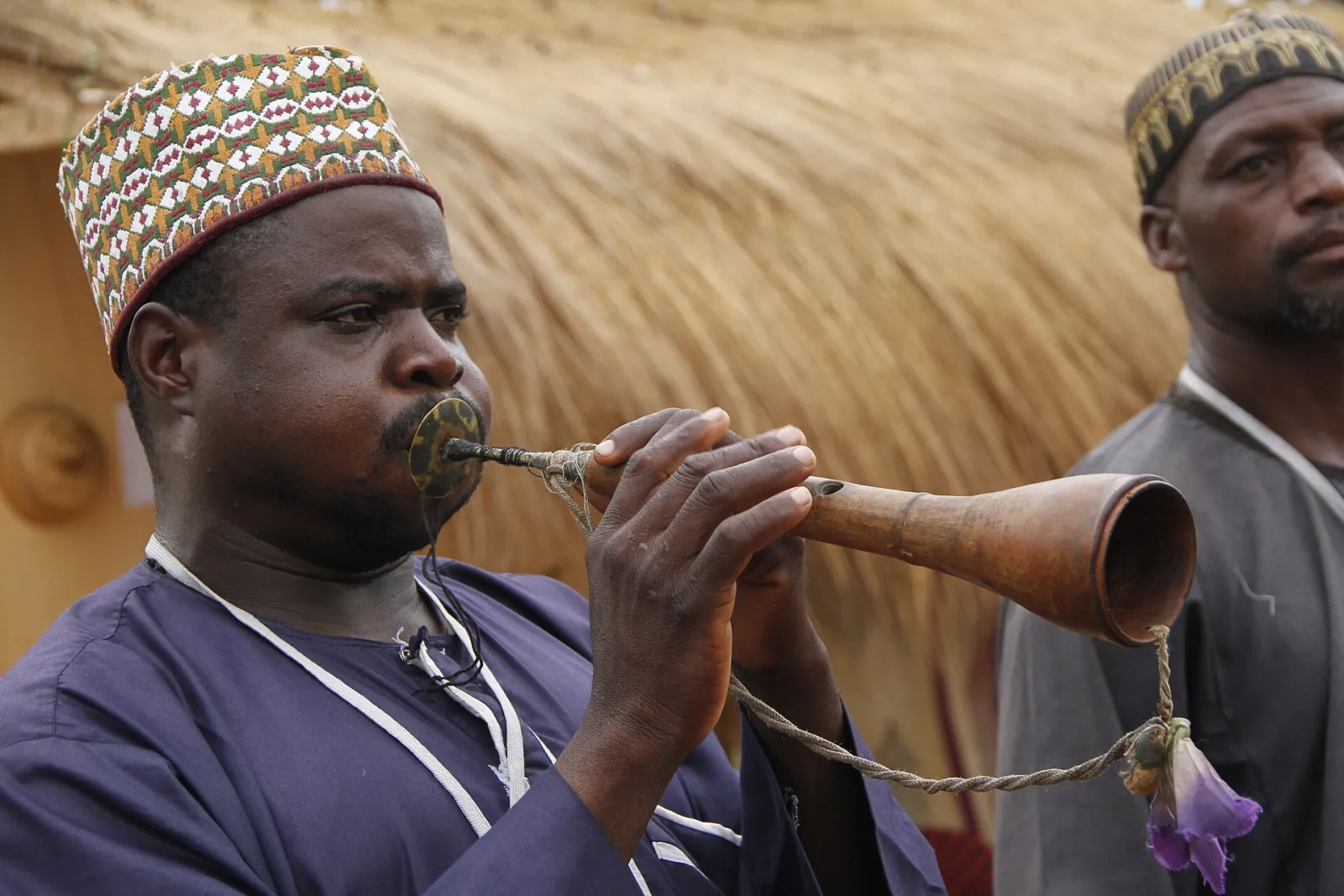
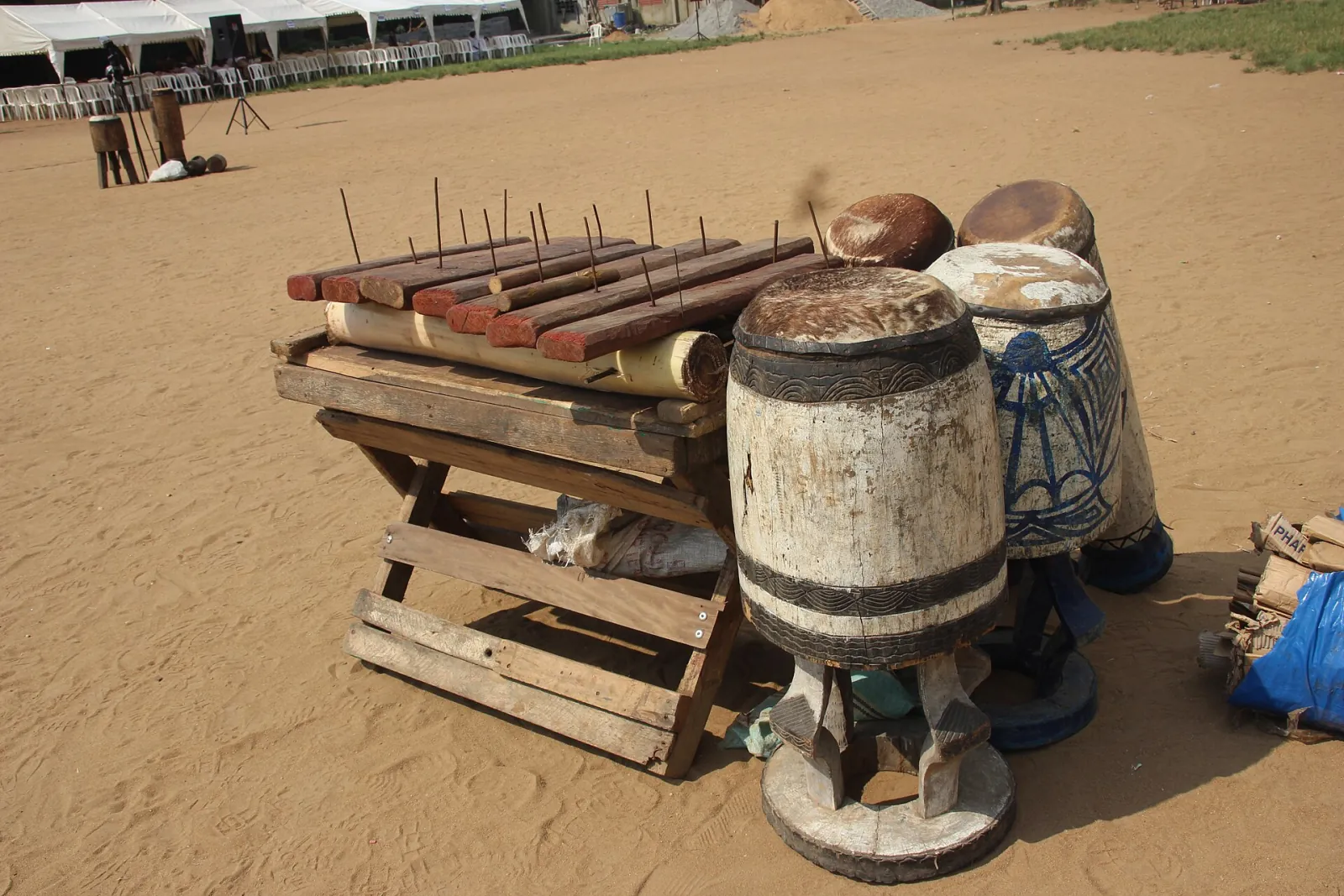
The music of the North is linked to courts and festivals: the algaïta, a double-reed oboe of Sahelian origin, converses there with long trumpets and ceremonial drums. Lutes and one-string fiddles accompany the griots’ tales and the songs of praise addressed to dignitaries. The peoples of the mountains, for their part, play flutes, horns and drums at harvest festivals and initiations.

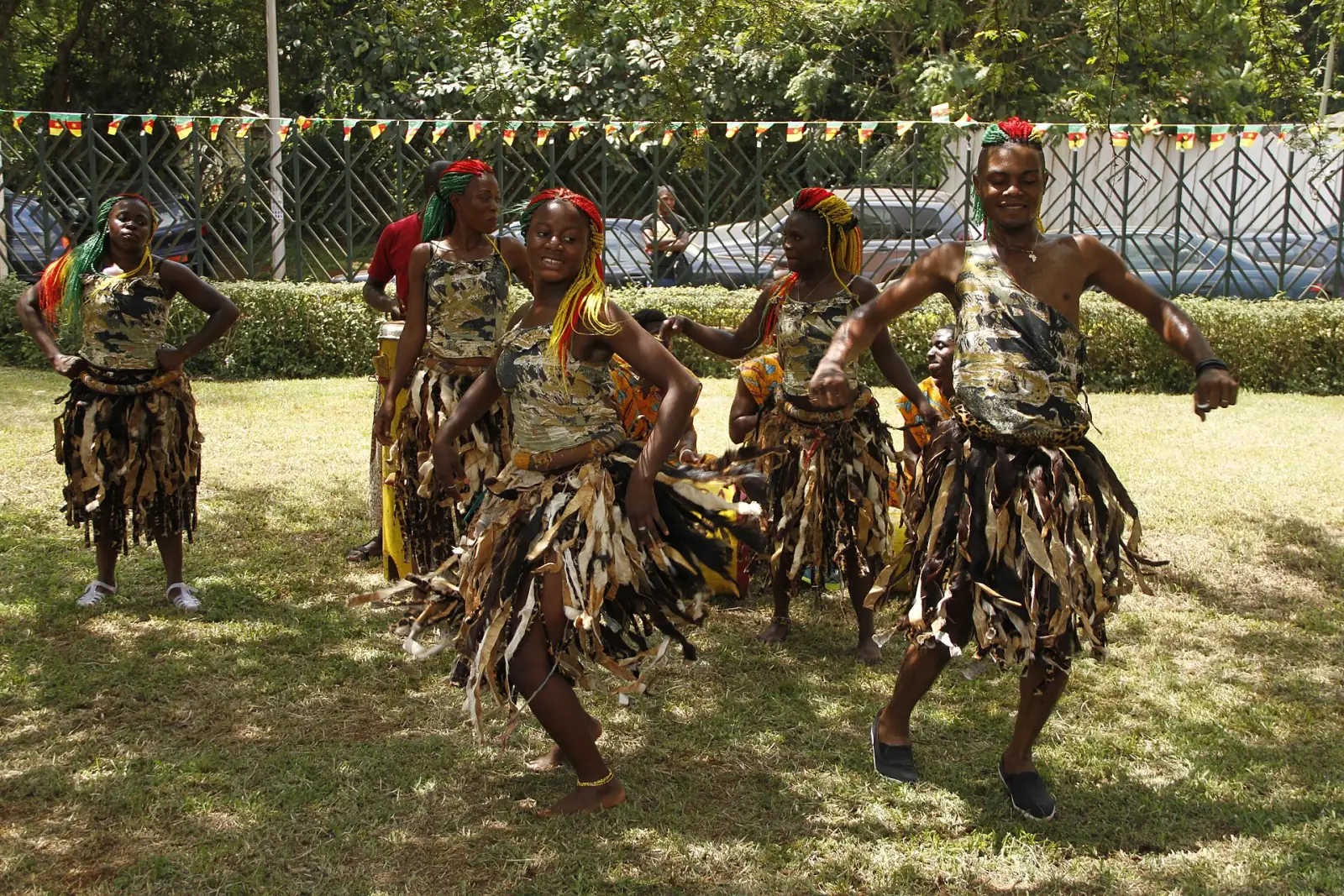
Court dance, youth dance and wedding dances make up a varied repertoire, presented on the Dance page. Musicians can register their works and join a collective management society; the Music section details their rights.

Know-how

Leather, pottery, weaving and cuisine of the North

Fali clay bowl with an incised decorative band, against a black background

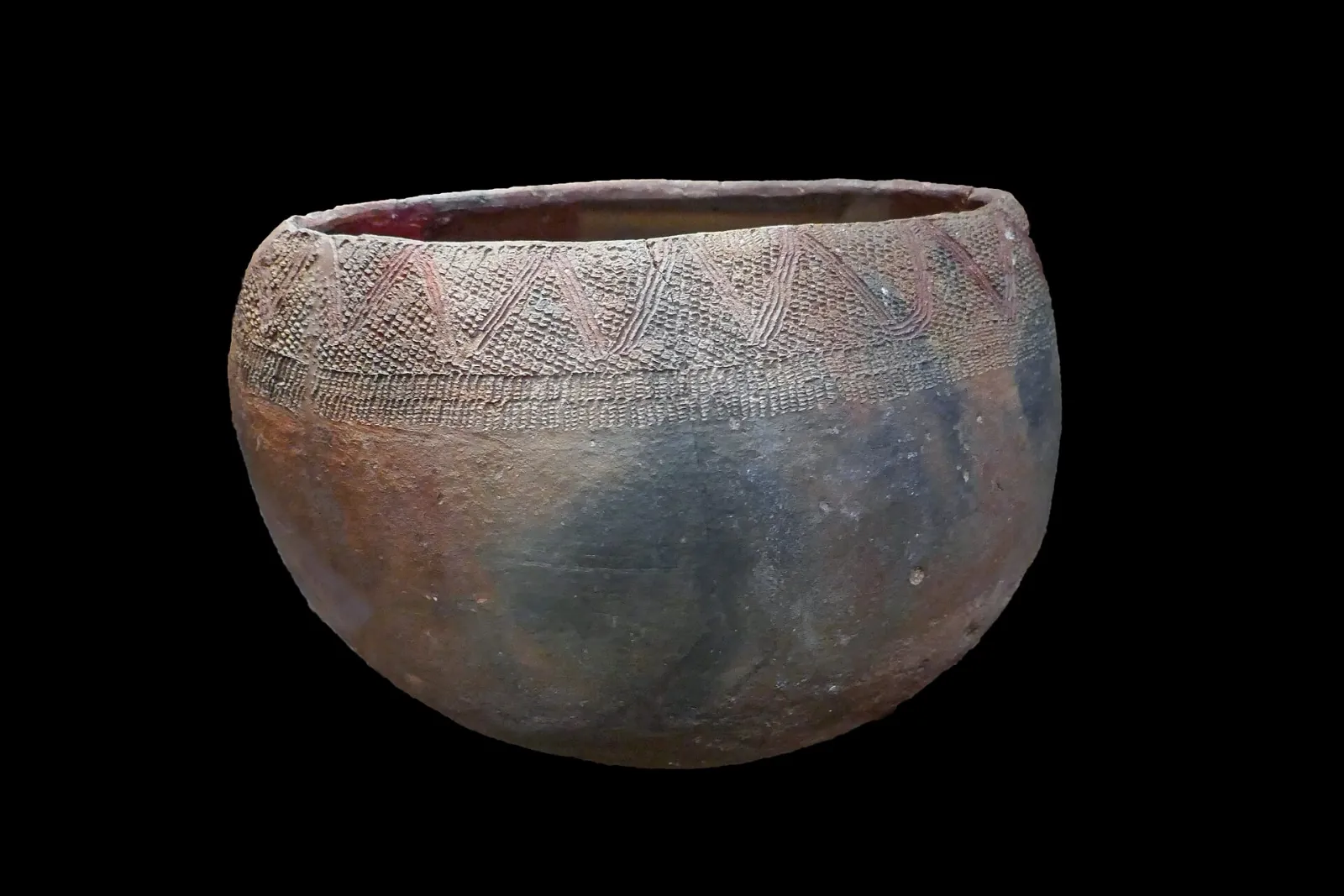
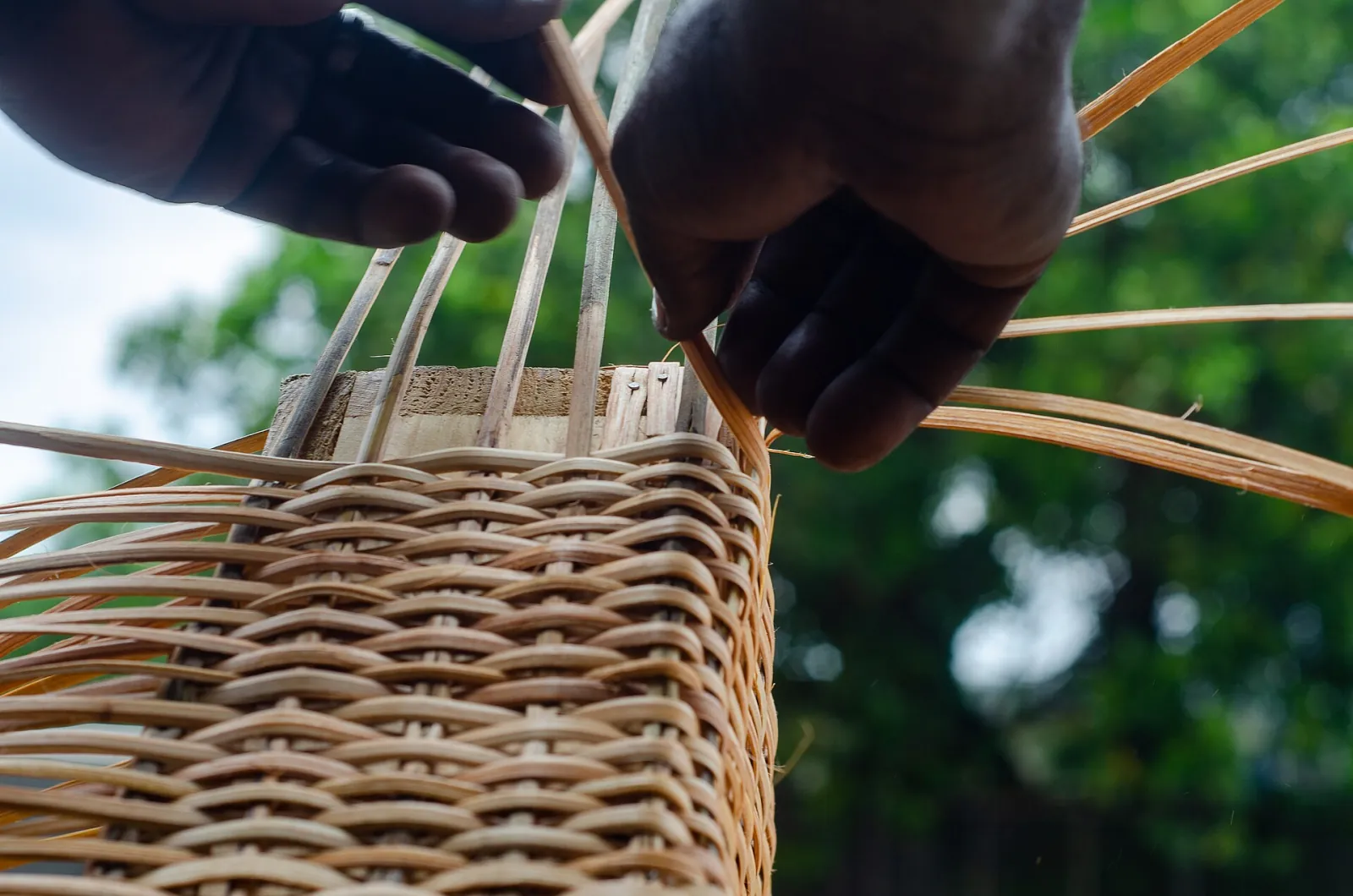
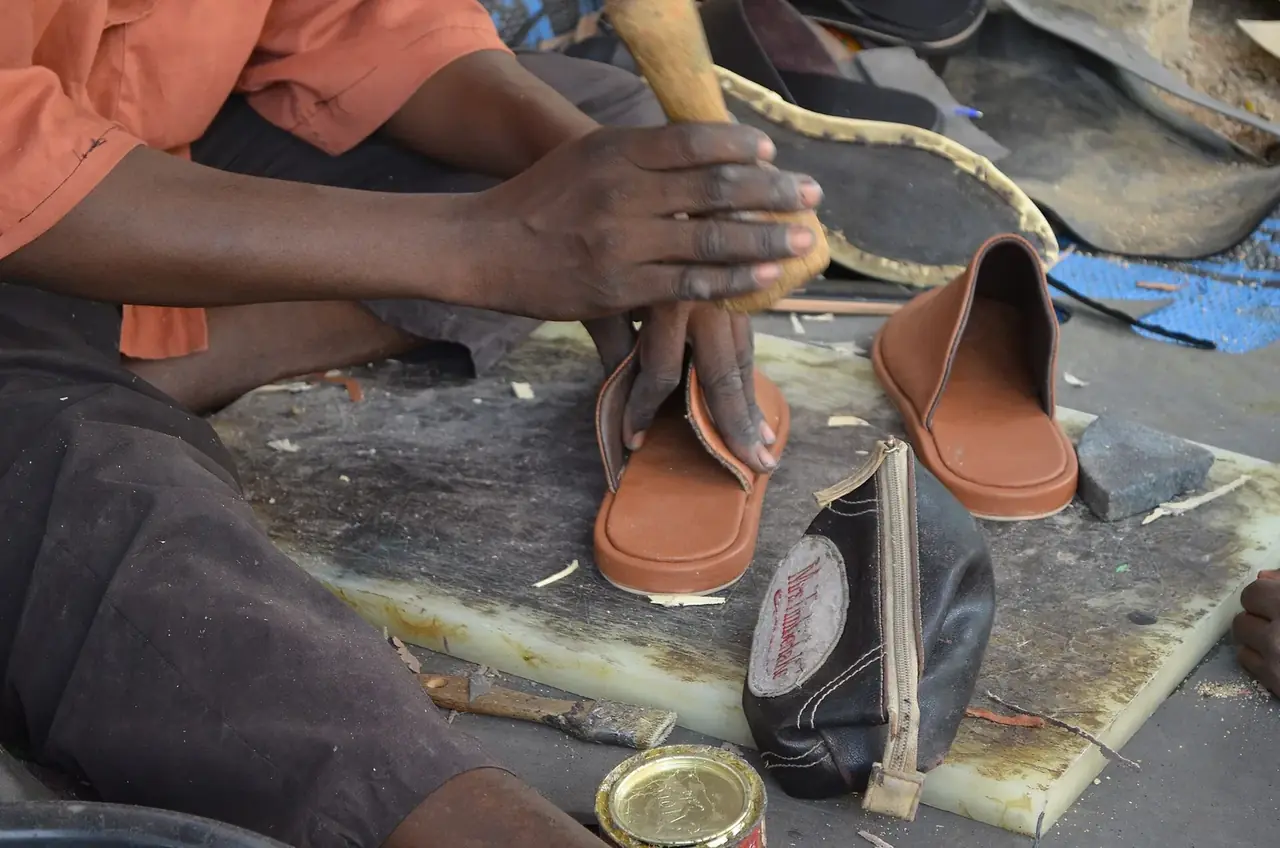
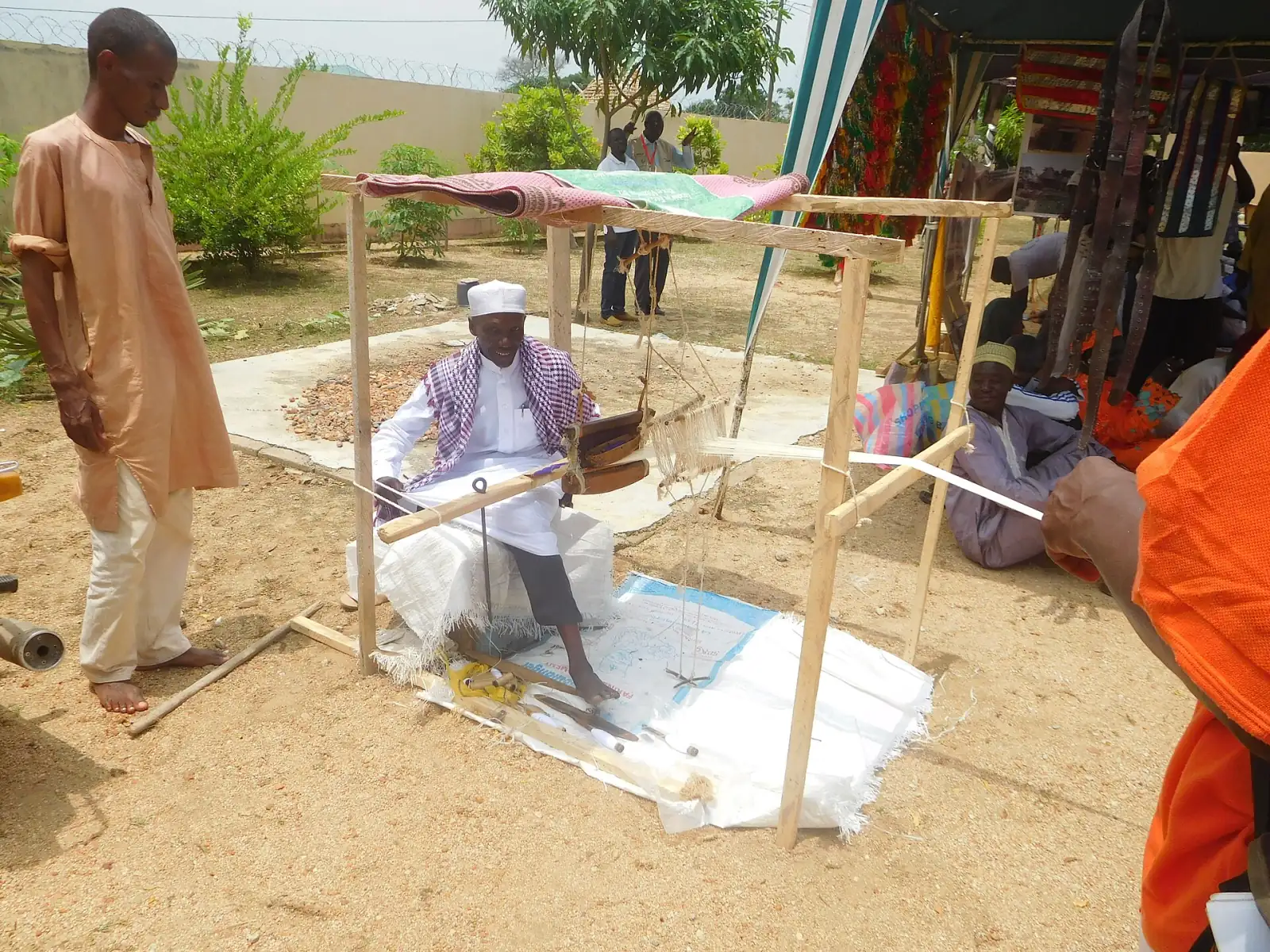
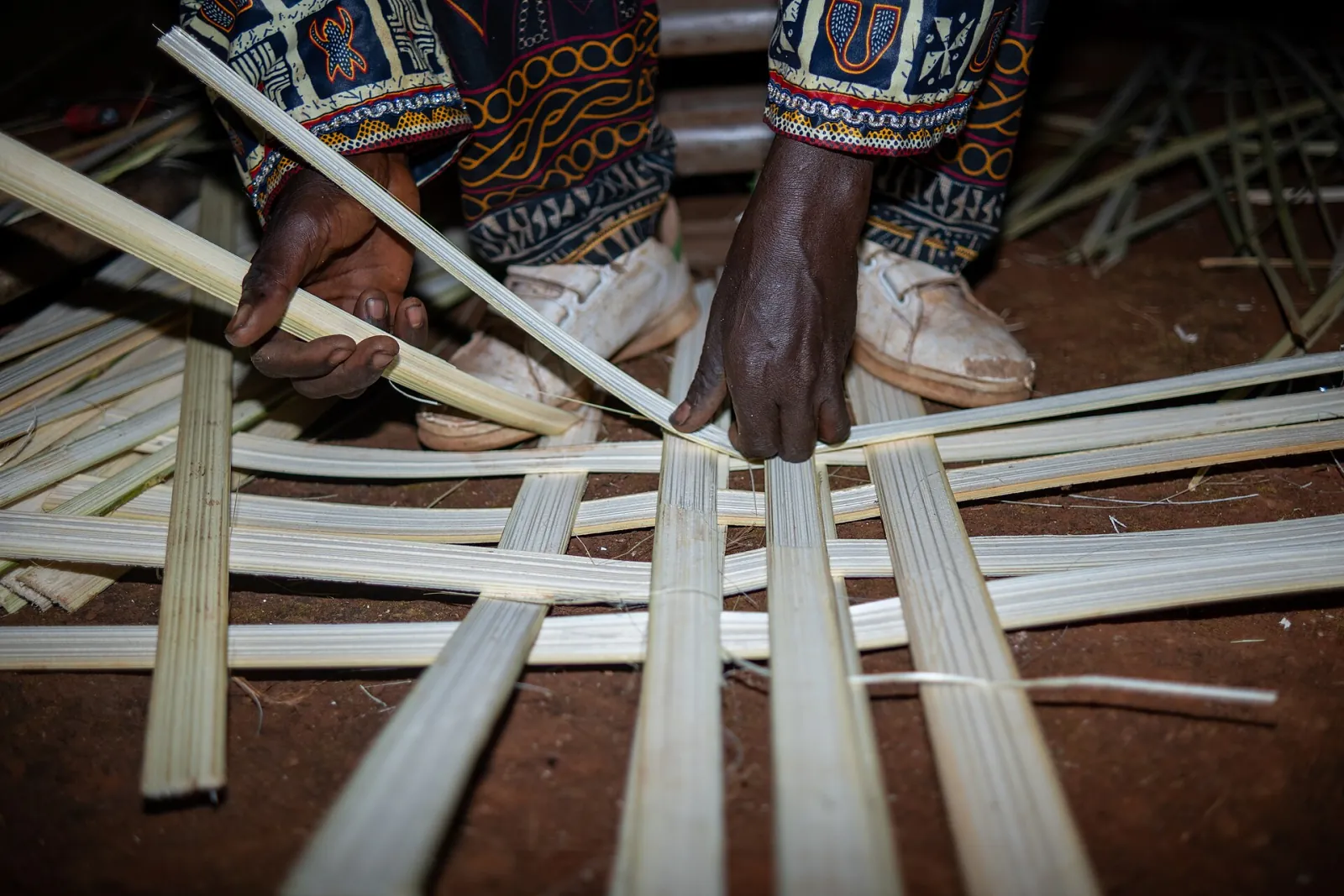
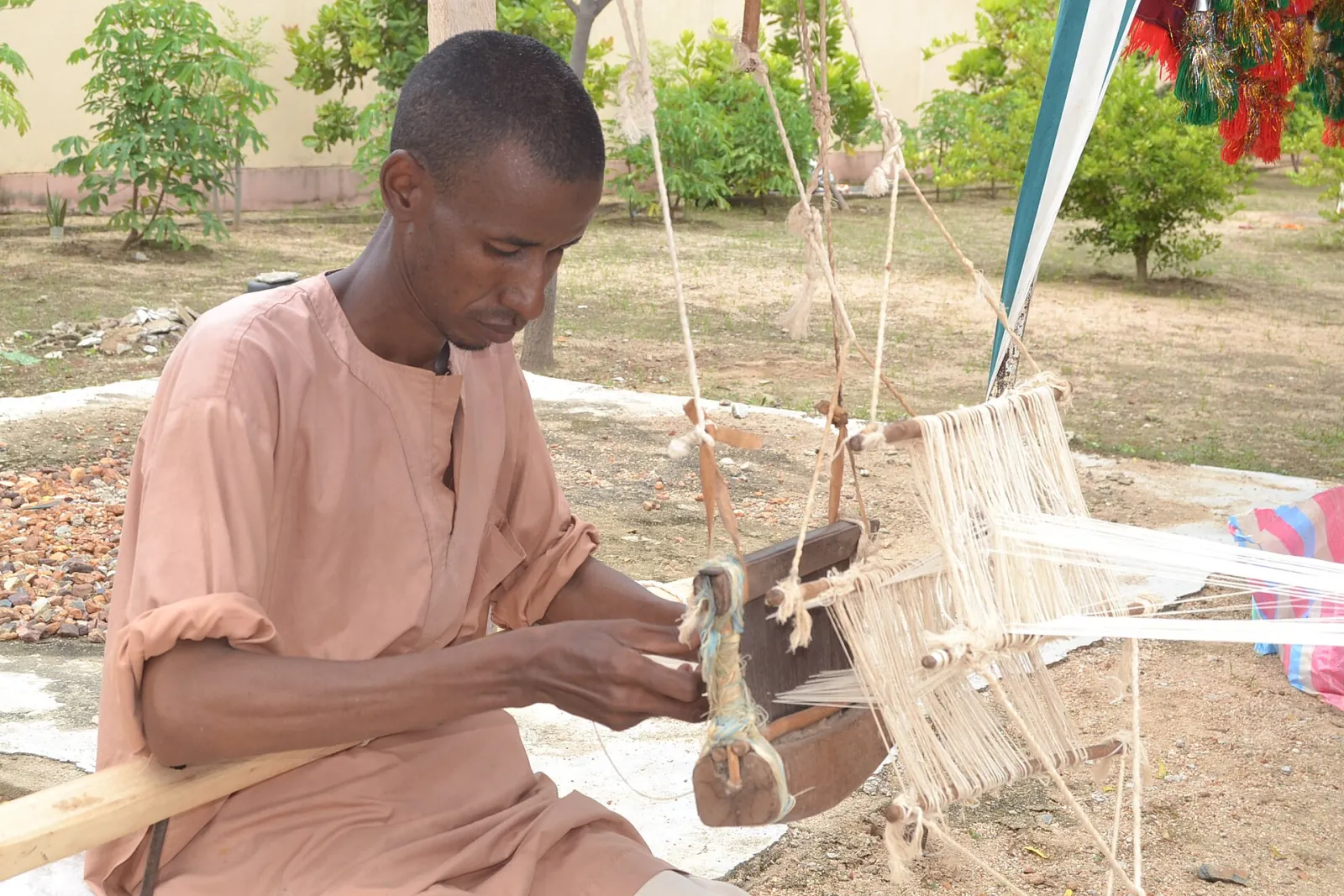
The North is a land of craftspeople. The tanners of Garoua work goat and sheep leather to make bags, sandals, saddles and boxes; potters shape jars, canaris and dishes; weavers produce indigo-dyed cotton strips that become boubous and blankets. Blacksmiths and jewellers are the source of jewellery and tools with recognisable forms.

The cuisine reflects livestock and cereals: millet or sorghum couscous, maize porridge, spiced grilled meats (soya, kilichi), dairy products and okra sauces. Craftspeople and restaurateurs can make themselves known through fine crafts, the crafts economy and cultural tourism.

Step by step

Organising a festival or a performance in the North

Consult the traditional authority

Inform the lamido or chief concerned of your project, its dates and its location, and obtain his oral or written agreement.

Seek the delegation’s opinion

Present the programme to the Garoua delegation, which checks compatibility with religious and local calendars.

Prepare the file

Gather the programme, the security plan, the list of participants, proof of identity and, if needed, the association’s articles.

Submit the application

Submit online or to the delegation, several weeks before the event, to allow time for processing.

Prepare the welcome

Arrange water, shade, parking for horses, first aid and traffic around the site.

Take stock

After the festival, send a short report: attendance, participants, difficulties, photographs, to enrich the regional archives.

Key facts

The North at a glance

Key factDetailCultural interestWhere to learn more
Regional capitalGaroua, river city on the BénouéMarkets, mosques, tannery, port/regions/delegations-regionales
DivisionsBénoué, Faro, Faro-et-Déo, Mayo-LoutiSavannahs, mountains, plains and lamidates/regions/carte-culturelle
Main peoplesFulani (Fulbe), Dowayo, Guidar, Fali, Koma, MambayCourts, mountains, earthen villages/regions/chefferies-traditionnelles
Major siteLamidate of Rey-BoubaPalaces, ceremonial, earthen architecture/patrimoine/palais-et-chefferies
MusicAlgaïta, lutes, flutes, court drumsFestivals, praise, weddings/arts/musique
LanguagesFulfulde, Dowayo, Guidar, Fali, Koma, MambayPoetry, tales, genealogies/regions/langues-nationales
CraftsLeather, pottery, weaving, blacksmithing, jewelleryMarkets and craft fairs/arts/artisanat-dart
ProceduresSubmission at the delegation or onlineAuthorisations, approval, grant/services/guichet-unique
Journey

The North through history

Ancient timesPeoples of the mountains and savannahs

Peoples of farmers and blacksmiths occupy the mountains and plains of the Bénoué, and organise societies founded on lineage and rites.

19th centuryThe Fulani lamidates

Fulani chiefs found lamidates, organise hierarchical courts, develop livestock farming and trade, and spread Islam in the region.

Early twentieth centuryThe colonial period

The administration reorganises the territories; Garoua becomes a stage on the river, in the cotton trade and in exchanges with neighbouring Nigeria.

After independenceCultural institutions

Regional services come into being, collections are assembled and court festivals gradually open to a wider public.

The 2000sCotton and craftspeople

The cotton and leather sectors structure the economy, while craftspeople’s cooperatives seek new markets.

TodayHeritage and youth

Associations, radio stations and schools mobilise to document courts, languages and music, with the support of the delegation.

To explore

The North in other sections

“The palace is a memory that is rebuilt every year with earth, water and many hands.”

A mason-craftsman, Rey-Bouba
Voices of the North

They keep the Garoua region alive

“
For the festival, we worked with the delegation on the security plan: the horsemen, the musicians and the public were able to enjoy the day.
A cavalcade organiser
Garoua
“
My leather workshop won new customers when I presented my bags at a craft fair listed in the regional calendar.
A leather craftswoman
Garoua
“
We record the elders’ praise songs with the local radio so that young people can listen to them and learn them.
A community radio presenter
Bénoué
“
The annual upkeep of the palace walls is a collective occasion; the delegation helps us document the building techniques.
A court notable
Rey-Bouba
To act

The most useful procedures in the North

Festival authorisation

For committees organising a cavalcade, a seasonal festival or a fair: submit the programme, venue and security arrangements.

See the procedure

Show authorisation

To be submitted before a concert, a dance evening or a public performance in the region.

Submit the application

Listing of a property

A community may request protection for a palace, a mosque or a remarkable site.

Apply

Cultural grant

Support to restore a site, train young people or equip a craftspeople’s workshop.

Request support
Agenda

Cultural events in the North in 2026-2027

Glossary

The words of the North

Lamido

Traditional Fulani chief, head of a lamidate, custodian of the authority and court ceremonial.

Lamidate

Territory and institution headed by a lamido, with his palace, his notables and his rules.

Fulbe

Plural of Fulani in Fulfulde: a people of herders and traders found throughout the Sahelian zone.

Fulfulde

Language of the Fulani, widely spoken in the North, used as a language of communication between peoples.

Banco

Raw earth shaped into bricks or walls, used to build huts, palaces and mosques.

Algaïta

Double-reed oboe played at court festivals, cavalcades and weddings.

Fantasia

Cavalcade in which riders in ceremonial dress parade and salute the authority at major festivals.

Soya

Spiced meat skewers grilled over a wood fire, sold in the streets and markets.

Kilichi

Dried, spiced meat, a Sahel speciality, prepared in thin strips.

Regional Delegation

Decentralised service of the Ministry that represents and relays its action in a region.

On the site

Continue exploring the North

Resources

Useful links for the North

Stakeholders

Who supports culture in the North?

Questions

Your questions about culture in the North

Where do I submit my cultural file in the North Region?

You can submit it online through the One-Stop Shop or hand it to the Regional Delegation in Garoua, which forwards it to Yaoundé. Keep your file number to track progress and receive the reply without travelling to the regional capital.

How can I contact the regional delegation?

The official contact details are gathered in the page on Regional Delegations. You can also call the Ministry switchboard on +237 6 51 70 58 41, Monday to Friday, or write to contact@minac.gov.cm, stating your commune and your request.

Can the Rey-Bouba lamidate be visited?

Visits are arranged with the agreement of the traditional authority, as some areas of the palace are reserved. Contact the delegation to find out the arrangements, the most suitable periods and the rules of respect to be observed during the visit.

Do I need an authorisation for a cavalcade?

Yes, any public event that gathers people requires authorisation. Submit a festival authorisation application with the programme, the route, the security plan and the agreement of the chiefdom concerned, several weeks before the planned date.

How can I have a dance or song of my community recognised?

Describe the practice, its occasions and its bearers, then obtain the agreement of the elders and the chiefdom. The delegation helps you compile the sheet that will be added to the inventory of intangible cultural heritage.

Can a leather or pottery craftsperson be supported?

Yes. Cooperatives and craftspeople can apply for a grant, take part in the fairs listed in the calendar and appear in the directory of artists. The delegation directs applications and helps prepare the presentation file.

Where can I learn Fulfulde or Dowayo?

Literacy and transmission workshops are run by associations, schools and radio stations. Enquire with the delegation, which knows the sessions under way and the volunteer teachers in the divisions.

How do I report a threatened property?

Use the reporting form on the site or inform the delegation, describing the place, its condition and the threat observed. The heritage services examine the situation and propose protection, restoration or listing measures.

Contact

Writing to the Ministry from the North

State your commune, your procedure and, where applicable, the organisation you represent: your message is directed to the relevant service.

Contact the Ministry

Contacting the Ministry for the North

Address

Ministry of Arts and Culture
Quartier du Lac – Ministerial Zone
P.O. Box 1053 Yaoundé, Centre Region, Cameroon

Reach us

+237 6 51 70 58 41

contact@minac.gov.cm

Opening hours

Monday to Friday, 8 am to 4 pm

A cultural project in Garoua or Rey-Bouba?

Submit your file online and track it with your number, or approach the regional delegation.

Open the One-Stop Shop
WhatsApp