Coat of arms of CameroonMinistry of Arts
and Culture
Republic of Cameroon
My procedures
Home
Minister’s message
News
Press releases
Cultural calendar
Official speeches
Press review
Photo library
Video library
Calls for projects
Job vacancies
Public procurement
Newsletter
Frequently asked questions
Site map
Contact
Press area
Podcast “The Voice of Culture”
Legal notices
Privacy policy
Cookies and trackers
The Ministry
Missions and responsibilities
Organisation
Organisation chart
Minister’s Office (Cabinet)
Management team
General Secretariat
General Inspectorate
Central directorates
Regional Delegations
Institutions under supervision
Legislative texts
Regulatory texts
Sector strategy
Major projects
Budget and reports
Partners
Careers
Archives
Institutional communication
Quality and accessibility
Arts
Visual and plastic arts
Visual arts
Performing arts
Theatre
Dance
Music
Literature and books
Cinema and audiovisual
Photography
Fashion and design
Digital arts
Art crafts
Artists’ directory
Residencies
Prizes and awards
Arts education
Urban arts
Heritage
Tangible heritage
Intangible heritage
UNESCO sites
National museums
Listed monuments
National inventory
Palaces and chiefdoms
Archaeology
Linguistic heritage
Oral traditions
Traditional know-how
Restitution of cultural property
Fight against illicit trafficking
Listing and protection
Conservation and restoration
Heritage Days
Cultural landscapes
Industries
Music and recording
Cinema
Publishing and books
Digital arts
Fashion and creativity
Crafts
Cultural tourism
Funding for culture
Support funds
Incubators
Cultural entrepreneurship
Culture Observatory
Vocational training
Studies and reports
Sector statistics
Export and outreach
Intellectual property
Copyright
Legal framework
Copyright and neighbouring rights
Collective management societies
Register a work
Licences
Private copying
Fight against piracy
Model contracts
Social status of artists
Mediation
Disputes
Training
Fee scales
Register of works
Contact
Digital neighbouring rights
Public domain
Festivals
National calendar
Ngondo
Nguon
Écrans Noirs
Heritage Days
Music Day
Regional festivals
Fairs and exhibitions
Biennials
National competitions
Cultural days
Organise a festival
Event grants
Ticketing
Archives
Volunteering
Diaspora festivals
Regions
Adamawa
Centre
East
Far North
Littoral
North
North-West
West
South
South-West
Cultural map
Regional Delegations
Traditional chiefdoms
National languages
Cultural routes
Decentralised cooperation
Regional observatory
Cooperation
UNESCO
Francophonie (OIF)
African Union
Commonwealth
CEMAC
Bilateral cooperation
Cultural agreements
Professional organisations
Scholarships
Artist exchanges
Cultural years
Diaspora
Funded projects
Embassies
Technical partners
International restitution
International monitoring and calls
Services
Artist card
Show authorisation
Filming authorisation
Festival authorisation
Deposit of a work
Export of works of art
Listing of a property
Grant application
Association accreditation
File tracking
Forms
Fees
Opening hours and addresses
Reporting
Online help
My account
One-Stop Shop
Heritage

Oral traditions

Evening tales, mvet epics, proverbs and collection method: everything about the oral traditions of Cameroon, their transmission and the means of safeguarding them with their holders.

Updated on 6 November 20264 sub-pages
Recorded genres of speech4
CollectionWith consent
Holders’ rightsRespected
ArchivesAudio and video
Memory

The spoken word that transmits

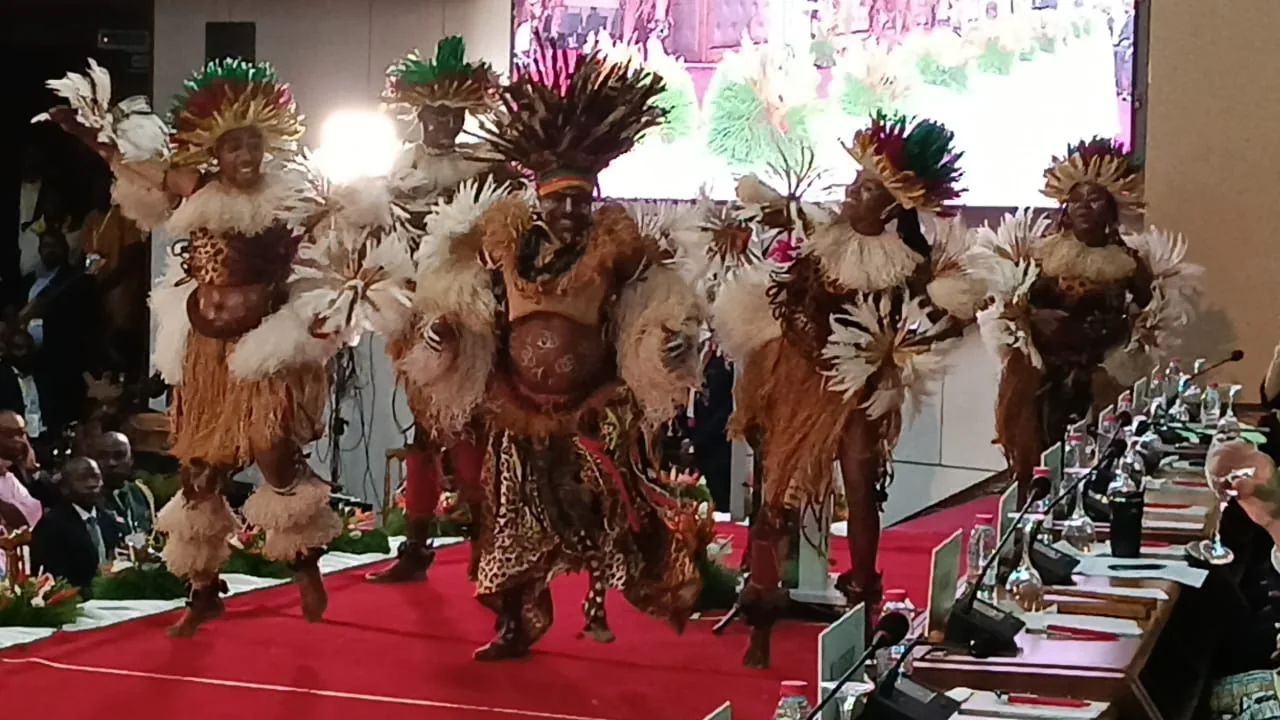
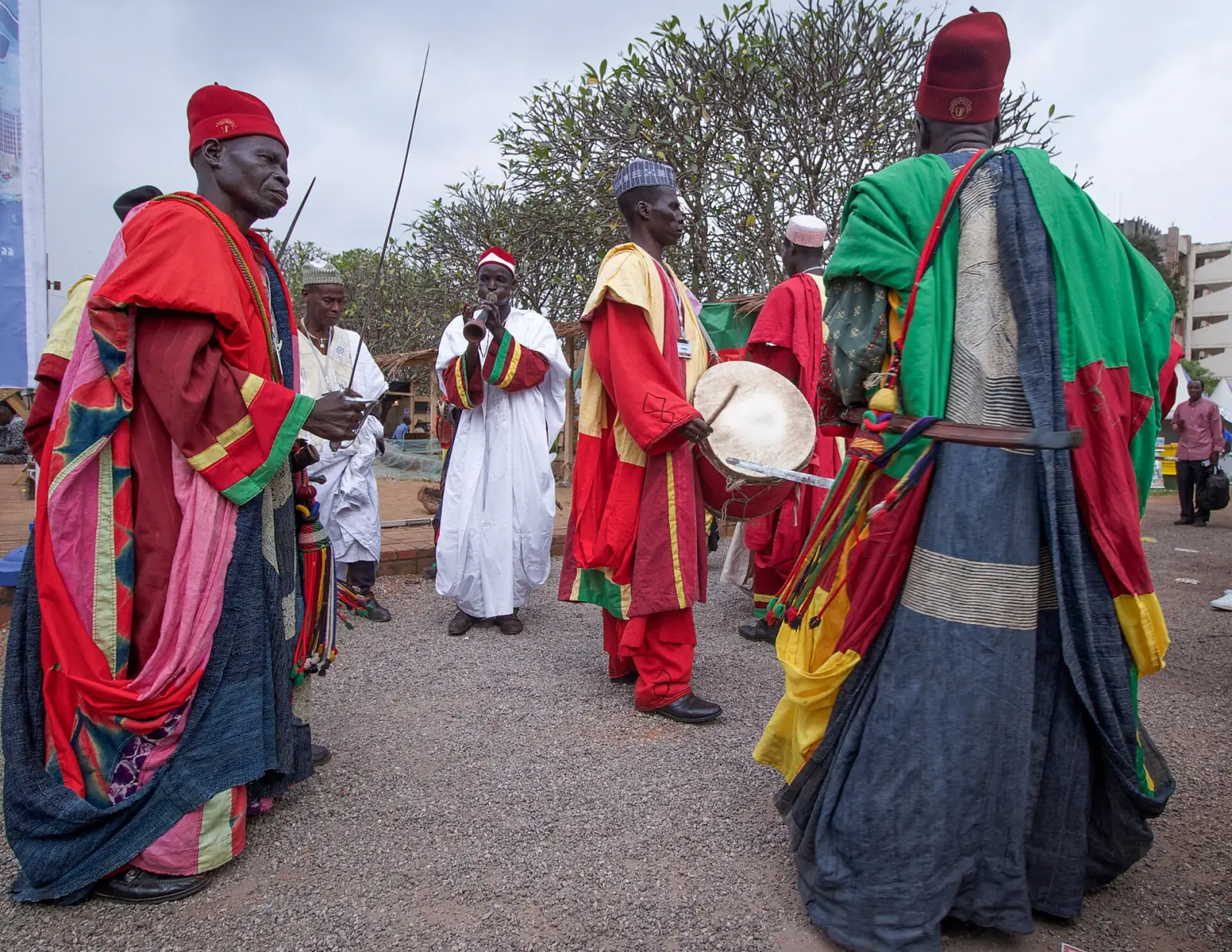
Dignitaries in large red, green and yellow robes with a drummer on a public square

Before writing, and often alongside it, it is the voice that carried the history, morals and humour of the peoples of Cameroon. Evening tales, epics sung to the sound of the mvet, proverbs delivered at the right moment in a palaver: this living speech is one of the pillars of the country’s intangible heritage.

The Ministry of Arts and Culture oversees its safeguarding by involving the holders: collection with their consent, sound archiving, support for storytellers and mvet players, and a presence in schools and festivals. This page presents the genres, the collection method and the ways to act.
  • Tales, epics and proverbs presented genre by genre
  • A collection framed by the consent of the holders
  • Sound archives that can be consulted and are protected
Discovering the tales
Tales

Evening tales

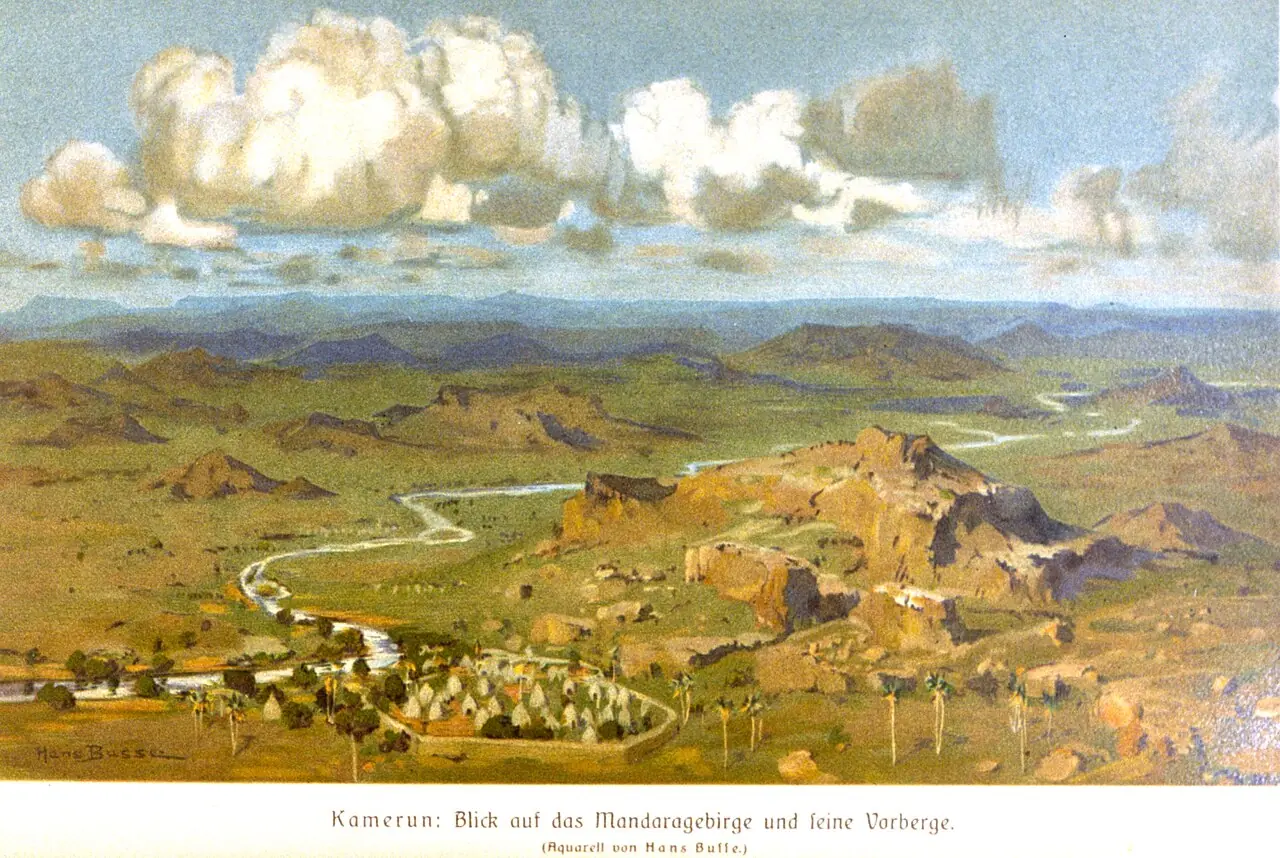
Old watercolour of a village in inland Cameroon and its mountains

The tale is the most familiar genre of Cameroonian oral tradition. Told in the evening, around the fire or under the veranda, it brings together children and elders and follows rules: an opening formula, an audience that responds, an ending that leaves a lesson. Each region has its storytellers, its characters and its ways of blending speech, song and gesture.

Three major families

  • Animal tales, in which the cunning tortoise, the antelope, the panther or the mouse stage human failings;
  • Origin tales, which explain the birth of a clan, a watercourse, a hill or a custom;
  • Wisdom tales, which pose a moral dilemma and leave the audience to debate it.

A school of life

The tale teaches prudence, sharing and respect for elders. It is also a language exercise: storytellers play with the sounds, onomatopoeia and rhythms of their mother tongue, which directly links this tradition to linguistic heritage. Today, professional storytellers perform in halls, on the radio and at festivals, while schools call on them as part of arts education.

ℹ️
Storytellers

Storytellers can register in the artists’ directory to be noticed by schools, media libraries and festival organisers.

Epics

Epics and the mvet

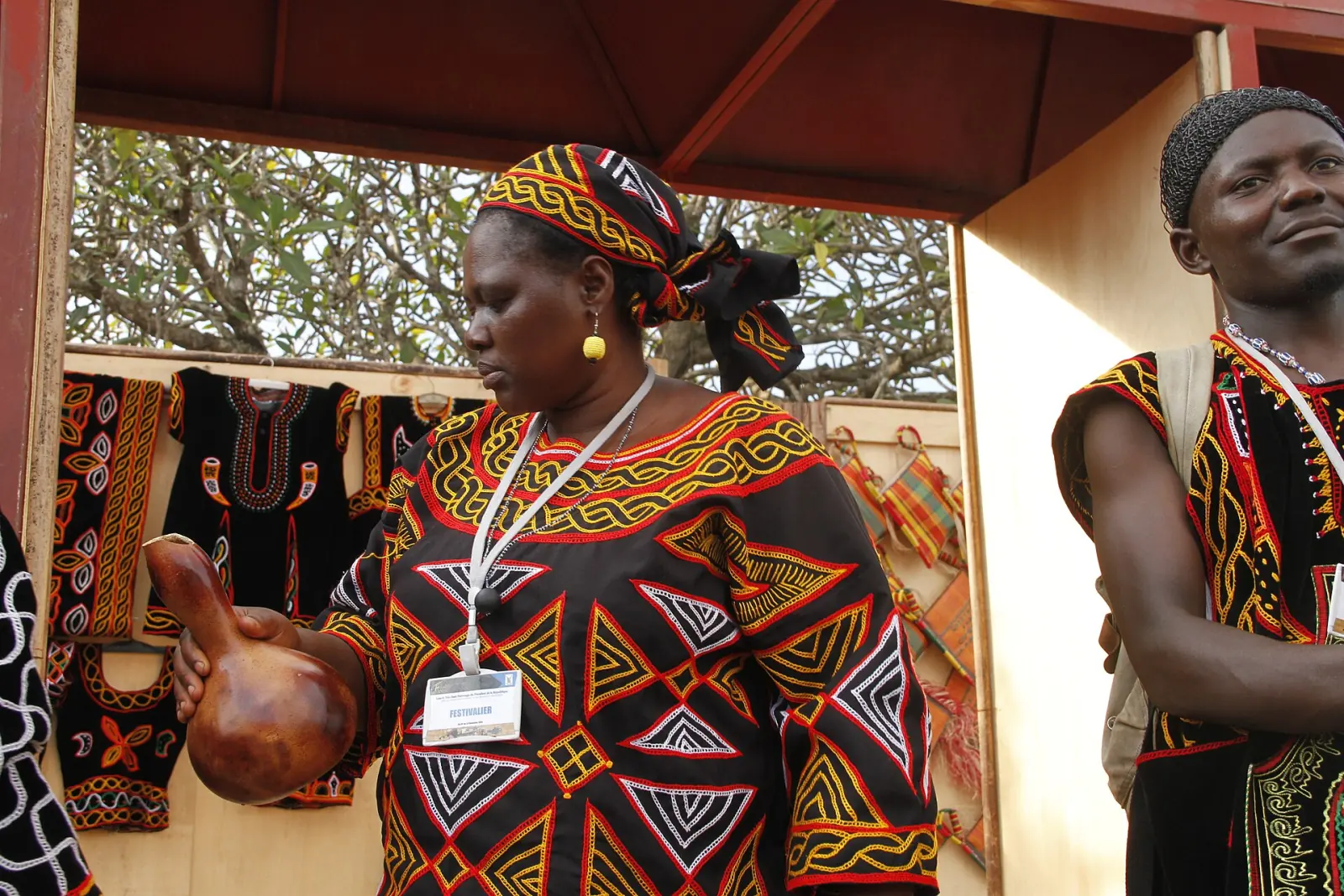
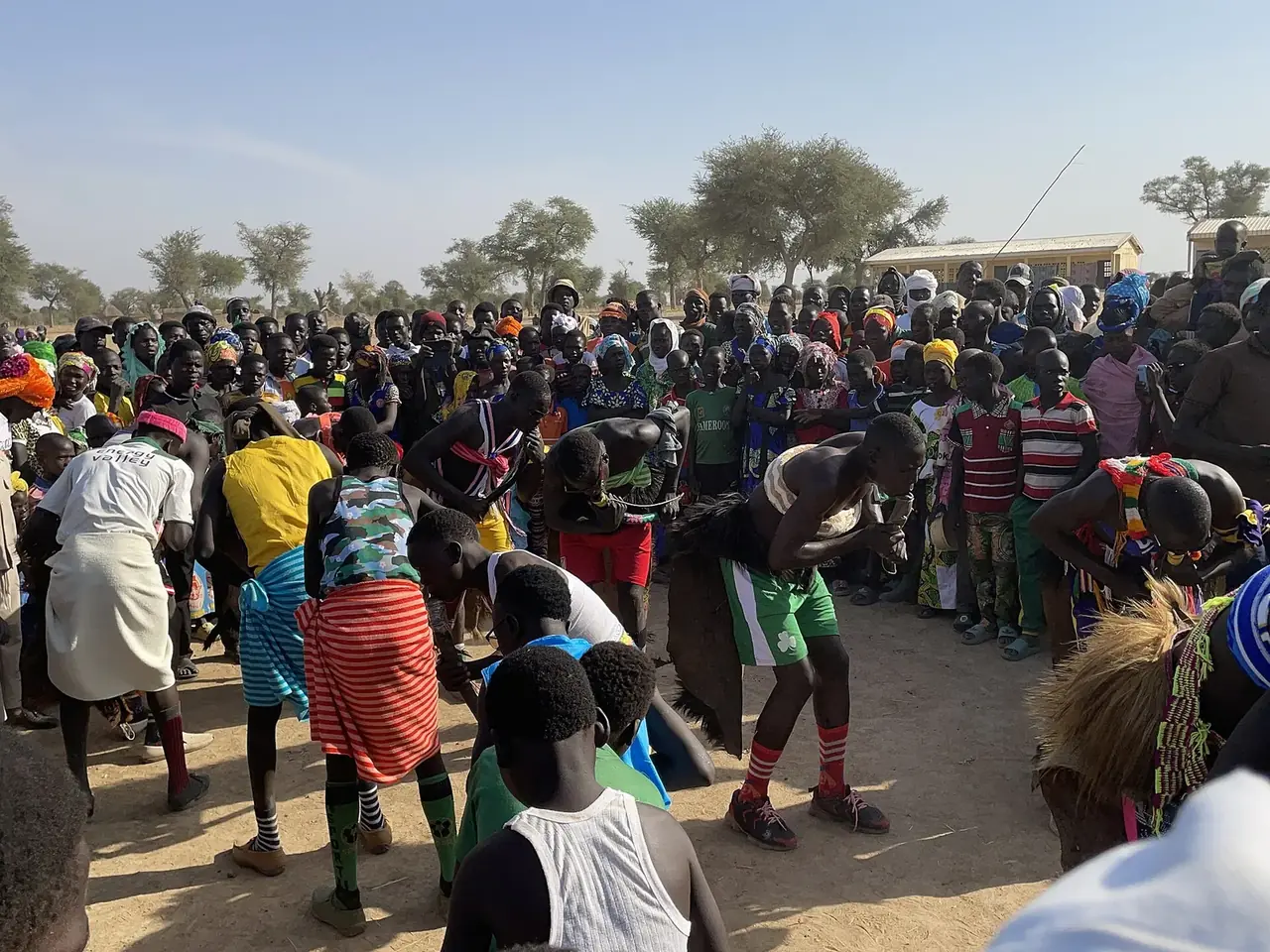
Instrumentalists in embroidered traditional costumes around a stand at a cultural event

An epic is a long narrative, sung or chanted, that recounts the exploits of founding heroes, wars between lineages and the migrations of peoples. In Cameroon, the best-known form is the mvet epic, carried by the Fang, Beti and Bulu peoples of the Centre, South and East. The storyteller-musician, accompanying himself on a stringed instrument of the harp-zither family also called the mvet, unfolds over hours, even several nights, the story of mythical peoples and their confrontations.

A complete art

The reciter combines narration, song, mime, improvisation and the memory of entire genealogies. The audience takes part through responses and exclamations; the performance is as much a show as a lesson in history and philosophy. Other regions have their own epic traditions and dynastic narratives, notably in chiefdoms and kingdoms, where the words of notables preserve the memory of reigns (see palaces and chiefdoms).

Few masters remain

Mastering an epic takes years of apprenticeship with an elder. The holders able to recite one in full are few today, hence the urgency of recording them and helping them to pass it on. Contemporary music and literature draw heavily on it.

ℹ️
Safeguarding the mvet

Mvet masters are recorded as tradition bearers in the national inventory, with their consent.

Proverbs

Proverbs and the right word

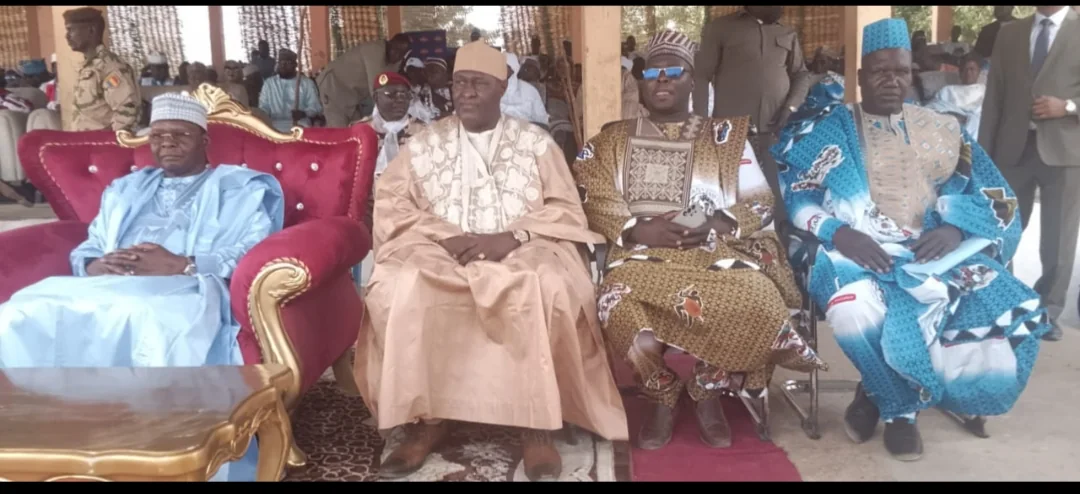
Four notables in traditional dress seated side by side during a ceremony, in front of an audience

A proverb condenses a people’s experience into a single sentence. In many Cameroonian societies, knowing how to place the right proverb at the right moment is the mark of the accomplished orator: it opens a palaver, calms a dispute, recalls a rule without offending anyone. Riddles, greeting formulas, praise and sayings belong to the same family of codified speech.

A logic of images

Proverbs draw on the world of farming, hunting, fishing, the river and the forest: the water that does not flow back to its source, the termite mound that rises grain by grain, the stick that bends only to the hand of the elder. Each language expresses them with its own images, and they lose some of their flavour in translation, hence the importance of recording them in the original language, with their context of use.

Living uses

  • In wedding and mourning ceremonies, where they punctuate the speeches;
  • In customary courts and councils of notables;
  • At school, where they serve as a basis for learning to read in national languages;
  • In song, theatre and slam, which renew them.

Proverbs thus form a link between generations and feed theatrical creation as well as public speech.

Collection

The collection of oral traditions

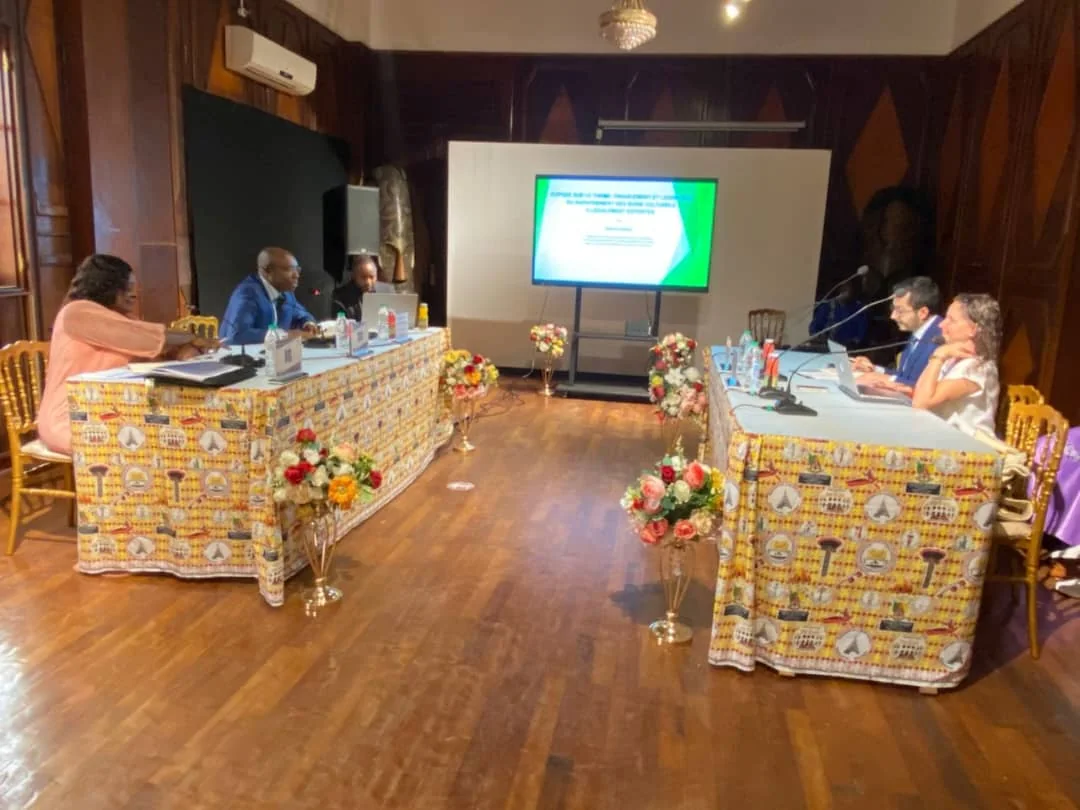
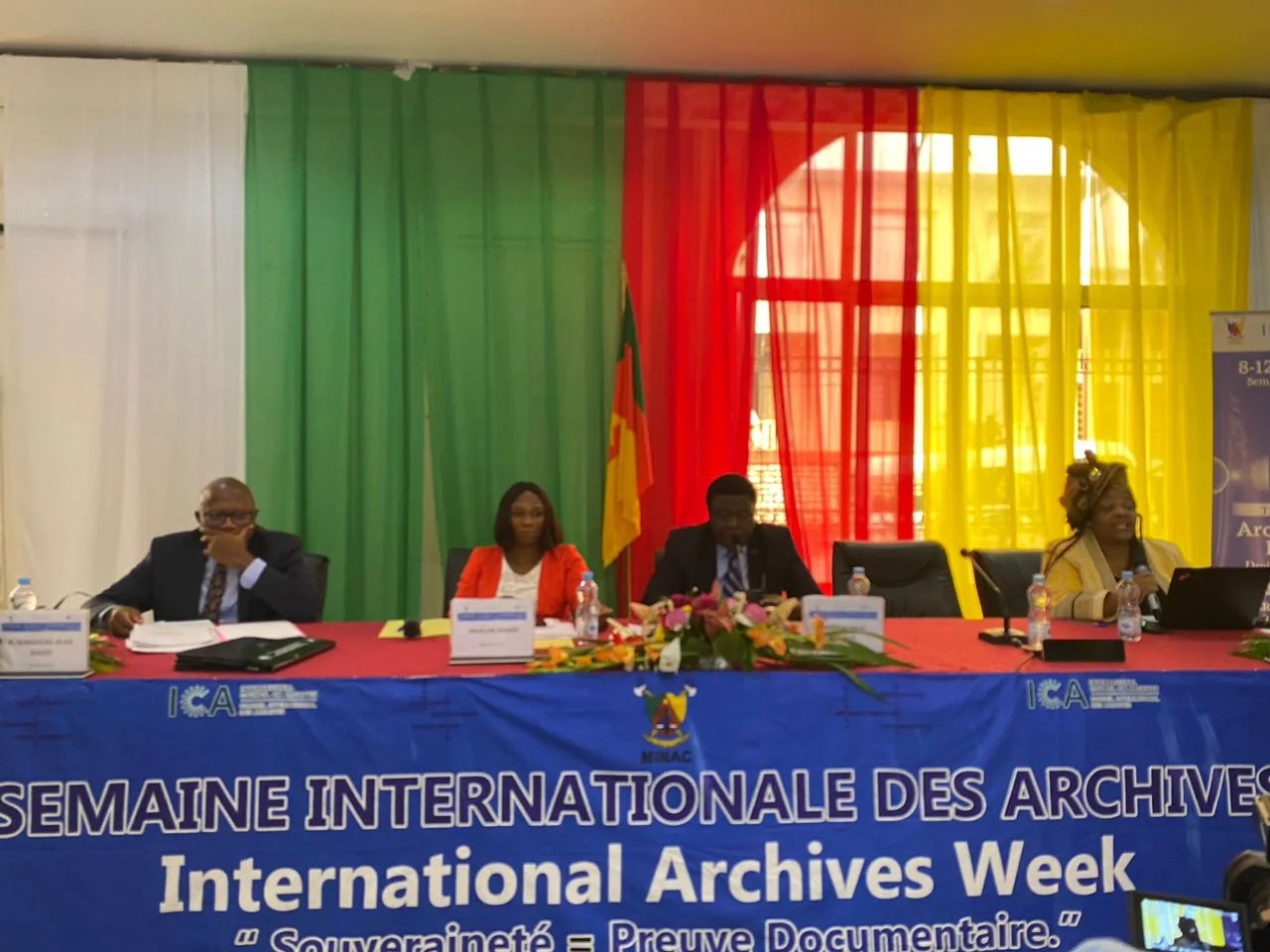
Meeting room with a projection screen and participants around the tables

Collecting an oral tradition means recording words that exist only in the moment of their performance. The procedure follows precise rules, so that the heritage is safeguarded without dispossessing its holders.

The principles

  • Consent: no recording is made without the agreement of the holder and, where the account belongs to a lineage or a chiefdom, of the competent authority;
  • Context: the place, date, occasion, language, age and role of the narrator are noted, together with the audience;
  • Restitution: a copy of the recording is given to the community, which retains control over its use;
  • Rights: the conditions of dissemination, publication and any remuneration are set out in writing before the collection, in compliance with copyright and neighbouring rights.

From collection to archive

Recordings are transcribed, translated, described on a record sheet and added to the national inventory, then stored on duplicated digital media. Researchers, students, associations and communities may organise their own campaigns with the support of the regional delegation, which provides advice and recording equipment. Major campaigns are documented on the inventory page and showcased during the heritage days.

ℹ️
Before recording

Prepare a consent form, explain the intended use of the recordings and keep a copy for the narrator.

Stakeholders

The guardians of the spoken word

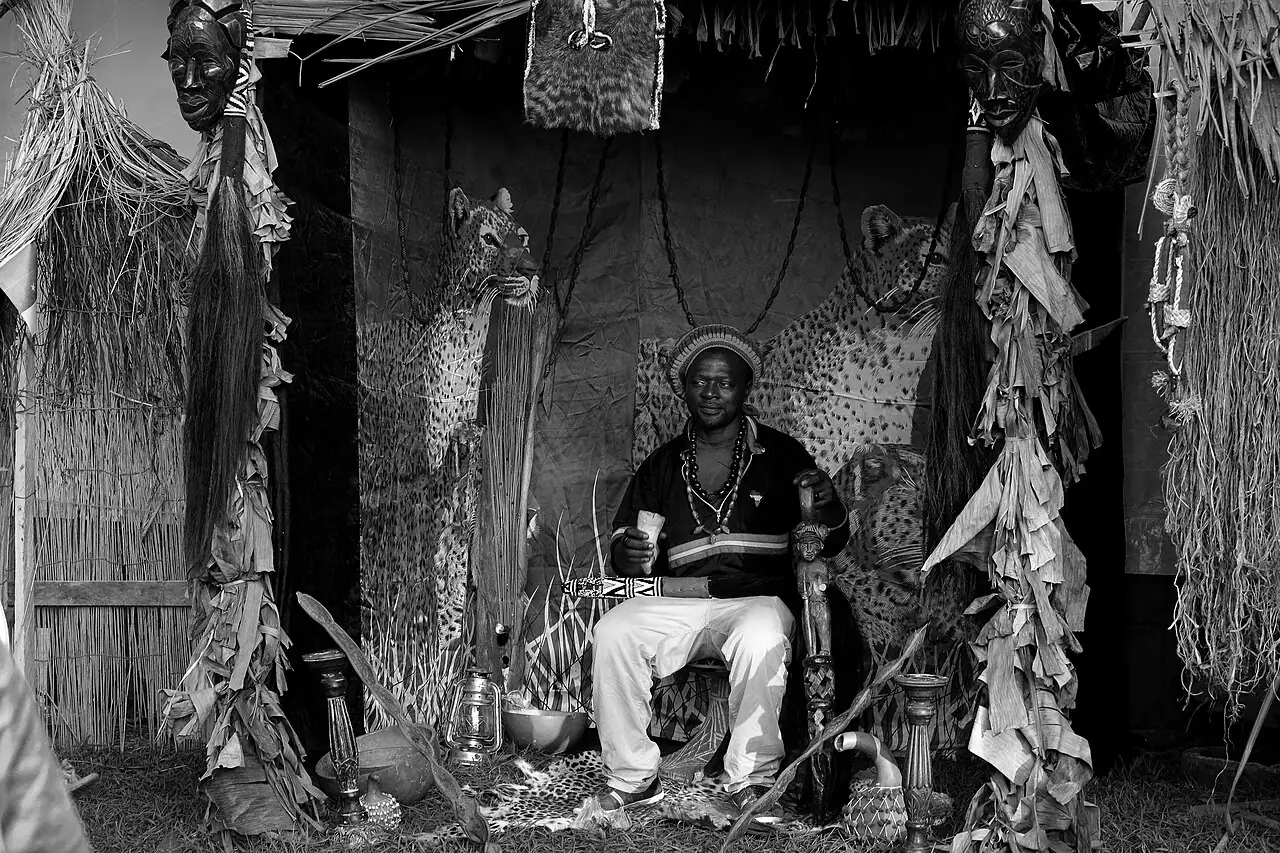
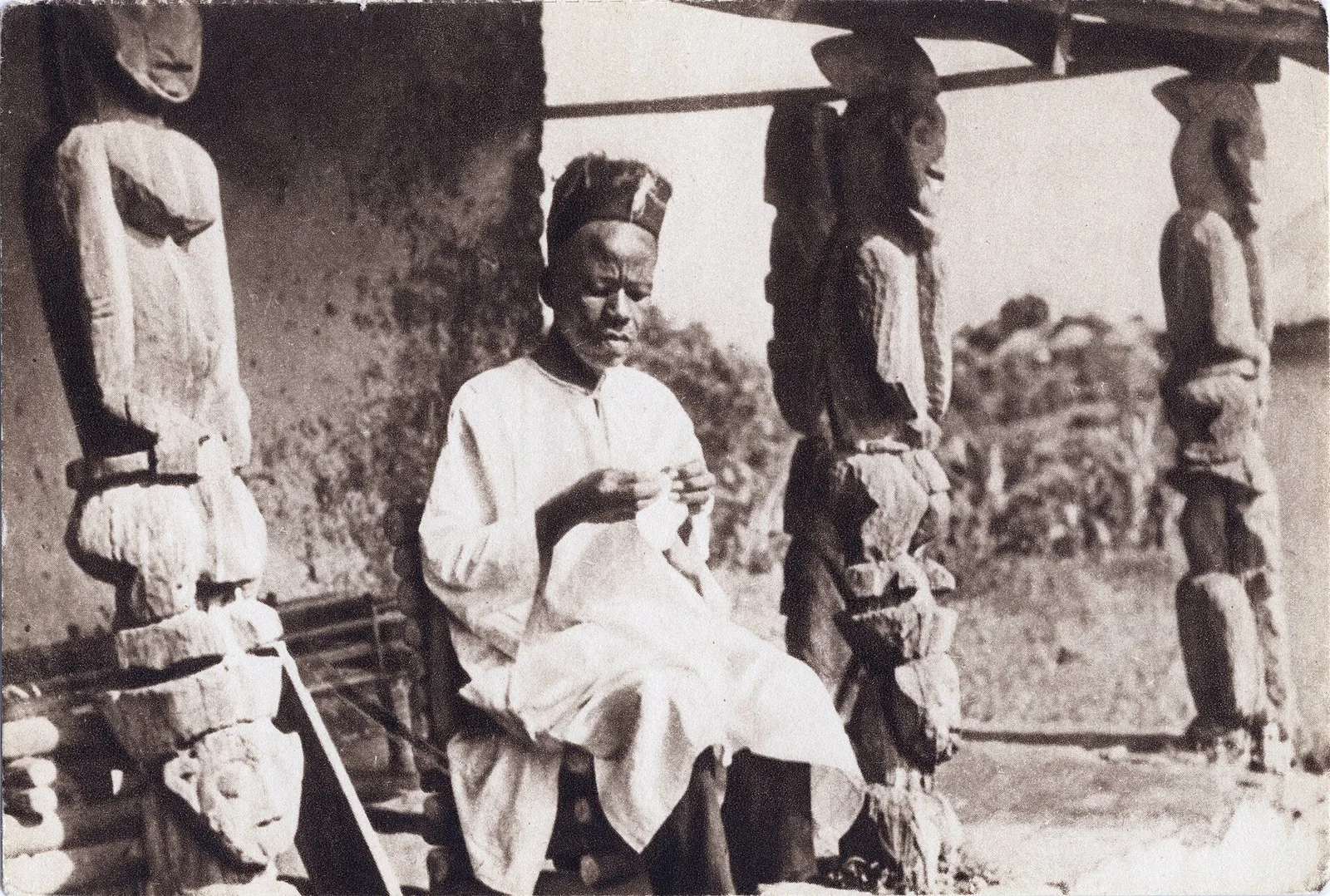
Initiation chief seated in a hut adorned with masks, old photograph

Oral tradition rests on people and institutions: village storytellers, mvet players, chiefdom notables, griots of the northern savannahs, evening singers, but also teachers, radio presenters and librarians. Each plays a distinct role in the chain of transmission.

Varied statuses

In some societies, the spoken word is reserved for particular lineages or age groups; in others, it is open to all. Women hold a large share of the tales and lullabies, and older men that of the genealogies and epics. Recognising these roles is essential to designing a suitable safeguarding action.

The Ministry’s support

  • Recognition of holders and support for transmission within families and workshops;
  • Storytellers’ gatherings during the cultural days;
  • Partnerships with community radio stations and media libraries;
  • Support for associations through approval and the subsidy application.

The Ministry’s podcast regularly gives a voice to these guardians.

Step by step

Conducting a collection campaign

Identify the holders

Identify with the community the storytellers, mvet players and notables, and meet them before any recording to explain the project.

Obtain agreement

Have a consent form signed specifying the uses: study, archiving, public dissemination, publication or teaching.

Record

Choose a quiet place, record in audio and video, keep the audience’s reactions and note the context of the performance.

Transcribe and translate

Transcribe in the original language, translate into French or English and have the text reviewed by the narrator or a speaker.

Archive

Add the files and the descriptive record to the inventory, with a backup copy on a second medium.

Return

Give a copy to the community and organise a public listening session or a restitution evening gathering.

To act

Act for the living spoken word

Register a storyteller

List a storyteller or mvet player in the directory to be invited by schools and festivals.

See the directory

Set up an association

Form an association for safeguarding the spoken word and apply for its approval.

Apply for approval

Fund a collection

Submit a file to cover recording equipment, travel and transcription.

Request support

Report a tradition

Is an oral practice under threat in your village? Report it so that it can be recorded.

Report
To explore

The spoken word in other sections

Voices

Voices of oral tradition

“
The children of the neighbourhood wait for me every Friday; I tell them stories the way they were told to me, with the same refrains.
A storyteller
West Region
“
The mvet is not learned from a book: you must live beside the master, listen, repeat, and one day dare to sing alone.
A mvet player
South Region
“
Our class recorded the grandparents’ proverbs; they are proud to hear them read by their grandchildren.
A teacher
Centre Region
“
Collection with consent reassured us: we know who listens, who keeps the recordings and what will be broadcast.
A chiefdom notable
North-West Region

“When an old storyteller dies, an entire library burns down: recording him is saving his books before the fire.”

A community radio presenter, East
To download

The collector’s resources

Key facts

The genres of the spoken word at a glance

GenreFormOccasionsTransmission
Animal taleShort tale, formulas and refrainsEvening gatherings, family eveningsFrom grandparents to children
Origin taleFounding account of a clan or a placeCeremonies, gatheringsNotables and elders of the lineage
EpicLong narrative, sung and accompaniedLong evening gatherings, festivals, tributesApprenticeship under a master
ProverbShort, vivid sayingPalavers, weddings, mourningDaily use and teaching
RiddleEnigmatic questionChildren’s games, evening gatheringsAmong peers and within the family
Praise and genealogySong or recitationChiefdom ceremoniesGriots and spokespersons
LullabyGentle songChildcareMothers and grandmothers
Glossary

The words of oral tradition

Tale

A short tale, often featuring animals, told at evening gatherings with opening formulas and a moral ending.

Epic

A long heroic narrative, sung or chanted, which traces the history of a people or a lineage.

Mvet

A stringed instrument of the harp-zither family and, by extension, the epic of the Fang, Beti and Bulu peoples.

Proverb

A short, vivid phrase that sums up a rule of life or a lesson of experience.

Palaver

A public discussion conducted according to rules of speech to settle a dispute.

Griot

A specialist in the spoken word, praise and genealogies in certain savannah societies.

Custodian

A person or community that possesses knowledge or an account and decides how it is used.

Consent

Free and informed agreement given before any collection or dissemination.

Performance

The moment when the tradition is told before an audience, as opposed to the fixed text.

Transcript

A faithful written version of a recording, in the original language.

Sound collection

A set of recordings preserved and described for research and the public.

Evening gathering

An evening when tales, songs and riddles are shared around the fire.

On the site

Extend the evening gathering online

Resources

Useful links on the spoken word

Stakeholders

Who supports oral tradition?

Journey

Safeguarding the spoken word over time

Before writingLiving memory

The peoples of Cameroon entrust their history to specialists of the spoken word, trained for years under the elders.

Colonial eraThe first transcriptions

Missionaries and researchers write down tales and proverbs, sometimes without the communities’ consent and at the cost of distortions.

1960s-1980sNational surveys

Cameroonian teams record storytellers and reciters to build sound archives of the country’s languages.

The 2000sInternational recognition

The UNESCO convention on intangible heritage places oral traditions at the heart of safeguarding.

2013The heritage law

Law No. 2013/003 makes intangible property a component of the national cultural heritage, to be protected and promoted.

TodayDigital technology

Podcasts, applications and community radio stations broadcast the accounts and reach young people in town and village alike.

Questions

Your questions about oral traditions

How can I have a tale or epic from my community recognised?

Contact the regional delegation. An officer will help you describe the account (language, occasions, holders), obtain the community’s agreement and prepare the record to be added to the intangible heritage inventory.

May I record a storyteller without authorisation?

No. You need his or her consent and, if the account belongs to a lineage or a chiefdom, that of the authority concerned. A signed form specifies what you may do with the recording and what remains reserved to the community.

Who owns a traditional tale?

An ancient tale belongs to the community that handed it down. A particular version, performed or adapted by an artist, may however fall under the copyright of the adapter, without removing from the community the ownership of the original body of work.

Where can I listen to oral tradition archives?

Part of the holdings can be consulted on site, with the heritage services and regional delegations, and during Heritage Days. Access to sensitive recordings is subject to the agreement of the holders.

How do I learn the mvet?

It is learned from a master, often over several years. The regional delegations of the Fang-Beti area can put you in touch with tradition-bearers who accept pupils.

Can my school host a storyteller?

Yes. Schools may invite a storyteller listed in the artists’ directory. Write to the Ministry specifying the school, the pupils’ level, the language wished for and the dates.

Can a collection of proverbs be published?

Yes, provided you have obtained the narrators’ agreement, stated the language and origin of each proverb, and registered the work with the copyright services to protect your compilation work.

How can a collection campaign be funded?

You may submit a subsidy application, seek cooperation with a university or an association, or apply to a call for projects. Recording equipment may also be lent by the regional delegation.

What should be done if an oral tradition is disappearing?

Report it as soon as possible through the reporting form or to the regional delegation, stating the name of the language, the village and the last holders: a team will arrange a priority recording.

Contact

Write to the Ministry: Oral Traditions

Specify the property or site concerned.

Competent directorate

Contact cultural heritage

Address

Directorate of Cultural Heritage
Ministry of Arts and Culture
Quartier du Lac – Ministerial Zone
P.O. Box 1053 Yaoundé, Centre Region, Cameroon

Reach us

+237 6 51 70 58 41

contact@minac.gov.cm

Opening hours

Monday to Friday, 8 am to 4 pm

A tradition to safeguard?

Report an oral practice under threat in your village or neighbourhood: we will support you.

Make a report
WhatsApp