Coat of arms of CameroonMinistry of Arts
and Culture
Republic of Cameroon
My procedures
Home
Minister’s message
News
Press releases
Cultural calendar
Official speeches
Press review
Photo library
Video library
Calls for projects
Job vacancies
Public procurement
Newsletter
Frequently asked questions
Site map
Contact
Press area
Podcast “The Voice of Culture”
Legal notices
Privacy policy
Cookies and trackers
The Ministry
Missions and responsibilities
Organisation
Organisation chart
Minister’s Office (Cabinet)
Management team
General Secretariat
General Inspectorate
Central directorates
Regional Delegations
Institutions under supervision
Legislative texts
Regulatory texts
Sector strategy
Major projects
Budget and reports
Partners
Careers
Archives
Institutional communication
Quality and accessibility
Arts
Visual and plastic arts
Visual arts
Performing arts
Theatre
Dance
Music
Literature and books
Cinema and audiovisual
Photography
Fashion and design
Digital arts
Art crafts
Artists’ directory
Residencies
Prizes and awards
Arts education
Urban arts
Heritage
Tangible heritage
Intangible heritage
UNESCO sites
National museums
Listed monuments
National inventory
Palaces and chiefdoms
Archaeology
Linguistic heritage
Oral traditions
Traditional know-how
Restitution of cultural property
Fight against illicit trafficking
Listing and protection
Conservation and restoration
Heritage Days
Cultural landscapes
Industries
Music and recording
Cinema
Publishing and books
Digital arts
Fashion and creativity
Crafts
Cultural tourism
Funding for culture
Support funds
Incubators
Cultural entrepreneurship
Culture Observatory
Vocational training
Studies and reports
Sector statistics
Export and outreach
Intellectual property
Copyright
Legal framework
Copyright and neighbouring rights
Collective management societies
Register a work
Licences
Private copying
Fight against piracy
Model contracts
Social status of artists
Mediation
Disputes
Training
Fee scales
Register of works
Contact
Digital neighbouring rights
Public domain
Festivals
National calendar
Ngondo
Nguon
Écrans Noirs
Heritage Days
Music Day
Regional festivals
Fairs and exhibitions
Biennials
National competitions
Cultural days
Organise a festival
Event grants
Ticketing
Archives
Volunteering
Diaspora festivals
Regions
Adamawa
Centre
East
Far North
Littoral
North
North-West
West
South
South-West
Cultural map
Regional Delegations
Traditional chiefdoms
National languages
Cultural routes
Decentralised cooperation
Regional observatory
Cooperation
UNESCO
Francophonie (OIF)
African Union
Commonwealth
CEMAC
Bilateral cooperation
Cultural agreements
Professional organisations
Scholarships
Artist exchanges
Cultural years
Diaspora
Funded projects
Embassies
Technical partners
International restitution
International monitoring and calls
Services
Artist card
Show authorisation
Filming authorisation
Festival authorisation
Deposit of a work
Export of works of art
Listing of a property
Grant application
Association accreditation
File tracking
Forms
Fees
Opening hours and addresses
Reporting
Online help
My account
One-Stop Shop
The Ministry

General Secretariat

The Secretary General, the Minister’s principal collaborator: responsibilities, attached services and coordination of the central administration, regional delegations and institutions of the Ministry of Arts and Culture.

Updated on 5 November 20264 sub-pages
Attached units8
Specialised units5
Directorates coordinated7
Regions covered10
/ Ministry coordination The General Secretariat, backbone of the administration
Ministry coordination

The General Secretariat, backbone of the administration

The General Secretariat is the centre of gravity of the Department. Placed under the authority of the Secretary General, the Minister’s principal collaborator, it oversees the processing of routine matters, ensures that files are handled promptly and circulates information between the Minister’s Office, the directorates and the regional delegations.

This page describes the role of the Secretary General, his responsibilities, the units attached to him and how coordination works day to day, from mail received at reception to the signed decision.

  • Main collaborator of the Minister
  • Delegations of signature
  • Coordination of the central administration and decentralised services
Read the responsibilities
The Secretary General

Prof. Nkene Blaise Jacques, Secretary General

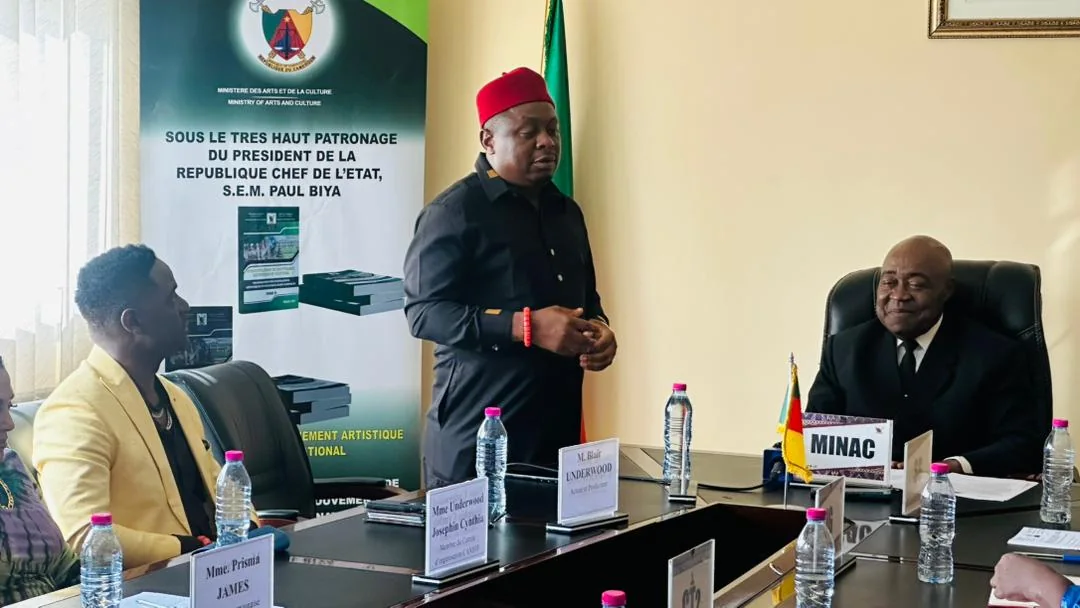
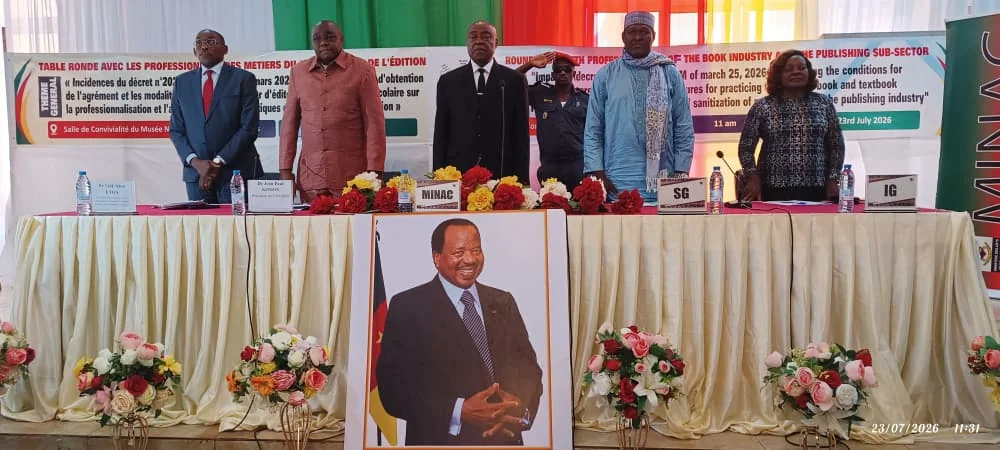
Working meeting in a Ministry office under the high patronage of the Head of State

The General Secretariat is placed under the authority of a Secretary General, the Minister’s principal collaborator. Prof. Nkene Blaise Jacques holds this position: he oversees the processing of the Department’s affairs and receives from the Minister the delegations of signature necessary for the proper functioning of the services.

A pivotal role

The Secretary General is neither one director among others nor an adviser: he is the essential link between the political impetus given by the Minister and the implementation carried out by the directorates. He receives the draft acts prepared by the services, checks their consistency, requests any necessary additional information and passes them to the Minister’s Office, or signs them himself when he holds a delegation. He meets the directors every week and the regional delegates regularly.

Guaranteed continuity

In case of absence or impediment of the Secretary General, the Minister appoints a director to act in the interim; the continuity of the public service is therefore never interrupted. The Secretary General sits alongside the Minister in the management team and takes part in the work on the sectoral strategy.

  • He processes the Department’s affairs with the directorates;
  • Within the limits of his delegations, he signs routine management acts;
  • He reports to the Minister on the progress of files;
  • He leads the dialogue with the institutions, see the institutions under supervision.
ℹ️
Delegation of signature

A delegation of signature is a written act by which the Minister authorises the Secretary General to sign, in his name, precisely defined categories of acts. It does not transfer political responsibility, which remains with the Minister.

Responsibilities

The responsibilities of the Secretary General

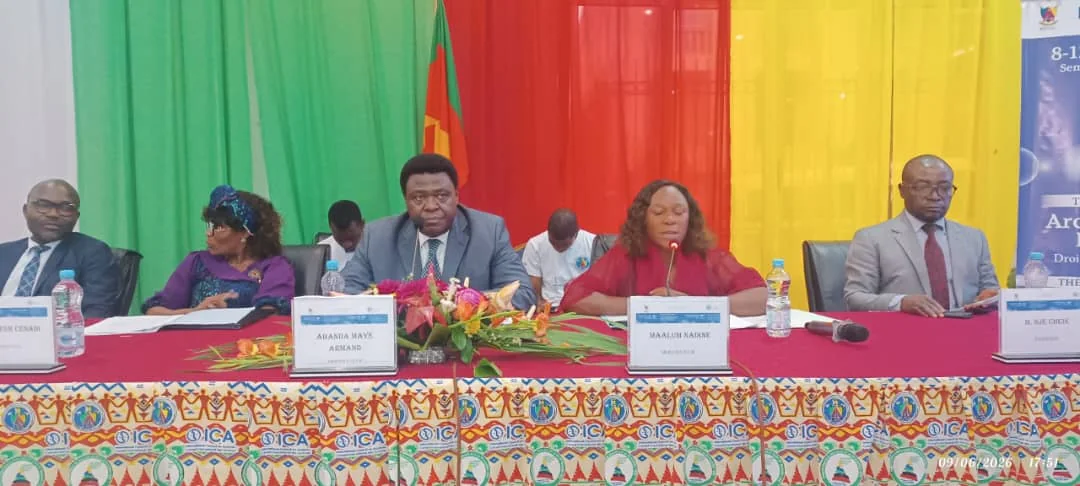
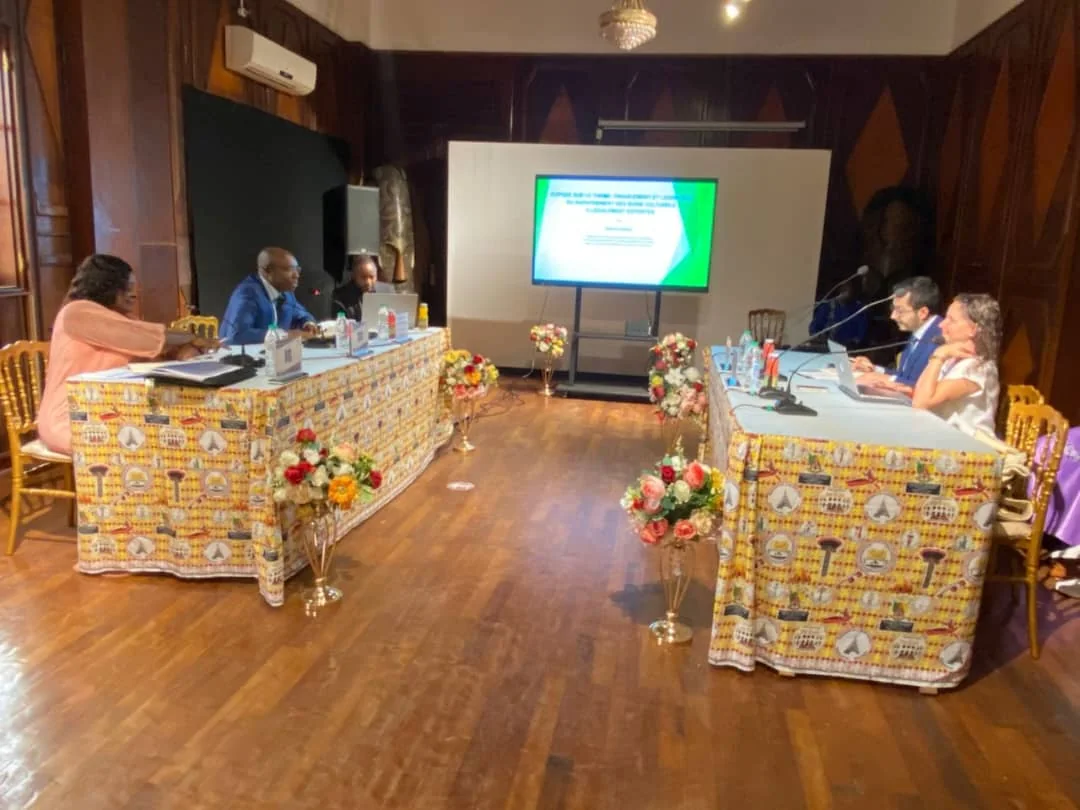
Panel table during an institutional meeting of the Ministry

The organisational texts entrust the Secretary General with five main families of missions, which structure all the activity of the General Secretariat.

Coordinating the action of the services

The Secretary General coordinates the action of the Ministry’s central administration and decentralised services. To this end he holds coordination meetings, the minutes of which he sends to the Minister: each decision is recorded there with the name of the service responsible for implementing it and the deadline set.

Defining and codifying internal procedures

He defines and codifies the Ministry’s internal procedures: mail routing, note timetable, report templates, retention rules. This codification prevents each directorate from inventing its own method and makes the handling of files predictable for users.

Training staff

He ensures the continuing training of staff and, under the Minister’s authority, organises seminars and refresher, advanced or specialised training courses. These activities complement the training plan prepared by the Directorate of General Affairs; staff will find information on the Careers page.

Following the attached services

Where applicable, he follows the action of the attached services, whose action programme he approves and from which he receives activity reports.

Speeding up, archiving, documenting

He ensures that files are handled promptly, centralises the archives and manages the Ministry’s documentation, in line with the Department’s archival policy.

ℹ️
In the texts

These responsibilities are those set out in the Ministry’s organisational texts. They can be consulted with the rest of the legal framework on the Regulatory texts page.

Attached services

The services attached to the General Secretariat

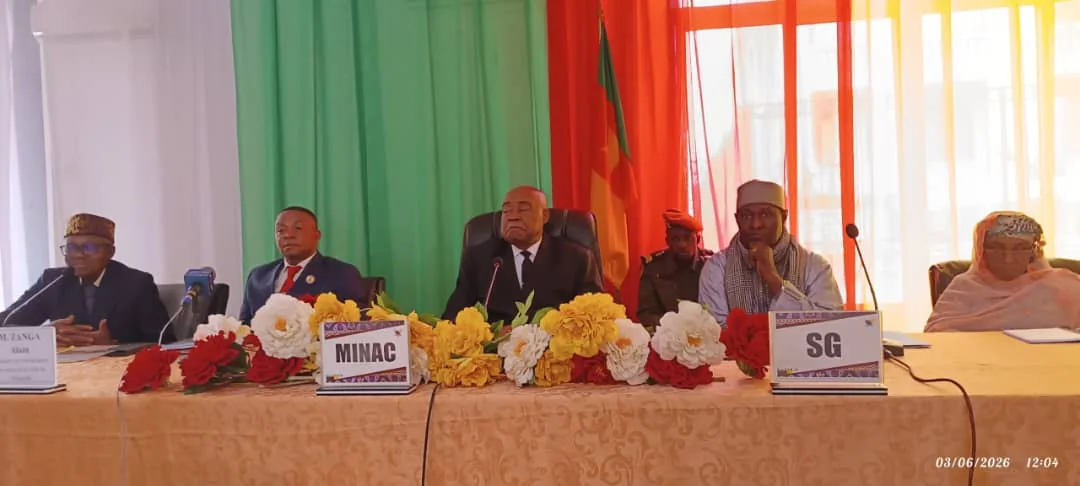
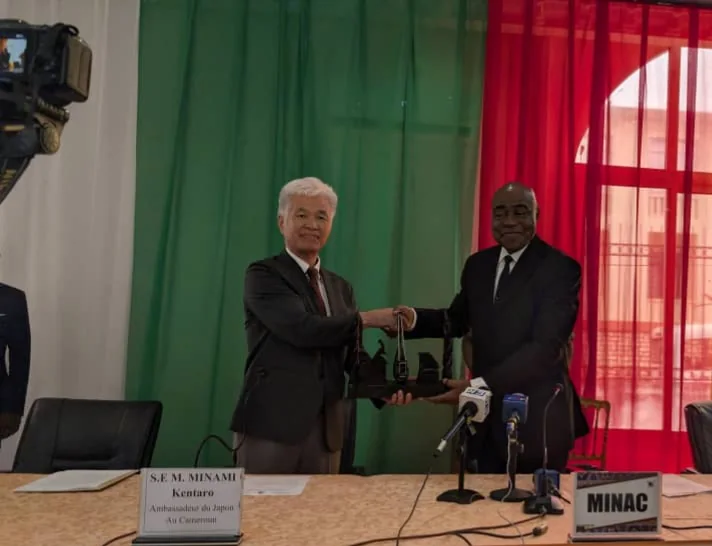
Ministry panel table during a working meeting

Eight units are directly attached to the Secretary General. They form the Ministry’s coordination apparatus and provide cross-cutting services to all the directorates.

  • Legal Affairs Division: studies and regulations unit, litigation unit;
  • Studies, Planning and Cooperation Unit;
  • Monitoring Unit;
  • Communication Unit;
  • IT and Statistics Unit;
  • Translation Unit;
  • Sub-Directorate of Reception, Mail and Liaison: reception and guidance service, mail and liaison service, reminder service;
  • Documentation and Archives Service: documentation bureau, archives bureau.
ℹ️
For users

The unit you will meet most often is the Sub-Directorate of Reception, Mail and Liaison, located at the Ministry’s head office, Quartier du Lac – Ministerial Zone.

Attached services

The services attached to the General Secretariat

  • General Secretariat15
    • Division of Legal Affairs2
      • Unit for Studies and Regulation
      • Litigation Unit
    • Unit for Studies, Planning and Cooperation
    • Monitoring Unit
    • Communication Unit
    • IT and Statistics Unit
    • Translation Unit
    • Sub-Directorate of Reception, Mail and Liaison3
      • Service of Reception and Guidance
      • Service of Mail and Liaison
      • Follow-up Service
    • Service of Documentation and Archives2
      • Documentation Bureau
      • Archives Bureau

Source: Ministry organisation chart

Coordination

An administration that moves forward together

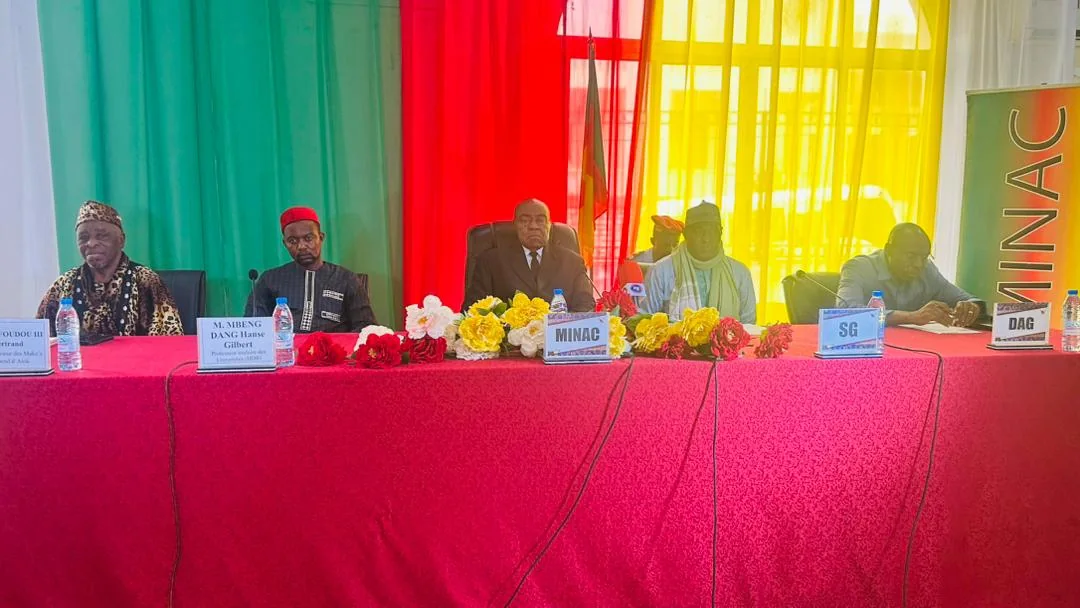
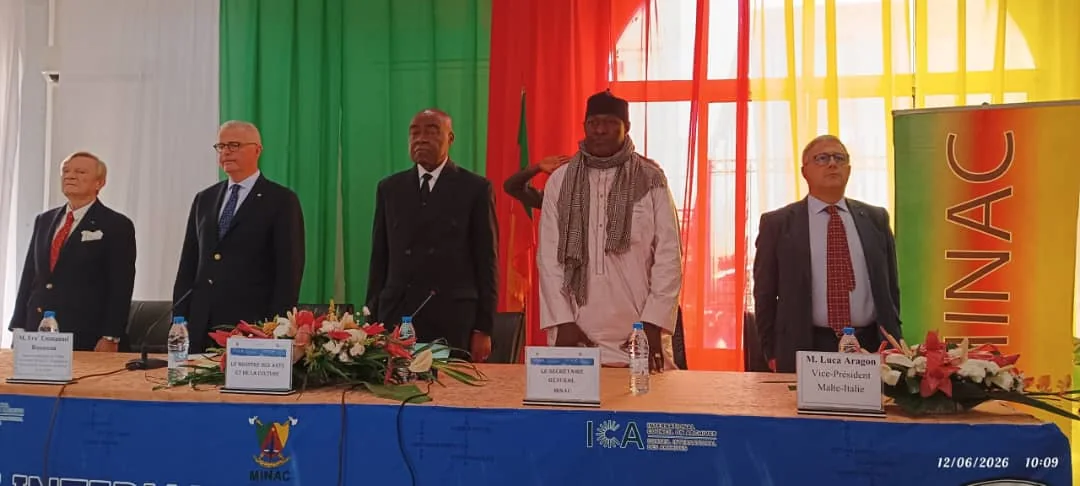
Officials sit behind a long meeting table covered with a red cloth and flowers, in front of curtains in the national colours.

To coordinate is to ensure that seven directorates, ten regional delegations and several institutions work at the same pace and according to the same rules. The General Secretariat achieves this through three instruments: the meeting, the procedure and the follow-up.

The coordination meeting

The directors meet regularly around the Secretary General to compare their calendars, flag bottlenecks and decide on priorities. The minutes, sent to the Minister, are authoritative: they list the decisions, those responsible and the deadlines. Regional delegates take part at regular intervals, which allows realities on the ground to be fed back, from the regional cultural network.

The common procedure

The same file follows the same path, whichever the directorate: registration, processing, opinion, signature, notification. The codification of procedures guarantees equal treatment of users and facilitates the control carried out by the General Inspectorate.

Follow-up and reminders

The monitoring unit and the reminder service identify overdue files and alert the officials concerned. A monthly dashboard shows, for each directorate, the number of files received, processed and pending.

ℹ️
In practice

Files submitted to the One-Stop Shop are directed to the competent directorate. If your file concerns several fields, the General Secretariat appoints a lead directorate to avoid back-and-forth.

The units in brief

The attached services at a glance

The mail route

From a letter submitted to a signed reply

Receipt

The mail and liaison service registers the envelope, assigns it a number and checks that the announced documents are present.

Referral

The reception officer directs the mail to the competent directorate, or to the Minister’s Office when it is addressed to the Minister.

Processing

The service concerned prepares a note: summary of the facts, applicable texts, proposed reply or decision.

Possible reminder

Once the announced deadline has passed, the reminder service questions the processing service and informs the monitoring unit.

Signature

The reply is signed by the competent authority, the Minister or a delegate, then recorded in the Ministry’s archives.

Notification

The reply is sent or handed to the person concerned; the status of the file can still be consulted via file tracking.

They cooperate with the General Secretariat

Stakeholders speak

“
When our festival involved three directorates, a single coordination meeting was enough to appoint a lead directorate and unblock the file.
A festival organiser
Douala
“
The procedure sheet tells us what stage the file has reached, and the reminder service replies as soon as we contact it.
An association manager
Bafoussam
“
The minutes of the coordination meetings help us know what is expected of the delegation and within what time frame.
A regional delegate
North Region
“
The advanced course gave us a method for classifying and describing our documents, from routine mail to personnel files.
A staff member of an attached service
Yaoundé
Activity

Where does the mail received by the Ministry go, in percentages?

Procedures and authorisations
Requests for performance, filming or festival authorisation directed to the directorates.
45 %
Grants and partnerships
Requests for support, proposed agreements and cooperation letters sent by national and foreign institutions.
25 %
Legal questions and complaints
Opinions on texts, informal appeals and reports forwarded to the legal division.
15 %
Press and information
Requests for accreditation, interviews and visuals addressed to the communication unit.
15 %
Procedures and training

Codifying procedures and training staff

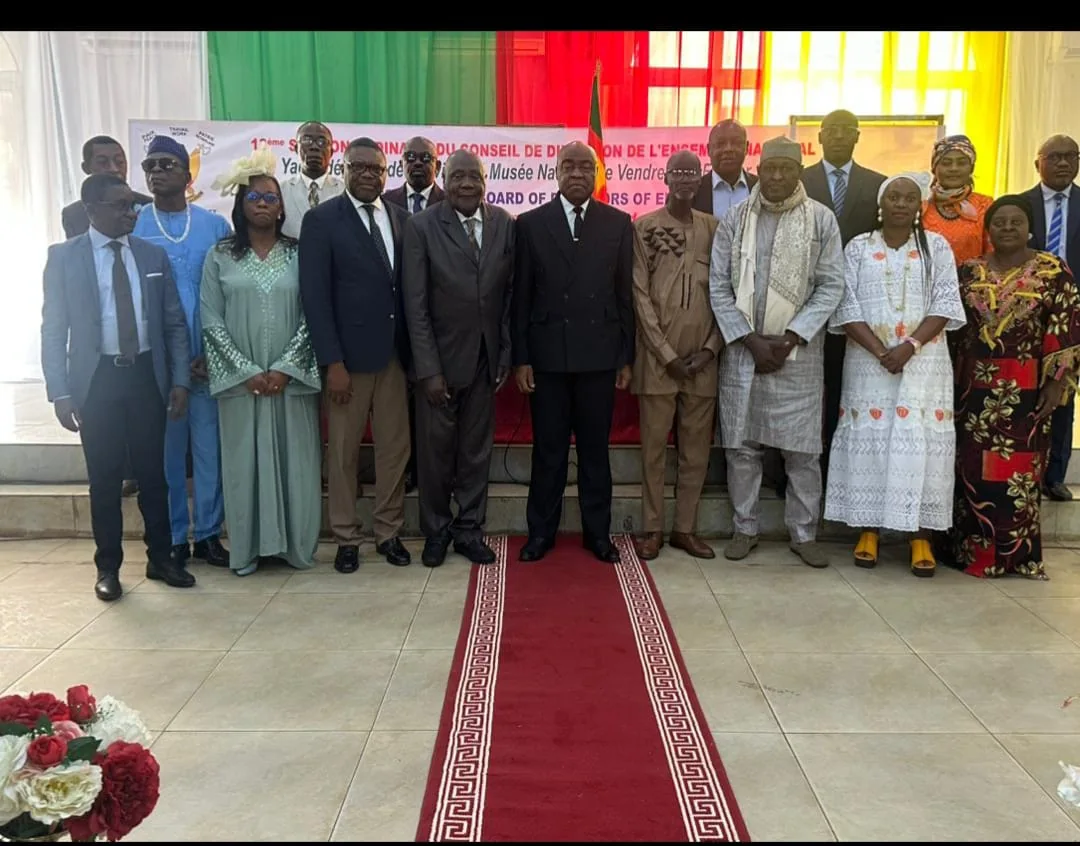
Officials standing before the panel table of a Ministry conference

An administration is effective when everyone knows how a file circulates and when staff master their tools. The General Secretariat works on both levers.

Written and shared procedures

Each internal procedure has a sheet specifying its purpose, the documents required, the services involved, the order of approvals and the target deadline. These sheets are collected in a procedures manual given to new arrivals and available for consultation at the documentation service. They also serve as the basis for the service commitments described on the Quality and accessibility page.

Training throughout a career

The Ministry’s training plan combines refresher seminars on public procurement, administrative writing or archiving, advanced courses in museums and libraries, and specialisation programmes, for example in cultural project management. These activities draw on the training offer for cultural professions.

A culture of results

Staff are assessed against clear objectives. Results are discussed at the coordination meeting, then included in the Department’s activity report.

Files processed

Three practical situations handled by the General Secretariat

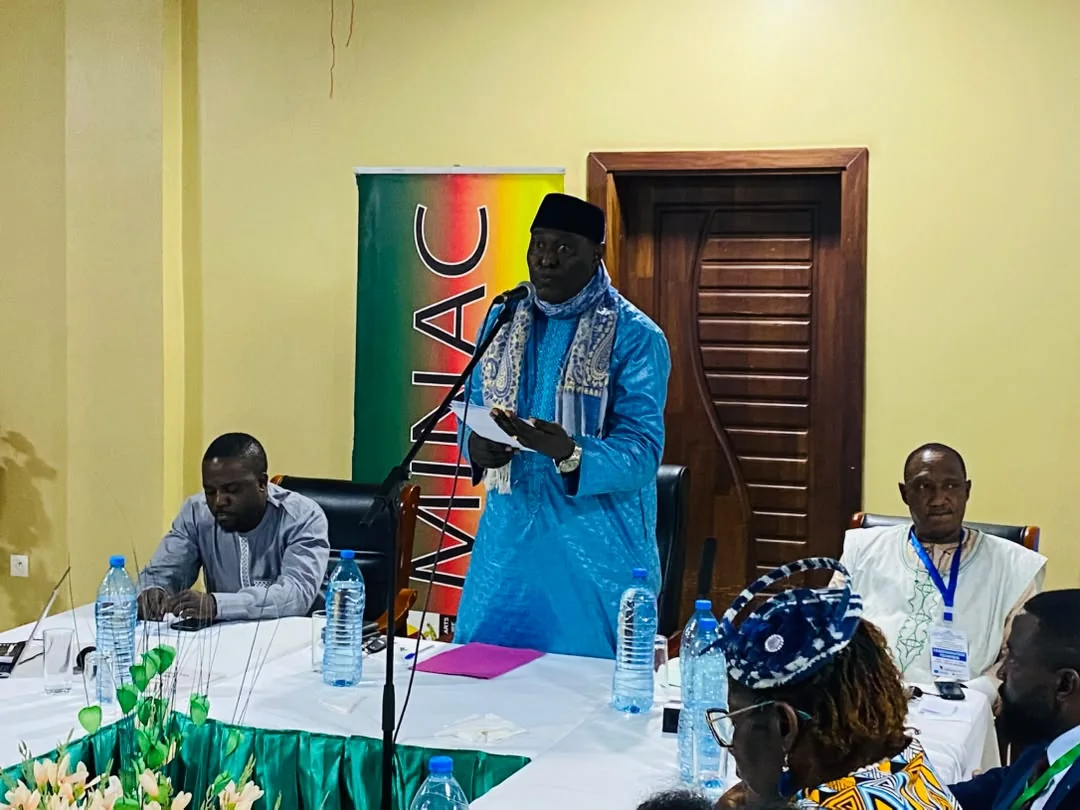
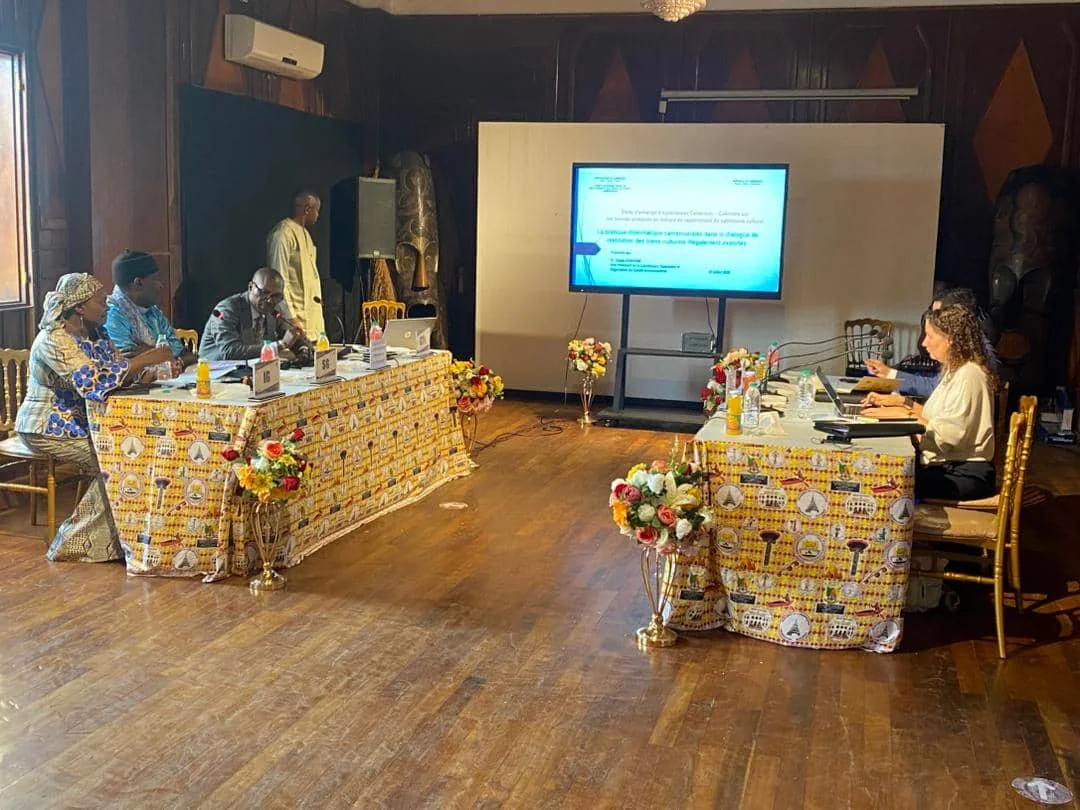
Meeting room with a projection screen during a Ministry workshop

To understand the role of the General Secretariat, nothing beats a few typical situations from the life of the Ministry.

A festival involving several directorates

An association organises a festival combining performances, cinema and an exhibition. Each component falls under a different directorate. The General Secretariat convenes the three directorates concerned, appoints the lead directorate and has a single opinion drawn up, sparing the organiser from multiplying procedures. The steps to follow are described in Organising a festival.

A letter left unanswered

An artist has not received a reply to his application for several weeks. By writing to the reminder service, he obtains the location of his file and the expected date of the decision. The monitoring unit questions the processing service and reports to the Secretary General.

A text to harmonise

Two directorates propose different wording for the same order. The legal affairs division arbitrates the drafting, the translation unit prepares the English version and the draft is passed to the Minister’s Office. The result is then published among the texts in force.

Worth reading

Documents of the General Secretariat

Glossary

The glossary of the General Secretariat

Delegation of signature

Authority given by the Minister to sign certain acts on his or her behalf, within precise limits.

Decentralised services

Regional and divisional delegations that represent the Ministry outside Yaoundé.

Attached services

Units and institutions whose activities are monitored by the Secretary General.

Acting

Temporary exercise of a function in the absence of the incumbent or pending their appointment.

Minutes

Written record of a meeting, setting out the decisions taken, those responsible and the deadlines.

Coordination meeting

Regular meeting of directors and heads of department chaired by the Secretary General.

Internal procedure

Codified sequence of steps that defines how a file is received, processed and signed.

Reminder

Procedure consisting of asking a service about a file whose deadline has passed.

Disputes

All the disputes in which the administration is involved, monitored by the legal division.

Visa

Written opinion added by a manager to a draft act before it is signed.

Where to go?

For users: four ways in

A letter

Hand in your letter at the headquarters reception: the mail and liaison service registers it and gives you a receipt.

Address and opening hours

A file

Submit and track your application online, with a single file number, through the One-Stop Shop.

One-Stop Shop

Information

Press, archives and documentation: the communication unit and the documentation bureau will answer you.

Press area

A complaint

A delay or a difficulty? Report it: the message is forwarded to the department concerned and to the General Inspectorate.

Report
To go further

Learn more about how the Ministry works

Useful links

Key texts and pages

Contacts

Who does the General Secretariat coordinate with?

Coordination cycle

How the General Secretariat moves decisions forward

ConveneCoordination meetings

Directors and officials meet around the Secretary General; the minutes are sent to the Minister, with decisions, those responsible and deadlines.

CodifyInternal procedures

The Ministry’s procedures are defined and codified so that every file follows an identical path, whichever the directorate.

TrainContinuing training

Seminars and refresher, advanced or specialised courses strengthen the skills of the administration’s staff.

FollowAttached services

The Secretary General approves the action programme of the attached services and receives their activity reports.

Speed upPrompt handling of files

The monitoring unit and the reminder service monitor deadlines and chase services when a file is delayed.

ArchiveAdministrative memory

Archives are centralised and documentation is managed so that any act or letter can be retrieved when needed.

Key facts

The General Secretariat in one table

UnitAssignmentContact them forWhere to apply
Division of Legal AffairsTexts, regulation, litigationA legal opinion, a text to proofread, a disputeMinistry contact form
Unit for Studies, Planning and CooperationStudies, programming, cooperationA partnership, an agreement, a sectoral studyPartners page
Monitoring UnitFollow-up of decisions and deadlinesAn overdue file or a decision not carried outFollow-up Service
Communication UnitInformation and press relationsAn accreditation, a press release, a visualPress area
IT and Statistics UnitInformation systems and dataA figure, an online account problemOnline assistance
Translation UnitFrench-English translation of documentsAn official translation of an act or documentContact form
Sub-Directorate of Reception, Mail and LiaisonReception, mail, follow-upSubmit or collect mail, be directedHeadquarters reception
Service of Documentation and ArchivesMinistry documentation and archivesConsult a text, a report or an old fileDocumentation Bureau
Questions

Contacting the General Secretariat

When should I write to the General Secretariat?

For a question of coordination between several directorates, internal procedure, staff training, or when a file seems to be stuck. For a routine procedure, go first through the One-Stop Shop, which directs your file to the competent directorate.

Where can I hand in a letter at headquarters?

At the headquarters reception, at the mail and liaison service, Quartier du Lac – Ministerial Zone. You will be given a receipt. Please observe the opening hours, Monday to Friday, and state the subject and the directorate concerned on the envelope.

Who handles follow-ups?

The follow-up service, attached to the Sub-Directorate of Reception, Mail and Liaison. It asks the service in charge of the file, informs you of progress and reports delays to the monitoring unit.

Does the Secretary General receive users?

He receives by appointment the heads of institutions, associations and local authorities whose file goes beyond the remit of a single directorate. The request is made in writing, with a short note setting out the purpose of the meeting.

How do I obtain an official translation of an act?

Send your request to the translation unit via the contact form, stating the document concerned and the language required. Turnaround times depend on the length of the text and its legal nature.

Who acts as interim if the Secretary General is absent?

The Minister appoints a director to act in the interim. Acts signed during this period are signed under the interim or under an expressly granted delegation of signature.

How can I consult an old document of the Ministry?

Send a request to the documentation and archives service, stating the nature of the document, its author and its period. Historical archives fall under the national archives policy.

Can the directorates decide without the General Secretariat?

They process their files and sign their routine acts. For any matter that involves several services or goes beyond the scope of their delegated powers, the Secretary General coordinates and prepares the decision.

How do I track my file submitted online?

Have the file number given at registration ready and consult the tracking page. If the status does not change within the announced time, contact the follow-up service.


Contact

Write to the General Secretariat

State the purpose of your request.

General Secretariat

Contact the General Secretariat

Address

General Secretariat
Ministry of Arts and Culture
Quartier du Lac – Ministerial Zone
P.O. Box 1053 Yaoundé, Cameroon

Reach us

+237 6 51 70 58 41

contact@minac.gov.cm

Opening hours

Monday to Friday, 8 am to 4 pm

A file to follow?

Check the status of your file using your file number.

Track my file
WhatsApp