Coat of arms of CameroonMinistry of Arts
and Culture
Republic of Cameroon
My procedures
Home
Minister’s message
News
Press releases
Cultural calendar
Official speeches
Press review
Photo library
Video library
Calls for projects
Job vacancies
Public procurement
Newsletter
Frequently asked questions
Site map
Contact
Press area
Podcast “The Voice of Culture”
Legal notices
Privacy policy
Cookies and trackers
The Ministry
Missions and responsibilities
Organisation
Organisation chart
Minister’s Office (Cabinet)
Management team
General Secretariat
General Inspectorate
Central directorates
Regional Delegations
Institutions under supervision
Legislative texts
Regulatory texts
Sector strategy
Major projects
Budget and reports
Partners
Careers
Archives
Institutional communication
Quality and accessibility
Arts
Visual and plastic arts
Visual arts
Performing arts
Theatre
Dance
Music
Literature and books
Cinema and audiovisual
Photography
Fashion and design
Digital arts
Art crafts
Artists’ directory
Residencies
Prizes and awards
Arts education
Urban arts
Heritage
Tangible heritage
Intangible heritage
UNESCO sites
National museums
Listed monuments
National inventory
Palaces and chiefdoms
Archaeology
Linguistic heritage
Oral traditions
Traditional know-how
Restitution of cultural property
Fight against illicit trafficking
Listing and protection
Conservation and restoration
Heritage Days
Cultural landscapes
Industries
Music and recording
Cinema
Publishing and books
Digital arts
Fashion and creativity
Crafts
Cultural tourism
Funding for culture
Support funds
Incubators
Cultural entrepreneurship
Culture Observatory
Vocational training
Studies and reports
Sector statistics
Export and outreach
Intellectual property
Copyright
Legal framework
Copyright and neighbouring rights
Collective management societies
Register a work
Licences
Private copying
Fight against piracy
Model contracts
Social status of artists
Mediation
Disputes
Training
Fee scales
Register of works
Contact
Digital neighbouring rights
Public domain
Festivals
National calendar
Ngondo
Nguon
Écrans Noirs
Heritage Days
Music Day
Regional festivals
Fairs and exhibitions
Biennials
National competitions
Cultural days
Organise a festival
Event grants
Ticketing
Archives
Volunteering
Diaspora festivals
Regions
Adamawa
Centre
East
Far North
Littoral
North
North-West
West
South
South-West
Cultural map
Regional Delegations
Traditional chiefdoms
National languages
Cultural routes
Decentralised cooperation
Regional observatory
Cooperation
UNESCO
Francophonie (OIF)
African Union
Commonwealth
CEMAC
Bilateral cooperation
Cultural agreements
Professional organisations
Scholarships
Artist exchanges
Cultural years
Diaspora
Funded projects
Embassies
Technical partners
International restitution
International monitoring and calls
Services
Artist card
Show authorisation
Filming authorisation
Festival authorisation
Deposit of a work
Export of works of art
Listing of a property
Grant application
Association accreditation
File tracking
Forms
Fees
Opening hours and addresses
Reporting
Online help
My account
One-Stop Shop
Cooperation

Embassies

Cameroonian embassies abroad, foreign embassies in Yaoundé, cultural attachés and contacts: how the Cameroonian diplomatic network relays the Government’s cultural policy and how artists and operators can make practical use of it.

Updated on 6 November 20264 sub-pages
Audiences with ambassadors in 20263
Countries receivedMorocco, Japan, Equatorial Guinea
Diplomatic counterpartExternal relations
Entry pointMinister’s Office (Cabinet)
Embassies

A diplomatic network serving culture

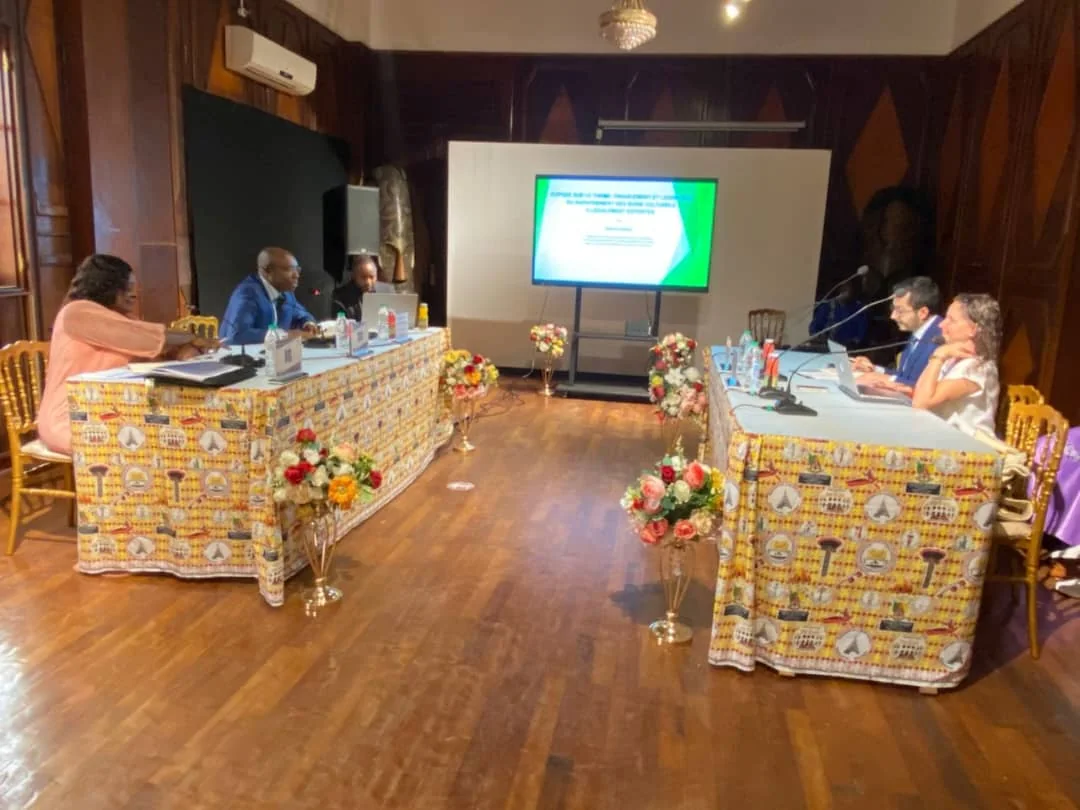
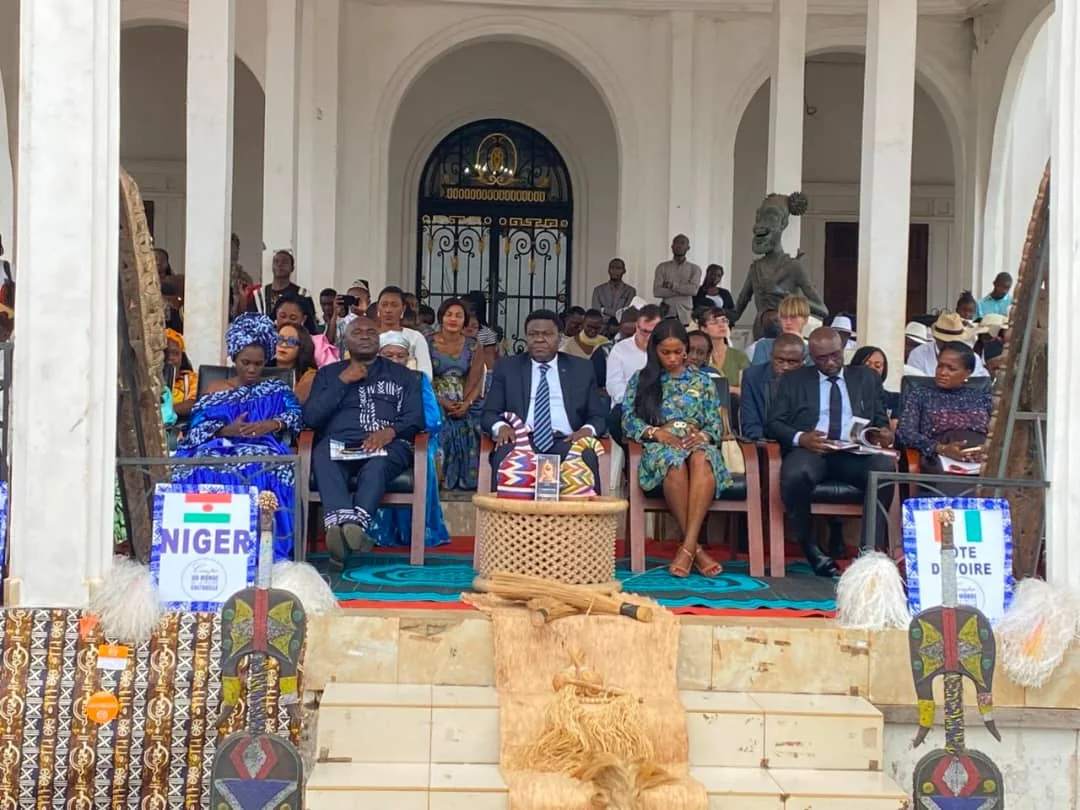
Foreign delegations seated under the Ministry gallery during a ceremony

Embassies are the first gateways to cultural cooperation. Those of Cameroon abroad promote the country’s artists, works and heritage; those of foreign States posted in Yaoundé offer projects, scholarships, residencies and expertise. Between the two, the Ministry of Arts and Culture coordinates its actions with the Ministry of External Relations.

In 2026, the Minister received in audience the ambassadors of Morocco, Japan and Equatorial Guinea. Each time, the aim was to reassure the guest of the Ministry’s readiness to support projects of cultural rapprochement. This page explains the role of each player, how to reach them and the procedures to follow for an artist or cultural operator.

  • Cameroon’s embassies relay cultural policy
  • Foreign embassies present their cooperation offers
  • Cultural attachés are the artists’ counterparts
Discover the network
Cameroon’s missions

Cameroon’s embassies abroad

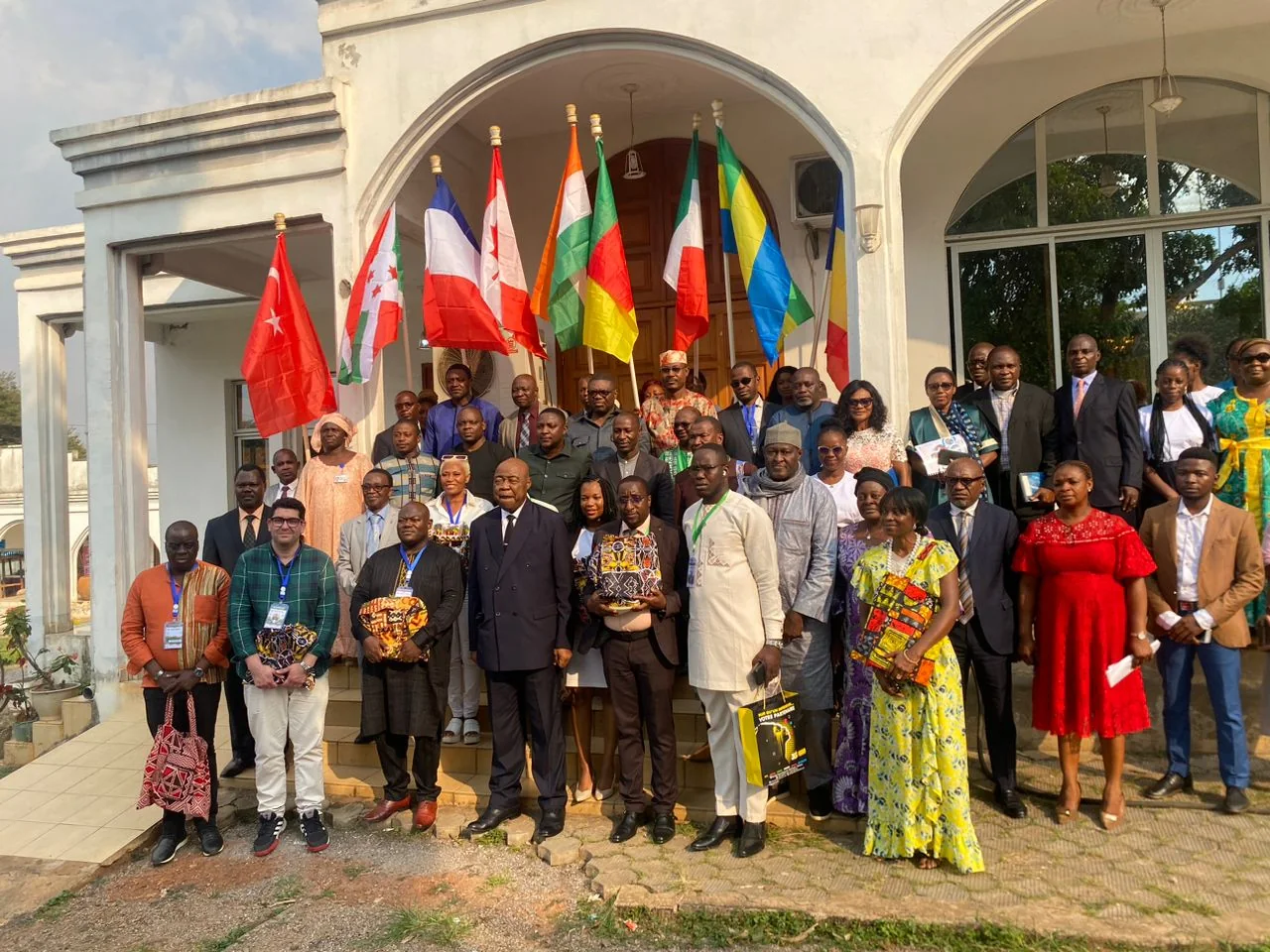
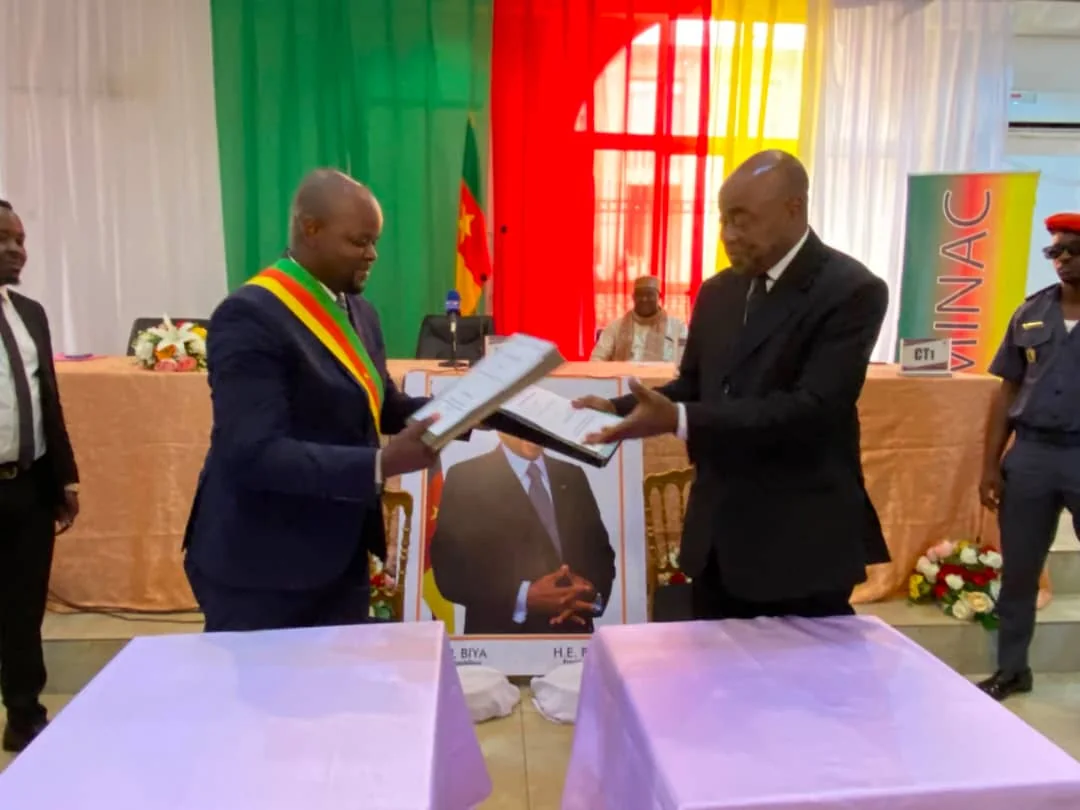
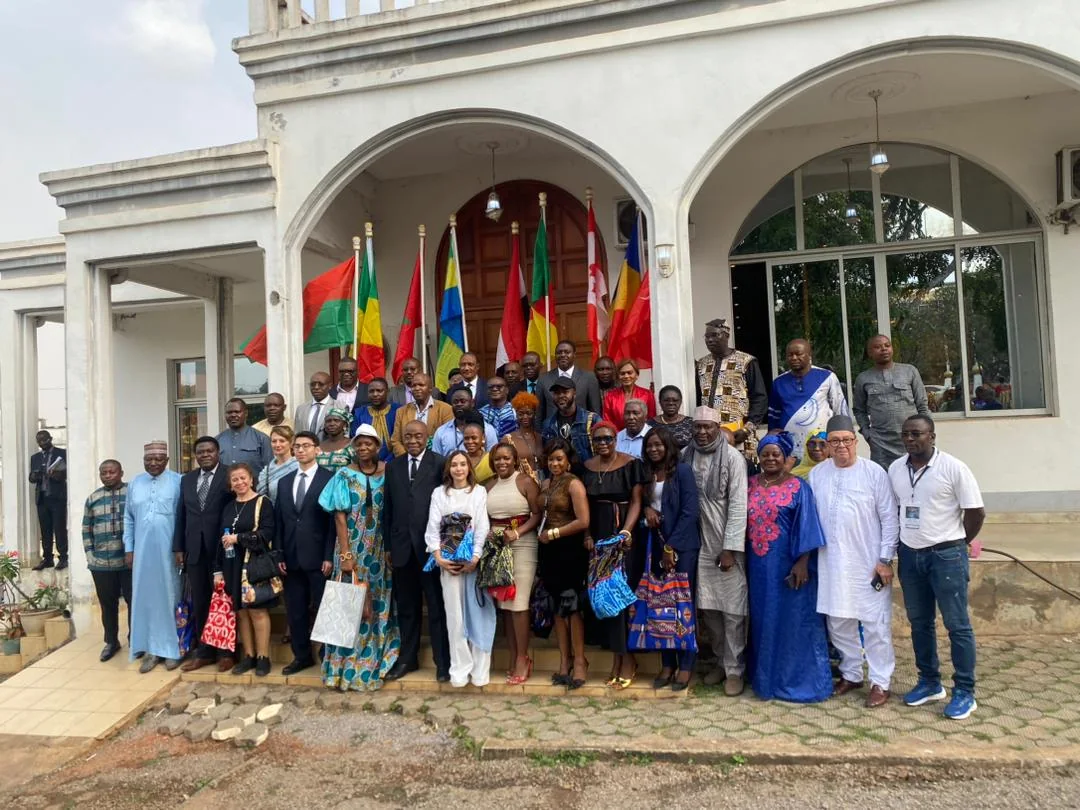
Group of participants posing in front of the flags of several countries during a meeting at the Ministry

Cameroon’s embassies, high commissions and consulates represent the State in host countries. In the cultural field, they carry out several missions that complement those of the Ministry of Arts and Culture: making Cameroonian creation known, supporting artists on tour, facilitating contacts with host-country institutions and supporting diaspora festivals.

What they can do for an artist

  • issue certificates useful for visa and residence procedures;
  • guide artists towards the cultural centres, galleries, festivals and markets of the host country;
  • relay official invitations and calls for applications;
  • facilitate meetings with the Cameroonian community, through the diaspora;
  • support the promotion of an exhibition or concert through an official message or a host venue.

The information circuit

The Ministry informs embassies of the broad directions of its policy, of the international events in which the country takes part and of the projects to be promoted, notably as part of cultural export and outreach. In return, embassies pass on the opportunities they identify: calls, fairs, residencies, cooperation requests. For the transport of works, artists must follow the export of works of art procedure.

ℹ️
Good to know

Before any trip, tell the Ministry about your project: a message to the Minister’s Office (Cabinet) makes it possible to alert the embassy concerned and obtain its support.

Foreign missions

Foreign embassies in Cameroon

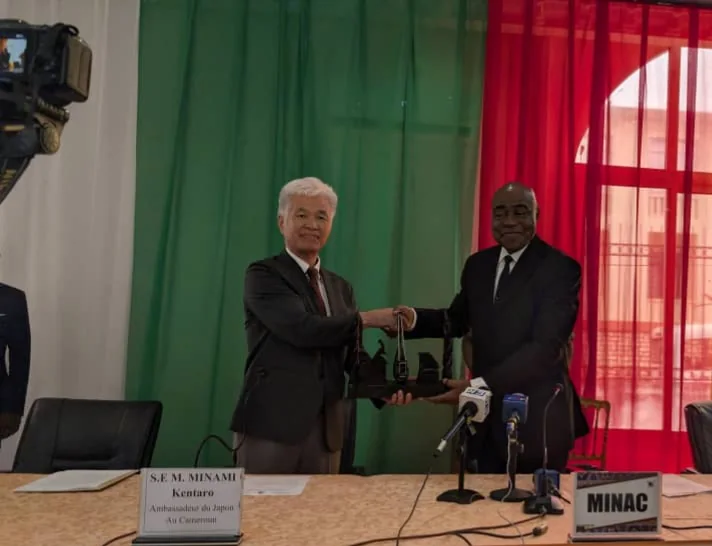
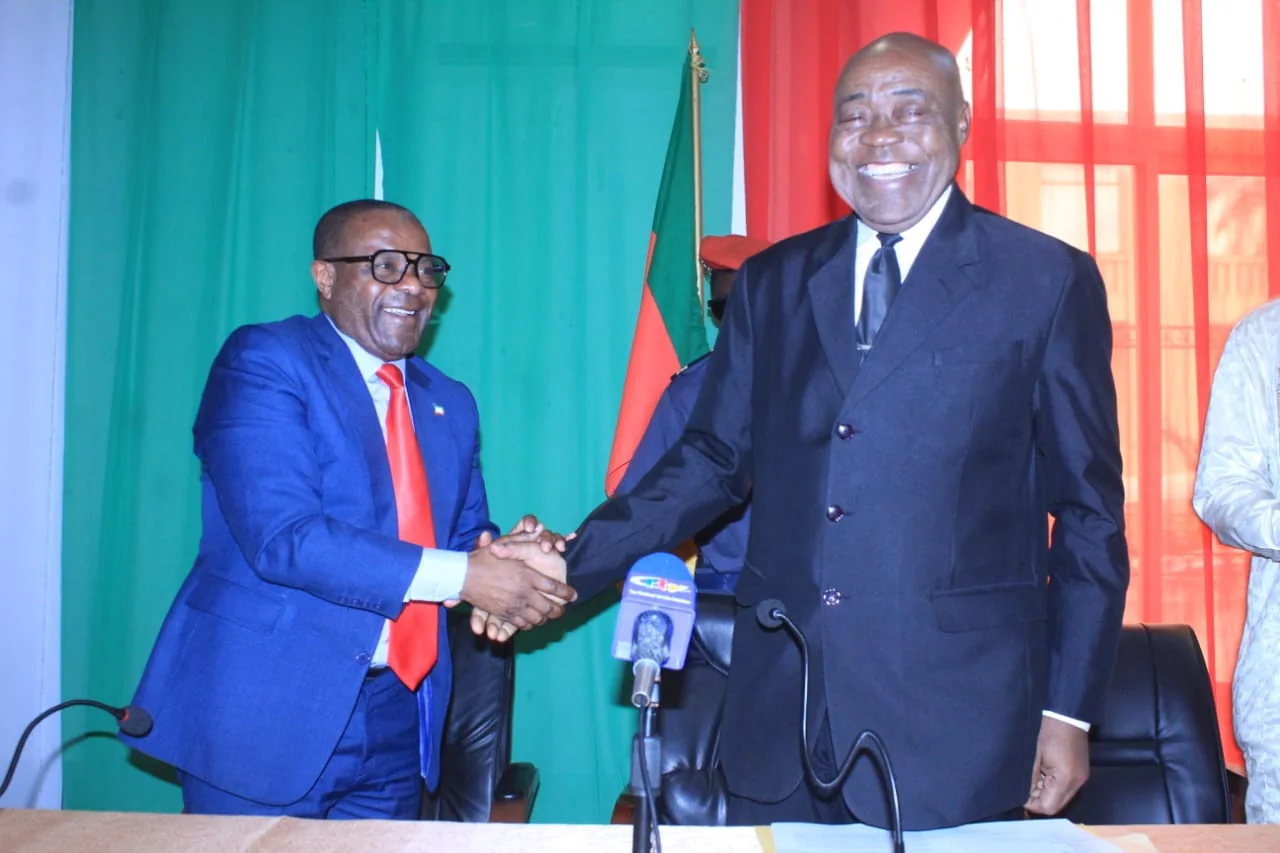
Exchange of gifts with the Ambassador of Japan during a meeting at the Ministry

Foreign embassies based in Yaoundé are regular partners of the Ministry. They organise cultural weeks, support festivals, fund residencies, offer study scholarships and present training programmes. Their initiatives fall within cultural agreements and, more broadly, bilateral cooperation.

The 2026 audiences

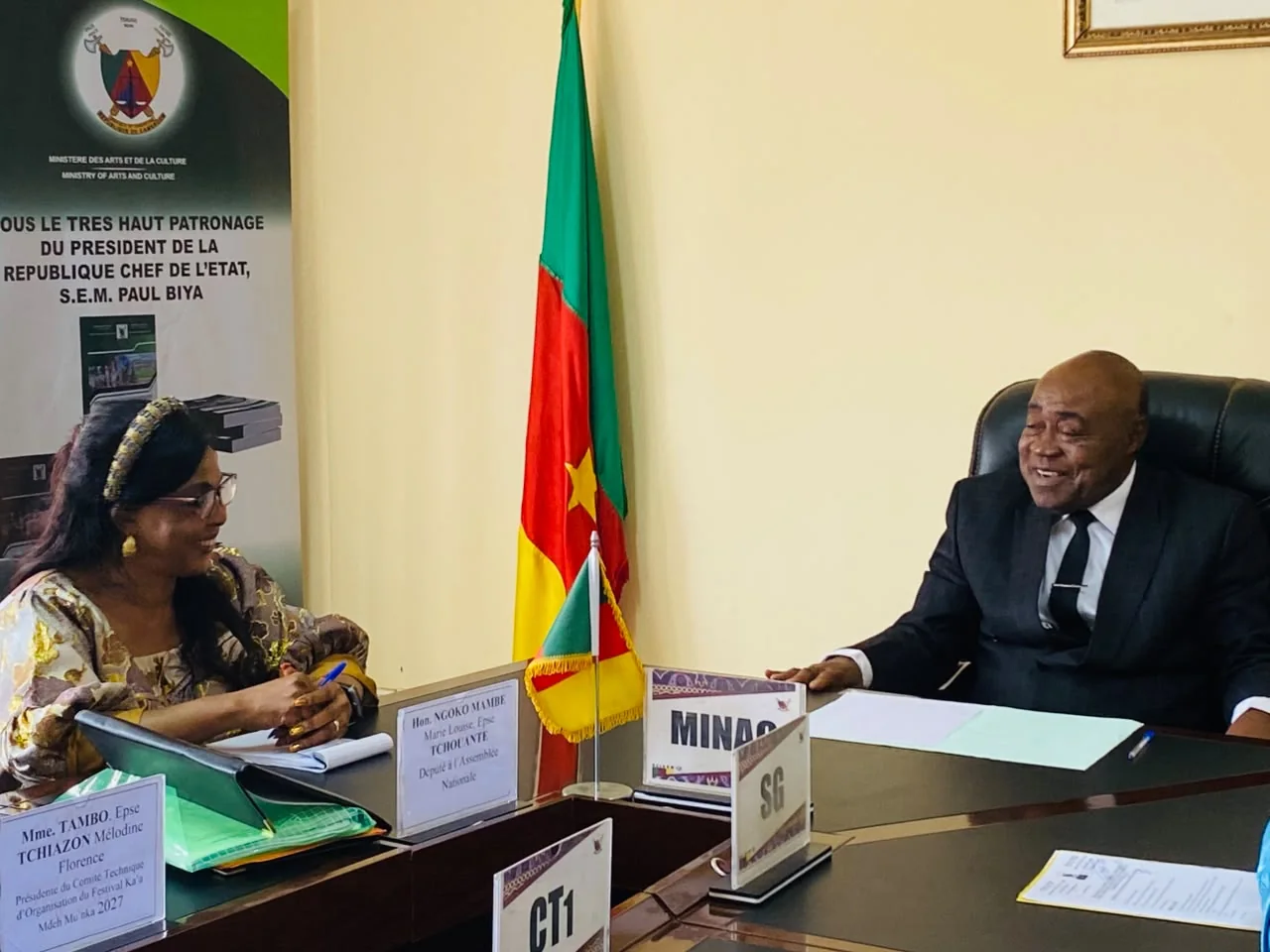
In 2026, the Minister received in audience the ambassadors of Morocco, Japan and Equatorial Guinea. Each of these meetings made it possible to discuss prospects for cultural cooperation, to identify areas of rapprochement — heritage, performing arts, training, artist exchanges — and to reaffirm the Ministry’s readiness to support the partners’ initiatives.

How an embassy works with the Ministry

  • a request for an audience is sent to the Minister’s Office (Cabinet), via the Ministry of External Relations;
  • the audience makes it possible to present each side’s priorities;
  • a focal point is designated on each side to follow up;
  • the projects selected are formalised in an agreement or an exchange of letters;
  • the actions may be incorporated into a cultural year.

Embassies are also invited to the major events in the calendar: Ngondo, Nguon, heritage days or ceremonies awarding prizes and honours.

ℹ️
Details

The Ministry of External Relations remains the official diplomatic counterpart of embassies; the Ministry of Arts and Culture deals with the cultural substance of projects.

Contacts

The role of cultural attachés

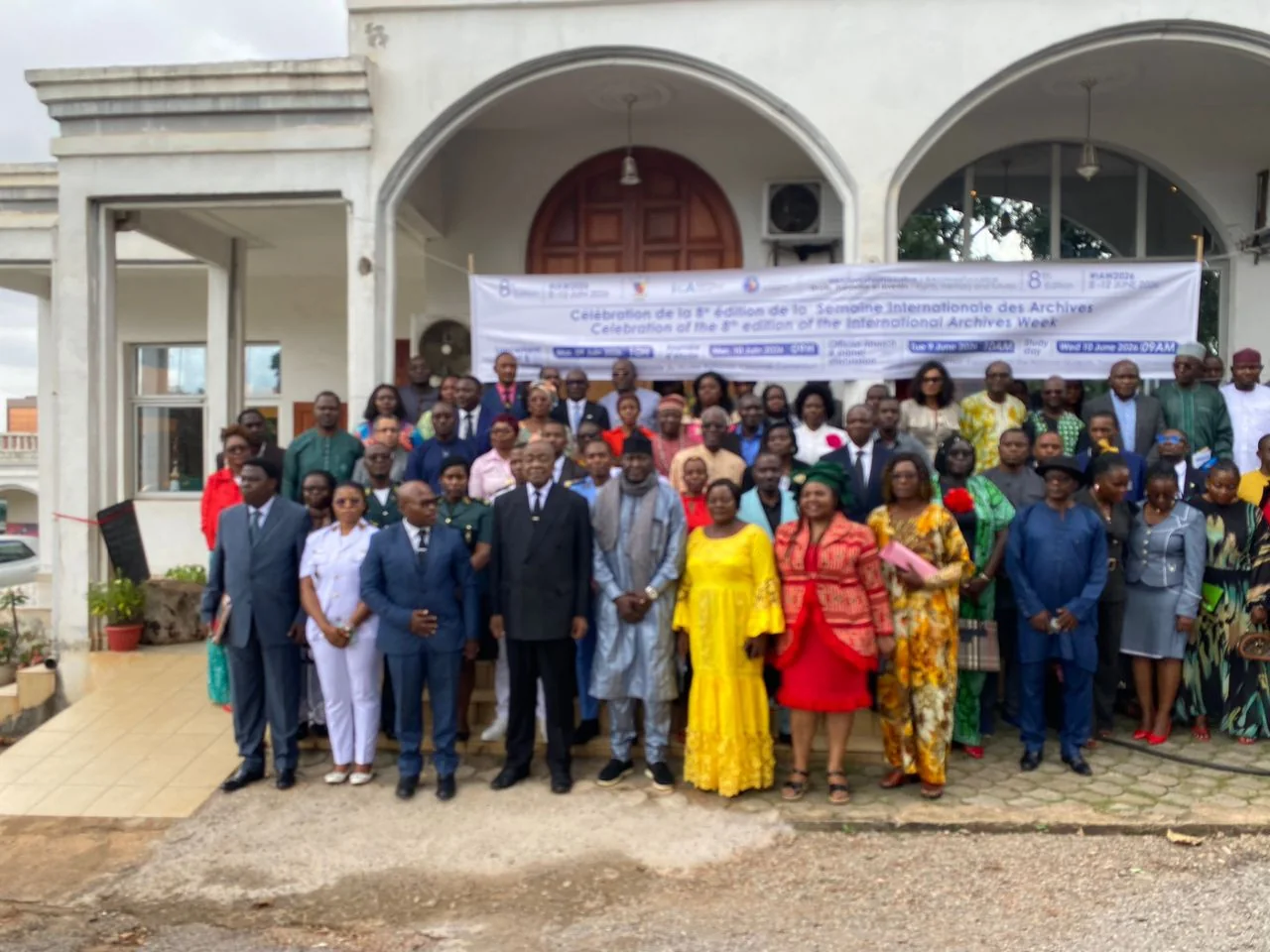
Regional delegates and Ministry staff gathered in front of a building

The cultural attaché is the diplomat responsible for matters of culture, education and scientific cooperation within an embassy. He or she knows the institutions of the country represented and knows which doors to open for an artist, a publisher or a festival. This makes the attaché the most useful counterpart for anyone wishing to build an international project.

Main duties

  • present the cooperation, scholarship and residency programmes of their country;
  • support events that bring the two cultures into dialogue;
  • facilitate partnerships between institutions, art schools and private operators;
  • relay calls for projects to artists, notably through the international watch;
  • accompany official delegations during visits to Cameroon.

Preparing a useful meeting

Before meeting a cultural attaché, prepare a short file: presentation of your organisation, project, timetable, target audiences, specific needs and indicative budget. Specify what the partner can contribute — venue, expertise, networking — and what you offer in return. Find out about existing programmes, such as scholarships and artist exchanges.

Once contact has been established, inform your regional delegation and the Ministry so as to ensure that the action is consistent with national cultural policy.

Contact details

Useful contacts for reaching the network

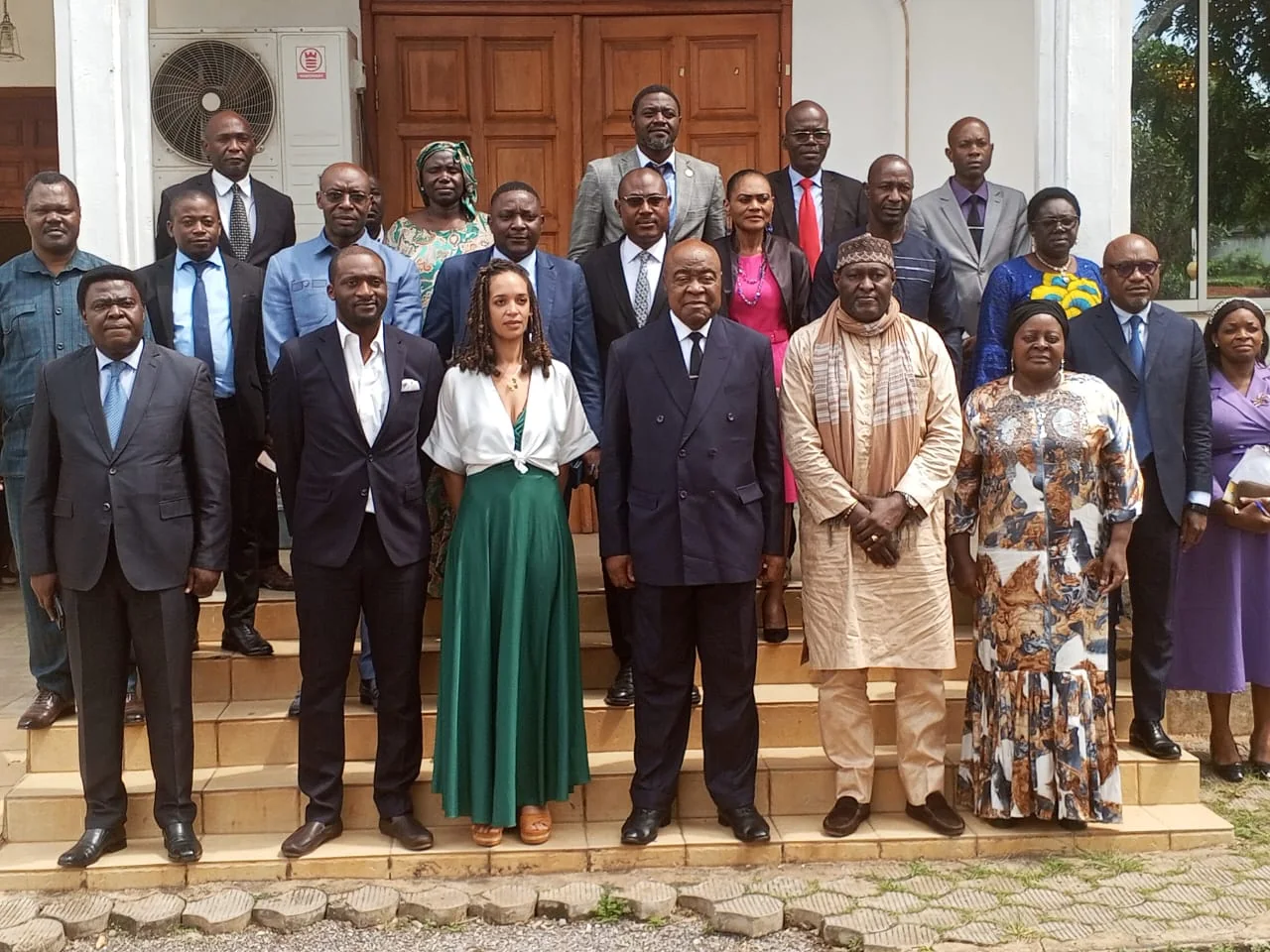
Ministry staff and officials posing in front of the building

The individual contact details of diplomatic missions come under the official directories kept by the Ministry of External Relations. For any cultural procedure, the Ministry of Arts and Culture centralises requests and directs them to the right contact, in order to avoid duplicate submissions and ensure a quick reply.

Where to start

  • A request for an audience or partnership: send a letter to the Minister’s Office, with a copy to the directorate concerned;
  • A practical question (visa, transport of works, authorisation): consult the One-Stop Shop and online help pages;
  • A press request: go through the press area;
  • A proposal for an artist exchange: fill in the page dedicated to artist exchanges.

Ministry contact details

You can reach the Ministry at the address, number and e-mail address given at the bottom of the page. For a more structured exchange, use the contact page and specify the country, the institution and the purpose of your application. Your message is forwarded to the Minister’s Office, which designates a contact and replies within a reasonable time, indicating the action taken and, where applicable, any additional documents to be enclosed with the file.

Step by step

From first contact to joint project

Request for an audience

The embassy sends a request to the Minister’s Office or to the Ministry of External Relations, specifying the subjects to be addressed.

Audience

The Minister receives the ambassador; cultural priorities are presented and the availability of the services is reaffirmed.

Designation of focal points

Each party designates a person responsible for follow-up: an adviser from the Minister’s Office, a cultural attaché, a technical directorate.

Project scoping

Fields, timetable, audiences and resources are specified in a shared scoping note.

Formalisation

The selected project is recorded in an agreement or an exchange of letters, validated by the competent authorities.

Follow-up and review

A progress review is held every quarter, then a report is shared with the embassy and published in accordance with the rules.

Journey

From an audience to a project

AudienceReception of the ambassador

The Minister welcomes the diplomat and recalls the desire to work on projects of cultural rapprochement.

Minister’s OfficeDesignation of a focal person

An adviser from the Minister’s Office follows the file and centralises exchanges with the embassy.

Technical directorateExamination of content

The competent directorate assesses the proposals in light of its programmes and resources.

ConventionFormalisation

The project is written up: purpose, timetable, responsibilities, funding and evaluation.

ProductionImplementation and monitoring

Artists and operators carry out the action; a shared review draws lessons.

To act

Getting in touch with the network

Request a meeting

For an audience or a cultural partnership proposal, write to the Minister’s Office.

Write to the Ministry

Export a work

Follow the official procedure before taking any work of art out of the national territory.

Export of works

Look for a scholarship

Embassy training offers are relayed and explained by the Ministry.

See the scholarships

Follow the calls

Consult the international calls relayed and classified by the Ministry’s watch.

International monitoring
Feedback

Artists supported by embassies

“
The cultural attaché presented three festivals that were looking for companies from Central Africa; we submitted our file the following week.
A company director
Douala
“
The support of the Cameroonian embassy enabled our exhibition to be hosted in an art centre, with an official presentation to collectors.
A visual artist
Yaoundé
“
Thanks to the scholarship offered by a partner embassy, my student was able to take a six-week course and return to teach at the house of culture.
A music teacher
Maroua
“
We received a foreign delegation at the chiefdom: the Ministry had prepared the visit with the embassy, and everything went smoothly and courteously.
A notable
West Region

“Reassuring the guest of the Ministry’s readiness to support projects of cultural rapprochement: that is the meaning of each of our audiences.”

The Minister’s Office (Cabinet)
To download

The tools for working with embassies

Key facts

The 2026 audiences at a glance

CountriesNature of the audienceAreas discussedPossible follow-up
MoroccoAudience of the ambassador with the MinisterCultural cooperation, heritage, trainingExchanges of experts and artists
JapanAudience of the ambassador with the MinisterCultural cooperation, heritage, performing artsTraining and exhibition programmes
Equatorial GuineaAudience of the ambassador with the MinisterSub-regional cultural cooperation, exchanges of creatorsArtist meetings in the CEMAC area
External relationsPermanent coordinationDiplomatic framework for cooperationValidation of agreements
Embassies of CameroonRelay abroadPromotion of artists and heritageSupport for tours and exhibitions
Cultural attachésTechnical counterpartsScholarships, residencies, partnershipsJoint projects with operators
Glossary

The vocabulary of cultural diplomacy

Embassy

Permanent diplomatic mission of one State in another country.

Consulate

Service responsible for the protection of and assistance to nationals abroad.

Cultural attaché

Diplomat responsible for the cultural and educational relations of an embassy.

Audience

Official meeting granted by an authority to a visitor.

Cultural agreement

Bilateral text that organises cooperation between two States in the cultural field.

Focal point

Person designated to follow a file on behalf of their institution.

Exchange of letters

Simplified procedure for formalising a commitment between partners.

Cultural diplomacy

All the actions promoting a country through its culture.

External relations

Ministry responsible for Cameroon’s diplomatic policy.

Delegation

Group of people representing an institution during a visit.

On the site

Continue your reading

Resources

Useful links for diplomatic cooperation

Stakeholders

Who coordinates relations with embassies?

To explore

The diplomatic network and its extensions

Questions

Your questions about embassies

Where can I find an embassy’s contact details?

The official directories are kept by the Ministry of External Relations. For a cultural procedure, write to the Ministry of Arts and Culture: the Minister’s Office (Cabinet) identifies the mission concerned and puts you in touch with the appropriate contact.

Who was received in audience in 2026?

The Minister received the ambassadors of Morocco, Japan and Equatorial Guinea. Each audience dealt with cultural cooperation and with the Ministry’s readiness to support projects of rapprochement.

How do I request an audience for my embassy?

An embassy sends a request to the Minister’s Office, generally through the diplomatic channel of the Ministry of External Relations. The request specifies the subjects to be addressed, the delegation and the preferred dates.

Can an artist contact a cultural attaché directly?

Yes, after preparing a clear file. It is advisable also to inform the Ministry and the regional delegation, to ensure consistency of procedures and to avoid several competing applications being submitted for the same call.

Do embassies fund projects?

Some embassies support events, residencies or scholarships, depending on their programmes. Conditions are specific to each country; the Ministry relays the calls through its international watch and supports applications.

How can I send a work abroad for an exhibition?

Taking a work out of the country is subject to the export procedure. Submit the application online, enclosing the list of works, their insurance value, the length of stay and the host venue’s invitation.

Can embassies help the cultural diaspora?

Yes. They relay the initiatives of Cameroonian artists abroad, support diaspora festivals and facilitate links with the country. Major projects are coordinated with the Ministry.

Who answers press enquiries about audiences?

Requests go through the Ministry’s press area. Press releases and photographs of audiences are issued by the communication services, in liaison with the Minister’s Office.

Contact

Write about cooperation with embassies

State the country or embassy concerned, your institution and the purpose of your application: your message will be forwarded to the Minister’s Office.

Minister’s Office

Contact the Minister’s Office for diplomatic relations

Address

Minister’s Office – Relations with Embassies
Ministry of Arts and Culture
Quartier du Lac – Ministerial Zone
P.O. Box 1053 Yaoundé, Centre Region, Cameroon

Reach us

+237 6 51 70 58 41

contact@minac.gov.cm

Opening hours

Monday to Friday, 8 am to 4 pm

See bilateral cooperation

Each partner country has its own priorities: find the cultural relations maintained with them.

Bilateral cooperation
WhatsApp