
The Ministry
Missions, organisation, leadership team, directorates, institutions, texts, NDS30 strategy and major projects: the Ministry of Arts and Culture presented from the inside, with direct access to each of its twenty pages.
A ministry at the service of culture and creators

The Ministry of Arts and Culture develops and implements Government policy in the fields of the arts, heritage, books, cinema, shows and creative industries. Based in the Quartier du Lac, in the ministerial zone of Yaoundé, it relies on a Minister’s Office, a General Secretariat, seven central directorates, ten regional delegations and institutions that welcome the public.
This section presents the institution from the inside: its missions, its organisation, its leadership team, the texts that frame it, the strategy that guides its action and the major projects that are transforming the cultural landscape.
- Missions and powers laid down by the texts
- Central administration and services in the regions
- Strategy aligned with the NDS30
What the Ministry does: a mission of cultural policy and public service
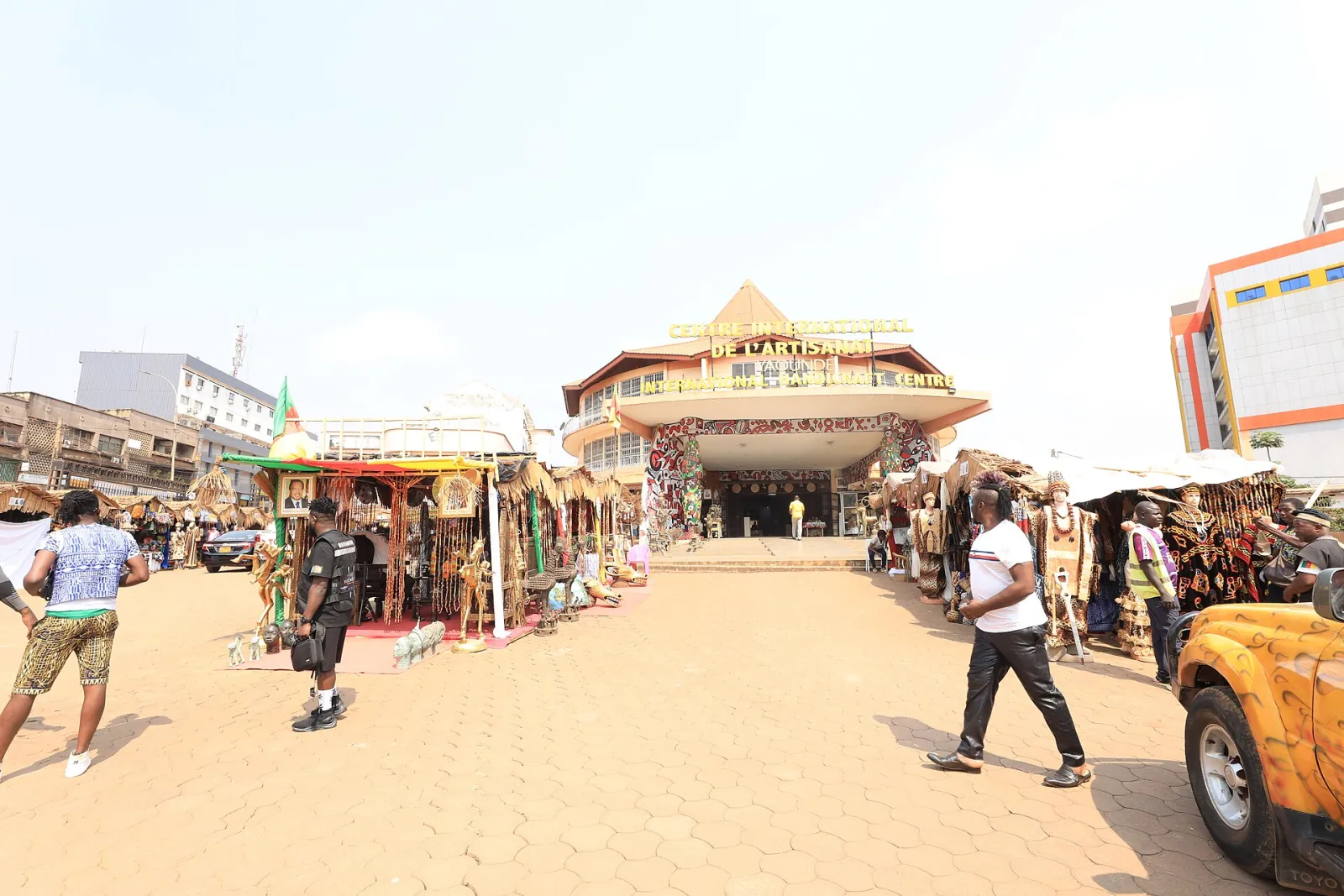
The Ministry is responsible for developing, proposing and implementing Government policy on the arts and culture. In practical terms, this covers the protection and promotion of heritage, support for artistic creation, the promotion of books and reading, the development of cinema and the audiovisual sector, the regulation of shows, support for creative industries and international cultural cooperation. The missions and powers page sets out the founding texts and the history of the Department.
Day to day, these missions translate into services provided to citizens: authorisations, artist cards, approvals, grants, listings, declarations of works, all accessible through the One-Stop Shop. They also translate into public policies, such as the fight against illicit trafficking in cultural property or the structuring of sectors.
An entry point for each visitor to the institutional site
Citizens and users
Understand who does what, reach the right service, know your rights and file a complaint if necessary.
OrganisationRegional DelegationsQuality and accessibilityArtists and professionals
Identify the competent directorate, read the texts governing the profession and follow the sector’s strategy.
Central directoratesLegislative textsSector strategyPartners and donors
Identify contacts, consult the budget and reports, understand the major projects and become a partner.
PartnersBudget and reportsMajor projectsCandidates, researchers and journalists
Apply for vacancies, consult the archives, find the Ministry’s media kit and press contacts.
CareersArchivesInstitutional communicationThe leadership of the Ministry: Minister, Minister’s Office, General Secretariat and General Inspectorate
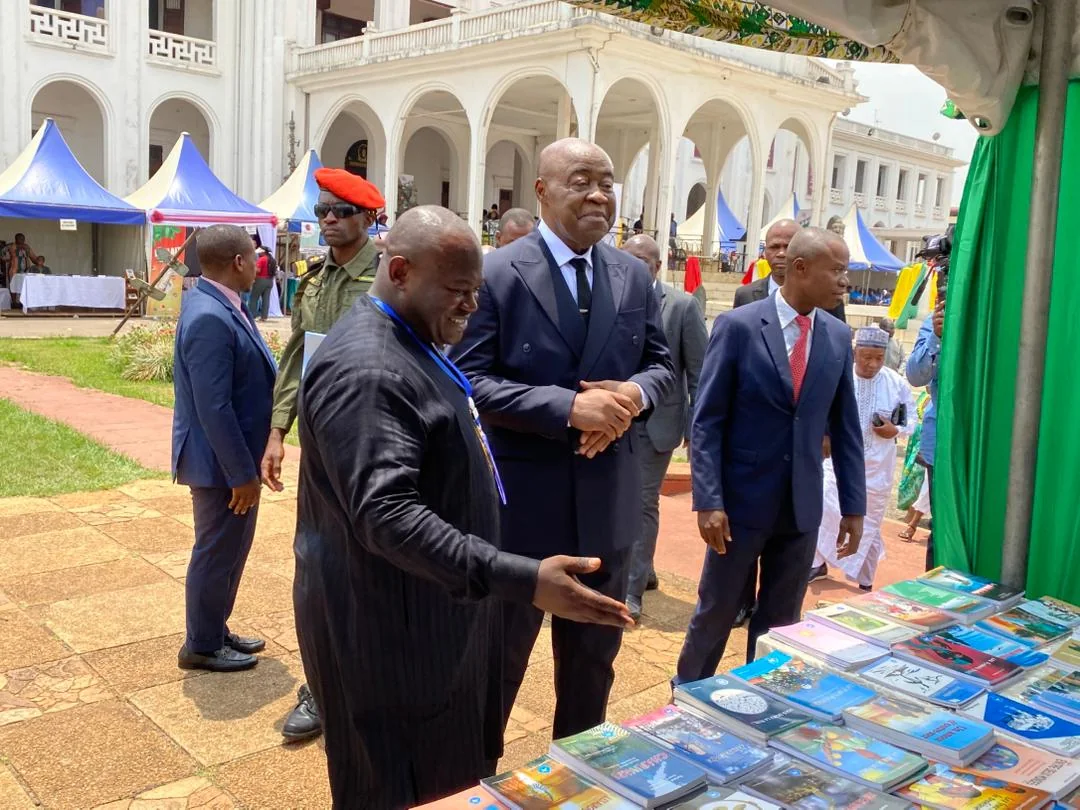
At the head of the Department, the Minister of Arts and Culture, Dr Pierre Ismaël Bidoung Mkpatt, sets priorities and signs major acts. The Minister’s Office assists him directly, with a private secretariat and technical advisers. The Secretary General, Pr Nkene Blaise Jacques, coordinates the central administration and the decentralised services; the General Secretariat page details his powers and attached services.
Internal control is entrusted to the General Inspectorate, which conducts audits, verifications and inquiries and reports on its findings. The leadership team page presents all officials currently in post: Minister, Secretary General, advisers, inspectors, directors and heads of attached institutions.
The organisation of the Ministry: organisation chart, central services and decentralised services
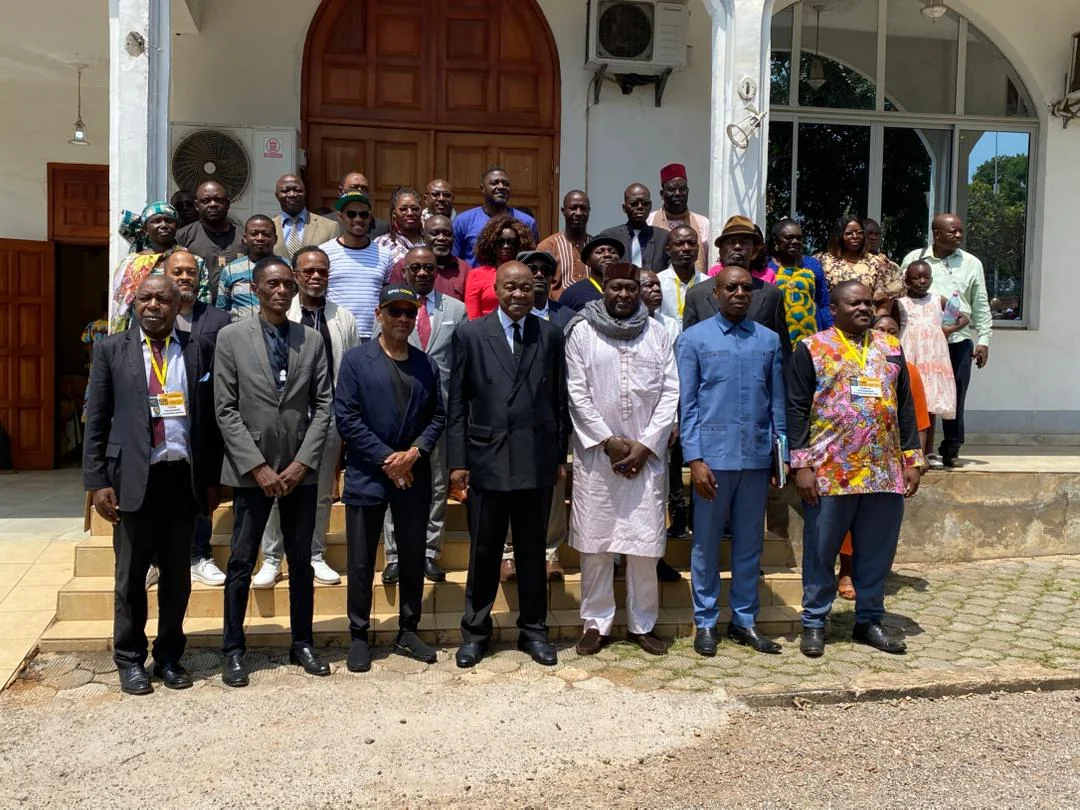
The organisation of the Ministry follows a chain logic: the Minister sets the direction, the General Secretariat coordinates, the central directorates implement, the regional delegations apply on the ground and the attached institutions deliver the service to the public. The organisation page presents the whole in graphic and written form, while the organisation chart makes it possible to see at a glance the central services, the decentralised services and the documents to download.
This architecture is deliberately clear: each directorate has sub-directorates, themselves made up of services and units with precise responsibilities. A user who knows their subject thus knows which door to knock on, and an officer knows which service each file depends on.
Seven central directorates, one Ministry: who handles what?
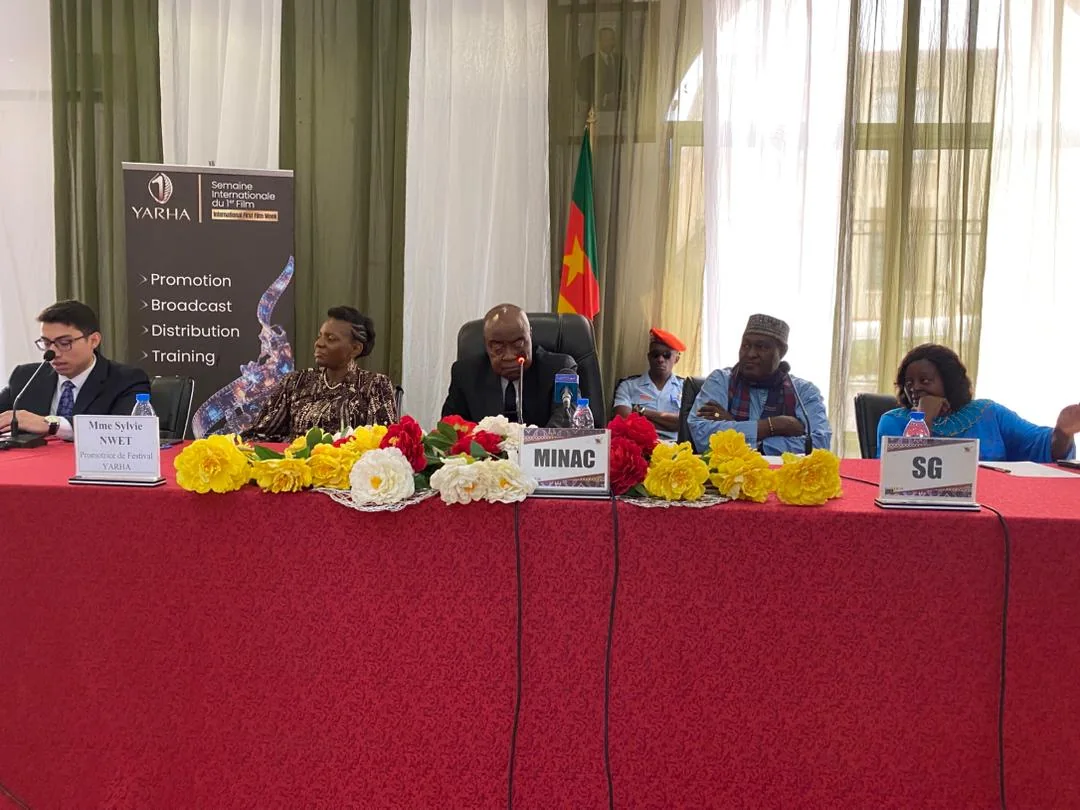
Seven directorates implement the Ministry’s policy in their fields: cultural heritage (DPC), development and promotion of the arts (DDPA), archives and administrative documents (DADA), books and reading (DLL), cinematography and audiovisual productions (DCPA), shows and creative industries (DSIC) and general affairs (DAG). Each is headed by a director assisted by sub-directors and heads of service. The central directorates page describes their missions, their sub-directorates and the files they handle.
A festival combining dance, cinema and an exhibition involves several directorates: the file may be submitted to the General Secretariat, which appoints a lead. Similarly, the filming authorisation falls to the DCPA, whereas the listing of a property is handled by the DPC.
The regional delegations: ten points of entry to the Ministry across the territory
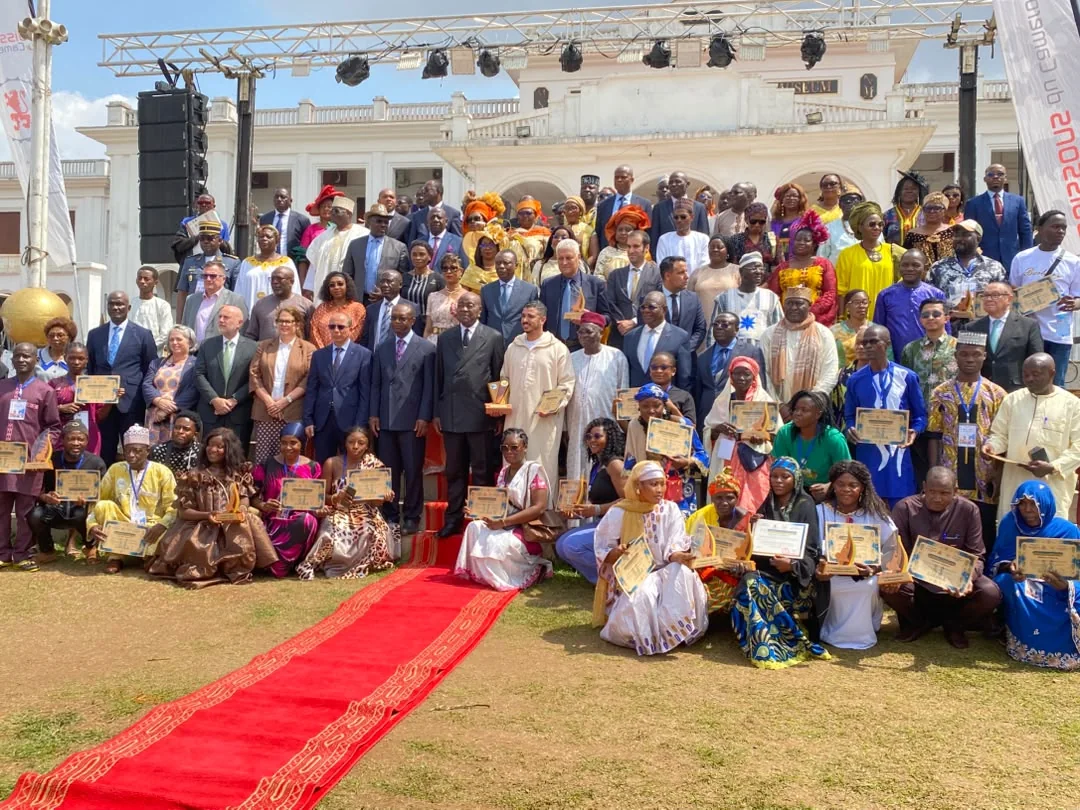
Each of the ten regions has a Regional Delegation of Arts and Culture, based in its regional capital: Ngaoundéré, Yaoundé, Bertoua, Maroua, Douala, Garoua, Bamenda, Bafoussam, Ebolowa and Buéa. These decentralised services receive files, relay national policies, follow local events and maintain the link with chiefdoms, associations and local authorities. The regional delegations page gives contact details, presents the delegates and reports on activities in the regions.
For users far from Yaoundé, the delegation is often the most practical point of entry: forms can be collected there, a paper file submitted and an appointment obtained. Opening hours and addresses are gathered on the hours and addresses page.
Institutions under supervision and attached services: the operators of the Ministry
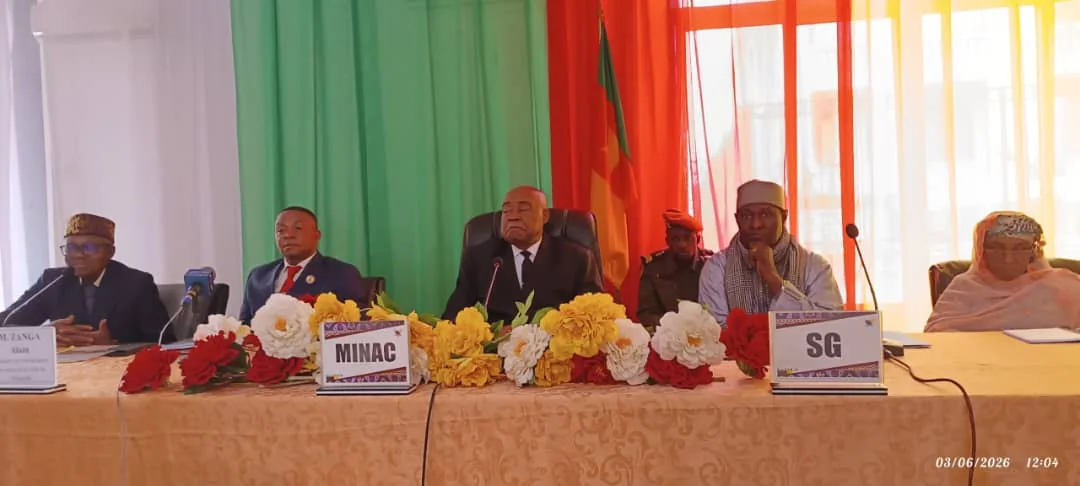
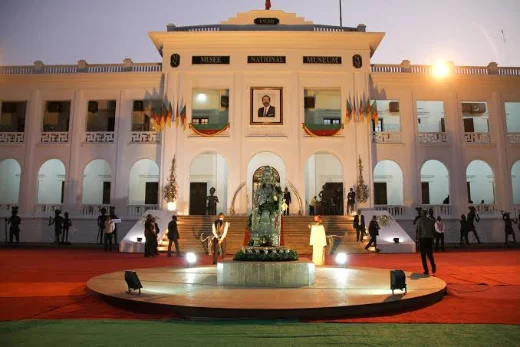
The Ministry does not work alone. Two bodies are placed under its supervision: the Yaoundé Conference Centre and CREPLA, the regional centre for the promotion of books in sub-Saharan Africa. Seven services are attached to it: the National Museum, the National Ensemble, the National Archives, the National Institute of Arts and Culture, the National Film Library, the Public Reading Centre and the National Library. The institutions under supervision page explains the difference in status and reproduces the substance of the organisational decrees.
These institutions bring heritage and creation to life for the public. The National Museum conserves and exhibits, the archives receive and communicate public documents, and the National Ensemble takes the country’s stages abroad.
Laws, decrees, orders: the texts that frame the Ministry’s action
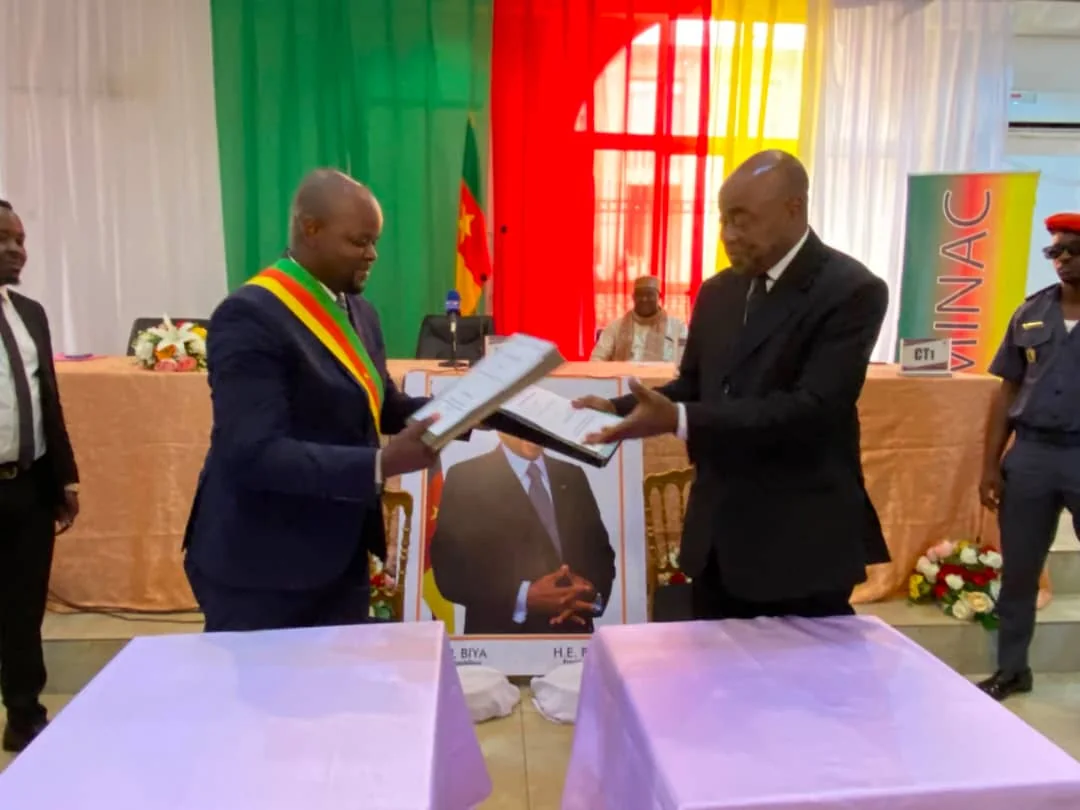
The Ministry’s action rests on a body of texts that anyone can consult. The legislative texts bring together the laws on copyright and neighbouring rights, the regime for shows, patronage and sponsorship, legal deposit, cinema and cultural heritage. The regulatory texts gather the decrees and orders that organise institutions and bodies, collective management and arbitration, special funds and accounts, and advisory bodies.
A few reference points: Law No. 2000/011 of 19 December 2000 on copyright, the law of 17 April 2000 on legal deposit, Law No. 2013/003 on cultural heritage, and the decrees of 25 September 2015 on collective management and arbitration. For the practice of copyright, the copyright section links the text to the procedure.
The sectoral strategy: culture in the NDS30
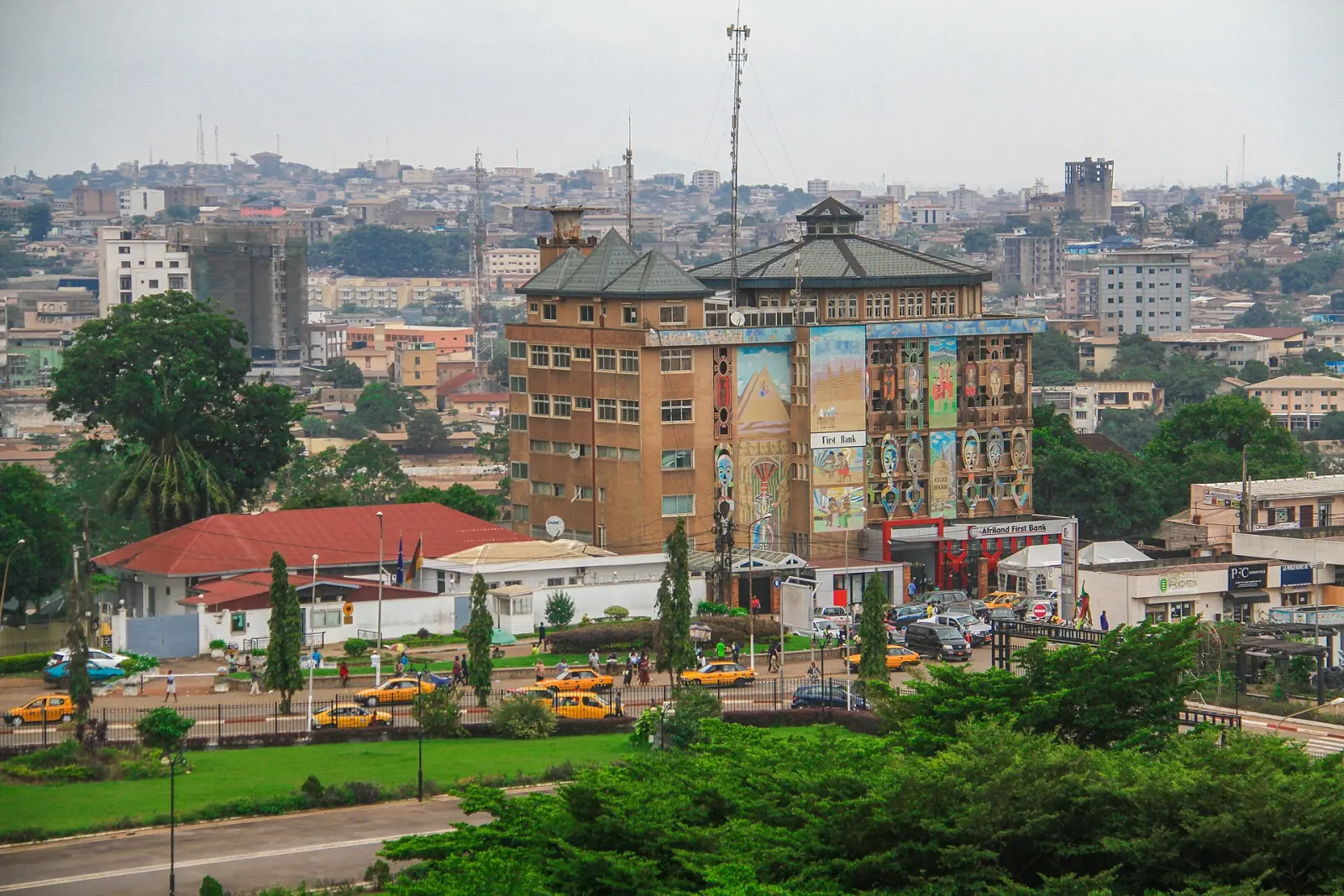
The National Development Strategy 2030 establishes culture as a growth sector. In paragraphs 122 and 123, the Government announces its intention to develop creative cultural industries through integrated sector development plans and to improve the supply of cultural goods and services. Five actions are planned: continuing the heritage inventory, structuring artistic guilds and trades, developing the film industry, intensifying arts education in schools and equipping the country with local facilities.
The sectoral strategy page explains how the Ministry translates these orientations into a vision, action plan, indicators and evaluation. Monitoring is ensured by the General Secretariat, targeted checks by the General Inspectorate, and the annual review appears in the activity report.
Archives, INAC, houses of culture: the major projects of the Ministry
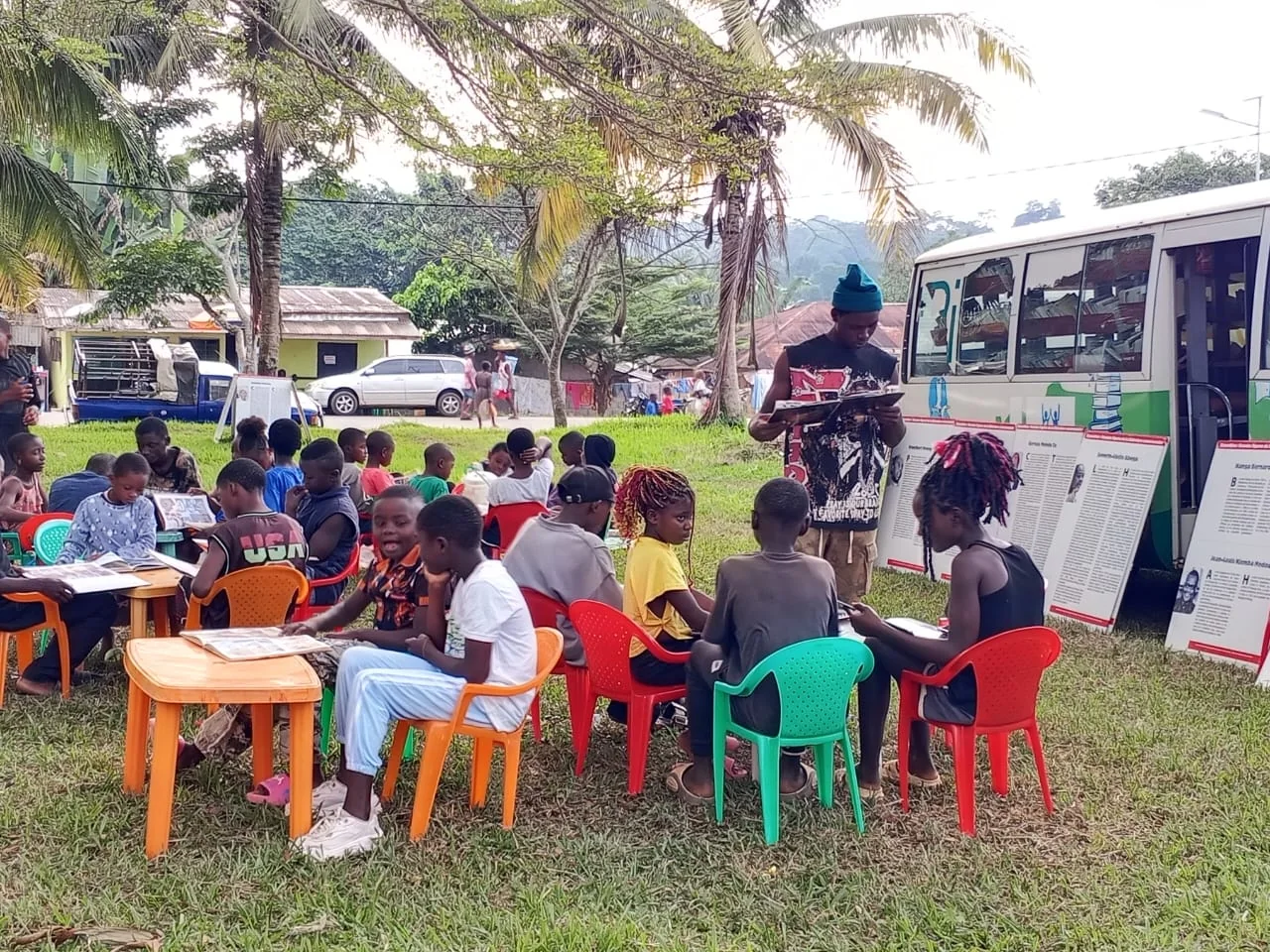
Four undertakings embody the determination to build a genuine cultural industry. The digitisation of archives, under way since the closure of the National Archives to the public in 2016, protects fragile documents and makes them lastingly accessible. The construction of the National Archives of Cameroon is to provide the country with a building designed to conserve, process and communicate archives. Phase 2 of the construction of the National Institute of Arts and Culture prepares an identifiable campus for the training of professionals. Finally, the houses of culture, including that of Yabassi, structure the artistic movement as close as possible to audiences.
The major projects page describes each undertaking, its usefulness and its management. The General Secretariat coordinates, the General Inspectorate monitors implementation and the Directorate of General Affairs manages procurement; public information is provided through the news and press releases.
Budget, reports, partners, quality: accounting for the Ministry’s action
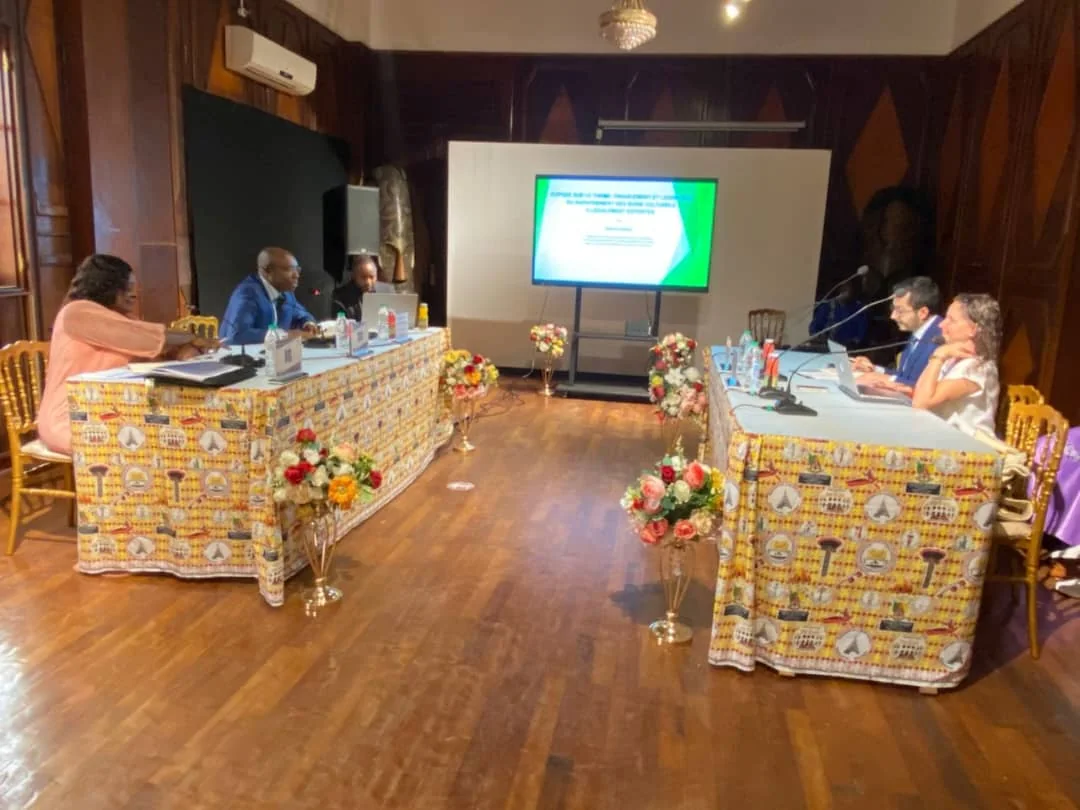
A ministry must be able to explain what it does with its resources. The budget and reports page presents the annual budget, activity reports, public procurement and transparency tools. Calls for tenders can be consulted in public procurement. The partners page lists the institutions, donors and professional organisations with which the Ministry works, and explains how to become a partner.
The service provided to users is the subject of formal commitments on the quality and accessibility page: announced times, accessibility of premises and tools, mediator, complaints procedure. A dissatisfied user thus has a clear means of recourse.
Careers, archives, communication: living and promoting the Ministry
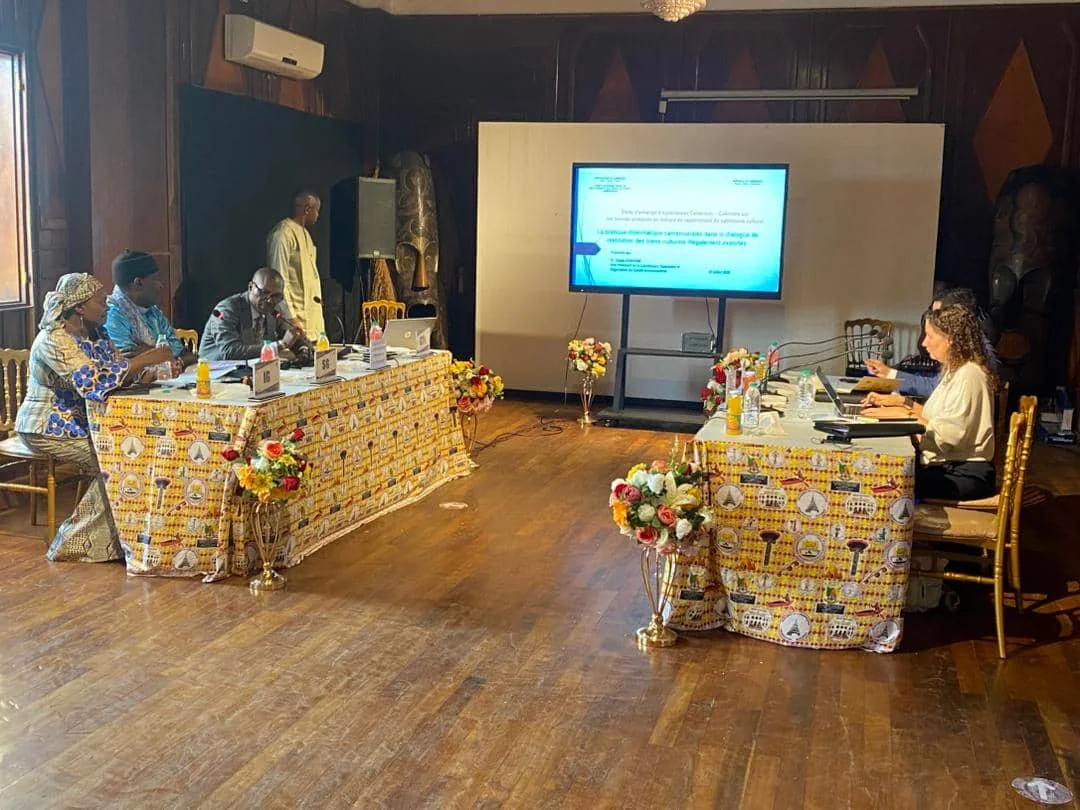
Three pages complete the portrait of the institution. The careers page presents job vacancies, competitive examinations, internships and the rights and obligations of civil servants; current announcements also appear in the job vacancies. The archives page explains how to consult administrative archives and historical collections and how to submit a request for communication. The institutional communication page brings together the graphic charter, press contacts, social media and the media kit.
These pages serve different audiences: young graduates, researchers, journalists, but also Ministry staff looking for internal rules. They show that the Ministry is also an administration, with its professions, its memory and its voice.
The words of the cultural institution
MINAC
Ministry of Arts and Culture, responsible for the Government’s cultural policy.
NDS30
National Development Strategy 2030, of which paragraphs 122 and 123 concern culture.
Supervision
Oversight exercised by the Minister over the direction of an autonomous public body.
Attached service
Institution monitored directly by the Ministry, sometimes endowed with managerial autonomy.
Decentralised service
State service established in a region, such as the regional delegations.
Organisation chart
Representation of an administration’s structures and their hierarchical links.
General Inspectorate
Internal control body responsible for audits, verifications and investigations.
DPC, DDPA, DADA
Acronyms of the directorates of heritage, arts and archives, three of the seven central directorates.
Legal deposit
Obligation to deposit a copy of printed matter, recordings and films with the designated services.
INAC
National Institute of Arts and Culture, a training institution attached to the Ministry.
Direct access to the Ministry’s pages
Ministry events
The Ministry’s structures in one table
| Structure | Role | Page |
|---|---|---|
| Minister’s Office (Cabinet) | Direct support, audiences, technical advice | /le-ministere/cabinet-du-ministre |
| General Secretariat | Coordination of the central administration and decentralised services | /le-ministere/secretariat-general |
| General Inspectorate | Audits, inspections, reports and follow-up of reports received | /le-ministere/inspection-generale |
| Central directorates | Implementation of policy in seven fields | /le-ministere/directions-centrales |
| Regional Delegations | Decentralised services in the ten regions | /le-ministere/delegations-regionales |
| Institutions under supervision | Congress Centre and CREPLA, autonomous bodies | /le-ministere/etablissements-sous-tutelle |
| Attached services | Museum, National Ensemble, archives, INAC, libraries, film library | /le-ministere/etablissements-sous-tutelle |
From founding texts to the Ministry’s current projects
The decree of 11 March creates the Regional Centre for the Promotion of Books in Africa, a public institution headquartered in Yaoundé.
The law of 17 April 2000 organises legal deposit and that of 19 December 2000 protects copyright and neighbouring rights.
The decree of 31 October reorganises the Yaoundé Congress Centre, placed under the technical supervision of the ministry in charge of culture.
The decrees of 30 April and 15 May lay down the organisation of the National Museum and the National Ensemble, which have managerial autonomy.
The National Archives close to the public to undertake a long-term digitisation programme, the first milestone of the Ministry’s major projects.
The national strategy sets the course: cultural and creative industries, heritage inventory, local facilities and structured professions.
Your questions about the Ministry of Arts and Culture
Where is the Ministry’s head office?
The head office is located in the Quartier du Lac, in the ministerial zone of Yaoundé (P.O. Box 1053 Yaoundé). The public reception desk is open from Monday to Friday during the hours given on the opening hours and addresses page. In addition, each of the ten regions has a regional delegation based in its regional capital, for users living far from the capital.
How can I contact the Ministry?
By telephone on +237 6 51 70 58 41, by e-mail at contact@minac.gov.cm or by post to the head office address. For an administrative procedure, go through the One-Stop Shop; for a technical question, contact the directorate concerned; for an audience, write to the Minister’s Office (Cabinet) stating the purpose of your request.
Who heads the Ministry?
The Minister of Arts and Culture, Dr Pierre Ismaël Bidoung Mkpatt, heads the Department. He is assisted by a Secretary General, Prof. Nkene Blaise Jacques, by technical advisers and by a General Inspectorate. The leadership team page presents all the officials, from directors to the heads of attached institutions.
How many directorates does the Ministry have?
The central administration comprises seven directorates: cultural heritage, development and promotion of the arts, archives and administrative documents, books and reading, cinematography and audiovisual productions, shows and creative industries, and general affairs. Each is divided into sub-directorates, services and units, detailed on the central directorates page.
What is the difference between an institution under supervision and an attached service?
An institution under supervision, such as the Conference Centre or CREPLA, is a separate establishment with legal personality and financial autonomy, whose activity is guided by the Minister. An attached service, such as the National Museum, is monitored directly by the Ministry, sometimes with managerial autonomy.
Where can I read the laws and decrees on culture?
The pages on legislative texts and regulatory texts bring together the laws and decrees, classified by theme: copyright, shows, patronage, legal deposit, cinema, heritage, institutions, collective management, special funds. Each text is accompanied by a summary to quickly identify the relevant rule.
What is the Government’s cultural strategy?
It forms part of the NDS30, which provides for developing cultural and creative industries, inventorying and promoting heritage, structuring the artistic professions, developing cinema, teaching the arts in schools and building local facilities. The sector strategy page details the action plan.
How do I submit a complaint?
Start by following up with the service concerned, quoting your file number. If the reply is delayed, follow the complaints procedure on the quality and accessibility page, which also presents the administration’s ombudsman. To report fraud or a malfunction, the General Inspectorate page explains the channels to follow.
Contact the Minister’s Office (Cabinet)
Address
Quartier du Lac – Ministerial Zone, P.O. Box 1053 Yaoundé
Opening hours
Monday to Friday, 7:30 a.m. to 3:30 p.m.
Visit the other sections of the site

A question for the Ministry?
Write to the Minister’s Office and the services: your message is directed to the competent directorate.