Coat of arms of CameroonMinistry of Arts
and Culture
Republic of Cameroon
My procedures
Home
Minister’s message
News
Press releases
Cultural calendar
Official speeches
Press review
Photo library
Video library
Calls for projects
Job vacancies
Public procurement
Newsletter
Frequently asked questions
Site map
Contact
Press area
Podcast “The Voice of Culture”
Legal notices
Privacy policy
Cookies and trackers
The Ministry
Missions and responsibilities
Organisation
Organisation chart
Minister’s Office (Cabinet)
Management team
General Secretariat
General Inspectorate
Central directorates
Regional Delegations
Institutions under supervision
Legislative texts
Regulatory texts
Sector strategy
Major projects
Budget and reports
Partners
Careers
Archives
Institutional communication
Quality and accessibility
Arts
Visual and plastic arts
Visual arts
Performing arts
Theatre
Dance
Music
Literature and books
Cinema and audiovisual
Photography
Fashion and design
Digital arts
Art crafts
Artists’ directory
Residencies
Prizes and awards
Arts education
Urban arts
Heritage
Tangible heritage
Intangible heritage
UNESCO sites
National museums
Listed monuments
National inventory
Palaces and chiefdoms
Archaeology
Linguistic heritage
Oral traditions
Traditional know-how
Restitution of cultural property
Fight against illicit trafficking
Listing and protection
Conservation and restoration
Heritage Days
Cultural landscapes
Industries
Music and recording
Cinema
Publishing and books
Digital arts
Fashion and creativity
Crafts
Cultural tourism
Funding for culture
Support funds
Incubators
Cultural entrepreneurship
Culture Observatory
Vocational training
Studies and reports
Sector statistics
Export and outreach
Intellectual property
Copyright
Legal framework
Copyright and neighbouring rights
Collective management societies
Register a work
Licences
Private copying
Fight against piracy
Model contracts
Social status of artists
Mediation
Disputes
Training
Fee scales
Register of works
Contact
Digital neighbouring rights
Public domain
Festivals
National calendar
Ngondo
Nguon
Écrans Noirs
Heritage Days
Music Day
Regional festivals
Fairs and exhibitions
Biennials
National competitions
Cultural days
Organise a festival
Event grants
Ticketing
Archives
Volunteering
Diaspora festivals
Regions
Adamawa
Centre
East
Far North
Littoral
North
North-West
West
South
South-West
Cultural map
Regional Delegations
Traditional chiefdoms
National languages
Cultural routes
Decentralised cooperation
Regional observatory
Cooperation
UNESCO
Francophonie (OIF)
African Union
Commonwealth
CEMAC
Bilateral cooperation
Cultural agreements
Professional organisations
Scholarships
Artist exchanges
Cultural years
Diaspora
Funded projects
Embassies
Technical partners
International restitution
International monitoring and calls
Services
Artist card
Show authorisation
Filming authorisation
Festival authorisation
Deposit of a work
Export of works of art
Listing of a property
Grant application
Association accreditation
File tracking
Forms
Fees
Opening hours and addresses
Reporting
Online help
My account
One-Stop Shop
Industries

Sector statistics

Employment, economy, regions and downloads: the data series, indicators and methods used to measure the Cameroonian cultural sector.

Updated on 6 November 20264 sub-pages
Fields monitored6
Contributing directorates5
Annual series published14
Regions compared10
Counting to understand

Figures to steer culture

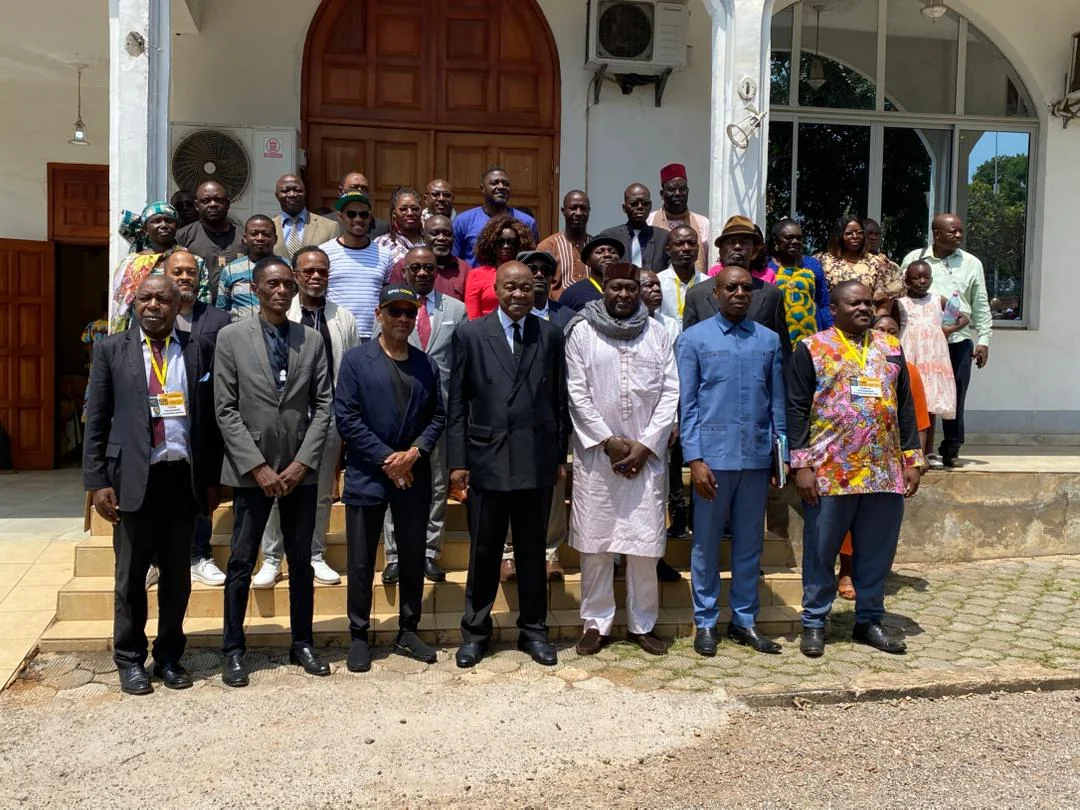
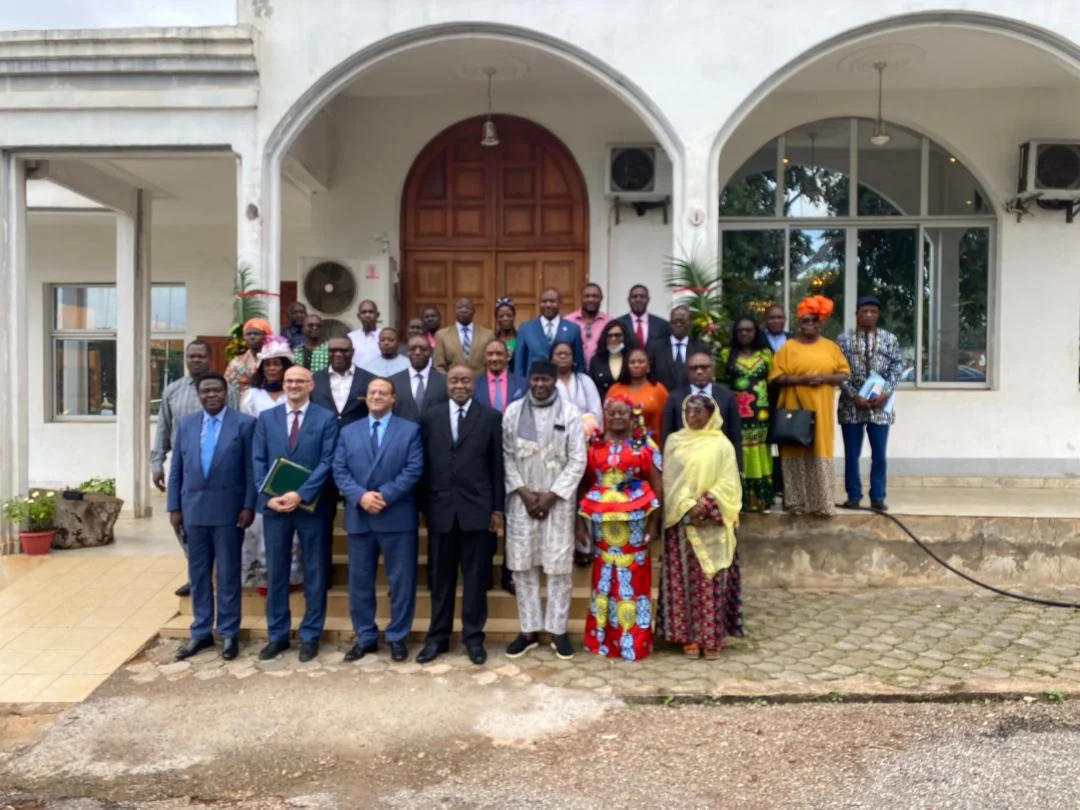
Ministry staff and officials posing in front of the building

How many artists, craftspeople and employees make a living from culture? How many films are produced, books published, shows authorised, visitors welcomed in museums? The sector statistics answer these questions through regular series, built with common methods and shared definitions.

Data collection relies on the Ministry’s directorates: the Directorate of Cinematography and Audiovisual Production (DCPA) gathers data on film production, distribution and exhibition; the Directorate of Books and Reading (DLL) monitors publishing, libraries and reading; the other directorates complete the picture. The orders of magnitude presented here are rounded and given for guidance only.


  • Annual series by cultural field
  • Comparisons between the ten regions
  • Downloadable tables in an open format
Reading the employment data
Work

Cultural employment: artists, craftspeople and employees

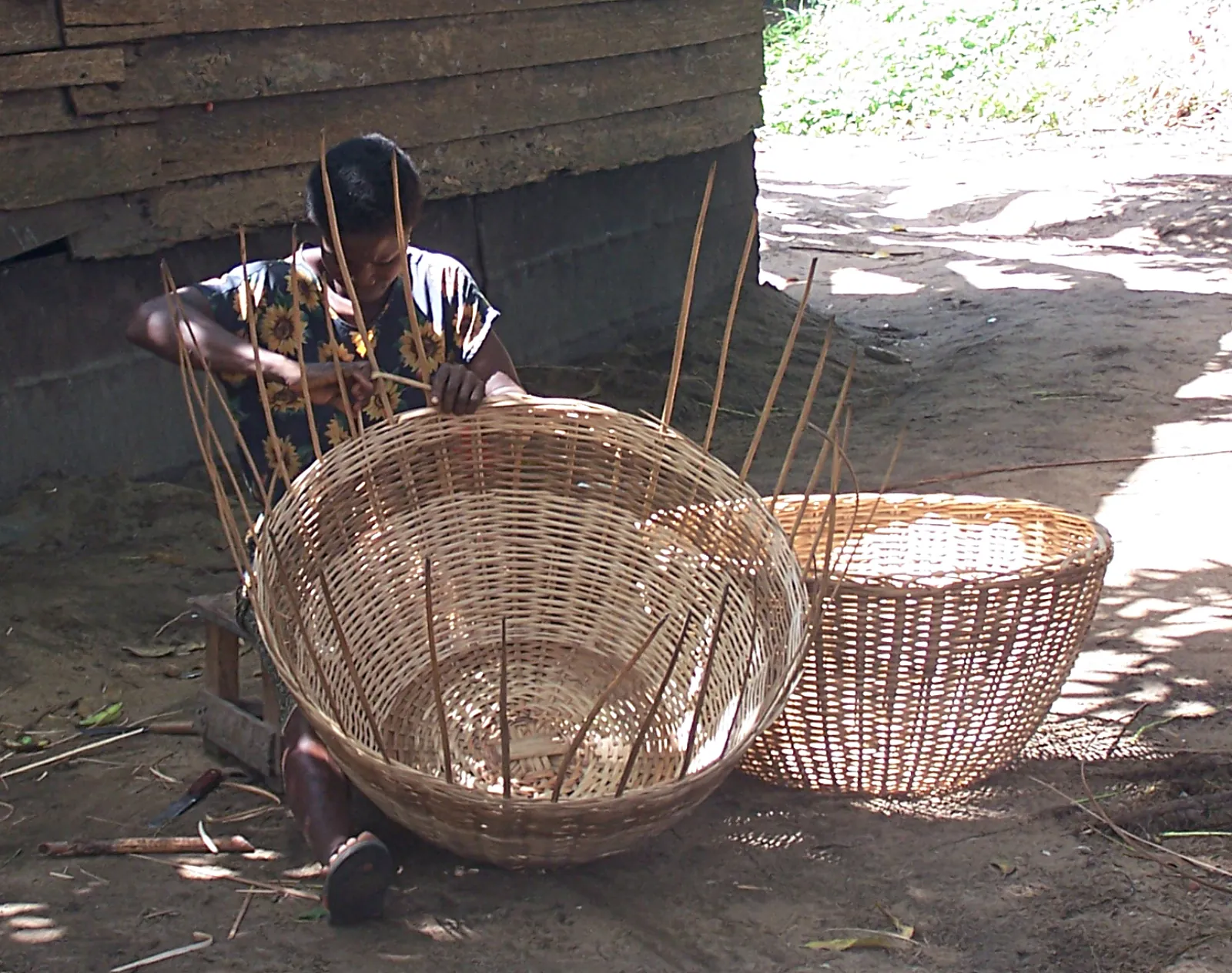
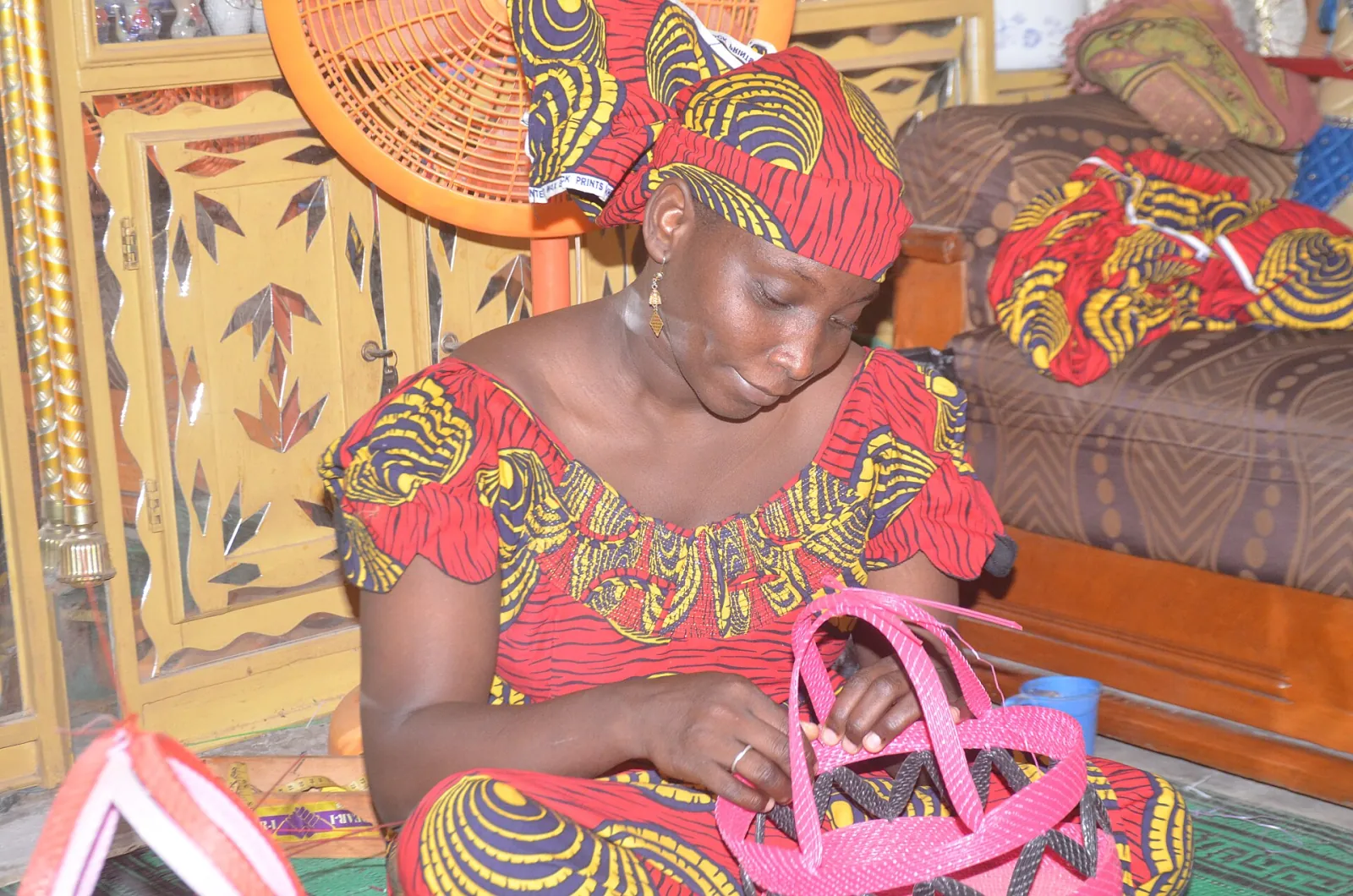
Woman in wax-print clothes weaving a pink bag in a living room

Cultural employment covers three main categories: artists and creators (musicians, actors, dancers, visual artists, writers), art craftspeople and employees of cultural organisations (technicians, administrators, mediators, librarians). The orders of magnitude drawn from the observatory’s surveys place cultural employment at around 2 to 3% of the employed working population, with a large share of self-employed and seasonal activity.

The indicators monitored

  • Number of professionals declared by field, drawn from artist cards and the directory of artists;
  • Share of women and of people under thirty-five, which exceeds 40% in several sectors;
  • Declared median income and number of months of activity per year;
  • Number of active cultural enterprises and associations;
  • Social coverage rate, monitored together with the social status of the artist.

A combined method

The figures combine three sources: administrative files (artist cards, approvals, authorisations), annual surveys of a sample of organisations and occasional field surveys in the regions. Each item of data is accompanied by its definition. The results by occupation feed into vocational training and the decisions of the support fund.

ℹ️
Read with caution

A large share of cultural work is informal: the figures describe trends rather than an exact count of individuals.

Value

The economy of culture: production, sales, value added

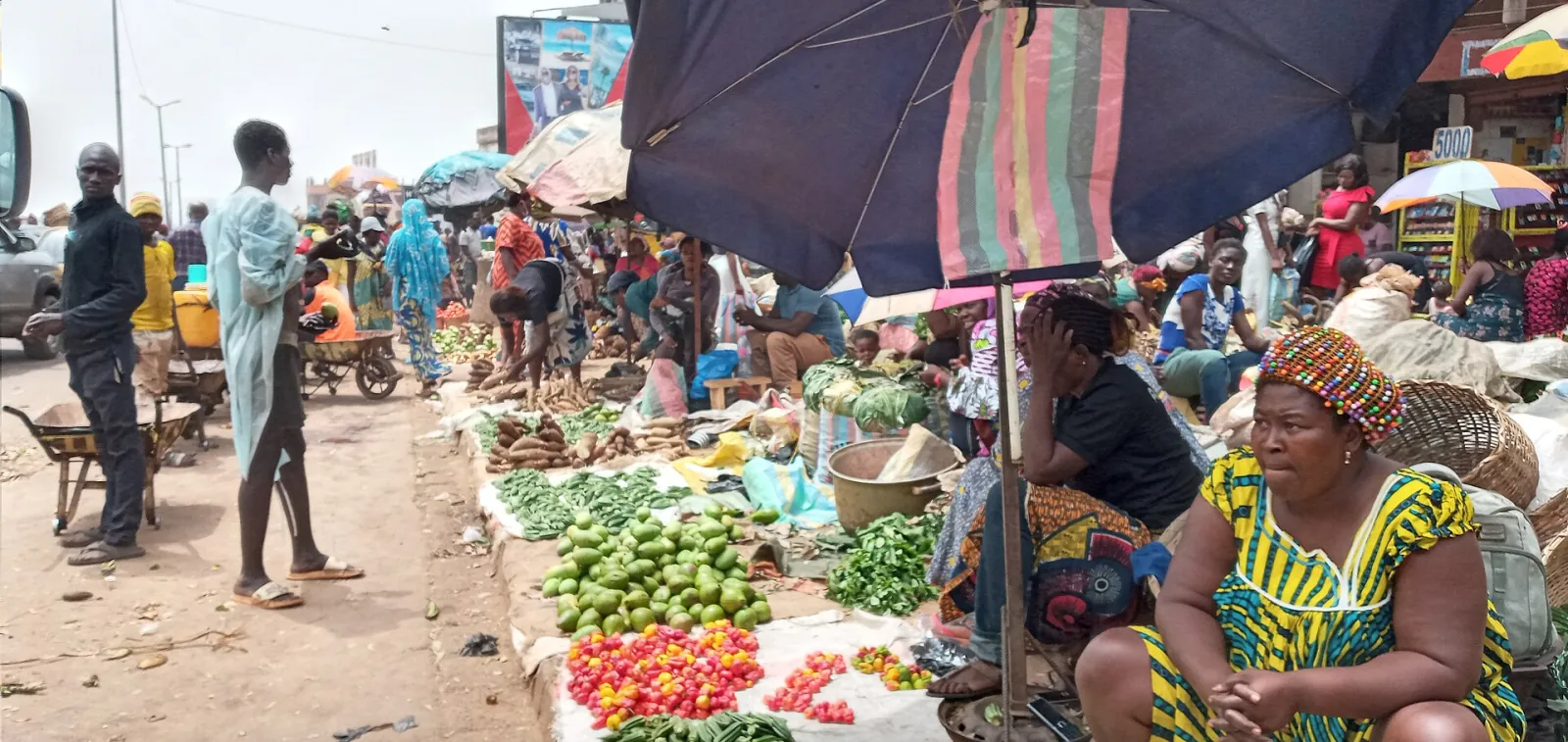
Vegetable stalls and sellers under parasols at Mokolo market in Yaoundé

Measuring the economy of culture means tracking what the sector produces, sells and earns. The indicators used are turnover by sector, value added, number of enterprises, investment, box-office revenue and external trade. The available estimates place the contribution of the cultural and creative industries at around 1.5 to 2% of gross domestic product, with differences between sectors.

Data by field

  • Cinema: films produced, cinemas in operation, admissions, revenue, recorded by the DCPA;
  • Books: titles published, print runs, booksellers and libraries, recorded by the DLL;
  • Music and recording: concerts, phonograms, royalties collected, see music and recording;
  • Performances: authorisations issued, venue attendance;
  • Crafts and tourism: workshops, sales and visitors, see crafts and cultural tourism.

Funding and public spending

The economic series are supplemented by the monitoring of grants, patronage and special funds: amounts paid, number of beneficiaries, leverage effect on other sources of funding. These data are detailed in funding for culture and in the Ministry’s budget reports.

The national strategy NDS30 sets the objective of opening new local, national, regional and international markets: the export and outreach statistics are used to measure progress towards it.

ℹ️
Work in progress

Cultural satellite accounts, which isolate the share of culture in the national economy, are a long-term undertaking carried out with the statistical services.

Regions

The regions: comparing in order to distribute better

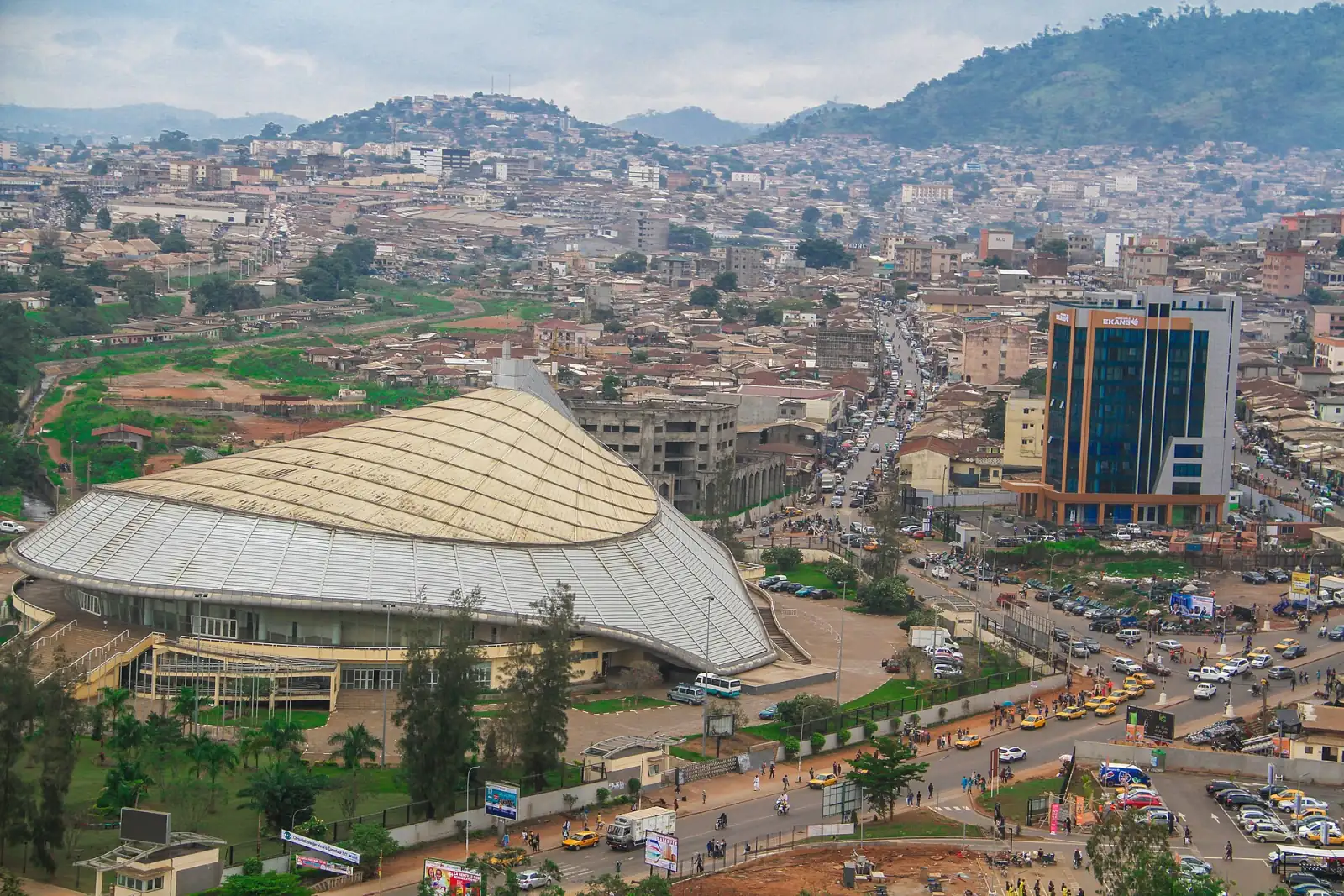
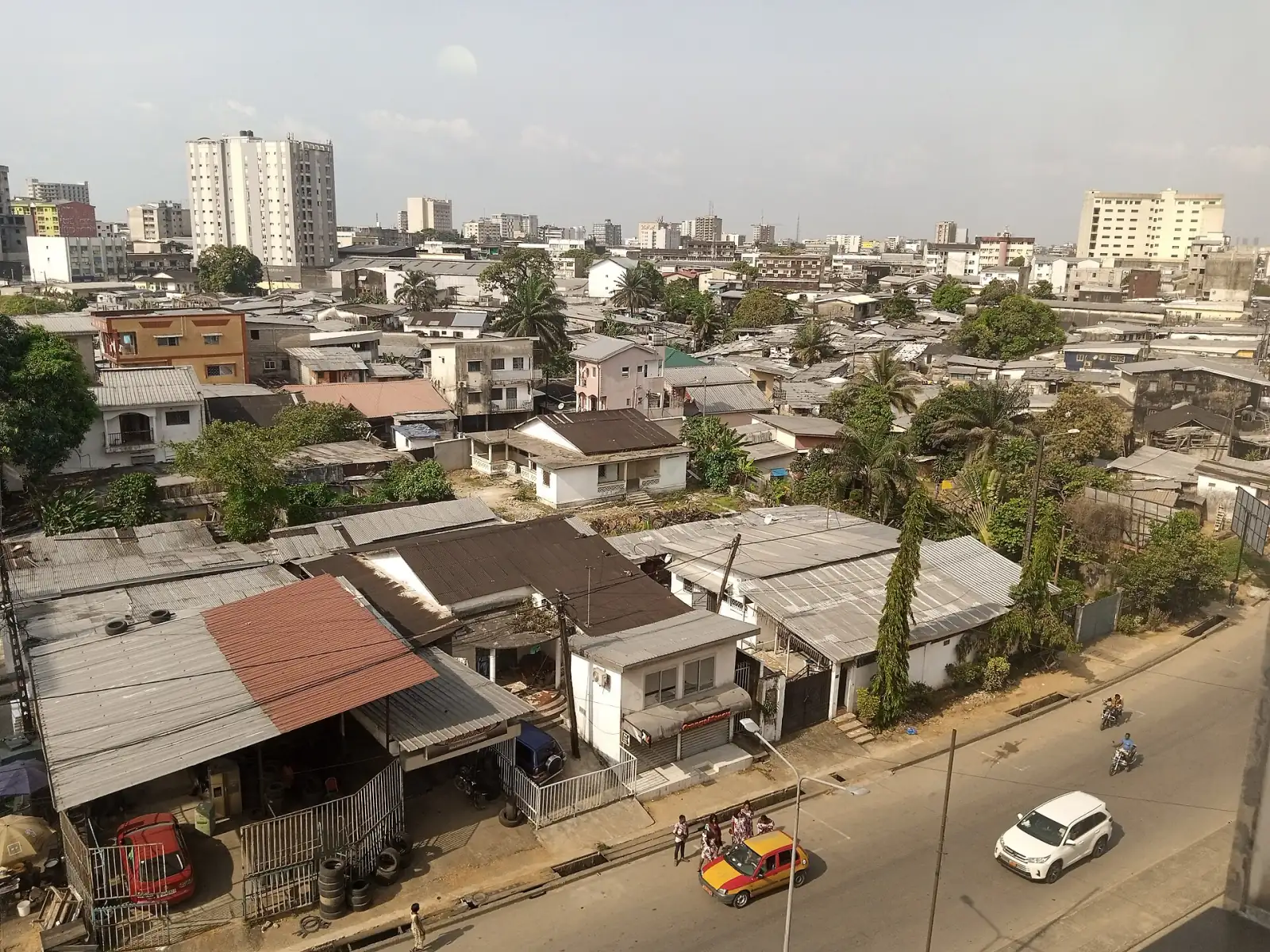
Panoramic view of Yaoundé with the Sports Palace roof and the surrounding hills

Cameroon has ten regions with very different cultural profiles. Regional statistics make it possible to distribute resources fairly, to identify areas with few facilities and to adapt programmes. The surveys cover the number of cultural venues (cultural centres, libraries, halls, museums, galleries), declared artists, festivals and art workshops per thousand inhabitants.

Contrasts to note

The Centre and Littoral regions concentrate enterprises, halls and studios, with more than half of all facilities. The West and North-West stand out for the density of their chiefdoms, festivals and art workshops. Adamawa, the East and the Far North have fewer facilities but living practices of intangible heritage. The South, South-West and North complete the picture, with tourism and natural assets.

ℹ️
Deciding with data

Regional data help in choosing where to locate a cultural centre, a library or a training centre.

Open data

Downloads: tables, series and methodological notes

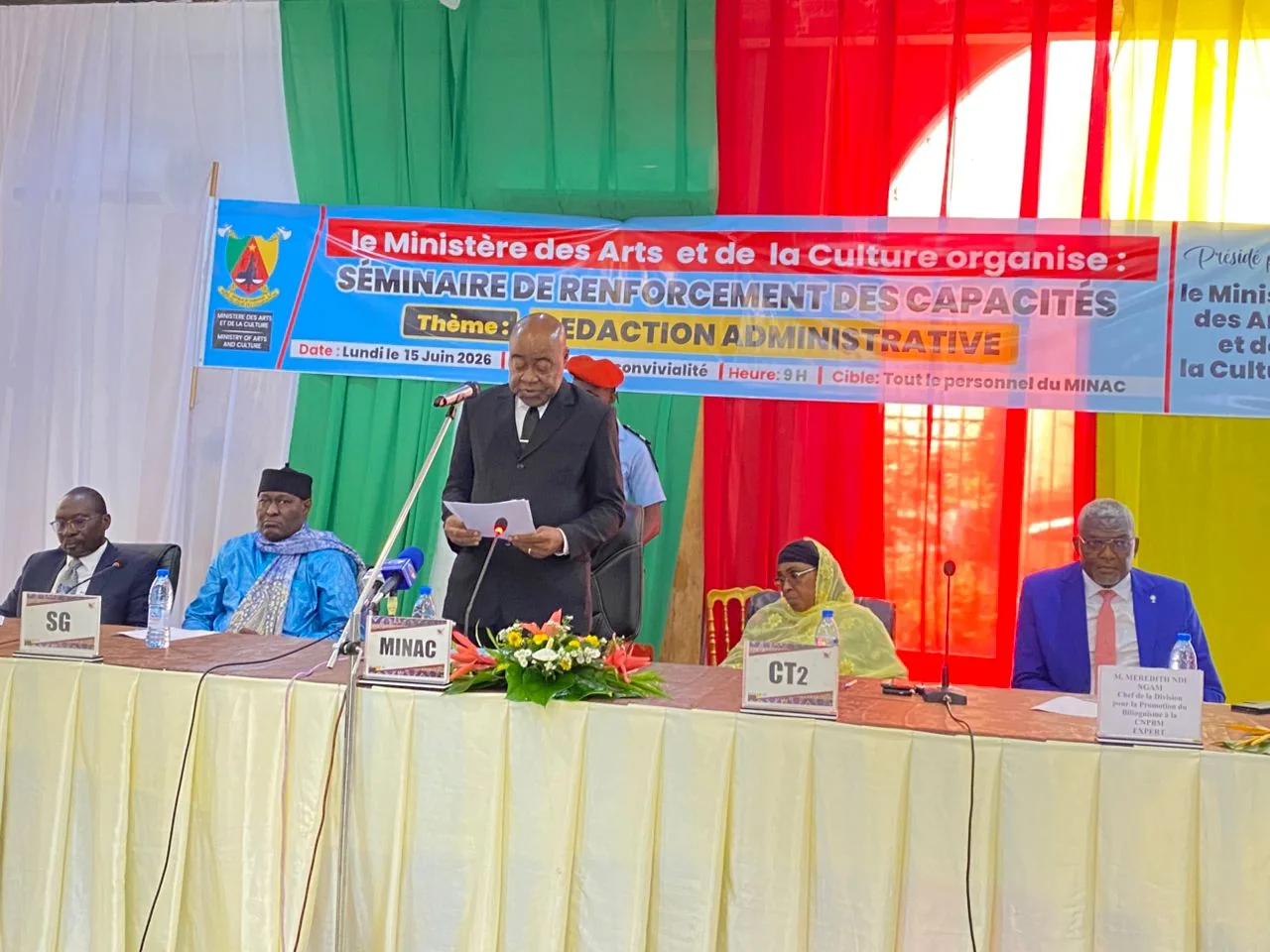
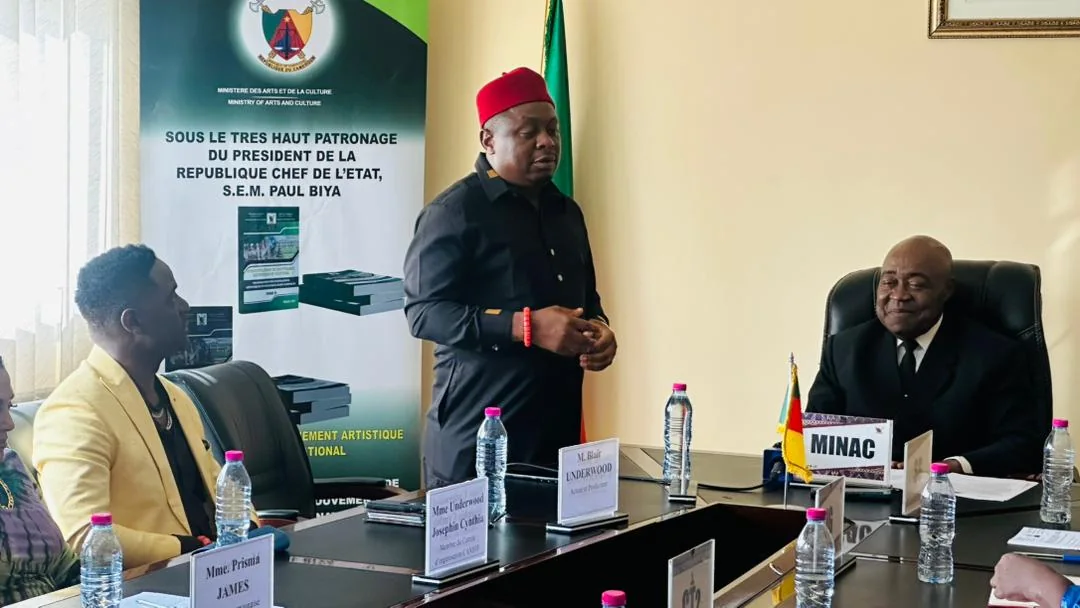
Panel table during an institutional meeting of the Ministry

The statistics are published to be used. Each series is offered as a downloadable table in open formats (CSV and spreadsheet), accompanied by a metadata sheet specifying the definition, source, frequency, update date and limits of interpretation. Ready-to-use charts and one-page summaries make it easier to use the data in the press, university dissertations or funding applications.

What a series contains

  1. The raw data, by year and by region;
  2. A two-page methodological note;
  3. A glossary of the terms used;
  4. The list of any revisions compared with the previous edition.

Rules for reuse

Reuse is free of charge, provided that the source is cited (“Ministry of Arts and Culture, sector statistics, year”) and the figures are not altered. Nominal and individual data are never released: only aggregates are published, with a minimum threshold to preserve confidentiality.

The series are gathered with the studies and reports and in the forms and documents section. For a more detailed data request, write to the culture observatory.

ℹ️
Name the source

Always state the title of the series, the reference year and the date of consultation when you use these data.

Cinema

Cinema in figures: production, distribution, exhibition

Golden Screen trophy awarded at the Écrans Noirs festival

The Directorate of Cinematography and Audiovisual Production collects statistical data on production, distribution and exhibition. Each year it tracks the number of films shot (filming authorisations issued), films released in cinemas, the number of screens in operation, admissions and revenue. These figures, often modest for a country of twenty-eight million inhabitants, also show the growth in productions for television and platforms. See cinema and filming authorisation.

Books

Books in figures: publishing, libraries, reading

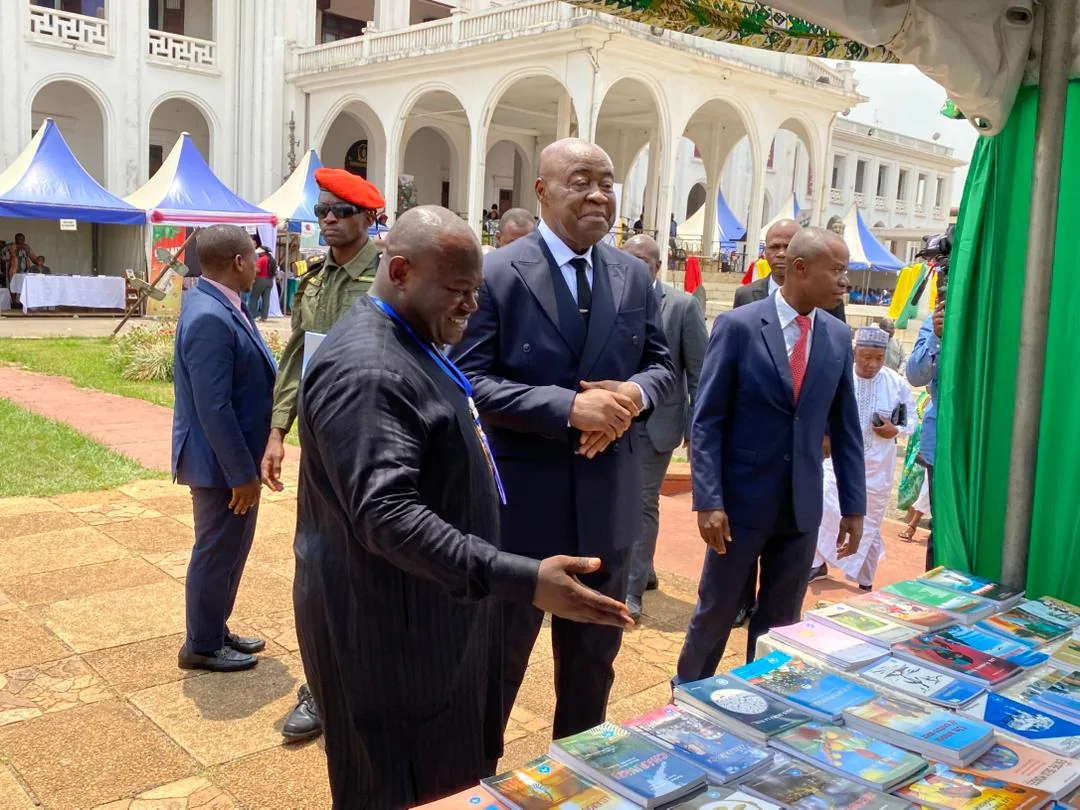
The Minister presenting books displayed on a stand, alongside officials

The Directorate of Books and Reading tracks the number of titles deposited, print runs, bookshops and libraries in operation, as well as loans and registered members. Legal deposit data provide a reliable basis for counting annual publishing output, in the order of a few hundred titles a year. The study of reading habits, carried out every three years, complements these records. See publishing and books and literature and books.

Method

From collection to publication of the figures

Define the indicators

Each directorate and the observatory agree on common definitions so that the figures are comparable from one year and one region to another.

Collect

Annual forms are completed by the organisations, supplemented by administrative files and feedback from the regional delegations.

Check

Duplicates are removed, outliers are verified by telephone, and year-on-year differences are explained.

Consolidate

The directorates’ data are brought together, rounded and made consistent in a single table for each field.

Publish

The series are published with their metadata and an explanatory note, online and in the annual report.

Revise

Provisional figures are corrected the following year and revisions are flagged to the reader.

Key facts

The fields monitored in one table

FieldCollecting directorateMain indicatorsFrequency
CinemaDirectorate of Cinematography (DCPA)Films produced, screens, admissions, revenueAnnual
BooksDirectorate of Books and Reading (DLL)Titles deposited, bookshops, libraries, registered readersAnnual
PerformancesDirectorate of Performances and Creative Industries (DSIC)Authorisations, venues, attendanceQuarterly
HeritageDirectorate of Cultural Heritage (DPC)Listed properties, museum visitors, items inventoriedAnnual
ArchivesDirectorate of Archives and Administrative Documents (DADA)Linear metres preserved, pages digitised, requestsAnnual
Arts and artistsDirectorate of Arts Development and Promotion (DDPA)Artist cards, companies, grants awardedAnnual
CopyrightCollective management bodiesWorks declared, royalties collected and distributedAnnual
Journey

Cultural statistics that are being refined

The 2000sFirst surveys

The directorates keep internal registers and publish a few tables in the activity reports.

2010sCommon forms

Uniform collection forms are adopted and the first comparisons between regions become possible.

2020Put online

The tables are released in downloadable format and accompanied by methodological notes.

2024Observatory

A common system consolidates the directorates’ series and launches surveys on employment and the economy.

TodayLong series

Ten years of data make it possible to read trends, evaluate policies and guide the NDS30 strategy.

To explore

The figures in other sections

“Collecting statistical data on production, distribution and exhibition: this is the condition for cultural policy to be based on facts.”

Mission of the Directorate of Cinematography and Audiovisual Production
Uses

Users of the statistics

“
The regional series allowed me to justify setting up a library in a district that had none.
A local elected representative
East
“
For my business plan, the cinema attendance figures reassured the banker about public demand.
A cinema operator
Centre
“
The tables in open format save me time: I use them directly in my courses on the economics of culture.
A lecturer-researcher
Littoral
“
We monitor employment in our workshops thanks to the observatory’s indicators, which guides our training courses.
A training centre manager
West
To act

Tools for using the data

Request a series

Need a more detailed series by commune, discipline or year? Send a reasoned request to the observatory, which replies within thirty days.

Write

Respond to the survey

Cultural organisations receive a form to complete each year: it takes twenty minutes and improves the quality of the data.

Learn more

Train in data skills

Introductory modules on reading tables and drawing up a cultural budget are offered to project leaders.

See the training courses
To download

The series and sheets to download

Glossary

The words of cultural statistics

Indicator

Quantified measure chosen to track the development of a phenomenon or a policy.

Series

A sequence of values measured in the same way at regular intervals.

Sample

Group of organisations surveyed to represent a whole sector.

Response rate

Share of the organisations approached that completed the questionnaire.

Value added

Wealth created by an activity, after deducting its intermediate consumption.

Turnover

Total sales made by an enterprise over a period.

Aggregate

Value that groups together several individual data items to guarantee confidentiality.

Metadata

Information describing a series: source, definition, date, limits.

Provisional data

Figure published before consolidation, liable to be corrected.

Open format

File readable by all software, without any particular licence.

Satellite account

Measurement framework that isolates the weight of a sector in the national economy.

On the site

Related data to explore

Resources

Useful links for the figures

Stakeholders

Who produces the statistics?

Questions

Your questions about the statistics

Where can I find the figures on culture in Cameroon?

The series are presented on this page by field, accompanied by methodological notes. The detailed tables can be downloaded, and the commented figures appear in the studies and in the Ministry’s annual report.

Who collects the cinema data?

The Directorate of Cinematography and Audiovisual Production gathers the production, distribution and exhibition data: films shot, cinemas, admissions and revenue. Sector professionals submit their annual returns.

Are the figures accurate?

They are rounded and given for guidance only. A large share of cultural activity is informal or seasonal and therefore difficult to measure precisely. Provisional figures are corrected the following year and the corrections are flagged.
Can I reuse the tables in a publication?

Yes, freely and free of charge, provided you cite the Ministry as the source, state the reference year and do not alter the values. Open formats make it easy to copy into a spreadsheet.

How can my organisation contribute to the collection?

Complete each year the collection sheet sent by the regional delegation or downloadable online. It asks only for general information on activity, employment and attendance, and your responses remain confidential.

Why are the regional figures so different?

The regions do not have the same population, facilities or traditions. The Centre and Littoral concentrate businesses, whereas the West has many chiefdoms and festivals. The indicators are therefore expressed relative to population.

Are there figures on the employment of artists?

Yes. They come from artist cards, the directory of artists and surveys of organisations. They give orders of magnitude by discipline, age and sex, without releasing individual data.

How do I request a series that does not yet exist?

Write to the observatory stating the indicator, the scope and the intended use. If the request can be met with the available sources, a series is added to the following year’s work programme.

Contact

Ask a question about the figures

State the series or indicator you are looking for and the intended use: your message is forwarded to the statistics service.

Competent service

Contact the sector statistics

Address

Directorate of Cinematography and Audiovisual Production / Directorate of Books and Reading
Ministry of Arts and Culture
Quartier du Lac – Ministerial Zone
P.O. Box 1053 Yaoundé, Centre Region, Cameroon

Reach us

+237 6 51 70 58 41

contact@minac.gov.cm

Opening hours

Monday to Friday, 8 am to 4 pm

Data to use?

Consult the culture observatory, which consolidates the series and publishes the sector studies.

See the observatory
WhatsApp