Coat of arms of CameroonMinistry of Arts
and Culture
Republic of Cameroon
My procedures
Home
Minister’s message
News
Press releases
Cultural calendar
Official speeches
Press review
Photo library
Video library
Calls for projects
Job vacancies
Public procurement
Newsletter
Frequently asked questions
Site map
Contact
Press area
Podcast “The Voice of Culture”
Legal notices
Privacy policy
Cookies and trackers
The Ministry
Missions and responsibilities
Organisation
Organisation chart
Minister’s Office (Cabinet)
Management team
General Secretariat
General Inspectorate
Central directorates
Regional Delegations
Institutions under supervision
Legislative texts
Regulatory texts
Sector strategy
Major projects
Budget and reports
Partners
Careers
Archives
Institutional communication
Quality and accessibility
Arts
Visual and plastic arts
Visual arts
Performing arts
Theatre
Dance
Music
Literature and books
Cinema and audiovisual
Photography
Fashion and design
Digital arts
Art crafts
Artists’ directory
Residencies
Prizes and awards
Arts education
Urban arts
Heritage
Tangible heritage
Intangible heritage
UNESCO sites
National museums
Listed monuments
National inventory
Palaces and chiefdoms
Archaeology
Linguistic heritage
Oral traditions
Traditional know-how
Restitution of cultural property
Fight against illicit trafficking
Listing and protection
Conservation and restoration
Heritage Days
Cultural landscapes
Industries
Music and recording
Cinema
Publishing and books
Digital arts
Fashion and creativity
Crafts
Cultural tourism
Funding for culture
Support funds
Incubators
Cultural entrepreneurship
Culture Observatory
Vocational training
Studies and reports
Sector statistics
Export and outreach
Intellectual property
Copyright
Legal framework
Copyright and neighbouring rights
Collective management societies
Register a work
Licences
Private copying
Fight against piracy
Model contracts
Social status of artists
Mediation
Disputes
Training
Fee scales
Register of works
Contact
Digital neighbouring rights
Public domain
Festivals
National calendar
Ngondo
Nguon
Écrans Noirs
Heritage Days
Music Day
Regional festivals
Fairs and exhibitions
Biennials
National competitions
Cultural days
Organise a festival
Event grants
Ticketing
Archives
Volunteering
Diaspora festivals
Regions
Adamawa
Centre
East
Far North
Littoral
North
North-West
West
South
South-West
Cultural map
Regional Delegations
Traditional chiefdoms
National languages
Cultural routes
Decentralised cooperation
Regional observatory
Cooperation
UNESCO
Francophonie (OIF)
African Union
Commonwealth
CEMAC
Bilateral cooperation
Cultural agreements
Professional organisations
Scholarships
Artist exchanges
Cultural years
Diaspora
Funded projects
Embassies
Technical partners
International restitution
International monitoring and calls
Services
Artist card
Show authorisation
Filming authorisation
Festival authorisation
Deposit of a work
Export of works of art
Listing of a property
Grant application
Association accreditation
File tracking
Forms
Fees
Opening hours and addresses
Reporting
Online help
My account
One-Stop Shop
Cooperation

Technical partners

List of partners, expertise sought, calls for partners and agreements: how the Ministry draws on technical skills to safeguard heritage, protect creations, train teams and modernise its services in a lasting way.

Updated on 6 November 20264 sub-pages
Recent partnershipIIPO, 14 August 2026
SubjectIndigenous cultural heritage
Reference organisationsOAPI, OMPI, UNESCO
Formal frameworkWritten agreement
Technical partners

Shared expertise for culture

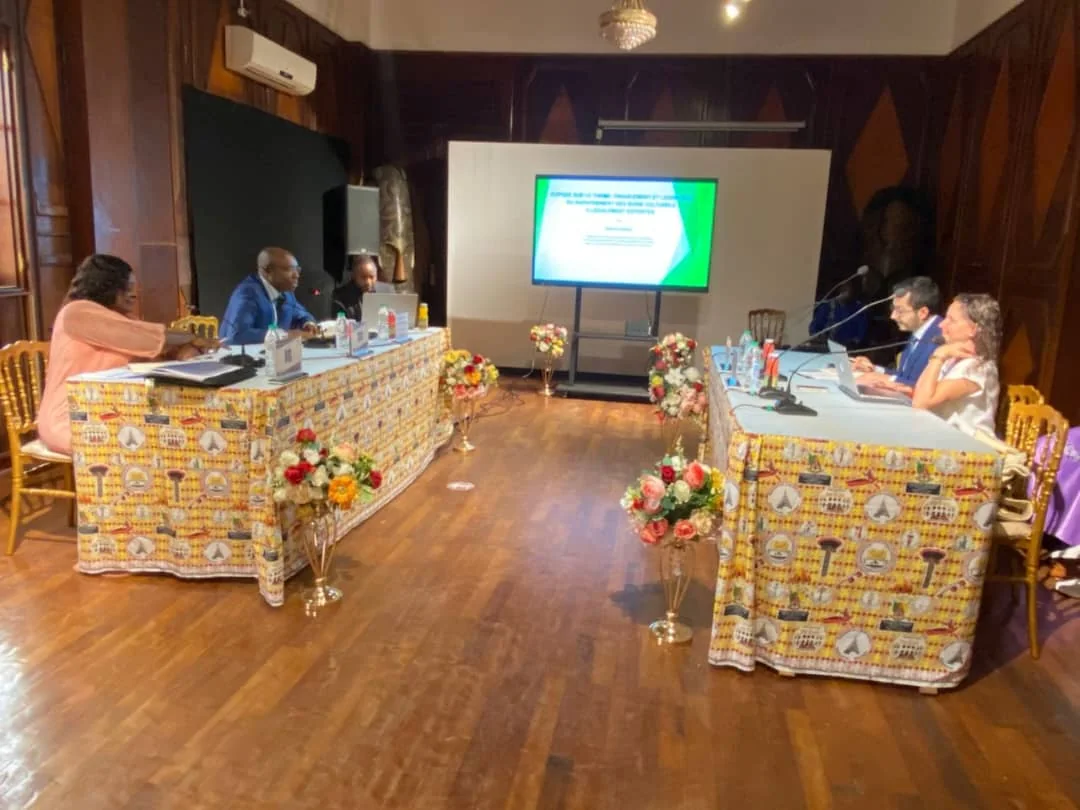
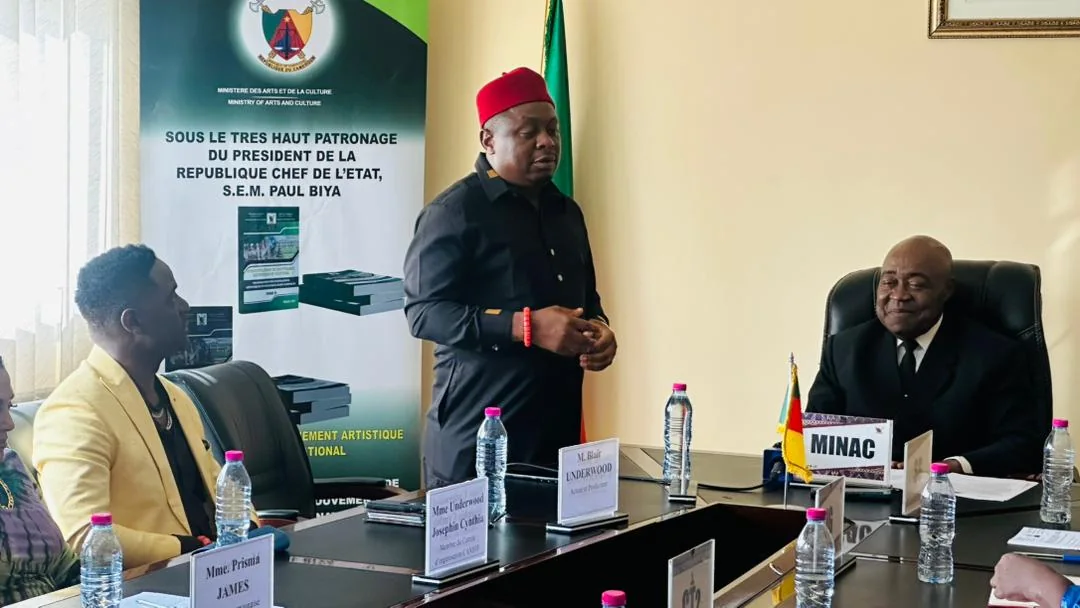
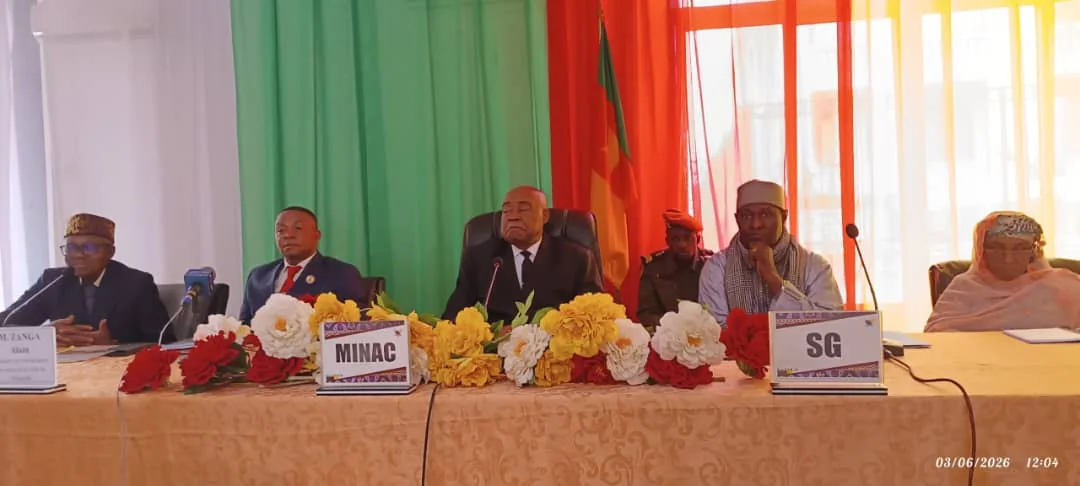
Officials standing before the panel table of a Ministry conference

No ministry alone holds all the skills needed to safeguard heritage, digitise archives or protect intellectual property. The Ministry of Arts and Culture therefore relies on technical partners: international organisations, specialised institutions, universities, professional associations and research centres.

On 14 August 2026, a partnership was established with IIPO for the promotion of indigenous cultural heritage, continuing the work on intangible heritage. This page presents the list of types of partners, their expertise, how the Ministry issues its calls and the framework of the agreements governing each collaboration.

  • A clear list of partner types
  • Targeted expertise by field
  • Written agreements, monitored and evaluated
See the list of partners
Who they are

The list of technical partners

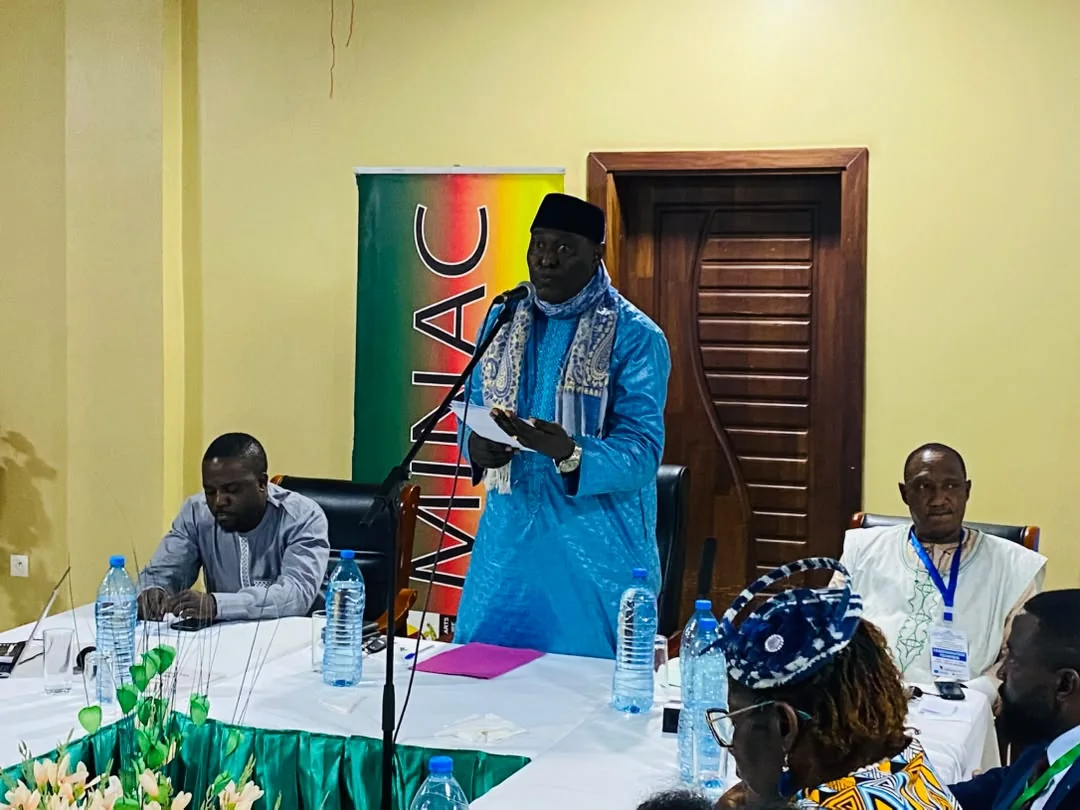
Meeting room with a projection screen and participants around the tables

The Ministry’s technical partners fall into several groups, according to the type of support they provide. This organisation makes it possible to know whom to approach and to gauge how the interventions complement one another. Institutional partners are also presented in the Ministry’s Partners section.

Partner groups

  • United Nations system organisations, foremost among them UNESCO, for world heritage, safeguarding conventions and training;
  • Intellectual property organisations: OAPI and OMPI, for the protection of works, trademarks and knowledge, in connection with the intellectual property section;
  • Indigenous peoples’ organisations, such as IIPO, a partner for the promotion of indigenous cultural heritage;
  • Regional and international organisations: Francophonie, African Union, Commonwealth and CEMAC;
  • Universities, research institutes and professional associations, which provide research and training, including within the framework of professional organisations.

The Ministry of External Relations

For any foreign or international partner, the Ministry of External Relations is involved: it ensures the diplomatic conformity of commitments and their consistency with Cameroon’s other relations.

ℹ️
A simple rule

A technical partner is not a donor: it provides skills, methods and networks, even though some agreements also provide for financial support.

Skills

The expertise sought

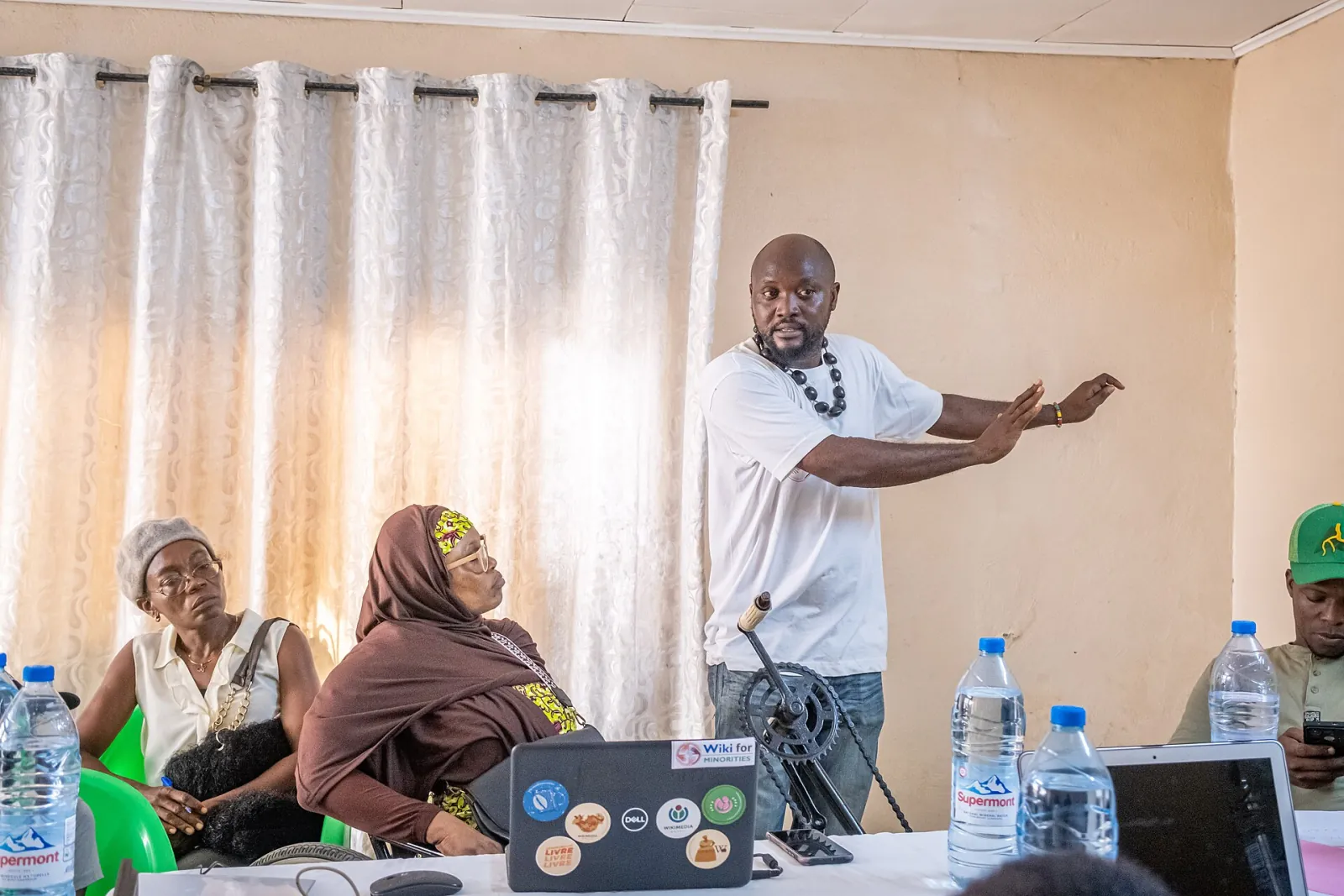
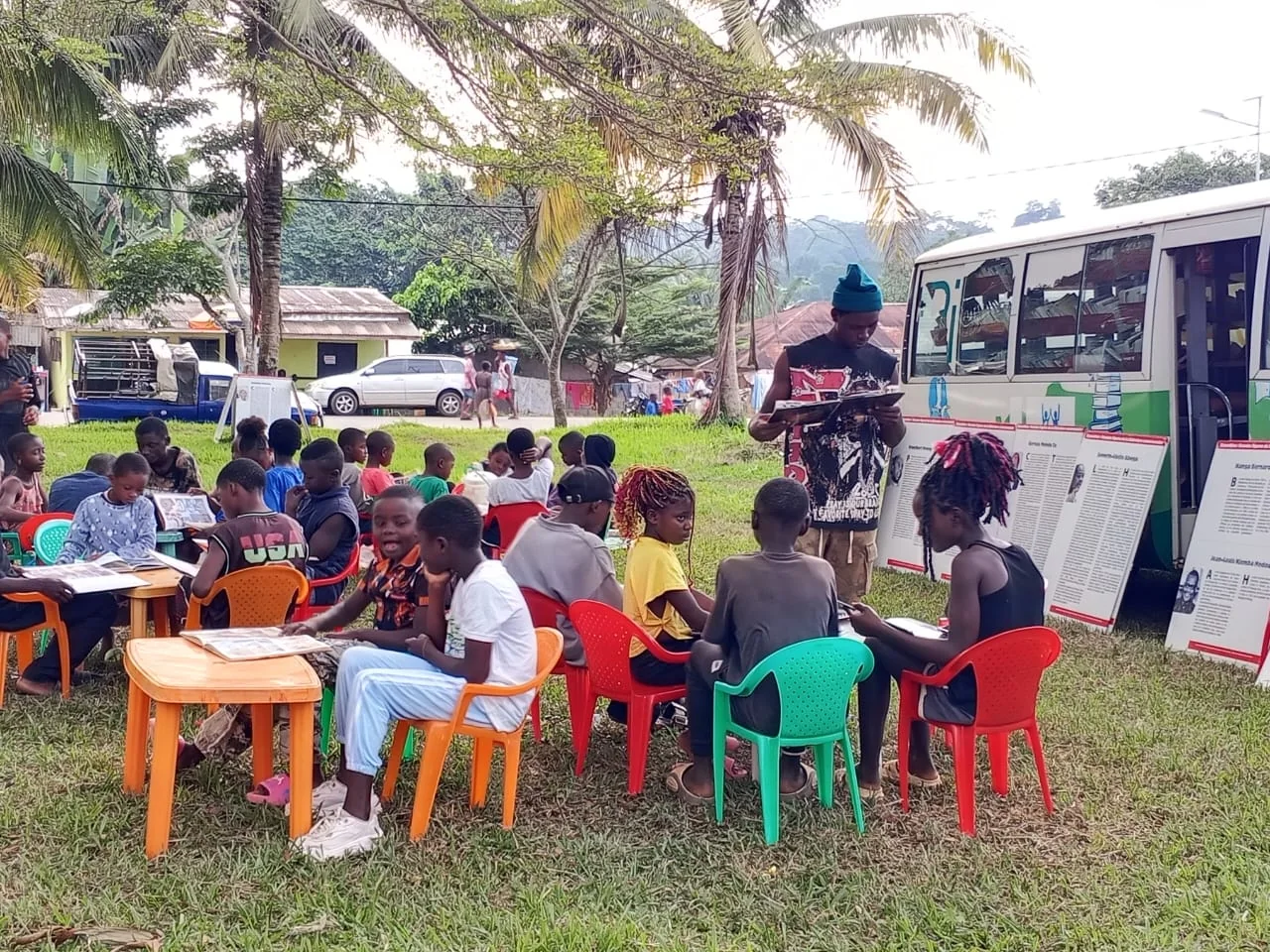
Trainer addressing participants seated around a table during a workshop

Each area of the Ministry’s action calls for particular skills. The expertise sought from technical partners is identified on the basis of the priorities of the sector strategy and the requests of the directorates.

Heritage and safeguarding

Know-how in inventory, preventive conservation, restoration and the fight against illicit trafficking in cultural property is indispensable. It supports the work of the national inventory and of listing and protection. The knowledge of indigenous communities, at the heart of the partnership with IIPO, is handled with respect for the free and informed consent of its holders.

Digital and archives

Digitisation, indexing, electronic archiving and long-term preservation accompany the digitisation of archives and the future construction of the National Archives, described under major projects.

Applications

Calls for partners

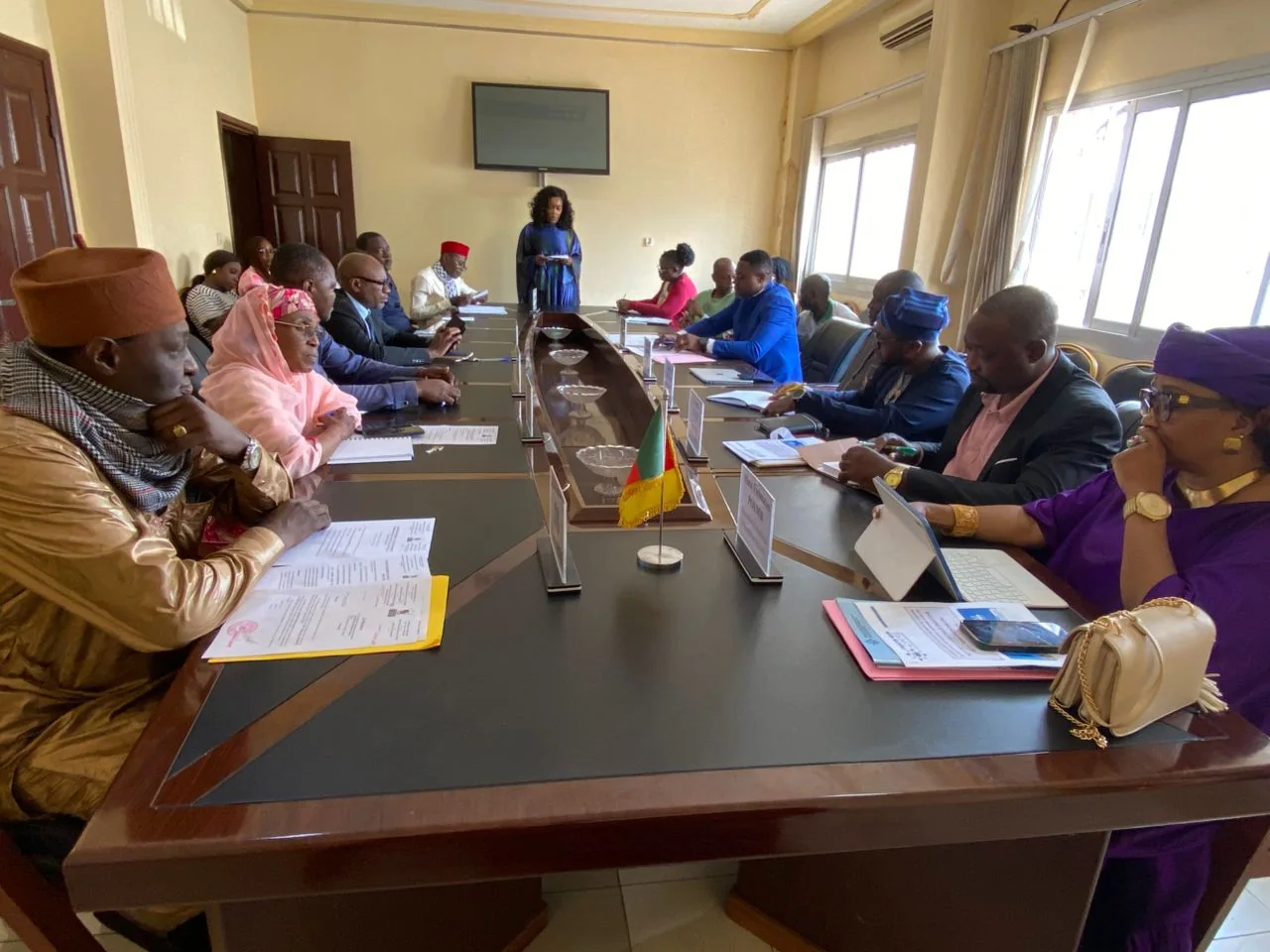
Working meeting around a large table in a Ministry room

When the Ministry is looking for specific support, it issues a call for partners rather than choosing by mutual agreement. This procedure guarantees equal treatment of candidates and makes it possible to compare several technical offers. Calls are published in the calls for projects section and relayed through the international watch and calls.

What a call contains

  • the need to be met and its link to a directorate or a major project;
  • the nature of the support expected: study, training, technical assistance, provision of experts, equipment;
  • the selection criteria: experience, references, local roots, methodology, respect for communities;
  • the timetable, the documents to be supplied and the address for submitting applications.

Handling applications

An analysis committee made up of representatives of the directorates concerned, the General Secretariat and, where necessary, qualified individuals examines the proposals. Selected candidates are invited to detail their offer before an agreement is signed. Where the support commits public funds, the rules of public procurement apply.

An organisation wishing to come forward on its own initiative may send an unsolicited proposal to the Minister’s Office (Cabinet). It is registered, studied by the competent directorate and, if relevant, incorporated into a forthcoming call or a direct partnership.

ℹ️
How to apply

Prepare a note presenting your organisation, two comparable references, a proposed intervention and a timetable; submit it to the Minister’s Office or through the published calls.

Formal framework

Partnership agreements

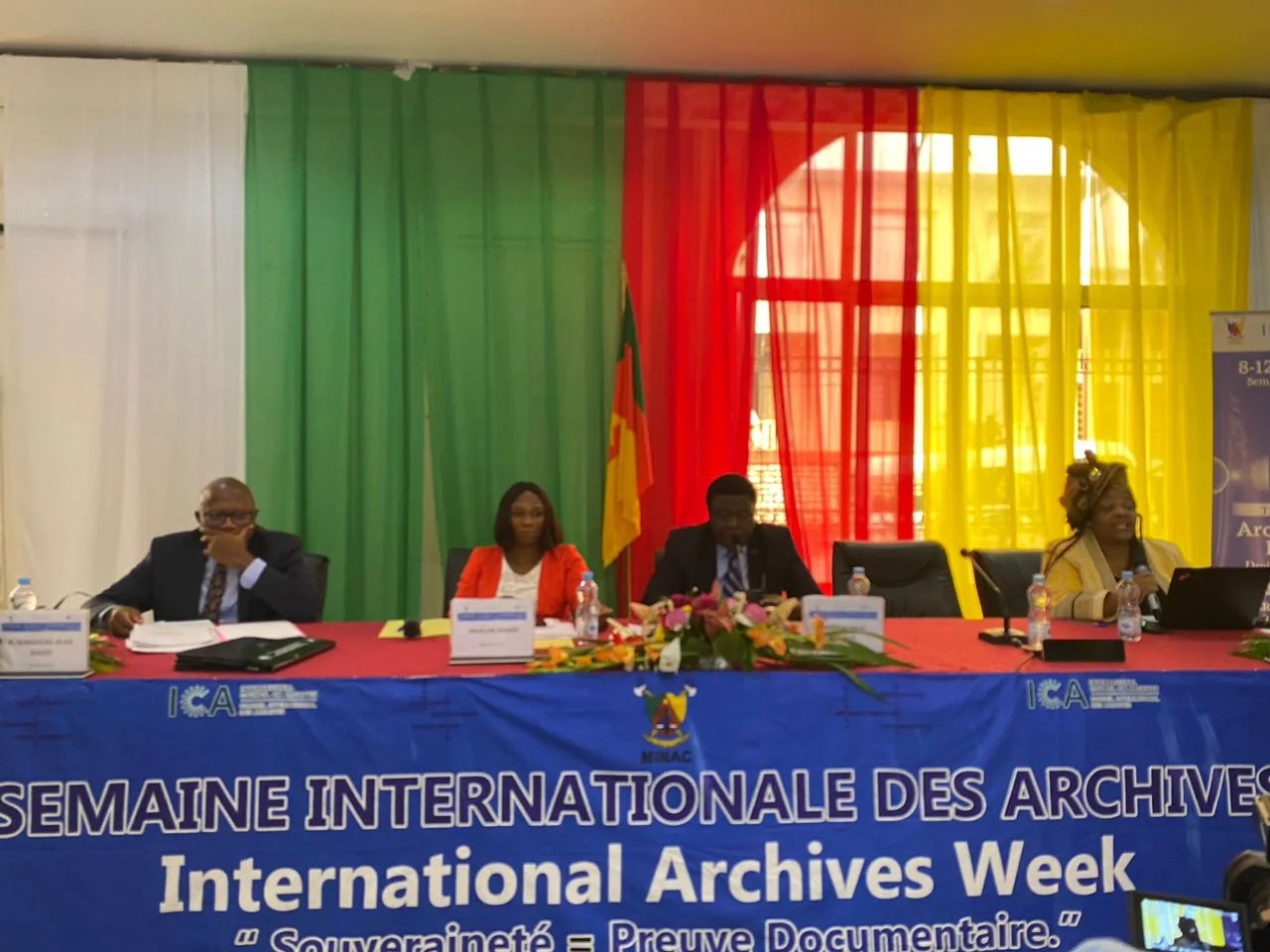
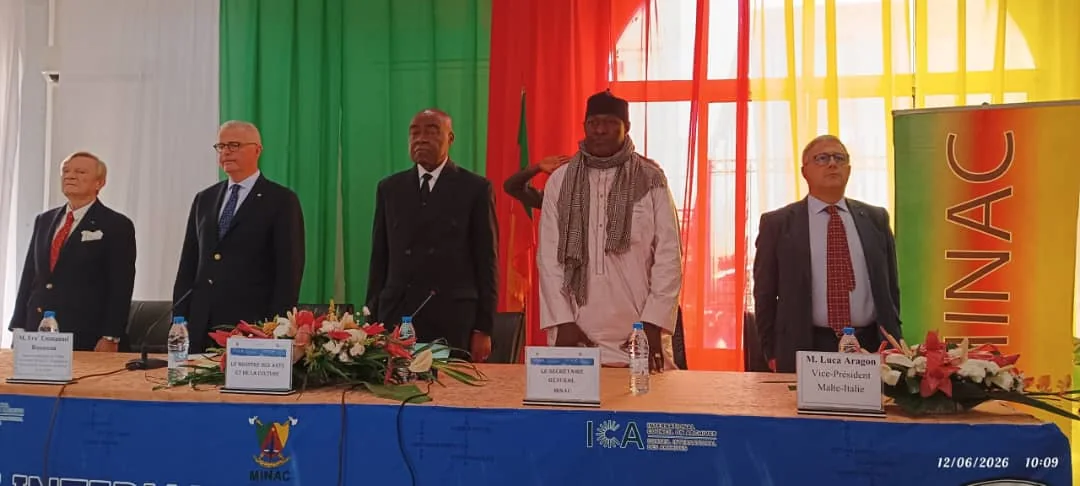
Panel table at International Archives Week

Each partnership is the subject of a written agreement. It protects both parties, specifies the scope of the support and organises follow-up. An agreement is never an end in itself: it is the tool that makes it possible to move from intention to action.

What an agreement contains

  • the purpose, duration and territory concerned;
  • the commitments of each party: contributions, timetable, deliverables;
  • the governance arrangements: monitoring committee, focal points, frequency of meetings;
  • the treatment of intellectual property rights over data, recordings and publications;
  • the clauses on confidentiality, ethics and respect for the communities holding the heritage;
  • the arrangements for evaluation, renewal or termination.

From contact to signature

It often begins with an audience, like those that opened up prospects for cooperation on safeguarding the heritage of indigenous peoples. The Ministry then examines the project’s consistency, consults the technical directorates and the Ministry of External Relations, and then negotiates the text. The agreement is signed by the competent authorities and archived.

The reference texts can be consulted in the regulatory texts, the cultural agreements and the model contracts section for model clauses.

Indigenous heritage

The partnership with IIPO in brief

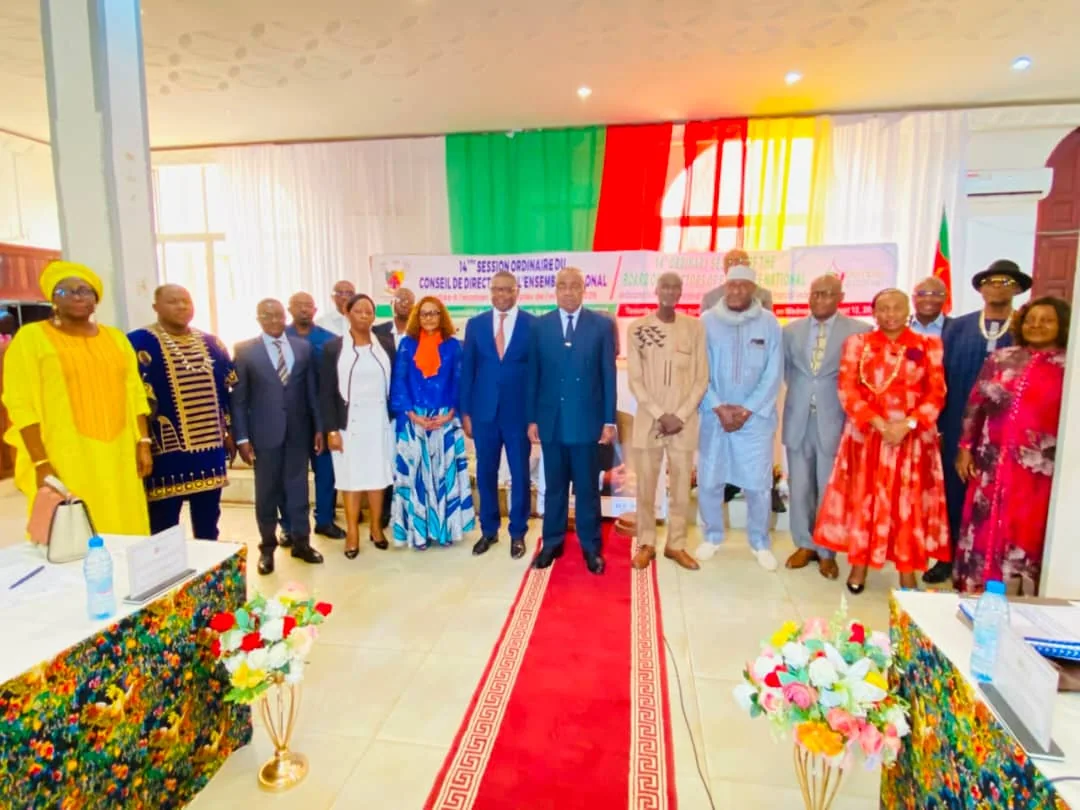
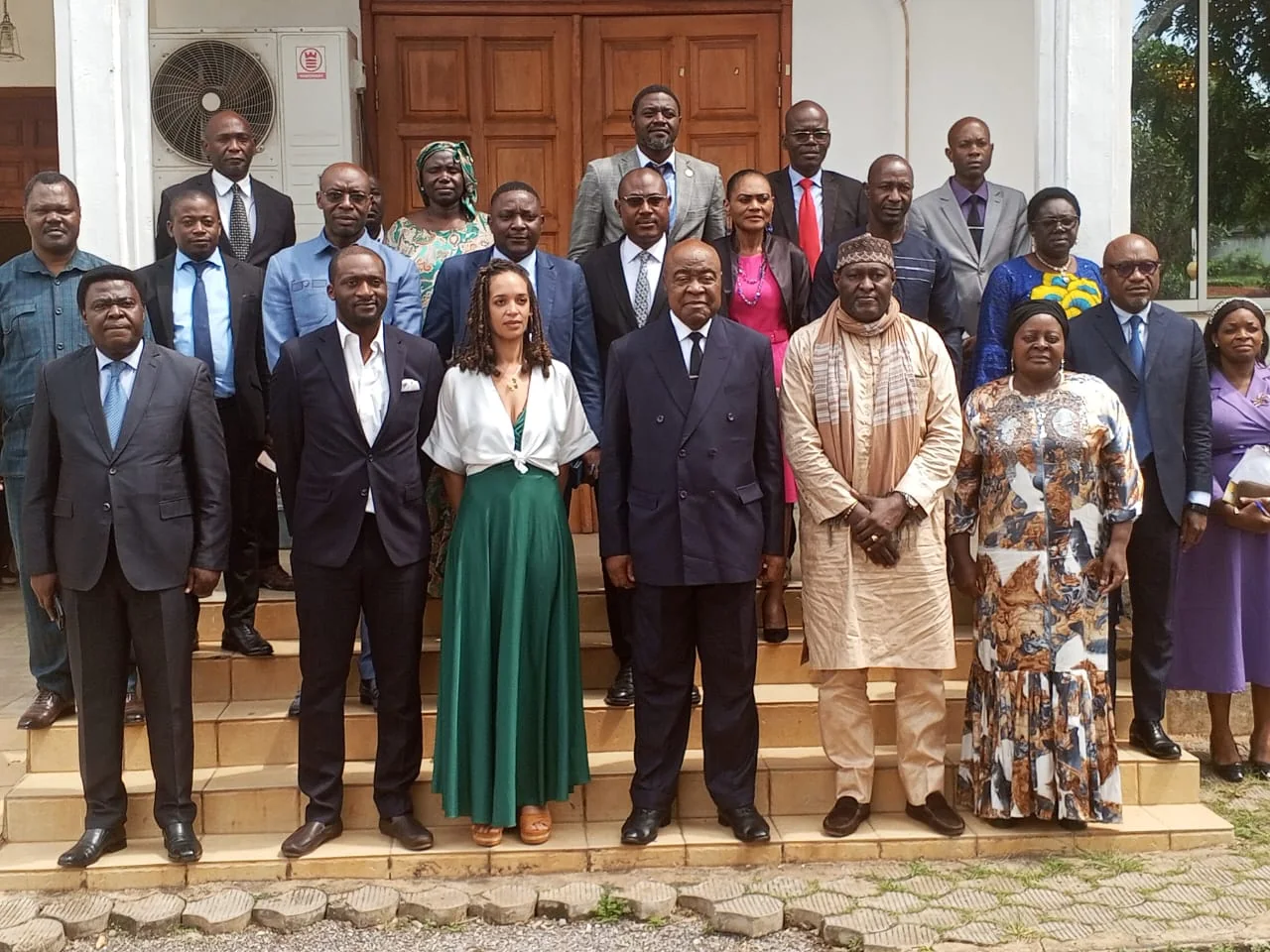
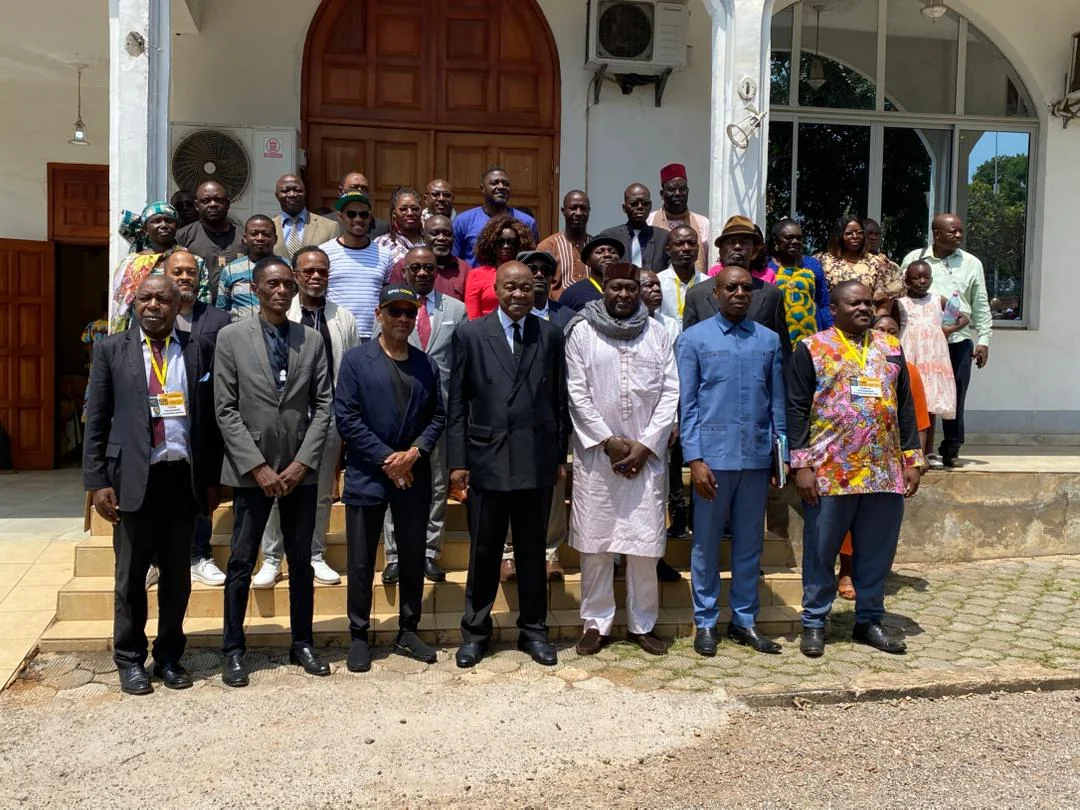
Board session of a Ministry institution, participants posing in the room

The partnership entered into with IIPO on 14 August 2026 concerns the promotion of indigenous cultural heritage. It forms part of the Ministry’s work on oral traditions, linguistic heritage and traditional know-how. It provides for a method based on the participation of the communities concerned, respectful documentation of their knowledge and the return of results in their languages. The content of the cooperation is specified by the agreement and monitored by the competent directorate.

Step by step

Forming a technical partnership

Identify the need

The directorate concerned describes the support sought, the timetable and the link with the sector strategy.

Choose the route

Call for partners, unsolicited proposal or audience: the Minister’s Office chooses the appropriate procedure.

Analyse the offers

A committee compares the technical proposals, checks references and gathers the opinion of the services concerned.

Negotiate the agreement

The text specifies the commitments, deliverables, governance and intellectual property rules.

Implement

The teams work together; a monitoring committee meets to check progress.

Evaluate and extend

A review measures the results; the agreement is renewed, adapted or closed according to the findings.

To act

Become a technical partner

Propose a collaboration

Present your organisation and your skills to the Minister of Culture’s Office.

Write to the Minister’s Office

Respond to a call

Consult the current calls, their selection criteria and their deadlines.

Calls for projects

Follow the contracts

Consultations and awards are published for all interested candidates.

Public procurement

Understand the framework

Browse the regulatory texts applicable to agreements and partnerships.

Regulatory texts
To explore

Partnerships and their themes

They collaborate

Partners speak out

“
Working with the Ministry gave us a clear framework: each stage is written down, roles are shared and communities are consulted before any publication.
A programme officer of a partner organisation
International cooperation
“
The training on intellectual property helped our associations understand how to register their works and negotiate a licence.
A head of a craftspeople’s association
Bafoussam
“
Our research team was able to access archive collections in exchange for shared digitisation; everyone found their interest in it.
A lecturer-researcher
University of Yaoundé
“
In our villages, the elders agreed to be recorded because the agreement provided that the recordings would remain under their control.
A community facilitator
East Region

“The Ministry is examining prospects for cooperation to safeguard the heritage of indigenous peoples, with communities as the first partners.”

The Minister’s Office (Cabinet)
To download

The tools for technical partnerships

Key facts

Partnerships at a glance

PartnerFieldForm of supportResult sought
IIPOEnhancement of indigenous cultural heritagePartnership agreement, participatory methodsKnowledge documented with communities
UNESCOWorld heritage, safeguarding, trainingExpertise, reference conventions, programmesFiles, inventories and training
OAPIIntellectual property in AfricaCommon legal framework, technical assistanceProtection of creations and knowledge
OMPICopyright and neighbouring rightsTraining, tools, legal adviceStrengthened institutional capacity
Universities and institutesResearch, inventory, evaluationStudies, internships, co-funding of researchData and analyses useful for policy-making
Professional organisationsStructuring of sectorsWorkshops, exchange of good practiceBetter organised sectors
Glossary

The vocabulary of technical partnerships

Technical partner

Body that provides skills, methods and networks rather than mere funds.

Convention

Written document that sets out the commitments of each party.

Technical assistance

Provision of experts or training to strengthen capacities.

OAPI

African intellectual property organisation, which manages a common legal framework.

OMPI

World Intellectual Property Organization, a specialised agency of the United Nations.

UNESCO

United Nations Educational, Scientific and Cultural Organisation.

Indigenous heritage

All the knowledge, practices and expressions of indigenous peoples.

Free and informed consent

Agreement given by a community after full information and without pressure.

Deliverable

Concrete product expected from a collaboration: report, training, database.

Monitoring committee

Body that oversees the implementation of an agreement.

On the site

Continue exploring

Resources

Useful links for technical partners

Stakeholders

Who leads the technical partnerships?

Journey

From a meeting to an agreement

ContactFirst audience

The partner presents its skills and priorities to the Minister’s Office, which sets out the Ministry’s needs.

AnalysisFeasibility study

The technical directorates and the Ministry of External Relations examine the project’s consistency.

Editorial teamNegotiating the text

The parties agree on the purpose, commitments, governance and timetable.

SignatureFormal commitment

The agreement is signed by the competent authorities and then filed in the Ministry’s archives.

TrackingCommittees and review

A monitoring committee oversees implementation, an annual report is drawn up and the next steps are decided.

Questions

Your questions about technical partners

What is a technical partner?

It is a body that provides the Ministry with a skill: legal expertise, inventory methods, digitisation, training, evaluation. It may be international, regional, academic or associative. Its collaboration is formalised by a written agreement.

How do I propose a partnership?

Write to the Minister’s Office, presenting your organisation, your references, the field concerned and what you are offering. Your file is forwarded to the competent directorate, which studies it with the Ministry of External Relations where the partner is foreign.

What does the partnership with IIPO provide for?

Signed on 14 August 2026, it concerns the promotion of indigenous cultural heritage. It rests on the participation of communities, respect for their knowledge and the return of results. Operational details are set out in the agreement.

What is the role of OAPI and OMPI?

These organisations support Cameroon in protecting intellectual property: legal frameworks, training, management tools. Their support benefits creators, institutions and collective management societies.

Are calls for partners public?

Yes. They are published in the calls for projects section with the need, the criteria and the timetable. Public procurement procedures are followed whenever public funds are committed.

Can the agreements be consulted?

The reference texts and model clauses are available on the site. Some agreements contain confidentiality clauses; consulting them then requires a written request addressed to the General Secretariat.

How are communities protected?

Any collection of knowledge is based on the free and informed consent of the holders, control of the recordings by the communities and their return in the communities’ languages. These principles are incorporated into the agreements.

Can a partner end its collaboration?

Yes, according to the clauses of the agreement: notice, review, transfer of achievements and data. The Ministry ensures that the results obtained remain usable and that commitments to communities are honoured.

Contact

Propose a technical partnership

Present your organisation, the field concerned and the type of support offered: your message will be forwarded to the Minister’s Office and the directorate concerned.

Minister’s Office

Contact the partnerships service

Address

Minister’s Office – Technical Partnerships
Ministry of Arts and Culture
Quartier du Lac – Ministerial Zone
P.O. Box 1053 Yaoundé, Centre Region, Cameroon

Reach us

+237 6 51 70 58 41

contact@minac.gov.cm

Opening hours

Monday to Friday, 8 am to 4 pm

Discover the Ministry’s partners

The section brings together the institutions and organisations that support cultural policy.

Ministry partners
WhatsApp