Coat of arms of CameroonMinistry of Arts
and Culture
Republic of Cameroon
My procedures
Home
Minister’s message
News
Press releases
Cultural calendar
Official speeches
Press review
Photo library
Video library
Calls for projects
Job vacancies
Public procurement
Newsletter
Frequently asked questions
Site map
Contact
Press area
Podcast “The Voice of Culture”
Legal notices
Privacy policy
Cookies and trackers
The Ministry
Missions and responsibilities
Organisation
Organisation chart
Minister’s Office (Cabinet)
Management team
General Secretariat
General Inspectorate
Central directorates
Regional Delegations
Institutions under supervision
Legislative texts
Regulatory texts
Sector strategy
Major projects
Budget and reports
Partners
Careers
Archives
Institutional communication
Quality and accessibility
Arts
Visual and plastic arts
Visual arts
Performing arts
Theatre
Dance
Music
Literature and books
Cinema and audiovisual
Photography
Fashion and design
Digital arts
Art crafts
Artists’ directory
Residencies
Prizes and awards
Arts education
Urban arts
Heritage
Tangible heritage
Intangible heritage
UNESCO sites
National museums
Listed monuments
National inventory
Palaces and chiefdoms
Archaeology
Linguistic heritage
Oral traditions
Traditional know-how
Restitution of cultural property
Fight against illicit trafficking
Listing and protection
Conservation and restoration
Heritage Days
Cultural landscapes
Industries
Music and recording
Cinema
Publishing and books
Digital arts
Fashion and creativity
Crafts
Cultural tourism
Funding for culture
Support funds
Incubators
Cultural entrepreneurship
Culture Observatory
Vocational training
Studies and reports
Sector statistics
Export and outreach
Intellectual property
Copyright
Legal framework
Copyright and neighbouring rights
Collective management societies
Register a work
Licences
Private copying
Fight against piracy
Model contracts
Social status of artists
Mediation
Disputes
Training
Fee scales
Register of works
Contact
Digital neighbouring rights
Public domain
Festivals
National calendar
Ngondo
Nguon
Écrans Noirs
Heritage Days
Music Day
Regional festivals
Fairs and exhibitions
Biennials
National competitions
Cultural days
Organise a festival
Event grants
Ticketing
Archives
Volunteering
Diaspora festivals
Regions
Adamawa
Centre
East
Far North
Littoral
North
North-West
West
South
South-West
Cultural map
Regional Delegations
Traditional chiefdoms
National languages
Cultural routes
Decentralised cooperation
Regional observatory
Cooperation
UNESCO
Francophonie (OIF)
African Union
Commonwealth
CEMAC
Bilateral cooperation
Cultural agreements
Professional organisations
Scholarships
Artist exchanges
Cultural years
Diaspora
Funded projects
Embassies
Technical partners
International restitution
International monitoring and calls
Services
Artist card
Show authorisation
Filming authorisation
Festival authorisation
Deposit of a work
Export of works of art
Listing of a property
Grant application
Association accreditation
File tracking
Forms
Fees
Opening hours and addresses
Reporting
Online help
My account
One-Stop Shop
The Ministry

General Inspectorate

Placed under the authority of an Inspector General, the General Inspectorate evaluates the performance of the services, monitors their operation, reports to the Minister and takes part in the fight against corruption within the Ministry.

Updated on 5 November 20264 sub-pages
Inspector General1
Inspectors2
Main missions5
Report to the Prime MinisterQuarterly
Internal control

Monitoring in order to serve better

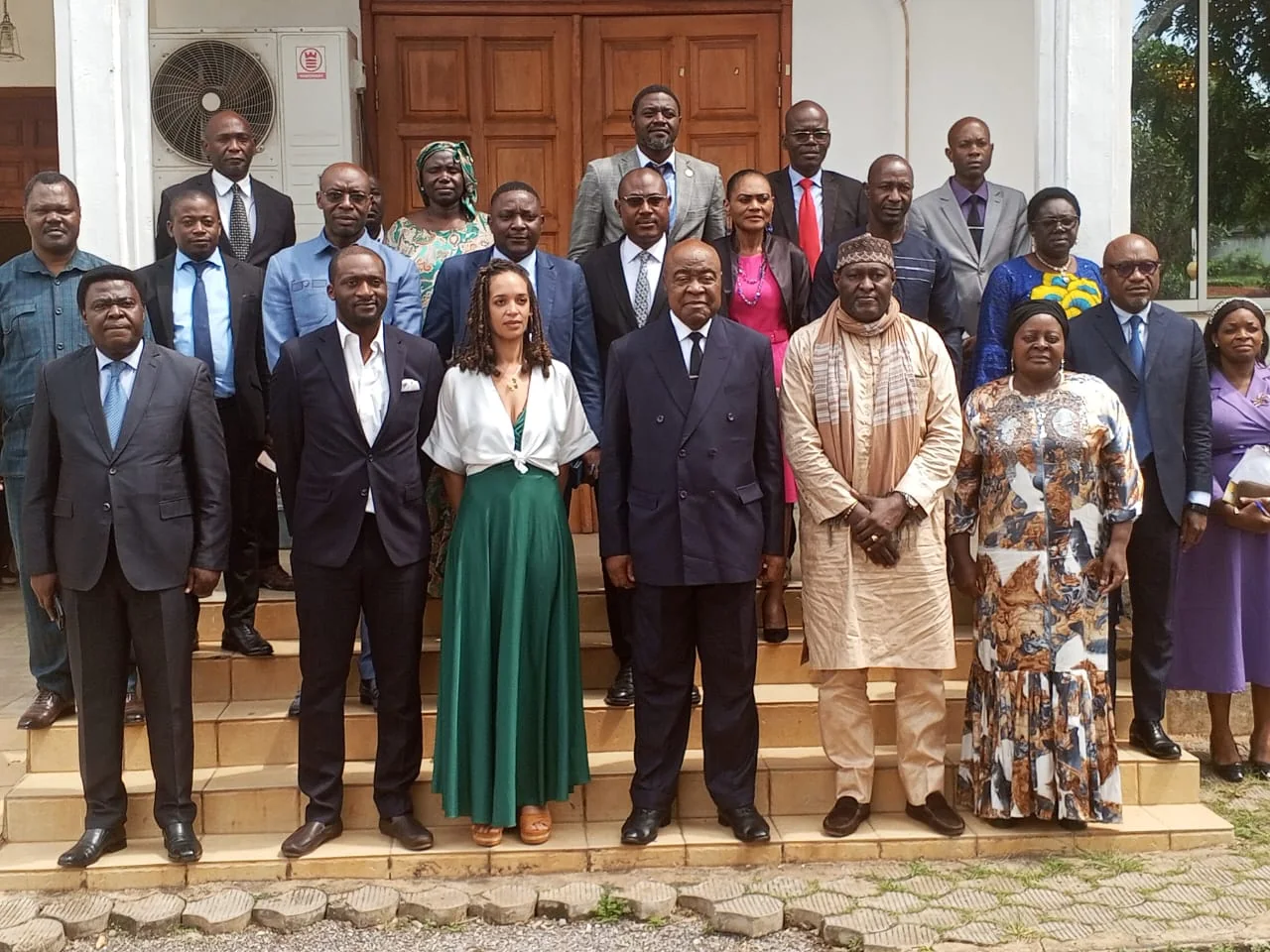
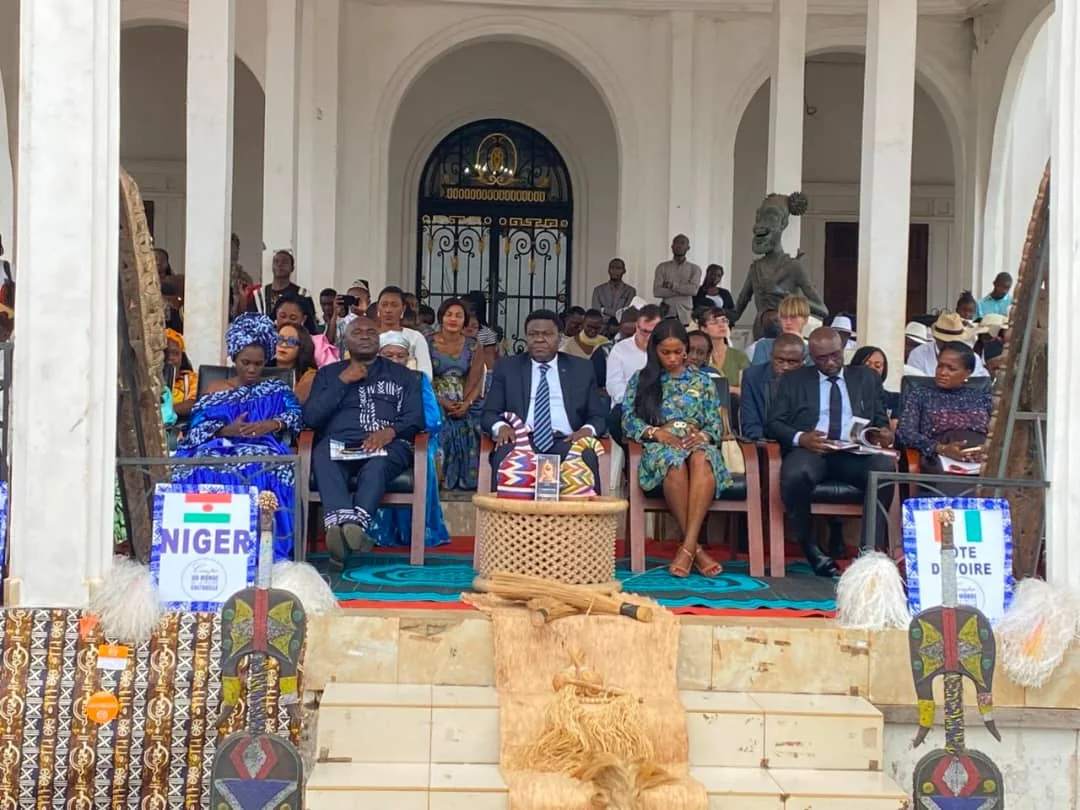
Group photo of many officials and guests in varied attire, posing on the steps in front of a building.

The General Inspectorate is the Ministry’s internal view of itself. It evaluates the performance of the services against the objectives set, checks that they operate according to the rules and informs the Minister of the quality of their output. Its aim is not to sanction for the sake of sanctioning, but to improve the service provided to artists, cultural operators and citizens.

It is placed under the authority of an Inspector General, Mrs Ngeh Rekia Nfunfu née Mbeume, and has two inspectors, Mr Oyono Bitounou Valère and Mr Ndouma Serge Achille. It works in liaison with the General Secretariat and reports to the Minister, on whom it directly depends in the organisation of the Ministry.


  • Evaluation of service performance
  • Internal control of services and institutions under supervision
  • Fight against corruption
Read the missions
Missions

The General Inspectorate’s missions

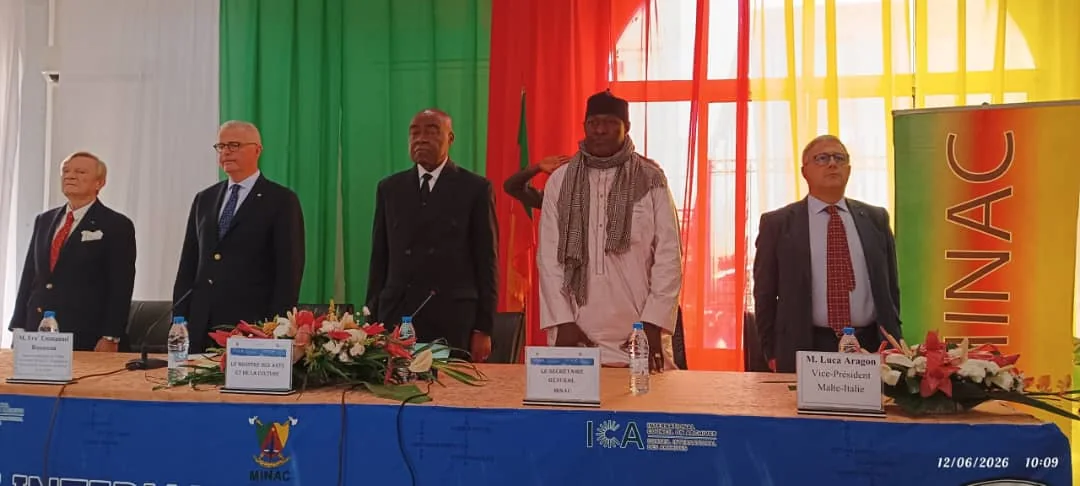
Officials standing before the panel table of a Ministry conference

Placed under the authority of an Inspector General, the General Inspectorate has five complementary missions, which cover the whole field of internal control.

Evaluating performance

It evaluates the performance of the services against the objectives set, in liaison with the General Secretariat. In practical terms, it compares what was planned (number of files to process, deadlines, scheduled activities) with what was achieved.

Monitoring operations

It carries out internal control and evaluation of the operation of the Ministry’s services, of the institutions under supervision and of attached bodies: central directorates, delegations, institutions and attached services.

Informing the Minister

It informs the Minister about the quality of the operation and output of the services, which enables him or her to take informed decisions.

Simplifying administrative work

It evaluates the application of organisation and methods techniques and the simplification of administrative work, in liaison with the services in charge of administrative reform.

Fighting corruption

It takes part in implementing the anti-corruption strategy within the Ministry, in liaison with the ministerial anti-corruption unit.

ℹ️
Composition

The General Inspectorate comprises, in addition to the Inspector General, two inspectors. It may occasionally draw on staff from other services to reinforce a mission.

Audits and inspections

How inspections are carried out

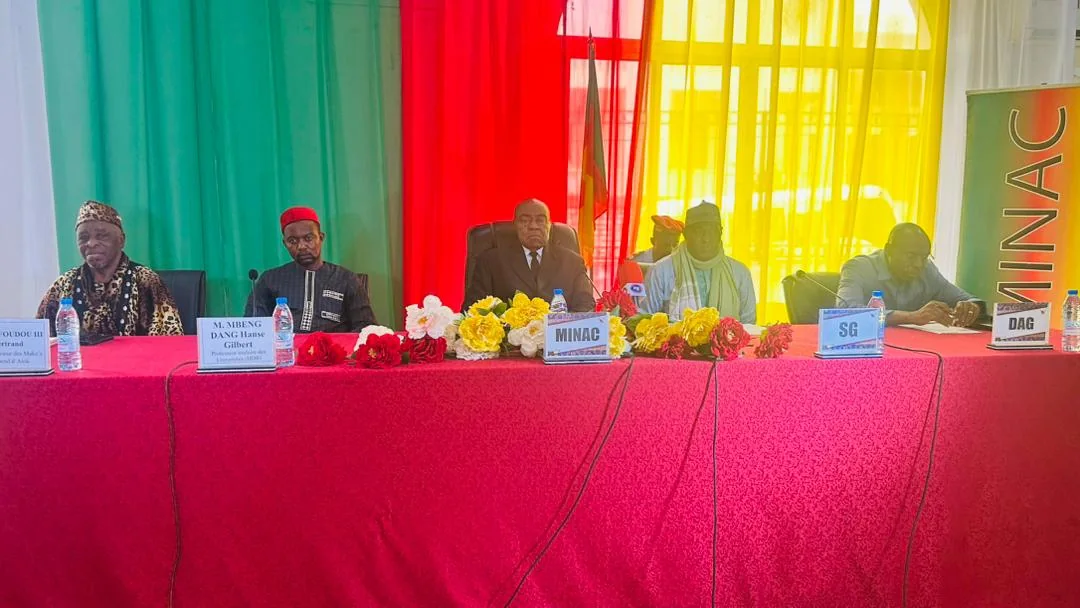
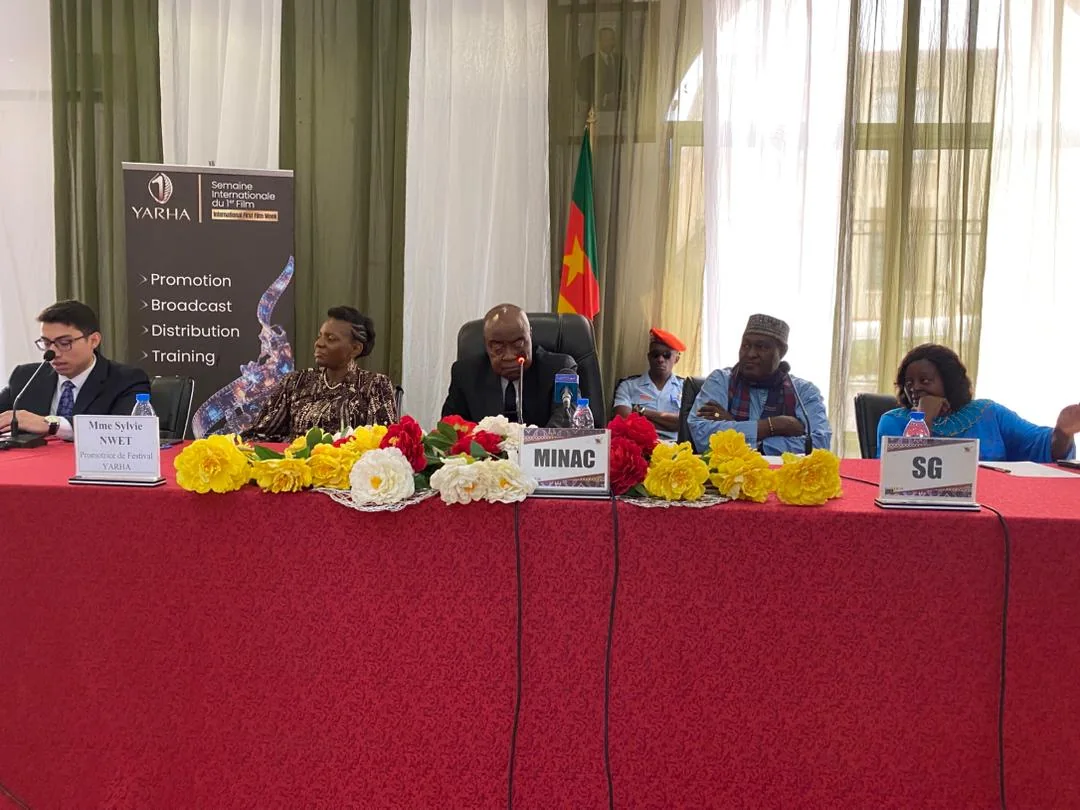
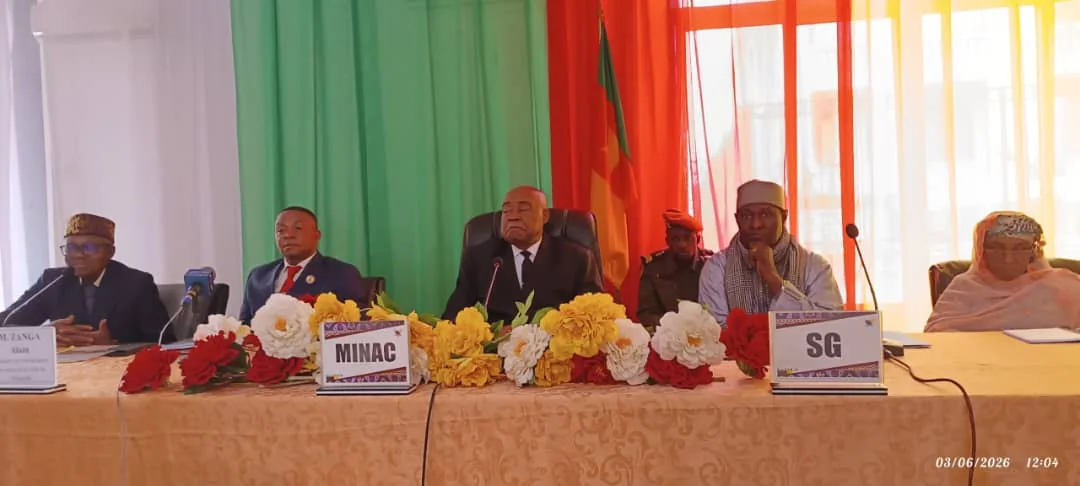
Officials sit behind a long meeting table covered with a red cloth and flowers, in front of curtains in the national colours.

In carrying out inspection and evaluation missions, the Inspector General and the inspectors have access to all the documents of the inspected services: registers, files, accounting documents, correspondence, attendance records, inventories.

The inspectors’ powers

Accordingly, they may request information, explanations or documents from the heads of the inspected services, who are required to reply within the time limits set. They may also, on an occasional basis, call on the necessary staff from other services of the Ministry. Where necessary, with the Minister’s binding opinion and in accordance with the law, they may call on the law enforcement authorities to establish offences against public property.

Forms of inspection

A distinction is made between the regularity audit, which checks compliance with the texts, the management audit, which looks at the use of resources, and the performance evaluation, which measures results. An inspection may be scheduled in advance, for example an annual visit to a regional delegation, or decided at the Minister’s request following a report.

Respect for the adversarial principle

The head of the inspected service is heard, presents his or her explanations and may have them added to the file. The report distinguishes between findings, identified causes and recommendations, so that the service knows precisely what to correct.

ℹ️
A duty to reply

Managers under inspection are required to reply within the time limits set. A delay in replying is itself recorded in the report.

Reports

Inspection reports

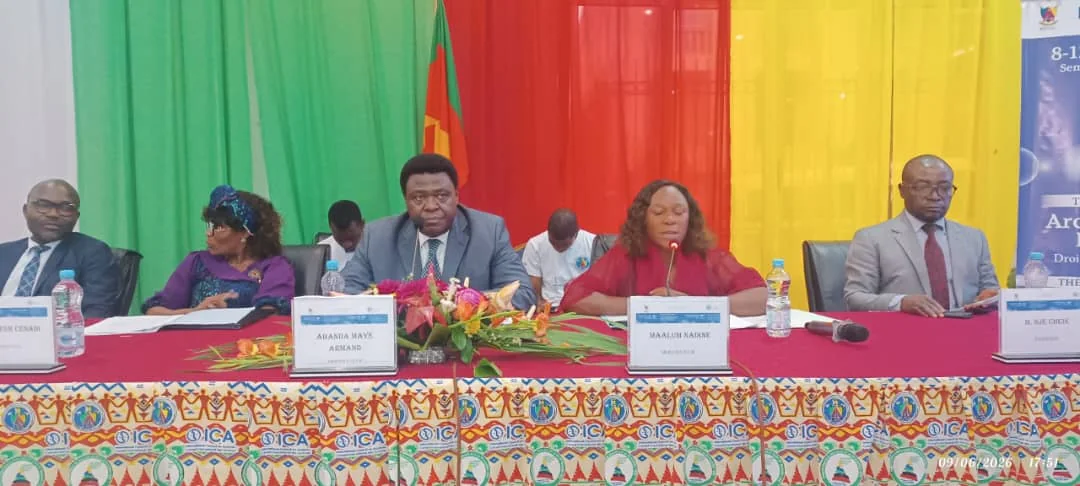
Panel table during an institutional meeting of the Ministry

Each inspection or audit mission results in a report addressed to the Minister, with a copy to the Secretary General. The Minister sends a copy of the report to the ministers in charge of administrative reform and of the Supreme State Audit, respectively.

A quarterly report and an annual report

Each quarter, the Minister sends an inspection report, together with the annual activity report of the General Inspectorate, to the Prime Minister, Head of Government. This regular reporting gives the executive an overall view of how the Department operates.

Typical content of a report

  • The purpose, period and scope of the mission;
  • The findings, supported by the documents consulted;
  • The causes of discrepancies and the risks identified;
  • The recommendations, prioritised and accompanied by deadlines;
  • The response of the inspected service, where it was obtained.

Follow-up of recommendations

A report that is not acted upon is of no use. The General Secretariat therefore ensures that the recommendations are turned into action, and the Inspectorate checks during the next inspection that they have been implemented. The main conclusions are included in the Budget and reports section.

ℹ️
Recipients

Report to the Minister, copy to the Secretary General, then copy to the ministers in charge of administrative reform and of the Supreme State Audit.

Reporting

Reporting a malfunction

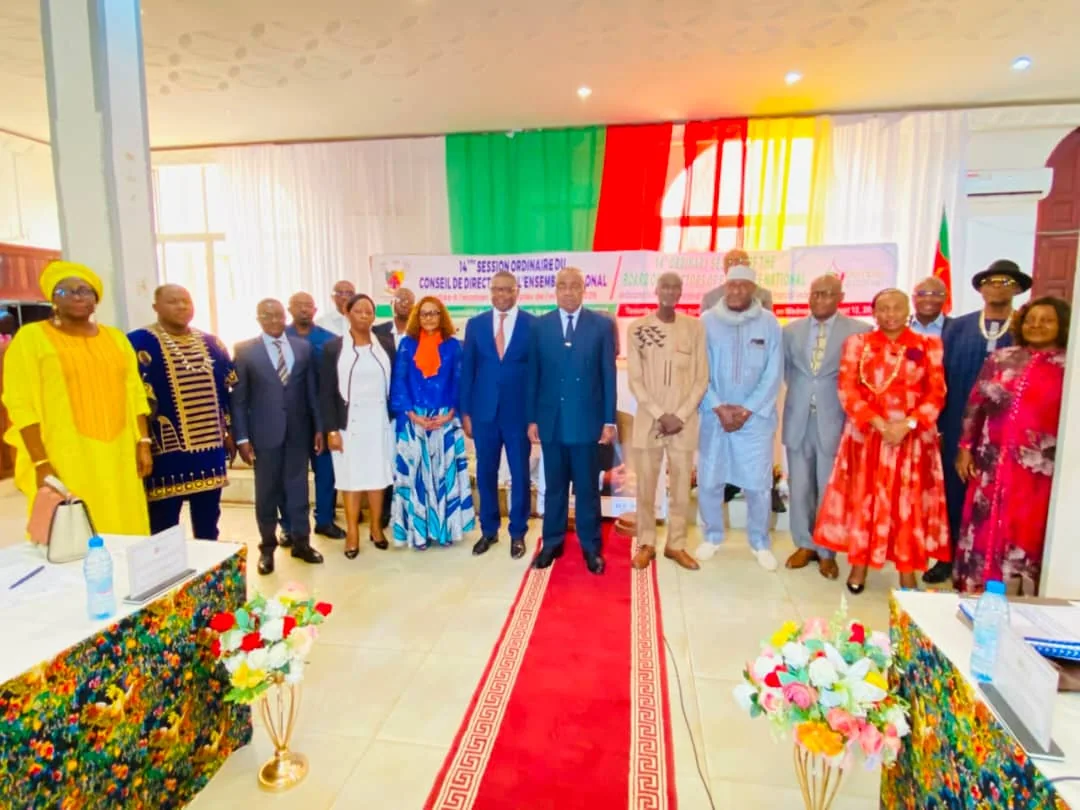
Board session of a Ministry institution, participants posing in the room

A user or staff member who observes a malfunction, an irregularity or conduct contrary to ethics may report it to the Ministry. The One-Stop Shop reporting form makes it possible to submit the facts, including confidentially.

What to include

  • The service or person concerned, and the place where the events occurred;
  • The date, or period, on which the events took place;
  • A factual description: what was seen, heard or requested;
  • Available documents: letters, receipts, photographs, file number;
  • Your contact details if you agree to be contacted.

What happens next

The report is registered, examined by the General Inspectorate and, if the facts appear to be well founded, becomes the subject of a verification mission. The Minister is informed and decides on follow-up action, within the framework of the law. Facts that may constitute an offence may be brought to the attention of the competent authorities.

What the Inspectorate does not handle

A simple request for information or a disagreement over a decision is a matter for the reception team or the complaint procedures. A copyright dispute follows the mediation route.

ℹ️
Direct access

Use the One-Stop Shop Reporting page to submit the facts.

To act

Depending on your situation

You are a user

An abnormal delay, a request for payment not provided for in the fee schedules or an irregularity you have noticed can be reported online.

Report

You are a staff member

You will find your rights, your obligations and career arrangements in the section dedicated to staff.

Careers

You are a head of service

Procedure sheets and good management practices help you prepare for an inspection.

View the organisation

You are a journalist

The Ministry’s activity reports and press releases are published and accessible to the press.

Press releases
Types of inspection

The forms of inspection and evaluation

For inspected services

Preparing to receive an inspection mission

Understand the purpose

Read the mission letter: it specifies the scope, the period and the documents expected. Appoint a single point of contact.

Gather the documents

Sort registers, files, accounting statements and correspondence. Orderly archiving saves precious time.

Reply within the time limits

Provide the requested information within the set time. Report in writing any difficulty in providing a document.

Explain and give context

Present your constraints, your resources and your results. The inspectors also evaluate the working conditions of the service.

Read the draft report

Make your comments on the findings. They are added to the file together with the final report.

Apply the recommendations

Draw up an implementation timetable and report to the General Secretariat on each stage completed.

Ethics and the fight against corruption

Preventing corruption day to day

Ministry panel table during a working meeting

The General Inspectorate implements the Ministry’s anti-corruption strategy, in liaison with the competent ministerial unit. It favours prevention: a clear rule, known to all and applied without exception, deprives corruption of its ground.

Risk areas

The most exposed situations are the award of public contracts, the processing of authorisations, the management of recruitment and the collection of fees. For each of these, the Ministry seeks to reduce the discretionary power of staff: published deadlines, listed documents, online processing, reasoned decisions. The Public procurement page publishes notices and awards, and the Fees page states what is due, and only what is due.

Good practice for users

  • Pay only the amounts shown in the official fee schedules;
  • Insist on a receipt for every submission;
  • Use the One-Stop Shop, which traces every step;
  • Report any irregular request.

Good practice for staff

Staff are informed of their rights and obligations on the Careers page: duty of neutrality, ban on soliciting benefits, obligation to report. Awareness seminars regularly remind staff of these principles.

Performance and simplification

Measuring performance and simplifying procedures

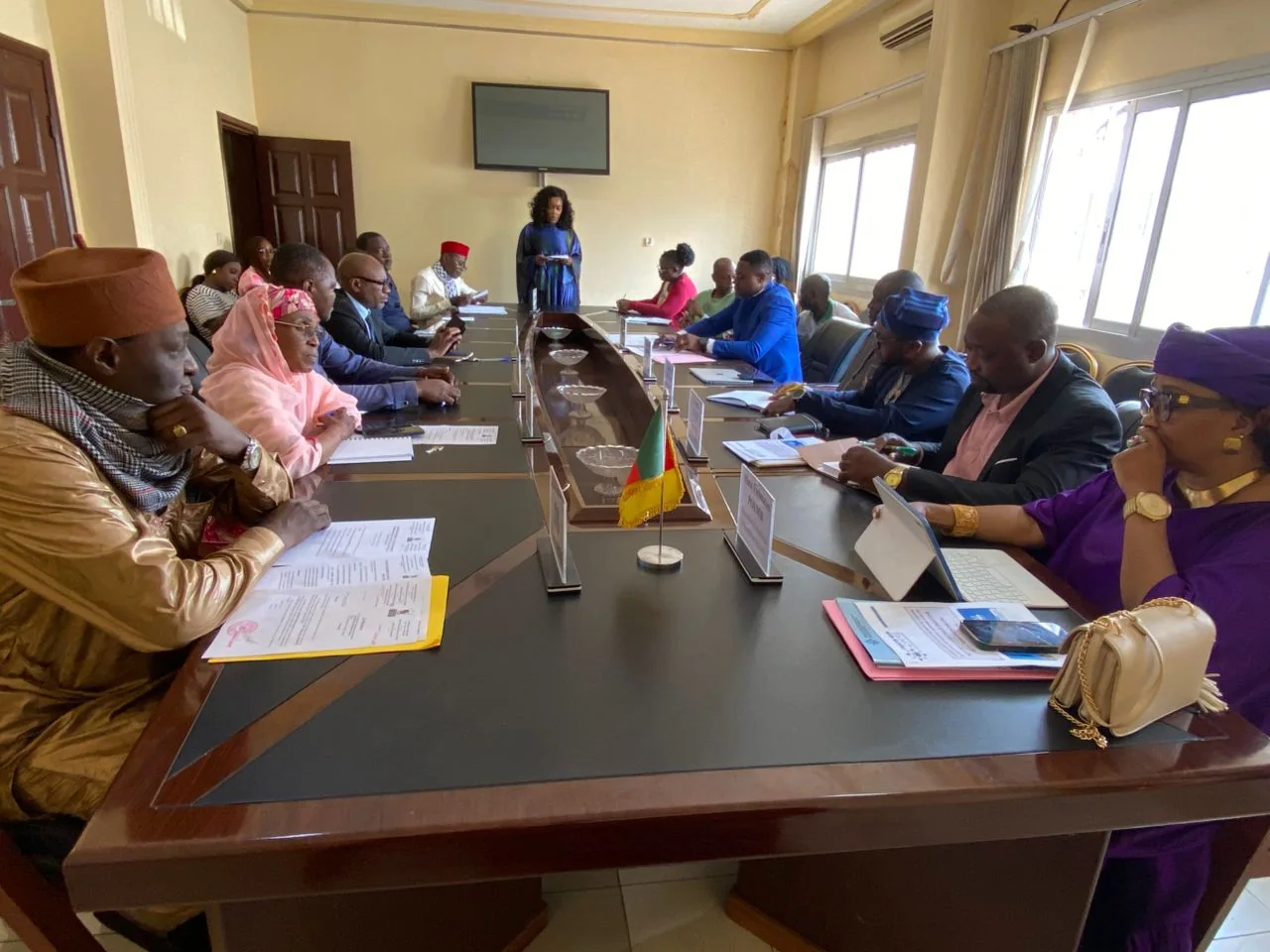
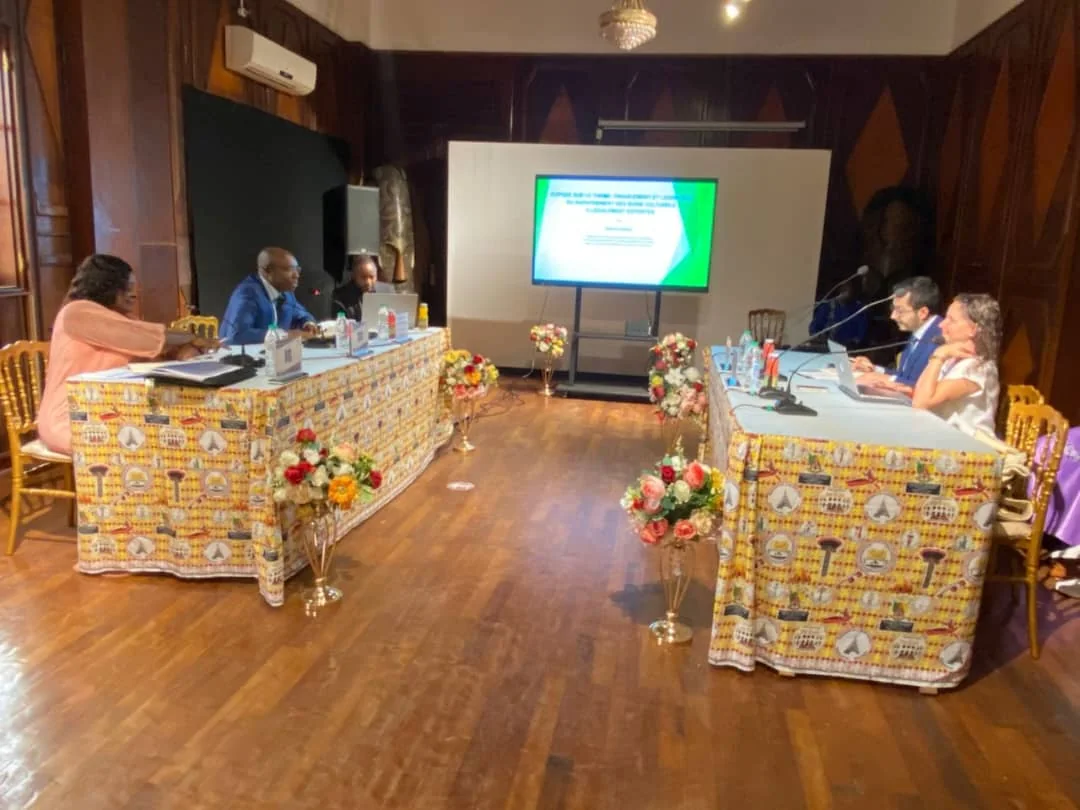
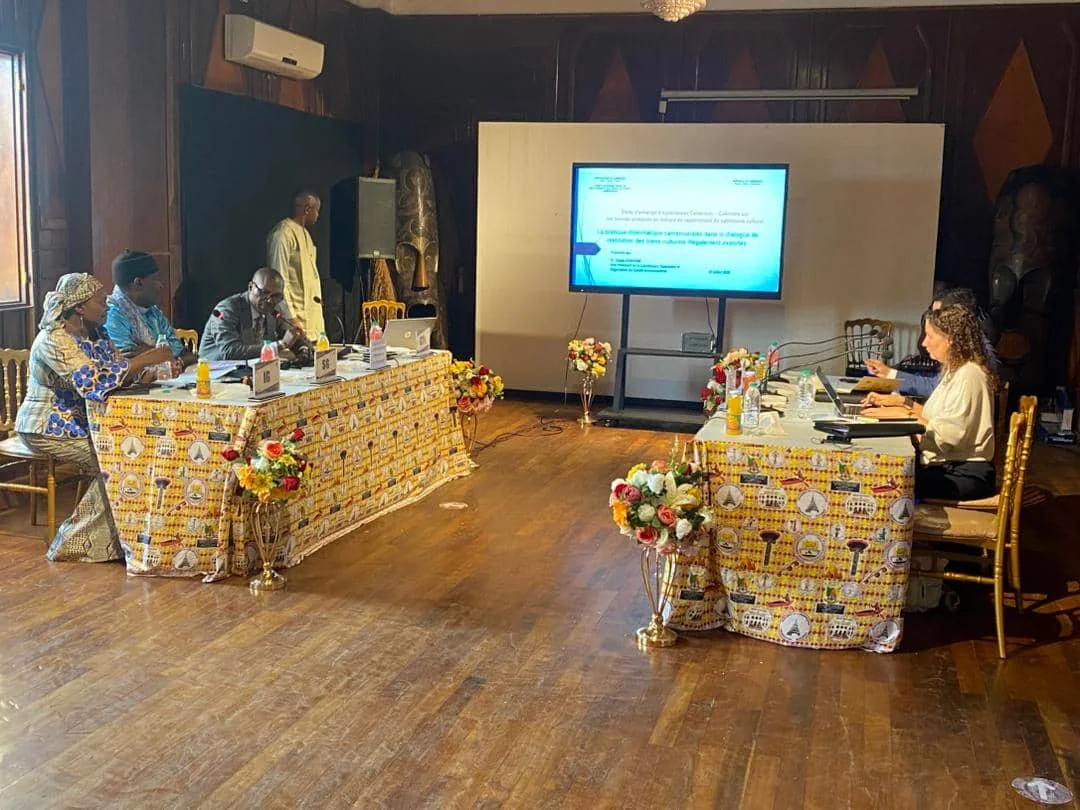
Meeting room with a projection screen and participants around the tables

Inspection is not limited to looking for faults: the Inspectorate also assesses whether the services achieve their objectives and whether their methods are suitable. This is the purpose of its mission to evaluate organisation techniques and to simplify administrative work.

Simple indicators

For each directorate, a few indicators are monitored: average processing time, share of files complete on first submission, number of complaints, implementation rate of the activity programme. They are discussed with the General Secretariat and feed into the activity report. The sector’s figures are supplemented by the culture observatory.

Streamlining procedures

When an inspection shows that a document is requested without need, or that a signature is redundant, the Inspectorate recommends removing the step. The digitisation of procedures, presented in the major projects, contributes to this effort.

“Informing the Minister of the quality of the functioning and output of the services.”

Mission of the General Inspectorate
Feedback

Inspected services give their accounts

“
The inspection above all helped us to put our archives in order: within a quarter, we were finding in under ten minutes the documents that we used to search for over several days.
A head of service
Central administration
“
The recommendations were precise, prioritised and realistic; we implemented them within six months with the agreement of the General Secretariat.
A regional delegate
Littoral Region
“
Knowing that files can be checked at any time pushes us to keep the registers up to date and to reply to users without delay.
An institution manager
Yaoundé
“
A well-documented report was examined quickly and led to a correction of procedure, without my name being disclosed.
A user
West Region
Worth reading

The General Inspectorate’s references

Key facts

Powers and obligations in one table

SubjectContentPractical consequence
CompositionOne Inspector General and two inspectorsMissions carried out by small teams, occasionally reinforced
AccessAll documents of the services under inspectionNo file may be withheld from the inspectors
RepliesOfficials under inspection reply within the time limits setA delay in replying is recorded in the report
Support staffOccasional secondment of staff from other servicesMissions may be reinforced depending on their scale
Law enforcementMay be called upon after the Minister’s binding opinionReserved for offences against public property, in accordance with the law
ReportTo the Minister, copy to the Secretary GeneralThe General Secretariat ensures follow-up of the recommendations
TransmissionCopy to the ministers in charge of administrative reform and the Supreme State AuditInformation for the State audit authorities
Report to the Prime MinisterQuarterly, and annual activity reportRegular visibility on how the Department operates
Glossary

The vocabulary of internal control

General Inspectorate

The Ministry’s internal control body, placed under the authority of an Inspector General.

Internal control

Verification of the operation of services by a structure belonging to the administration.

Inspection report

Document reporting on an inspection mission: findings, causes and recommendations.

Anti-corruption unit

Ministerial structure associated with the anti-corruption strategy, in liaison with the Inspectorate.

Adversarial procedure

Principle whereby the inspected service is heard and may respond to the findings.

Recommendation

Measure proposed by the inspectors to correct an anomaly or improve operations.

Administrative reform

All the actions aimed at modernising and simplifying the operation of the State.

Higher State Control

Institution and ministry responsible for verifying the management of public funds.

Public property

All the assets and funds belonging to the State and to public authorities.

Reporting

Information given to the administration about a malfunction or an irregularity.

On the site

Broaden your view of internal control

References

To learn more about inspection and transparency

Stakeholders

Who is involved in inspection?

Steps

From a mission to its report

AssignmentInspection decision

The Minister or the Inspector General decides on a mission, scheduled or triggered by a report, and sets its purpose and scope.

AccessConsultation of documents

The inspectors access all the documents of the inspected service and request explanations and documents, to which it must reply within the time limits.

FindingsAnalysis and verification

The findings are cross-checked, the managers heard and the causes of discrepancies identified before any conclusion is drawn.

ReportEditorial team

The report is addressed to the Minister, with a copy to the Secretary General; it contains prioritised recommendations.

TransmissionAudit authorities

The Minister sends a copy to the ministers in charge of administrative reform and of the Supreme State Audit.

TrackingQuarterly report

The conclusions are included in the quarterly report and the annual activity report submitted to the Prime Minister.

Questions

Your questions about the General Inspectorate

Who heads the General Inspectorate?

An Inspector General, Mrs Ngeh Rekia Nfunfu née Mbeume, assisted by two inspectors, Mr Oyono Bitounou Valère and Mr Ndouma Serge Achille. The Inspectorate reports directly to the Minister and submits to him or her the reports of each inspection mission.

Where can I report a problem?

On the Reporting page of the One-Stop Shop. You can describe the facts, attach documents and ask to remain anonymous. The report is examined by the General Inspectorate, which decides whether a verification mission should be opened.

To whom are the reports sent?

To the Minister, with a copy to the Secretary General. The Minister sends a copy to the ministers in charge of administrative reform and of the Supreme State Audit, and then a quarterly report and the annual activity report to the Prime Minister.

Can the Inspectorate access all documents?

Yes. In carrying out their inspection missions, the Inspector General and the inspectors have access to all the documents of the inspected services, and managers are required to reply within the time limits set.

Will my report be confidential?

The facts are handled with discretion and are accessible only to those who need to know. State in your message if you wish your identity not to be disclosed to the department concerned.

Does the Inspectorate sanction staff?

The Inspectorate establishes the facts, analyses and recommends. Disciplinary or judicial action is a matter for the Minister and the competent authorities, in accordance with the law. The disciplinary file is processed by the services in charge of personnel.

Can a subsidised association be inspected?

Institutions under supervision and attached bodies may be. For associations receiving aid, supporting documents showing how the funds were used may be requested by the processing services.

How should I react to an irregular request for payment?

Refuse, ask for the official fee schedule, keep all evidence and report the facts. The fees in force are published on the Fees page of the site and no payment is required outside this framework.

Does the Inspectorate answer general information requests?

No. For a general question, use the contact form or the frequently asked questions. The Inspectorate deals with inspections, evaluations and reports relating to the operation of the services.

Contact

Write to the Ministry: General Inspectorate

A question about internal control? Write to us.

General Inspectorate

General Inspectorate contacts

Address

General Inspectorate
Ministry of Arts and Culture
Quartier du Lac – Ministerial Zone
P.O. Box 1053 Yaoundé, Cameroon

Reach us

+237 6 51 70 58 41

contact@minac.gov.cm

Opening hours

Monday to Friday, 8 am to 4 pm

Report a problem?

Use the reporting form: the facts are examined by the General Inspectorate.

Reporting
WhatsApp