Coat of arms of CameroonMinistry of Arts
and Culture
Republic of Cameroon
My procedures
Home
Minister’s message
News
Press releases
Cultural calendar
Official speeches
Press review
Photo library
Video library
Calls for projects
Job vacancies
Public procurement
Newsletter
Frequently asked questions
Site map
Contact
Press area
Podcast “The Voice of Culture”
Legal notices
Privacy policy
Cookies and trackers
The Ministry
Missions and responsibilities
Organisation
Organisation chart
Minister’s Office (Cabinet)
Management team
General Secretariat
General Inspectorate
Central directorates
Regional Delegations
Institutions under supervision
Legislative texts
Regulatory texts
Sector strategy
Major projects
Budget and reports
Partners
Careers
Archives
Institutional communication
Quality and accessibility
Arts
Visual and plastic arts
Visual arts
Performing arts
Theatre
Dance
Music
Literature and books
Cinema and audiovisual
Photography
Fashion and design
Digital arts
Art crafts
Artists’ directory
Residencies
Prizes and awards
Arts education
Urban arts
Heritage
Tangible heritage
Intangible heritage
UNESCO sites
National museums
Listed monuments
National inventory
Palaces and chiefdoms
Archaeology
Linguistic heritage
Oral traditions
Traditional know-how
Restitution of cultural property
Fight against illicit trafficking
Listing and protection
Conservation and restoration
Heritage Days
Cultural landscapes
Industries
Music and recording
Cinema
Publishing and books
Digital arts
Fashion and creativity
Crafts
Cultural tourism
Funding for culture
Support funds
Incubators
Cultural entrepreneurship
Culture Observatory
Vocational training
Studies and reports
Sector statistics
Export and outreach
Intellectual property
Copyright
Legal framework
Copyright and neighbouring rights
Collective management societies
Register a work
Licences
Private copying
Fight against piracy
Model contracts
Social status of artists
Mediation
Disputes
Training
Fee scales
Register of works
Contact
Digital neighbouring rights
Public domain
Festivals
National calendar
Ngondo
Nguon
Écrans Noirs
Heritage Days
Music Day
Regional festivals
Fairs and exhibitions
Biennials
National competitions
Cultural days
Organise a festival
Event grants
Ticketing
Archives
Volunteering
Diaspora festivals
Regions
Adamawa
Centre
East
Far North
Littoral
North
North-West
West
South
South-West
Cultural map
Regional Delegations
Traditional chiefdoms
National languages
Cultural routes
Decentralised cooperation
Regional observatory
Cooperation
UNESCO
Francophonie (OIF)
African Union
Commonwealth
CEMAC
Bilateral cooperation
Cultural agreements
Professional organisations
Scholarships
Artist exchanges
Cultural years
Diaspora
Funded projects
Embassies
Technical partners
International restitution
International monitoring and calls
Services
Artist card
Show authorisation
Filming authorisation
Festival authorisation
Deposit of a work
Export of works of art
Listing of a property
Grant application
Association accreditation
File tracking
Forms
Fees
Opening hours and addresses
Reporting
Online help
My account
One-Stop Shop
Heritage

National inventory

Survey method, database, community contributions and five-yearly reports: discover how the Ministry records, describes and promotes Cameroon’s cultural heritage, with free entry in the national register.

Updated on 6 November 20264 sub-pages
Publication of the listEvery 5 years
Entry in the registerFree of charge
UpdatePermanent
Strategic frameworkNDS30
Record

Recording in order to protect better

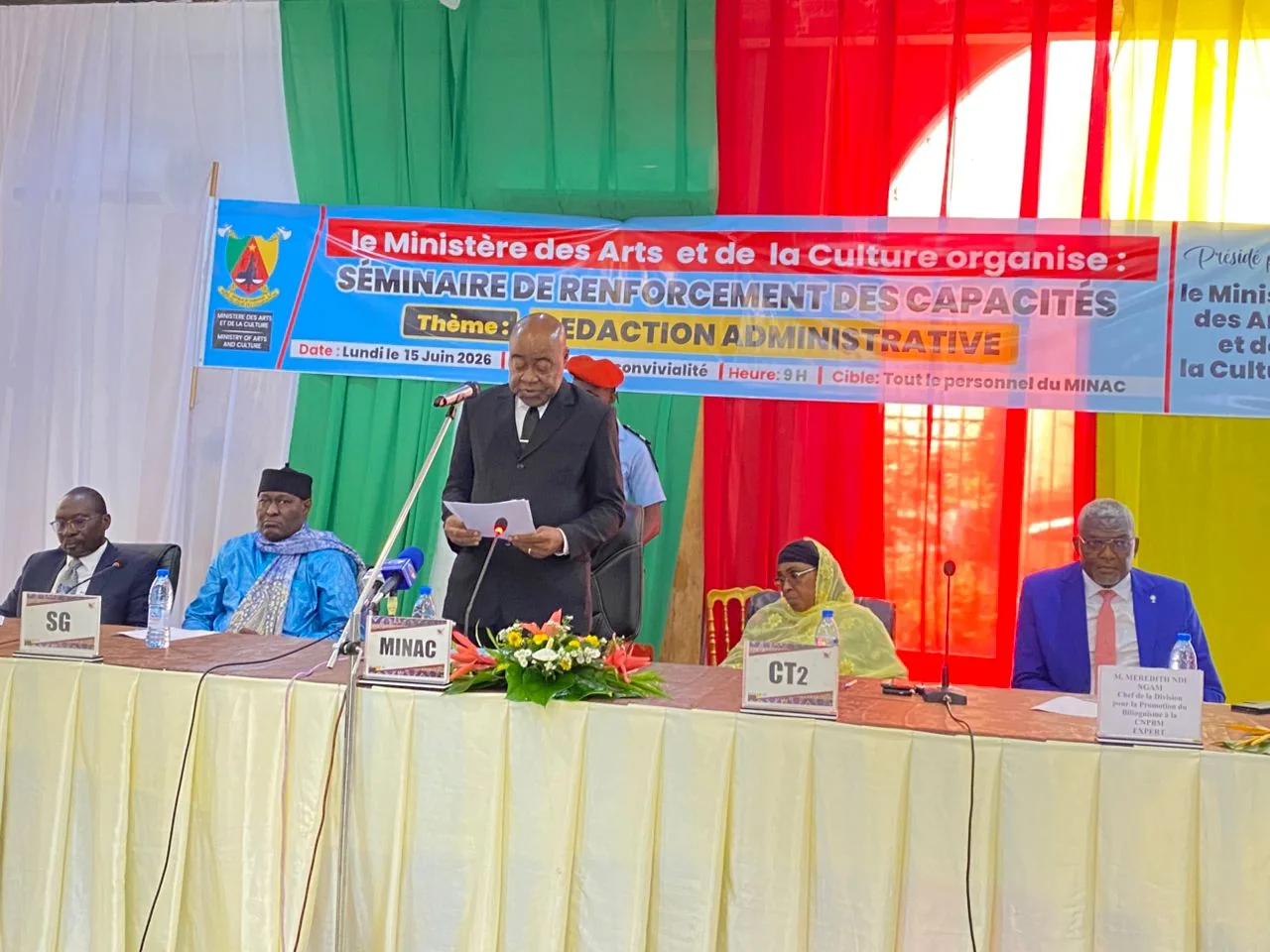
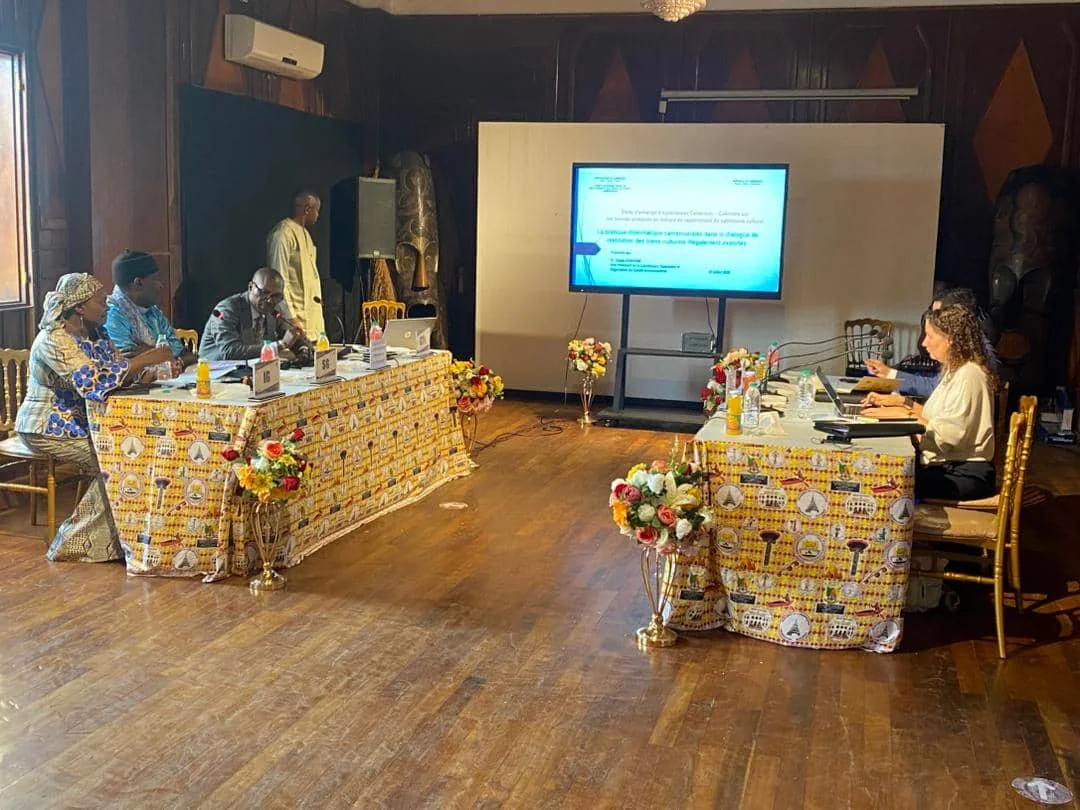
Ministry capacity-building seminar, panel table and speaker

Knowing a property is the condition for protecting it. A register kept at the Ministry records all elements of the country’s cultural heritage, whether merely inventoried, recognised or listed. The general list is continuously updated and published every five years; entry in the register is free of charge.

Continuing the inventory of cultural heritage and promoting it is among the orientations of the national development strategy (NDS30). This page explains the teams’ method, the organisation of the database, how to contribute and the nature of the published reports. It extends the tangible heritage and intangible heritage pages.

  • A single register kept at the Ministry
  • Trained teams and associated communities
  • A general list published every five years
Discover the method
Method

The method of the inventory

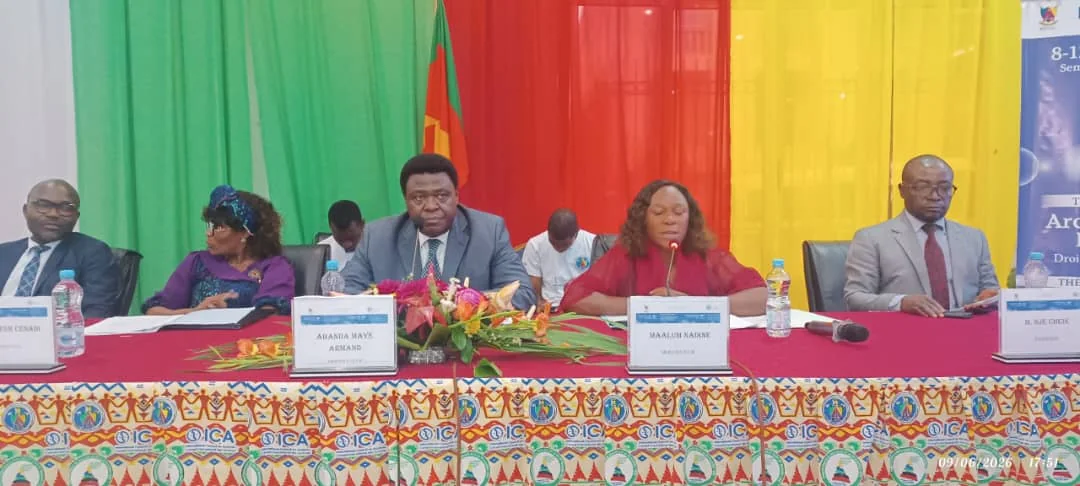
Ministry working meeting around a flower-decked table

The inventory describes each property sufficiently to identify it, locate it and understand its value. The types of inventory are set by specific texts: a distinction is thus made between immovable properties, movable objects, sites, and practices and knowledge belonging to intangible heritage. The Directorate of Cultural Heritage coordinates the whole.

A three-stage survey

The survey begins with desk work: reading archives, monographs and earlier surveys, and identifying informants. Next comes the field campaign, conducted by a team of two to four people who stay several days in the locality. Finally, a period of writing and proofreading allows each entry to be checked with the holders before it is added to the register.
What an entry contains

  • Name, precise location and geographical coordinates;
  • Physical description: dimensions, materials, condition;
  • History, uses and symbolism, as told by the holders;
  • Photographs, surveys, sound or video recordings;
  • Legal status: owner, manager, any protection;
  • Record of the consent of the persons interviewed.

The teams work to a common grid, which makes it possible to compare properties from different regions. They rely on the regional delegations for reception, interpretation and logistics.

ℹ️
Training of the teams

Survey officers undergo ten days of training: description of built heritage, documentary photography, interviewing holders, ethics of collection and data entry into the database. See also the page on {A('/industries/formation-aux-metiers','vocational training')}.

Database

The heritage database

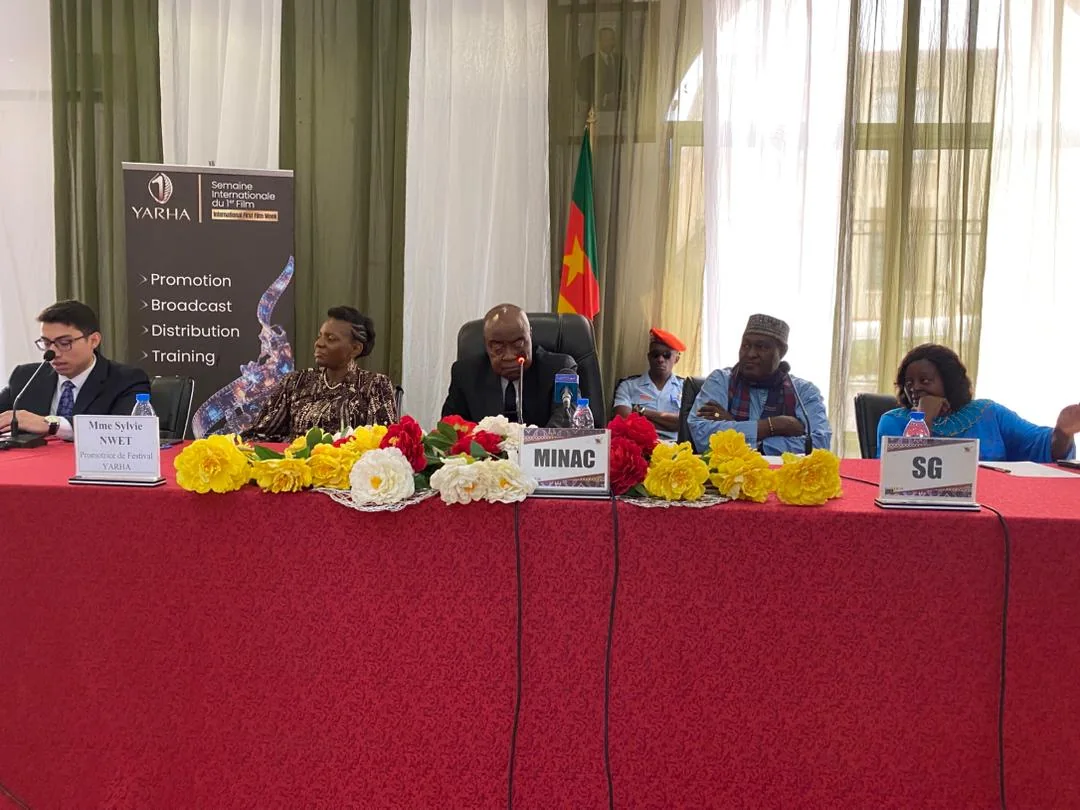
Meeting room with a projection screen during a Ministry workshop

All entries are added to a central database, hosted at the Ministry and backed up at two sites. Each property receives a unique identifier that follows it throughout its administrative life: entry, recognition, possible listing, restoration or delisting.

A structure designed for consultation

The database distinguishes four levels of recognition: proposed property, inventoried property, recognised property, listed property. Entries can be searched by region, type of property, period, keyword or community name. Records are linked to one another: a palace is connected to the objects in its collection, the dances performed there and the oral traditions that tell its story.

Public access and data protection

Public consultation is provided for data that do not endanger a property. The exact coordinates of archaeological sites and sensitive places are reserved for authorised officers, in order to discourage the looting and trafficking described on the page fight against illicit trafficking. Holders’ personal information is never disseminated without their consent.

  • Standardised exports for researchers and partner institutions;
  • Regular backups and a log of changes;
  • Link with the UNESCO lists for nomination files.
Contribute

Contribute to the inventory

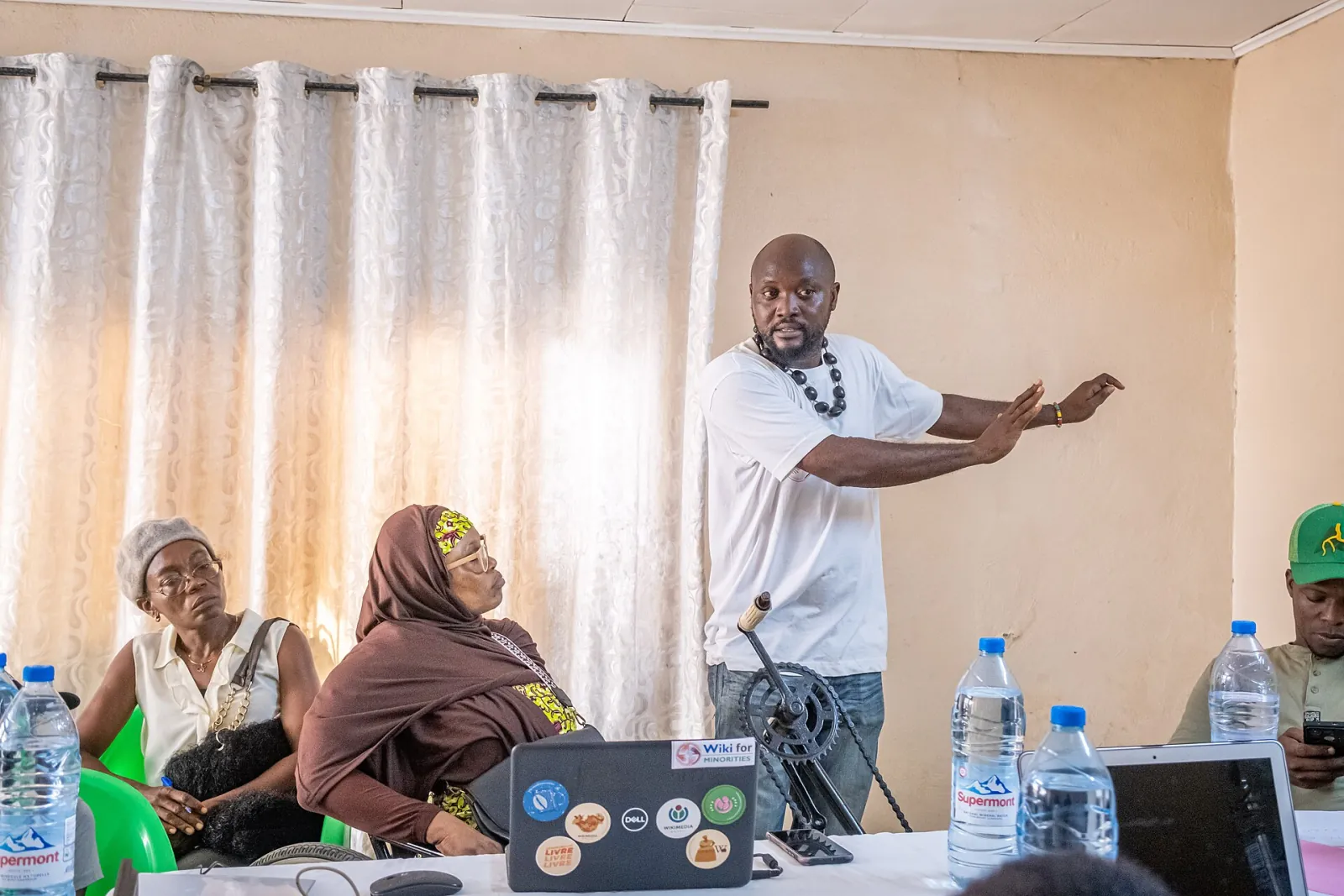
Trainer addressing participants seated around a table during a workshop

The inventory is not the business of officers alone: owners, communities, traditional chiefs, associations, teachers and researchers can report a property to be inventoried. As entry is free, it is enough to describe what you know and send it to the Ministry.

The different ways to take part

You can report an isolated property (a hut, a mask, a stele), propose the documentation of a practice (a rite, a dance, forge know-how), share old photographs or family recordings, or host a survey team in your locality. Pupils and students can carry out small surveys supervised by their teachers, in connection with arts education.

How to proceed

  1. Complete the reporting form: name of the property, place, description, holder, condition;
  2. Attach one or two photographs and, if possible, a location sketch;
  3. State whether the property is threatened or visited by the public;
  4. Send everything to the regional delegation or via the contact form;
  5. Keep the acknowledgement of receipt and track the file using file tracking.

Each report is examined by the competent directorate, which decides whether to send a team or to enter the item directly in the register.

ℹ️
Your role matters

Holders retain control over what is said about their heritage: nothing is published without their consent, and they may request the correction of an entry at any time.

Reports

The inventory reports

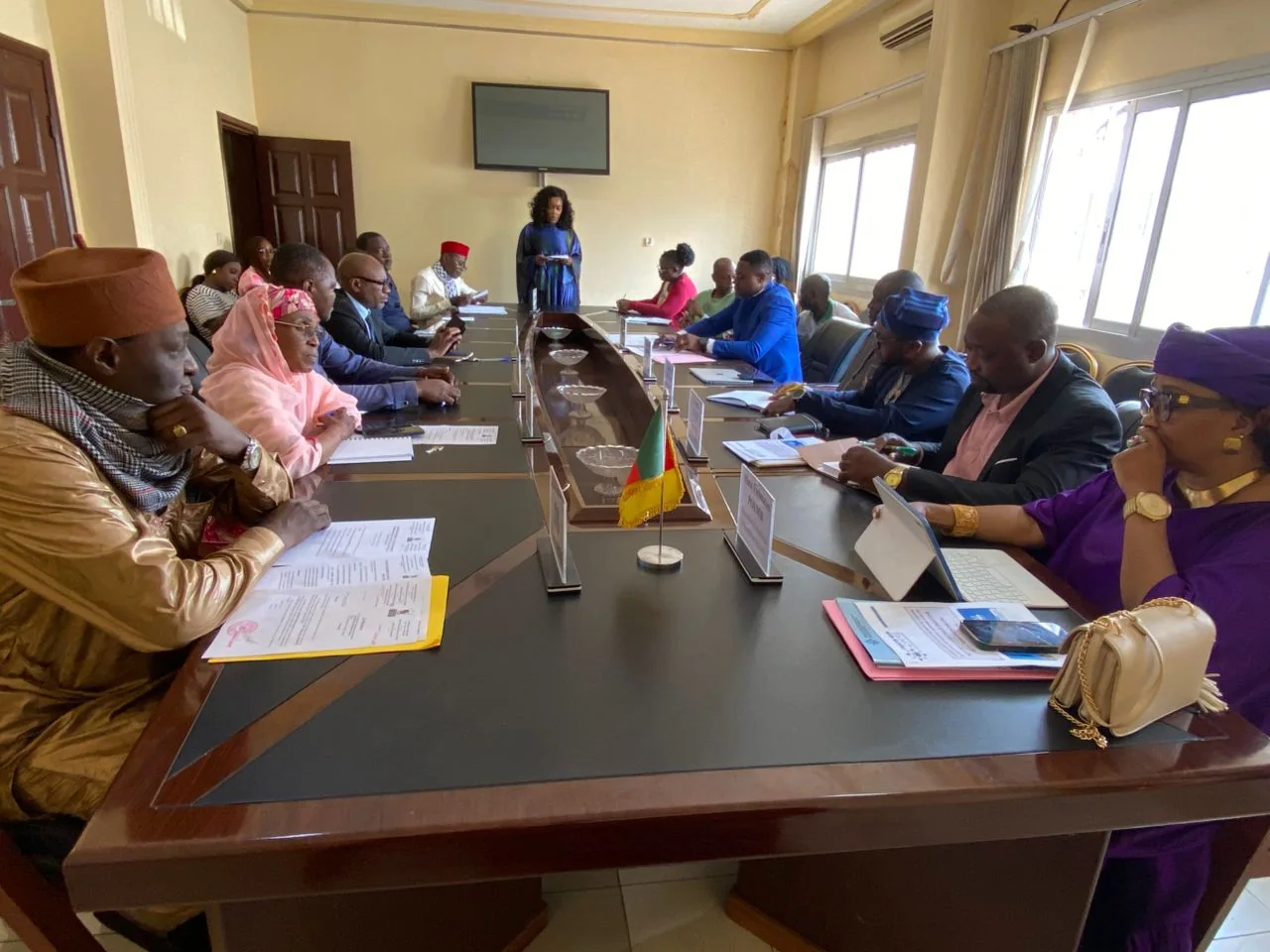
Working meeting around a large table in a Ministry room

The general heritage list is published every five years. It presents the state of the register, newly entered properties, those that have been recognised or listed, and those whose condition gives cause for concern. It is accompanied by summary tables by region and by category.

The reports that punctuate the year

Between two publications, the teams submit campaign reports to the directorate: method followed, localities visited, number of entries produced, difficulties encountered, recommendations. An annual summary note feeds into the Ministry’s activity report and the work of the cultural observatory.

What these reports are used for

  • Prioritising restoration projects and safeguarding needs;
  • Informing proposals for listing and protection;
  • Supporting nomination files for entry on international lists;
  • Informing local authorities for their planning and cultural development plans;
  • Providing researchers and teachers with a reliable basis.

Figures are compared from one edition to the next in order to measure progress in covering the territory and to direct the following campaigns towards the least documented regions. See the sector statistics for an overall view.

Ethics

Respecting the holders: the ethics of collection

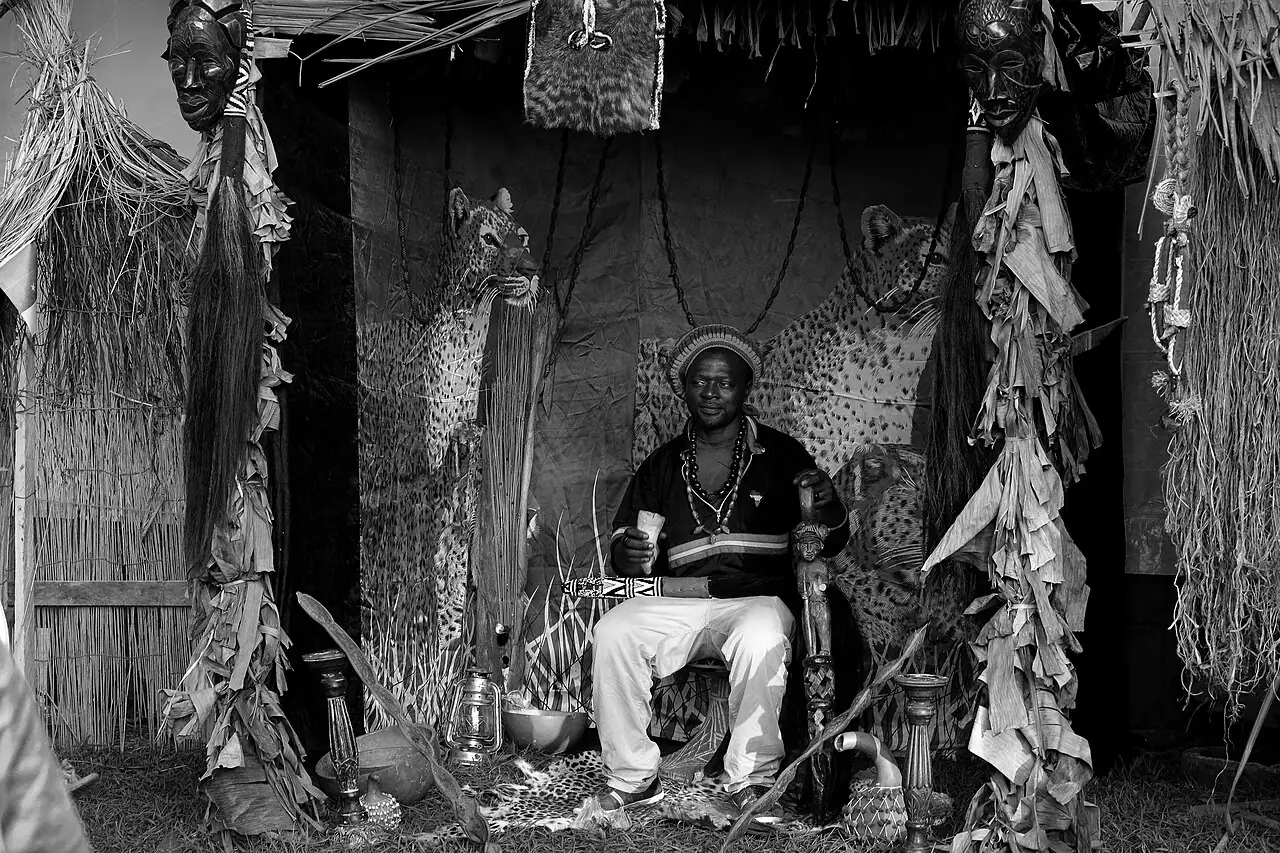
Initiation chief seated in a hut adorned with masks, old photograph

To take inventory is to enter into the intimacy of a community. Teams first introduce themselves to the local authorities, explain the purpose of the survey, ask permission to photograph and record, and remind everyone that they may refuse. Some knowledge is reserved for initiates and is recorded only in restricted form. This ethic is in line with the principles applied to traditional know-how and to communities’ intellectual property, to be found in the rights section.

Step by step

From a field survey to entry in the register

Prepare the survey

The team consults the archives, identifies informants, informs the regional delegation and local authorities, and prepares the equipment: camera, recorder, tape measure, description grid.

Introduce yourselves to the communities

Each visit begins with a discussion with the chief or the person in charge of the place, who introduces the team, authorises the work and designates the people to meet.

Describe and document

Officers measure, photograph and draw the properties, record the holders’ accounts and note uses, names in the local language and any taboos.

Review with the holders

The entry is read or recounted to the people concerned, who correct errors, clarify terms and confirm their consent in writing or by recording.

Add to the register

The entry is keyed into the database, checked by the competent directorate and then registered free of charge in the Ministry’s register with its unique identifier.

Report back to the community

A copy of the entry and the images is given to the locality, and the team indicates the possible next steps: recognition, listing, restoration or safeguarding.

Key facts

The inventory at a glance

LevelMeaningWho decidesEffect
Proposed propertyReported by an owner, a community or a researcherDirectorate of Cultural HeritageReview and scheduling of a visit
Inventoried propertyDescribed and registered free of charge in the Ministry’s registerInventory teamEntry and unique identifier
Recognised propertyHeritage value established after studyMinistry in charge of heritageMonitoring and safeguarding priority
Listed propertyLegal protection by published instrumentMinister, after reviewProhibition on demolition or alteration
General listSummary of all recorded propertiesMinistryPublished every five years
Inventory of built heritageBuildings, palaces, huts, bridges, stationsSpecialised teamsSupport for restoration projects
Inventory of movable heritageMasks, sculptures, instruments, textilesTeams and museumsPrevention of illicit trafficking
Intangible inventoryDances, rites, knowledge, languagesCommunities and officersShared safeguarding plans
Journey

From collection to the general list

IdentificationReporting a property

A community, an owner or a researcher reports a heritage element, which is recorded as a proposed property.

SurveyDescription in the field

A trained team travels to the site, describes the property, gathers accounts and obtains the holders’ consent.

RegistrationEntry in the Ministry’s register

The validated entry is registered free of charge, given an identifier and linked to its region and type.

RecognitionValue established

After study, the property is recognised and may be put forward for listing or a safeguarding plan.

PublicationGeneral list every five years

The Ministry publishes the complete list, with new entries and the properties that are closely monitored.

PromotionEducational and cultural uses

The data serve museums, schools, festivals and cultural tourism circuits.

To explore

The inventory in the other sections

“A property that has not been described is a property we do not know how to defend: the inventory begins by listening to those who carry it.”

A survey officer, West
Voices from the field

Those who record and have others record

“
We crossed four districts in three weeks; every evening, the day’s entry was reviewed with the village elders.
An inventory team leader
East Region
“
Thanks to the reporting form, we had our neighbourhood’s forge and its tools registered, which had never been described before.
An association president
Littoral
“
My students recorded twenty millet granaries; their work was added to the register after verification by the delegation.
A lecturer-researcher
Far North
“
Knowing that entry is free and that we keep control of our accounts convinced us to open the doors of the chiefdom.
A notable
North-West
To act

Take part in the inventory

Report a property

Describe a building, object or practice to be inventoried, attach two photographs and send the form to your regional delegation or to the Ministry.

Write to the Ministry

Request a listing

A property that has already been inventoried can be put forward for listing, which guarantees its lasting legal protection and regulates future works.

See the procedure

Report damage

Is an inventoried property threatened, damaged or stolen? Notify the Ministry’s services without delay using the reporting form.

Report
To download

The surveyor’s tools

Glossary

The words of the inventory

Inventory

An ongoing operation to record and describe cultural heritage properties.

Register

The register kept at the Ministry in which all inventoried, recognised or listed properties are entered.

Notice

A descriptive sheet for a property: identity, description, history, photographs, legal status.

Proposed property

An item reported by a third party and submitted to the competent directorate for review.

Recognition

The stage following the inventory, which establishes a property’s heritage value.

General list

A summary of the recorded properties, published every five years by the Ministry.

Custodian

A person or community that carries knowledge, keeps an object or maintains a place.

Consent

Free and informed agreement given before any recording or photography.

Survey officer

A professional trained in describing properties and in field surveys.

Unique identifier

The code assigned to each property so that it can be tracked in the database.

Campaign

A survey stay by a team in one or more localities.

On the site

Continue reading about the inventory

Resources

Useful links for the inventory

Stakeholders

Who keeps the inventory?

Questions

Your questions about the national inventory

Is there a fee to enter a property in the register?

No. Entry in the register kept at the Ministry is free of charge. The owner, community or researcher who reports a property has no payment to make for the entry to be examined and, once checked, added to the inventory.

Who keeps the heritage register?

The register is kept at the Ministry of Arts and Culture, under the responsibility of the Directorate of Cultural Heritage. It records heritage elements that are inventoried, recognised or listed, and its general list is continuously updated before being published every five years.

How do I propose a property for inventory?

Complete the reporting form with the name of the property, its location, its description and your contact details, attach photographs, then send it to the regional delegation or to the Ministry via the contact form. An acknowledgement of receipt is given to you and you can track your request.

Is an inventoried property automatically protected?

No. The inventory describes and recognises; it does not by itself provide legal protection. Legal protection results from listing, which in particular prohibits demolishing or altering an immovable and makes a movable inalienable. The inventory is, however, the best preparation for such listing.

How often is the general list published?

The general list is published every five years. Between two publications, the register is continuously updated: new entries are validated as they come in, and campaign reports make it possible to follow the progress of the inventory region by region.

Can my village request a visit from a team?

Yes. Write to the regional delegation, describing the items you would like to have inventoried and naming the people to meet. The directorate schedules campaigns according to needs, threats to properties and regions that are still poorly documented.

Will information about my heritage be made public?

Only with your consent and within the limits of the security of the properties. The coordinates of sensitive places, such as certain archaeological sites, remain reserved for authorised officers. You may ask to review and correct your entry, or to restrict its dissemination.

How do I become a survey officer?

Officers are recruited from Ministry staff, students of art history, anthropology, archaeology or architecture, and local correspondents. They undergo ten days of training before their first campaign. Vacancies are relayed on the site’s job vacancies page.

Contact

Write to the Ministry: National Inventory

Specify the property or site concerned.

Competent directorate

Contact the heritage inventory

Address

Directorate of Cultural Heritage
Ministry of Arts and Culture
Quartier du Lac – Ministerial Zone
P.O. Box 1053 Yaoundé, Centre Region, Cameroon

Reach us

+237 6 51 70 58 41

contact@minac.gov.cm

Opening hours

Monday to Friday, 8 am to 4 pm

A property to have registered?

Report a building, object or practice: entry in the Ministry’s register is free of charge.

Write to the Ministry
WhatsApp