Coat of arms of CameroonMinistry of Arts
and Culture
Republic of Cameroon
My procedures
Home
Minister’s message
News
Press releases
Cultural calendar
Official speeches
Press review
Photo library
Video library
Calls for projects
Job vacancies
Public procurement
Newsletter
Frequently asked questions
Site map
Contact
Press area
Podcast “The Voice of Culture”
Legal notices
Privacy policy
Cookies and trackers
The Ministry
Missions and responsibilities
Organisation
Organisation chart
Minister’s Office (Cabinet)
Management team
General Secretariat
General Inspectorate
Central directorates
Regional Delegations
Institutions under supervision
Legislative texts
Regulatory texts
Sector strategy
Major projects
Budget and reports
Partners
Careers
Archives
Institutional communication
Quality and accessibility
Arts
Visual and plastic arts
Visual arts
Performing arts
Theatre
Dance
Music
Literature and books
Cinema and audiovisual
Photography
Fashion and design
Digital arts
Art crafts
Artists’ directory
Residencies
Prizes and awards
Arts education
Urban arts
Heritage
Tangible heritage
Intangible heritage
UNESCO sites
National museums
Listed monuments
National inventory
Palaces and chiefdoms
Archaeology
Linguistic heritage
Oral traditions
Traditional know-how
Restitution of cultural property
Fight against illicit trafficking
Listing and protection
Conservation and restoration
Heritage Days
Cultural landscapes
Industries
Music and recording
Cinema
Publishing and books
Digital arts
Fashion and creativity
Crafts
Cultural tourism
Funding for culture
Support funds
Incubators
Cultural entrepreneurship
Culture Observatory
Vocational training
Studies and reports
Sector statistics
Export and outreach
Intellectual property
Copyright
Legal framework
Copyright and neighbouring rights
Collective management societies
Register a work
Licences
Private copying
Fight against piracy
Model contracts
Social status of artists
Mediation
Disputes
Training
Fee scales
Register of works
Contact
Digital neighbouring rights
Public domain
Festivals
National calendar
Ngondo
Nguon
Écrans Noirs
Heritage Days
Music Day
Regional festivals
Fairs and exhibitions
Biennials
National competitions
Cultural days
Organise a festival
Event grants
Ticketing
Archives
Volunteering
Diaspora festivals
Regions
Adamawa
Centre
East
Far North
Littoral
North
North-West
West
South
South-West
Cultural map
Regional Delegations
Traditional chiefdoms
National languages
Cultural routes
Decentralised cooperation
Regional observatory
Cooperation
UNESCO
Francophonie (OIF)
African Union
Commonwealth
CEMAC
Bilateral cooperation
Cultural agreements
Professional organisations
Scholarships
Artist exchanges
Cultural years
Diaspora
Funded projects
Embassies
Technical partners
International restitution
International monitoring and calls
Services
Artist card
Show authorisation
Filming authorisation
Festival authorisation
Deposit of a work
Export of works of art
Listing of a property
Grant application
Association accreditation
File tracking
Forms
Fees
Opening hours and addresses
Reporting
Online help
My account
One-Stop Shop
Industries

Incubators

Pre-incubation, incubation, acceleration: support programmes for cultural and creative projects, from application to graduation, with mentors, partners and funding solutions.

Updated on 6 November 20264 sub-pages
Pathways offered3
Length of a cohort6 to 9 months
Sectors covered7
ApplicationOnline
Incubators

Helping cultural projects grow

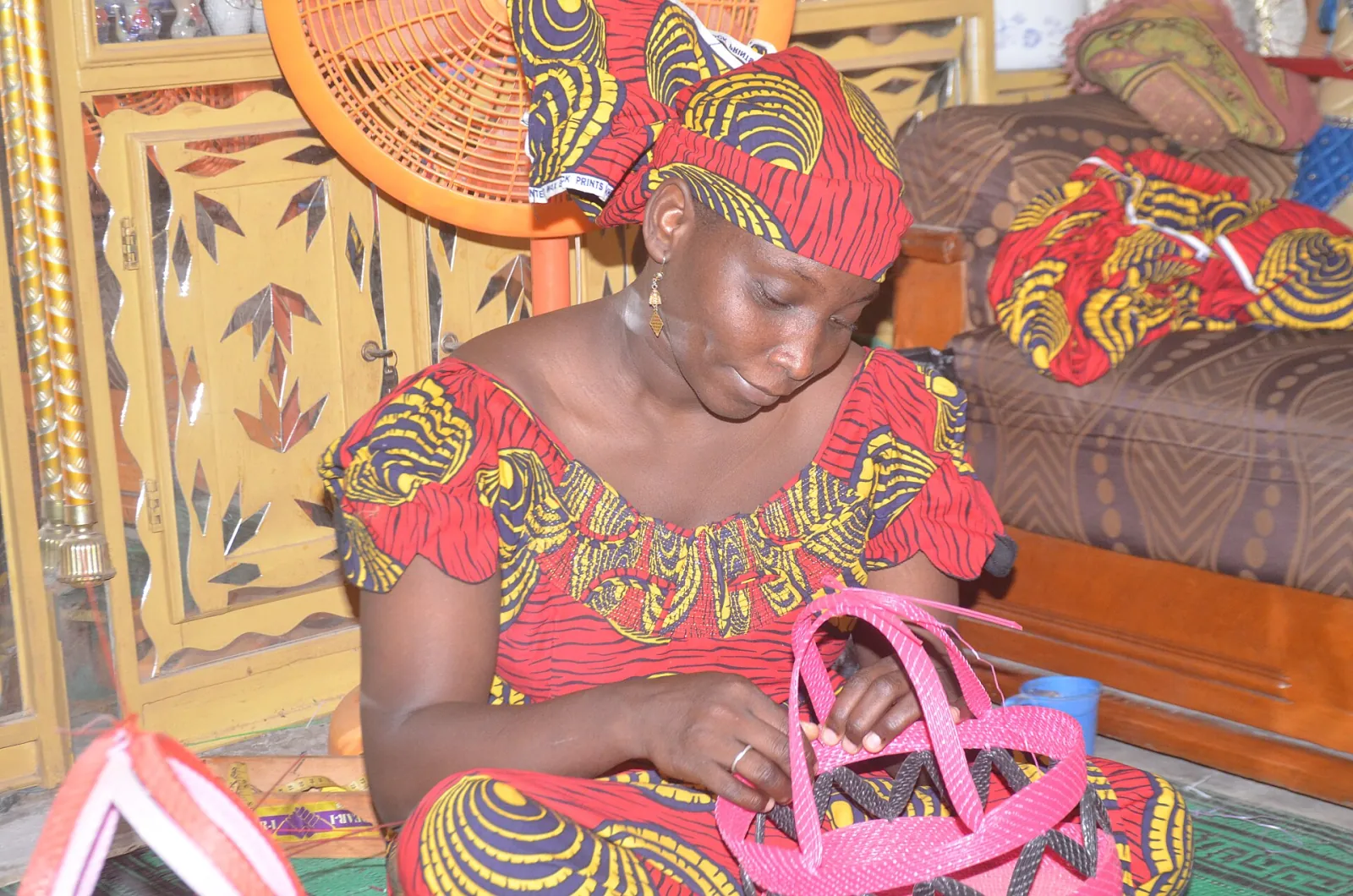
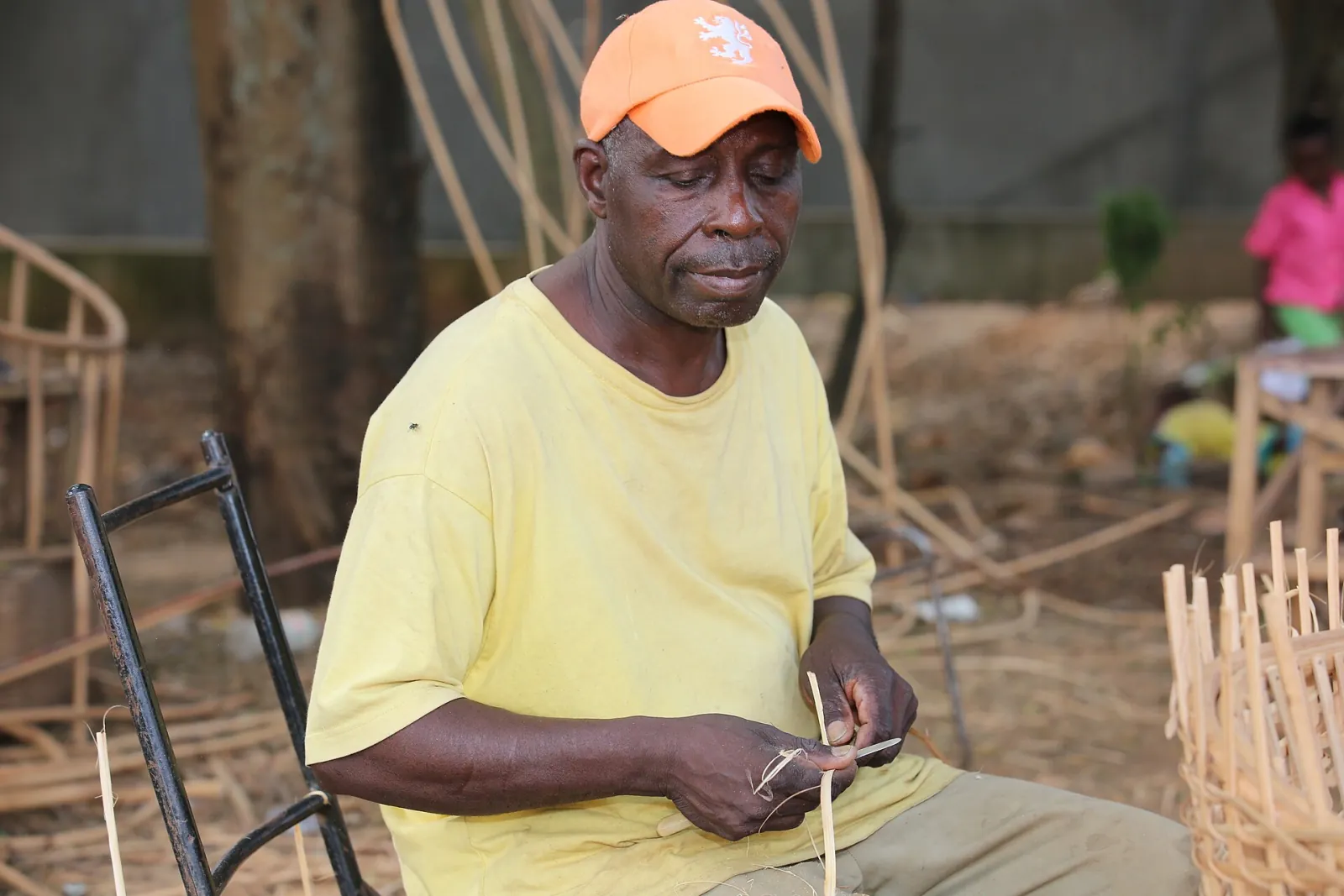
Craftsman in an orange cap weaving rattan strips in an open-air workshop

An incubator supports a project from the idea to its launch: advice, mentoring, work premises, networking and access to funding. In the cultural and creative industries, this support is valuable, because project leaders are often excellent artists but have little training in management, law or business development.

The Directorate of Performing Arts and Creative Industries assists cultural enterprises and industries in their search for funding; incubation programmes extend this mission by providing a structured framework, with a timetable, workshops, individual follow-up and a final presentation to partners.

  • Three pathways according to the maturity of the project
  • Mentors from the cultural sectors
  • A prepared exit towards funding and the market
Discover the programmes
Programmes

Incubation programmes

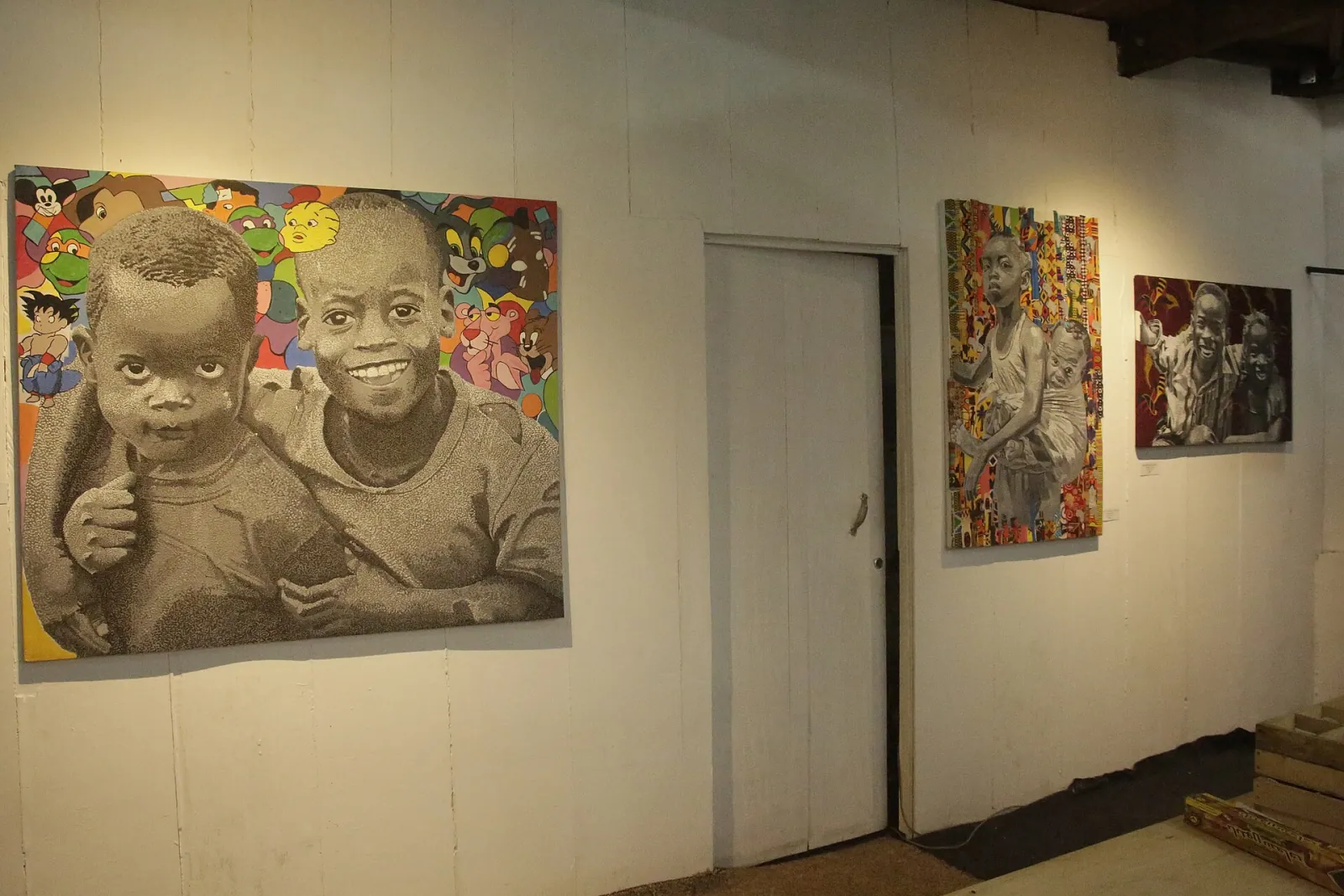
Portrait paintings of children hung in an exhibition room

The programmes are organised in cohorts, that is, groups of projects that progress together over six to nine months. Three pathways meet three levels of maturity.

Pre-incubation: from idea to project

Open to project leaders who have only an intuition, it lasts about three months. Participants clarify their offer, meet their target audience, test a first version of their product or service and write a framing note. The emphasis is on listening to users: a practice workshop, a test concert, a pop-up shop.

Incubation: from project to structure

Reserved for projects that already have a prototype or a first audience, it supports the creation of the structure: choice of status, licences and registration, business plan, protection of creations, cash-flow plan. Each project is followed by a mentor and a referent from the directorate.

Acceleration: from structure to growth

For enterprises already active, this pathway works on distribution, export, recruitment and fundraising. It draws on the resources of export and outreach and on the support funds.

Sectors

  • Music and records, cinema and audiovisual, publishing and books;
  • Digital arts and video games, fashion and design, art crafts;
  • Cultural tourism and events.
ℹ️
A common framework

All programmes include group workshops, monthly individual follow-up, access to shared workspaces and a final presentation to an audience of partners.

Apply

How to apply to an incubator

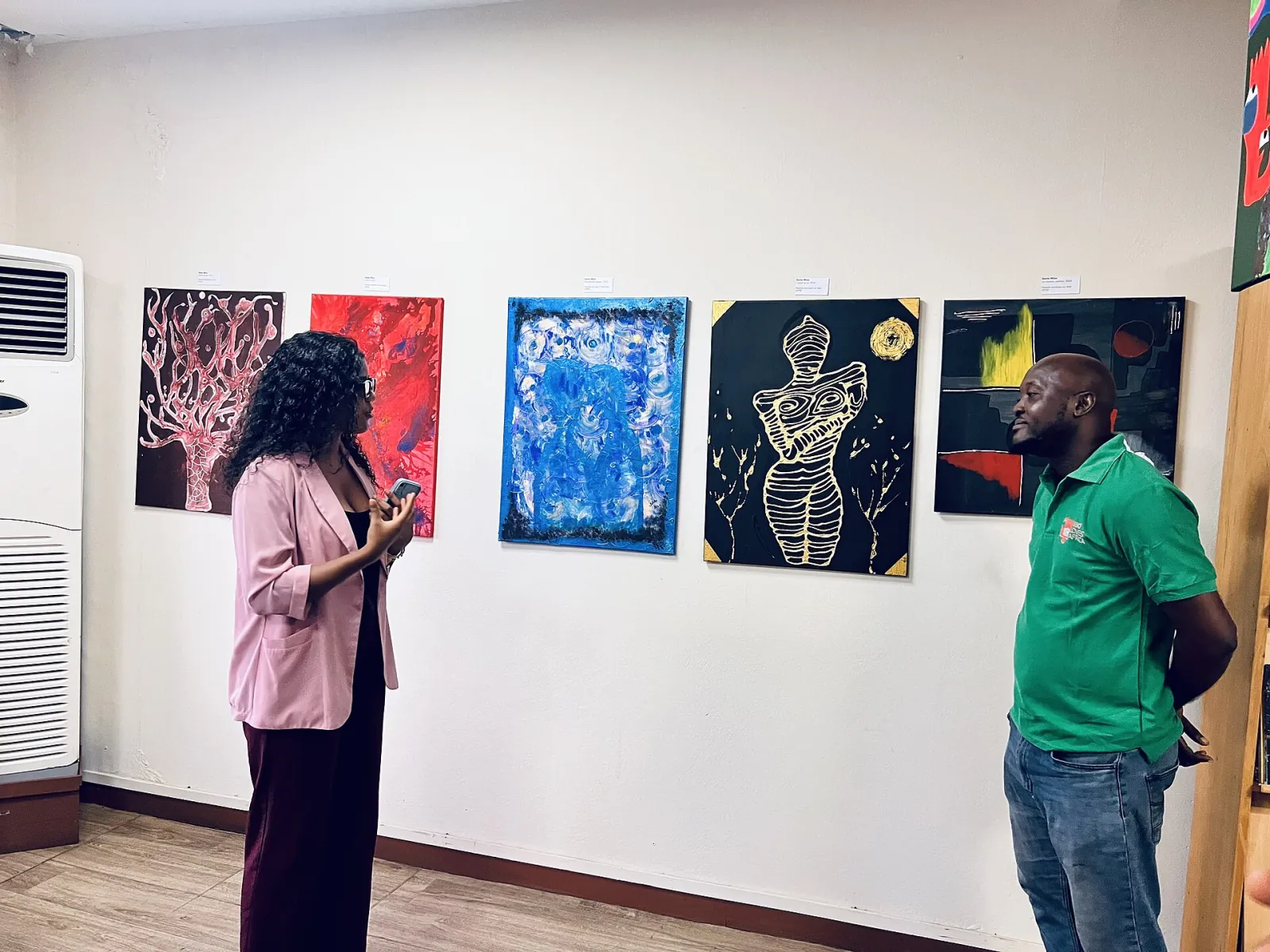
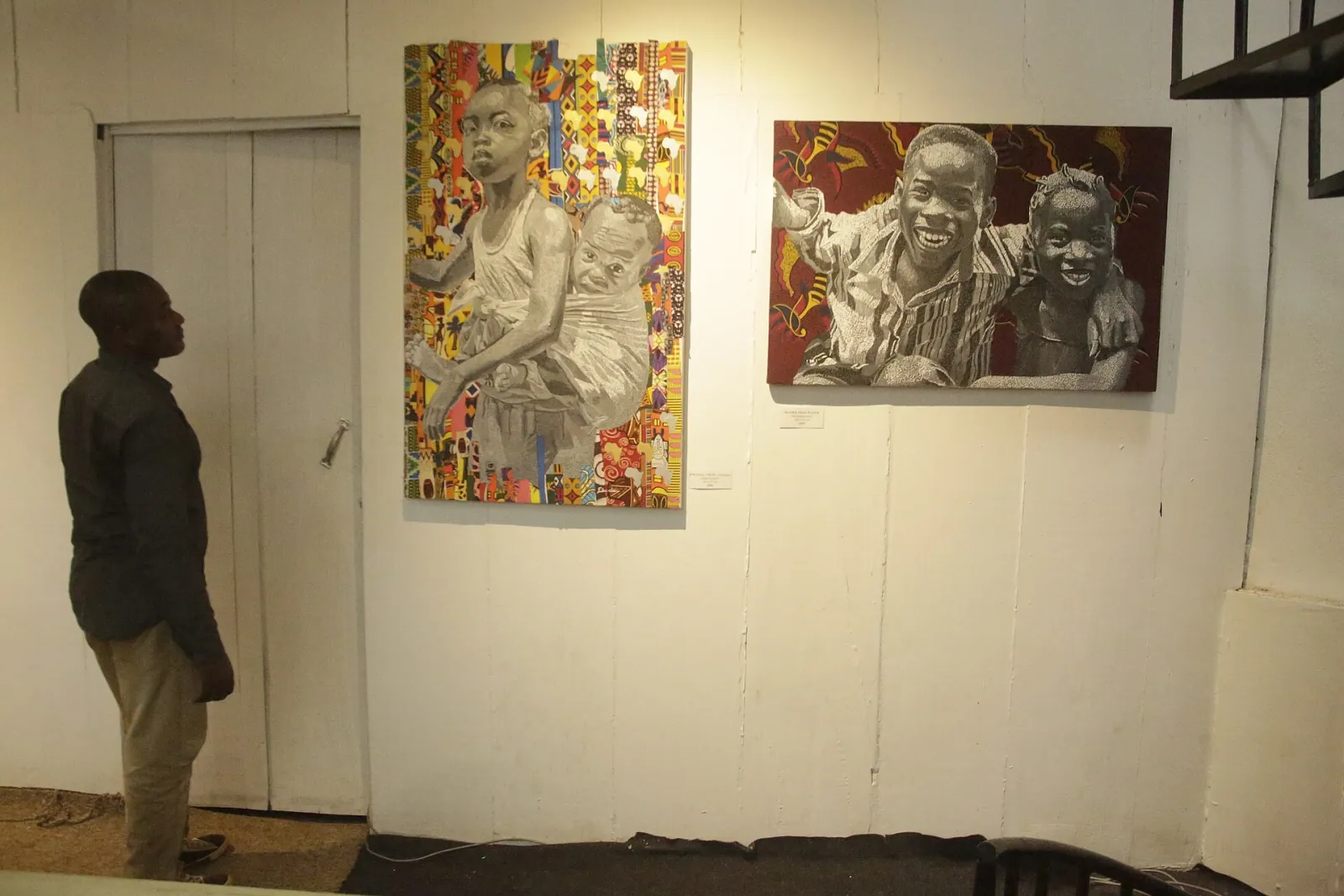
Visitor looking at colourful paintings hung in an exhibition room

Applications open during calls for projects announced in the Calls for projects section. Each call specifies the pathway targeted, the sector, the dates, the number of places and the documents required. Submission is made online, from the One-Stop Shop.

Who can apply

Any natural or legal person residing in Cameroon and carrying a cultural or creative project: artist-entrepreneur, producer, publisher, designer, content developer, craftsperson, event organiser. Teams of two to five people are encouraged. Members of the diaspora may apply where the project is based in the country.

The file

  • A presentation of the project and the team (two pages);
  • The target audience and the envisaged business model;
  • A timetable for the first six months;
  • A short video or a link to completed work;
  • The team’s administrative documents.

Selection in two stages

A committee first examines the files on paper according to a public grid: cultural relevance, viability, commitment of the team, employment potential. Shortlisted projects are then heard by a jury of professionals, who assess the clarity of the pitch and the team’s capacity to progress.

ℹ️
Remember the approval

An association that applies must present its approval; a team without a structure may submit a file in the name of its main lead.

Laureates

The laureates and their journeys

Sculptor carving a block of wood with chisel and mallet in his workshop

At the end of the selection, the laureates are announced publicly by the Ministry, on the site and at a launch ceremony for the cohort. The list specifies the name of the project, the sector and the region of origin; project leaders are presented by their role, with their consent.

What the laureates receive

  • A personalised support pathway with a mentor;
  • Access to workspaces, production equipment and studios;
  • Group workshops on law, accounting, communication and sales;
  • Introductions to investors, broadcasters and programmers;
  • Support for the protection of intellectual property.

Typical profiles

Cohorts mix varied profiles: an urban music label in Douala, a leather goods workshop in Maroua, a children’s publishing house in Yaoundé, a mobile games studio in Buéa, a street theatre troupe in Bafoussam. This diversity fosters mutual support between sectors.

Follow-up after exit

Once the programme is over, alumni remain in the network: quarterly meetings, sponsorship of later cohorts, priority access to the Ministry’s calls. The results of the cohorts (jobs created, turnover, works produced) feed the cultural observatory.

ℹ️
Promoting success stories

Each cohort is presented in the News section and in the newsletter, with the consent of the laureates.

Partners

The incubators’ partners

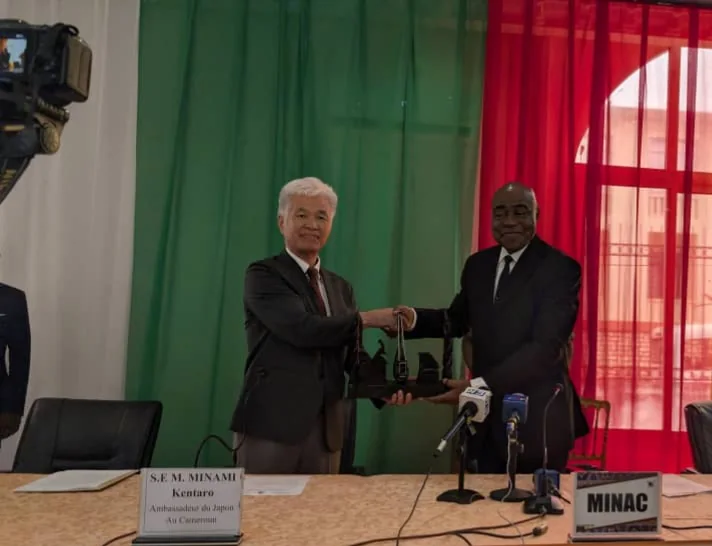
Exchange of gifts with the Ambassador of Japan during a meeting at the Ministry

No incubator operates alone. Each programme relies on a network of actors who provide skills, venues and funding, under agreements signed with the Ministry.

Universities and schools

They host workshops, provide rooms and laboratories, and direct their students to the programmes. Arts education and management courses also supply trainees who strengthen the teams. The definition of training programmes in show engineering and entrepreneurship is carried out in liaison with the National Institute of Arts and Culture.

Companies and patrons

Companies in the cultural sector, banks, telephone operators and media offer mentors, tools, start-up scholarships or advertising space. Their support may fall within patronage and sponsorship, the application of which is monitored by the directorate; see the funding overview.

International partners

The organisations of the Francophonie and other technical partners fund expertise, study trips and exchanges between African incubators. Becoming a partner requires signing an agreement specifying each party’s contribution.

Mentoring

Becoming a mentor for a cultural project

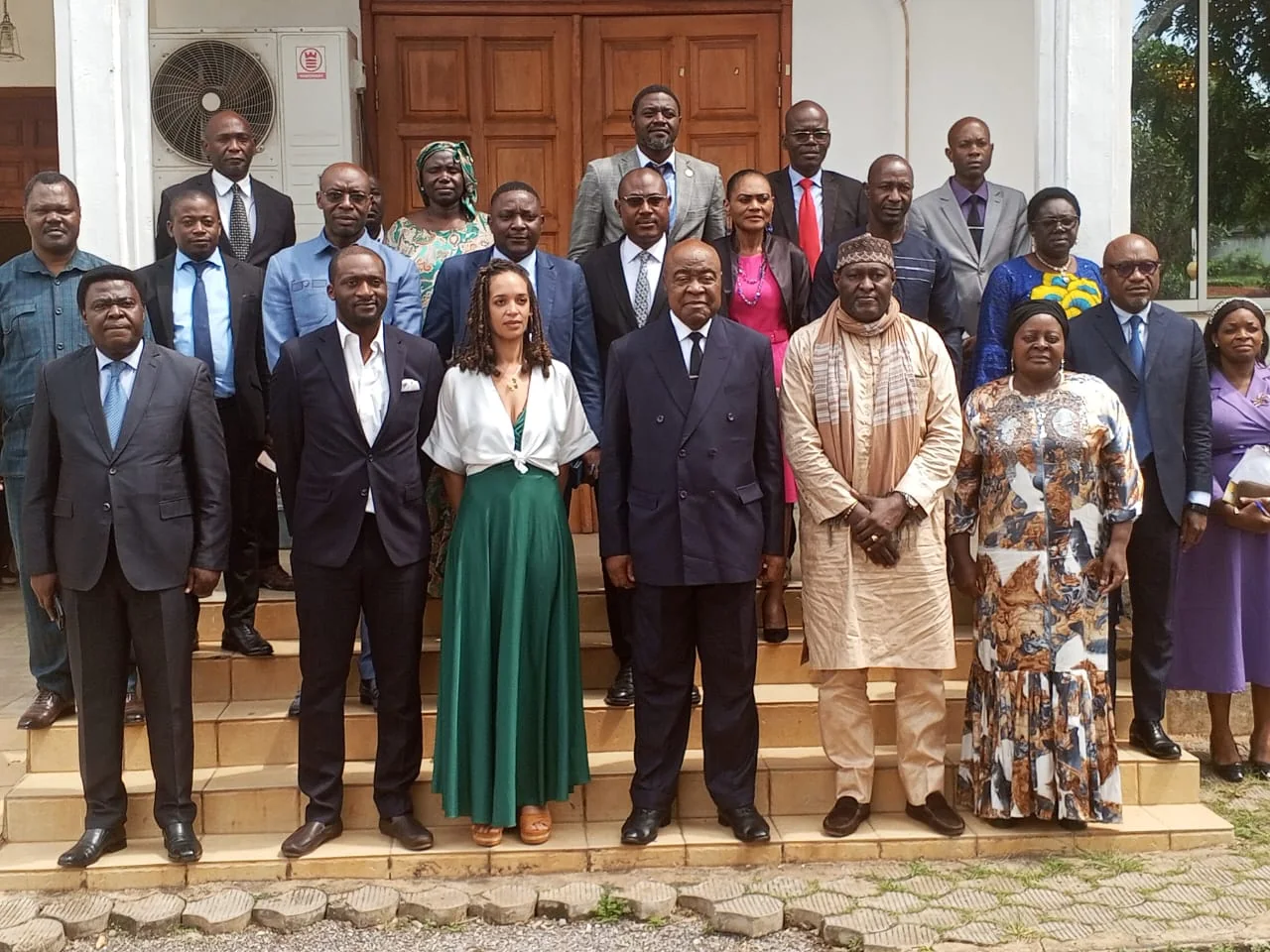
Ministry staff and officials posing in front of the building

Mentoring is the heart of incubation. A mentor is an experienced professional who devotes a few hours a month to a project: film producer, festival director, publisher, chartered accountant, intellectual property lawyer, communications manager. They do not run the project; they ask the right questions, open their address book and help avoid costly mistakes.

The mentor’s precise role

  • A monthly one-and-a-half-hour meeting, in person or remotely;
  • A critical eye on the business plan and the budget;
  • Two useful introductions per quarter;
  • Participation in the end-of-programme pitch evening.

How to become one

Interested professionals write to the directorate, stating their sector, experience and availability. They sign a charter of confidentiality and goodwill, attend a short induction session and are assigned to a cohort. Public officials may act as mentors only in compliance with the rules of professional ethics published by the General Inspectorate.

Established artists also find in mentoring a way of passing on their knowledge: see the pages on learning the trades.

After incubation

Funding the exit from the programme

Three young roller skaters setting off along a street in Douala

Incubation does not end with the award of a cohort certificate: it prepares the move to financial independence. In the final months, each team builds a funding plan that combines several sources, so as not to depend on a single partner.

Avenues explored

  • The Ministry’s support funds for production or distribution;
  • Grants to associations and events;
  • Corporate patronage and sponsorship;
  • Crowdfunding, notably among the diaspora;
  • Start-up loans offered by partner financial institutions.

The role of the directorate

The Directorate of Performing Arts and Creative Industries has the mission of assisting cultural enterprises and industries in their search for funding. In practice, it directs teams to the right channels, proofreads files, organises meetings with funders and passes on relevant calls.

Teams leaving a programme retain an advantage: their file is already structured, their figures are documented and their mentor can vouch for their seriousness to partners.

Step by step

The journey of an incubated project

Call and application

The Ministry publishes the call with its criteria; the team submits its file online before the closing date and receives an acknowledgement of receipt.

Selection and hearing

A committee reads the files, then a jury of professionals hears the shortlisted teams and selects the projects of the cohort.

Launch of the cohort

The laureates sign a support agreement, meet their mentor and define with them three measurable objectives for the duration of the programme.

Workshops and follow-up

Law, management, communication, sales: group workshops alternate with monthly individual follow-up and progress reviews before the committee.

Pitch evening

Each team presents its project to funders, broadcasters and partners, who may commit to a concrete next step.

Exit and follow-up

Teams join the alumni network, receive a follow-up review at six months then at one year, and share their indicators.

Calendar

A cohort month by month

Month 0Launch

Opening ceremony, signing of agreements, meeting with the mentors and handing over of the roadmap to the teams.

Months 1 to 2Assessment

Each project is reviewed: market, status, team, finances. Priorities are set with the mentor and the referent.

Month 3First progress review

Teams present their progress to the committee, which adjusts the pathway and may redirect a project to another programme.

Months 4 to 6Implementation

Prototype, tests with the public, legal procedures and first contracts: the programme is at its most intensive during this period.

Months 7 to 8Preparing funding

Building the funding plan, meetings with partners and rehearsals of the final pitch.

Month 9Cohort exit

Pitch evening, collective review and entry of the laureates into the alumni network.

To explore

Incubation in the creative sectors

Voices of the incubated

What the supported teams say

“
Mentoring forced us to work out our real costs. Our selling price changed, and our first customers followed without hesitation.
Founder of a music label
Douala
“
In a few months, we went from an informal collective to a structure with statutes, a bank account and first contracts with schools.
Coordinator of a theatre collective
Bafoussam
“
The pitch evening put me in front of funders. I learned to describe my workshop in three minutes, and two meetings followed.
Fashion designer
Yaoundé
“
The workshops on copyright saved me from giving away my rights in a contract I did not understand.
Mobile games developer
Buéa

“A good cultural project does not lack ideas: it often lacks method, a network and someone to tell it the truth with kindness.”

A mentor, producer
To download

Tools for the incubation applicant

To act

Incubation highlights

Open calls for projects

Consult the current calls, their closing dates and their criteria before putting your file together.

See the calls

Set up your organisation

Statutes, licences, taxation: prepare the step that follows incubation.

Read the guide

Association accreditation

A preliminary step for collectives wishing to receive public funding.

Apply for approval

Training offers

Courses to acquire the skills to manage a cultural project.

See the training courses
Glossary

The vocabulary of cultural incubation

Incubator

A structure that supports start-up projects through advice, premises, a network and access to funding.

Pre-incubation

A short phase in which an idea is tested with its audience before a structure is created.

Acceleration

Programme for enterprises already active that want to grow faster.

Promotion

Group of projects supported together during the same period.

Winner

Applicant selected by the jury to join a programme.

Mentor

An experienced professional who advises a team, voluntarily or against expenses.

Pitch

A short, structured presentation of a project to partners or funders.

Business model

The way a project covers its costs: sales, ticketing, subscriptions, grants, licences.

Prototype

First usable version of a product or show, intended for testing.

Cash-flow plan

Monthly table of expected receipts and payments.

Shared space

Common workplace offering pooled workstations, rooms and equipment.

On the site

Go further on the cultural enterprise

Resources

Useful links for incubated teams

Stakeholders

Who supports the incubators?

Key facts

Incubation pathways compared

JourneyTarget audienceIndicative durationExpected outcome
Pre-incubationIdea holders without a structureAbout 3 monthsFraming note and first test with the public
IncubationProjects with a prototype or first audience6 to 9 monthsStructure created, business plan, first contracts
AccelerationCultural enterprises already active6 monthsGrowth plan, export, funding
Mentoring on demandFormer laureates and established structuresOn requestTargeted advice on a specific topic
Open workshopsAny interested publicOne daySkill acquired on a theme
Hosting in a shared spaceTeams in the launch phaseRenewable every six monthsWorkstation, studio, pooled equipment
Questions

Your questions on incubators

Is incubation paid for?

Participation in the programmes supported by the Ministry is free for laureates. Some open workshops or shared spaces may require a modest contribution, indicated in each call. No procedure involves hidden application fees; any fees are shown on the Fees page.

Which projects are accepted?

All creative industry projects: music, cinema, publishing, digital arts, fashion, art crafts, cultural tourism, events. The committee looks at cultural relevance, economic viability, the team’s motivation and the expected impact in jobs or local outreach.

When do applications open?

They open during calls for projects announced on the site, in the newsletter and by the regional delegations. Each call specifies its dates, the pathway concerned and the number of places. Subscribe to the newsletter so as not to miss any opening.

Can one apply alone?

Yes, an individual project leader may apply, but teams of two to five people with complementary skills are often more convincing. The committee checks whether roles are shared: creation, management, communication, sales. A mentor can help strengthen the team.

Is a legal structure required beforehand?

Not for pre-incubation. For incubation, setting up the structure is part of the pathway: association, company or sole proprietorship. If your activity requires a licence, notably for shows, the Cultural entrepreneurship page details the rules.

Can one follow the programme from another region?

Group workshops take place in the major cities, but part of the follow-up is done remotely. The regional delegations act as relays and can provide a room for videoconference meetings with the mentor.

What happens to my project after exit?

It joins the alumni network and continues to be followed for one year: reviews at six and twelve months, priority access to calls, invitations to professional meetings. Teams share their indicators, which helps improve future cohorts.

Who owns the creations made during incubation?

The team, and the team alone. The incubator acquires no rights over the works, brands or software created during the programme. The workshops on intellectual property precisely help to secure rights and prepare contracts before approaching partners.

Contact

Write to the Ministry: Incubators

Describe your activity or your project.

Competent directorate

Contact the incubators team

Address

Directorate of Shows and Creative Industries
Ministry of Arts and Culture
Quartier du Lac – Ministerial Zone
P.O. Box 1053 Yaoundé, Centre Region, Cameroon

Reach us

+237 6 51 70 58 41

contact@minac.gov.cm

Opening hours

Monday to Friday, 8 am to 4 pm

A project to launch?

Consult the open calls for projects, prepare your pitch and submit your application to an incubation pathway.

See the calls for projects
WhatsApp