
Coat of arms of CameroonMinistry of Arts
and Culture
Republic of Cameroon
My procedures
Home
Minister’s message
News
Press releases
Cultural calendar
Official speeches
Press review
Photo library
Video library
Calls for projects
Job vacancies
Public procurement
Newsletter
Frequently asked questions
Site map
Contact
Press area
Podcast “The Voice of Culture”
Legal notices
Privacy policy
Cookies and trackers
The Ministry
Missions and responsibilities
Organisation
Organisation chart
Minister’s Office (Cabinet)
Management team
General Secretariat
General Inspectorate
Central directorates
Regional Delegations
Institutions under supervision
Legislative texts
Regulatory texts
Sector strategy
Major projects
Budget and reports
Partners
Careers
Archives
Institutional communication
Quality and accessibility
Arts
Visual and plastic arts
Visual arts
Performing arts
Theatre
Dance
Music
Literature and books
Cinema and audiovisual
Photography
Fashion and design
Digital arts
Art crafts
Artists’ directory
Residencies
Prizes and awards
Arts education
Urban arts
Heritage
Tangible heritage
Intangible heritage
UNESCO sites
National museums
Listed monuments
National inventory
Palaces and chiefdoms
Archaeology
Linguistic heritage
Oral traditions
Traditional know-how
Restitution of cultural property
Fight against illicit trafficking
Listing and protection
Conservation and restoration
Heritage Days
Cultural landscapes
Industries
Music and recording
Cinema
Publishing and books
Digital arts
Fashion and creativity
Crafts
Cultural tourism
Funding for culture
Support funds
Incubators
Cultural entrepreneurship
Culture Observatory
Vocational training
Studies and reports
Sector statistics
Export and outreach
Intellectual property
Copyright
Legal framework
Copyright and neighbouring rights
Collective management societies
Register a work
Licences
Private copying
Fight against piracy
Model contracts
Social status of artists
Mediation
Disputes
Training
Fee scales
Register of works
Contact
Digital neighbouring rights
Public domain
Festivals
National calendar
Ngondo
Nguon
Écrans Noirs
Heritage Days
Music Day
Regional festivals
Fairs and exhibitions
Biennials
National competitions
Cultural days
Organise a festival
Event grants
Ticketing
Archives
Volunteering
Diaspora festivals
Regions
Adamawa
Centre
East
Far North
Littoral
North
North-West
West
South
South-West
Cultural map
Regional Delegations
Traditional chiefdoms
National languages
Cultural routes
Decentralised cooperation
Regional observatory
Cooperation
UNESCO
Francophonie (OIF)
African Union
Commonwealth
CEMAC
Bilateral cooperation
Cultural agreements
Professional organisations
Scholarships
Artist exchanges
Cultural years
Diaspora
Funded projects
Embassies
Technical partners
International restitution
International monitoring and calls
Services
Artist card
Show authorisation
Filming authorisation
Festival authorisation
Deposit of a work
Export of works of art
Listing of a property
Grant application
Association accreditation
File tracking
Forms
Fees
Opening hours and addresses
Reporting
Online help
My account
One-Stop Shop
Services

Filming authorisation

Shooting a film, documentary, series or commercial in Cameroon requires prior authorisation. Find out about the conditions, documents, form, tracking and appeals to prepare your shoot in the regions.

Updated on 6 November 20264 sub-pages
SubmissionOnline or in the regions
Work formats covered7
Main documents7
TrackingBy file number
Cinema and audiovisual

Filming in Cameroon with peace of mind

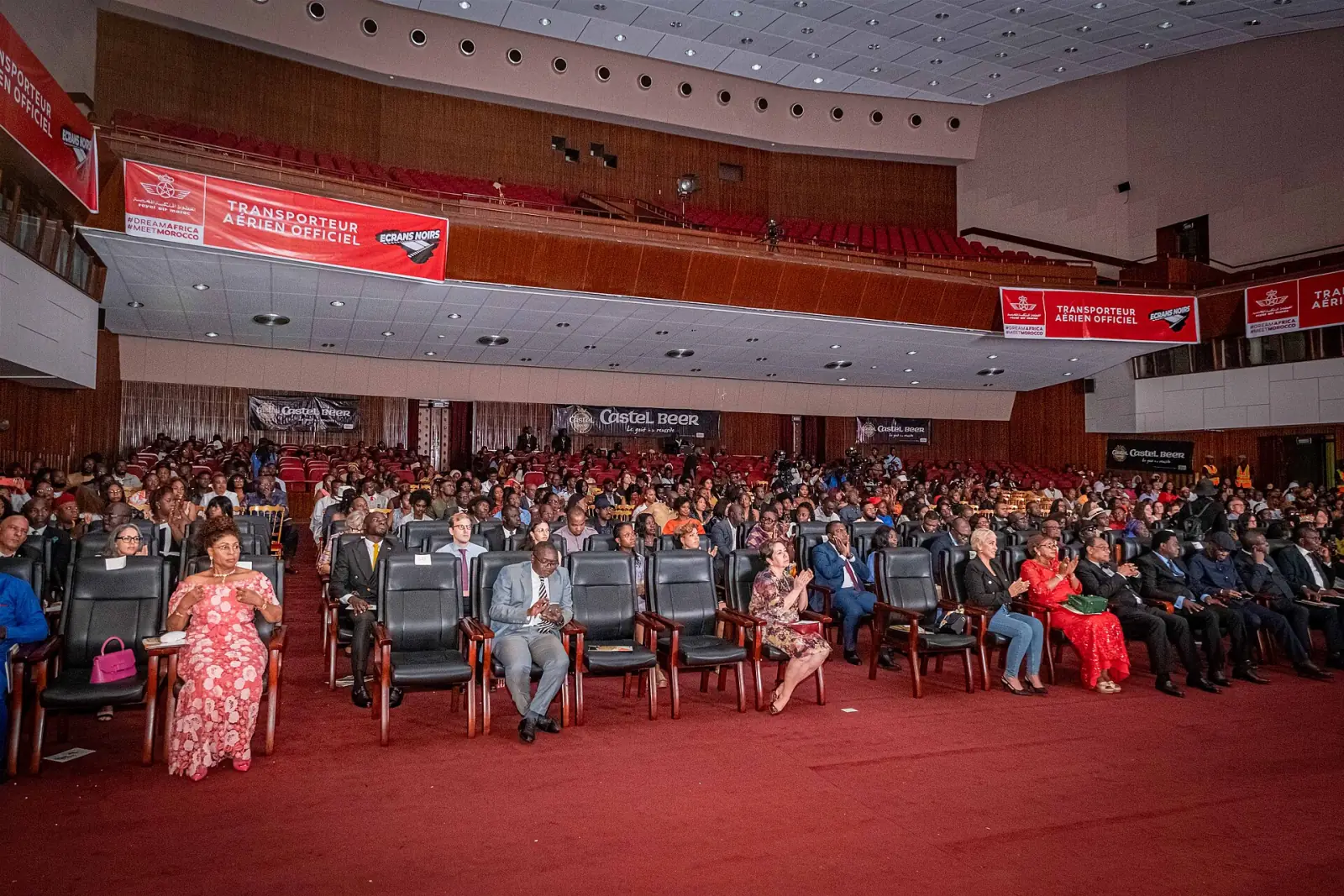
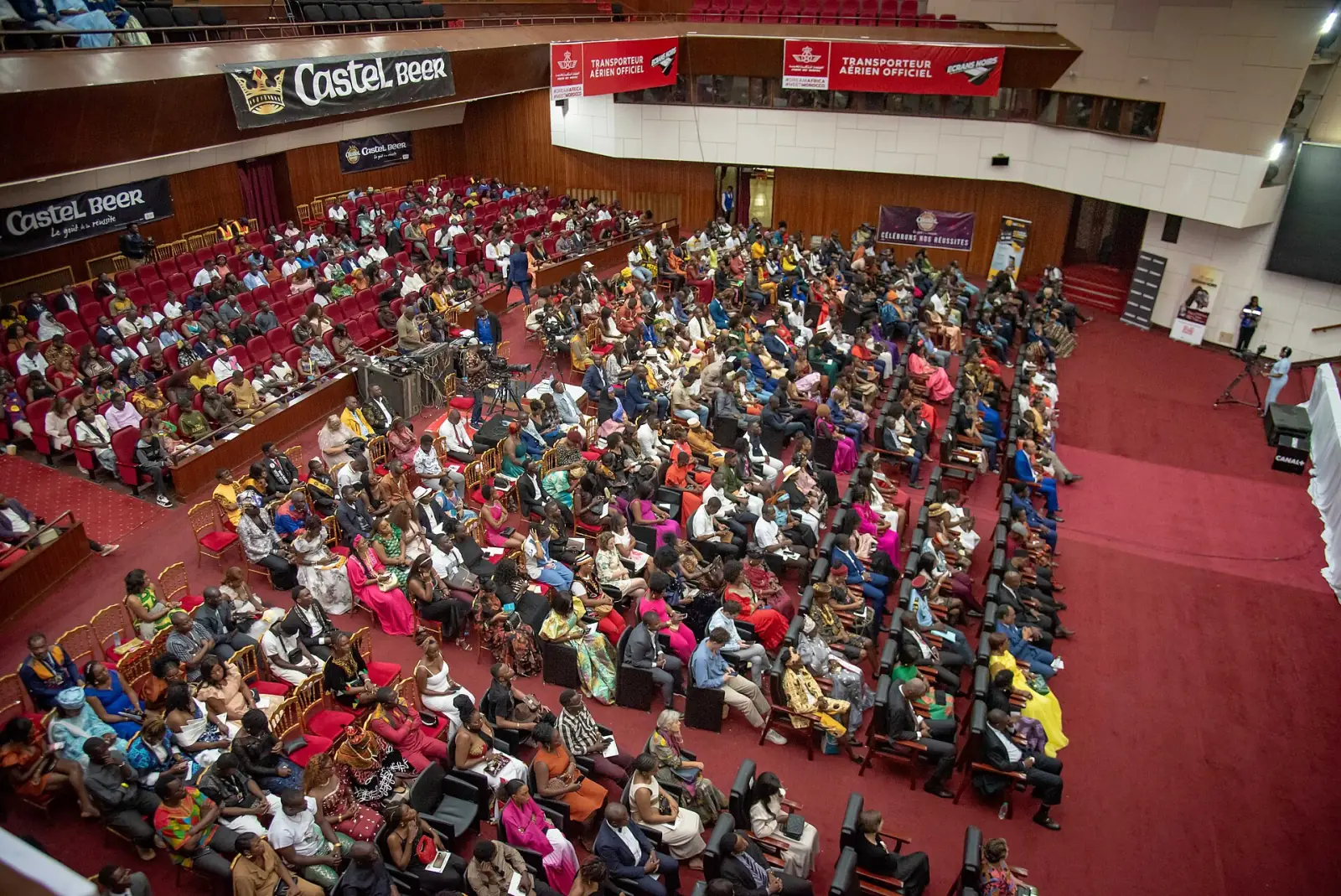
Aerial view of the full Yaoundé Conference Centre during the Écrans noirs festival closing

A feature-length fiction film in Kribi, a documentary on the chiefdoms of the West, a television series in Douala, a commercial on the Limbé seafront, a report on the Mandara Mountains: any shoot organised on Cameroonian territory must be authorised in advance. The authorisation allows you to film safely, gain access to sites and inform the authorities concerned.

This page describes the complete process: who must apply, which conditions to meet, which documents to prepare, how to complete the form, how to track the file and how to react in the event of a blockage. For any fees, see the Fees page.

  • A single authorisation for a production, even across several locations
  • Online submission, including from abroad
  • A dedicated contact at the cinema and audiovisual service
See the conditions
One-Stop Shop

Submit your application online

Online submission is open at all hours, from Cameroon or from abroad. Create or retrieve your account, describe the project, list the venues and the team, attach the documents and confirm: a file number is issued straight away. Any fee is displayed before payment, see the Fees page. Then follow progress on the tracking page. For personal assistance, the One-Stop Shop and the online help are at your disposal.

Fee payable 75,000 FCFA Online payment: Orange Money, MTN Mobile Money or bank card.
Submission Online, 24 hours a day You receive a file number to keep for tracking.
Producers and directors

Who is the filming authorisation for?

CINELAB workshop participants in front of the Ministry and UNESCO banners

The procedure concerns producers, directors and production companies, Cameroonian or foreign, who wish to shoot a cinematographic or audiovisual work in the territory: fiction, documentary, magazine programme, music video, corporate film, advertisement, school or training film.

The profiles concerned

A production company based in Yaoundé preparing a series, a foreign television crew coming to make a report, an association filming a festival, a film student shooting their graduation film: all must make sure they are in order, even if the file is simplified for small projects.

What is not covered

Strictly private filming (family party, tourist trip) falls outside the scope. A journalist on a news assignment should contact the press area for accreditation. For production funding, see the cinema and audiovisual sector.

Criteria

The conditions for obtaining a filming authorisation

Ministry working meeting around a flower-decked table

The examination of the file rests on four main criteria, assessed pragmatically according to the scale of the shoot.

A clearly identified project

The project is presented through a synopsis, a statement of intent, the crew list and the envisaged locations. Works that undermine public order, the dignity of individuals or the image of communities are refused.

A contactable person in charge

A production manager, identified and available throughout the shoot, answers for the crew before the administration and the owners of the locations.

Respect for locations

Protected sites, places of worship, memorial sites, palaces and chiefdoms, administrative buildings and military premises may be filmed only with the agreement of their manager. For a palace or chiefdom, the agreement of the traditional authority is essential.

Rights and contracts in order

Engagements of artists, extras and technicians, and assignments of rights must be covered by contracts that comply with the model contracts. Shoots involving minors require the agreement of their representatives.

ℹ️
One shoot, one application

A single file covers all the filming for a given production; add locations by a supplement if the plan changes.

File

The documents for a filming authorisation file

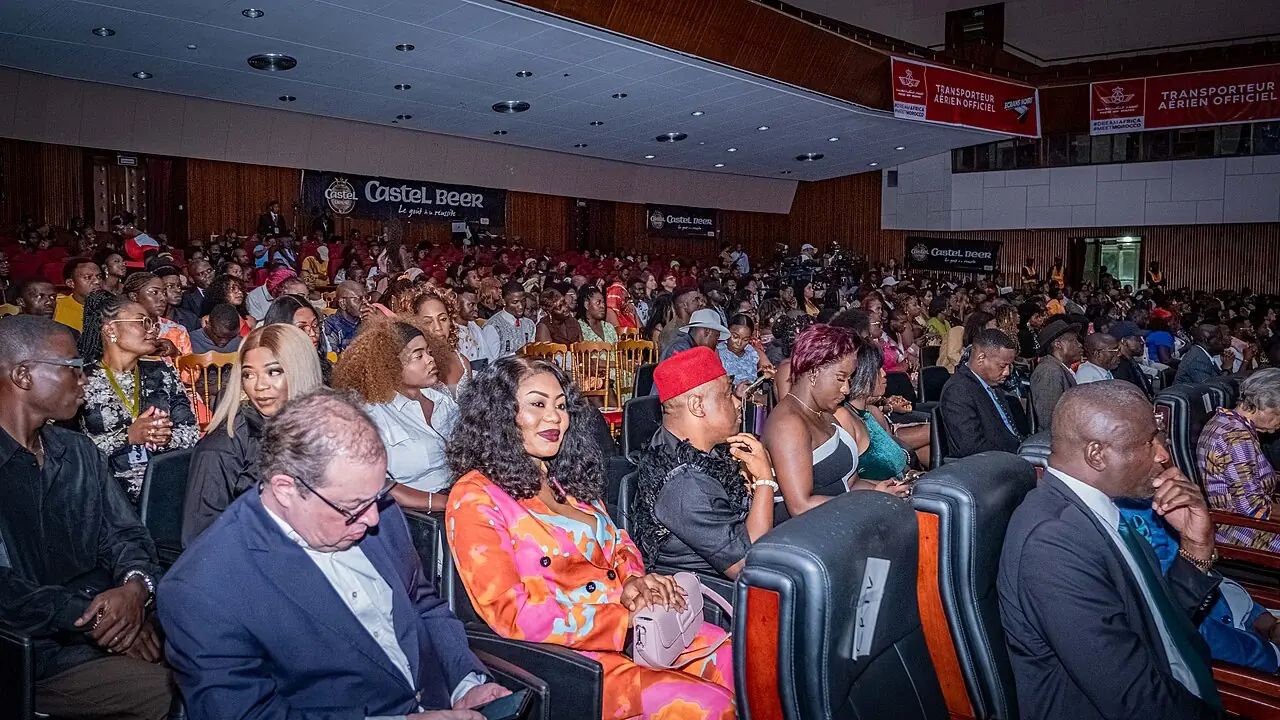
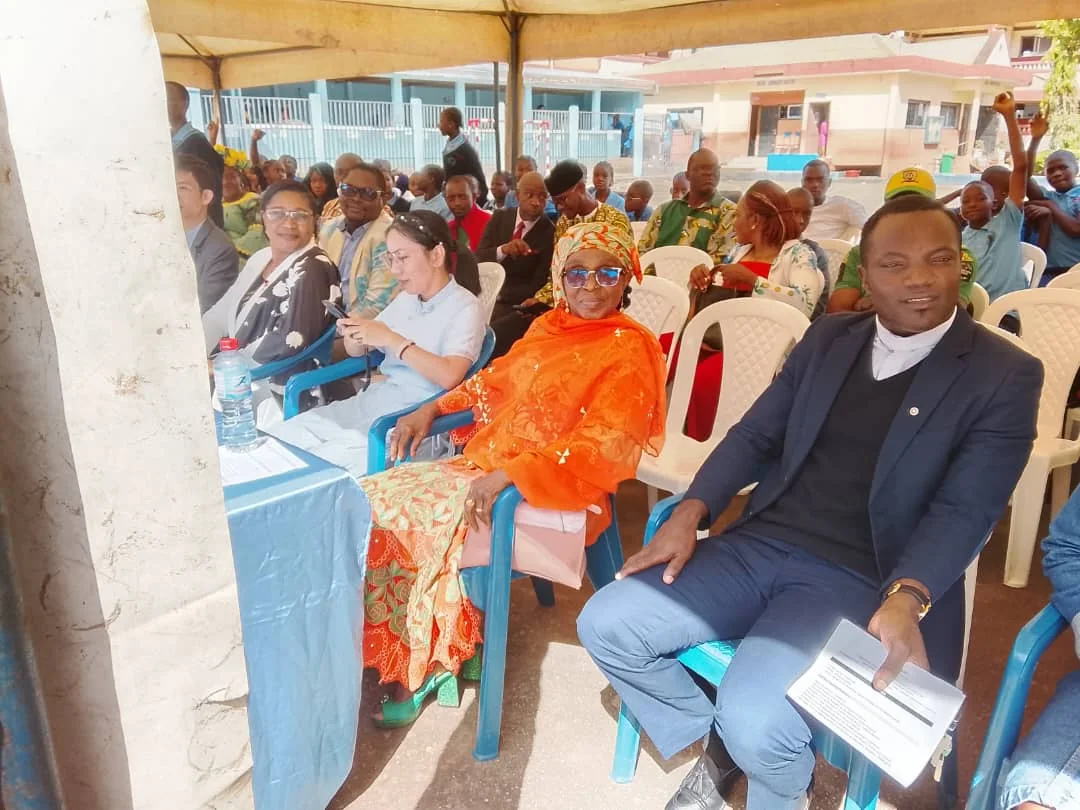
An audience seated under a tent, including a woman in orange in the foreground, attends a ceremony.

A filming file resembles a simplified production file: it must enable the administration to understand what you are filming, where, with whom and when.

Project documents

  • The application form signed by the producer;
  • The synopsis or statement of intent (one to two pages);
  • The provisional schedule, day by day;
  • The list of filming locations with, for each, the agreement of its manager;
  • The crew list: roles, nationalities, identity documents of the person in charge.

Technical and legal documents

  • The equipment list, including drones and special vehicles if any;
  • The insurance certificate covering the crew, the equipment and third parties;
  • Proof of the production company (articles of association, registration);
  • The contracts or commitments of the main artists.

A foreign crew adds the appointment of a local correspondent and, where applicable, information on the import of equipment. Template letters and agreements are on the Forms page. Scan each document into a separate file, clearly named (for example “location-agreement-kribi”), and check that the scans are legible: an illegible document is equivalent to a missing document and delays the examination of the whole application.

Form

Completing the form for a filming authorisation

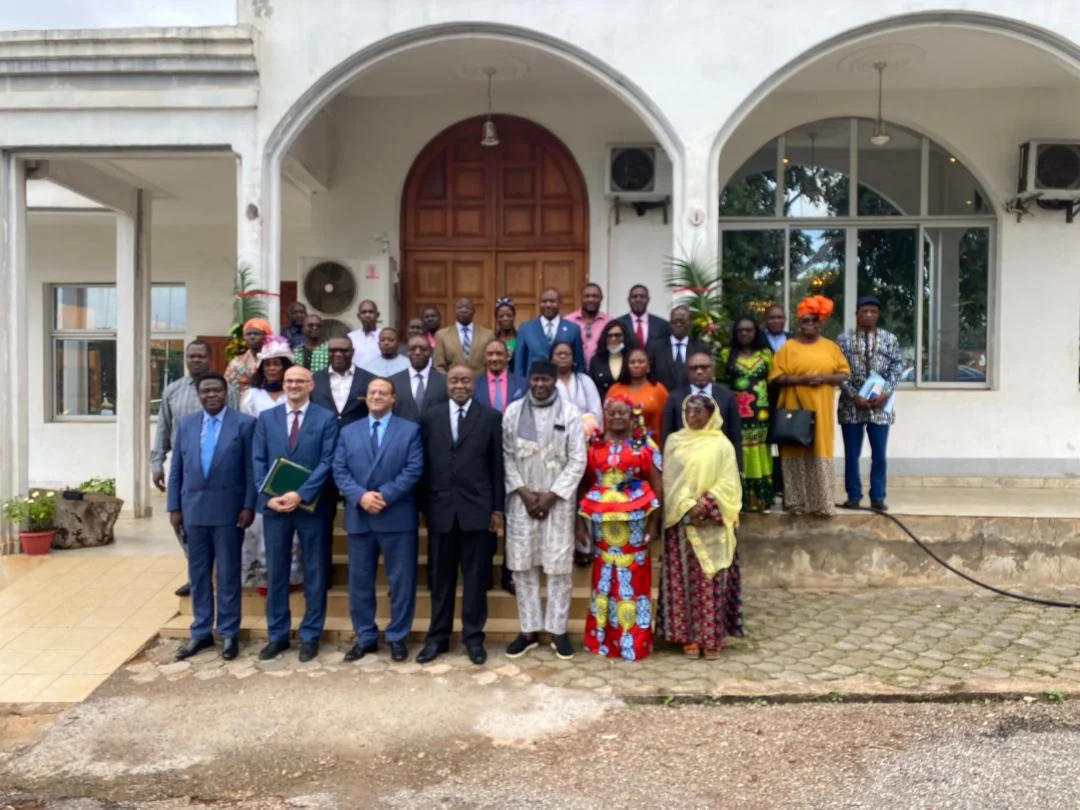
A group of men in suits and women in colourful outfits poses in front of the arched entrance of a building.

The form is organised into main sections. Complete them in order, drawing on your production’s shooting schedule.

  1. Production: company, producer, shoot manager and means of reaching them during filming;
  2. Work: title, genre, expected duration, language, broadcaster if any and destination (cinema, television, web, advertising);
  3. Schedule: preparation, shooting and wrap dates;
  4. Locations: region, town, address or site, nature of the place (public, private, protected) and name of the manager;
  5. Crew and extras: numbers, nationalities, presence of children;
  6. Special equipment: drone, heavy lighting, stunts, replica weapons, animals;
  7. Undertaking: sworn statement.

The online version is saved as a draft in your account, which allows you to complete it with your crew. Always declare special equipment: an undeclared drone or a scene with replica weapons may halt the shoot. Before confirming, check the dates with the production manager and make sure each location matches an enclosed supporting document. If the production is run by a foreign company, write proper names as they appear on the passport or articles of association, without abbreviation, to facilitate checks.

Step by step

Obtaining the authorisation before the first clapperboard

Write the project file

Write the statement of intent, draw up the list of locations and crew, then prepare a realistic day-by-day shooting plan.

Secure the locations

Obtain written agreements from managers, owners and traditional authorities, and flag listed or sensitive sites.

Submit the application

Submit the file via the One-Stop Shop or to the cinema service, well before filming begins, then keep your number.

Respond to requests

Complete the file quickly if the service asks for clarification on a site, a drone or a special scene.

Film and report back

Keep the authorisation on set, comply with the conditions set and inform the delegation of any change of location or schedule.

Situations

Special cases in filming

Presentation of a best screenplay award before a large Cameroonian flag at the Écrans noirs festival

Each production has its own particularities. Here are the most frequent situations, with the associated points to watch.

Filming on a listed site

An additional authorisation is required from the Directorate of Heritage. The constraints (hours, authorised equipment, accompaniment by an official) are specified case by case; see listed monuments and UNESCO sites.

Foreign crew

The production appoints a local correspondent, encloses the identity documents of the person in charge and details of the equipment brought in. It informs its embassy or broadcaster if necessary.

Drone and aerial filming

Aerial filming requires specific authorisations from the competent authorities, in addition to that of the Ministry. It is prohibited above certain sensitive sites.

Filming with children

The written agreement of each legal guardian, limited hours and the presence of a responsible adult are essential.

School film or student short film

The file is simplified, but authorisation is still required in public space or on a protected site.

Path of the file

From the application to the last day of filming

SubmissionRegistration of the file

Your application receives a number and an acknowledgement of receipt to keep, which you can show to location owners or local authorities.

AdmissibilityDocument check

The cinema service checks the main documents and the schedule, and promptly flags any gap that would prevent the examination from continuing.

ProcessingExamination of the project

The project is examined in terms of content, locations and safety, with consultation of the Directorate of Heritage and the Regional Delegation if necessary.

DecisionAuthorisation or refusal

The decision is notified. It may set conditions: escort on certain sites, hours, ban on aerial filming.

FilmingMonitoring in the field

During filming, the authorisation is shown on request. Changes of location or date are reported by a supplement to the file.

Close to you

Submit the filming authorisation application in your region

Each region has a Ministry delegation that welcomes you and receives your file.

To explore

Around your shoot

Tracking

Tracking your filming authorisation application

Group photo of many officials and guests in varied attire, posing on the steps in front of a building.

Your file number is the key to tracking. On the File tracking page, it lets you see the current stage: received, under examination, supplement requested, decision issued.

Planning with the production schedule

Timescales vary according to the scale of the project: a music video at a single site is processed more quickly than a feature film covering several regions and protected sites. Plan the application well before preparation begins, and do not sign irreversible contracts, equipment hire or accommodation without visibility on the decision.

Exchanges with the service

  • The service may request a meeting to understand a complex project;
  • Supplements are submitted from your account, without starting a new file;
  • A change to the schedule is reported before filming begins.

Keep your contact details up to date in My account. For a foreign production, name a local correspondent who receives notifications while the crew is travelling. Productions filming in the rainy season or in hard-to-reach areas are advised to submit earlier, so as to have time to react if a location becomes inaccessible and a replacement site has to be approved. Finally, check the cultural calendar to avoid the dates of major local events.

To avoid

The common mistakes made by film crews

Group of participants in varied outfits posing in the middle of a wooden-floored hall during a Ministry meeting

Many difficulties are resolved by better preparation.

Starting to film before the decision

Scouting visits are possible, but filming without authorisation exposes the crew to interruption and the possible seizure of the footage.

Failing to declare special equipment

Drones, stunt scenes, replica weapons, animals and cranes require a precise declaration. Forgetting them is the most common reason for a shoot being stopped.

Poorly identified locations

Writing “various locations in Douala” does not allow the file to be examined. State the districts, addresses and the name of each manager.

Incomplete contracts

Extras without a contract, unsigned assignments of rights or a minor artist without parental authorisation jeopardise future distribution. See the model contracts.

A schedule that is too tight

Submitting on the eve of the first day of filming is the cause of many postponements. Also allow a margin for possible consultations with the Directorate of Heritage.

Appeal

Challenging a decision or unblocking a file

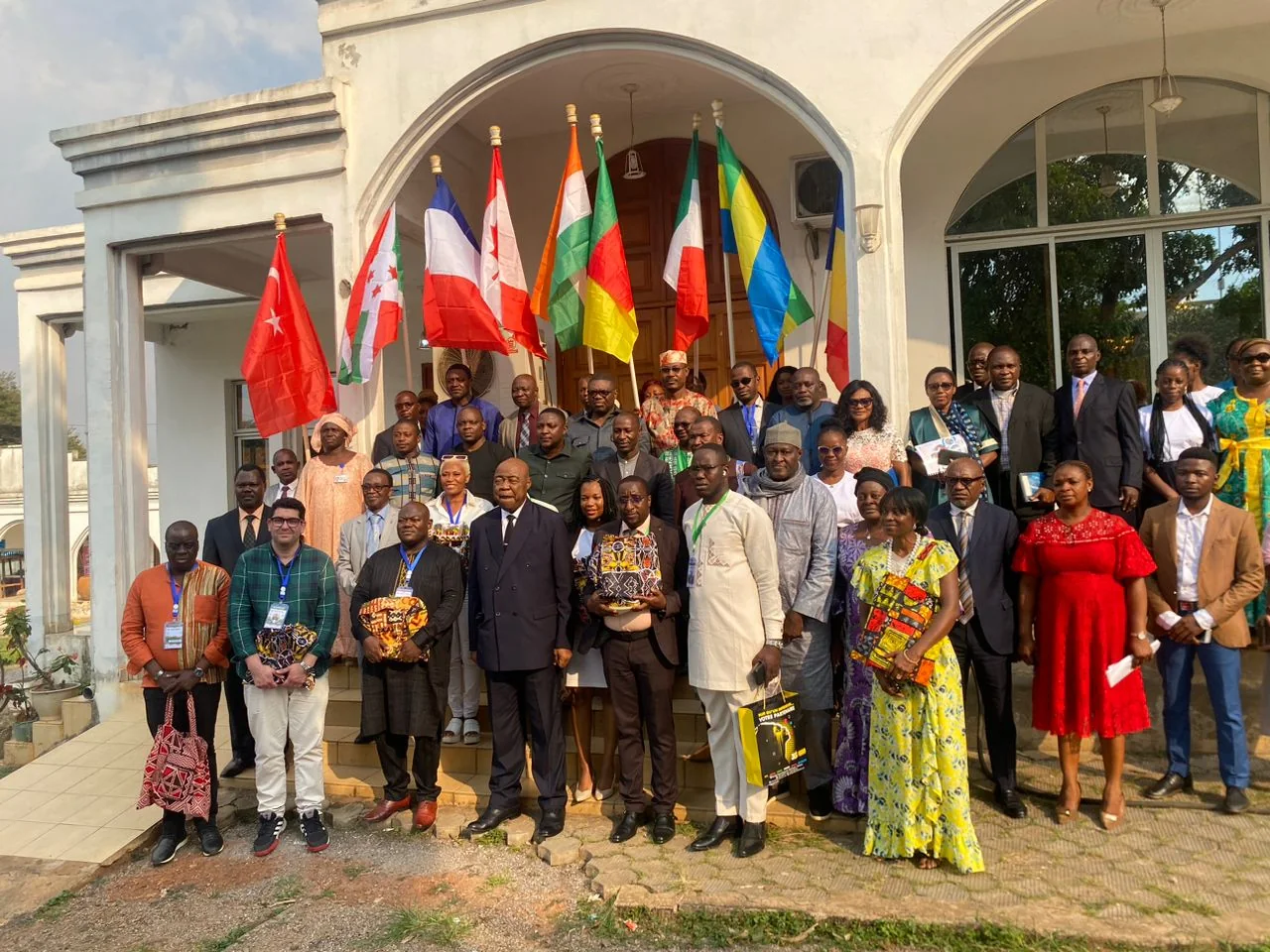
Group of participants posing in front of the flags of several countries during a meeting at the Ministry

If the authorisation is refused or delayed, the first step is to understand the reason. Decisions are reasoned: site not accessible, project insufficiently described, equipment not declared or unrealistic schedule.

  1. Regularise: provide the document or clarification requested by means of a supplement on your account;
  2. Meet the service: request a meeting with the cinema and audiovisual service to explain the constraints of the set;
  3. Request a review: send a reasoned letter enclosing the new documents, for example a missing location agreement;
  4. Refer the matter to the mediator or the General Inspectorate in the event of a malfunction, via Quality and accessibility;
  5. Report any unusual request for money on the Reporting page.

A partial refusal is possible: the service may authorise some locations and rule out others. A production can then rearrange its shooting plan rather than start everything again.

Accessibility

A procedure accessible to crews

Ministry staff and officials posing in front of the building

Film crews are sometimes far from the capitals and service counters. The system adapts: online submission from any location, exchanges by messaging, telephone appointments and reception by the ten Regional Delegations for crews preparing a shoot in the regions.

People with disabilities

Directors and technicians with disabilities may request an adapted appointment, a large-format document or assistance with submission. The Ministry’s commitments are set out in Quality and accessibility.

Languages and interpreting

Officials receive visitors in French and English. For a shoot in an area where a national language is spoken, a crew may be accompanied by an interpreter and request the delegation’s support for the meeting with the traditional authorities. Contact details and opening hours are on the Opening hours and addresses page.

Real-life experiences

Productions describe their application

“
My crew was able to film in three regions with a single grouped application. The service coordinated the agreements with the delegations without our having to chase everything up.
A director
Douala
“
The constraints on listed sites were clear from the outset: hours, authorised equipment and the presence of an official. We adapted the shooting plan with no surprises.
A producer
Yaoundé
“
As a film student, I submitted a simplified file for my graduation short film. The service guided me on the location agreements to obtain.
A directing student
Buea
“
Our foreign crew appointed a local correspondent, and all the notifications reached them while we were on the road.
A head of production
International production
To act

Support for a stress-free shoot

Online help

Guides to writing the statement of intent and compiling the list of filming locations.

Open the help

Regional Delegations

An official facilitates meetings with local and traditional authorities before your arrival.

Find my delegation

Subsidy

A cultural production may seek Ministry support alongside the authorisation.

Apply for a grant

Frequently asked questions

Answers to common questions about procedures, timescales and documents.

Consult
To download

The documents in the filming file

Glossary

The terms of the filming authorisation

Synopsis

Short summary of the film’s story or subject, in a few lines.

Statement of intent

Director’s text presenting the subject, perspective and method of the project.

Shooting schedule

Schedule of filming, location by location and day by day.

Production stage manager

Person who organises the logistics of locations, access and the crew during filming.

Location scouting

Preparatory visits to locations to choose settings and check filming conditions.

Extra

Person who appears on screen without a speaking role, engaged by contract.

Assignment of rights

Contract by which an author authorises the use of their work in the film.

Fixer

Local intermediary who facilitates contacts, access and logistics for a foreign crew.

Executive production

Body that manages the budget, teams and practical realisation of the shoot.

Aerial filming

Images shot by drone or aircraft, subject to specific authorisations.

Resources

Useful links for filming

Key facts

Filming locations and their agreements

Filming locationWho gives the agreementPoint of attentionService advice
Public highwayLocal administrative authorityTraffic and safety of local residentsWarn the municipality well in advance
Listed site or museumDirectorate of Heritage and site managerProtection of objects and wallsProvide for an escort
Palace or chiefdomTraditional authorityRespect for places and ritesBe introduced by the delegation
Place of worshipPerson in charge of worshipCalendar of ceremoniesAvoid days of celebration
Private propertyOwnerDuration and restorationSign a written agreement
Protected natural siteManager of the protected areaFauna, flora, accessFollow the area’s instructions
Administrative buildingHead of the institutionSecurity and confidentialityAvoid sensitive areas
Water and coastMaritime or river authoritiesWater safetyProvide life jackets and insurance
Questions

Your questions about filming authorisation

Is authorisation needed for a student short film?

Yes if the shoot takes place in public space or on a protected site; the file may then be simplified. Enclose the institution’s certificate, the statement of intent and the location agreements. A shoot that is entirely private, indoors and without an audience, falls outside the scope.

Can a foreign crew submit from abroad?

Yes. Online submission is possible from any country. The crew appoints a local correspondent and provides the identity documents of the person in charge, the equipment list and the schedule. Notifications are sent to the correspondent or to the address given.

Can I film with a drone?

Aerial filming requires additional authorisations from the competent authorities and is prohibited above certain sensitive sites. Declare the drone on the form, with its operator and the locations concerned; forgetting it may halt the shoot.

How can I film in a chiefdom or palace?

The agreement of the traditional authority and of the site manager is required, obtained beforehand. The Regional Delegation can facilitate the meeting. Rites and reserved spaces must be respected, and certain images may be excluded at the community’s request.

Are location scouting visits subject to the procedure?

Scouting visits without heavy filming equipment generally do not require authorisation, but it is wise to inform the site managers. As soon as a professional camera or a set is installed, the authorisation application becomes necessary again.

What should I do if the filming schedule changes?

Submit a supplement to your file before the new date, with the changed locations and days. An unreported change may lead to suspension. The service examines the supplement more quickly than a new file when it concerns the same production.

Can my work be refused because of its content?

A work may be refused if it undermines public order, the dignity of individuals or the values protected by law. The refusal is reasoned and you may request a review by adapting the project or providing clarification.

Where can I find the cost of the procedure?

No amount is displayed on the procedure pages. Any fee is announced before payment at the time of online submission, and the details appear on the Fees page. Any payment requested outside the official channel must be reported.

Competent service

Contact cinema and audiovisual

Address

Cinema and Audiovisual Service
Ministry of Arts and Culture
Quartier du Lac – Ministerial Zone
P.O. Box 1053 Yaoundé, Centre Region, Cameroon

Reach us

+237 6 51 70 58 41

contact@minac.gov.cm

Opening hours

Monday to Friday, 8 am to 4 pm

Your film starts here

Submit your application online, track it with your number and prepare your shoot with confidence.

Submit my application
WhatsApp