Coat of arms of CameroonMinistry of Arts
and Culture
Republic of Cameroon
My procedures
Home
Minister’s message
News
Press releases
Cultural calendar
Official speeches
Press review
Photo library
Video library
Calls for projects
Job vacancies
Public procurement
Newsletter
Frequently asked questions
Site map
Contact
Press area
Podcast “The Voice of Culture”
Legal notices
Privacy policy
Cookies and trackers
The Ministry
Missions and responsibilities
Organisation
Organisation chart
Minister’s Office (Cabinet)
Management team
General Secretariat
General Inspectorate
Central directorates
Regional Delegations
Institutions under supervision
Legislative texts
Regulatory texts
Sector strategy
Major projects
Budget and reports
Partners
Careers
Archives
Institutional communication
Quality and accessibility
Arts
Visual and plastic arts
Visual arts
Performing arts
Theatre
Dance
Music
Literature and books
Cinema and audiovisual
Photography
Fashion and design
Digital arts
Art crafts
Artists’ directory
Residencies
Prizes and awards
Arts education
Urban arts
Heritage
Tangible heritage
Intangible heritage
UNESCO sites
National museums
Listed monuments
National inventory
Palaces and chiefdoms
Archaeology
Linguistic heritage
Oral traditions
Traditional know-how
Restitution of cultural property
Fight against illicit trafficking
Listing and protection
Conservation and restoration
Heritage Days
Cultural landscapes
Industries
Music and recording
Cinema
Publishing and books
Digital arts
Fashion and creativity
Crafts
Cultural tourism
Funding for culture
Support funds
Incubators
Cultural entrepreneurship
Culture Observatory
Vocational training
Studies and reports
Sector statistics
Export and outreach
Intellectual property
Copyright
Legal framework
Copyright and neighbouring rights
Collective management societies
Register a work
Licences
Private copying
Fight against piracy
Model contracts
Social status of artists
Mediation
Disputes
Training
Fee scales
Register of works
Contact
Digital neighbouring rights
Public domain
Festivals
National calendar
Ngondo
Nguon
Écrans Noirs
Heritage Days
Music Day
Regional festivals
Fairs and exhibitions
Biennials
National competitions
Cultural days
Organise a festival
Event grants
Ticketing
Archives
Volunteering
Diaspora festivals
Regions
Adamawa
Centre
East
Far North
Littoral
North
North-West
West
South
South-West
Cultural map
Regional Delegations
Traditional chiefdoms
National languages
Cultural routes
Decentralised cooperation
Regional observatory
Cooperation
UNESCO
Francophonie (OIF)
African Union
Commonwealth
CEMAC
Bilateral cooperation
Cultural agreements
Professional organisations
Scholarships
Artist exchanges
Cultural years
Diaspora
Funded projects
Embassies
Technical partners
International restitution
International monitoring and calls
Services
Artist card
Show authorisation
Filming authorisation
Festival authorisation
Deposit of a work
Export of works of art
Listing of a property
Grant application
Association accreditation
File tracking
Forms
Fees
Opening hours and addresses
Reporting
Online help
My account
One-Stop Shop
Regions

South

Between equatorial forest, the Ntem valley and the Atlantic coast, the South Region (regional capital Ebolowa) lives to the rhythm of the “Ngul Be Mvamba” Patriarchs’ Days, the Bia So Mengong International Festival, its mvet epics and its Beti-Fang languages.

Updated on 6 November 20264 sub-pages
Regional capitalEbolowa
Divisions4
Closing of the Patriarchs’ Days8 August 2026
Mobile library in Mengong17 to 20 July 2026
South Region

Between equatorial forest, the Ntem valley and the Atlantic coast

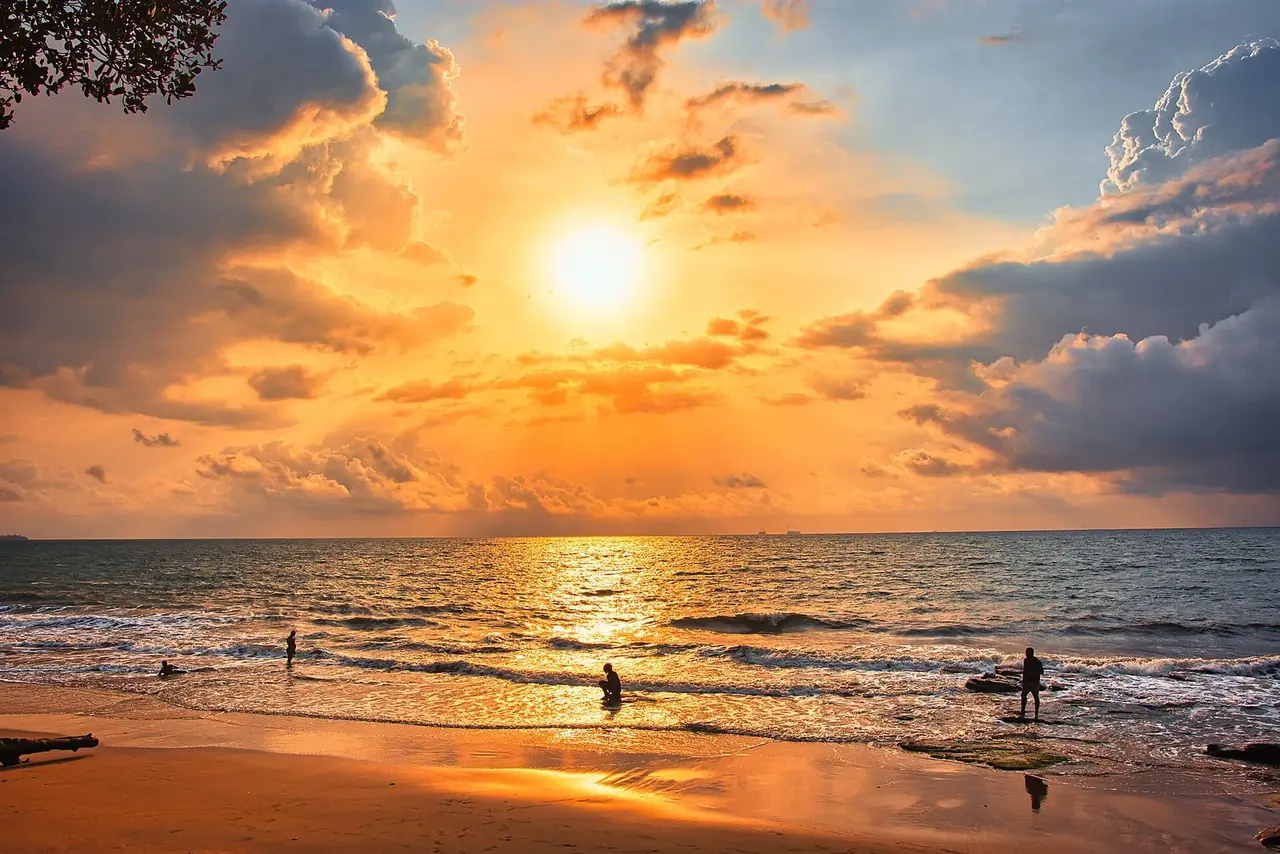
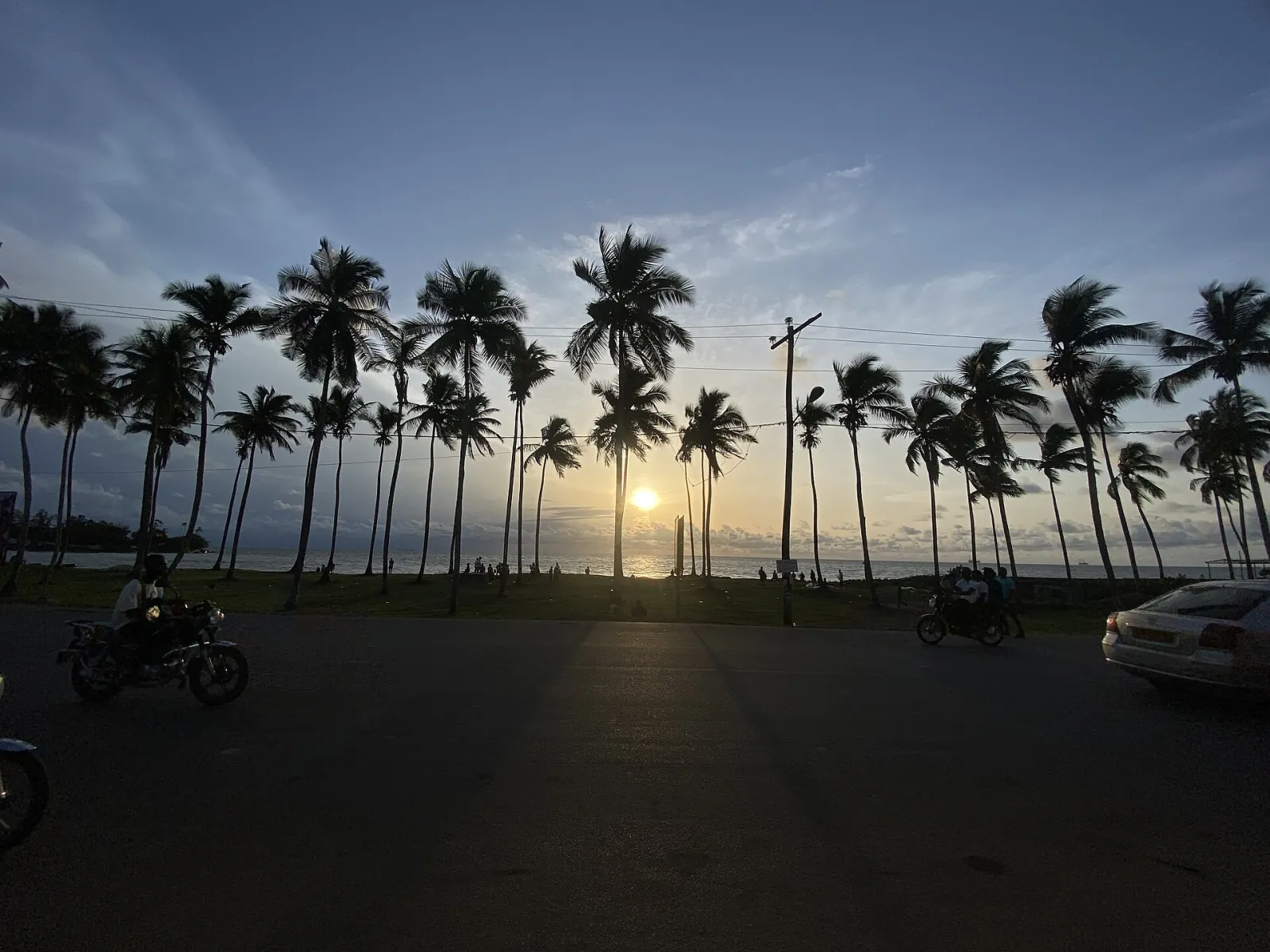
Coconut palms at sunset along the Kribi seafront

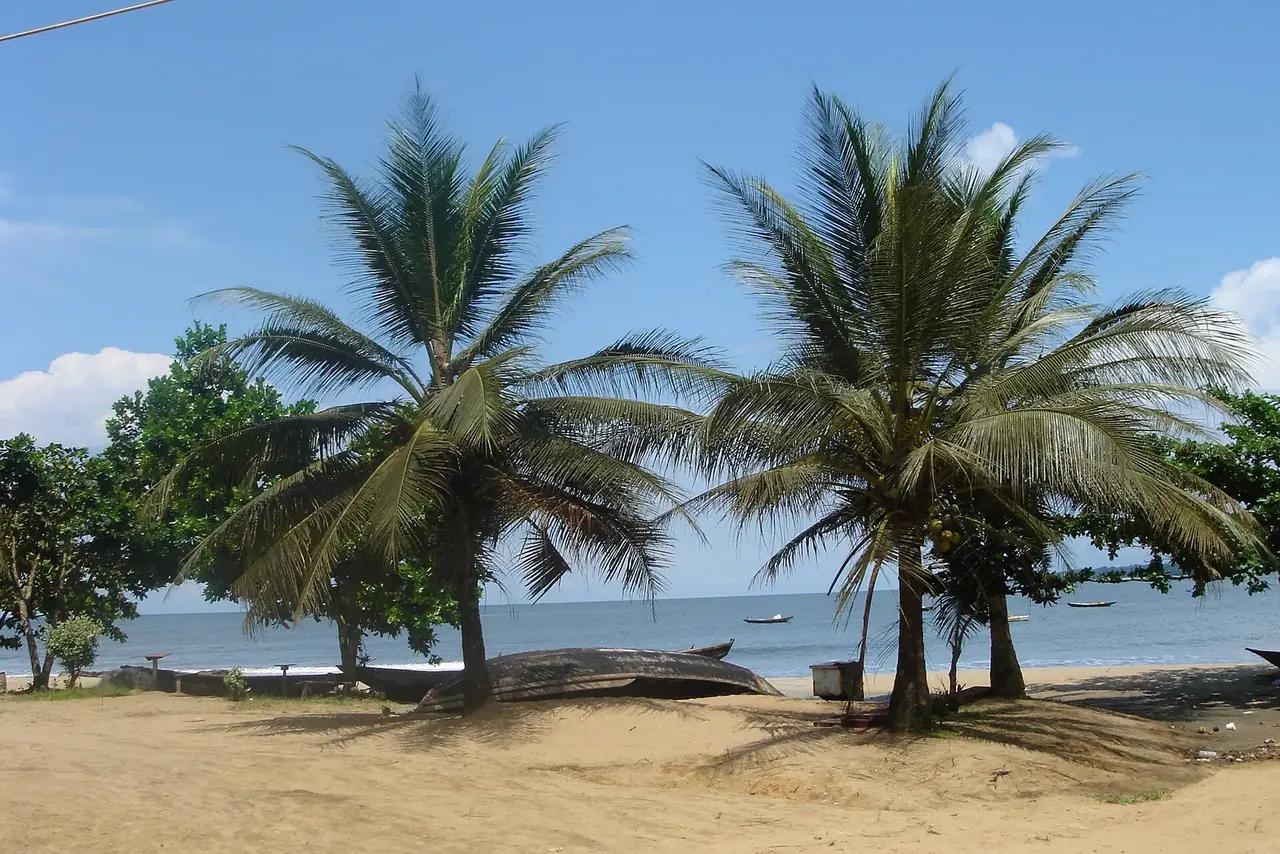
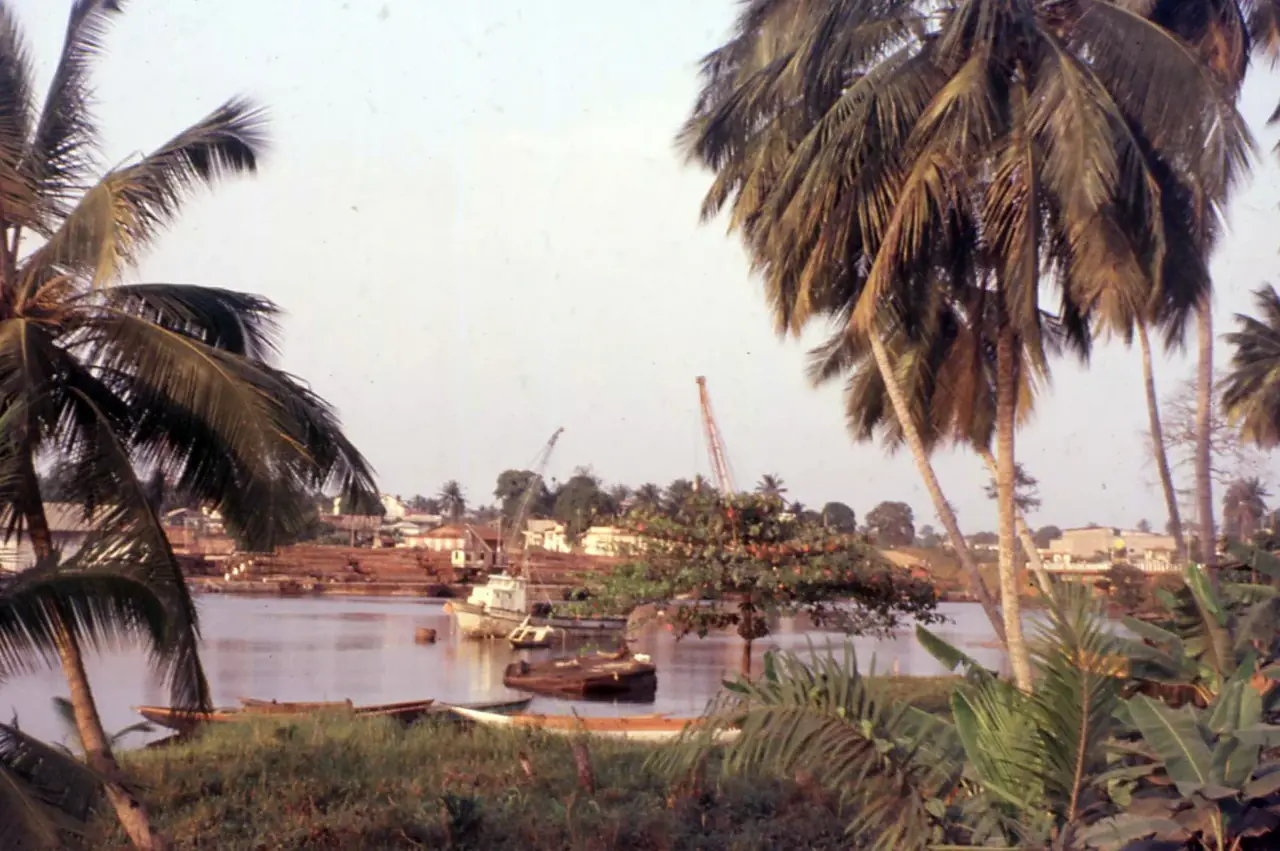
From the dense forest of the Mvila to the sandy beaches of Kribi, the South Region brings together four divisions: Mvila (Ebolowa), Dja-et-Lobo (Sangmélima), Vallée-du-Ntem (Ambam) and Océan (Kribi). This mosaic of landscapes is also a mosaic of peoples: Bulu, Fang, Ntumu, Mvae, Batanga, Yassa, Bagyéli, each with its own stories, instruments and festivals.

Every year, the “Ngul Be Mvamba” Patriarchs’ Days bring together family heads and notables around the memory of the clans, while the Bia So Mengong International Festival opens the stage to artists from the sub-region. This page presents the Regional Delegation, the sites, the festivals, the languages and the useful procedures in the South Region.

  • A Regional Delegation in Ebolowa
  • Festivals of memory and creation
  • Living Bantu languages: Bulu, Ewondo, Fang
The South delegation
Delegation

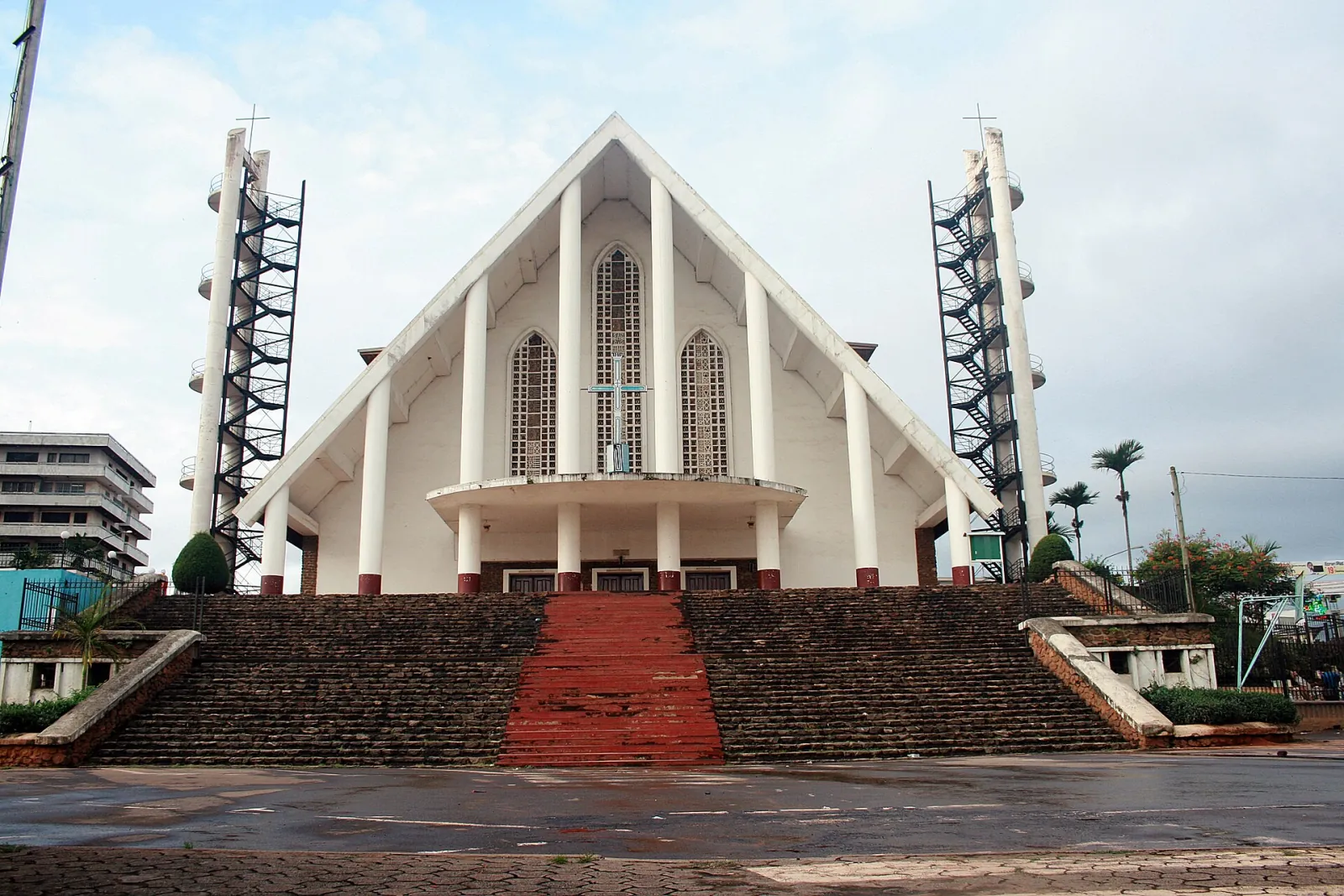
The Regional Delegation of Arts and Culture in Ebolowa

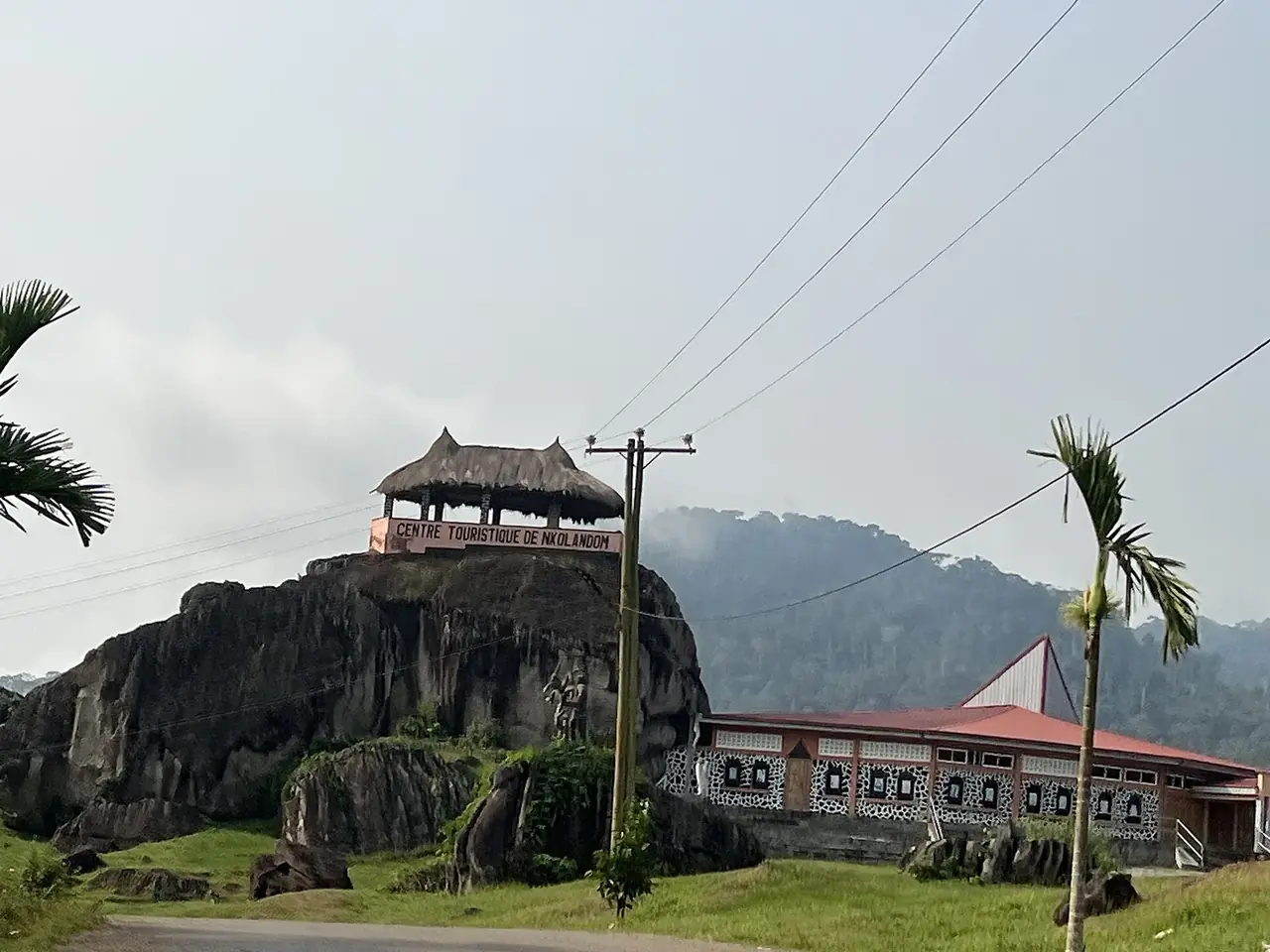
Rock and buildings in Ebolowa

The Ministry is present in the South Region through its Regional Delegation of Arts and Culture, based in the regional capital, Ebolowa, in the Mvila division. It is the first point of contact for artists, associations, traditional chiefs and event organisers living between Ambam, Sangmélima, Kribi and Campo. Its role is to bring cultural administration closer to those who keep culture alive on the ground.

A network on the ground

In a region where distances between divisions are long and some localities can be reached only by track, the delegation relies on intermediaries: heads of associations, notables, school principals, librarians. This network makes it possible, for example, to organise within a few days the visit of the mobile library to a village such as Mengong, from 17 to 20 July 2026, or the coordination of the closing of the Patriarchs’ Days in Essinguili.

The official contact details of all the delegations are on the Regional Delegations page; the Ministry switchboard (+237 6 51 70 58 41) will direct you if in doubt.

ℹ️
Submitting a file from the South

A file can be submitted at the Ebolowa delegation or online at the One-Stop Shop; tracking is done with the file number.

Sites and museums

Sites, museums and cultural landscapes of the South

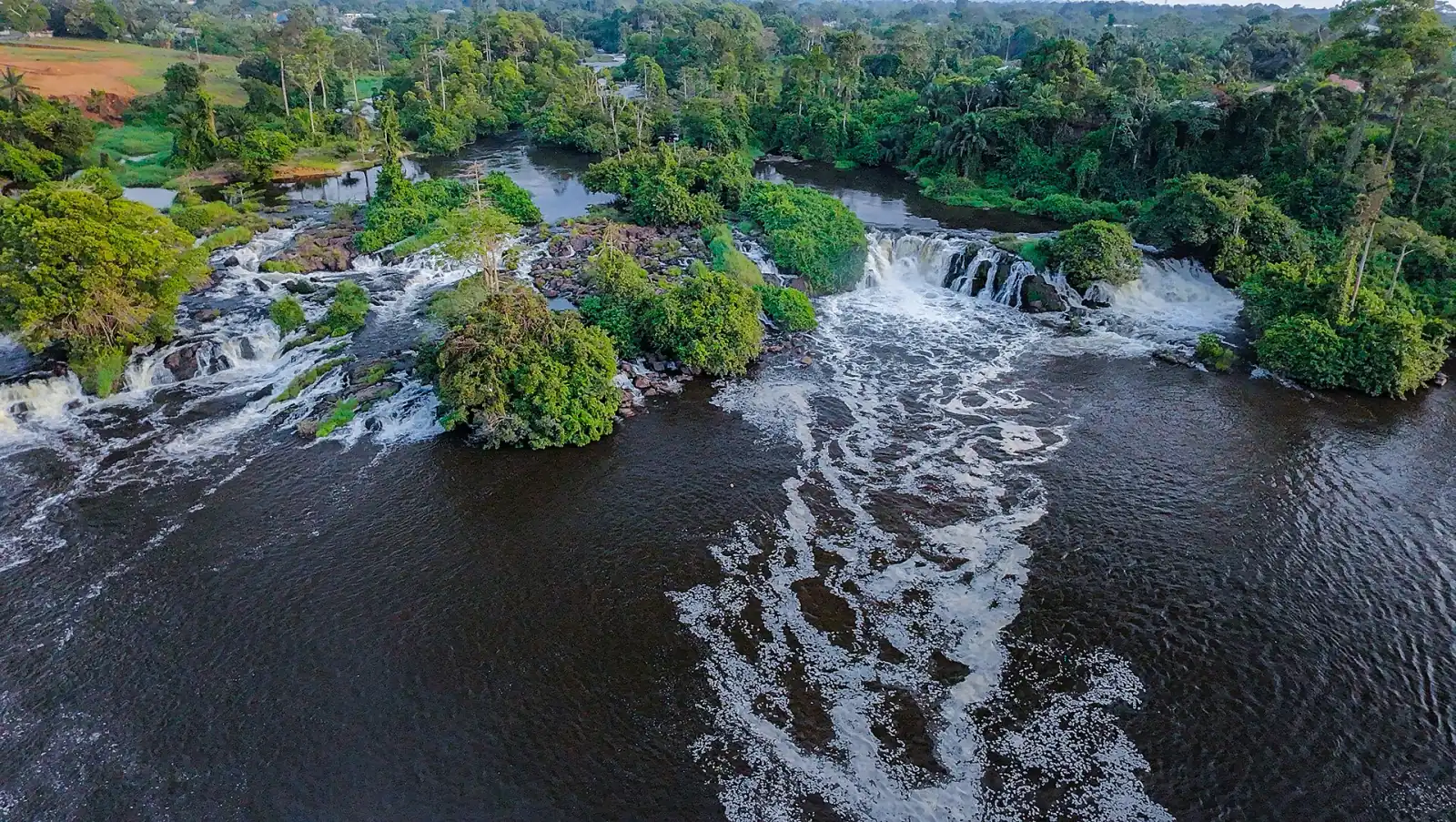
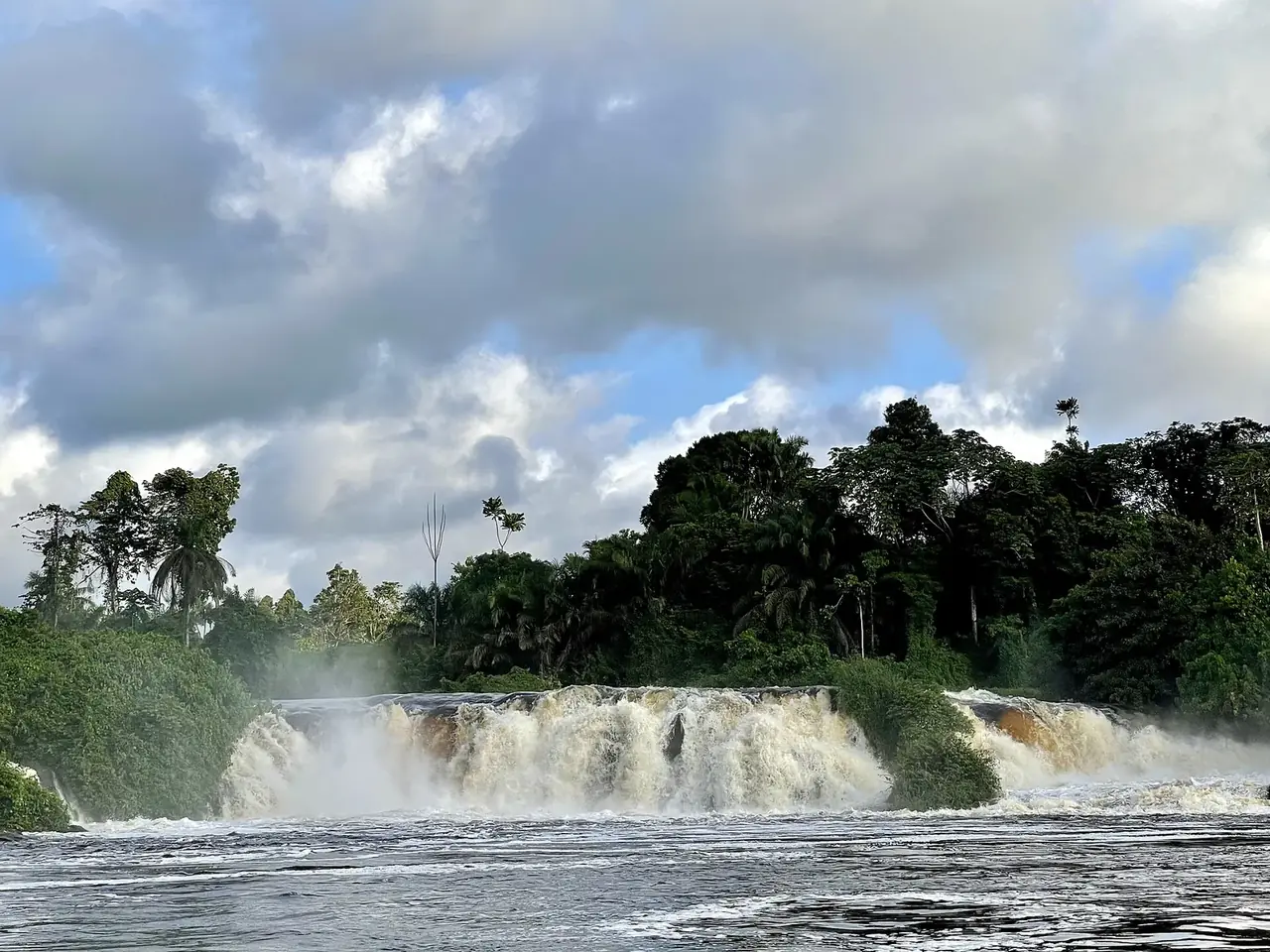
Aerial view of the Lobe falls and their wooded islets

The heritage of the South is first read in the landscape. The Dja forest, which the region shares with the East, is inscribed on the World Heritage List (see UNESCO sites); the Campo-Ma’an National Park, the Ntem estuary and the Lobé Falls, which plunge directly into the ocean near Kribi, make up a natural setting from which the riverside communities draw stories, taboos and ceremonies.

Built heritage and places of memory

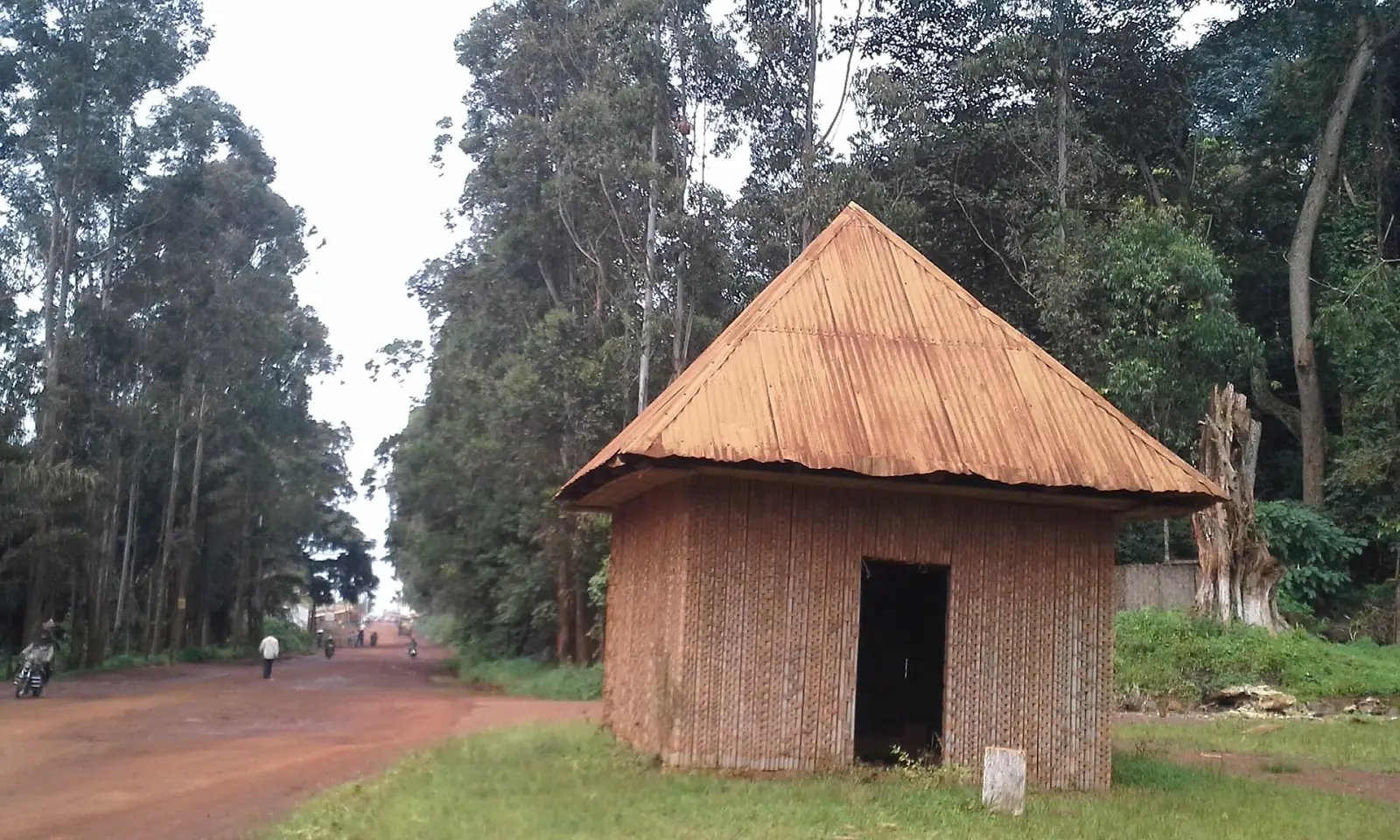
In Ebolowa as in Sangmélima, Ambam or Kribi, places of memory are often village squares, palaver huts (abaa among the Beti-Fang), clan cemeteries or sites linked to colonial history and the history of the port. The coast also bears traces of the Batanga fishermen and of exchanges with European navigators. The most important properties may be subject to listing and protection under the procedure described in Listing and protection.

Museums and collections

The region’s collections, ritual objects, musical instruments, agricultural and fishing tools, are kept by public institutions, parishes, families and associations. The national museums and the tangible heritage inventories serve as a reference for documenting these holdings, while the national inventory receives every object reported by communities.

To organise a visit, a class outing from the neighbouring school or a tourist circuit, consult the cultural routes and the cultural tourism page.

ℹ️
Reporting a site or an object

A site, an object or a practice that seems to you to be under threat can be reported through the Reporting page; the delegation passes it to the competent service.

Festivals

Festivals of the South: Ngul Be Mvamba and Bia So Mengong

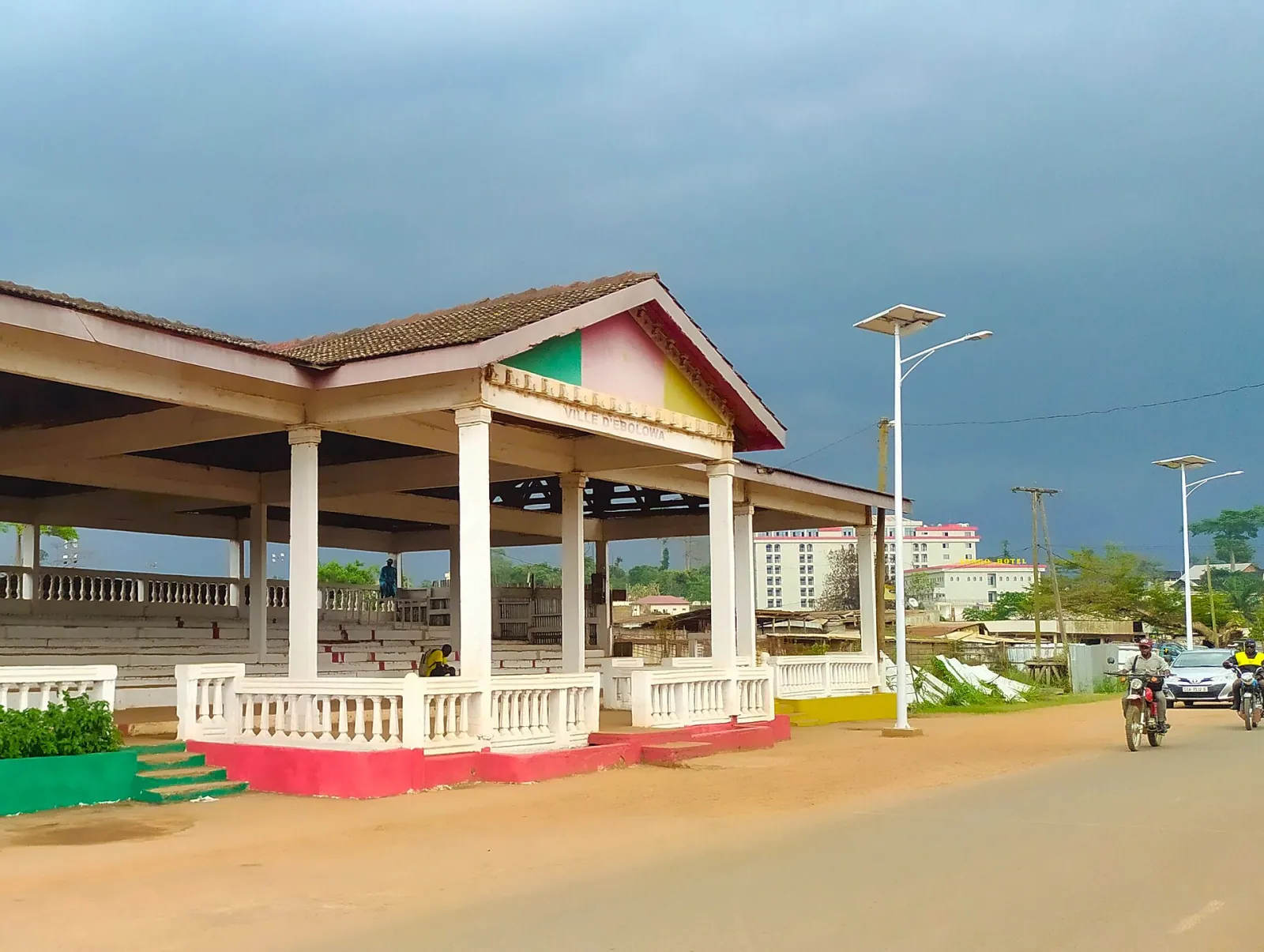
Pavilion of the Ebolowa festival square painted in the national colours

Two events give the South its place in the country’s cultural calendar. The “Ngul Be Mvamba” Patriarchs’ Days are devoted to the elders, family heads and guardians of tradition. The 2026 edition closed on 8 August in Essinguili, in the Ebolowa 2 subdivision, Mvila division: lectures on clan history, stories, evening sessions of tales and epics, tribute to the patriarchs and intergenerational meetings.

The Bia So Mengong International Festival

The Bia So Mengong International Festival addresses a wider audience: orchestras, storytellers, dancers, visual artists and craftspeople from the region and the sub-region meet there. It takes place in Mengong, where the Ministry’s mobile library was also hosted from 17 to 20 July 2026: public reading, writing workshops for schoolchildren, book lending and activities around tales.

Dances, mvet and music

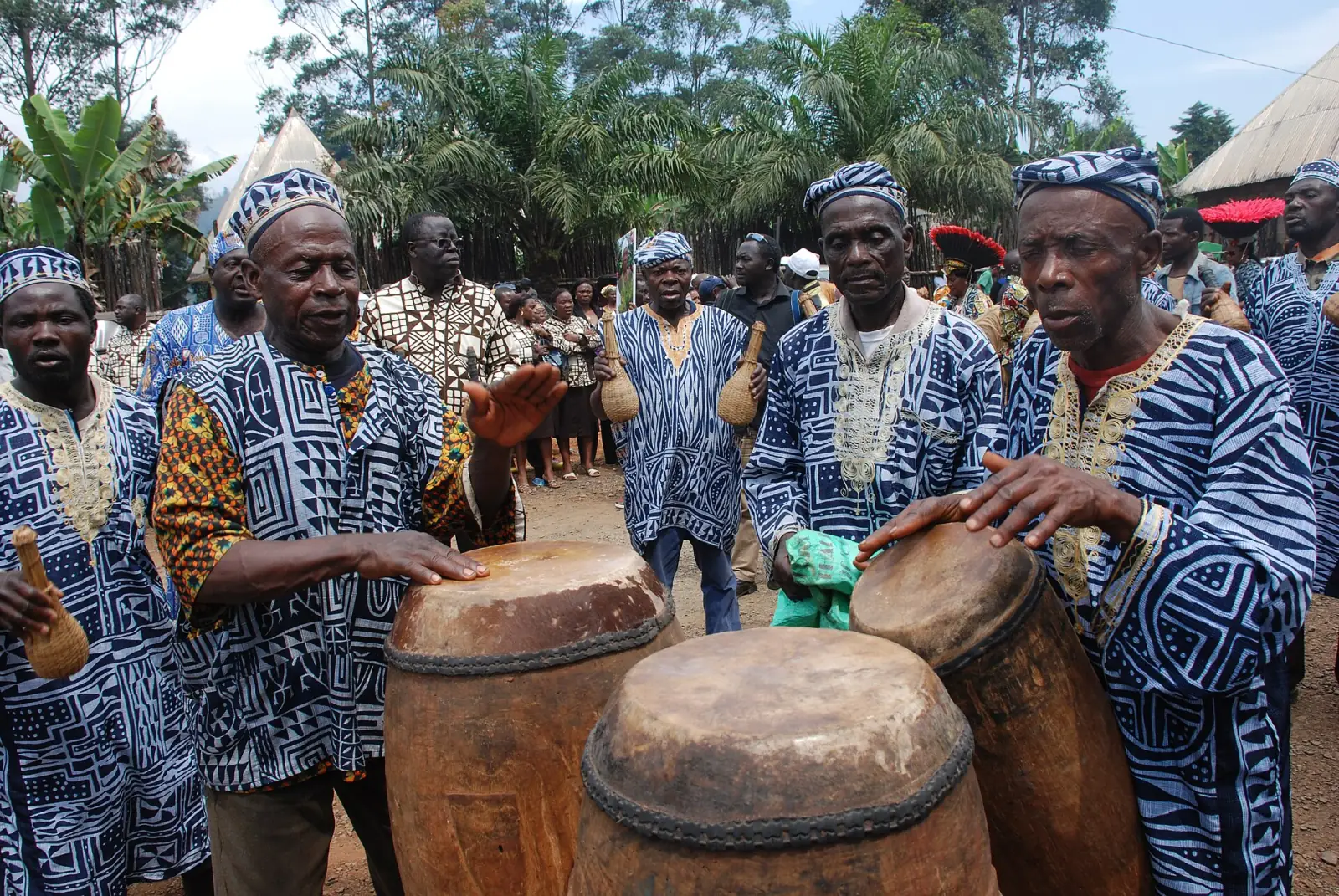
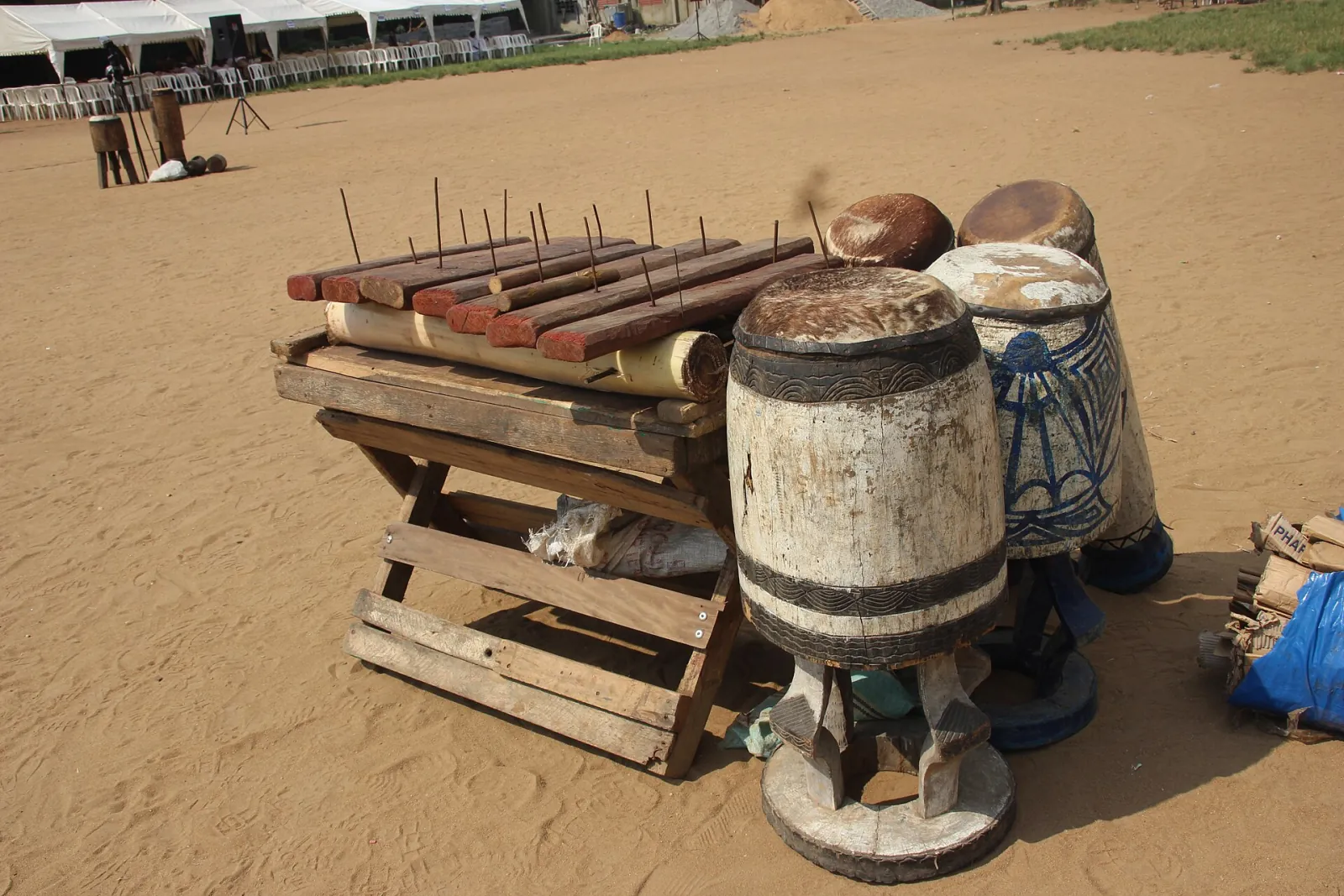
The festivals of the South present the mvet, the harp-zither of the Fang and the Beti that reciters accompany in the great epics, the ngombi harp, talking drums and the canoe songs of the coast. The dances (bikutsi on the Centre-South line, evening circle dances, dances of the coastal fishermen) sit alongside contemporary creations. To find out more, see Music, Dance and Oral traditions.

The national calendar and the cultural agenda announce the dates; organisers will find the procedures at Organising a festival.

ℹ️
Taking part as an artist

Artists who wish to perform at Bia So Mengong can write to the Ebolowa delegation with a short presentation and a video link, or consult the calls for projects.

Languages

Languages of the South: Bulu, Fang, Ewondo and their neighbours

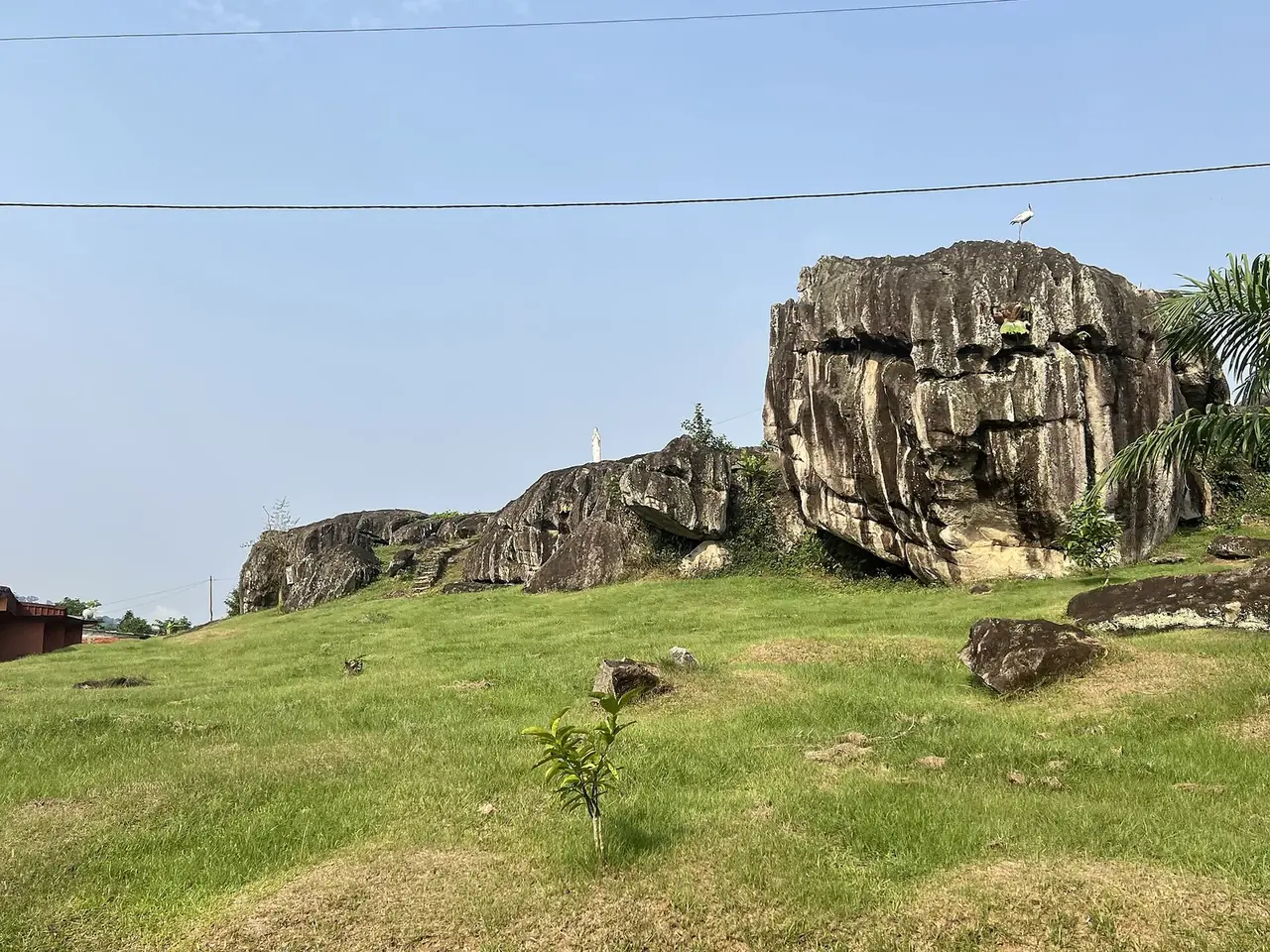
Ebolowa rock in the South region

The South Region is the heart of the so-called “Beti-Fang” language group, a set of closely related and largely mutually intelligible Bantu languages: Bulu (spoken around Ebolowa and Sangmélima), Fang and Ntumu (Vallée-du-Ntem and the border with Gabon and Equatorial Guinea), and Ewondo, which came from the Centre and is very present in the towns. Alongside them live languages of the coast such as Batanga and Yassa, languages of the south-west of the Ntem such as Kwasio, as well as the speech of the Bagyéli, a forest people.

Writing and teaching

Most of these languages have a standardised script and a tradition of Bible translation and educational texts. Their place in schools is still being built: pilot classes, mother-tongue literacy courses and association workshops have proved their worth. General references are gathered in Linguistic heritage and National languages.

Languages carried by speech

Proverbs, riddles, tortoise and elephant tales, genealogies recited by the elders: orality is the library of the South. Recording these words with the agreement of their custodians is one of the objectives of the national inventory.

French is the language of administration; Pidgin English and English are less widespread than in the West, but present in cross-border trade. Schools and libraries play a key role in transmission.

Step by step

Submitting a cultural file from the South

Get information

Contact the Ebolowa delegation or the Ministry switchboard to find out which procedure matches your project and which documents to prepare.

Gather the documents

Prepare proof of identity, the association’s statutes, programme, venue and dates; the Forms page lists the documents for each procedure.

Deposit

Hand the file to the delegation or enter it online through the One-Stop Shop; an acknowledgement of receipt is issued with a file number.

Follow the review

Check progress with your number; the delegation may contact you to complete a document.

Receive the decision

The decision is notified to you by e-mail or at the delegation, with any conditions.

To act

Useful procedures in the South

Festival authorisation

Before announcing a festival in Ebolowa, Sangmélima or Kribi, submit your application for authorisation to the delegation.

Apply

Artist card

Mvet players, dancers, visual artists: have your professional status recognised.

Apply for the card

Event grant

Organising associations may request support for their festival or cultural days.

See the grants

Reporting

A threatened cultural property, a looted site, an endangered practice: alert the Ministry.

Report
Key facts

The South Region at a glance

DivisionRegional capitalMain peoples and languagesCultural assets
MvilaEbolowaBulu; Bulu, EwondoRegional Delegation, Patriarchs’ Days, palaver huts
Dja-et-LoboSangmélimaBulu, Fang, Zaman; Bulu, FangTales and epics, edge of the Dja forest
Vallée-du-NtemAmbamNtumu, Fang; Ntumu, FangMvet, border with Gabon and Equatorial Guinea
OcéanKribiBatanga, Yassa, Mabi, Bagyéli; Batanga, YassaLobé Falls, fishing, beach, port
Campo and Ma’anCampo, Ma’anKwasio, BagyéliCampo-Ma’an National Park, coastal forest
MengongMengongMvila communitiesBia So Mengong Festival, mobile library stop
To download

Resources for the South

“When an elder dies, it is said, a library burns down: the Patriarchs’ Days exist so that nothing is lost to the flames.”

A notable of the Mvila
Glossary

Words of the South

Ngul Be Mvamba

Patriarchs’ Days of the South, dedicated to the memory of the clans and the words of the elders.

Bia So Mengong

International festival held in Mengong, bringing together artists from the region and the sub-region.

Mvet

String instrument of the Fang and Beti that accompanies the recitation of epics.

Ngombi

Traditional arched harp, associated with ceremonies and vigil songs.

Abaa

Palaver hut where the men of the village gather to debate and receive guests.

Beti-Fang

Group of related Bantu peoples, including the Boulou, Fang, Ntumu and Ewondo.

Bagyéli

People of the southern coastal forest, hunter-gatherers and keepers of polyphonic songs.

Mobile library

Travelling library that brings books and activities to remote localities.

Patriarch

Elder of a recognised family or clan, keeper of genealogy and tradition.

Regional capital

Main town of a region: Ebolowa for the South.

Subdivision

Subdivision of a division, such as Ebolowa 2 in the Mvila.

Journey

The South throughout 2026

July 2026Mobile library in Mengong

From 17 to 20 July, the Ministry’s mobile library sets up in Mengong: public reading, book lending and workshops for the village children.

July 2026Bia So Mengong International Festival

Orchestras, storytellers and craftspeople from the region and the sub-region gather for several days of performances and encounters.

8 August 2026Closing of Ngul Be Mvamba

The Patriarchs’ Days end at Essinguili, Ebolowa 2 subdivision, Mvila division, in front of families and notables.

Autumn 2026Lessons learned

The delegation brings together organisers and partners to prepare the agenda for the next season and gather the needs of communities.

2027New editions

The events of the 2027 season are announced in the national calendar, with calls for artists open from the start of the year.

On the site

Continue your journey in the South

Resources

Useful links for the South Region

Stakeholders

Who supports culture in the South?

To explore

The South in the other sections

Voices of the South

What the stakeholders of the South say

“
The mobile library set up its shelves in the shade of the school: in three days, the children borrowed more books than in a whole year.
A school headteacher, Mengong
Mvila
“
For the first time, the palaver hut welcomed young people who came to record the elders’ stories; speech is once again flowing between the generations.
A group head, Essinguili
Ebolowa 2
“
We blend the song of the Batanga fishermen with contemporary writing; the delegation helped us obtain authorisation for our show.
A troupe director, Kribi
Océan
“
My mvet comes from my uncle; at the festival, I met players from all over the sub-region and we exchanged our ways of reciting.
A mvet player, Ambam
Vallée-du-Ntem
Questions

Your questions about culture in the South

Where do I submit my cultural file in the South Region?

At the regional delegation of arts and culture in Ebolowa, or online through the One-Stop Shop. In both cases, you are given a file number: it allows you to follow the processing step by step without having to travel.

What are the “Ngul Be Mvamba” Patriarchs’ Days?

They are days devoted to the elders and the keepers of tradition, with talks, storytelling, vigils and tributes. The 2026 edition closed on 8 August at Essinguili, in the Ebolowa 2 subdivision, Mvila division.

Where is the Bia So Mengong International Festival held?

In Mengong, a locality in the region, where the Ministry’s mobile library also stopped from 17 to 20 July 2026. The dates of each edition are published in the national festival calendar and in the cultural agenda.

How can I take part as an artist in a festival in the South?

Write to the delegation with your presentation, a video and your technical requirements, or respond to the calls for projects published on the site. Organisers draw up their programme from these files and from invitations by communities.

How can I have a story, song or dance from my family recorded?

Report it to the delegation, which will give you the inventory form. Recordings are made only with the agreement of the custodians, and their use is governed by a collection charter available online.

Will the mobile library visit my village?

Tours are decided with the delegation, depending on the condition of the tracks, the welcome offered by the school or town hall and the number of readers expected. Write to the delegation to propose your locality.

Can the region’s cultural sites be visited?

Yes, most natural sites and places of memory are accessible. For places managed by a community, first contact the responsible notable, respect local customs and ask for permission before taking photographs.

Which languages are spoken in the South?

Bulu, Fang, Ntumu and Ewondo dominate inland; Batanga, Yassa and Kwasio are spoken on the coast; the Bagyéli have their own languages. French is the language of administration.

Contact

Write to the Ministry: South

Specify your region and your request.

Ministry

Contact the Ministry from the South

Address

Ministry of Arts and Culture
Quartier du Lac – Ministerial Zone
P.O. Box 1053 Yaoundé, Centre Region, Cameroon

Reach us

+237 6 51 70 58 41

contact@minac.gov.cm

Opening hours

Monday to Friday, 8 am to 4 pm

A project idea in the South?

Submit your file online or at the Ebolowa delegation and track it with your number.

Open the One-Stop Shop
WhatsApp