Coat of arms of CameroonMinistry of Arts
and Culture
Republic of Cameroon
My procedures
Home
Minister’s message
News
Press releases
Cultural calendar
Official speeches
Press review
Photo library
Video library
Calls for projects
Job vacancies
Public procurement
Newsletter
Frequently asked questions
Site map
Contact
Press area
Podcast “The Voice of Culture”
Legal notices
Privacy policy
Cookies and trackers
The Ministry
Missions and responsibilities
Organisation
Organisation chart
Minister’s Office (Cabinet)
Management team
General Secretariat
General Inspectorate
Central directorates
Regional Delegations
Institutions under supervision
Legislative texts
Regulatory texts
Sector strategy
Major projects
Budget and reports
Partners
Careers
Archives
Institutional communication
Quality and accessibility
Arts
Visual and plastic arts
Visual arts
Performing arts
Theatre
Dance
Music
Literature and books
Cinema and audiovisual
Photography
Fashion and design
Digital arts
Art crafts
Artists’ directory
Residencies
Prizes and awards
Arts education
Urban arts
Heritage
Tangible heritage
Intangible heritage
UNESCO sites
National museums
Listed monuments
National inventory
Palaces and chiefdoms
Archaeology
Linguistic heritage
Oral traditions
Traditional know-how
Restitution of cultural property
Fight against illicit trafficking
Listing and protection
Conservation and restoration
Heritage Days
Cultural landscapes
Industries
Music and recording
Cinema
Publishing and books
Digital arts
Fashion and creativity
Crafts
Cultural tourism
Funding for culture
Support funds
Incubators
Cultural entrepreneurship
Culture Observatory
Vocational training
Studies and reports
Sector statistics
Export and outreach
Intellectual property
Copyright
Legal framework
Copyright and neighbouring rights
Collective management societies
Register a work
Licences
Private copying
Fight against piracy
Model contracts
Social status of artists
Mediation
Disputes
Training
Fee scales
Register of works
Contact
Digital neighbouring rights
Public domain
Festivals
National calendar
Ngondo
Nguon
Écrans Noirs
Heritage Days
Music Day
Regional festivals
Fairs and exhibitions
Biennials
National competitions
Cultural days
Organise a festival
Event grants
Ticketing
Archives
Volunteering
Diaspora festivals
Regions
Adamawa
Centre
East
Far North
Littoral
North
North-West
West
South
South-West
Cultural map
Regional Delegations
Traditional chiefdoms
National languages
Cultural routes
Decentralised cooperation
Regional observatory
Cooperation
UNESCO
Francophonie (OIF)
African Union
Commonwealth
CEMAC
Bilateral cooperation
Cultural agreements
Professional organisations
Scholarships
Artist exchanges
Cultural years
Diaspora
Funded projects
Embassies
Technical partners
International restitution
International monitoring and calls
Services
Artist card
Show authorisation
Filming authorisation
Festival authorisation
Deposit of a work
Export of works of art
Listing of a property
Grant application
Association accreditation
File tracking
Forms
Fees
Opening hours and addresses
Reporting
Online help
My account
One-Stop Shop
Heritage

Archaeology

Excavations, authorisations, collections and chance finds: the rules, procedures and actions to know in order to research, protect and share the archaeological heritage of Cameroon, from the law of 18 April 2013 to practical procedures.

Updated on 6 November 20264 sub-pages
Excavation authorisationJoint: scientific research and heritage
Major construction projectsPrior assessment and test pits
Property discovered during excavationsProperty of the State
Legal frameworkLaw No. 2013/003 of 18 April 2013
Excavate

Reading the ground to understand history

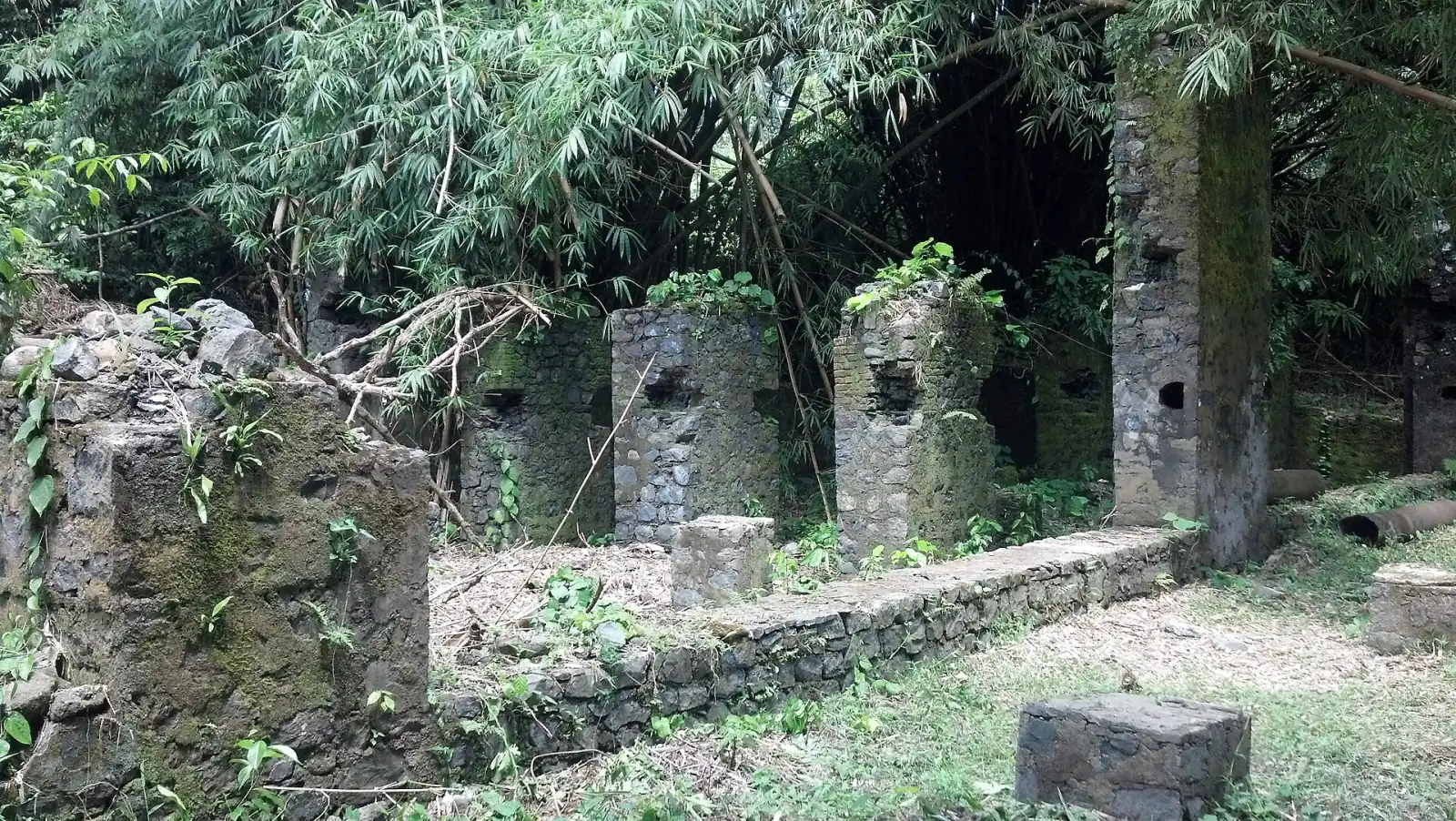
Ruins of the former slave port of Bimbia amid vegetation

Beneath the plateaux, in rock shelters, on the shores of lakes and along rivers, Cameroonian soil preserves traces of thousands of years of human occupation: stone tools, pottery, forge furnaces, burials, rock paintings and engravings. Archaeology makes these traces legible and draws from them a history that writing and oral memory cannot always fully illuminate.

The law of 18 April 2013 governing cultural heritage organises this discipline: excavations subject to authorisation, assessments before major construction projects, and public ownership of the property discovered. This page sets out the rules, the procedures, the fate of collections and what to do if you find an ancient object, whether you are a researcher, a contractor, a farmer or a community leader.

  • Excavations reserved for approved and authorised teams
  • Archaeological assessments before major construction projects
  • Chance finds to be reported without delay
Understanding excavations
Excavations

Archaeological excavations: what the law says

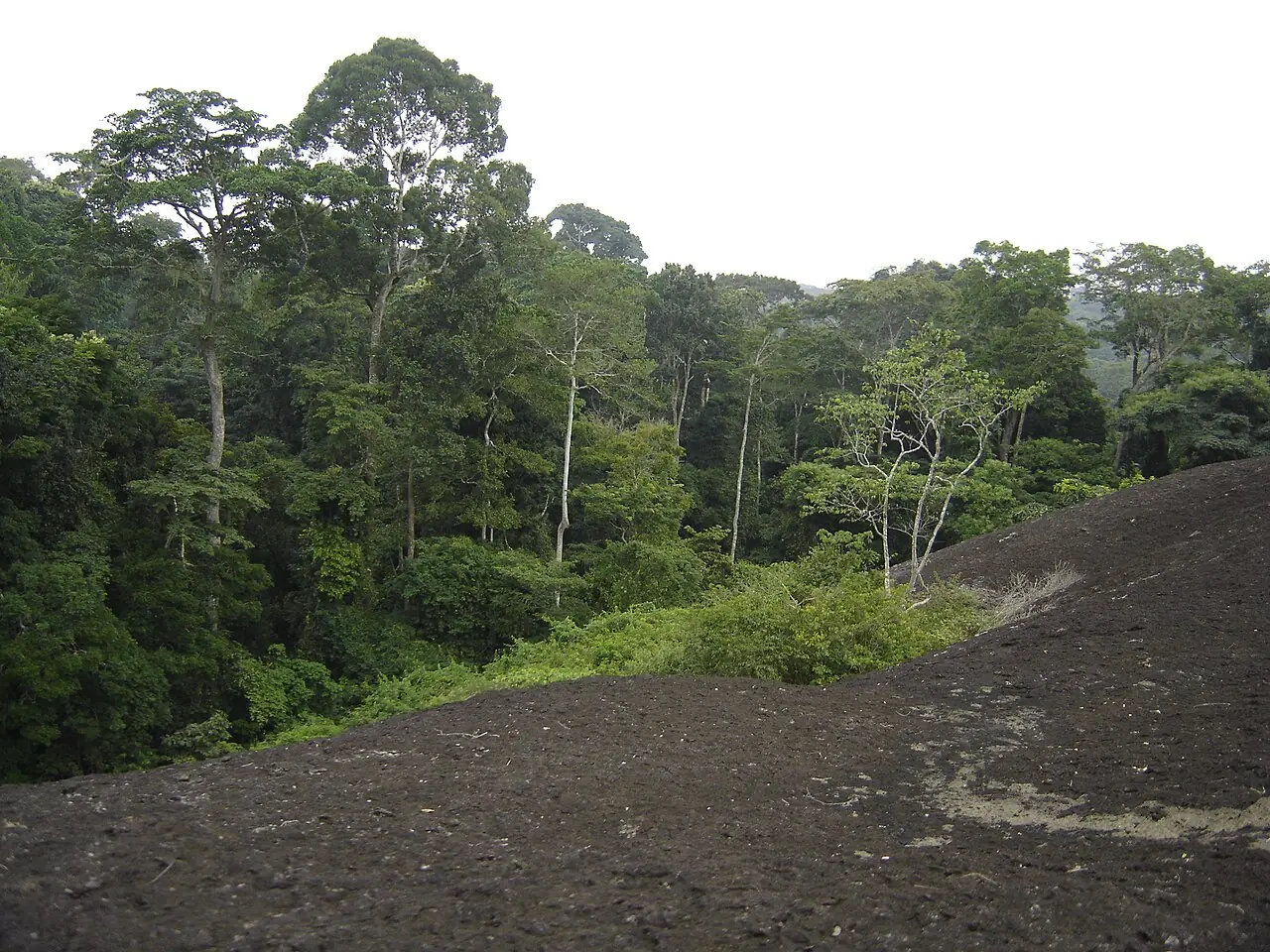
Black rock slab and dense forest in the Dja Faunal Reserve

An excavation is a scientific operation that unearths remains while recording their position precisely: once the soil is moved, the context is destroyed, hence the requirement for method. The law on cultural heritage therefore strictly regulates any intervention, whether on land or underwater, and whether it concerns prehistory, archaeology, palaeontology or other branches of the historical, human or natural sciences.

Who may excavate?

Only scientific institutions or approved researchers whose skills are recognised and who have the necessary financial means may be authorised. An amateur, a collector or a company may neither survey nor excavate on its own initiative.

Survey, prospecting, excavation

Prospecting consists of walking over a plot of land to identify surface indications; test-pitting opens small trenches to determine the thickness and age of the layers; excavation methodically uncovers a site. All three operations are subject to authorisation, because all of them can alter a site.

Listed sites and clandestine excavations

Excavating a listed site, or one proposed for listing, without authorisation is punishable, and penalties are doubled in the event of the destruction of a recognised archaeological site. Clandestine excavations also fuel illicit trafficking, which is addressed on the page combating illicit trafficking. For the legal protection of sites, see listing and protection.

ℹ️
Good to know

Listed property is divided into three classes of protection. The most precious items may not be reproduced, sold or exported without special authorisation from the Minister responsible for cultural heritage.

Authorisations

Research authorisations: conditions and procedure

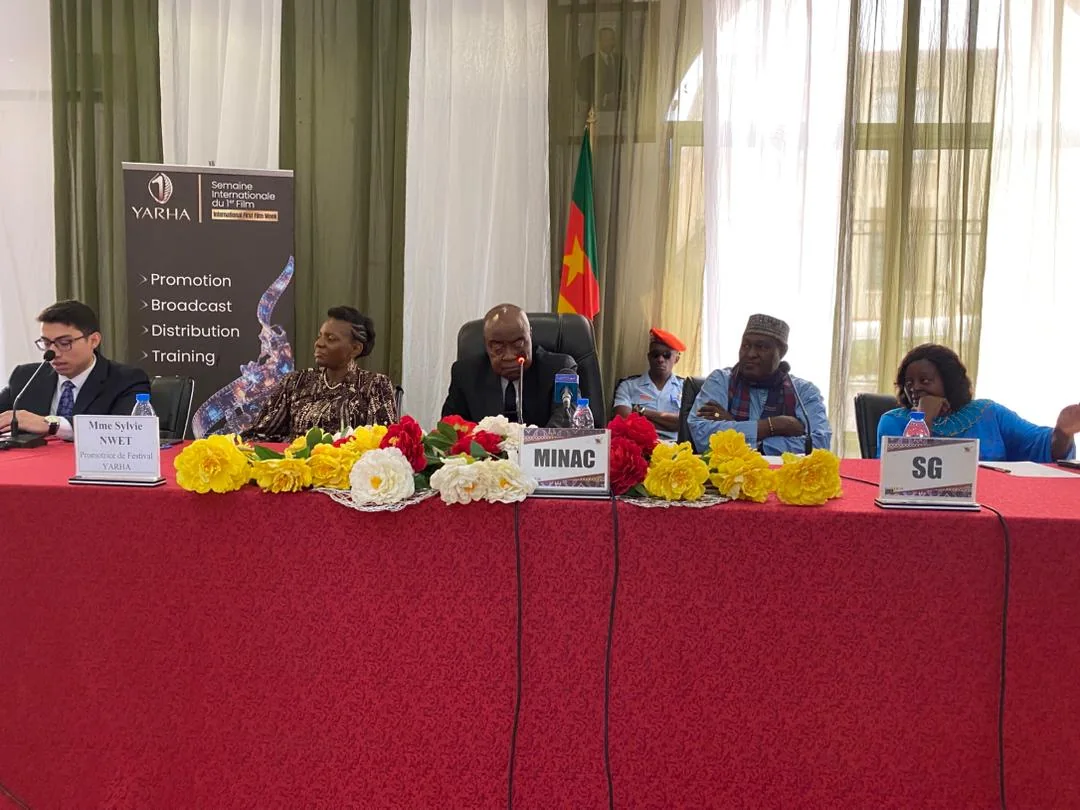
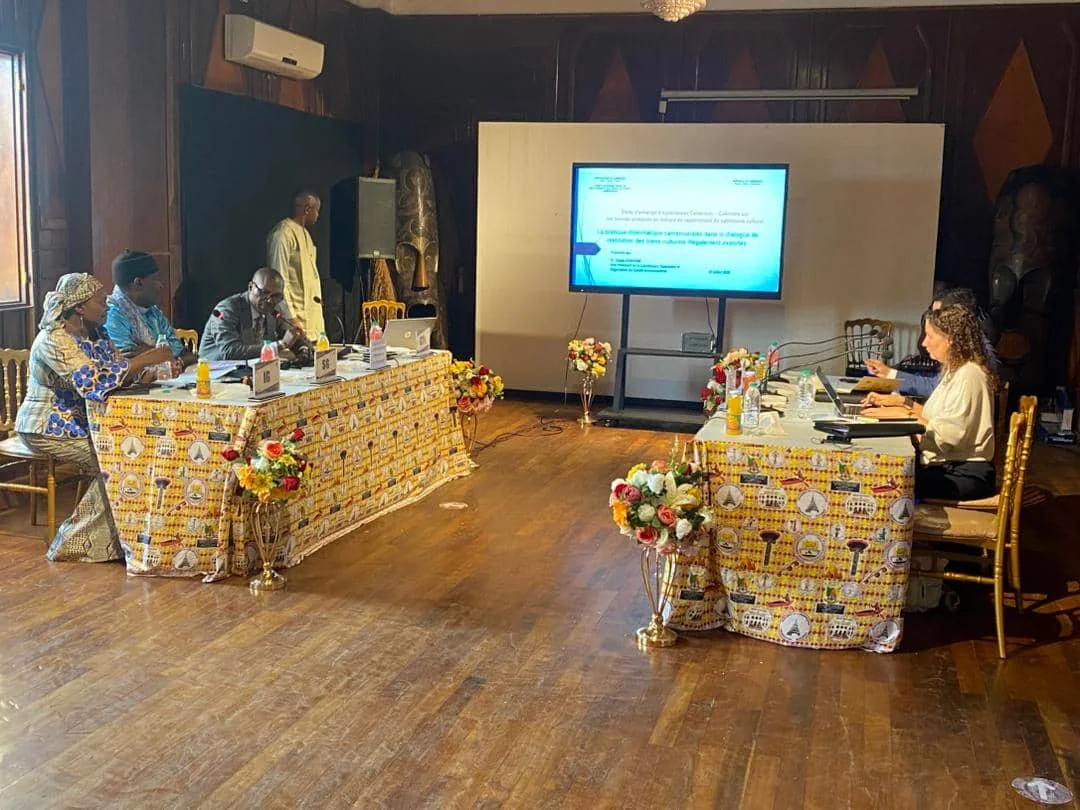
Ministry working meeting around a flower-decked table

No one may carry out test pits or excavations without first obtaining the joint authorisation of the Minister responsible for scientific research and the Minister responsible for cultural heritage. This double signature guarantees both the scientific quality of the project and the protection of heritage.

Foreign researchers

The issue of authorisation to a foreign scientific institution or researcher is subject to proof that national institutions and researchers are involved in the work. In practice, a foreign team submits an agreement with a Cameroonian university or institute, names the students and researchers involved and provides for skills transfer: field training, co-supervision of dissertations and joint publication.

Contents of a file

  • the scientific project: research question, methods, duration, fieldwork schedule;
  • presentation of the team and partner institutions;
  • the precise location of the site and the consent of the traditional authorities and landowners;
  • the plan for conserving the objects and depositing them in a national institution;
  • the budget and proof of financial means.

Rights and obligations of the archaeologist

The conditions of authorisation, as well as the rights and obligations of the archaeologist, are determined by joint order of the two ministers. The file is prepared with the directorate of heritage; see also the regulatory texts, the One-Stop Shop and the page listing of a property.

Collections

Collections: ownership, conservation and access

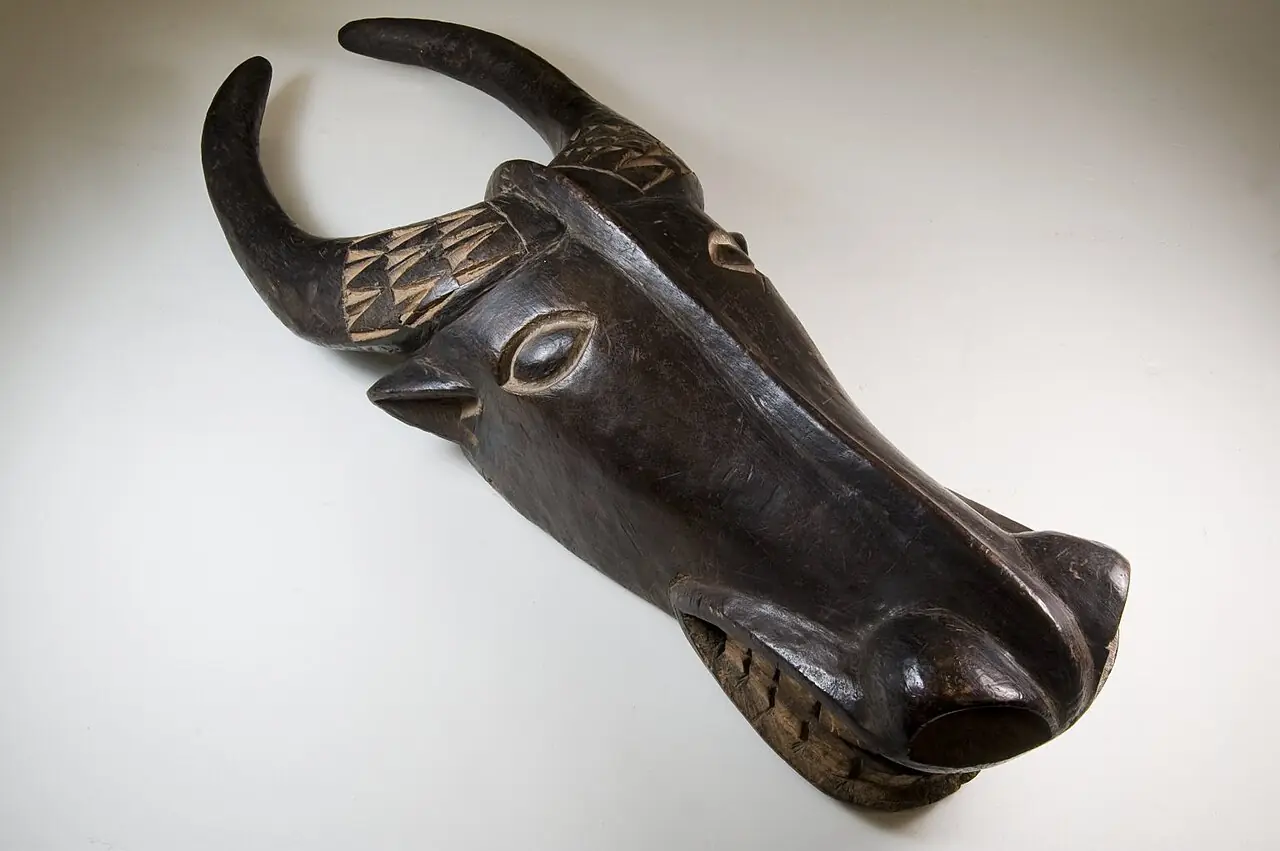
Carved wooden buffalo-head mask with horns

Cultural property discovered on the ground, in the subsoil or in inland and territorial waters during excavations and archaeological missions belongs to the State and public bodies. This rule protects the common heritage against dispersal and ensures that every discovery benefits everyone’s knowledge.

From excavation to deposit

At the end of a campaign, the finds are washed, marked, described and photographed, then inventoried. Each object receives a number linking it to its site, its layer and its date of discovery. The whole is deposited in a national institution (museum, laboratory or archaeological repository) that ensures its conservation; see national museums and conservation and restoration.

Study, exhibit, lend

Researchers have access to the collections with authorisation. Exhibitions showcase the objects to the public and schools. A listed property may be neither modified nor exported; only temporary export authorisations may be granted for an exhibition or study abroad, under the responsibility of the Minister responsible for cultural heritage (export of works of art).

Chance finds

Chance finds: the right reflex

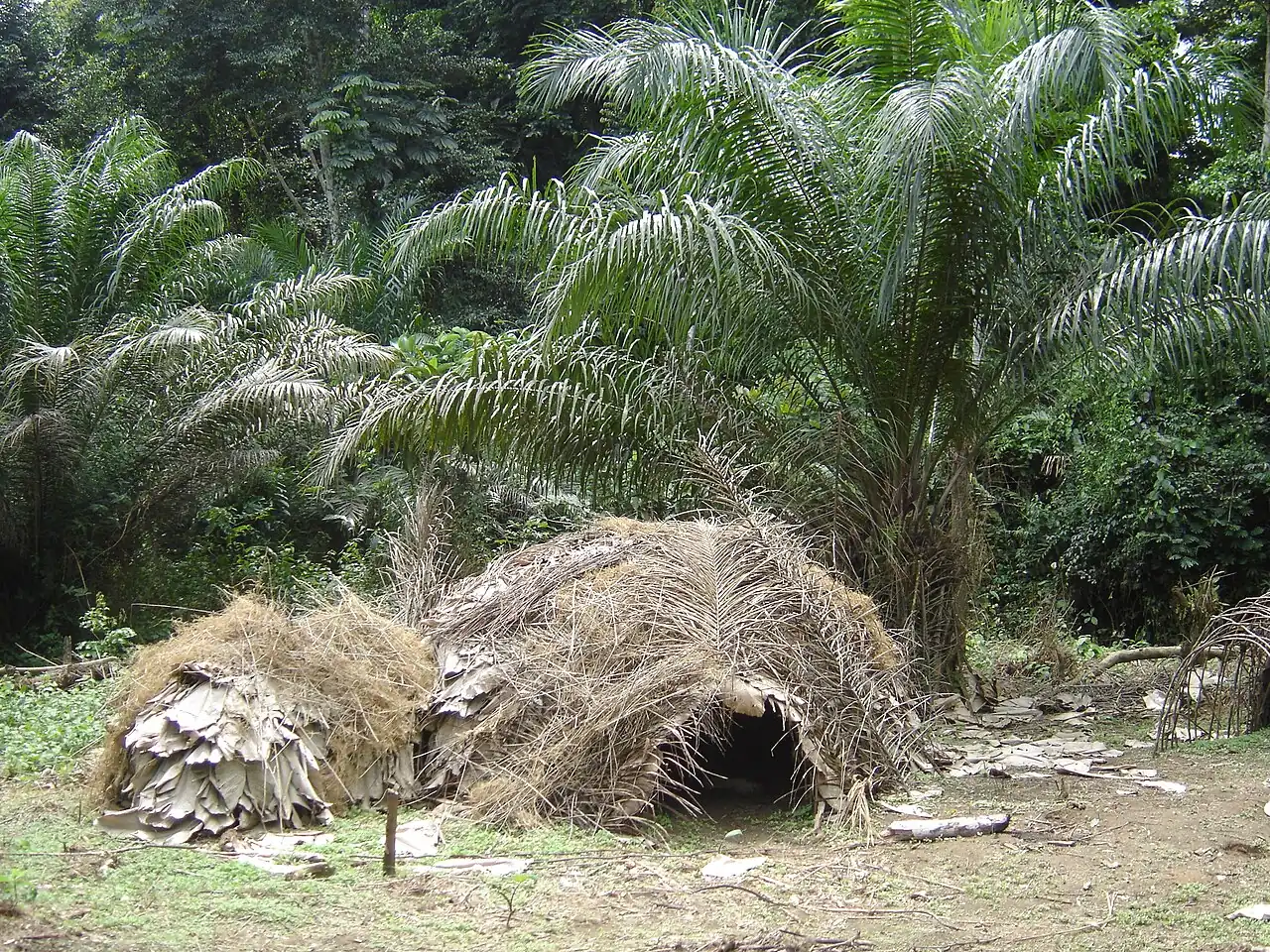
Leaf hut at the edge of the Dja forest

A farmer turning over a plot, an earthmoving crew, a villager digging a well, a diver: the discovery of ancient pottery, stone tools, bones, metal pieces or buried structures happens more often than one might think. Archaeological heritage expressly includes objects resulting from chance finds.

What to do

  1. Stop work in the area and do not continue digging.
  2. Do not move anything and do not clean the objects: their position provides valuable information.
  3. Photograph the find with a scale reference and note the exact location.
  4. Inform the regional delegation or the Ministry immediately, using the report form.
  5. Protect the spot without developing it: tarpaulin, simple markings, discreet surveillance.

What happens next

An officer visits the site, assesses the interest of the find and decides on measures: continuing works under supervision, a control test pit or a rescue excavation by an authorised team. The regional delegations provide first contact. Keeping a found object, selling it or taking it out of the country exposes you to prosecution; see the page illicit trafficking.

ℹ️
Reporting means protecting

Reporting is free and confidential. It protects the finder, the community and knowledge of the past.

Major construction projects

Major construction projects: archaeology before works

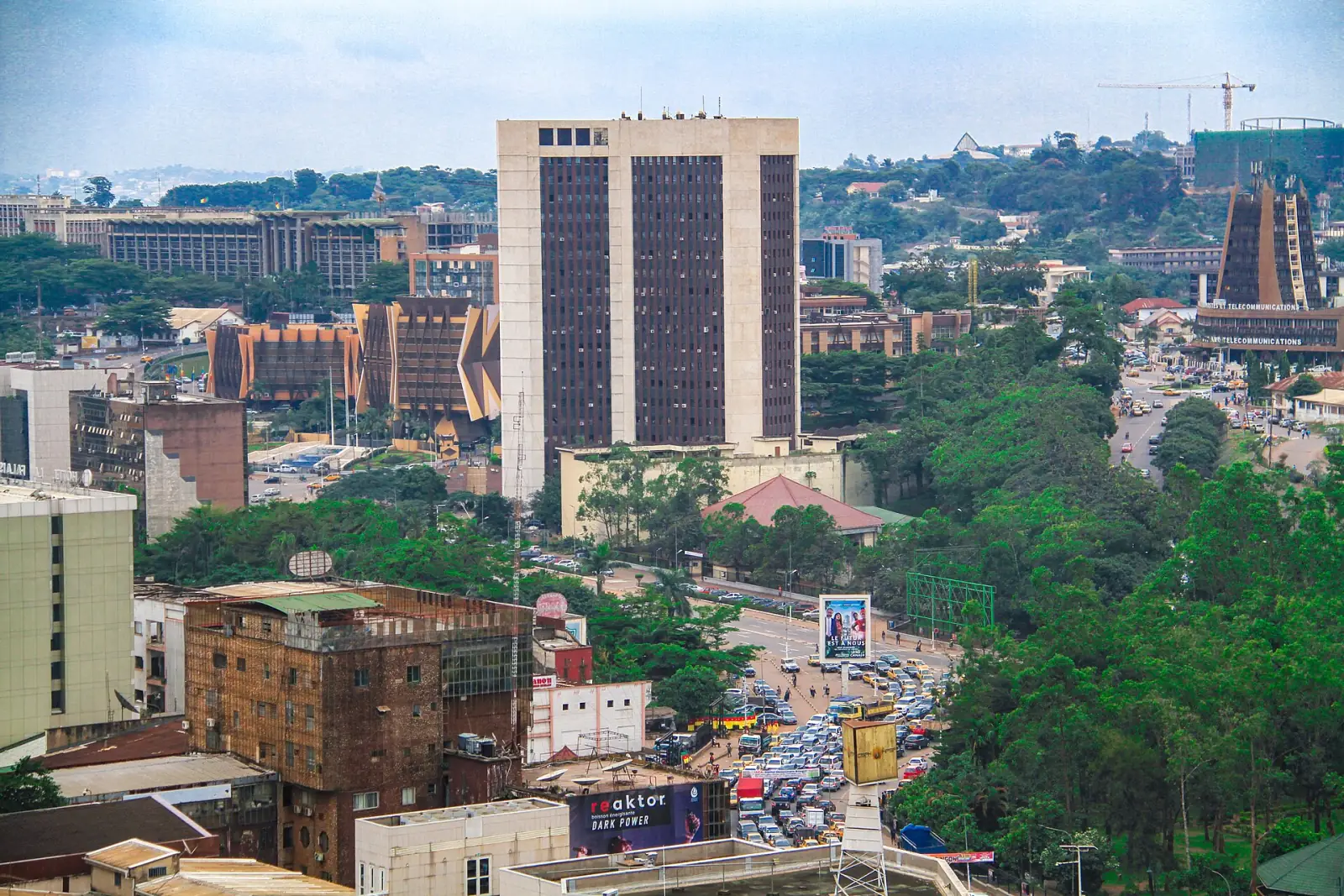
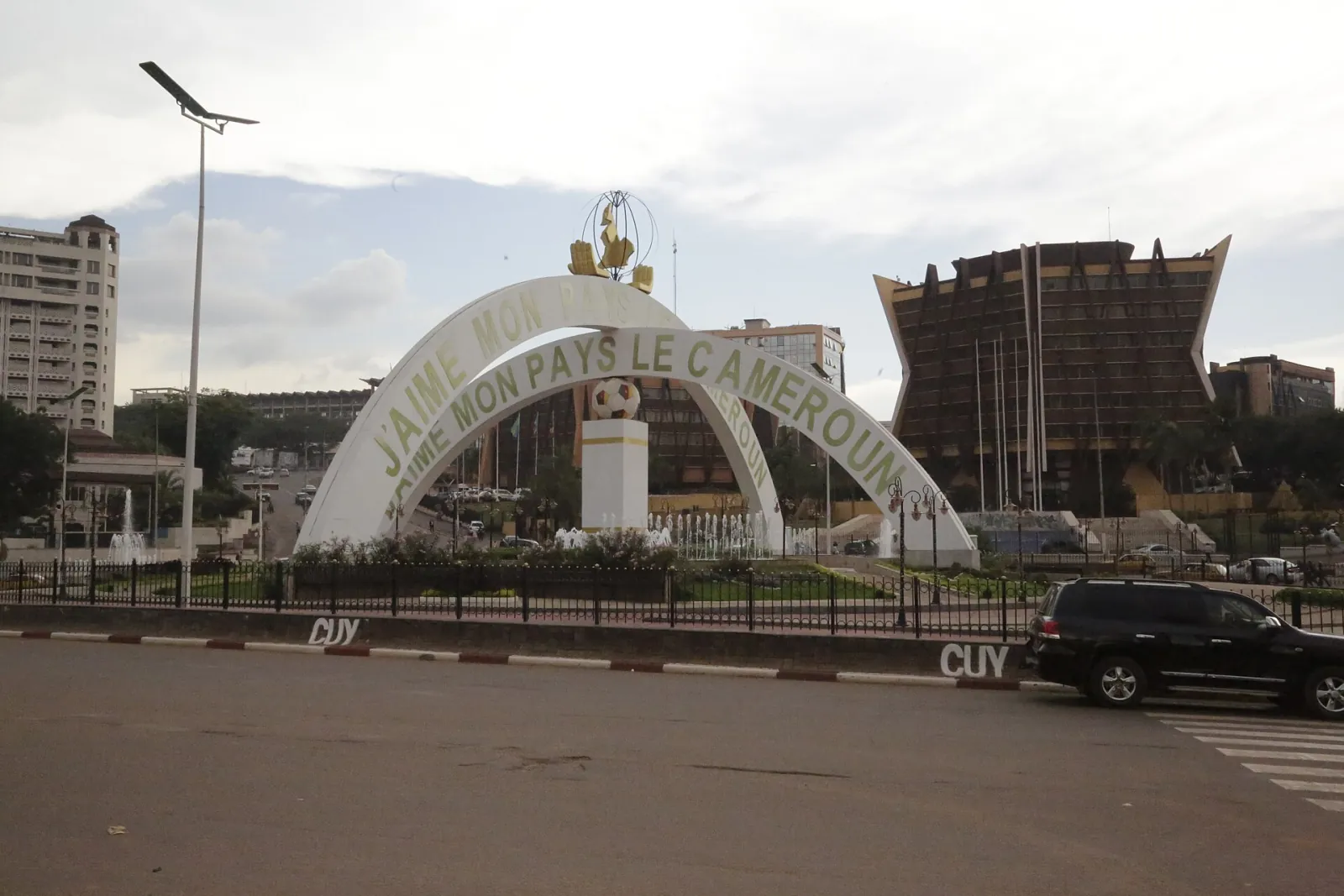
Towers and administrative buildings in Yaoundé overlooking central traffic

Roads, dams, ports, pipelines, quarries, housing developments: major developments disturb the ground over vast areas. The law requires that all development, extraction, operating or construction works carried out as part of major construction projects or structuring projects first be subject to archaeological assessments, surveys and test pits.

Why assess beforehand?

Discovering a site in the middle of a construction project is costly: machines stopped, delays, disputes. An assessment carried out beforehand identifies sensitive areas, allows the route to be adjusted, a rescue excavation to be planned or preservation in situ to be decided.

The role of the project owner

The project promoter informs the Ministry from the preliminary study stage, allows in its schedule and budget for the time needed for assessments, entrusts the operations to an authorised team and complies with the prescribed measures. Public projects also follow the Ministry’s major projects and the protection of cultural landscapes.

A construction project that destroys a recognised site is liable to doubled penalties. Companies therefore benefit from integrating heritage from the design stage.

Overview

A rich and varied archaeological heritage

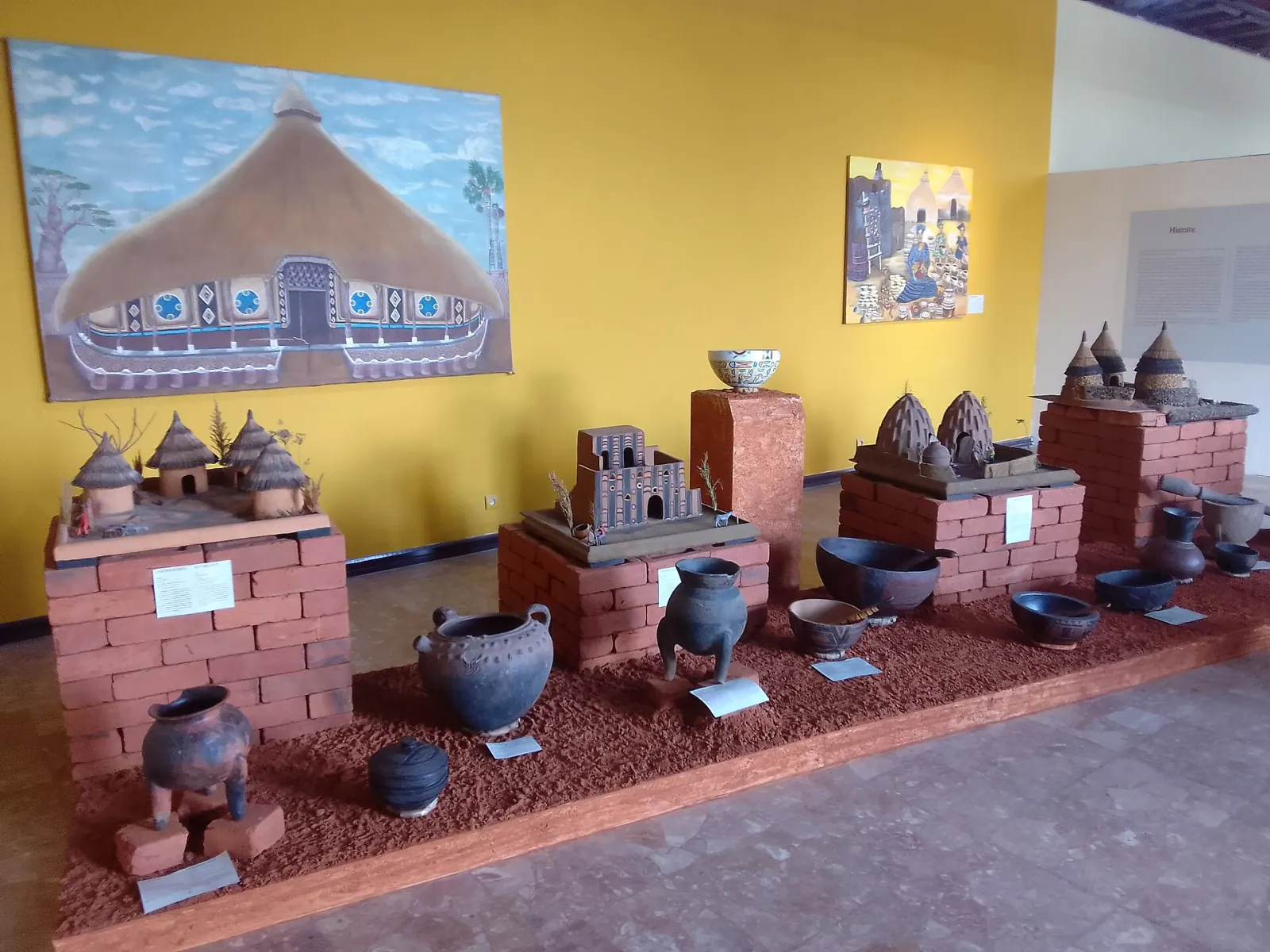
Exhibition of hut models and pottery beneath a painting of traditional dwellings

Cameroon, a crossroads between Central Africa, West Africa and the Lake Chad basin, offers a great variety of remains. This overview gives general landmarks; detailed records appear in the national inventory.

  • Prehistory of the western and north-western plateaux: rock shelters and stone industries, including those of the Shum Laka area, bearing witness to very ancient occupation of the Grassfields.
  • Lake Chad basin: settlement mounds, pottery and figurines attributed to the Sao societies of the Far North.
  • Mandara Mountains: terraces, hilltop settlements and rock art, studied with the communities of the Far North.
  • Forests of the Centre, South and East: settlement sites, iron smelting furnaces and pottery workshops linked to the Bantu migrations.
  • Littoral and South-West: shell middens, remains of Atlantic trade and colonial sites; see the Littoral Region.
  • Kingdoms and chiefdoms: former fortified capitals and palaces, presented in palaces and chiefdoms.

Several of these sites feed cultural tourism, which is developed in the section cultural tourism, and some are proposed for inscription on the list of UNESCO sites.

Communities

Archaeology and local communities: an alliance

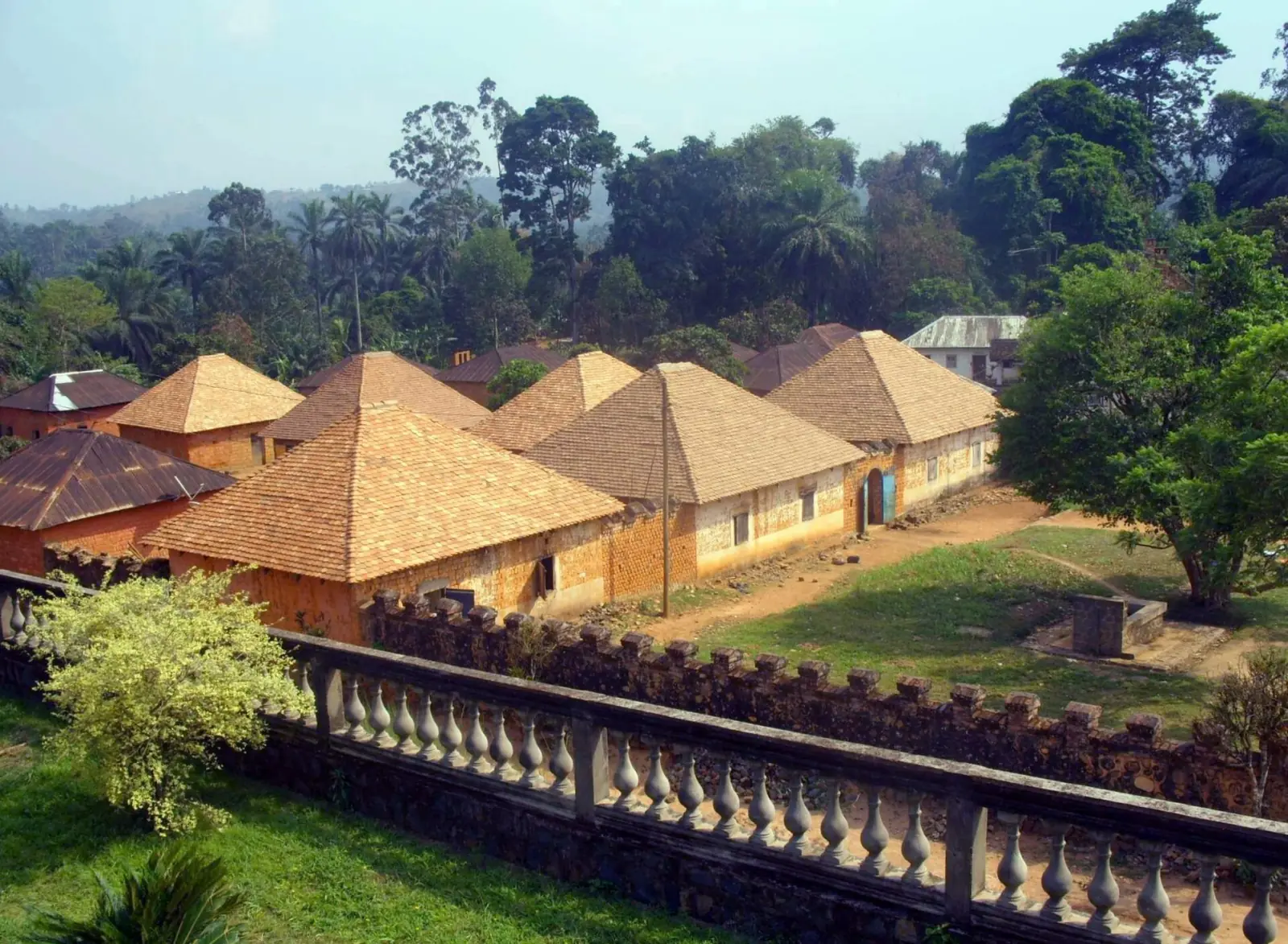
Bafut palace houses seen from a balustraded terrace

No site is excavated without the agreement of those who live nearby. Traditional chiefs, landowners and local associations are the first guardians of buried heritage. Involving communities from the very start of a project is an ethical as well as a practical requirement.

Inform and consult

Before the campaign, the team presents its project to the chiefdom, answers questions and obtains agreement on access to the land, sacred places to be avoided and compensation for any crops affected. Local rites and prohibitions are respected; see the page traditional chiefdoms.

Employ and train

Young people from the village are recruited as excavation workers and trained in sieving, drawing and recording. Guided tours and open days allow families to understand the meaning of the discoveries.

Share the knowledge

At the end of the work, the results are presented in the local language, with panels, an exhibition or a brochure. Schools take them up as part of arts education, and Heritage Days offer an annual showcase.

Step by step

From excavation project to collection

Define the project

Formulate the scientific question, choose the site, put together the team and build partnerships with national research institutions.

Submit the file

Gather the project, team, location, local agreements and conservation plan, then submit the file for joint authorisation.

Inform the communities

Meet the chiefdom and the landowners, define access to the land and plan the recruitment and training of young people.

Excavate and record

Conduct the campaign according to the method: surveys, photographs, samples, numbering of objects and a field journal.

Conserve and study

Clean, describe, inventory and deposit the finds in a national institution; continue laboratory analyses.

Publish and share

Submit the report, publish the results, exhibit the objects and present the conclusions to communities and schools.

To explore

Archaeology in other sections

Feedback from the field

Archaeology as told by those who practise it

“
Our campaign was authorised because we had involved students from the national university from the outset: they carried out part of the test pits.
An excavation team leader, Yaoundé
Archaeologist
“
When the workers uncovered shards, we stopped the digger and notified the delegation: work resumed three days later.
A site manager, Douala
Public works company
“
We welcomed the researchers, showed them the places not to be touched, and the young people were trained. The village is proud of its history.
A village chief, West
Traditional authority
“
Each object arrives with its number, its record and its photograph: without these data, a piece loses almost all its scientific value.
A curator, national museum
Conservation
To download

The archaeologist’s resources

Glossary

The words of archaeology

Excavation

Methodical exploration of a site to unearth remains while recording their context.

Test pit

A small exploratory opening that makes it possible to determine the thickness and nature of the layers.

Survey

Surface research aimed at identifying sites and remains without digging deeply.

Relic

Movable or immovable property bearing witness to the human and historical occupation of a place.

Archaeological site

A place that bears witness to human and historical occupation and is protected by law.

Stratigraphy

Reading the successive layers of the ground, from the oldest to the most recent.

Artefacts

All the objects discovered in an excavation: pottery, tools, ornaments, forge remains.

Dating

A process that estimates the age of a remain, by comparing styles or by laboratory analysis.

Rescue excavation

A rapid excavation carried out before the destruction of a site threatened by works.

Chance finds

A discovery made by chance, during works or farming activities, to be reported to the Ministry.

Rock art

Paintings and engravings made on rock faces, shelters or cliffs.

To act

The procedures to know

Report a find

Describe the object, the place and the circumstances; an officer will contact you to arrange a visit.

Report

Request a listing

A remarkable archaeological site may be proposed for listing in order to obtain lasting protection.

List a property

Export temporarily

An object intended for an exhibition or study abroad requires prior authorisation.

Export

Contact the delegation

The regional delegations are the first point of contact for communities and researchers.

The delegations
On the site

Continue exploring archaeology

Resources

Useful links for archaeology

Stakeholders

Who is involved in archaeology?

Key facts

The rules of archaeology at a glance

SituationApplicable ruleWho decidesPractical procedure
Test pit or excavationPrior authorisation compulsoryMinisters responsible for scientific research and cultural heritageScientific file and local agreements
Major construction projectPrior assessments, surveys and test pitsProject owner with the MinistryPlan schedule and budget from the study stage
Foreign researcher or institutionAssociation of national researchers and institutionsJoint authorisation on proof of the associationAgreement with a national university or institute
Property discovered during excavationsProperty of the State and public bodiesLaw on cultural heritageDeposit in a national institution
Chance findsImmediate report to the Ministry or delegationHeritage officerHalt of works, photograph, declaration
Listed propertyNeither modification nor permanent exportMinister responsible for cultural heritageTemporary export authorisation for study or exhibition
Journey

Archaeology step by step

IdentificationSurvey

Teams walk the terrain, record surface indications and consult local accounts to choose where to dig test pits.

RecognitionTest pit

Small trenches reveal the thickness of the layers, the presence of structures and the approximate age of the occupation.

AuthorisationSupervised excavation

An approved team, holding the joint authorisation, uncovers the site while recording each object and each layer.

StudyLaboratory

Objects are cleaned, drawn, dated and compared; the results feed a scientific report.

ConservationDeposit and inventory

The finds are entrusted to a national institution, entered in the inventory and protected according to their class.

SharingExhibition and publication

The discoveries are exhibited, published and explained to communities, pupils and visitors.

Questions

Your questions about archaeology

May I excavate on my own land?

No. No one may carry out test pits or excavations without the joint authorisation of the ministers responsible for scientific research and cultural heritage, even on private land. Only approved institutions or researchers with the necessary means may be authorised. If you suspect a site, report it to the Ministry instead.

What should I do if I find an ancient object while working the land?

Stop digging, do not move anything, photograph the find and note the location, then inform the regional delegation or the Ministry immediately. A chance find forms part of the archaeological heritage: an officer will visit the site to assess its interest.

Who owns the objects discovered during excavations?

Property discovered during excavations and archaeological missions belongs to the State and public bodies. It is inventoried, kept in a national institution and accessible to researchers with authorisation. If listed, it may be neither sold nor permanently exported.

Can a foreign team excavate in Cameroon?

Yes, provided that it obtains the joint authorisation and proves that national institutions and researchers are involved in the work. An agreement with a Cameroonian university or institute, the training of students and the sharing of results are among the expectations.

My company is preparing a major construction project: what should I plan for?

Development, extraction, operating or construction works forming part of major construction projects or structuring projects require prior archaeological assessments, surveys and test pits. Contact the Ministry from the study stage to integrate these operations into your schedule and budget.

What penalties are incurred for destroying a site?

The law penalises the destruction, damage or pollution of cultural property, as well as unauthorised excavations on listed sites or sites proposed for listing. Penalties are doubled in the event of the destruction of a recognised archaeological site, and theft or illicit export are also punished.

May archaeological objects be kept at home?

Archaeological property resulting from excavations or chance finds falls under the public ownership regime. If you hold an ancient object of unknown origin, contact the regional delegation: an officer will identify it and tell you the procedure to follow, including entry in the inventory.

How can I take part in an excavation campaign?

Students and researchers should approach authorised teams and research institutions. Local residents may be recruited as workers or guides. Heritage Days and museums also offer workshops for the general public.

Where can I ask a question about a site or a find?

Use the contact form on this page, stating the location and the nature of the property, or write to the Directorate of Cultural Heritage. You may also visit the nearest regional delegation, which will direct your request.

Contact

Write to the Ministry: Archaeology

Specify the property or site concerned.

Competent directorate

Contact cultural heritage

Address

Directorate of Cultural Heritage
Ministry of Arts and Culture
Quartier du Lac – Ministerial Zone
P.O. Box 1053 Yaoundé, Centre Region, Cameroon

Reach us

+237 6 51 70 58 41

contact@minac.gov.cm

Opening hours

Monday to Friday, 8 am to 4 pm

A find to report?

Inform the Ministry immediately: reporting protects the site and the memory of the country.

Report a find
WhatsApp