Coat of arms of CameroonMinistry of Arts
and Culture
Republic of Cameroon
My procedures
Home
Minister’s message
News
Press releases
Cultural calendar
Official speeches
Press review
Photo library
Video library
Calls for projects
Job vacancies
Public procurement
Newsletter
Frequently asked questions
Site map
Contact
Press area
Podcast “The Voice of Culture”
Legal notices
Privacy policy
Cookies and trackers
The Ministry
Missions and responsibilities
Organisation
Organisation chart
Minister’s Office (Cabinet)
Management team
General Secretariat
General Inspectorate
Central directorates
Regional Delegations
Institutions under supervision
Legislative texts
Regulatory texts
Sector strategy
Major projects
Budget and reports
Partners
Careers
Archives
Institutional communication
Quality and accessibility
Arts
Visual and plastic arts
Visual arts
Performing arts
Theatre
Dance
Music
Literature and books
Cinema and audiovisual
Photography
Fashion and design
Digital arts
Art crafts
Artists’ directory
Residencies
Prizes and awards
Arts education
Urban arts
Heritage
Tangible heritage
Intangible heritage
UNESCO sites
National museums
Listed monuments
National inventory
Palaces and chiefdoms
Archaeology
Linguistic heritage
Oral traditions
Traditional know-how
Restitution of cultural property
Fight against illicit trafficking
Listing and protection
Conservation and restoration
Heritage Days
Cultural landscapes
Industries
Music and recording
Cinema
Publishing and books
Digital arts
Fashion and creativity
Crafts
Cultural tourism
Funding for culture
Support funds
Incubators
Cultural entrepreneurship
Culture Observatory
Vocational training
Studies and reports
Sector statistics
Export and outreach
Intellectual property
Copyright
Legal framework
Copyright and neighbouring rights
Collective management societies
Register a work
Licences
Private copying
Fight against piracy
Model contracts
Social status of artists
Mediation
Disputes
Training
Fee scales
Register of works
Contact
Digital neighbouring rights
Public domain
Festivals
National calendar
Ngondo
Nguon
Écrans Noirs
Heritage Days
Music Day
Regional festivals
Fairs and exhibitions
Biennials
National competitions
Cultural days
Organise a festival
Event grants
Ticketing
Archives
Volunteering
Diaspora festivals
Regions
Adamawa
Centre
East
Far North
Littoral
North
North-West
West
South
South-West
Cultural map
Regional Delegations
Traditional chiefdoms
National languages
Cultural routes
Decentralised cooperation
Regional observatory
Cooperation
UNESCO
Francophonie (OIF)
African Union
Commonwealth
CEMAC
Bilateral cooperation
Cultural agreements
Professional organisations
Scholarships
Artist exchanges
Cultural years
Diaspora
Funded projects
Embassies
Technical partners
International restitution
International monitoring and calls
Services
Artist card
Show authorisation
Filming authorisation
Festival authorisation
Deposit of a work
Export of works of art
Listing of a property
Grant application
Association accreditation
File tracking
Forms
Fees
Opening hours and addresses
Reporting
Online help
My account
One-Stop Shop
Copyright

Licences

Model licence, free licences, application and rates: everything you need to know to authorise or obtain the use of a work in Cameroon, from written authorisation to the fee, with the collective management societies and the Ministry’s tariffs.

Updated on 6 November 20264 sub-pages
Types of licence4
Collective management categories5
ApplicationOnline or by post
Form of authorisationWritten
Authorise and exploit

Exploiting a work with authorisation

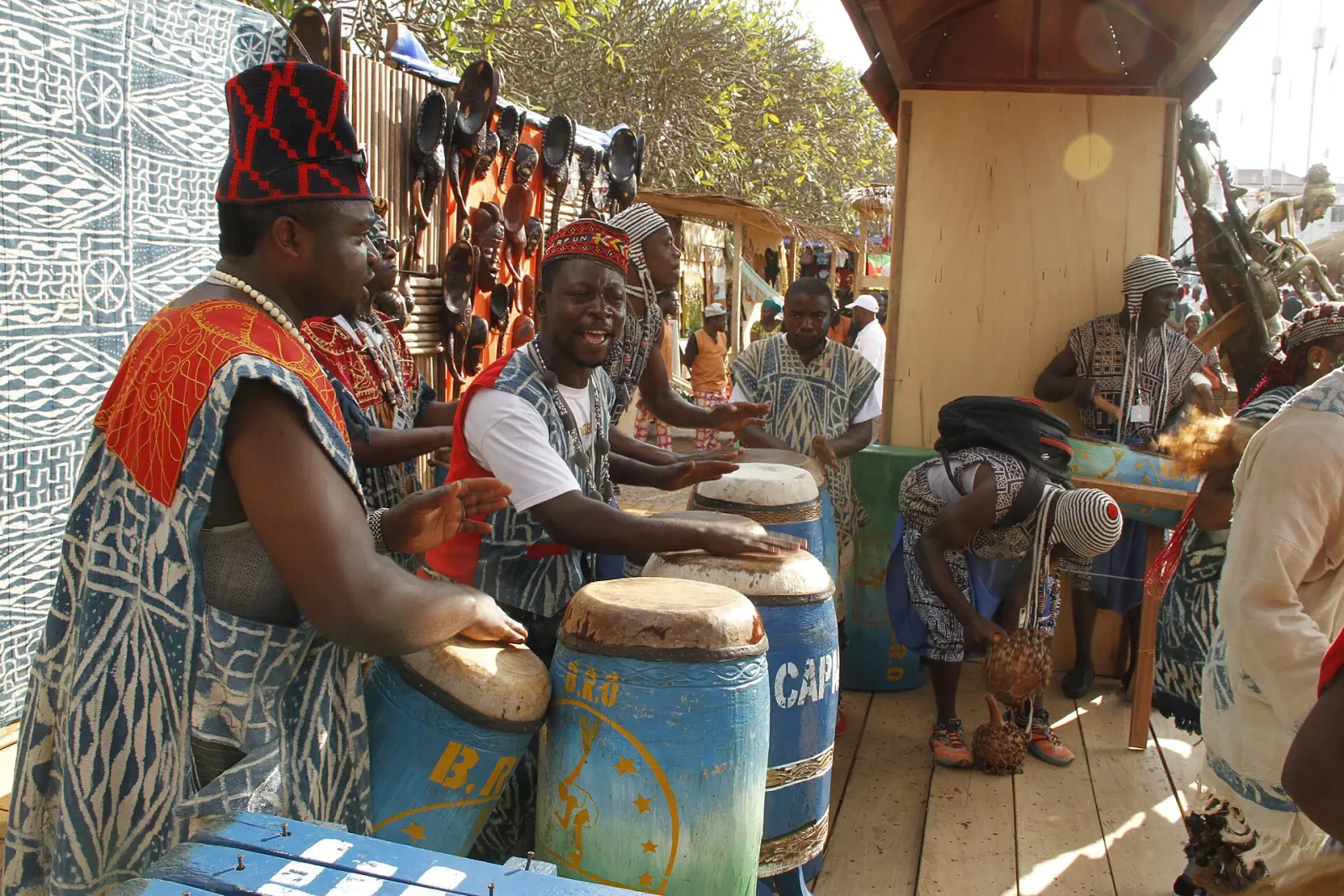
Drummers in embroidered dress in front of a craft stand at a fair

Any exploitation of a work by a person other than its author requires the prior consent of the rights holder. This consent takes the form of a licence: a document that states which work is used, for what purpose, where, for how long and for what remuneration. A song played in a local bar, a play performed in a secondary school, a novel adapted for the screen or a photograph reused in a brochure: each use calls for its own licence.

This page is addressed both to authors and artists who want to authorise their works on good terms and to users — festival organisers, radio stations, producers, publishers, schools — who are looking to regularise their uses. It explains the forms of licence, the application procedure, the calculation of fees and the pitfalls to avoid.

  • Model licence, exclusive or not, always in writing
  • Free licences and moral rights preserved
  • Application to the management society for the category concerned
Read the model licence
Model licence

The model licence: what it must contain

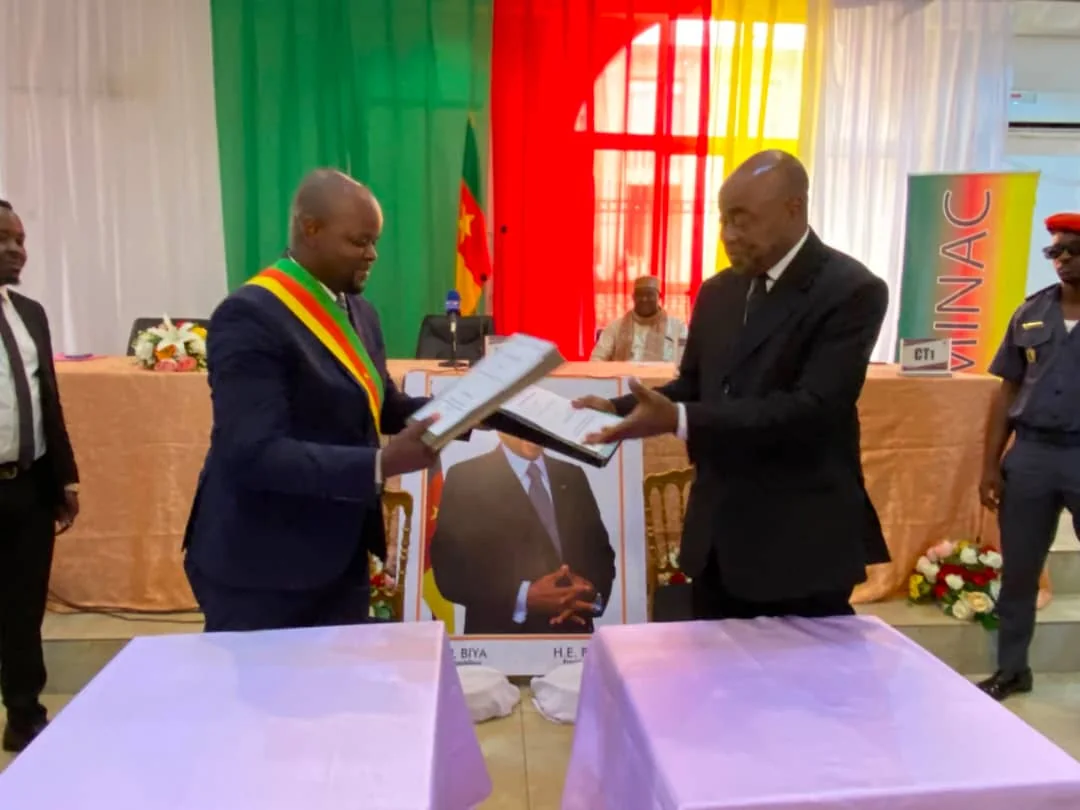
Signing of an agreement in front of the portrait of the Head of State

The exploitation licence is the contract by which the holder of a copyright or neighbouring right authorises a third party to carry out a specific act on their work: reproduce it, perform it, broadcast it, adapt it, translate it or publish it. The 2000 copyright law regulates this contract strictly, because it commits the future of the work.

In writing, or nothing

The authorisation must be given in writing, including on an electronic medium, on pain of nullity (article 22). It may cover all or part of the economic rights, free of charge or for payment, but each right assigned is the subject of a separate mention. The instrument specifies the intended purposes, the mode, the duration and the place of exploitation; where the place is not mentioned, the authorisation is limited to the country where it is granted. Finally, authorisation for the audiovisual adaptation of a novel requires a written instrument separate from that for publishing.


Exclusive or non-exclusive

A non-exclusive licence allows several users to exploit the same work at the same time as the holder. An exclusive licence reserves use to its beneficiary, including as against the original holder; it exists only if the contract expressly says so (article 23). In case of doubt, the licence is therefore non-exclusive.

Remuneration and genuine exploitation

The author’s remuneration is in principle proportional to receipts; it may be a lump sum only in limited cases (article 24). The beneficiary must seek effective exploitation, in line with the practices of the profession (article 25). The Ministry’s model contracts include these mentions and prevent omissions.

ℹ️
Key points

A general authorisation covering all of an author’s future works is void, unless it is granted to a collective management body. Learn about the role of these bodies on the collective management societies page.

Open licences

Free licences: authorising in advance

Three young urban artists posing in black outfits

Some authors choose to share their works more widely: a photographer who makes images available to schools, a musician who lets community radio stations broadcast their tracks, a researcher who publishes a freely reusable textbook. A free licence is the authorisation that the author gives in advance, to everyone, for uses that they define themselves.

Conditions chosen by the author

Free licences are inspired by international models, such as Creative Commons licences. They combine a few conditions: crediting the author’s name, prohibiting commercial use, prohibiting modification of the work, or requiring derivative works to be shared on the same terms. Each combination produces a different level of openness, and the author must state it clearly on or beside the work, in writing.

What a free licence does not change

The author remains the holder of their moral rights: right of attribution, right to the integrity of the work, right of disclosure. They can give only what belongs to them: if the work is co-created, all co-authors must consent; if the author has entrusted its management to a collective organisation, the membership agreement is in principle a mandate to authorise exploitation (article 77). A member of a management society must therefore check with it before publishing under a free licence.

For works that have fallen into the public domain or are inspired by folklore, other rules apply; intangible heritage sets out the issues.

ℹ️
Good practice

Before choosing a free licence, declare your work to date your creation: the Declaring a work page explains how.

Application

Requesting a licence: who to contact and how

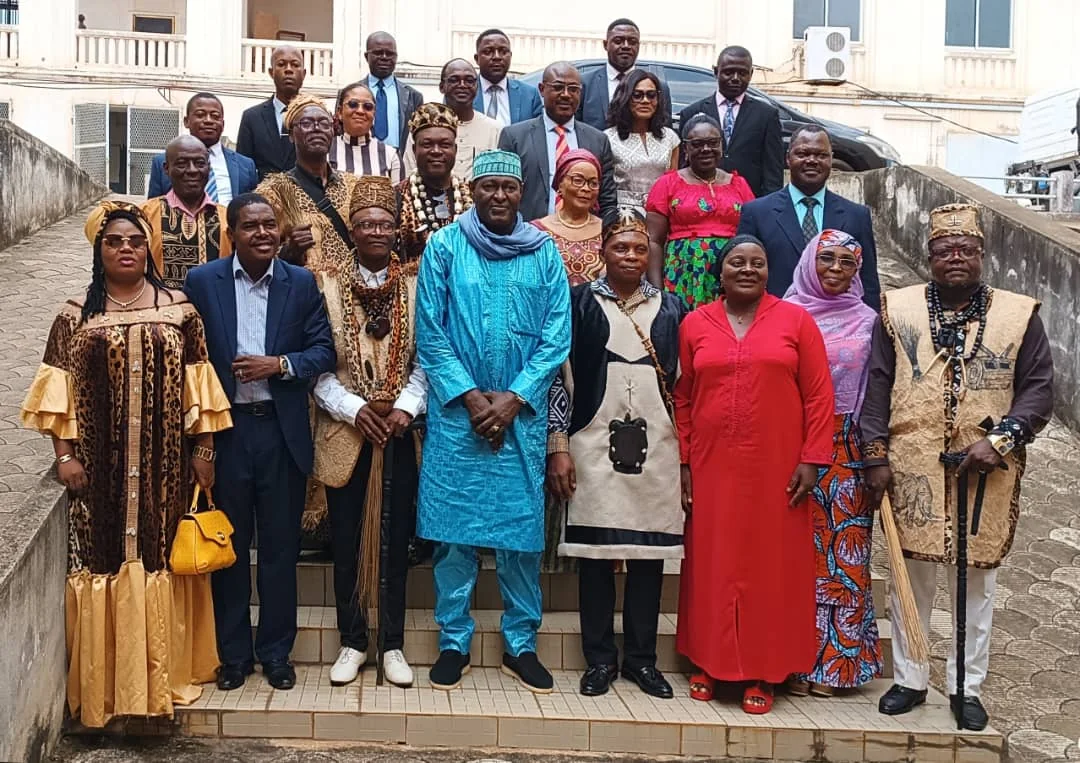
Handshake between the Minister and a partner during an official meeting

The first question is always: who holds the rights? For a collectively managed repertoire, it is the management organisation for the category concerned; the law admits only one per category: literature and performing arts (A), music (B), audiovisual and photography (C), graphic and visual arts (D), neighbouring rights (E). For a work not entrusted to a society, write to the author, their publisher or their producer.

Preparing the application

A clear application contains the applicant’s identity, the title and author of the work, the precise nature of the use, the medium, the geographical area, the duration, the expected audience and the anticipated receipts. Users of phonograms for commercial purposes must, in addition, provide the exact programmes of their uses so that rights can be distributed (article 63).

A searchable repertoire

Collective management organisations make the repertoire of their members and works available to the public (article 78). Consult it before writing, along with the register of works, to identify the right contact.

Fees

Licence rates: who sets what?

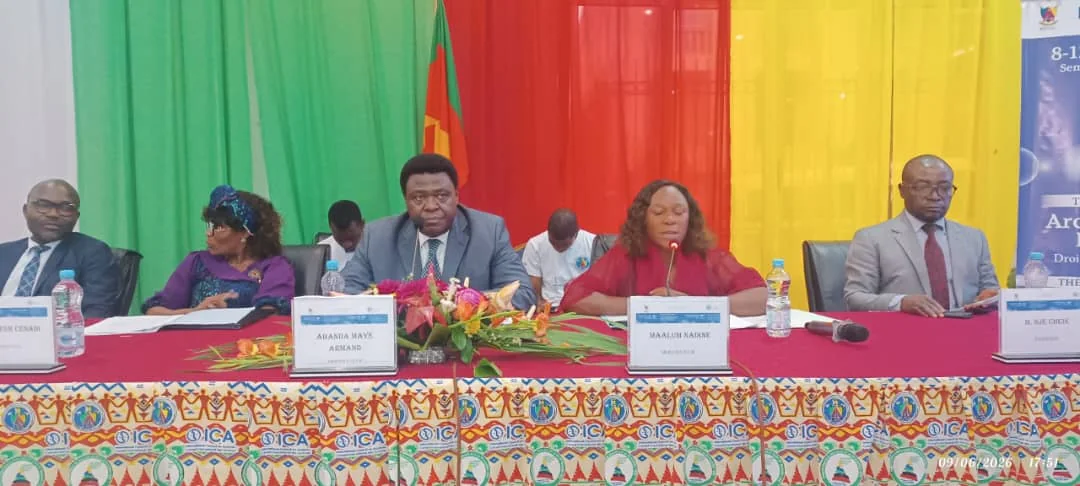
Panel table during an institutional meeting of the Ministry

There is no single rate, but several sources of pricing depending on the type of right exploited. This page does not display amounts: they change, and are published in the tariffs and, for the Ministry’s administrative fees, on the rates page.

The tariff of collective management organisations

For phonograms, the remuneration tariff and its payment terms are established by the competent organisation in consultation with users (article 62). The tariff takes account of the nature of the use — radio broadcast, sound system in an establishment, show —, attendance and duration.

Proportional remuneration

In publishing, performance or production contracts, the author’s remuneration follows exploitation receipts. Where a lump sum is wrongly set outside the permitted cases, the law brings the remuneration back to twenty per cent of receipts.

Fees set by regulation

Certain sums are set by regulation: remuneration for private copying, described on the private copying page, and the fee on works in the public domain, equal to fifty per cent of the amount that would be due if the work were protected. The proceeds of the latter go into the cultural policy support account.

Negotiating effectively

Always ask for the written tariff, compare the basis (gross or net receipts), check the discounts for associations and educational uses, and keep the invoice or payment receipt with the licence.

Practical cases

Licences in practice: six common situations

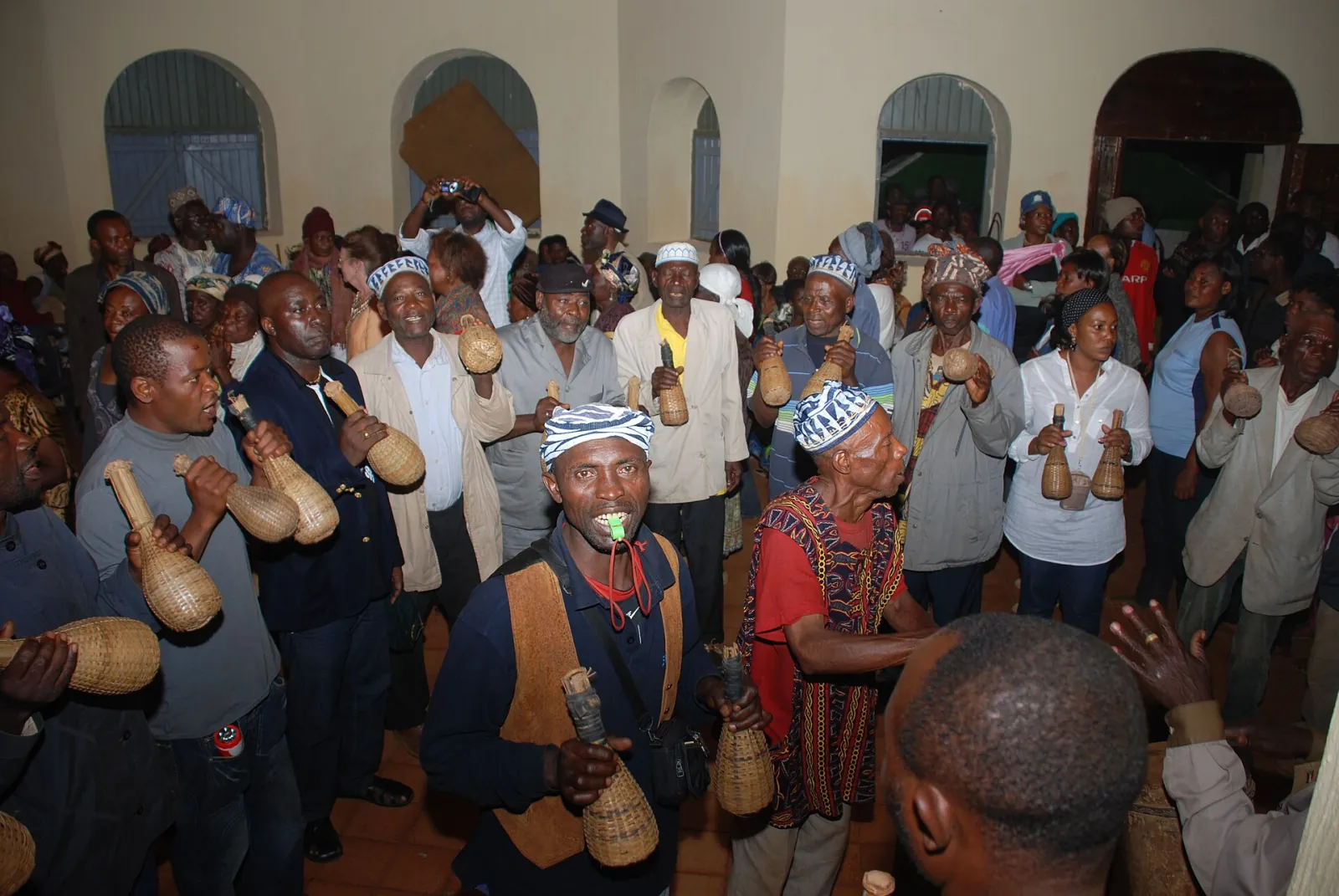
Crowd of musicians playing resonant gourds in a large hall

The following situations illustrate how a licence is built day to day.

  • An open-air music festival approaches the music category organisation for works performed on stage and through sound systems, attaches the licence to its festival organisation file and declares the programmes after the event.
  • A community radio station negotiates a global licence for its broadcasts, submits programme declarations every month and keeps its proof of payment.
  • A school troupe requests authorisation to perform a play from the repertoire; it specifies the number of performances, the audience and any ticketing.
  • A publisher signs a publishing licence with the author of a novel, then a separate written instrument if a producer wishes to adapt the story for the screen; see the publishing and books sector.
  • An advertising agency commissions an illustration: unless otherwise stipulated, the contract entails assignment of the economic rights, provided that separate remuneration is stipulated for each mode of exploitation.
  • A film producer obtains from the authors the assignment of the exploitation rights in the audiovisual work, but not the graphic and theatrical rights, which remain to be negotiated; see cinema.

In all cases, setting out the scope of the authorisation in writing avoids conflicts that mediation or litigation would have to settle later.

Vigilance

Mistakes that make a licence fragile

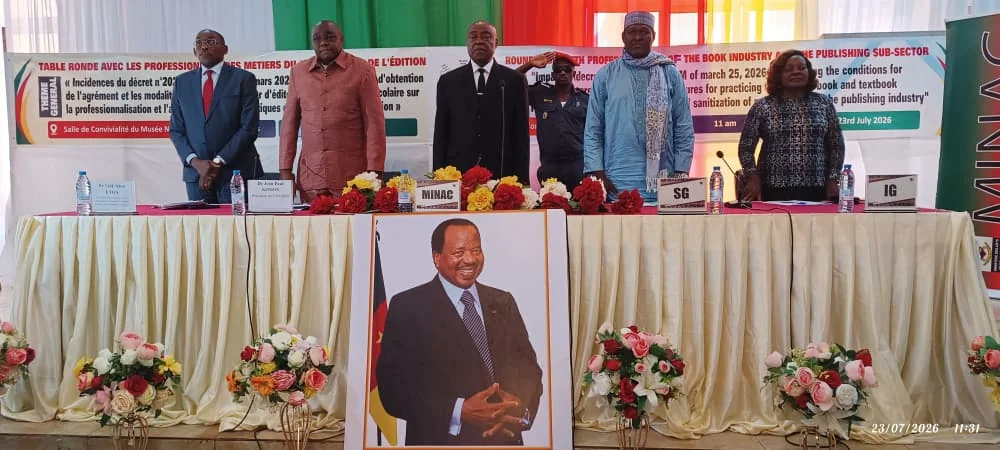
Five officials stand behind a conference table decorated with flowers and a portrait of the Head of State, at a round table on the publishing sector.

Most disputes come from poorly drafted licences rather than bad faith. Here are the most frequent pitfalls, observed in rights management practice.

  • The verbal agreement. A promise exchanged by telephone or voicemail is not enough: writing is a condition of the validity of the authorisation.
  • The unlisted use. A licence for a poster does not cover a video, a website or derivative products. Each mode of exploitation is mentioned separately.
  • The forgotten territory. Without specification, the authorisation remains limited to Cameroon.
  • Unlimited duration by default. Set a term and renewal conditions.
  • Exclusivity out of habit. It must be intended, paid for and in writing; otherwise the licence remains non-exclusive.
  • The unexploited work. A beneficiary who lets the work lie dormant fails in the obligation of effective exploitation; provide a right of reversion in the contract.

To check a draft contract before signing, the Ministry’s lawyers answer authors’ questions; see the copyright contact page.

Step by step

Obtaining a licence in six steps

Identify the holder

Consult the management society’s repertoire or the register of works to find out who authorises the use: the author, their publisher, their producer or a collective organisation.

Describe the use

Specify the work, medium, place, duration, audience and expected receipts; an exact description speeds up the response and fixes the rate.

Submit the application

Send the file in writing to the society or the holder, keeping the acknowledgement of receipt or the receipt as proof of the date.

Negotiate the terms

Discuss exclusivity, remuneration, accounting and renewal options before signing anything.

Sign and pay

Sign the licence in two copies, pay the fee indicated and ask for a receipt stating the work and the period covered.

Declare and keep records

Submit the programmes or statements of receipts requested, archive the licence and note the end date to plan for renewal.

Key facts

Licences at a glance

Type of licenceWho grants itTypical usePoint of attention
Individual licenceThe author or their successor in titleAdaptation of a novel, commissioning an illustrationWriting required, separate mentions for each right
Collective licenceThe management society for the categoryBroadcasting music, sound systems, showsTariff and programme declaration
Exclusive licenceThe holder, by express stipulationExclusive publishing, film distributionWithout express mention, the licence remains non-exclusive
Non-exclusive licenceThe holder, possibly several beneficiariesA track covered by several radio stationsLicence holders coexist with the author
Open licenceThe author, in advance and for everyonePhotographs and textbooks shared with schoolsMoral rights retained, co-authors’ agreement
Public domain authorisationThe Minister responsible for culture (declaration)Republication of a work whose protection has expiredPrior declaration and fee, respect for moral rights
Journey

Authorisation over time

CreationBirth of the rights

As soon as an original work is created, its author holds the moral and economic rights, with no mandatory formality.

StatementDating the work

The author may declare the work to their management organisation to establish proof of authorship and date.

ApplicationA use is envisaged

The user describes the use and requests the licence from the rights holder or their society.

LicenceSignature and payment

The written contract sets out uses, duration, territory and remuneration; the fee is paid against a receipt.

ExhibitionDeclarations and distribution

The user declares their programmes or receipts; the society collects then distributes the sums among rights holders.

TermRenewal or reversion

On expiry, the licence is renewed, renegotiated or ends; the work returns to the free disposal of the holder.

To explore

Licences in other sections

Feedback

Licences: what professionals say

“
Since we started requesting the licence before programming, our festival has had no more disputes and our artists are paid on time.
A festival organiser, Douala
Music festival
“
I have learned to mention each mode of exploitation. My publisher and I know exactly what is authorised, and it is a real comfort.
A novelist, Yaoundé
Author
“
The global licence has simplified life for our radio station: one monthly declaration, one receipt, and we broadcast in good standing.
A community radio director, Bafoussam
Local radio
“
I publish my photographs under a free licence for schools, but I keep control of commercial uses. The choice of conditions is mine.
A photographer, Garoua
Photographer
To act

The procedures to know

Consult the repertoire

Identify the rights holder before drafting your licence application, by browsing the repertoires of the organisations in each category.

See the societies

Register a work

Date your creation before offering it under licence: a declaration gives you proof of authorship that is useful in the event of a dispute.

Register

Know the rates

Compare the tariffs according to the nature of the use before negotiating your fee, and keep a copy of the tariff applied.

See the rate schedules

Ask a question

Lawyers answer authors and users and review your draft contracts before signing.

Write to us
To download

Licensee resources

Glossary

Licence glossary

Licence

Written authorisation given by the rights holder for a specific use of their work.

Assignment

Transfer to a third party of all or part of the economic rights, with separate mention of each right.

Exclusive licence

Licence reserving use to its beneficiary, including as against the original holder, only if the contract so provides.

Non-exclusive licence

A licence that leaves the holder and other beneficiaries free to exploit the same work.

Territory

Geographical area in which use is authorised; if none is stated, the country of grant.

Levy

Sum owed by the user for the use of the work, calculated according to a scale or a rate.

Fee scale

Tariff schedule drawn up by the collective management organisation in consultation with users.

Moral rights

Rights attached to the person of the author: authorship, respect for the work, disclosure.

Rights holder

Person who holds rights from the author: heir, publisher, producer or assignee.

Effective exploitation

Obligation of the beneficiary to genuinely exploit the work in accordance with the customs of the profession.

Repertoire

List of the works and members of a collective management organisation, open to consultation by interested parties.

On the site

Continue reading about licences

Resources

Useful links for licences

Stakeholders

Who is involved in issuing licences?

Questions

Your questions about licences

Who issues an exploitation licence?

The rights holder: the author, their publisher, their producer or their successors in title. Where the work has been entrusted to a collective management organisation, that organisation issues the licence for its repertoire, in the category concerned. Consult the repertoire or the register of works to identify the right contact before writing.

Can a licence be oral?

No. The law requires a written document, including in electronic form, on pain of nullity. A clear e-mail specifying the work, the use, the duration, the territory and the remuneration may be sufficient, but a signed contract remains the best evidence in the event of a dispute.

Is a licence always paid for?

No. The authorisation may be free of charge or paid, depending on what the parties decide. For collectively managed repertoires, tariff schedules apply. For educational or community uses, reductions may be requested: enquire with the society concerned before negotiating.

How long does a licence last?

It lasts for the period set out in the contract. The text requires the instrument to specify the duration of exploitation. Provide an end date and renewal conditions; a licence with no precise term opens the door to disputes and complicates the distribution of rights.

What happens if the place of exploitation is not specified?

The authorisation is then limited to the country where it is granted, that is, Cameroon. To distribute a work abroad or online across several territories, expressly name the areas concerned and check the rules of the country targeted.

Can I publish my work under a free licence if I am a member of a society?

Not without checking. Membership is in principle a mandate to authorise exploitation and collect fees. Contact your organisation to find out whether a free licence is compatible with your commitments, and for which works.

How can I find out the rate for a specific use?

Ask the relevant collective management society for its tariff schedule and consult the tariff schedules page of the site. The rate depends on the nature of the use, attendance, duration and area. For the Ministry’s administrative fees, see the fees page.

What should I do if the user does not comply with the licence?

Gather the licence, evidence of use and correspondence, then send a written formal notice. If the disagreement persists, mediation makes it possible to seek an amicable settlement; failing that, the holder may bring an action before the competent court.

Where can I ask a question about a licence contract?

Write to the competent directorate with the draft contract attached, or use the contact form on this page. The legal advisers will point out any missing clauses and refer you to the appropriate management society.

Contact

Write to the Ministry: Licences

Specify the work and the intended use.

Competent directorate

Contact Legal Affairs

Address

Directorate of Legal Affairs
Ministry of Arts and Culture
Quartier du Lac – Ministerial Zone
P.O. Box 1053 Yaoundé, Centre Region, Cameroon

Reach us

+237 6 51 70 58 41

contact@minac.gov.cm

Opening hours

Monday to Friday, 8 am to 4 pm

Find out about tariff schedules

Consult the rates and royalties before negotiating your licence.

See the rate schedules
WhatsApp