Coat of arms of CameroonMinistry of Arts
and Culture
Republic of Cameroon
My procedures
Home
Minister’s message
News
Press releases
Cultural calendar
Official speeches
Press review
Photo library
Video library
Calls for projects
Job vacancies
Public procurement
Newsletter
Frequently asked questions
Site map
Contact
Press area
Podcast “The Voice of Culture”
Legal notices
Privacy policy
Cookies and trackers
The Ministry
Missions and responsibilities
Organisation
Organisation chart
Minister’s Office (Cabinet)
Management team
General Secretariat
General Inspectorate
Central directorates
Regional Delegations
Institutions under supervision
Legislative texts
Regulatory texts
Sector strategy
Major projects
Budget and reports
Partners
Careers
Archives
Institutional communication
Quality and accessibility
Arts
Visual and plastic arts
Visual arts
Performing arts
Theatre
Dance
Music
Literature and books
Cinema and audiovisual
Photography
Fashion and design
Digital arts
Art crafts
Artists’ directory
Residencies
Prizes and awards
Arts education
Urban arts
Heritage
Tangible heritage
Intangible heritage
UNESCO sites
National museums
Listed monuments
National inventory
Palaces and chiefdoms
Archaeology
Linguistic heritage
Oral traditions
Traditional know-how
Restitution of cultural property
Fight against illicit trafficking
Listing and protection
Conservation and restoration
Heritage Days
Cultural landscapes
Industries
Music and recording
Cinema
Publishing and books
Digital arts
Fashion and creativity
Crafts
Cultural tourism
Funding for culture
Support funds
Incubators
Cultural entrepreneurship
Culture Observatory
Vocational training
Studies and reports
Sector statistics
Export and outreach
Intellectual property
Copyright
Legal framework
Copyright and neighbouring rights
Collective management societies
Register a work
Licences
Private copying
Fight against piracy
Model contracts
Social status of artists
Mediation
Disputes
Training
Fee scales
Register of works
Contact
Digital neighbouring rights
Public domain
Festivals
National calendar
Ngondo
Nguon
Écrans Noirs
Heritage Days
Music Day
Regional festivals
Fairs and exhibitions
Biennials
National competitions
Cultural days
Organise a festival
Event grants
Ticketing
Archives
Volunteering
Diaspora festivals
Regions
Adamawa
Centre
East
Far North
Littoral
North
North-West
West
South
South-West
Cultural map
Regional Delegations
Traditional chiefdoms
National languages
Cultural routes
Decentralised cooperation
Regional observatory
Cooperation
UNESCO
Francophonie (OIF)
African Union
Commonwealth
CEMAC
Bilateral cooperation
Cultural agreements
Professional organisations
Scholarships
Artist exchanges
Cultural years
Diaspora
Funded projects
Embassies
Technical partners
International restitution
International monitoring and calls
Services
Artist card
Show authorisation
Filming authorisation
Festival authorisation
Deposit of a work
Export of works of art
Listing of a property
Grant application
Association accreditation
File tracking
Forms
Fees
Opening hours and addresses
Reporting
Online help
My account
One-Stop Shop
Festivals

Nguon

Festival of the Bamoun kingdom in Foumban, the Nguon celebrated its 549th edition in 2026 with the Nguon Foundation: history, ceremonies, programme and tips for visiting the royal city.

Updated on 6 November 20264 sub-pages
2026 edition549e
CityFoumban
Organising bodyNguon Foundation
RegionWest
Tradition

The Nguon, festival of the Bamoun kingdom

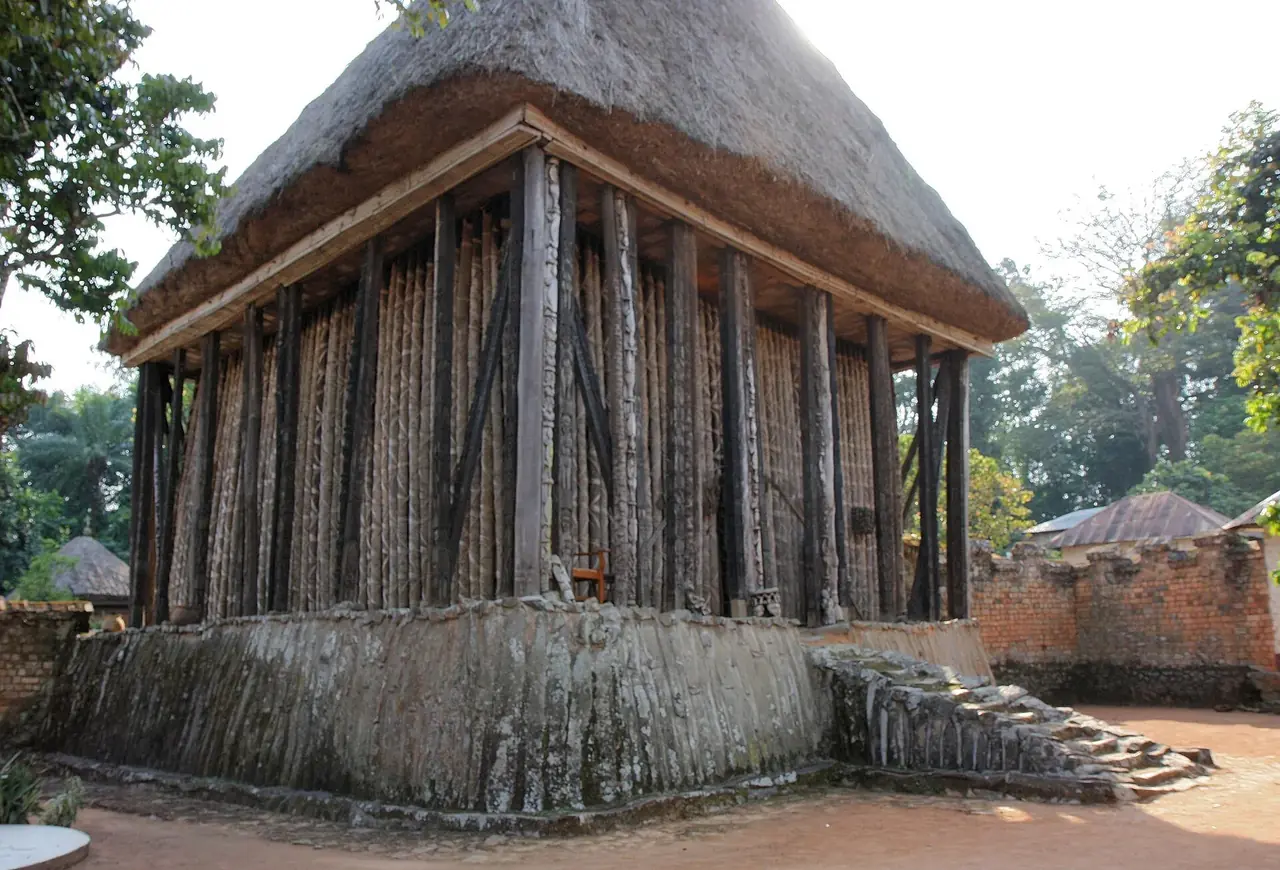
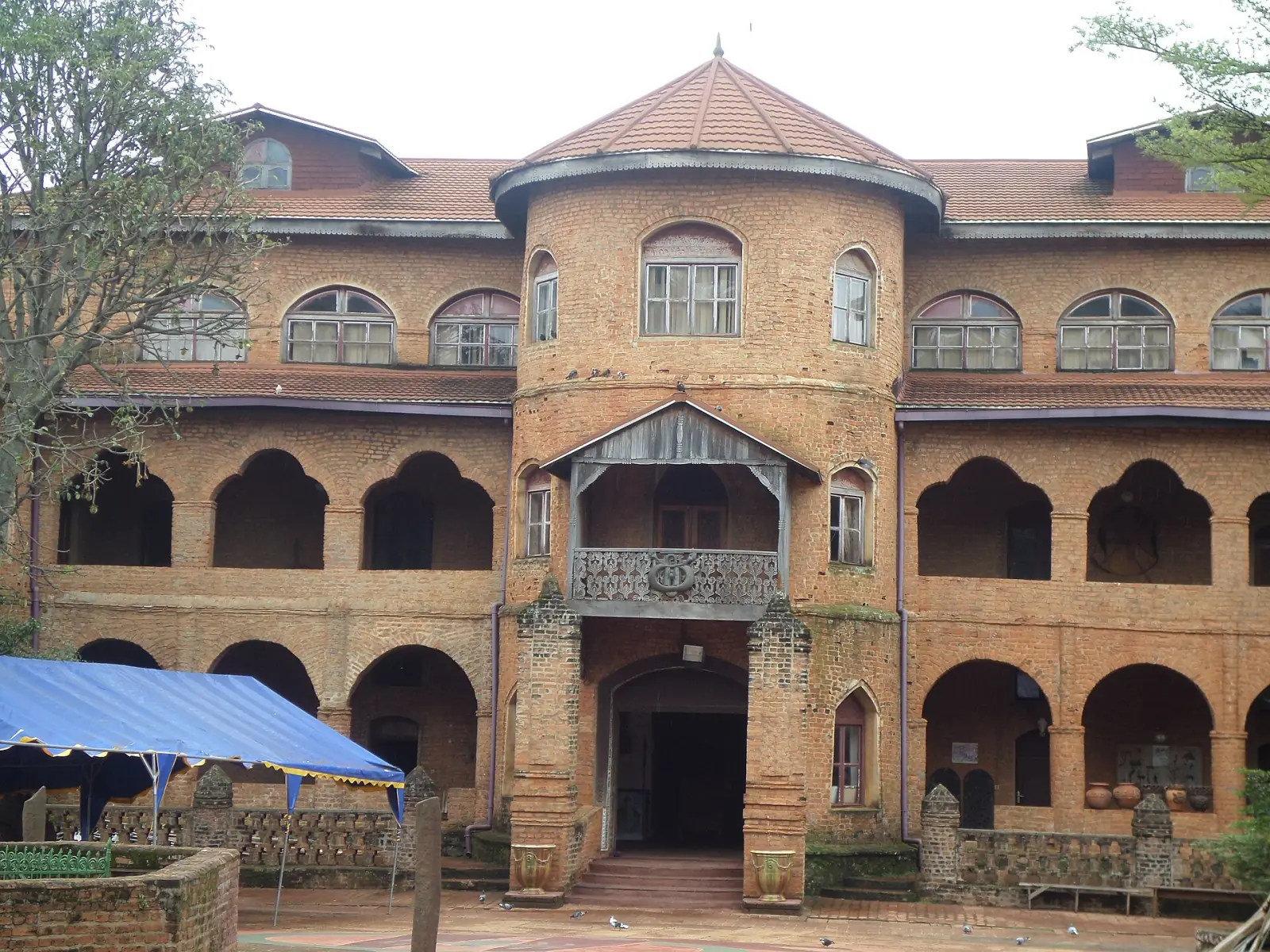
Brick facade of the royal palace of the Bamum sultans in Foumban

The Nguon is the great cultural festival of the Bamoun kingdom, in Foumban, in the West region. It brings together the Bamoun people, their notables, their artists and their visitors around royal ceremonies, court dances and the memory of a dynasty that has left its mark on the history of the region.

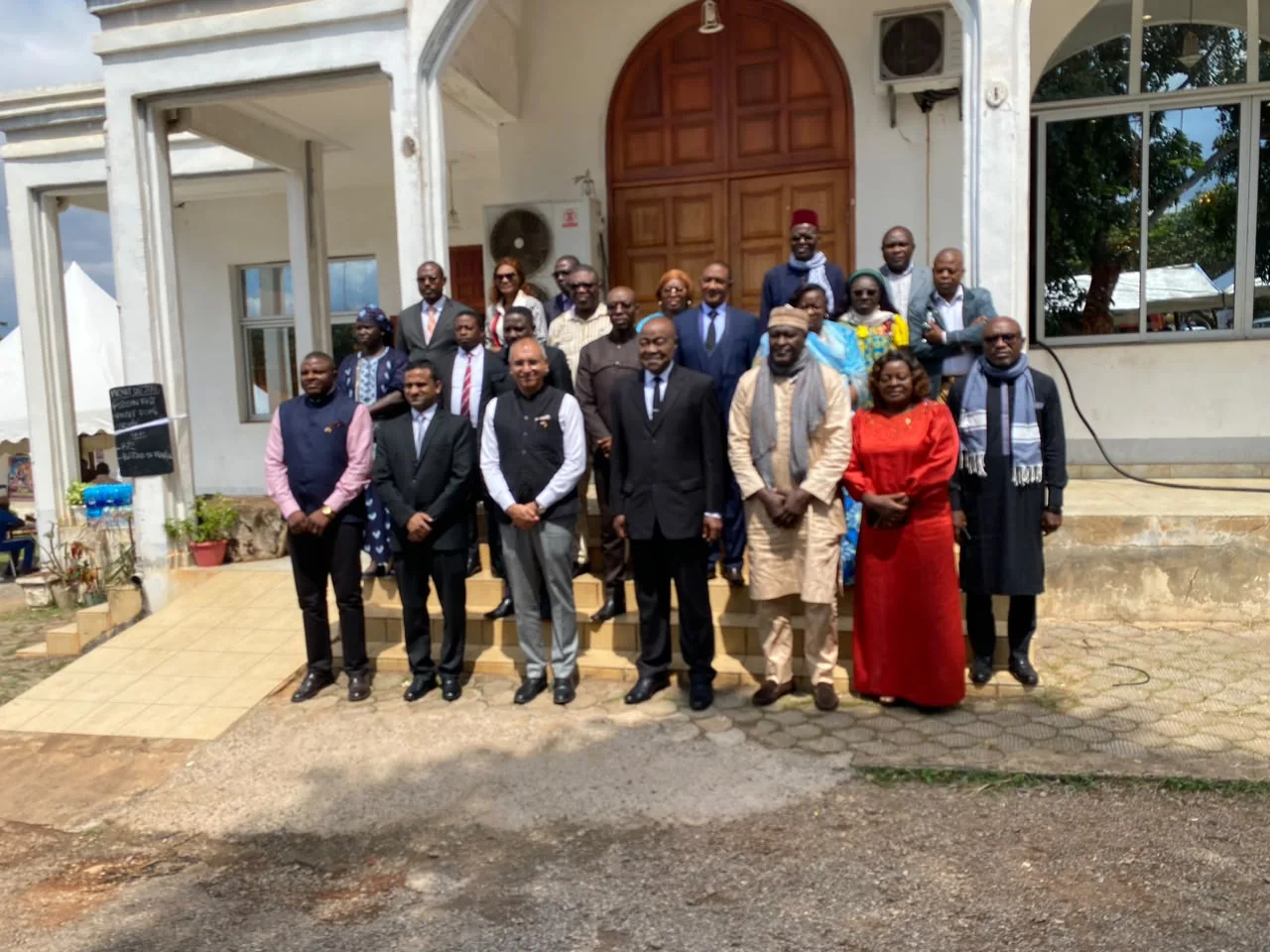
In 2026, the Executive Director of the Nguon Foundation was received in audience at the Ministry on the occasion of the 549th edition: a sign of the attention paid to this living heritage, of which the Foumban palace is one of the country’s great places of memory.

  • 549th edition celebrated in 2026
  • Royal ceremonies and court dances in Foumban
  • A festival run with the Nguon Foundation
Discover the history of the Nguon
History

The history of the Nguon and the Bamoun kingdom

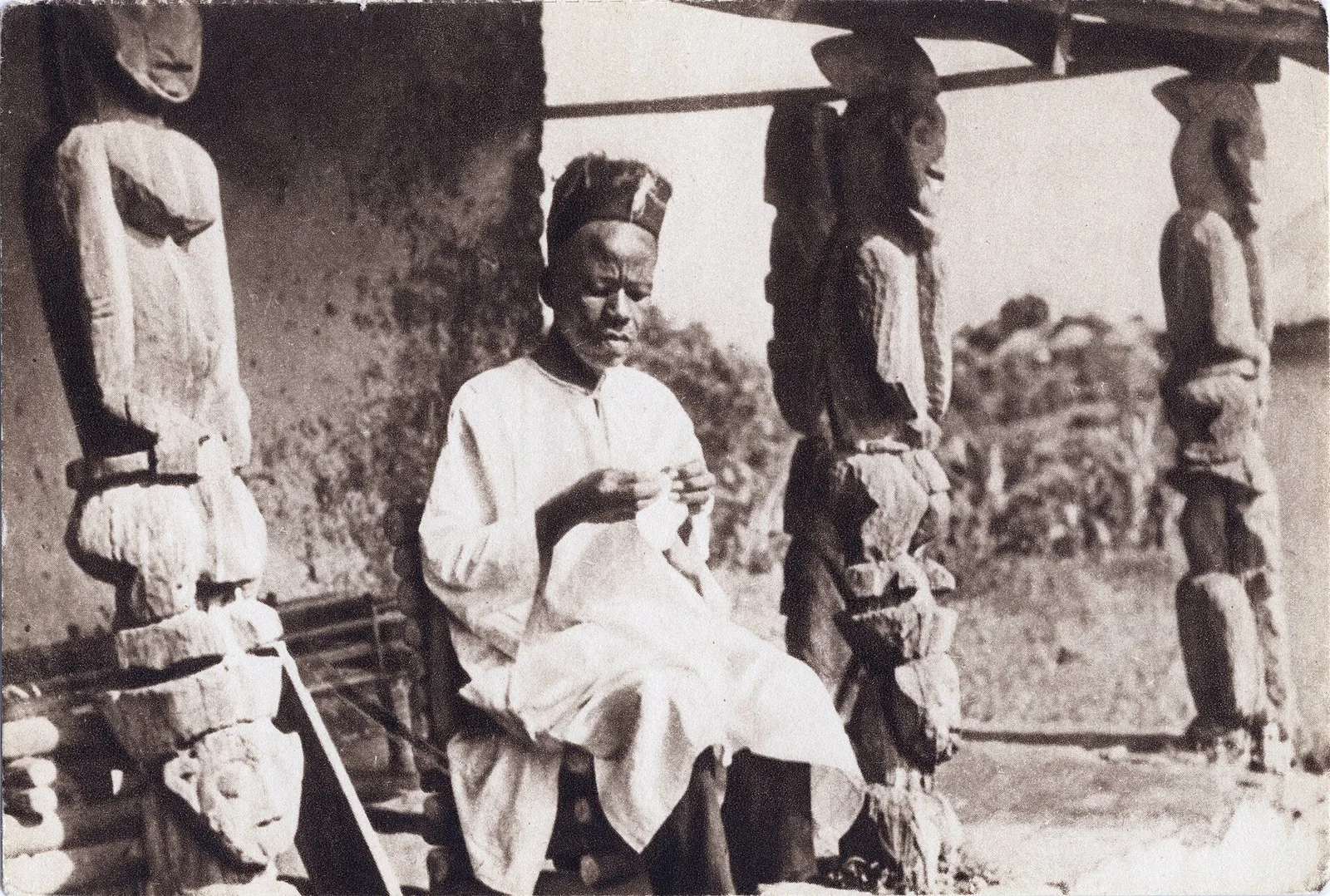
Bamoun craftsman carving in front of his works, old photograph

The Bamoun kingdom, established on the western highlands around Foumban, is one of the oldest monarchies of Central Africa still alive: tradition dates its foundation to the late 14th century. The Nguon, a festival of the community and the sovereign, is one of its great rites of continuity, and its numbering, already at the 549th edition in 2026, speaks to the depth of Bamoun memory.

A kingdom of inventors

The kingdom has distinguished itself through the inventiveness of its sovereigns: its own script, the shümom, created in the early 20th century under King Njoya, cartography, architecture, pharmacopoeia, bronze and weaving arts. This history is preserved at the palace and in the museum of the Bamoun kings, presented in the palaces and chiefdoms page.
From rite to contemporary festival

For a long time a ceremony internal to the court, the Nguon has opened up to the public while retaining the essentials of its protocol. The Nguon Foundation now leads the organisation, promotion and partnerships of the festival, in cooperation with the palace and with the Ministry’s services.

The Nguon is part of the intangible heritage, like the knowledge linked to the traditional know-how of Foumban: lost-wax bronze, weaving and sculpture. The West page gives the regional context.

ℹ️
A language, a script

Shümom was taught in schools in Foumban; it is a reminder that Bamum memory was also transmitted in writing. See national languages.

Ceremonies

The Nguon ceremonies

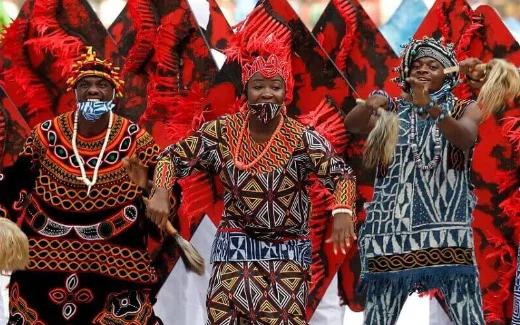
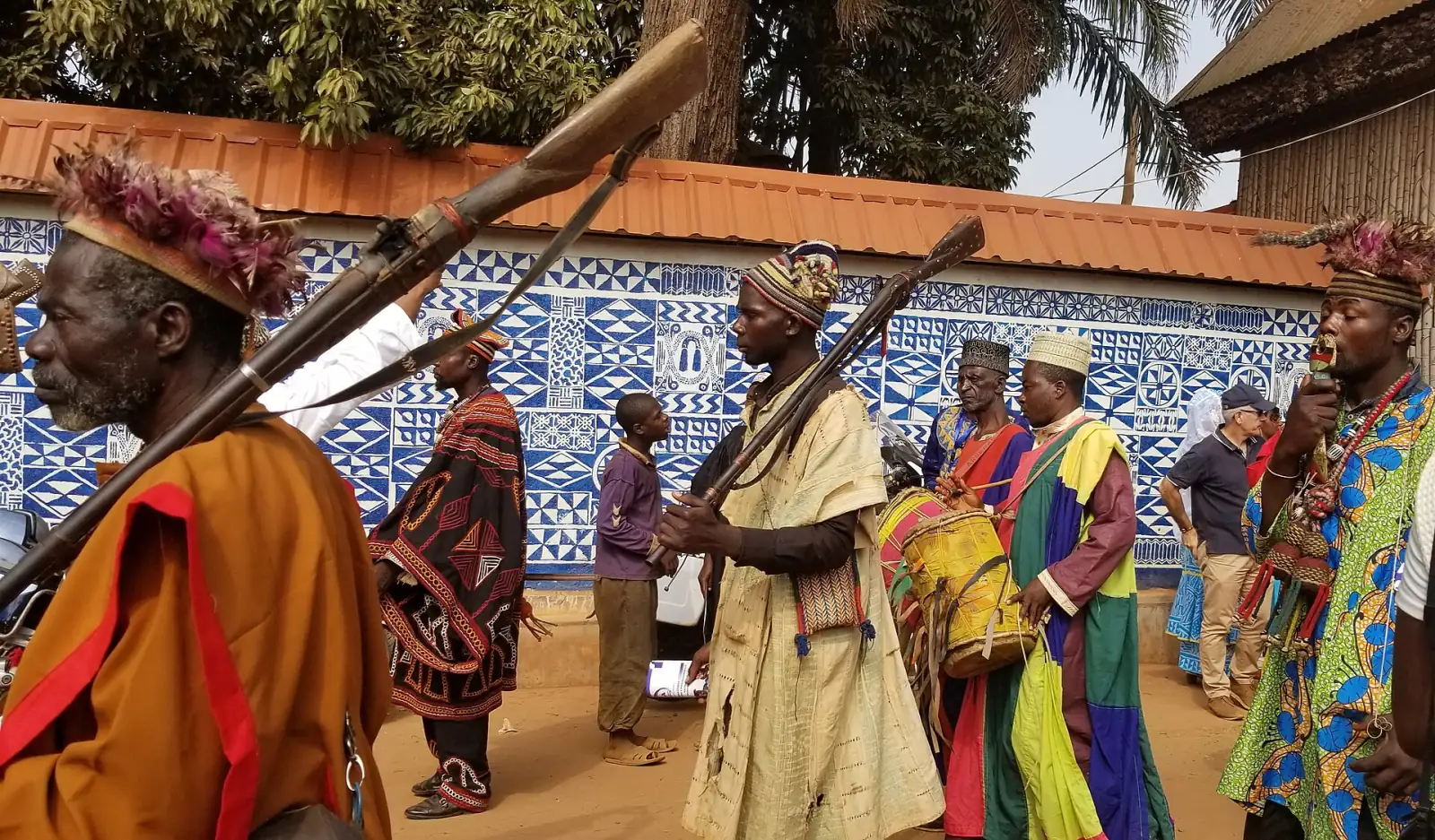
Procession of notables and musicians in front of a painted wall in Foumban

The ceremonies are the heart of the festival. They follow a precise order, dictated by the palace protocol, and are experienced with respect: visitors are invited to observe, never to interrupt.

The sovereign’s procession

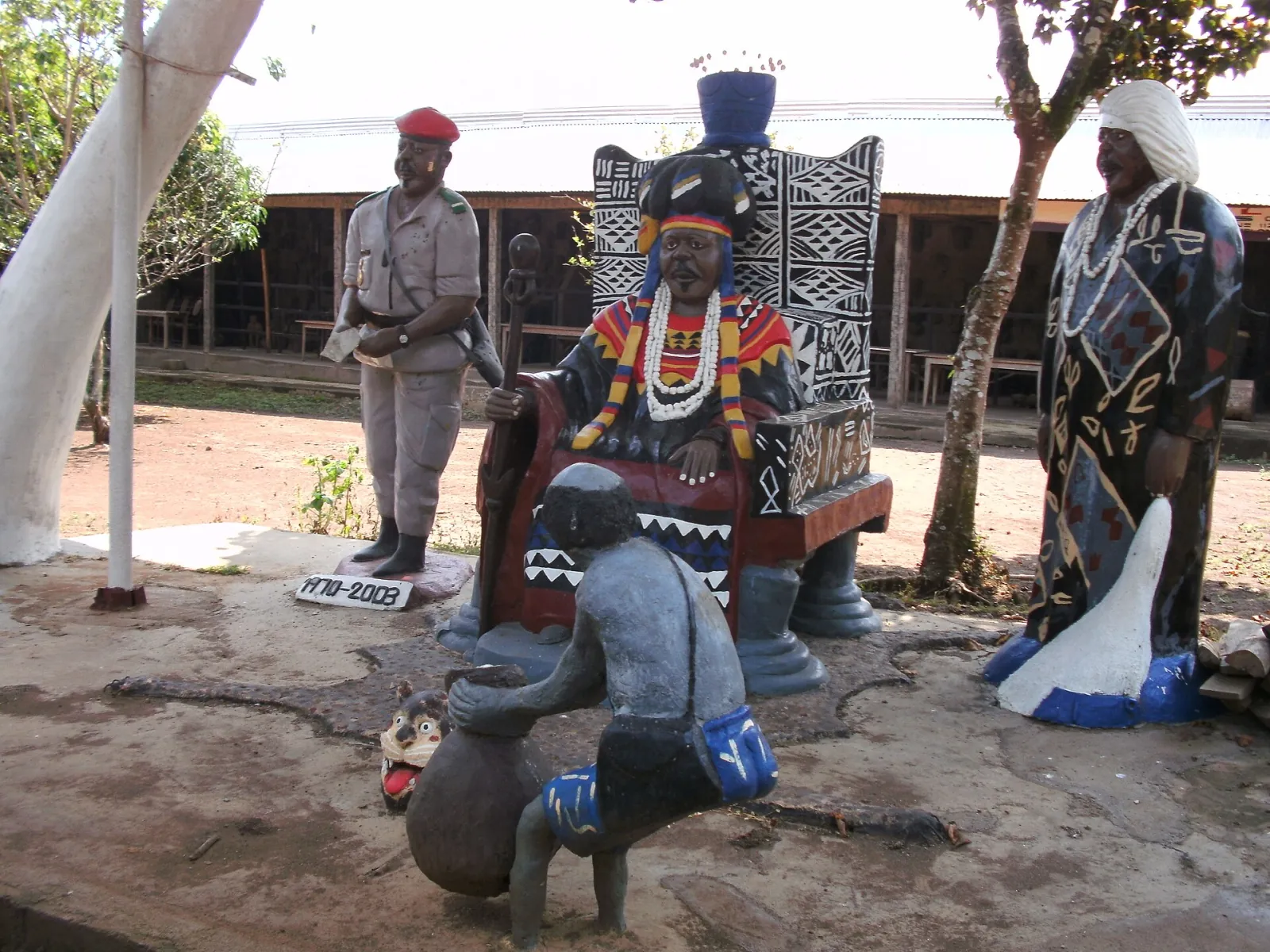
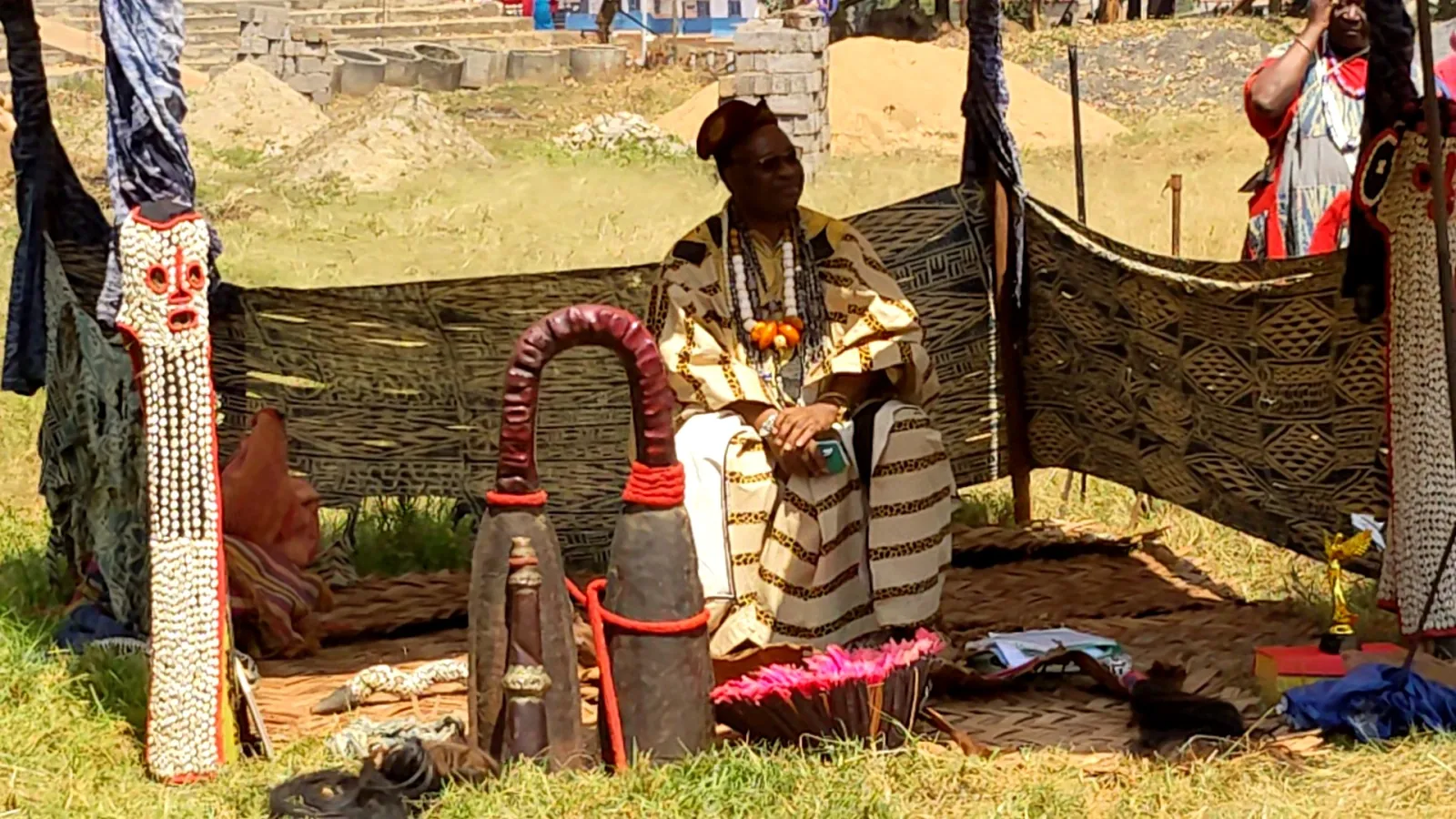
The most anticipated moment is the public appearance of the sovereign, surrounded by his dignitaries, his sceptre bearers and his horsemen. The attire, beads, colours and ceremonial hats follow a code that indicates rank and function.

Court dances and music

The kingdom’s court dances are accompanied by drums, horns and bells. They are led by groups of notables and young initiates, and their choreographies are passed down from generation to generation. They are documented on the Dance page and the Music page.

The other ritual moments

  • Tributes to the ancestors and to previous sovereigns;
  • Blessings and prayers for the season and the community;
  • Presentation of honours to the servants of the kingdom;
  • Popular festivities in the neighbourhoods of Foumban.

The Ministry ensures that these ceremonies are safeguarded, as shown by the national inventory. For visitors, a protocol guide is available from the Regional Delegation of the West.

ℹ️
Rules of conduct

Neat dress, silence during the rites, a ban on photography at certain moments: always follow the instructions of the dignitaries and organisers.

Programme

The Nguon programme

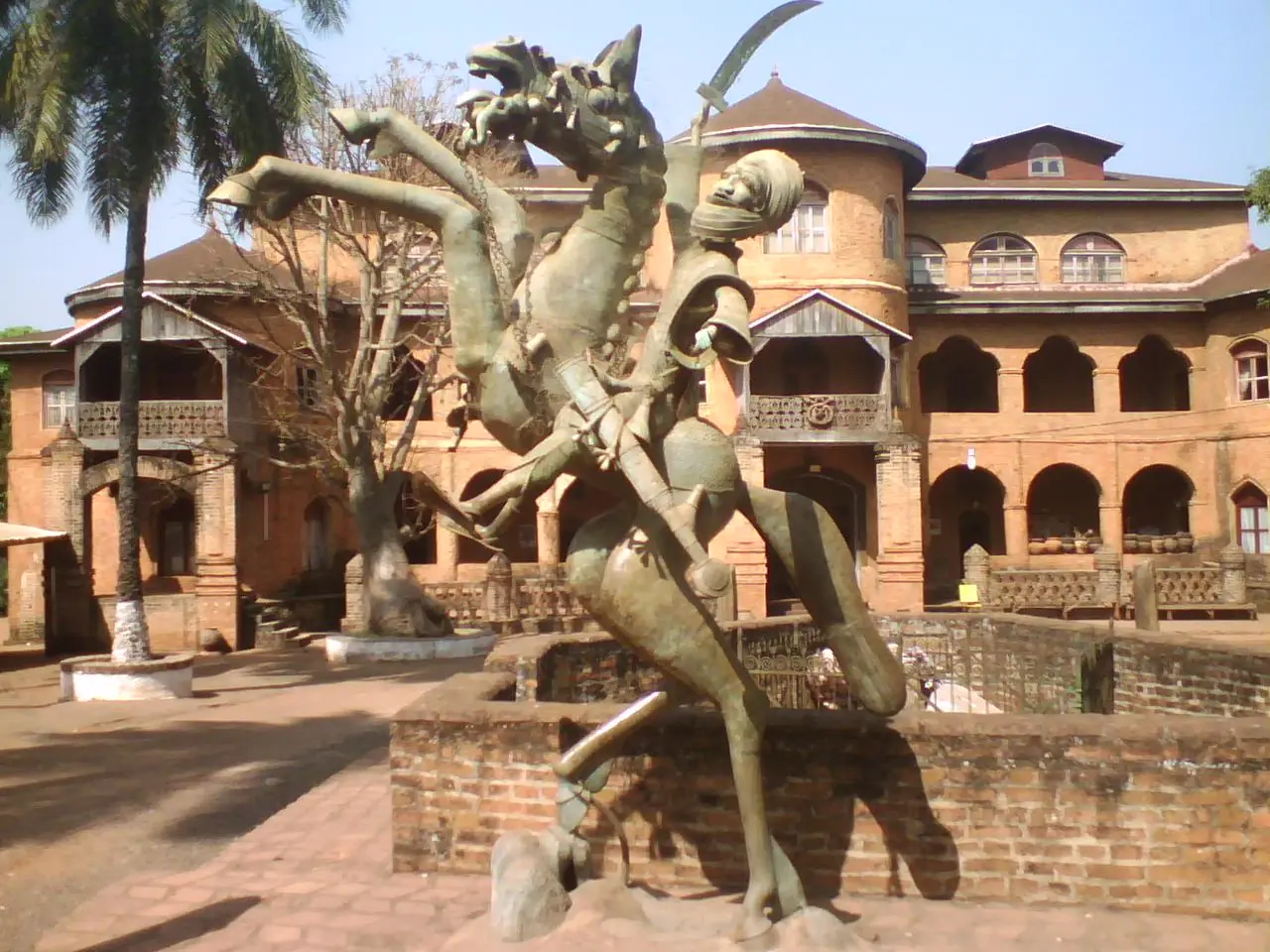
Bronze statue of a warrior horseman in front of the Foumban palace

The programme for each edition is set by the Nguon Foundation with the palace, then relayed in the cultural agenda and in the national calendar. The 2027 edition, which will be number 550, will follow the traditional framework, enriched with activities for young people and families.

A week of festivities

  • Opening day: welcome of delegations, opening ceremony at the palace and launch of the exhibition;
  • Cultural days: lectures on the history of the kingdom, screenings, bronze and weaving workshops, live sculpture sessions;
  • Youth day: dance, public speaking and singing competitions in the Bamoun language;
  • Grand royal day: procession of the sovereign, parade of notables, court dances and fantasia;
  • Closing evening: concert, prize-giving and tribute to the craftspeople.

Forum and market

A heritage forum brings together researchers, craftspeople, cultural managers and elected officials around a theme. The creators’ market showcases Bamoun crafts and their labels; stands are allocated according to the rules for trade shows and fairs.

Exhibitors and partners may apply for the support described in event subsidies.

ℹ️
2027 edition

The 550th edition is expected in Foumban at the end of September 2027; the exact dates are confirmed by the Nguon Foundation before the summer.

Visit Foumban

Visiting Foumban during the Nguon

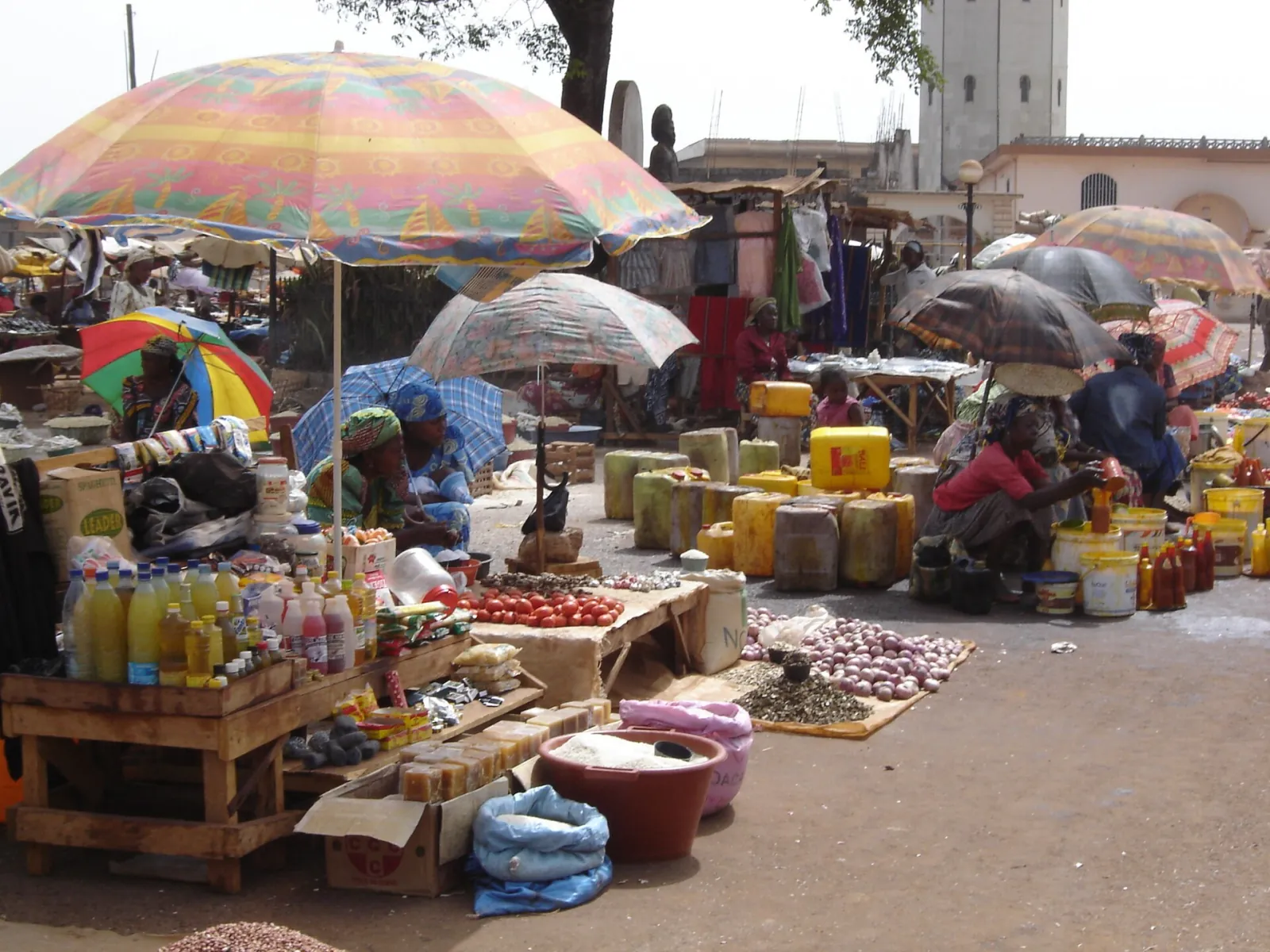
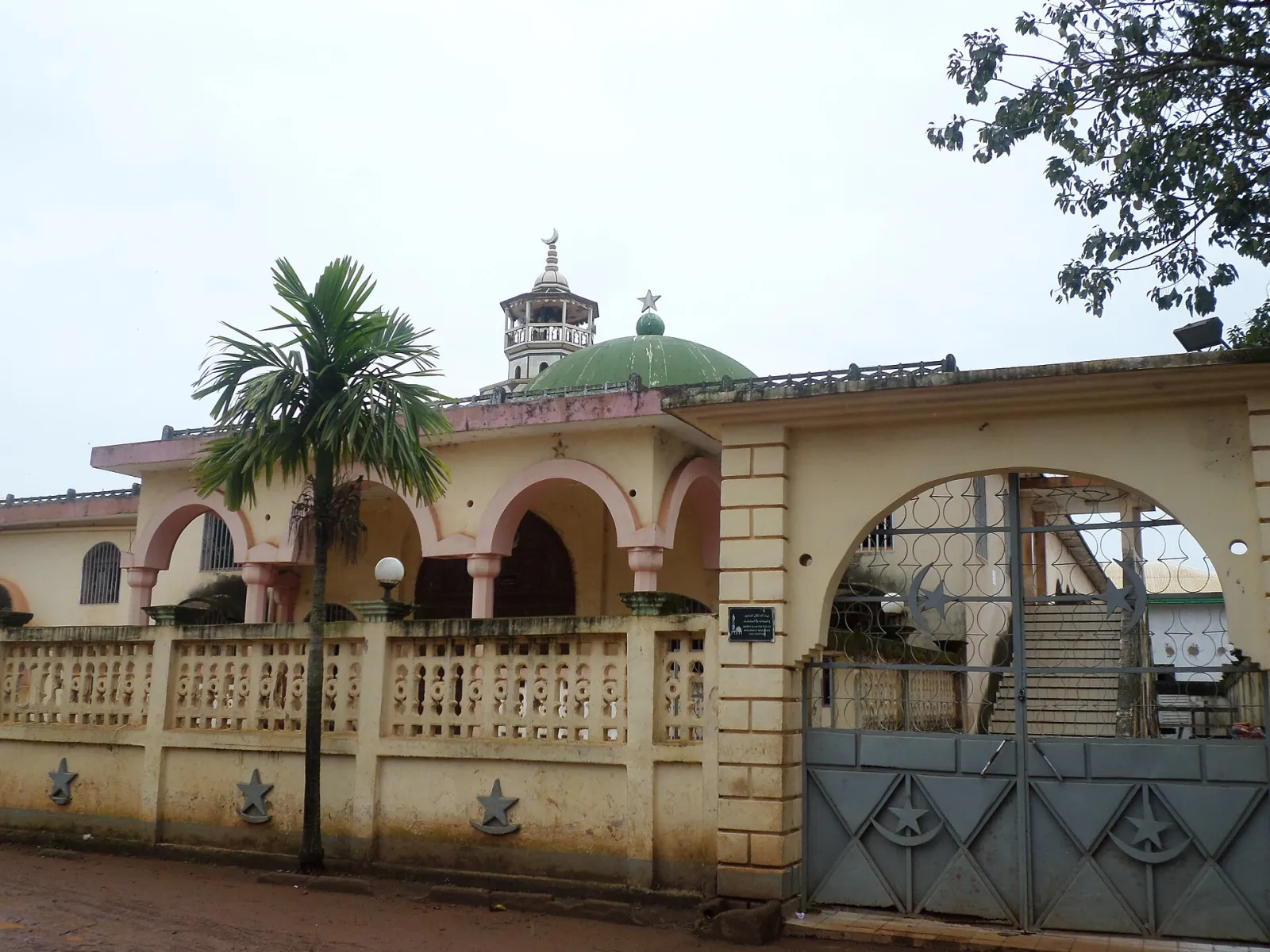
Women selling under colourful umbrellas at Foumban market near the mosque

Foumban is a city of museums, workshops and markets: during the Nguon, it is also an open-air stage. Allow at least two days to enjoy the festival and the city.

The palace and the museums

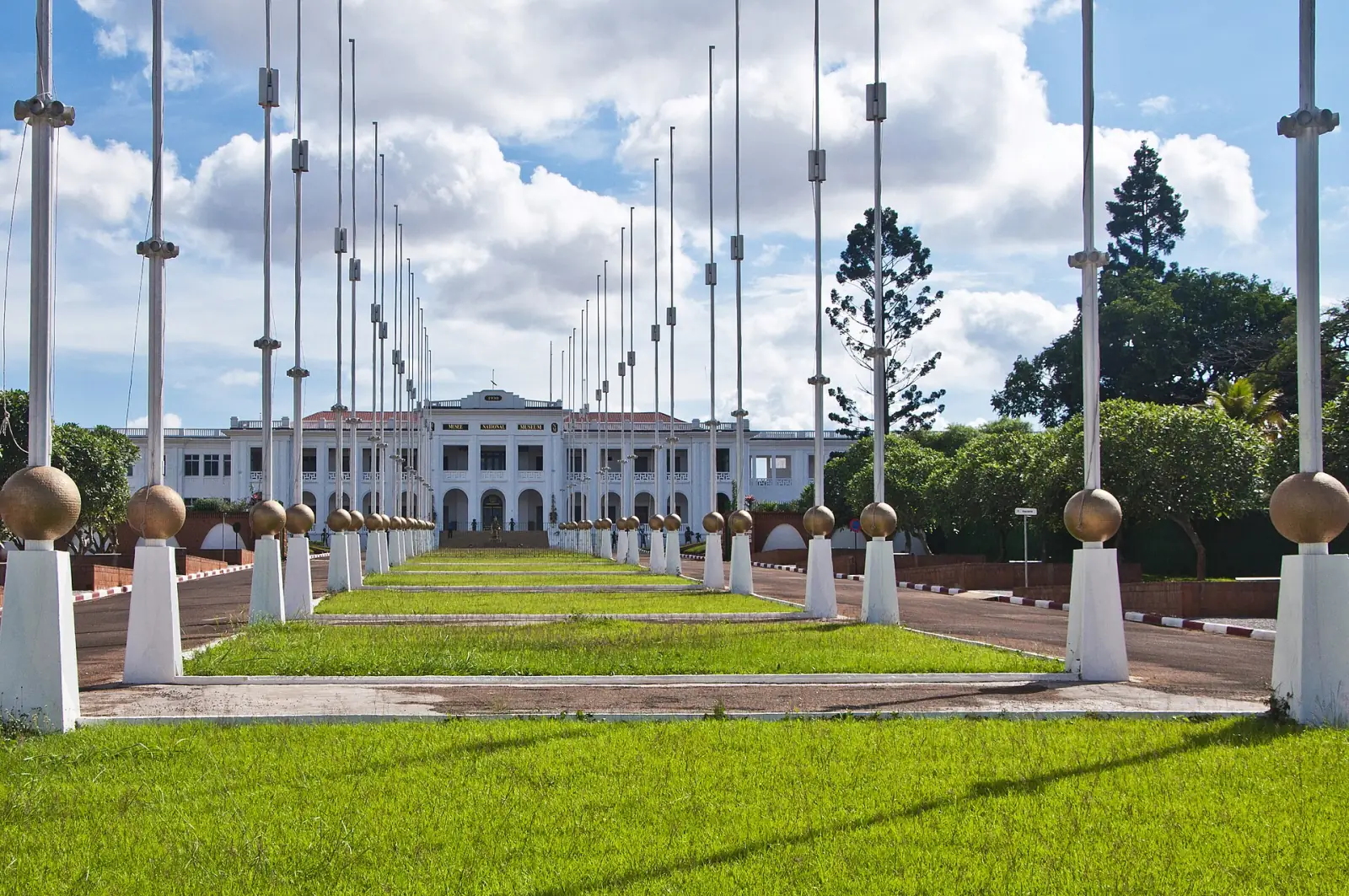
The royal palace, with its original architecture, houses the museum of the Bamoun kings, which preserves costumes, thrones, instruments, maps and manuscripts. The national museums page gives opening hours and visiting conditions; a guide accompanies groups.

The craft workshops

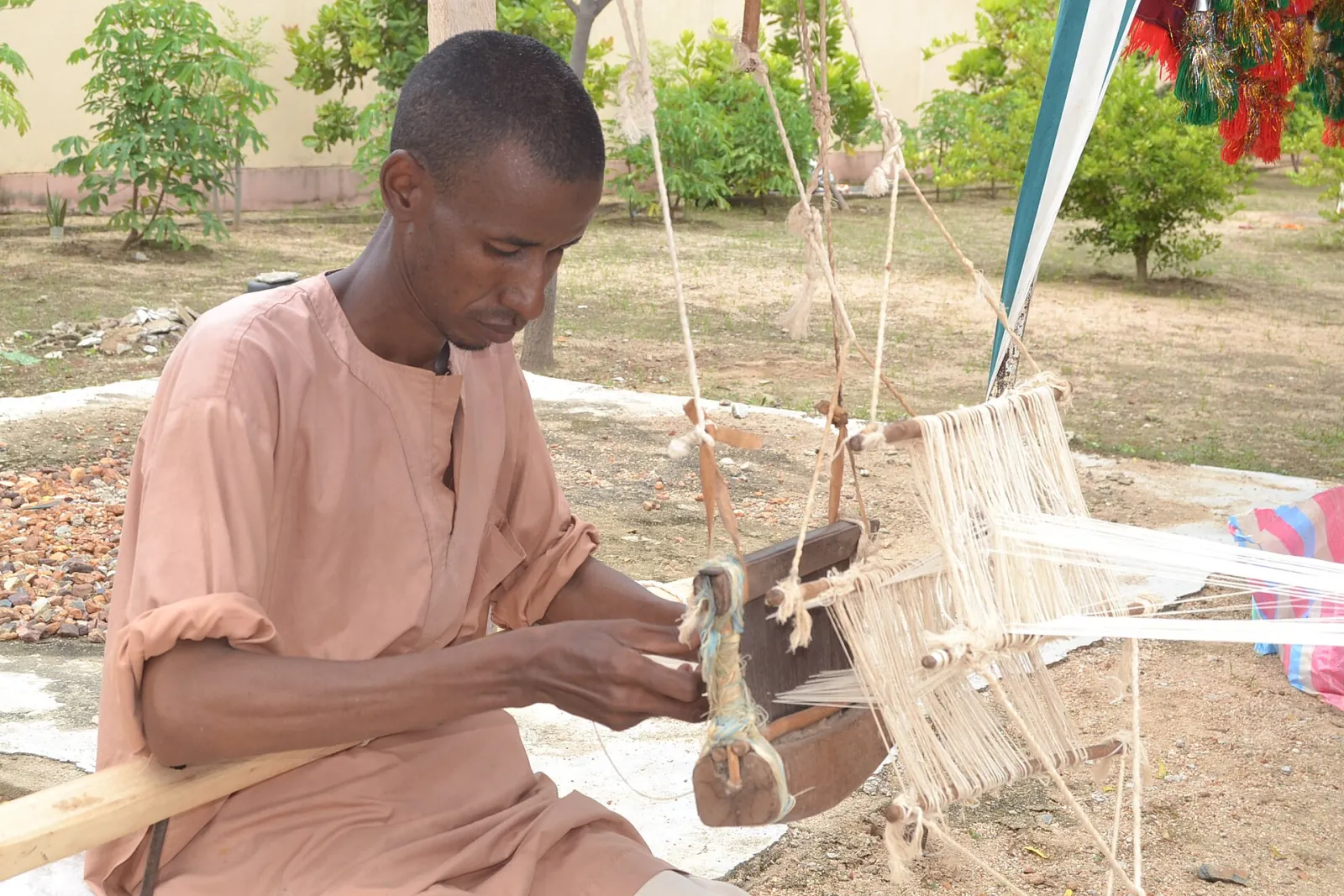
The craft village brings together bronze founders, wood sculptors, weavers, embroiderers and basket makers. Visitors can watch the stages of lost-wax casting, buy directly and order made-to-measure pieces, in compliance with the rule on export of works of art.

Where to stay, eat and get around

The city offers hotels, guesthouses and rooms with local hosts. Bamoun cuisine, rich in fish, leaves and maize, can be tasted in restaurants and at the markets. Getting around is on foot in the centre; a taxi is enough for the surroundings.

To organise your stay, consult the cultural itineraries and the cultural tourism section. The journey from Bafoussam or Yaoundé is by road.

ℹ️
Visiting tip

Book your guide at the palace the day before and keep small change for the markets: online payments are not always available.

Step by step

Preparing your stay for the Nguon

Set the dates

Find the edition in the national calendar and book as soon as the Foundation confirms the dates.

Book in Foumban

Hotels fill up quickly: reserve your room at least six weeks in advance.

Prepare the journey

Travel from Bafoussam or Yaoundé during the day; bring warm clothing for the evenings.

Familiarise yourself with the protocol

Read the instructions and choose respectful attire for the royal ceremonies.

Visit the palace and workshops

Book the museum visit, then go through the craft village to meet the founders and weavers.

Share and pass on

Credit the authors of images, support the craftspeople and leave your feedback with the Foundation.

Key facts

The Nguon at a glance

Key factDetailPublicWhere to find information
VenueFoumban, West regionVisitors and diasporaWest page
Edition cited549th in 2026General publicNational calendar
OrganisationNguon Foundation, with the palacePartners and sponsorsNguon Foundation
HighlightsSovereign’s procession, dances, forumFamilies and touristsCultural calendar
Associated heritagePalace, museum, bronze, weavingStudents and researchersPalaces and chiefdoms
PartnerMinistry of Arts and CultureOrganisersDirectorate of Performances
ProcedureFestival authorisationEvent organisersOne-Stop Shop
Journey

From the palace to the contemporary festival

14th centuryFoundation of the kingdom

Tradition places the birth of the Bamoun kingdom on the western highlands in this period.

19th centuryInfluence of the kingdom

The palace becomes a centre of power, craftsmanship and exchange with neighbouring kingdoms and traders.

Early twentieth centuryA builder sovereign

Creation of the Bamoun script, the current palace and schools, in a great surge of invention.

Late 20th centuryThe Nguon opens up

The festival welcomes more visitors, while keeping its protocol and its reserved moments.

2026549th edition

The Nguon Foundation, received at the Ministry, prepares the edition with its partners and its craftspeople.

To explore

The Nguon in the other sections

“Heritage lives when the festival is passed on: each generation adds its hands, its voice and its gaze.”

A representative of the Nguon Foundation
They live it

Perspectives on the Nguon

“
During the festival, children learn the songs and dances of the court; it is our best school of transmission.
A notable
Foumban
“
My workshop receives hundreds of visitors during the week: the Nguon is our showcase and our orders for the year.
A bronze founder
Foumban
“
I come every year from the capital; the emotion of the sovereign’s procession is the same, and the city remains very hospitable.
A visitor
Yaoundé
“
As a guide, I see that visitors appreciate the explanations about the protocol and the history of the museum objects.
A palace guide
Foumban
To act

Procedures around the Nguon

Festival authorisation

Organisers of associated events submit their file online to the One-Stop Shop, several weeks in advance.

Submit the file

Show authorisation

For concerts, parades and performances open to the public during the festival week.

Apply

Event grant

Support may be requested to fund events of cultural interest.

See the grants

Export of works of art

Craft items purchased in Foumban are subject to rules on leaving the territory.

Read the procedure
To download

Foumban visitor fact sheets

Glossary

The words of the Nguon

Nguon

Great cultural festival of the Bamoun kingdom, celebrated in Foumban with royal ceremonies and dances.

Bamoun

People of the western highlands, heirs to a kingdom founded in the late 14th century.

Nguon Foundation

Body running the festival, responsible for organisation, promotion and partnerships.

Royal palace

Residence of the sovereign, a place of power and memory, open to visits through the museum.

Shümom

Script invented for the Bamoun language in the early 20th century.

Notable

Dignitary of the kingdom who takes part in protocol and decisions.

Fantasia

Parade of horsemen accompanying the major court festivals.

Lost-wax bronze

Casting technique in which the wax model disappears when the metal is poured.

Chiefdom

Traditional entity governed by a chief, with its palace and its rules.

Heritage forum

Meeting where experts and craftspeople discuss transmission and promotion.

On the site

Continue reading about the Nguon

Resources

Useful links for the Nguon

Stakeholders

Who runs the Nguon?

Questions

Your questions about the Nguon

Where is the Nguon held?

The Nguon takes place in Foumban, in the West region, around the royal palace and several places in the city: public squares, museum, craft village and conference halls. The city is accessible by road from Bafoussam and Yaoundé.

Can I visit the palace during the festival?

Yes, the palace and the museum of the Bamoun kings welcome visitors, with opening hours adapted to the festival and guides to accompany groups. Some rooms or ceremonies remain reserved; follow the staff’s instructions and respect the dress requirements.

Who organises the festival?

The Nguon Foundation leads the organisation, promotion and partnerships of the festival, in liaison with the palace and the Ministry’s services. Its Executive Director was received in audience at the Ministry in 2026, on the occasion of the 549th edition.

Is authorisation required to organise an associated event?

Yes. Any public show or event associated with the Nguon requires a festival or show authorisation, processed at the One-Stop Shop. The file includes the programme, venue, capacity, security plan and the organiser’s insurance.

May ceremonies be photographed?

Some moments are open to photography, others are not. Professional photographers request a badge from the Foundation, and any commercial use requires the organisers’ agreement and a credit line. The public follows the marked perimeters and the instructions of the dignitaries.

What should I wear?

Neat and sober dress is expected: shoulders covered, no headwear during certain ceremonies, closed shoes. Visitors may wear traditional clothing. If in doubt, ask the reception volunteers for advice.

How can I buy crafts safely?

Favour the workshops in the craft village and accredited stands. Ask for a receipt and, for any item intended for abroad, find out about the procedure for exporting works of art, which sometimes requires a non-heritage certificate.

How can I become a partner or volunteer?

The Foundation recruits volunteers every year for reception, logistics and mediation, and welcomes partners. See the Volunteering page and the Event subsidies section, or write to the Ministry via the contact form.

Contact

Write to the Ministry about the Nguon

Specify the festival or event concerned, the nature of your request and the period.

Competent directorate

Contact the Nguon team at the Ministry

Address

Directorate of Shows and Creative Industries
Ministry of Arts and Culture
Quartier du Lac – Ministerial Zone
P.O. Box 1053 Yaoundé, Centre Region, Cameroon

Reach us

+237 6 51 70 58 41

contact@minac.gov.cm

Opening hours

Monday to Friday, 8 am to 4 pm

See palaces and chiefdoms

Discover the places of memory and the chiefdoms that host the major traditional festivals.

Palaces and chiefdoms
WhatsApp