Coat of arms of CameroonMinistry of Arts
and Culture
Republic of Cameroon
My procedures
Home
Minister’s message
News
Press releases
Cultural calendar
Official speeches
Press review
Photo library
Video library
Calls for projects
Job vacancies
Public procurement
Newsletter
Frequently asked questions
Site map
Contact
Press area
Podcast “The Voice of Culture”
Legal notices
Privacy policy
Cookies and trackers
The Ministry
Missions and responsibilities
Organisation
Organisation chart
Minister’s Office (Cabinet)
Management team
General Secretariat
General Inspectorate
Central directorates
Regional Delegations
Institutions under supervision
Legislative texts
Regulatory texts
Sector strategy
Major projects
Budget and reports
Partners
Careers
Archives
Institutional communication
Quality and accessibility
Arts
Visual and plastic arts
Visual arts
Performing arts
Theatre
Dance
Music
Literature and books
Cinema and audiovisual
Photography
Fashion and design
Digital arts
Art crafts
Artists’ directory
Residencies
Prizes and awards
Arts education
Urban arts
Heritage
Tangible heritage
Intangible heritage
UNESCO sites
National museums
Listed monuments
National inventory
Palaces and chiefdoms
Archaeology
Linguistic heritage
Oral traditions
Traditional know-how
Restitution of cultural property
Fight against illicit trafficking
Listing and protection
Conservation and restoration
Heritage Days
Cultural landscapes
Industries
Music and recording
Cinema
Publishing and books
Digital arts
Fashion and creativity
Crafts
Cultural tourism
Funding for culture
Support funds
Incubators
Cultural entrepreneurship
Culture Observatory
Vocational training
Studies and reports
Sector statistics
Export and outreach
Intellectual property
Copyright
Legal framework
Copyright and neighbouring rights
Collective management societies
Register a work
Licences
Private copying
Fight against piracy
Model contracts
Social status of artists
Mediation
Disputes
Training
Fee scales
Register of works
Contact
Digital neighbouring rights
Public domain
Festivals
National calendar
Ngondo
Nguon
Écrans Noirs
Heritage Days
Music Day
Regional festivals
Fairs and exhibitions
Biennials
National competitions
Cultural days
Organise a festival
Event grants
Ticketing
Archives
Volunteering
Diaspora festivals
Regions
Adamawa
Centre
East
Far North
Littoral
North
North-West
West
South
South-West
Cultural map
Regional Delegations
Traditional chiefdoms
National languages
Cultural routes
Decentralised cooperation
Regional observatory
Cooperation
UNESCO
Francophonie (OIF)
African Union
Commonwealth
CEMAC
Bilateral cooperation
Cultural agreements
Professional organisations
Scholarships
Artist exchanges
Cultural years
Diaspora
Funded projects
Embassies
Technical partners
International restitution
International monitoring and calls
Services
Artist card
Show authorisation
Filming authorisation
Festival authorisation
Deposit of a work
Export of works of art
Listing of a property
Grant application
Association accreditation
File tracking
Forms
Fees
Opening hours and addresses
Reporting
Online help
My account
One-Stop Shop
Cooperation

Professional organisations

ICOM, trade unions, federations and networks: how Cameroonian culture professionals organise themselves, which bodies the Ministry monitors, and how to create or join an organisation.

Updated on 6 November 20264 sub-pages
Collective management societies5
Families of organisations monitored4
International network of museumsICOM
Directorates in charge of monitoringDADA and DSIC
The networked sector

Professionals get organised

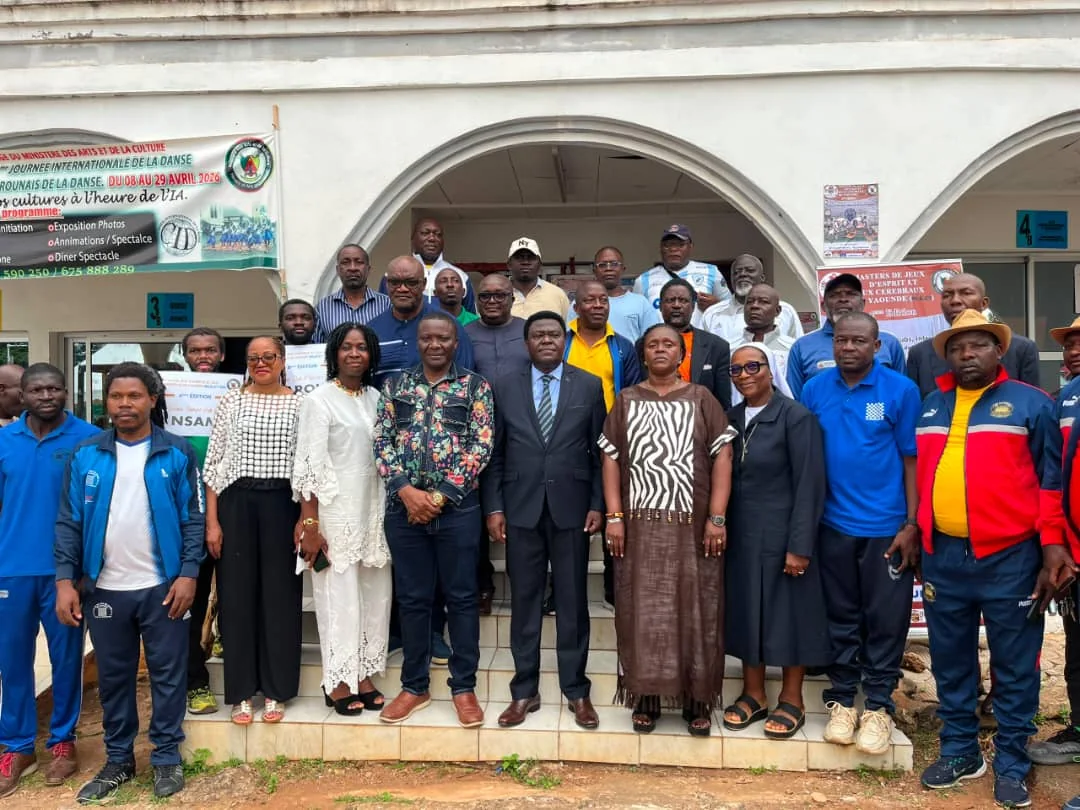
International Dance Day participants in front of the house of culture

A living cultural sector relies on professionals who band together: museum curators, artists, publishers, producers, festival organisers. These groups defend common interests, set professional rules, train their members and speak with one voice to public authorities and foreign partners alike.

The Ministry of Arts and Culture liaises with the five collective management bodies and monitors professional associations and groupings; international organisations such as ICOM, for their part, bring together museum professionals. The sectoral strategy aims to structure the guilds and artistic professions, in line with the sectoral strategy.

  • ICOM for museum professionals
  • Trade unions and federations to defend the professions
  • Regional and international networks to travel and train
Discover ICOM
ICOM

ICOM, the International Council of Museums

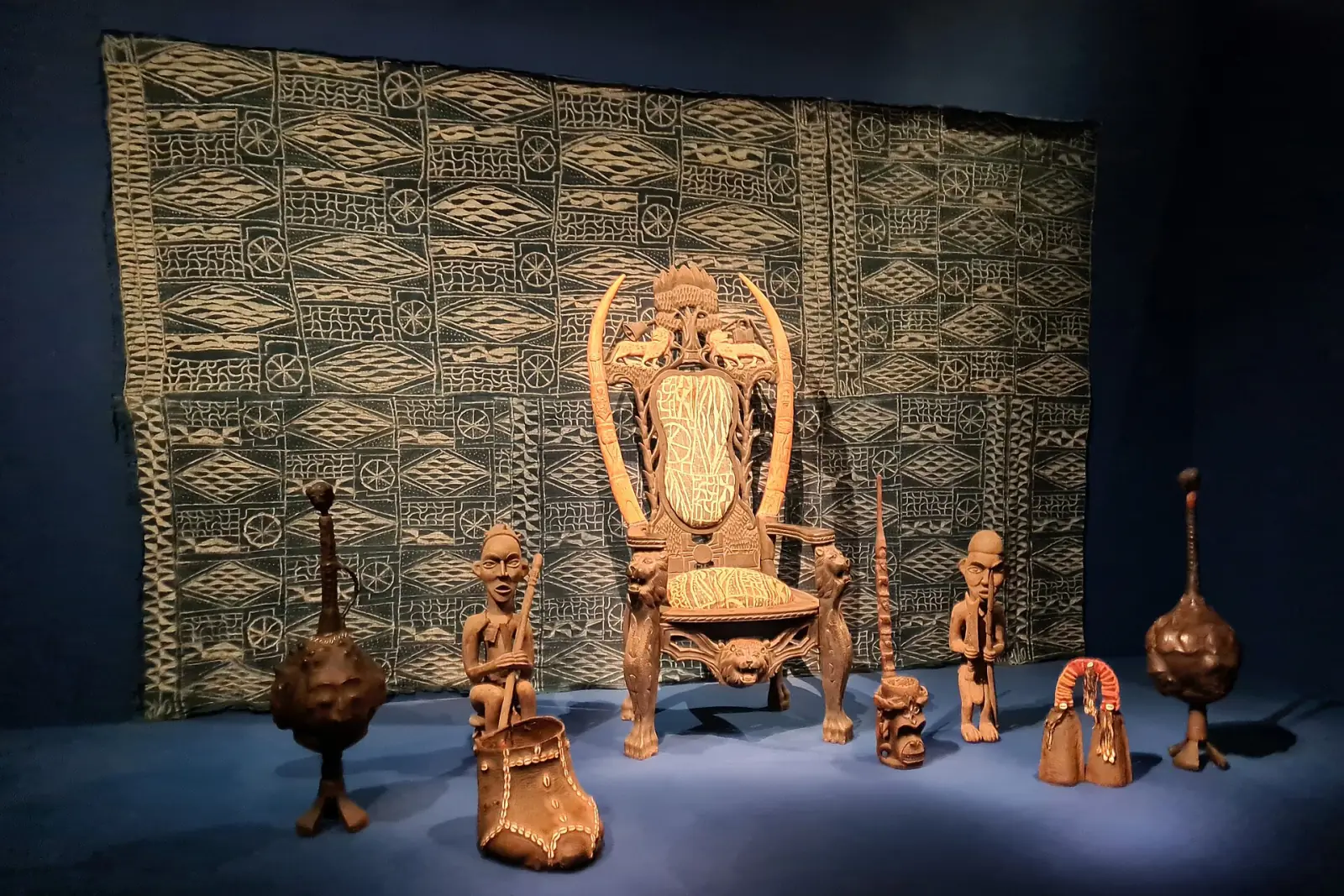
Carved wooden throne in front of a large textile, surrounded by statuettes and royal objects

The International Council of Museums (ICOM) brings together museum professionals from around the world: directors, curators, conservators, mediators, educators, technicians. It publishes a code of professional ethics, organises specialised committees (conservation, education, museography, security) and circulates tools to combat trafficking in cultural property, including the “Red Lists” of the most endangered objects. These lists were cited among the resources used by the Ministry to connect its inventories to the rest of the world.

What ICOM brings to Cameroon

For a country with national museums and many community and chiefdom museums, belonging to the network offers three advantages: access to training, the possibility of comparing practices and a common language for loans, exchanges and restitutions. Work on the national inventory and on combating illicit trafficking draws on these references.

How to join

Membership is individual or institutional; it goes through the national committee, which centralises applications, organises annual meetings and relays the network’s calls. Museum professionals can also approach the conservation and restoration services for initial advice.

  • Individual membership for a professional;
  • Institutional membership for a museum;
  • Participation in international committees;
  • Access to publications and training.
ℹ️
International Day

Each year, International Museum Day is an opportunity to open the galleries, schedule workshops and showcase the teams’ work.

Trade unions

Trade unions of artists and cultural workers

Singer crouching on stage in the lights of a large open-air concert

A professional trade union defends the economic, moral and social rights of its members. In culture, it may bring together musicians, actors, visual artists, performing arts technicians, writers or museum workers. Its legitimacy rests on its representativeness, its registered statutes and its ability to negotiate collective agreements and model contracts with employers and public authorities.

Their missions

  • Inform artists about their rights, in particular the social status of the artist;
  • Support negotiations on remuneration and working conditions;
  • Propose balanced model contracts;
  • Support their members in the event of a dispute, in conjunction with mediation;
  • Represent the profession on advisory commissions.

The relationship with the Ministry

Trade unions are consulted on texts concerning their sector, on the awarding of cards and on social protection policies. They are received by the competent directorate and may sit on juries and commissions. The Ministry invites them to keep their statutes up to date and to submit their activity reports so as to be included in its monitoring.

Create or join a trade union

Creating one involves bringing together members of the same profession, drafting statutes, electing a bureau and completing the legal formalities. Artists who have no structure can first join an existing organisation or seek advice from the regional delegation.

ℹ️
Social protection

Joining a trade union does not replace the artist card: the two procedures are complementary and are prepared with the same supporting documents.

Federations

Federations of publishers, producers and artists

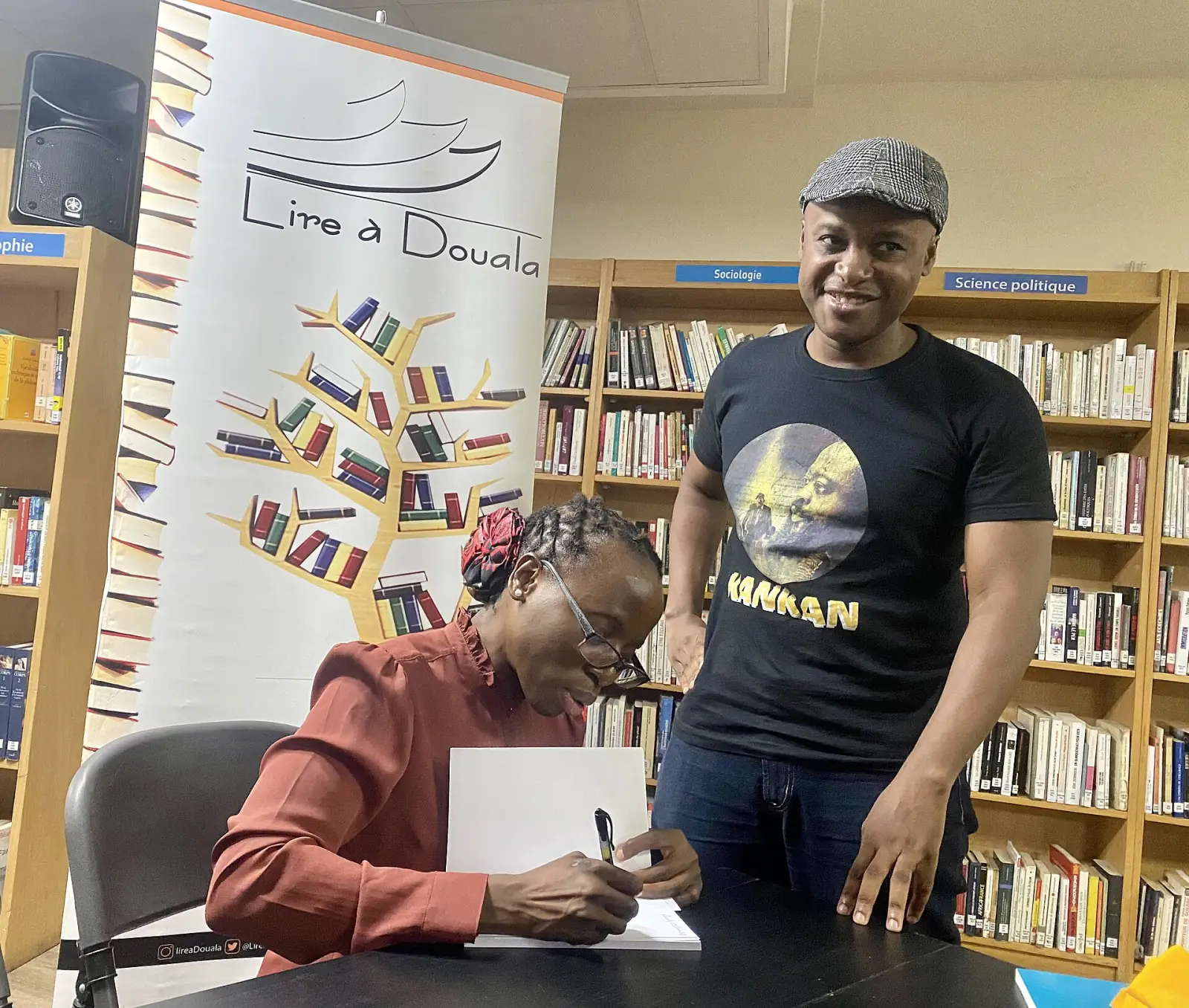
Author signing a book in a Douala bookshop in front of shelves

A federation brings together several associations or trade unions from the same sector. It gives extra weight to small structures and serves as a single point of contact for major issues: book policy, regulation of audiovisual production, organisation of festivals, funding mechanisms. It is also where the good practices of a sector are defined.

The main streams

In books, publishers and booksellers defend a chain that runs from author to reader, in connection with work on publishing and books. In music, producers and artists come together around issues of remuneration and piracy; see the music and record sector. In cinema, producers, directors and exhibitors organise the profession; see the film industries. Crafts and fashion also have their groupings.

Federations and copyright

Federations are the natural partners of the five collective management societies, with which they coordinate the collection and distribution of rights, as explained on the page on collective management societies. They also take part in the fight against piracy.

A credible federation holds regular assemblies, publishes its accounts and opens its bodies to all regions.

ℹ️
Running costs

A federation is formed through a constituent general assembly, statutes adopted by the founding members and registration with the competent authorities.

Networks

Regional and international cultural networks

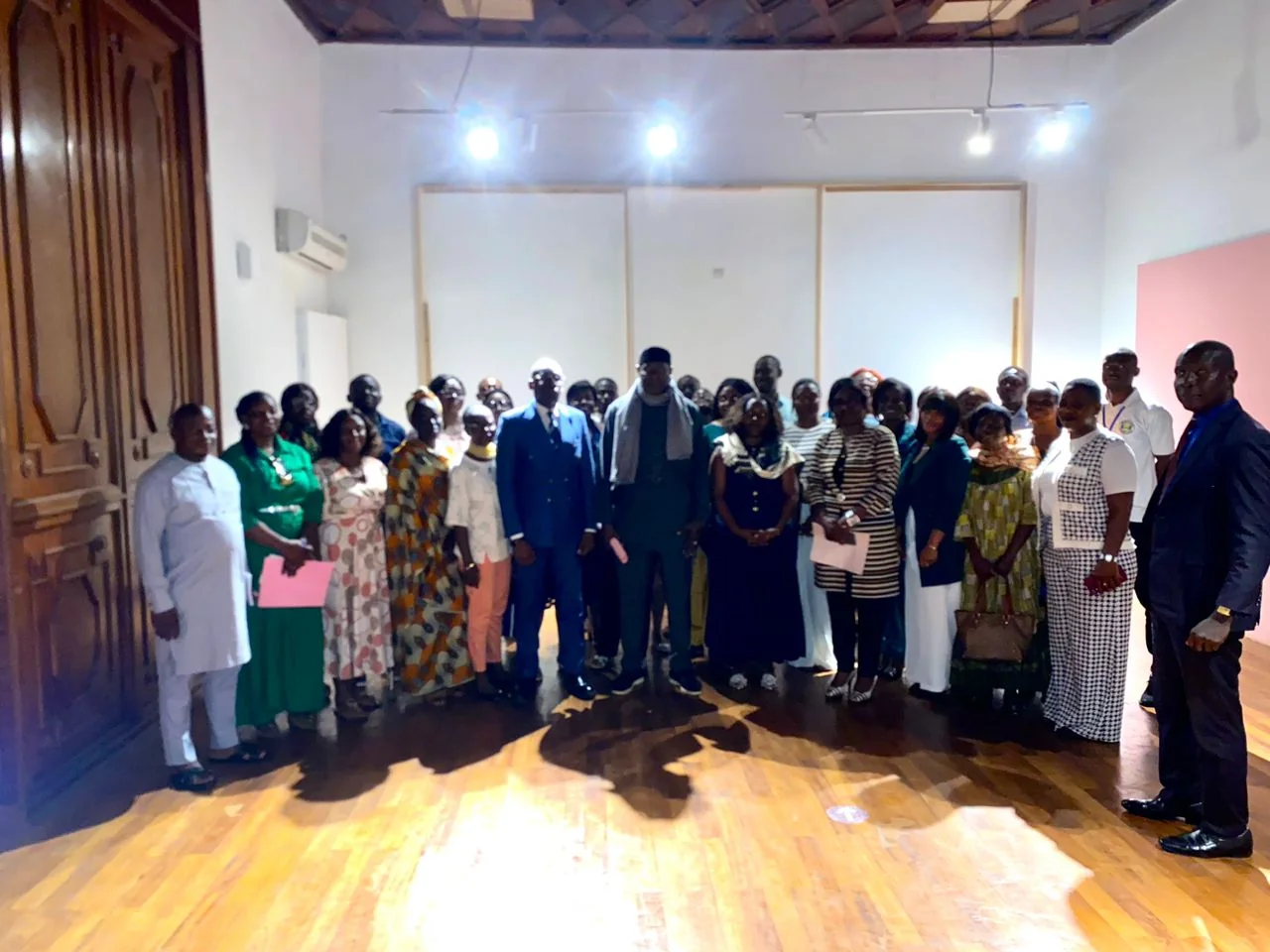
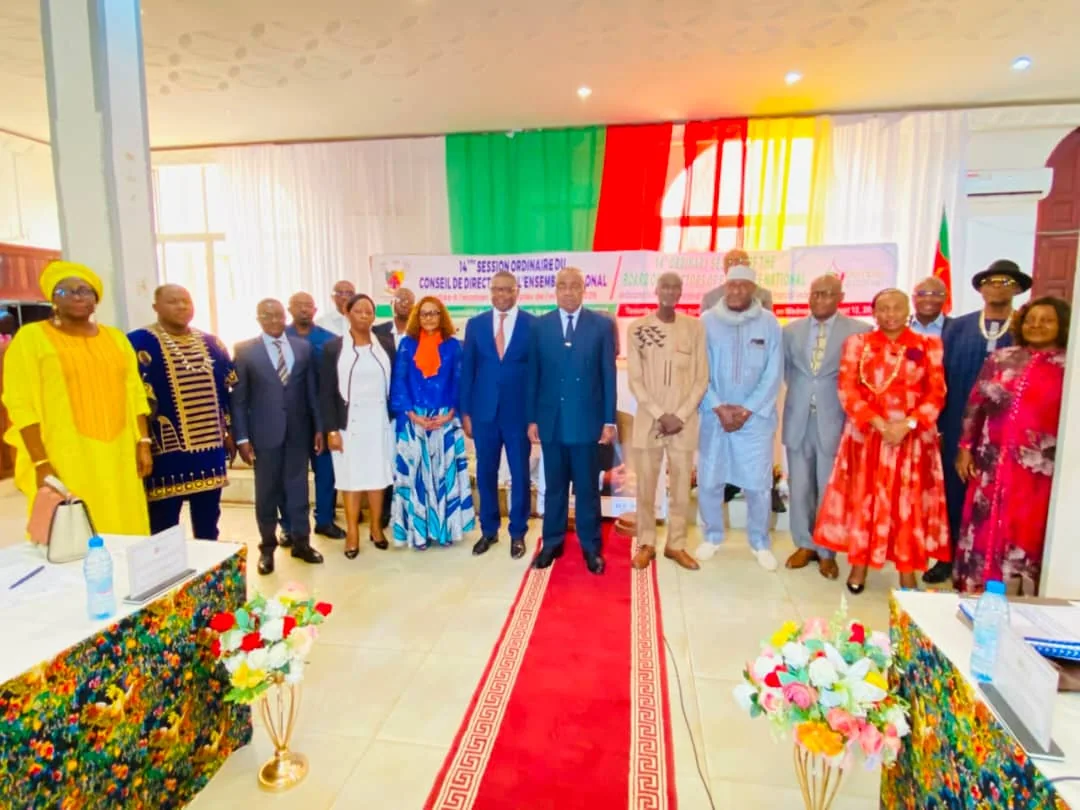
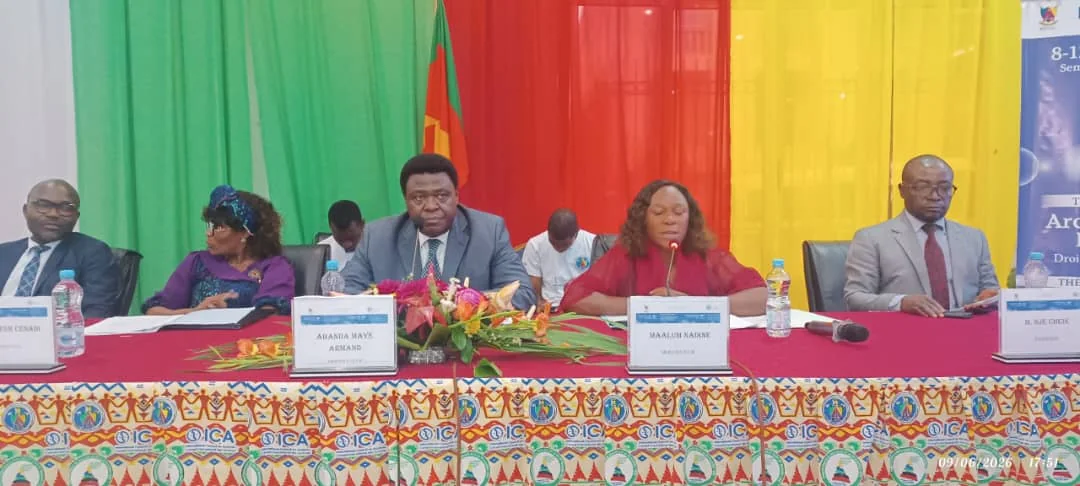
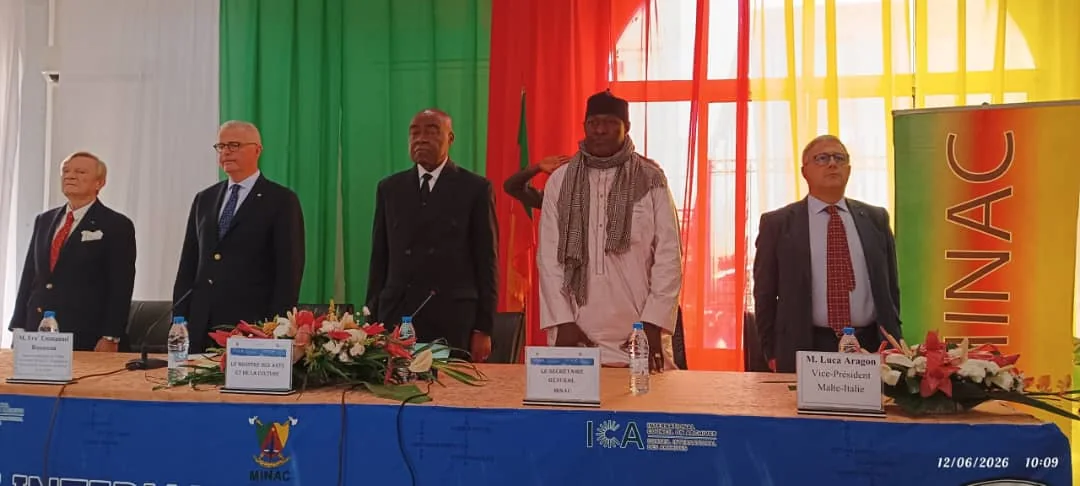
Group of participants in varied outfits posing in the middle of a wooden-floored hall during a Ministry meeting

Beyond trade unions and federations, more flexible networks link professionals: networks of festivals, libraries, cultural centres, publishers, visual artists, show producers. They work through the exchange of information, the circulation of works, cross-training and joint advocacy. Their strength is that they go beyond administrative borders.

At regional and African level

Central African networks, both Francophone and Anglophone, facilitate the movement of artists and shows. They often rely on the institutional frameworks of CEMAC, the African Union, the Commonwealth and the Francophonie.

Intellectual property organisations

The Minister liaises with the African Intellectual Property Organisation (OAPI) and the World Intellectual Property Organisation (OMPI), whose registration systems and treaties protect creators. Cameroonian collective management societies are connected to them for the protection of their repertoires abroad; see the intellectual property page.

Choosing the right network

  • Check governance and the transparency of accounts;
  • Assess the concrete benefits: training, visibility, markets;
  • Allow for the time and membership fee required;
  • Make sure the network welcomes members from all regions.

The Ministry’s monitoring flags networks that are opening their membership; see international monitoring and calls.

ℹ️
Becoming known

An artist or organisation wishing to join a network starts by joining the artists’ directory, the starting point for many introductions.

Procedure

Structuring a professional organisation

Bring peers together

Gather professionals in the same activity around a shared need: remuneration, training, access to venues, defence of a repertoire.

Draft the statutes

Define the purpose, bodies, membership conditions, length of terms of office and financial rules, with the help of a lawyer or the regional delegation.

Register the structure

Submit the recognition file for the association or trade union, then apply for approval if you wish to seek public support.

Becoming known

Enter the organisation in the directory and introduce it to the Ministry and to the collective management societies of your sector.

Join a network

Join a federation or a regional or international network, so as to benefit from training and contacts outside the country.

Reporting

Hold the annual assembly and publish an activity report and a financial statement: this is the condition for the trust of members and partners.

Key facts

Professional organisations at a glance

TypeMain roleTypical membersContact at the Ministry
Museum network (ICOM)Ethics, training, Red ListsCurators, conservators, mediatorsDirectorate of Cultural Heritage
Artists’ trade unionDefence of social and economic rightsMusicians, actors, visual artists, techniciansDirectorate of Arts Development and Promotion
Publishers’ federationStructuring of the book chainPublishers, booksellers, printersBook and industries services
Producers’ federationRegulation of production and distributionProducers of music, films, showsCultural industries services
Collective management societyCollection and distribution of rightsAuthors, composers, performers, publishersDirectorate of Arts Development and Promotion
Festival networkShared programming, movement of artistsOrganisers of festivals and fairsCultural events services
Regional or international networkExchanges, advocacy, trainingAssociations, cultural centres, institutionsCooperation unit
Journey

From membership to influence

Year 1Membership and statutes

Professionals band together, file their statutes, elect a first bureau and open an account to collect membership fees.

Year 2First services to members

The organisation offers training, basic legal advice and a directory of its members accessible to programmers and clients.

Year 3Joining a network

It joins a federation or a regional network, gains access to calls for projects and builds links with comparable foreign organisations.

Year 4Contact for public authorities

It is consulted on texts in its sector, takes part in juries and commissions and contributes to monitoring professional practices.

Year 5Advocacy and influence

Strengthened by its representativeness, it puts forward reform proposals, negotiates model contracts and represents the profession at international meetings.

To explore

Professional organisations in other sections

“Structuring the guilds and artistic professions means giving every artist a voice that carries beyond their neighbourhood.”

A head of a professional federation
They get organised

Voices of professional organisations

“
By joining the museum network, our team was able to take a training course on collection security that no local structure offered.
A community museum curator
West
“
The trade union helped us draft a model contract for performing arts technicians; since then, engagements have been made in writing.
A stage manager
Douala
“
The publishers’ federation opened the doors of the book fairs to us: on our own, we would never have obtained a stand.
An independent publisher
Yaoundé
“
Between two festivals, our network pools logistics and transport; that is what allows us to keep artists on tour.
A festival organiser
Buea
To act

Support for professional organisations

Have an association approved

Submit your grouping’s statutes to obtain the recognition that opens access to public support.

Apply for approval

Obtain the artist card

Assert your professional status with your trade union and partners.

Apply

Apply for a grant

A federation or trade union can submit a training, event or publication project.

View the grant

Training in management

Workshops on association management and project development are open to the leaders of organisations.

See the training courses
To download

Tools for professional organisations

Glossary

The vocabulary of professional organisations

ICOM

International Council of Museums, a worldwide organisation that brings together museum professionals and publishes their code of ethics.

Trade union

An organisation defending the professional, economic and social interests of a profession.

Federation

A union of associations or trade unions in the same sector that speaks with one voice.

Network

A set of professionals or structures linked by regular exchanges of information and projects.

Collective management

Collection and distribution of copyright by an approved body on behalf of its members.

Collective agreement

A negotiated agreement that sets working and pay conditions for an entire branch.

Representativeness

The real weight of an organisation, measured by the number of its members and its roots.

Advocacy

Action taken to bring about change in a policy or text in favour of a sector.

Red List

A catalogue of objects particularly exposed to illicit trafficking, drawn up to help professionals recognise them.

Code of ethics

The set of rules of conduct that a profession gives itself and undertakes to respect.

On the site

Continue with rights and professions

Resources

Useful links for organised professionals

Stakeholders

Who monitors and supports organisations?

Questions

Your questions about professional organisations

Which professional organisations are recognised in culture?

They fall into four families: trade organisations such as ICOM for museums, trade unions, sector federations and networks. In addition, there are five collective management societies. The Ministry monitors these structures through its competent directorates.

How do I join ICOM?

Membership can be individual, for a museum professional, or institutional, for an establishment. It goes through the national committee, which receives applications, explains membership fees and relays training offers. The teams of the national museums can help put the file together.

Is an artist required to join a trade union?

No, membership is voluntary. It is nevertheless recommended: a trade union provides information on rights, supports disputes and offers model contracts. The artist can also register in the directory and apply for the artist card, procedures that are separate from trade union membership.

How do I create a federation of producers or publishers?

You need to bring together several associations or companies from the same sector, hold a constituent assembly, adopt statutes and complete the registration formalities. The regional delegation or the competent directorate can advise on the documents to provide and good governance practices.

What is a collective management society?

It is a body that collects, on behalf of authors, composers, performers or publishers, the fees due for the use of their works, and then distributes them to them. Five societies exist in Cameroon and are monitored by the Ministry, which liaises with them.

What do OAPI and OMPI do for creators?

The African Intellectual Property Organisation (OAPI) and the World Intellectual Property Organisation (OMPI) administer registration systems and treaties that protect creators’ rights. The Minister liaises with them on intellectual property matters.

Can my association receive a grant?

Yes, if it is duly registered, has obtained approval and presents a clear cultural project with a budget. The file is submitted online at the One-Stop Shop and is examined by a commission. The terms and deadlines are detailed on the page on grants.

Where can I find the full list of organisations monitored?

The list can be consulted from the cooperation unit and the directorates in charge of monitoring. It is updated as registrations come in. To be listed, an organisation submits its statutes, the list of its bureau members and its annual activity report.

Contact

Write to be listed

Introduce your organisation, its sector and its members: your message is forwarded to the directorates in charge of monitoring professional groupings.

Entry point

Contact organisation monitoring

Address

Unit for Studies, Planning and Cooperation
Ministry of Arts and Culture
Quartier du Lac – Ministerial Zone
P.O. Box 1053 Yaoundé, Centre Region, Cameroon

Reach us

+237 6 51 70 58 41

contact@minac.gov.cm

Opening hours

Monday to Friday, 8 am to 4 pm

Discover collective management societies

Understand how the rights of authors, composers and performers are collected and distributed by the five approved bodies.

See the societies
WhatsApp