Coat of arms of CameroonMinistry of Arts
and Culture
Republic of Cameroon
My procedures
Home
Minister’s message
News
Press releases
Cultural calendar
Official speeches
Press review
Photo library
Video library
Calls for projects
Job vacancies
Public procurement
Newsletter
Frequently asked questions
Site map
Contact
Press area
Podcast “The Voice of Culture”
Legal notices
Privacy policy
Cookies and trackers
The Ministry
Missions and responsibilities
Organisation
Organisation chart
Minister’s Office (Cabinet)
Management team
General Secretariat
General Inspectorate
Central directorates
Regional Delegations
Institutions under supervision
Legislative texts
Regulatory texts
Sector strategy
Major projects
Budget and reports
Partners
Careers
Archives
Institutional communication
Quality and accessibility
Arts
Visual and plastic arts
Visual arts
Performing arts
Theatre
Dance
Music
Literature and books
Cinema and audiovisual
Photography
Fashion and design
Digital arts
Art crafts
Artists’ directory
Residencies
Prizes and awards
Arts education
Urban arts
Heritage
Tangible heritage
Intangible heritage
UNESCO sites
National museums
Listed monuments
National inventory
Palaces and chiefdoms
Archaeology
Linguistic heritage
Oral traditions
Traditional know-how
Restitution of cultural property
Fight against illicit trafficking
Listing and protection
Conservation and restoration
Heritage Days
Cultural landscapes
Industries
Music and recording
Cinema
Publishing and books
Digital arts
Fashion and creativity
Crafts
Cultural tourism
Funding for culture
Support funds
Incubators
Cultural entrepreneurship
Culture Observatory
Vocational training
Studies and reports
Sector statistics
Export and outreach
Intellectual property
Copyright
Legal framework
Copyright and neighbouring rights
Collective management societies
Register a work
Licences
Private copying
Fight against piracy
Model contracts
Social status of artists
Mediation
Disputes
Training
Fee scales
Register of works
Contact
Digital neighbouring rights
Public domain
Festivals
National calendar
Ngondo
Nguon
Écrans Noirs
Heritage Days
Music Day
Regional festivals
Fairs and exhibitions
Biennials
National competitions
Cultural days
Organise a festival
Event grants
Ticketing
Archives
Volunteering
Diaspora festivals
Regions
Adamawa
Centre
East
Far North
Littoral
North
North-West
West
South
South-West
Cultural map
Regional Delegations
Traditional chiefdoms
National languages
Cultural routes
Decentralised cooperation
Regional observatory
Cooperation
UNESCO
Francophonie (OIF)
African Union
Commonwealth
CEMAC
Bilateral cooperation
Cultural agreements
Professional organisations
Scholarships
Artist exchanges
Cultural years
Diaspora
Funded projects
Embassies
Technical partners
International restitution
International monitoring and calls
Services
Artist card
Show authorisation
Filming authorisation
Festival authorisation
Deposit of a work
Export of works of art
Listing of a property
Grant application
Association accreditation
File tracking
Forms
Fees
Opening hours and addresses
Reporting
Online help
My account
One-Stop Shop
Services

Listing of a property

Listing a site, a monument, an object or a practice means officially recognising its value and ensuring its lasting protection: criteria, documents, form, tracking, effects of listing, common mistakes and recourse.

Updated on 6 November 20264 sub-pages
SubmissionOnline
File documents4
Criteria5
TrackingBy file number
Cultural heritage

Everything about the listing of a property

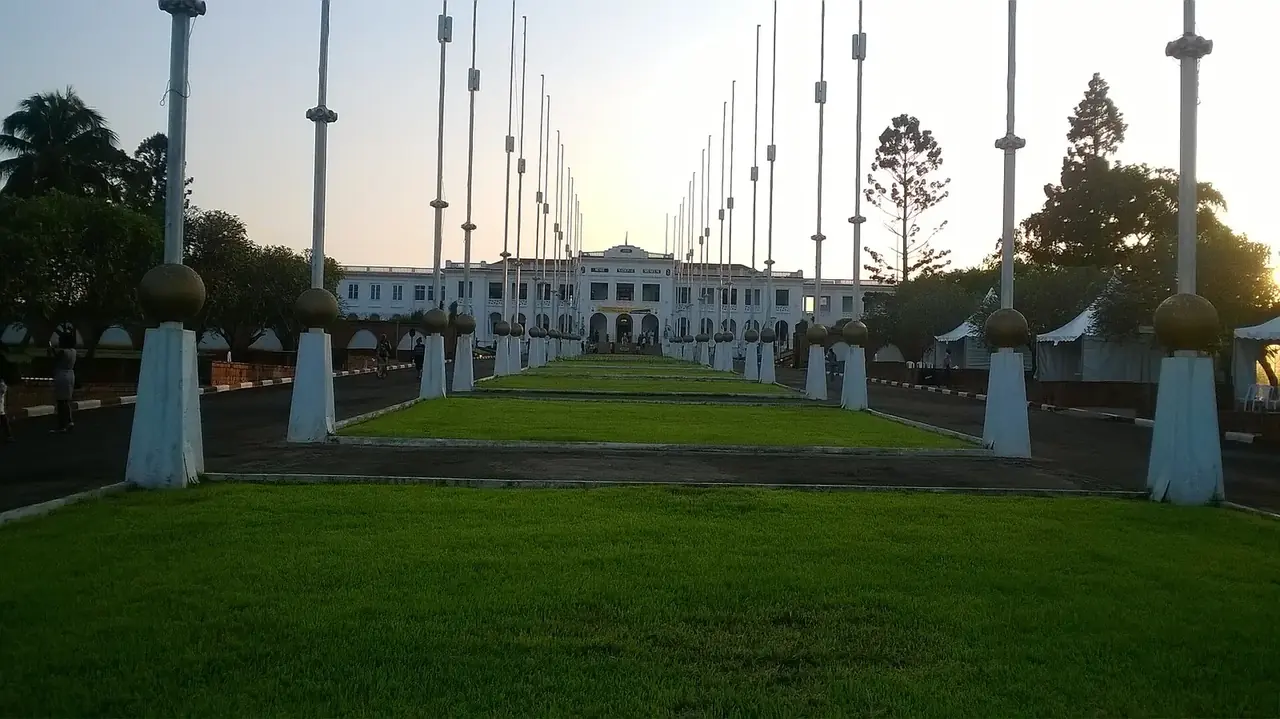
Entrance of the National Museum of Cameroon in Yaoundé

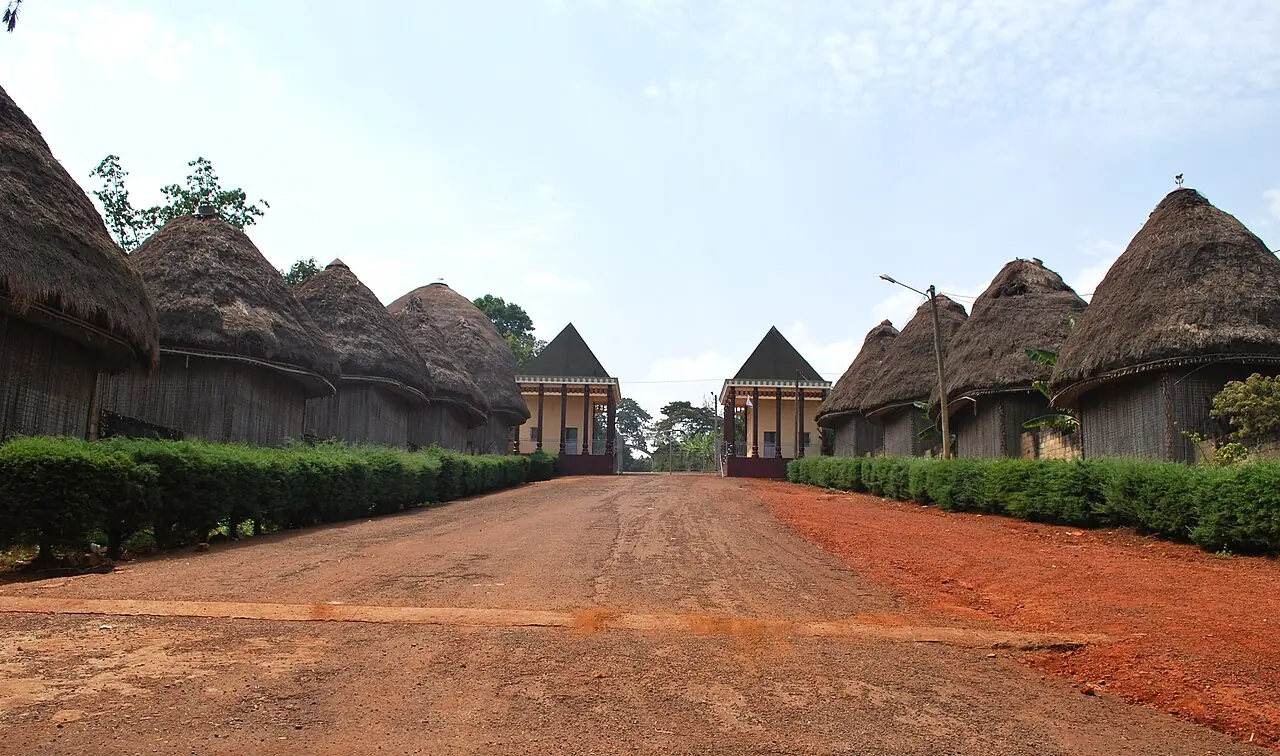
A mud dwelling in a chiefdom of the West, a decorated cave, an archive collection, a ritual dance, a mask kept by a family: every community knows of a property whose disappearance would be a loss to all. Listing is the act by which the State officially recognises the heritage value of that property and grants it special protection.

Under the law of 18 April 2013 governing cultural heritage, a tangible or intangible property must first have been recognised before it can be listed, and the initiative lies with the Minister in charge of heritage, the heads of the executive bodies of decentralised local authorities and the owner of the property. This page sets out the criteria, documents, form and tracking.


  • An application open to owners, local authorities and communities
  • A file supported by the regional delegation
  • Lasting protection for future generations
See the criteria
One-Stop Shop

Apply online: Listing of a property

Open your application from this page: any fee is shown before payment, submission is possible at any hour and you receive a file number. Keep it to track the examination, respond to a request for further information and be informed of an expert’s visit. If the property is in immediate danger, use the reporting facility first so that a safeguarding measure can be taken without delay.

Fee payable Free No fee is charged for this procedure.
Submission Online, 24 hours a day You receive a file number to keep for tracking.
Before you begin

The criteria for listing a cultural property

Entrance of the Foumban royal palace during a ceremony

Listing is not improvised: it meets criteria that the examination checks one by one. The law defines heritage value as the set of historical, anthropological, archaeological, technological, artistic, aesthetic, spiritual, emblematic, social, economic, educational or practical qualities that give a property cultural memorability for a community, a region or the country.

The criteria applied in the examination

  • Historical interest or age: link with an event, a figure or a significant period;
  • Artistic or architectural interest: quality of form, style or craftsmanship;
  • Scientific or archaeological interest: the property’s capacity to inform us about the past;
  • Social, spiritual or traditional interest: its place in the life of a community;
  • Authenticity and state of conservation: the property can be described, located and safeguarded.
ℹ️
Owner’s consent

The agreement of the owner or of the community holding the property is sought: a listing carried out with the inhabitants is a listing that lasts.

Prepare the file

The file documents for listing a property

Handshake between the Minister and a partner during an official meeting

The file comprises four documents, which are best prepared together with the community, local authority or association concerned.

  1. A reasoned application letter, explaining why the property deserves to be listed;
  2. A description, a location and photographs of the property;
  3. Historical information and references: written sources, testimonies, publications;
  4. The agreement of the owner or of the community concerned.

Describing a tangible property

For a building or site: location plan, location coordinates, land references where they exist, materials, dimensions, general condition, current uses. For an object: designation, material, dimensions, distinguishing marks, history of its conservation. Photographs show the whole, the details and any damage.

Documenting an intangible property

For a dance, a rite or a skill: description of the gestures, songs and occasions, list of bearers, audio or video extracts, written consent from the tradition bearers. Traditional skills and oral traditions are particularly suited to this.

The agreement of the competent authority

For property belonging to a local authority, attach the deliberation or decision of the owning authority; for customary property, the agreement of the traditional authorities.

Completing it without errors

The listing application form, section by section

Exchange of gifts with the Ambassador of Japan during a meeting at the Ministry

The form is completed online from your user account, or with an officer of the regional delegation. It is organised in four blocks.

The applicant and capacity

State whether you are applying as an owner, a representative of a local authority, a community head, an association or an institution. Your capacity determines which supporting agreements to attach: a town hall attaches its deliberation, a chiefdom the agreement of the council of notables, a family the agreement of the rightful claimants.

The property

Common name and official name, nature (monument, site, object, landscape, practice), municipality, region, coordinates. If the property belongs to a group, say so: a dwelling, a courtyard and a sacred tree are presented as a single site.

Heritage value

A text box allows you to set out the property’s interest in light of the criteria above. Write simply, cite your sources, and say what would be lost if the property disappeared.

Condition and threats

Describe the state of conservation and the risks: erosion, neighbouring construction, looting, abandonment. If danger is imminent, tick the urgency box and add a report. The online help guide explains each field.

ℹ️
Tip

Write the heritage value section with the community elders: their accounts are the best source for the examination.

After submission

Tracking the application to list a property

Four notables in traditional dress seated side by side during a ceremony, in front of an audience

On validation, the file receives a number. Together with the e-mail address used for submission, it lets you open the file tracking page, which shows the current stage: receipt, verification, examination, opinion, decision.

The review

The listing and protection service examines the file, checks it against the inventory and may request further information. For a tangible property, an on-site mission is often necessary: an officer and an expert come to assess the condition of the property, take measurements, photograph it and meet the bearers. For an intangible property, the team gathers testimonies and records the practice with the consent of the bearers.

The decision and its effects

Listing is pronounced by a published administrative instrument. For a listed building, the instrument may establish easements, and it is entered in the land register if the property is registered. From then on, a listed building may not be altered in character, demolished or cleared of trees without prior delisting; any modification requires the Minister’s authorisation; posting of notices is prohibited. A listed movable item is inalienable when it belongs to the State or to local authorities, may not be modified, and leaves the territory only for an authorised temporary export — see export of works of art.

Who it is for

Who may apply for the listing of a property, and in which particular cases?

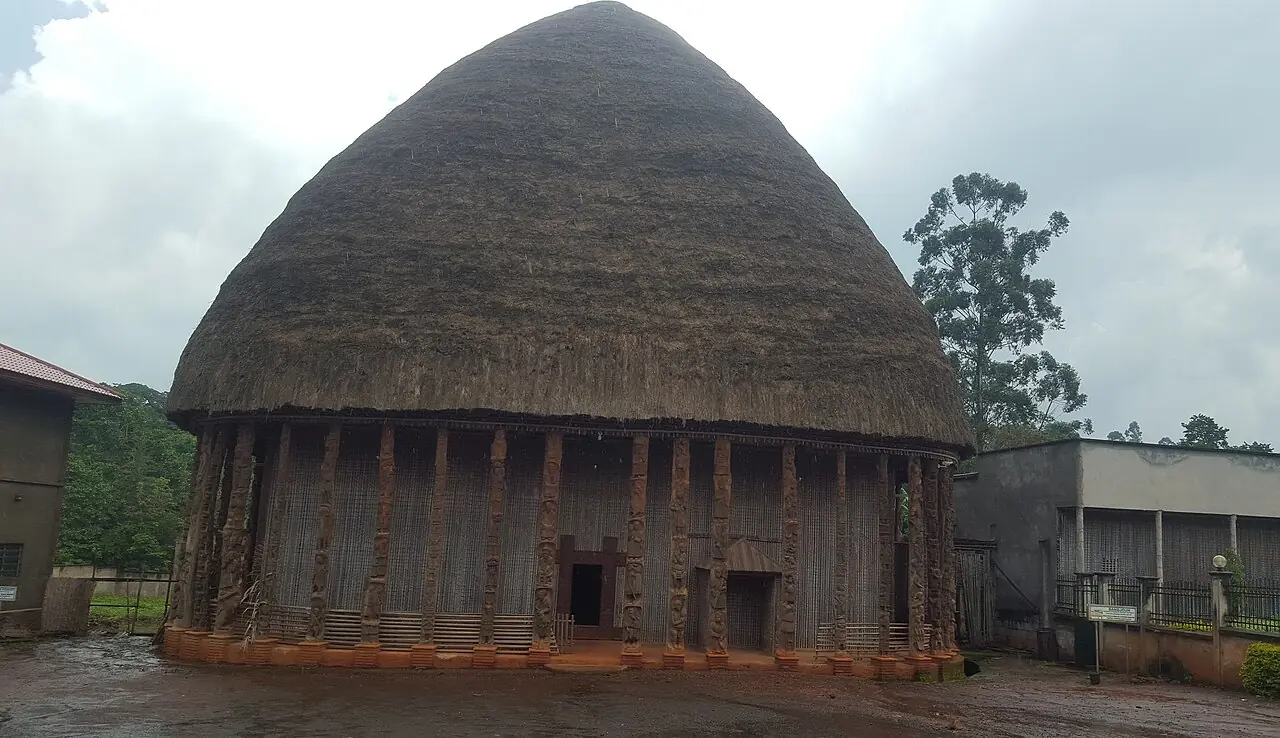
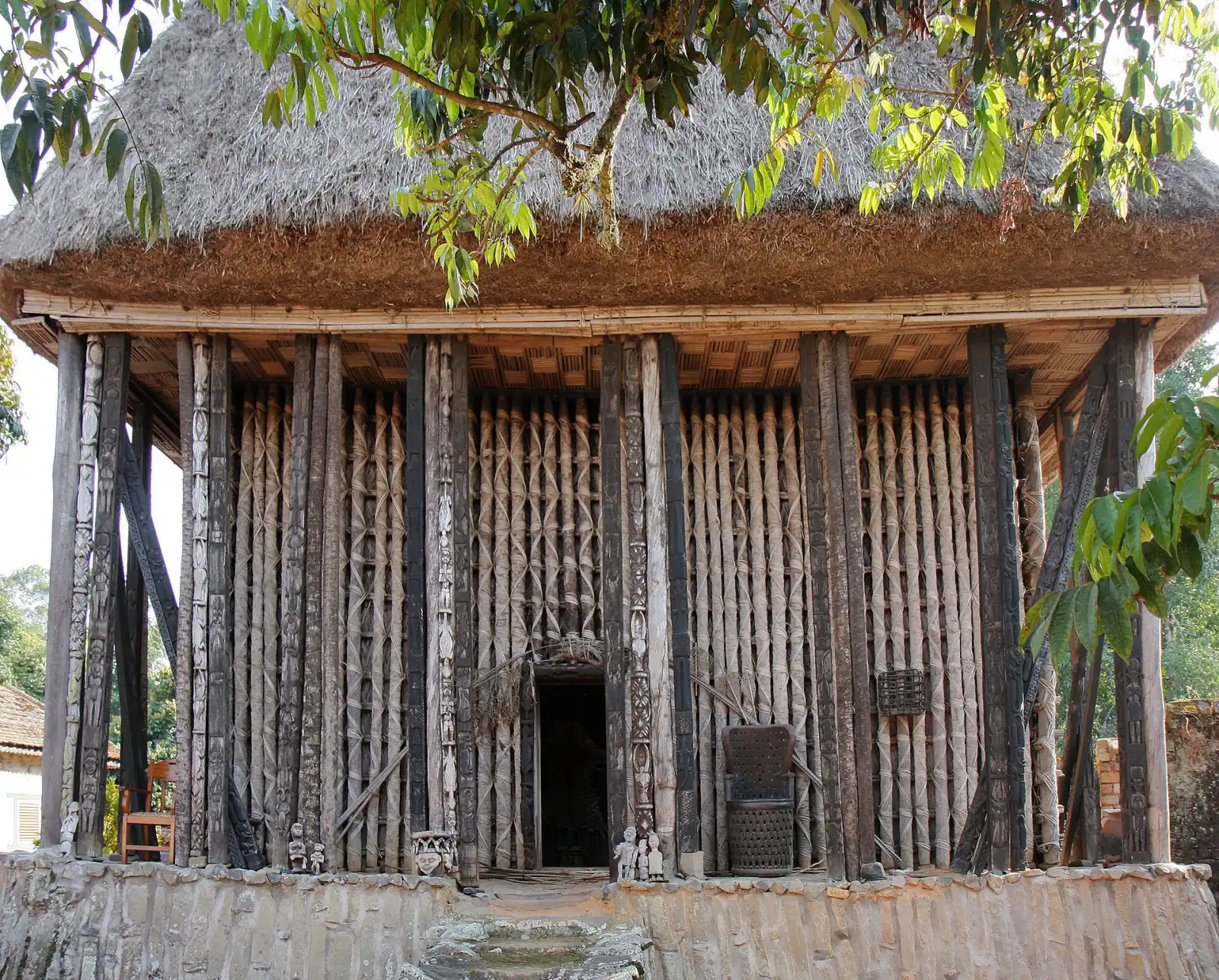
Large thatched-roof house of the Bandjoun chiefdom

Any person, local authority, association, chiefdom or institution may alert the Ministry to a property worthy of listing. Under the law, the formal initiative lies with the Minister in charge of heritage, the heads of the executive bodies of decentralised local authorities and the owner of the property; an association or a group of inhabitants should therefore approach the local authority or the owner to submit the file.

To avoid

The common mistakes in a listing application

A group of notables in traditional attire poses together.

Many applications fail for simple reasons. The first is applying for the listing of a property that has not been recognised: the examination then begins with entry in the inventory, which lengthens the process. The second is a file that describes the inhabitants’ affection without saying what makes the property remarkable: attachment is essential, but the examination looks for facts, dates and sources.

Other mistakes recur: forgetting the agreement of the owner or bearers; locating the property as “near the market” without coordinates or a plan; attaching photographs taken from a distance; believing that listing automatically brings funding, whereas it mainly creates conservation obligations, which may be supported by a grant application; undertaking works on the property before the decision. Remember that works on a listed property, or one proposed for listing, require prior authorisation, and prepare for heritage days to bring the property to life.

Step by step

Having a property listed in six steps

Have the property recognised

Check that it appears in the inventory; if not, ask the regional delegation for its recognition before any listing application.

Bring the community together

Obtain the agreement of the owner, the local authority or the bearers, and appoint a person to carry the file.

Document the property

Describe, locate and photograph the property; gather historical sources, accounts and references.

Submit the application

Complete the form, attach the four documents and validate; note the file number.

Welcome the examination

Prepare for the expert’s visit, make the property accessible and respond to requests for further information.

Apply the listing

Once the instrument is published, comply with the conservation rules and seek authorisation before any works.

The file from start to finish

The journey of a file for listing

SubmissionAcknowledgement and number

You receive an acknowledgement of receipt and a file number that allow you to track the examination from your account.

AdmissibilityFile check

The service checks that the documents are present, the applicant’s capacity and the prior recognition of the property.

ProcessingVisit and expert assessment

An officer and an expert visit the site, meet the bearers and draw up a report on the value and condition of the property.

NoticesConsultation of bodies

The report is submitted to the Ministry’s advisory bodies; the administrations concerned are involved in the opinions.

DecisionListing instrument

The administrative instrument pronouncing the listing is signed, published and, for a registered building, entered in the land register.

AfterFollow-up of the property

The property enters the official lists, with its easements, its upkeep rules and, where applicable, a conservation plan.

User situations

They had their heritage listed

“
The listing file was prepared with the notables: the delegation officer checked every document before submission.
A village chief
West
“
Our municipality attached the council’s deliberation, and the examination focused on the value of the site rather than on paperwork.
A deputy mayor
Littoral
“
The report made it possible to stop a neighbouring building site before the façade was damaged, and the listing application followed.
A neighbourhood association
Yaoundé
“
Our family keeps ritual objects: the expert came to see them, and we understood what listing requires and protects.
A keeper of a family collection
North-West
Close to you

Submit your listing application in your region

Each region has a Ministry delegation that welcomes you and receives your file.

To download

The documents for property listing

If your file stalls

Refusal, delay, compensation: remedies concerning the listing of a property

Children reading and writing at colourful tables on a lawn, next to a library bus

A file may be suspended for a missing document or refused for lack of prior recognition, insufficient heritage value or the bearers’ agreement. In every case the decision is reasoned and you may resubmit an improved file.

For the applicant

First respond to the decision from your account, with the new elements; request a meeting with the delegation; refer the matter to the Ministry’s mediator; finally, the competent courts may be seized.

For a third party who considers themselves wronged

Where the establishment of easements changes the use and condition of the premises and causes direct, material, certain and current damage, the law gives entitlement to compensation. The claim must be made within a time limit for barring claims that runs from publication of the listing instrument in the Official Gazette; it does not suspend the execution of that instrument. The amount is set by mutual agreement, failing which by the competent courts. A delisting procedure follows the same forms as listing, notably where a property is irreversibly destroyed.

For all audiences

Listing a property accessible to all: support and accessibility

Great hall of the Bafut chiefdom

Many properties to be listed lie far from towns, in poorly connected communities. Regional delegations therefore receive files, help to photograph, describe and locate the property, and forward them to the central service. Meetings with bearers are held in the community’s language, with the support of interpreters where useful.

The site is designed to be usable by keyboard and with a screen reader, and officers offer appointments adapted to persons with disabilities. Once a property is listed, the law requires that access be facilitated for researchers and visitors holding an authorisation, for recognised properties; the communities concerned also receive assistance in awareness-raising, information and training. Find the Ministry’s commitments in Quality and accessibility and reception venues in Opening hours and addresses.

Glossary

The words of property listing

Listing

Legal process by which the State grants heritage value to a cultural property.

Delisting

Legal process by which the State removes the heritage value of a listed property.

Recognition

Legal acceptance of the existence of a cultural property, a preliminary step to listing.

Inventory

Ongoing operation that records, studies and publicises heritage elements.

Heritage value

Set of qualities that give a property cultural memorability.

Easement

Restriction imposed on a listed property or its surroundings in order to protect it.

Inalienable

That which may not be sold or transferred; applies to listed property of the State and local authorities.

Right of pre-emption

Priority granted to the State to acquire a property in a sale or transfer.

Immovable cultural property

Property that cannot be moved: monument, ruin, site, landscape.

Movable cultural property

Property that can be moved without damage: object, document, artwork.

Listing perimeter

Zone in which any change to the appearance of the premises is subject to authorisation.

Preventive conservation

Measures that create optimal conditions for the preservation of a property.

On the site

Around listing: heritage and protection

Resources

Useful links for property listing

At a glance

Time limits, cost and submission: listing at a glance

QuestionAnswerDetails
Where do I apply?At the One-Stop Shop or the regional delegationOnline submission is possible at any hour
How much does it cost?Any applicable fee is indicated before paymentThe law provides for free entry in the inventory; see the fees for the rest
How long does it take?Varies according to the nature of the propertyLonger when an on-site assessment or an inquiry among the bearers is necessary
How do I track it?With the file number and e-mail addressA notification is sent at each stage
Who decides?The competent authority, on the advice of the technical servicesThe decision is reasoned and published
And afterwards?Easements and conservation obligationsAny modification requires the Minister’s authorisation
To act

We support you with property listing

Find your delegation

An officer receives you, checks the property’s recognition and helps you put the file together.

See the delegations

Alert us to a danger

A property threatened with demolition or looting? The report triggers a safeguarding measure.

Report

Create your account

An account keeps your file, your documents and your exchanges with the service.

Open an account

Fund conservation

A listed property may be the subject of a grant application for its restoration.

Request support
Questions

Your questions about property listing

Can a privately owned property be listed?

Yes, in consultation with its owner, who may take the initiative themselves. The property may subsequently be transferred, but that transfer is subject to the State’s right of pre-emption. Listing imposes upkeep and authorisation obligations for any change.

Must the property be recognised before it is listed?

Yes. The law reserves listing for tangible or intangible properties that have previously been recognised. If your property is not yet entered in the inventory, the regional delegation helps you start with recognition.

Who may submit a listing application?

The owner, the head of the executive of a decentralised local authority or the Minister in charge of heritage. An association, a chiefdom or a group of inhabitants may alert the Ministry and rely on the local authority to carry the file.

Can I alter or renovate a listed building?

Not freely. A listed building may not be altered in character, demolished or cleared of trees without prior delisting; it may be fitted out, restored or modified with the Minister’s authorisation, in collaboration with the administrations concerned. Signs and posters are prohibited there.

What happens to a listed practice or dance?

It is documented (recording, transcription, study), disseminated, and safeguarded in cooperation with its bearers. The communities concerned receive support in awareness-raising, information, training and promotion.

Does listing entitle the owner to compensation?

Only a third party suffering direct, material, certain and current damage as a result of easements changing the use of the premises may claim it, within a time limit for barring claims running from publication of the instrument. The owner is not compensated merely because of the listing.

Who pays for the upkeep of a listed property?

The owner remains responsible for routine upkeep. However, the administration may have works useful for conservation carried out ex officio, at the State’s expense, after notifying the owner. Assistance is possible through the grant application.

Can a listed object be exported?

A listed movable property may be neither modified nor exported, except for a temporary export authorised by the Minister, notably for an exhibition or study abroad. See the page on the export of works of art.

Can a listing be withdrawn?

Yes, by delisting, which follows the forms and procedures of listing. It may occur notably where a property is irreversibly destroyed or mutilated, or where it endangers human life.

Competent service

Contact listing and protection

Address

Listing and Protection Service
Ministry of Arts and Culture
Quartier du Lac – Ministerial Zone
P.O. Box 1053 Yaoundé, Centre Region, Cameroon

Reach us

+237 6 51 70 58 41

contact@minac.gov.cm

Opening hours

Monday to Friday, 8 am to 4 pm

A property to protect?

Online deposit takes a few minutes; you receive a file number immediately.

Submit online
WhatsApp