Coat of arms of CameroonMinistry of Arts
and Culture
Republic of Cameroon
My procedures
Home
Minister’s message
News
Press releases
Cultural calendar
Official speeches
Press review
Photo library
Video library
Calls for projects
Job vacancies
Public procurement
Newsletter
Frequently asked questions
Site map
Contact
Press area
Podcast “The Voice of Culture”
Legal notices
Privacy policy
Cookies and trackers
The Ministry
Missions and responsibilities
Organisation
Organisation chart
Minister’s Office (Cabinet)
Management team
General Secretariat
General Inspectorate
Central directorates
Regional Delegations
Institutions under supervision
Legislative texts
Regulatory texts
Sector strategy
Major projects
Budget and reports
Partners
Careers
Archives
Institutional communication
Quality and accessibility
Arts
Visual and plastic arts
Visual arts
Performing arts
Theatre
Dance
Music
Literature and books
Cinema and audiovisual
Photography
Fashion and design
Digital arts
Art crafts
Artists’ directory
Residencies
Prizes and awards
Arts education
Urban arts
Heritage
Tangible heritage
Intangible heritage
UNESCO sites
National museums
Listed monuments
National inventory
Palaces and chiefdoms
Archaeology
Linguistic heritage
Oral traditions
Traditional know-how
Restitution of cultural property
Fight against illicit trafficking
Listing and protection
Conservation and restoration
Heritage Days
Cultural landscapes
Industries
Music and recording
Cinema
Publishing and books
Digital arts
Fashion and creativity
Crafts
Cultural tourism
Funding for culture
Support funds
Incubators
Cultural entrepreneurship
Culture Observatory
Vocational training
Studies and reports
Sector statistics
Export and outreach
Intellectual property
Copyright
Legal framework
Copyright and neighbouring rights
Collective management societies
Register a work
Licences
Private copying
Fight against piracy
Model contracts
Social status of artists
Mediation
Disputes
Training
Fee scales
Register of works
Contact
Digital neighbouring rights
Public domain
Festivals
National calendar
Ngondo
Nguon
Écrans Noirs
Heritage Days
Music Day
Regional festivals
Fairs and exhibitions
Biennials
National competitions
Cultural days
Organise a festival
Event grants
Ticketing
Archives
Volunteering
Diaspora festivals
Regions
Adamawa
Centre
East
Far North
Littoral
North
North-West
West
South
South-West
Cultural map
Regional Delegations
Traditional chiefdoms
National languages
Cultural routes
Decentralised cooperation
Regional observatory
Cooperation
UNESCO
Francophonie (OIF)
African Union
Commonwealth
CEMAC
Bilateral cooperation
Cultural agreements
Professional organisations
Scholarships
Artist exchanges
Cultural years
Diaspora
Funded projects
Embassies
Technical partners
International restitution
International monitoring and calls
Services
Artist card
Show authorisation
Filming authorisation
Festival authorisation
Deposit of a work
Export of works of art
Listing of a property
Grant application
Association accreditation
File tracking
Forms
Fees
Opening hours and addresses
Reporting
Online help
My account
One-Stop Shop
Copyright

Digital neighbouring rights

Streaming, platforms, remuneration and removal of content: what Law No. 2000/011 provides for performers and producers, and how to enforce their rights online.

Updated on 6 November 20264 sub-pages
PrinciplePrior authorisation
PenaltyInfringement
ManagementCollective
ReportingOnline
Digital

Neighbouring rights online too

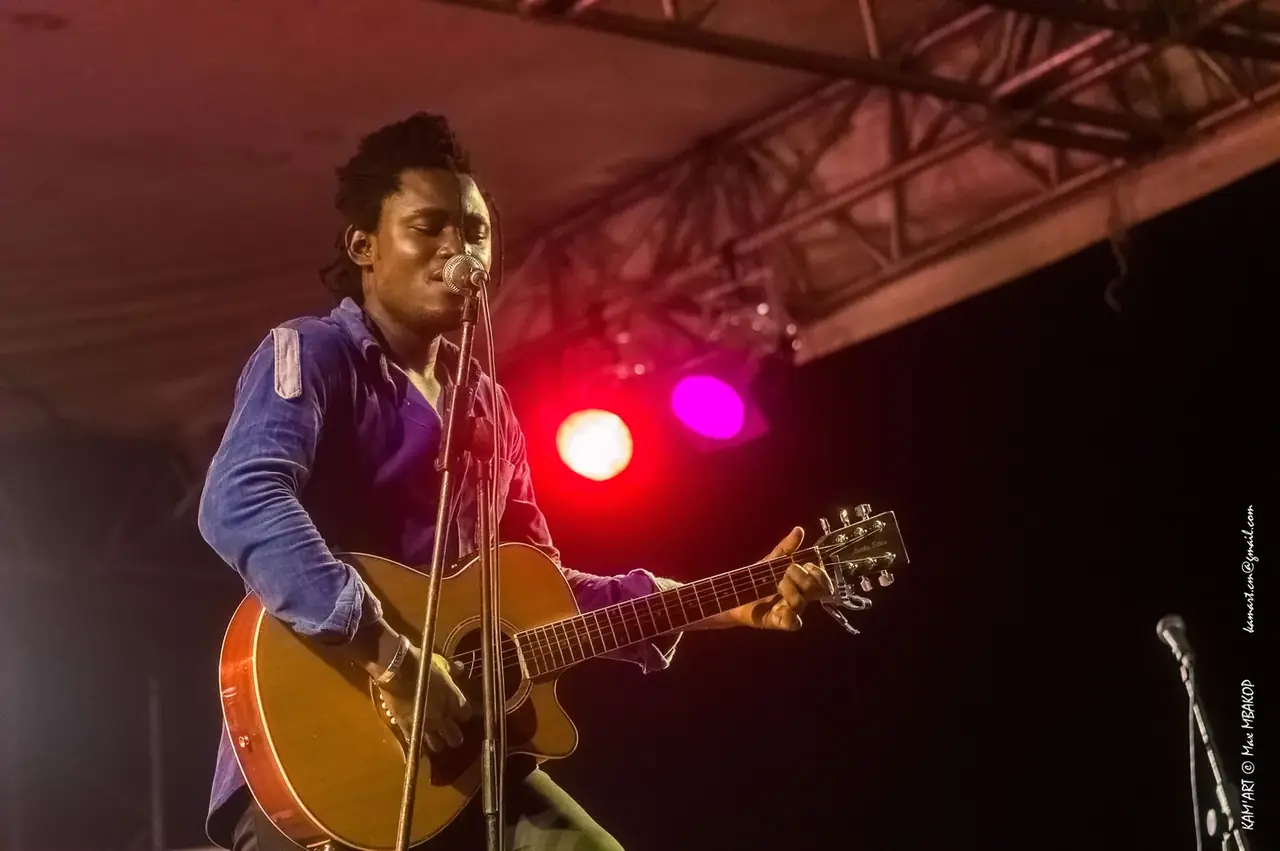
Singer crouching on stage in the lights of a large open-air concert

Performers, producers of phonograms and videograms and audiovisual communication companies have rights neighbouring on copyright, recognised by Law No. 2000/011 of 19 December 2000. These rights apply in the digital environment as they do on physical media: making a performance or a phonogram available to the public, so that everyone can access it at a time and place of their choosing, requires the authorisation of the rights holder.

This page explains what this changes for streaming platforms, social networks, online radio stations and the artists who publish their work there: how to be paid, how to have content broadcast without agreement removed and whom to turn to.


  • Streaming subject to the authorisation of rights holders
  • Remuneration collected through collective management
  • Illicit content can be reported and removed
Understanding streaming
Online listening

Music and audiovisual streaming: what the law provides

Artists performing at a music festival in Douala

Listening to a track on an app, watching a clip on demand or following a radio station on the internet are acts of communication to the public. For each of them, someone must have obtained the authorisation of the performer, the producer of the phonogram or the producer of the videogram. The law expressly covers making available to the public by wire and wireless means, so that everyone can access the recording at the place and time they choose.

Who must authorise?

  • The performer, for the fixation and broadcasting of their performance;
  • The producer of the phonogram, for the reproduction and online making available of the recording;
  • The producer of the videogram, for images with or without sound;
  • The author of the music and lyrics, under copyright.

Streaming and downloading

Downloading transfers a copy to the user’s device; streaming delivers a stream on demand. In both cases, exploitation without agreement is treated as counterfeiting, as explained on the page on combating piracy.

A growing market

For Cameroonian musicians, streaming has become a major distribution channel, notably for makossa, bikutsi, assiko and urban music. It requires careful keeping of contracts and recording identifiers in order to be properly paid. See also the music and records section.

ℹ️
Good practice

Before putting a track online, check who holds the rights in the lyrics, the composition, the performance and the recording: everyone’s agreement is required.

Broadcasters

Broadcasting platforms: agreements, licences and responsibilities

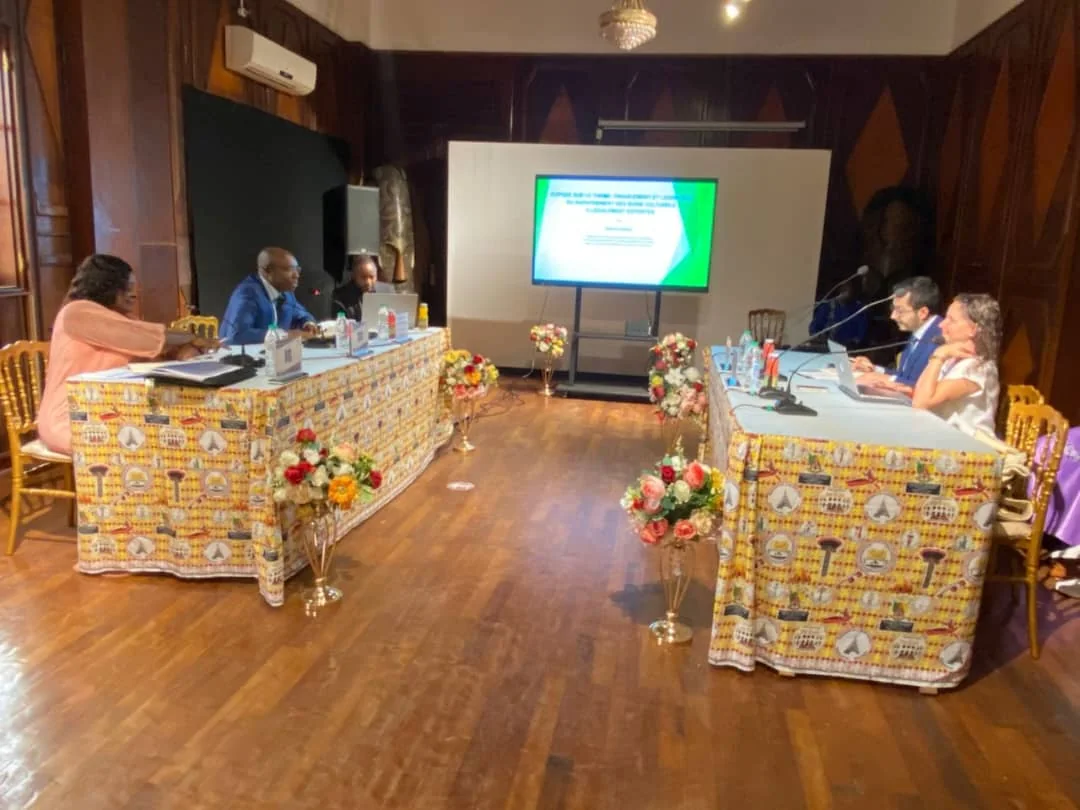
Meeting room with a projection screen and participants around the tables

A broadcasting platform is a service that makes content available to the public: streaming app, video-sharing site, social network, online radio or television. It is responsible for ensuring that the content it exploits is covered by an authorisation.

The three authorisation models

A platform obtains rights either directly from producers and performers, or from an aggregator that has negotiated a catalogue, or through a licence granted by a collective management body. The Ministry encourages the conclusion of written agreements specifying the territory, duration, method of remuneration and proof of use.

National and foreign platforms

Services established in Cameroon are directly subject to Cameroonian law. For foreign services accessible from the territory, the Ministry favours dialogue with collective management societies and with partners of the cooperation between professional organisations in order to obtain reliable usage declarations.

Obligations of broadcasters

  • Obtain written authorisation, including in electronic form;
  • Declare uses and pay the royalties due;
  • Promptly remove content reported as illicit;
  • Inform rights holders how to assert their rights.

Online content creators also benefit: their catalogue is better valued when it is identified and properly declared. The digital arts industries benefit from the same framework.

Income

Artists’ remuneration in the digital age

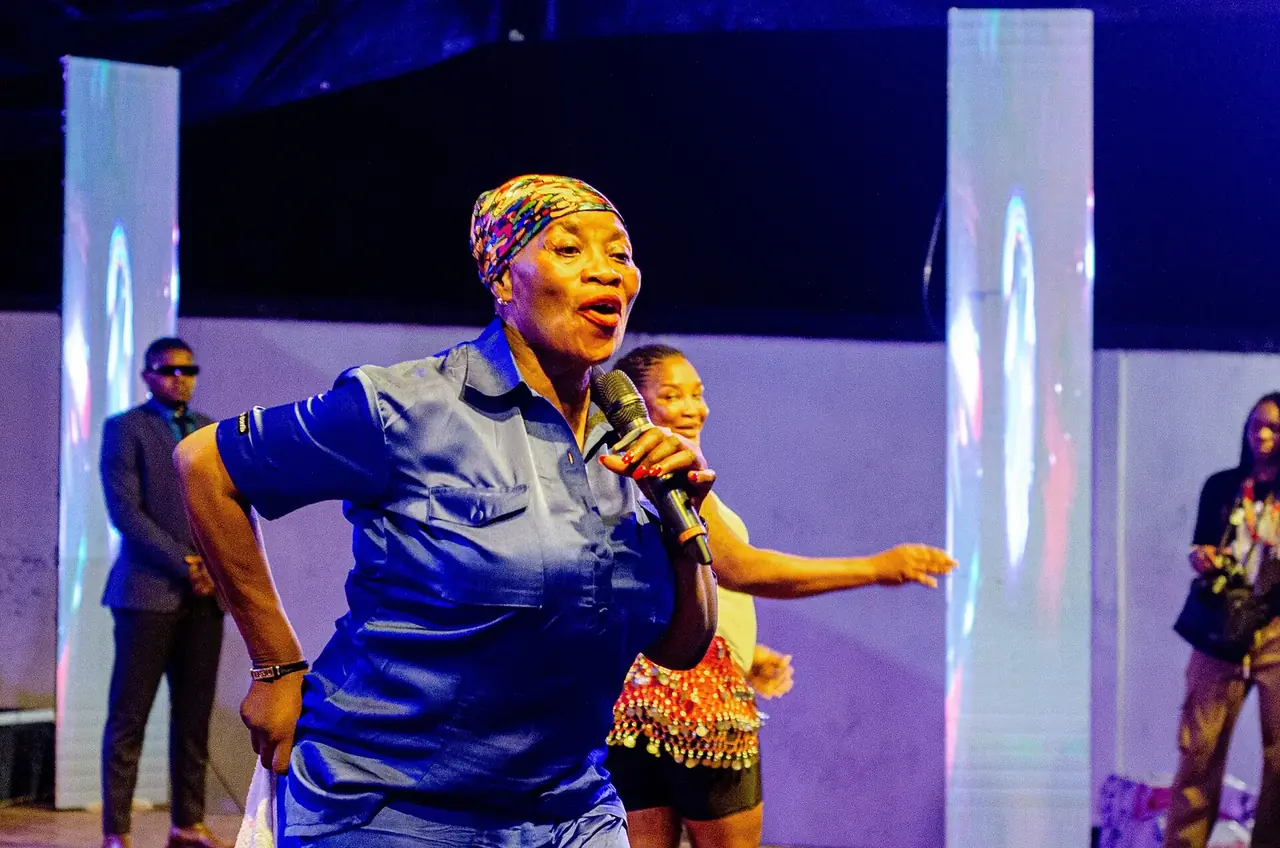
Singer on stage during a concert

The remuneration of rights holders is collected by approved collective management bodies, which negotiate with users, collect royalties and distribute them. For a performer, it takes several forms: recording fee, royalty proportional to sales or plays, share of equitable remuneration for broadcasting, share of private copying.

From stream to income

Each play generates a very small sum, but the accumulation across a catalogue can amount to a regular income. The key is identification: a poorly referenced track earns nothing for its performer. Declare your works in the works register and send your information to your society.

The distribution

Each society publishes its distribution rules. You can request a detailed statement and contest a calculation. The tariff scales frame the applicable rates, and private copying provides a supplement for copies made for personal use.

Practical advice

  • Join a collective management society from your first publications;
  • Keep your contracts and recording identifiers;
  • Check statements and ask questions when a track appears without payment;
  • Have a distribution contract reviewed before signing (see the model contracts).
Protection

Removal of content broadcast without authorisation

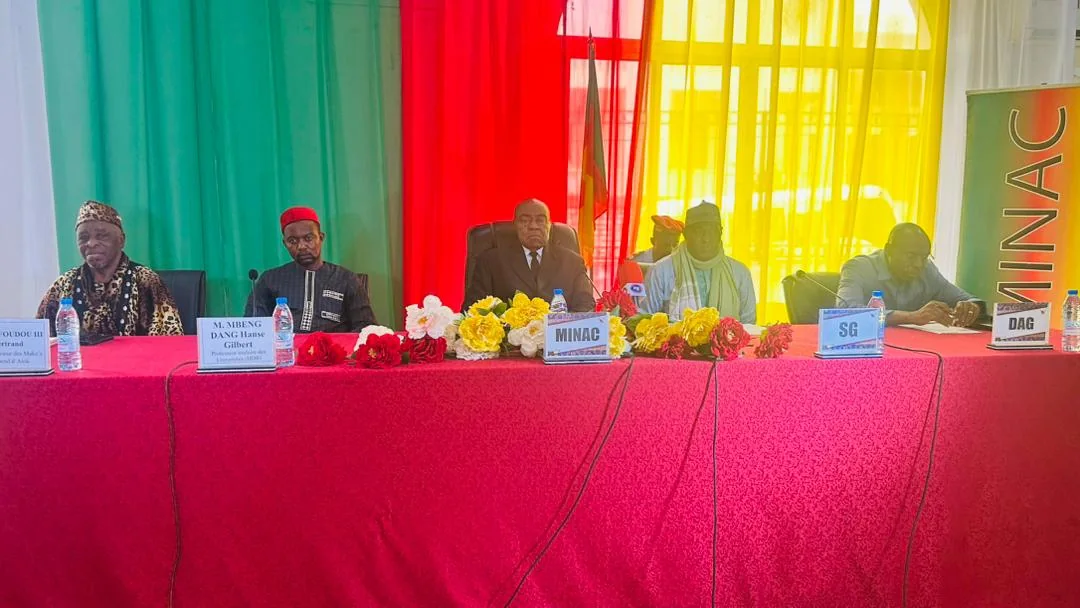
Officials sit behind a long meeting table covered with a red cloth and flowers, in front of curtains in the national colours.

Making a performance or a phonogram available to the public without the required authorisation is treated as counterfeiting. The rights holder may therefore request that the content be removed and, depending on its seriousness, take further action.

Spotting and recording

Keep the evidence: dated screenshot of the content, exact address of the page, name of the account broadcasting it, date and time of viewing. Also note the visible statistics (number of views) that show the scale of the broadcast. Without this evidence, the file is difficult to examine.

Report

Two routes are possible. You can use the platform’s reporting mechanism, which generally provides a notification form. You can also refer the matter to the Ministry using the reporting form; the request is directed to the service in charge of combating piracy.

After removal

A removal does not always settle the question of the damage suffered. Mediation can prove useful when the person who uploaded the content is identified and acted in good faith. In case of repeated or commercial broadcasting, the litigation route remains open.

  • Removal is possible only if you actually hold the rights concerned;
  • An abusive notification engages your liability;
  • Works in the public domain fall under a separate regime.
ℹ️
Keep the evidence

An undated screenshot proves very little. Always add the page address and the date and time of your finding.

Practical cases

Three common situations of online broadcasting

Guitarist and singer in concert

Legal principles take on their full meaning when applied to situations experienced by artists and producers.

A track published by a third party on a social network

An internet user uploads an extract of your song in a video. If it is private, non-profit use, tolerance is common. If it is commercial exploitation or a complete cover, the rights holder’s authorisation is required and you can request removal.

An online radio broadcasting a catalogue

The radio must hold a licence covering the phonograms and works it broadcasts. It declares its programmes to the society concerned, which distributes the sums. Local artists have an interest in checking that their tracks appear in these declarations, as explained on the page on licences.

A live recording of a show

Recording a concert or a dance performance requires the agreement of the performers, the producer and, depending on the case, the organiser. For a festival, it is recommended to include a recording authorisation clause in the engagement contract, so that the footage can then be broadcast safely.

Prevention

Mistakes to avoid when publishing online

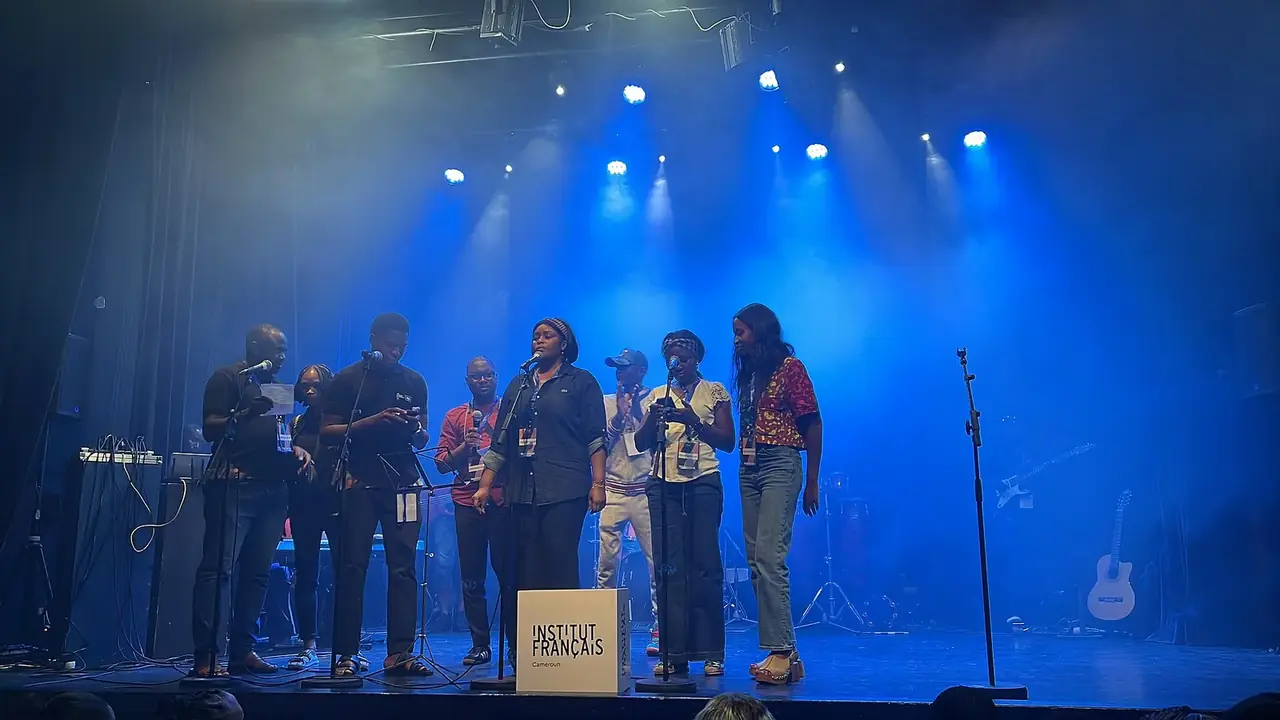
Three young urban artists posing in black outfits

Most digital disputes arise from a lack of formalisation rather than bad faith. A few simple precautions considerably reduce the risks.

  • Publishing a recording without having settled in writing the distribution of rights among the musicians, the producer and the author;
  • Signing a distribution contract without checking the duration and territory of the assignment;
  • Using a sound sample or an image found online without knowing the rights holder;
  • Not identifying one’s tracks with complete information, which prevents any remuneration;
  • Demanding removal of content without evidence of one’s rights.

For any contract, the model contracts are a solid starting point, and copyright training makes it possible to master these notions with the help of a trainer. Creators of digital arts will also find guidance there on the use of third-party elements.

Step by step

Having a track broadcast without agreement removed

Record

Capture the page with the date and time, copy the content address and note the name of the account broadcasting it.

Prove your rights

Gather the recording contract, the register declaration or any document certifying your capacity as performer or producer.

Notify the platform

Use its notification form, describing the content, your rights and the removal requested; keep the acknowledgement.

Refer to the Ministry

If the content remains online or the platform does not respond, complete the report attaching your documents.

Follow the file

The file number lets you follow the referral to the competent service and the exchanges with the broadcaster.

Claim redress

If damage is established, mediation or legal action can lead to compensation.

Key facts

Digital situations and consequences

SituationLegal consequenceReflex to adoptUseful page
Track uploaded without authorisationInfringementRecord and reportFight against piracy
Listening under a platform licenceRemuneration of rights holdersCheck statementsRemuneration
Catalogue distributed by an aggregatorRights assigned according to the contractHave the contract reviewedModel contracts
Online radio broadcasting phonogramsLicence and royaltyContact the society concernedLicences
Copy for personal useRemuneration for private copyingNo procedure for the userPrivate copying
Content from the public domainPrior declaration and royaltyDeclare before exploitationPublic domain
Folklore content exploited commerciallyPrior authorisationGo through the competent servicesLegal framework
Journey

From spotted content to its removal

FindingContent identified

The artist or their producer discovers a track broadcast without agreement and keeps a capture of it with the page address.

NotificationRequest to the platform

A notification form is sent to the platform, with proof of rights and identification of the content.

ReportingReferral to the Ministry

If the platform does not react, the report is forwarded to the service in charge of combating piracy.

RemovalFollow-up

Depending on the case, the content is removed, the account warned or the file directed to mediation or litigation.

RemunerationRegularisation

When the exploitation is regularised by a licence, the remuneration is distributed among the rights holders through collective management.

To explore

Digital technology in the other pages on copyright

Feedback from the field

Artists facing digital technology

“
My track was circulating on three pages without my agreement; with my dated screenshots and the report, it was removed after notification to the platform.
A bikutsi singer
Yaoundé
“
Since my tracks have been declared and identified, my streaming statements finally reflect my real plays.
A makossa producer
Douala
“
Our online radio regularised its situation with a collective licence: we broadcast with peace of mind, and the artists are paid.
An online radio manager
Bafoussam
“
A distribution contract reviewed before signing spared me from assigning my catalogue for an unlimited period.
An independent musician
Garoua
To act

Digital procedures to know

Report content

Send the links, screenshots and your proof of rights to request a removal.

Report

Declare your tracks

Have your works registered so as to be properly identified and paid.

Deposit a work

Join a society

Entrust the management of your rights to an approved body that negotiates with broadcasters.

See the societies

Training

Take a session on copyright and the digital distribution of music.

See the training
To download

The creator’s online resources

Glossary

The vocabulary of digital neighbouring rights

Streaming

Online broadcasting of content on demand, without the user keeping a lasting copy.

Platform

Online service that makes content available to the public.

Phonogram

The fixation of sounds from a performance or other sounds.

Videogram

Fixation of images with or without sound.

Performer

Singer, musician, actor or dancer who performs a work or an expression of folklore.

Aggregator

Company that groups catalogues and distributes them to many platforms.

Notification

Message sent to a platform to request the removal of illicit content.

Licence

Authorisation to exploit content under conditions of duration, territory and price.

Distribution of royalties

Distribution to rights holders of the sums collected by a collective management body.

Infringement

Exploitation of a work or a performance without the required authorisation.

On the site

Continue reading

References

To explore digital technology and rights

Stakeholders

Who acts for online rights?

Questions

Your questions about neighbouring rights online

My tracks are online without my agreement: what should I do?

Capture the page with the date, copy the content address and notify the platform, proving your rights. If the content remains online, send the report to the Ministry with your documents: the file is directed to the service in charge of combating piracy.

Who pays me for streaming?

Platforms pay royalties to rights holders or their representatives, notably approved collective management bodies. These distribute the sums among rights holders according to their distribution rules. Joining a society makes collection easier.

Is putting content online without authorisation really counterfeiting?

Yes. The law treats as counterfeiting the reproduction, communication to the public or making available to the public of a performance or a phonogram without the required authorisation of the performer or producer concerned.

Are foreign platforms concerned?

Services accessible from Cameroon must respect the rights of rights holders. The Ministry and the management societies engage in dialogue with broadcasters and partner organisations to obtain usage declarations and payments, without relieving artists of the need to report abuses they observe.

Do I have to declare my recording before publishing it?

It is not compulsory in order to be protected, but it is strongly advised: the declaration dates your creation and makes it easier to identify your titles. It also helps you prove your rights when requesting removal.

Can I remove content uploaded by a fan myself?

You may request its removal if you hold the rights, but consider whether it is worth doing: some uses are tolerated or negotiable. An abusive notification engages your liability; seek advice from the Counter before acting.

Is a cover of my song permitted?

Covering a work requires the author’s agreement and respect for their moral rights. The performer of a cover holds rights in their own performance. For commercial online broadcasting, a licence is required.

Whom should I contact about a distribution contract?

The Counter can direct you to the legal service, which helps you analyse the essential clauses: duration, territory, remuneration, rendering of accounts. The model contracts page provides reference models.

Contact

Write to the Ministry: Digital neighbouring rights

Attach the links to the content concerned.

Contact the Ministry

Contacting the protection of neighbouring rights

Address

Ministry of Arts and Culture
Quartier du Lac – Ministerial Zone
P.O. Box 1053 Yaoundé, Centre Region, Cameroon

Reach us

+237 6 51 70 58 41

contact@minac.gov.cm

Opening hours

Monday to Friday, 8 am to 4 pm

Content to report?

Send the links and screenshots of content broadcast without authorisation and follow your file.

Report content
WhatsApp