Coat of arms of CameroonMinistry of Arts
and Culture
Republic of Cameroon
My procedures
Home
Minister’s message
News
Press releases
Cultural calendar
Official speeches
Press review
Photo library
Video library
Calls for projects
Job vacancies
Public procurement
Newsletter
Frequently asked questions
Site map
Contact
Press area
Podcast “The Voice of Culture”
Legal notices
Privacy policy
Cookies and trackers
The Ministry
Missions and responsibilities
Organisation
Organisation chart
Minister’s Office (Cabinet)
Management team
General Secretariat
General Inspectorate
Central directorates
Regional Delegations
Institutions under supervision
Legislative texts
Regulatory texts
Sector strategy
Major projects
Budget and reports
Partners
Careers
Archives
Institutional communication
Quality and accessibility
Arts
Visual and plastic arts
Visual arts
Performing arts
Theatre
Dance
Music
Literature and books
Cinema and audiovisual
Photography
Fashion and design
Digital arts
Art crafts
Artists’ directory
Residencies
Prizes and awards
Arts education
Urban arts
Heritage
Tangible heritage
Intangible heritage
UNESCO sites
National museums
Listed monuments
National inventory
Palaces and chiefdoms
Archaeology
Linguistic heritage
Oral traditions
Traditional know-how
Restitution of cultural property
Fight against illicit trafficking
Listing and protection
Conservation and restoration
Heritage Days
Cultural landscapes
Industries
Music and recording
Cinema
Publishing and books
Digital arts
Fashion and creativity
Crafts
Cultural tourism
Funding for culture
Support funds
Incubators
Cultural entrepreneurship
Culture Observatory
Vocational training
Studies and reports
Sector statistics
Export and outreach
Intellectual property
Copyright
Legal framework
Copyright and neighbouring rights
Collective management societies
Register a work
Licences
Private copying
Fight against piracy
Model contracts
Social status of artists
Mediation
Disputes
Training
Fee scales
Register of works
Contact
Digital neighbouring rights
Public domain
Festivals
National calendar
Ngondo
Nguon
Écrans Noirs
Heritage Days
Music Day
Regional festivals
Fairs and exhibitions
Biennials
National competitions
Cultural days
Organise a festival
Event grants
Ticketing
Archives
Volunteering
Diaspora festivals
Regions
Adamawa
Centre
East
Far North
Littoral
North
North-West
West
South
South-West
Cultural map
Regional Delegations
Traditional chiefdoms
National languages
Cultural routes
Decentralised cooperation
Regional observatory
Cooperation
UNESCO
Francophonie (OIF)
African Union
Commonwealth
CEMAC
Bilateral cooperation
Cultural agreements
Professional organisations
Scholarships
Artist exchanges
Cultural years
Diaspora
Funded projects
Embassies
Technical partners
International restitution
International monitoring and calls
Services
Artist card
Show authorisation
Filming authorisation
Festival authorisation
Deposit of a work
Export of works of art
Listing of a property
Grant application
Association accreditation
File tracking
Forms
Fees
Opening hours and addresses
Reporting
Online help
My account
One-Stop Shop
Copyright

Fight against piracy

Report, understand the penalties, follow field operations and prevent illegal copying: this page brings together everything you need to know, step by step, to defend the works and incomes of Cameroonian creators.

Updated on 6 November 20264 sub-pages
Prison sentence incurred5 to 10 years
Fine incurred500,000 to 10 M FCFA
Penalties if the offender is the contracting partyDoubled
Reporting the factsOnline
Protect

Pushing back piracy

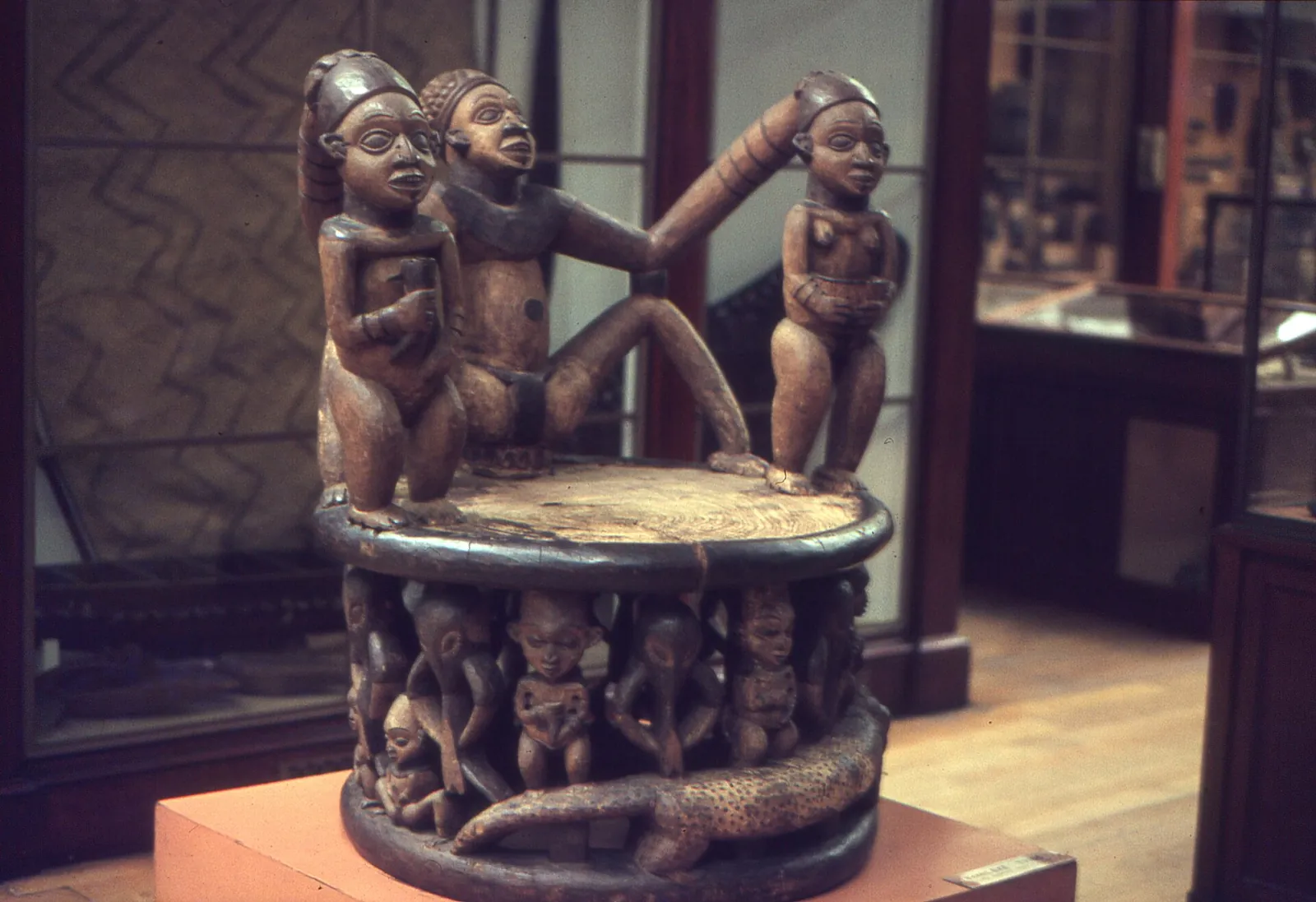
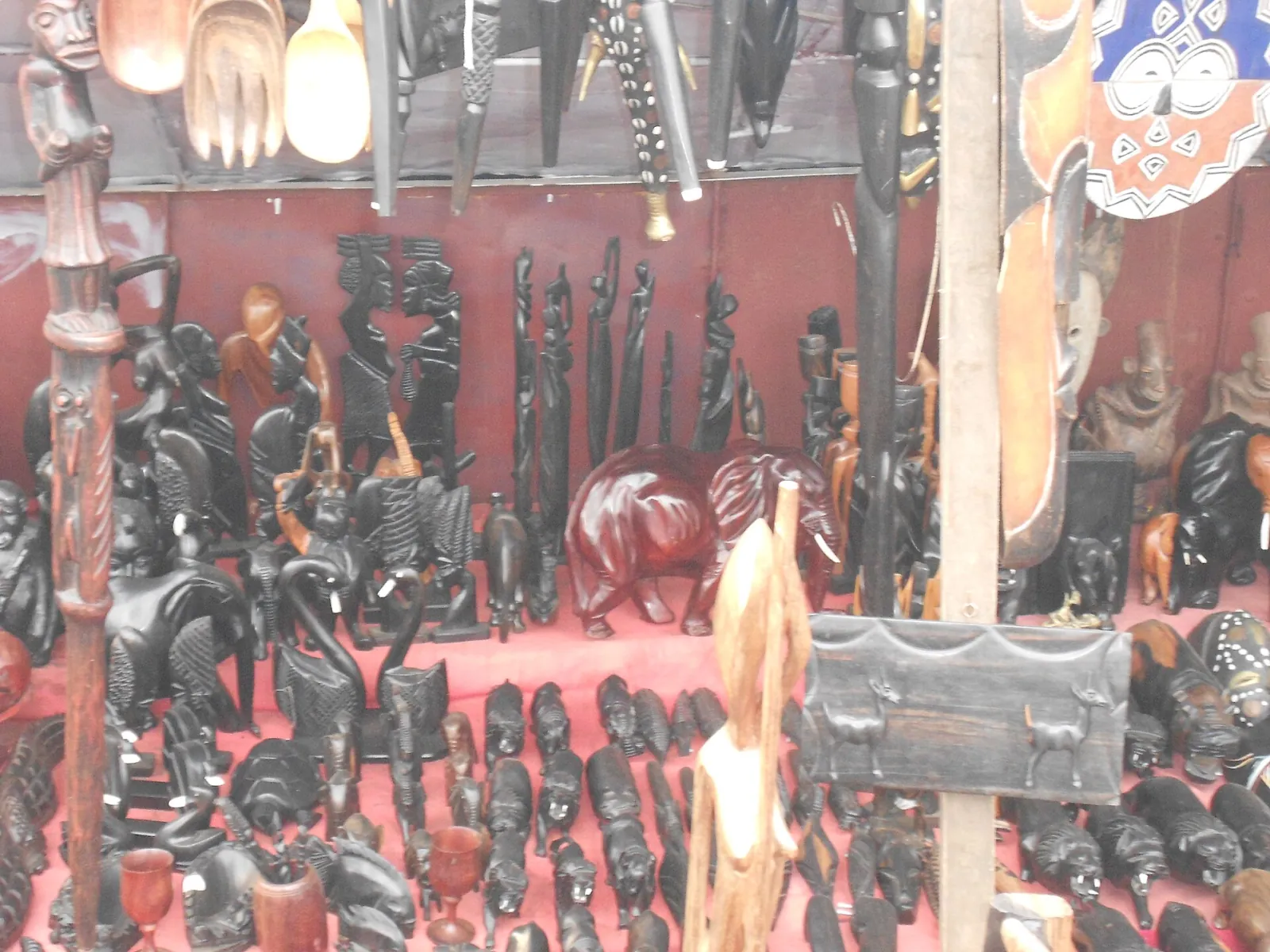
Stall of black wood carvings and masks in a craft shop in Limbe

A burned disc sold from a stall, a film downloaded without authorisation, a book photocopied in bulk in front of a university, a song distributed by a site that pays nothing back: piracy takes a thousand forms, but it always has the same effect. It deprives creators of their income, discourages producers and weakens the entire chain from the studio to the public.

Law No. 2000/011 of 19 December 2000 penalises infringement and provides for the confiscation of unlawful copies and the equipment used. This page explains how to report a case, what penalties are incurred, how field operations are conducted and what everyone can do to prevent illegal copying.

  • A simple online report, with or without anonymity
  • Heavy criminal penalties and confiscation of equipment
  • Prevention carried out with artists, sellers and schools
Report a case
Report

Report a case of piracy: what, where and how

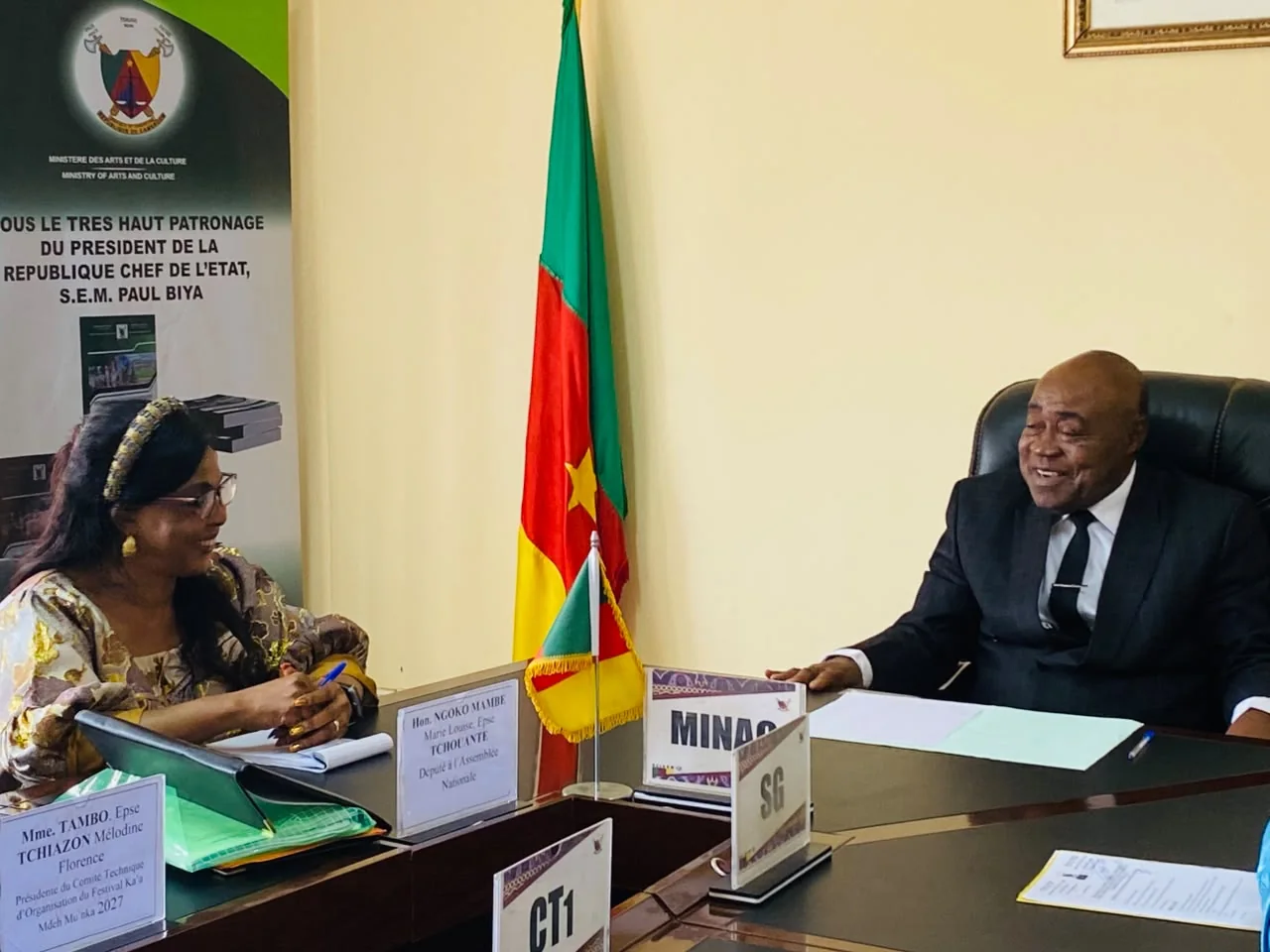
The Minister and the Secretary General meeting in an office of the Ministry

Any citizen, artist, producer, bookseller or record seller can report a case of piracy. The report is made online, through the Reporting section of the site, which includes a part dedicated to piracy and allows you to remain anonymous. You simply need to specify the work concerned, the place or site of distribution and the date of the facts, then attach the available evidence.

Useful information

  • The title of the work and the name of its creator, if you know them;
  • The nature of the offence: copies sold, public broadcast without authorisation, download or upload;
  • The precise location: market, shop, burning workshop, address of a website or social media account;
  • Photographs, dated screenshots, invoices or purchased copies;
  • Your contact details, if you agree to be contacted.

Who can act

An author or artist who believes one of their works is being copied may also approach the collective management society of which they are a member: it has staff responsible for recording the facts. In a case affecting a specific rights holder, the organisation may have to take legal action on their behalf (see collective management societies).

After the report

Each report receives a file number. The facts are verified, then forwarded to the competent services. The person reporting can follow progress through the File tracking page. Where the case is complex, it may lead to a formal complaint; the procedure is explained on the Litigation page.

ℹ️
Practical advice

Never confront a seller directly and do not destroy copies yourself: keep the evidence and pass it on. Findings are a matter for authorised officers.

Penalties

The penalties for infringement of works

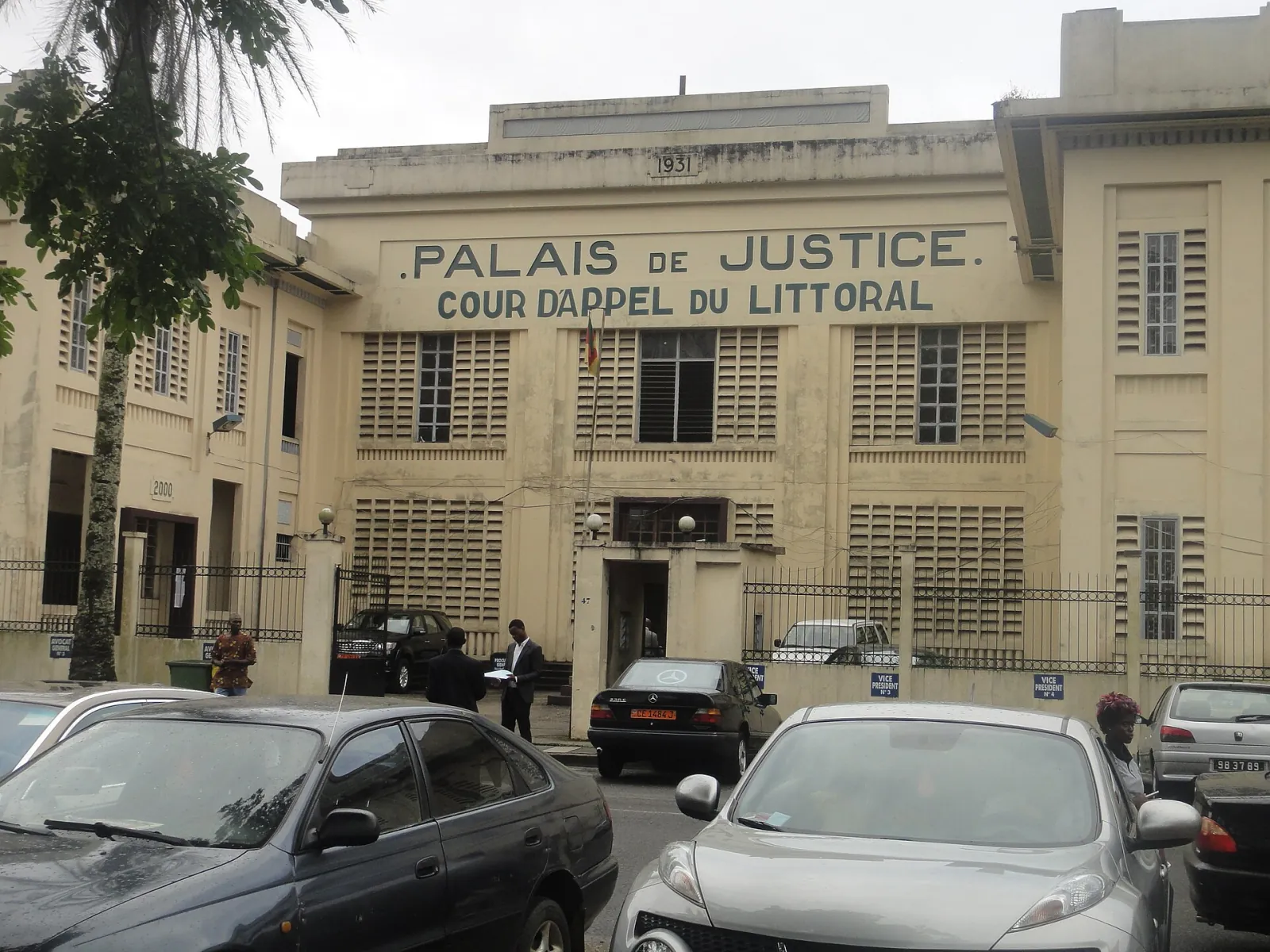
Bonanjo Palace of Justice in Douala, seat of the Littoral Court of Appeal

Infringement offences are punishable by imprisonment of five to ten years and a fine of 500,000 to 10,000,000 CFA francs, or by either of these penalties. The penalties are doubled where the offender is the contracting party of the holder of the infringed right, that is, where they had signed a contract with them: a publisher who prints more copies than agreed, a producer who exploits a work beyond the assignment, an organiser who exceeds the authorisation.

The punishable acts

Exploiting a work without the authorisation of its holder, infringing their moral right (authorship, integrity), but also importing or selling infringing items, are treated as infringement. The seller of a burned disc is therefore answerable for their actions in the same way as the person who made it.

Beyond prison and the fine

The court may order the confiscation of the infringing copies and the equipment used, as well as their destruction. The victim may also claim damages for the harm suffered: loss of earnings, damage to reputation, loss of customers. These claims are made in the same proceedings as the criminal action.

Piracy and the regime governing performances

Law No. 2004/001 of 21 April 2004 governing performances also penalises carrying on the activity of artistic agent or show promoter without a licence: six months to two years’ imprisonment and a fine of 200,000 to 5,000,000 FCFA, with additional penalties such as a ban on practising or closure of the establishment. An organiser who distributes works without authorisation and without a licence therefore accumulates the risks. See show authorisation.

ℹ️
Please note

The law penalises the offence, not ignorance of it: a seller who was unaware of the origin of their discs may nevertheless be prosecuted.

Operations

Field operations against illegal copying

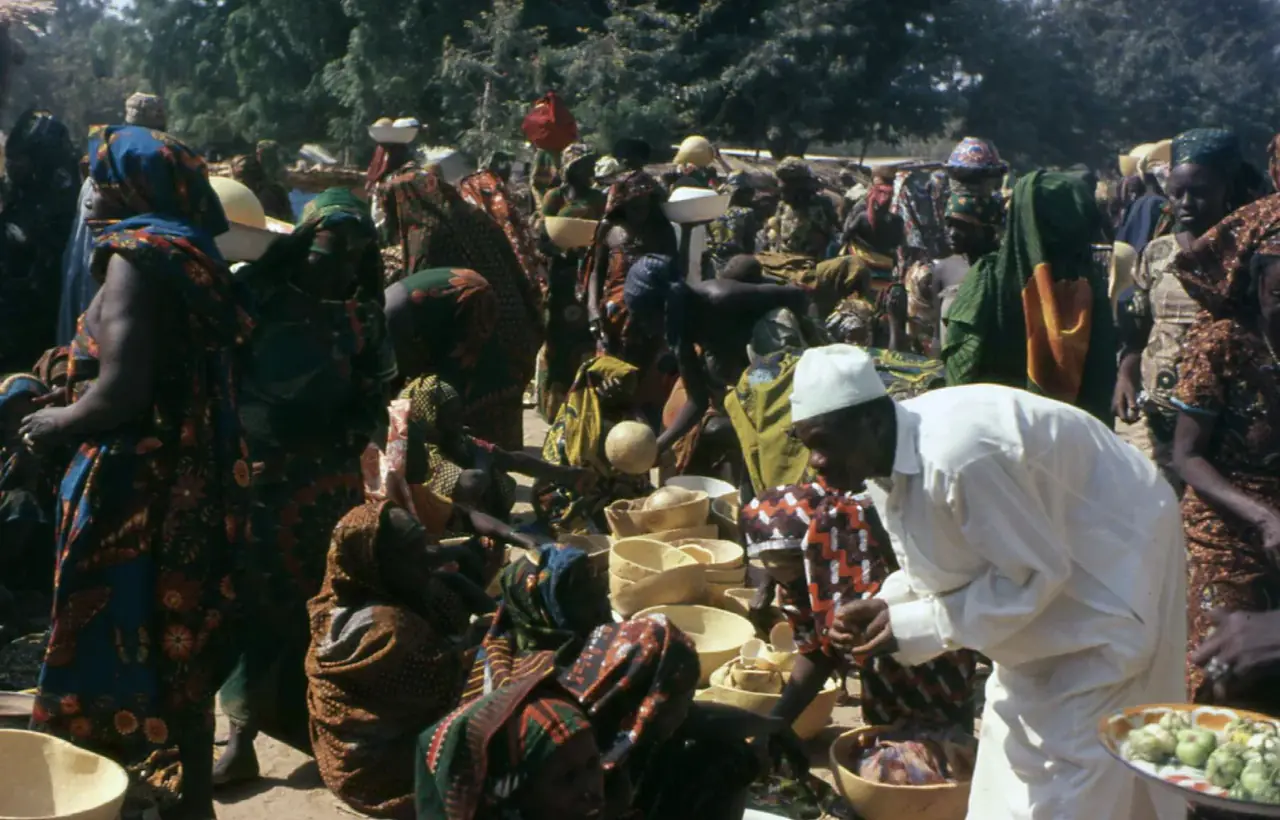
A dense, colourful crowd of sellers and buyers at an open-air market.

Recording infringement requires trained officers, rigorous procedures and good relations with law enforcement. Field operations involve, depending on the case, the authorised officers of the Ministry, the regional delegates, the representatives of collective management societies, the police, the gendarmerie and the customs services.

Typical course of an operation

  1. Identification of points of sale or manufacture on the basis of reports and the statements of authors’ societies;
  2. Preparation with the public prosecutor’s office and law enforcement, with zones and roles defined;
  3. Intervention: stock inspection, determination of the origin of the copies, inventory of burning equipment;
  4. Signed official report, provisional seizure of the copies and equipment;
  5. Referral of the file to the courts, which decide on confiscation and destruction.

The role of customs at the borders

Some of the counterfeit media enters through ports and border posts. Customs officers may detain suspect goods and alert rights holders. Cooperation with neighbouring countries in the CEMAC zone completes the system.

The rights of persons inspected

A trader who is inspected has the right to obtain a copy of the official report, to be assisted by counsel and to challenge the seizure before the judge. The operations do not target individuals who keep personal copies (see private copying), but the manufacturing and sales networks.

Prevention

Preventing piracy: raising awareness and offering alternatives

CINELAB workshop participants in front of the Ministry and UNESCO banners

Penalties alone are not enough. Raising public and reseller awareness of creators’ rights is a priority: a consumer who understands that every legal purchase funds creation is an ally. Prevention rests on three levers: information, legal supply and training.

Informing the public

Poster campaigns in markets, messages on radio and television, talks in schools and meetings with bus drivers, street vendors and bar managers explain what the law permits and prohibits. Reading clubs and arts education workshops relay these messages to young people.

Developing legal supply

Piracy thrives when legal access is expensive or unavailable. The Ministry encourages prices suited to the market, the sale of individual digital titles, local platforms and neighbourhood points of sale. See music and records and publishing and books.

Training professionals

Workshops for booksellers, record sellers, venue managers and event organisers present the rules: obtaining authorisations, declaring programmes, paying rights. The offer is detailed on the Training page.

Acting collectively

Creators themselves can protect their works: by dating their creation through the register of works, signing written contracts (standard contracts) and clearly stating their rights on media.

To act

Reflexes against illegal copying

Report the facts

A case of piracy, a suspect stall, a website: pass on the useful information online, with or without anonymity.

Report

Date your creation

Register your works so that you can prove your priority in the event of a dispute.

Register a work

Join an authors’ society

Collective management organisations monitor uses and defend the interests of their members.

See the societies

Training

Workshops and guides to understand your rights and obligations.

See the training courses
From complaint to penalty

The course of an infringement case

Report and file

The facts are described with their evidence; a file number is assigned and the person reporting can follow progress online or by post.

Findings by authorised officers

The competent services verify the existence of the protected work, the origin of the copies and the identity of those responsible, then draw up an official report.

Formal notice or complaint

Depending on the seriousness, the rights holder sends a formal notice or lodges a complaint with the public prosecutor, with the possible support of a lawyer.

Investigation and seizure

The police or gendarmerie hear the persons concerned, seize the copies and manufacturing equipment and forward the file to the public prosecutor’s office.

Hearing and judgment

The court assesses the facts, imposes the penalties, orders the confiscation and destruction of the copies and rules on damages.

Implementation and monitoring

Fines are recovered, copies destroyed, and the decision may be publicised to deter further offences.

Key facts

Offences and their consequences

Established factLegal classificationPossible consequenceUseful page
Exploitation of a work without authorisationInfringementFive to ten years in prison and 500,000 to 10,000,000 FCFA, or either of these penaltiesFight against piracy
Infringement of moral right (name, integrity)InfringementSame penalties, damages to the victimCopyright and neighbouring rights
Importation or sale of infringing itemsTreated as infringementProsecution, confiscation and destructionReporting
Infringement committed by a contracting partyAggravated infringementDoubled penaltiesModel contracts
Carrying on the activity of artistic agent or promoter without a licenceBreach of the regime governing performancesSix months to two years and 200,000 to 5,000,000 FCFA, additional penaltiesShow authorisation
Copying strictly for private usePrivate copying exceptionNo penalty, remuneration collected upstreamPrivate copying
To download

Tools to fight piracy

“Buying a pirated copy deprives an artist of their income; choosing the original funds the next song.”

A music producer, Douala
Glossary

Terms used in the fight against piracy

Infringement

Exploitation of a work in breach of the rights of its holder, punishable by law.

Piracy

Unlawful copying or distribution of works on a large scale, often for commercial purposes.

Confiscation

Court decision that takes the copies and equipment away from the offender.

Contracting party

Party bound by a contract with the rights holder whose rights it then infringed.

Minutes

Written instrument by which an authorised officer officially records what they have observed.

Moral right

The author’s right to respect for their name and for the integrity of their work.

Damages

Sum paid to the victim to make good the harm caused by the offence.

Civil party

Victim who joins the criminal proceedings to obtain compensation before the judge.

Formal notice

Letter requiring its recipient to stop an infringement of rights within a set time.

Infringing copy

Copy made or sold without the authorisation of the rights holder.

Seizure

Measure placing objects linked to an offence under judicial control.

Legal supply

All the media and services that exploit works with the agreement of their holders.

Journey

The fight against piracy over time

19 December 2000A law that penalises infringement

Law No. 2000/011 establishes the offences and the penalties of five to ten years’ imprisonment and fines of 500,000 to 10,000,000 FCFA.

21 April 2004The regime governing performances

Law No. 2004/001 requires artistic agents and show promoters to hold a licence and penalises carrying on the activity without one.

2000s-2010sThe first operations

Targeted interventions aim at burning workshops and disc sales outlets in the major cities.

2010sThe rise of digital technology

Piracy shifts to social media and download sites; authors’ societies adapt their monitoring.

TodayOnline reporting

The One-Stop Shop form makes it possible to report facts simply, anonymously if desired, and to track the file.

On the site

Continue reading about infringement

Resources

Useful links against piracy

Stakeholders

Who acts against piracy?

To explore

Piracy in other sections

Voices from the field

They recount piracy first-hand

“
My latest album was on sale on the pavements before its official release. I reported the facts with photos of the stall; the file was followed through to the end.
A singer
Yaoundé
“
Our textbooks were being photocopied in full in front of the university. After a coordinated operation and an information campaign, bookshop sales picked up again.
A publishing house director
Yaoundé
“
I thought burning discs to resell them was just a small trade. After my equipment was seized, I took a training course and now I sell lawful products.
A former disc reseller
Douala
“
The pupils made a poster on the theme “Buy the original”. They talked about it to their parents, and it is changing behaviour.
A secondary school teacher
Bafoussam
Questions

Your questions about piracy

Where can I report a case of piracy?

Use the Reporting section of the site, which includes a part dedicated to piracy. State the work, the place or site of distribution and the date of the facts, then attach your evidence. You may remain anonymous. A file number is given to you if you leave your contact details, so that you can follow progress online.

What penalties are incurred for infringement?

Infringement is punishable by imprisonment of five to ten years and a fine of 500,000 to 10,000,000 FCFA, or by either of these penalties. The penalties are doubled where the offender is the contracting party of the holder of the infringed right. The court may order confiscation and destruction.

Who inspects and records offences?

The authorised services of the Ministry, law enforcement, customs and, for their repertoires, the officers of collective management societies. Findings give rise to an official report. The final decision rests with the judge, who assesses the facts, imposes penalties and rules on compensation. An individual does not have to intervene personally.

Is selling burned discs an infringement?

Yes. The sale of copies reproduced without the authorisation of the rights holders is treated as infringement, as is their import. The seller may be prosecuted even if they did not make the discs. The copies and equipment may be confiscated and then destroyed by decision of the court, in addition to the fine or imprisonment.

Can I download a film just for myself?

It all depends on the source. A copy made from a lawfully acquired copy falls under private copying. Downloading from a site that distributes without authorisation, or making a file available to other people, constitutes infringement. Favour legal platforms and official offers, which genuinely pay creators.

My publisher printed more copies than agreed: what should I do?

Re-read your publishing contract, gather the invoices or sales statements and send a written formal notice. You may request mediation. If the publisher is your contracting party, the penalties incurred for infringement are doubled. A specialist lawyer will help you choose the most suitable route, amicable or judicial.

How can I protect my works before any dispute?

Declare your works to date their creation, keep your drafts, recordings and source files, sign written contracts and join a collective management society. In the event of a dispute, these elements prove your status as author and ease the procedure, whether amicable or judicial, and allow you to claim your share with more peace of mind.

Must a concert organiser check the rights?

Yes. They must obtain the show authorisation, hold the show promoter licence if they operate professionally and declare the programme to authors’ societies. Operating without a licence is punishable by six months to two years’ imprisonment and a fine of 200,000 to 5,000,000 FCFA, with possible closure of the venue.

Contact

Write to the Ministry: Fight against piracy

Describe the facts observed.

Reach us

Write to the service about a case of piracy

Address

Ministry of Arts and Culture – Copyright
Quartier du Lac – Ministerial Zone
P.O. Box 1053 Yaoundé, Centre Region, Cameroon

Reach us

+237 6 51 70 58 41

contact@minac.gov.cm

Opening hours

Monday to Friday, 8 am to 4 pm

Report a case

Describe the facts in a few lines, attach your evidence and receive a file number to follow the processing.

Make a report
WhatsApp