Coat of arms of CameroonMinistry of Arts
and Culture
Republic of Cameroon
My procedures
Home
Minister’s message
News
Press releases
Cultural calendar
Official speeches
Press review
Photo library
Video library
Calls for projects
Job vacancies
Public procurement
Newsletter
Frequently asked questions
Site map
Contact
Press area
Podcast “The Voice of Culture”
Legal notices
Privacy policy
Cookies and trackers
The Ministry
Missions and responsibilities
Organisation
Organisation chart
Minister’s Office (Cabinet)
Management team
General Secretariat
General Inspectorate
Central directorates
Regional Delegations
Institutions under supervision
Legislative texts
Regulatory texts
Sector strategy
Major projects
Budget and reports
Partners
Careers
Archives
Institutional communication
Quality and accessibility
Arts
Visual and plastic arts
Visual arts
Performing arts
Theatre
Dance
Music
Literature and books
Cinema and audiovisual
Photography
Fashion and design
Digital arts
Art crafts
Artists’ directory
Residencies
Prizes and awards
Arts education
Urban arts
Heritage
Tangible heritage
Intangible heritage
UNESCO sites
National museums
Listed monuments
National inventory
Palaces and chiefdoms
Archaeology
Linguistic heritage
Oral traditions
Traditional know-how
Restitution of cultural property
Fight against illicit trafficking
Listing and protection
Conservation and restoration
Heritage Days
Cultural landscapes
Industries
Music and recording
Cinema
Publishing and books
Digital arts
Fashion and creativity
Crafts
Cultural tourism
Funding for culture
Support funds
Incubators
Cultural entrepreneurship
Culture Observatory
Vocational training
Studies and reports
Sector statistics
Export and outreach
Intellectual property
Copyright
Legal framework
Copyright and neighbouring rights
Collective management societies
Register a work
Licences
Private copying
Fight against piracy
Model contracts
Social status of artists
Mediation
Disputes
Training
Fee scales
Register of works
Contact
Digital neighbouring rights
Public domain
Festivals
National calendar
Ngondo
Nguon
Écrans Noirs
Heritage Days
Music Day
Regional festivals
Fairs and exhibitions
Biennials
National competitions
Cultural days
Organise a festival
Event grants
Ticketing
Archives
Volunteering
Diaspora festivals
Regions
Adamawa
Centre
East
Far North
Littoral
North
North-West
West
South
South-West
Cultural map
Regional Delegations
Traditional chiefdoms
National languages
Cultural routes
Decentralised cooperation
Regional observatory
Cooperation
UNESCO
Francophonie (OIF)
African Union
Commonwealth
CEMAC
Bilateral cooperation
Cultural agreements
Professional organisations
Scholarships
Artist exchanges
Cultural years
Diaspora
Funded projects
Embassies
Technical partners
International restitution
International monitoring and calls
Services
Artist card
Show authorisation
Filming authorisation
Festival authorisation
Deposit of a work
Export of works of art
Listing of a property
Grant application
Association accreditation
File tracking
Forms
Fees
Opening hours and addresses
Reporting
Online help
My account
One-Stop Shop
Services

Reporting

Threatened cultural property, piracy, illicit trafficking: how to report the facts to the Ministry, by name, in confidence or anonymously, and what happens to your report after it is submitted.

Updated on 6 November 20264 sub-pages
Types of report3
AnonymityPossible
Acknowledgement of receiptWithin 48 h
ChannelOnline
Protecting culture

Report to protect

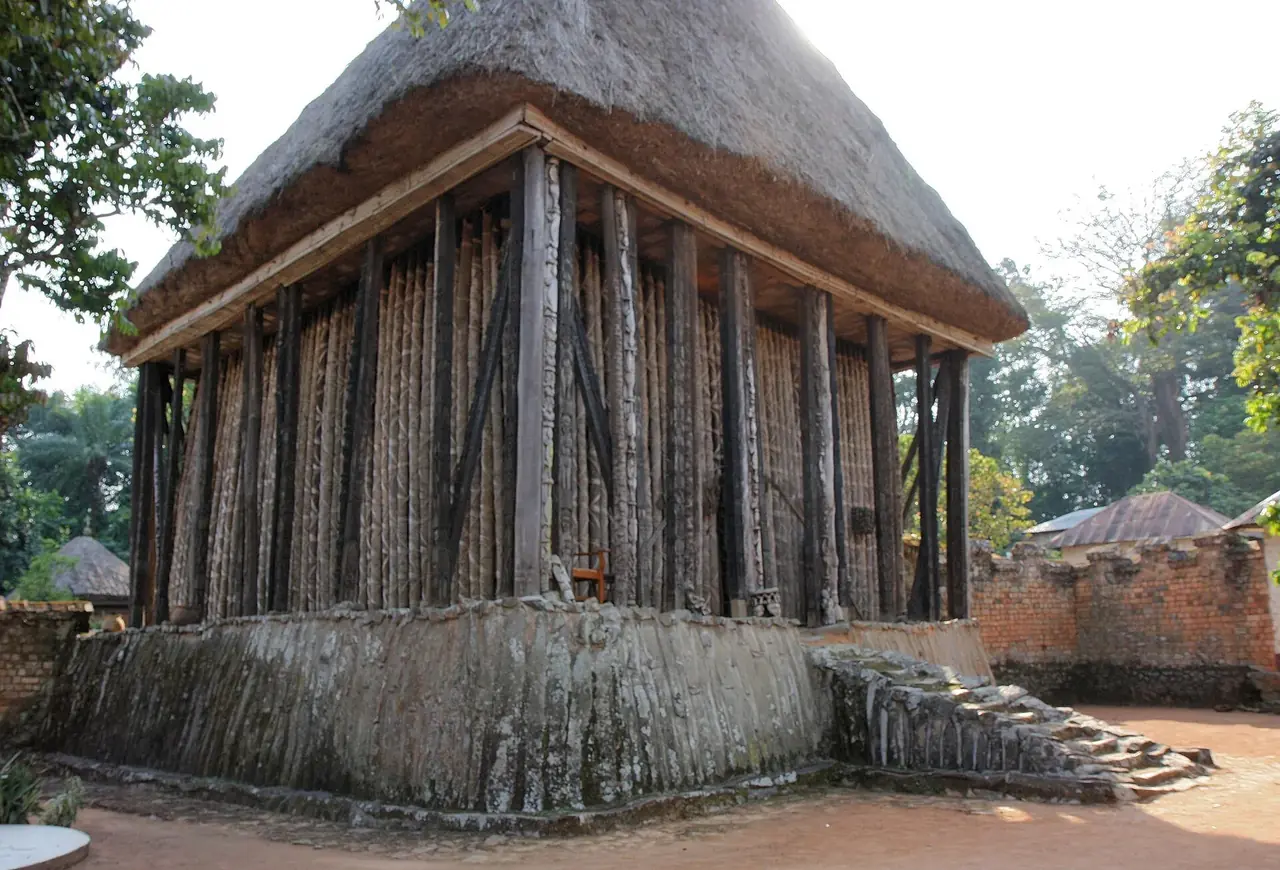
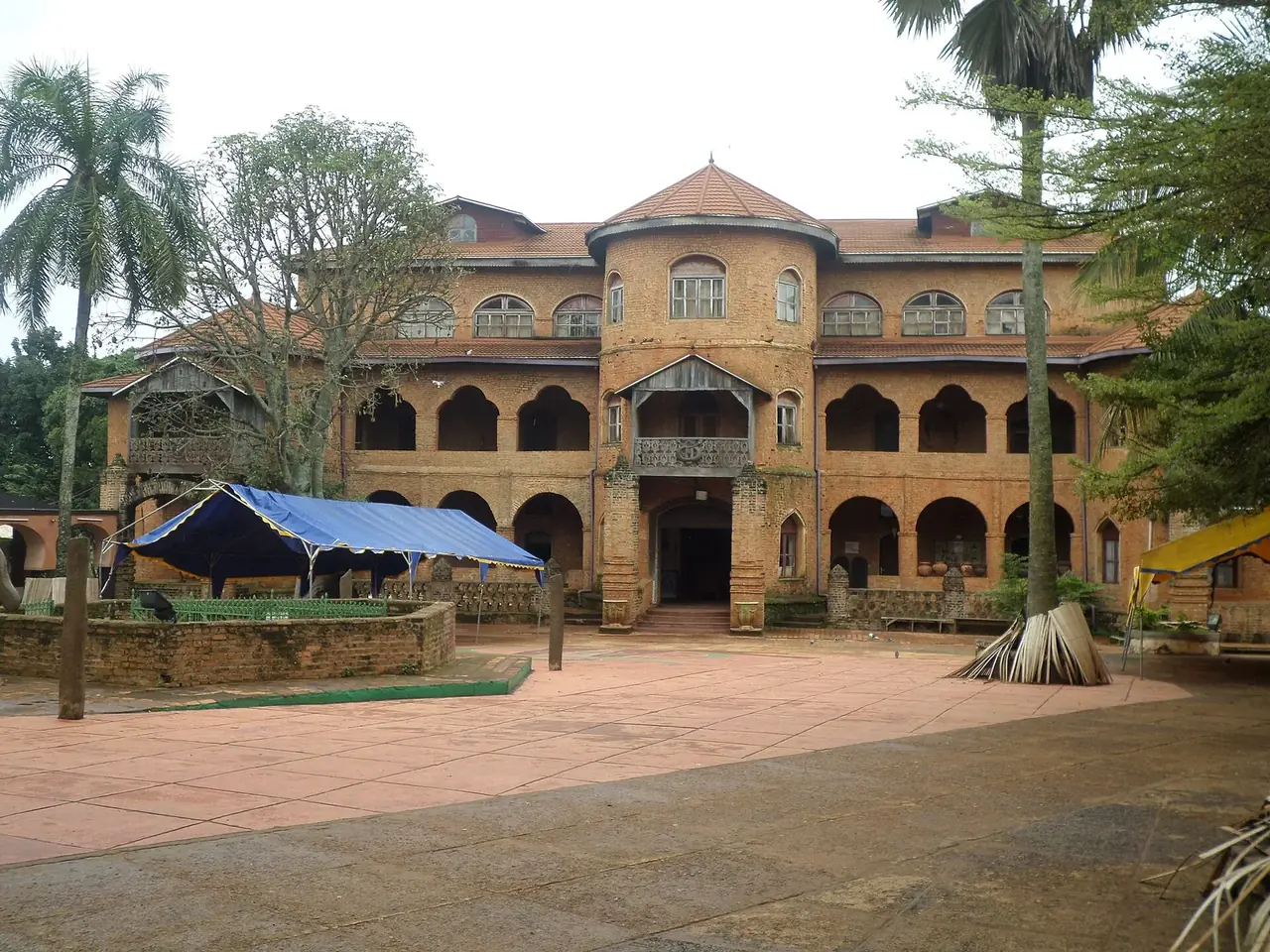
Façade of the Foumban sultans’ palace

A monument cracking without anyone taking care of it, an album distributed online without the authors’ consent, a statuette offered for sale by a stranger: these situations are never trivial. Each time, a piece of collective memory or a creator’s income is at stake. The Ministry of Arts and Culture cannot see everything; it therefore relies on citizens, traditional chiefs, artists, teachers and site keepers to alert it.

This page explains how to submit a useful report, to whom it is addressed, what happens next, how the person making the report is protected and when to prefer anonymity. It draws on the work of the Directorate of Cultural Heritage, the General Inspectorate and the collective management societies.

  • Threatened cultural property: site, monument, object or collection
  • Piracy of works: unauthorised copies and distribution
  • Illicit trafficking: sale and removal of cultural objects without authorisation
Report a threatened property
Property at risk

Report a threatened property

Great hall of the Bafut chiefdom

Cultural property is threatened as soon as its existence, integrity or legibility is endangered. The threat may be slow: the roof of a chiefdom hut collapsing for lack of maintenance, a fresco eaten away by damp, museum objects stored in a room liable to flooding. It may also be sudden: earthmoving machinery near an archaeological site, fire, looting of a tomb, demolition of an old building without authorisation.

Which properties are covered?

All elements of tangible heritage: listed monuments, palaces and chiefdoms, archaeological sites, collection objects, but also buildings not yet protected whose historical value is recognised locally. A property that is not listed can be reported: this is often how a listing procedure begins.

What to include

  • the name of the property and its precise location (village, district, known landmark, GPS coordinates if possible);
  • the nature of the danger: deterioration, neighbouring construction, theft, looting, abandonment;
  • the date on which the facts were observed and whether they are urgent;
  • dated photographs, a short video or the testimony of a keeper;
  • the name of the owner or the person in charge of the place, if known.

The file is forwarded to the Directorate of Cultural Heritage, which may ask the regional delegation to send an officer to the site before any decision.

ℹ️
Good practice

Photograph the property from several angles, with a reference object for scale, and note the time. These details make it possible to compare the condition of the property during later visits; see also conservation and restoration.

Piracy

Report piracy

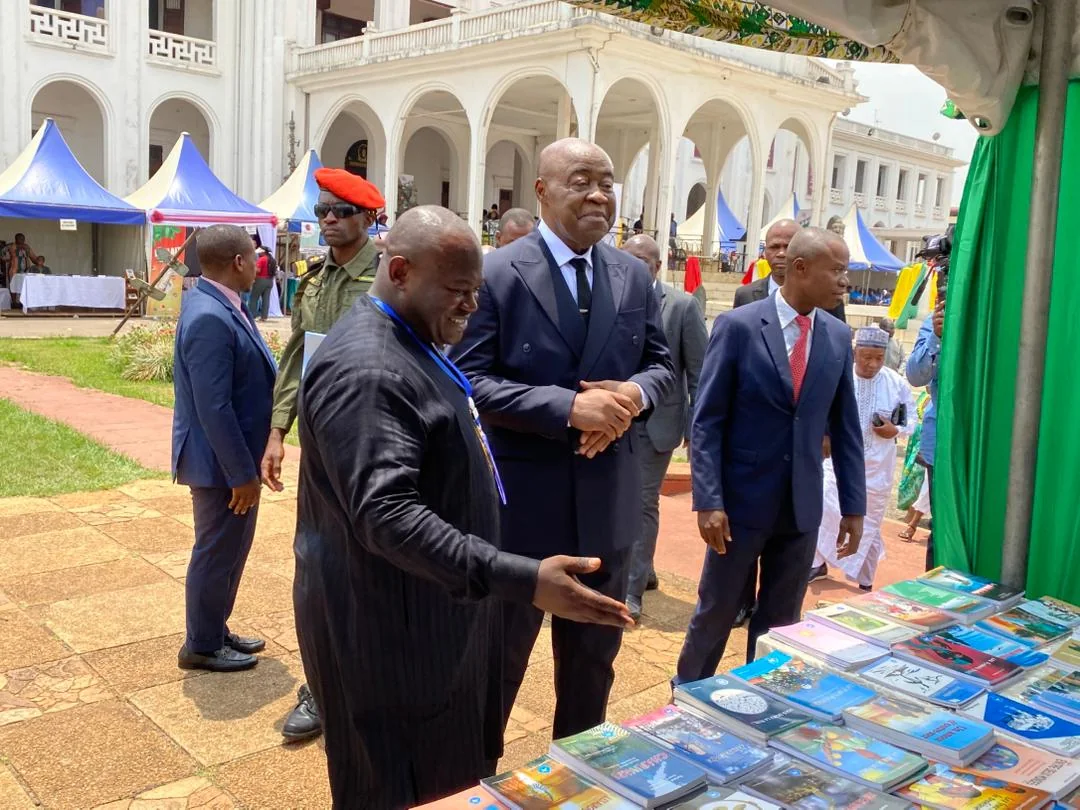
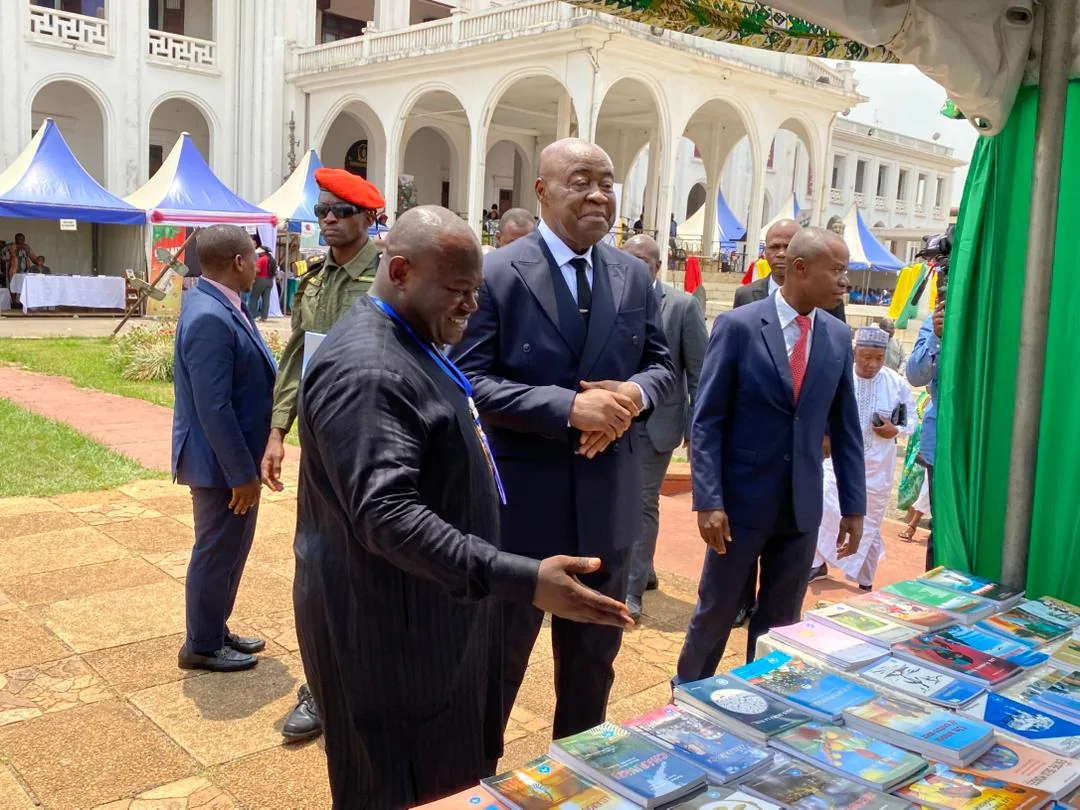
The Minister and officials in front of books displayed on a stand in the courtyard of a colonial-style building

Piracy means the reproduction, distribution or sale of a work without the consent of its rights holders. In Cameroon, it takes very concrete forms: burnt discs and films sold on pavements, albums put online on platforms without authorisation, video channels that rebroadcast films without a licence, photocopying of textbooks and novels, use of tracks in a bar, a radio station or an event without declaration.

Who can report?

Authors, composers, performers, producers and publishers are the first concerned, but any citizen can raise the alarm. A bookseller who sees counterfeit copies of a textbook in circulation, a fan who discovers a pirated film or a presenter who notices an illegal broadcast is doing a service to the whole sector.

Useful information

  1. the title of the work and the name of its author or producer;
  2. the place of distribution: address of a point of sale, address of a site or page, name of a channel;
  3. the date and frequency of the facts observed;
  4. a screenshot or a photograph of the pirated medium, without buying it where possible;
  5. your contact details if you agree to be contacted again.

The report may be sent to the Ministry or directly to the competent collective management society, which carries out inspection operations with State services. To understand the applicable framework, consult the fight against piracy page and copyright and neighbouring rights.

ℹ️
Rights holder?

If you are the author of the work, first declare it on the declaring a work page: a dated, registered work makes any later action easier.

Illicit trafficking

Report illicit trafficking

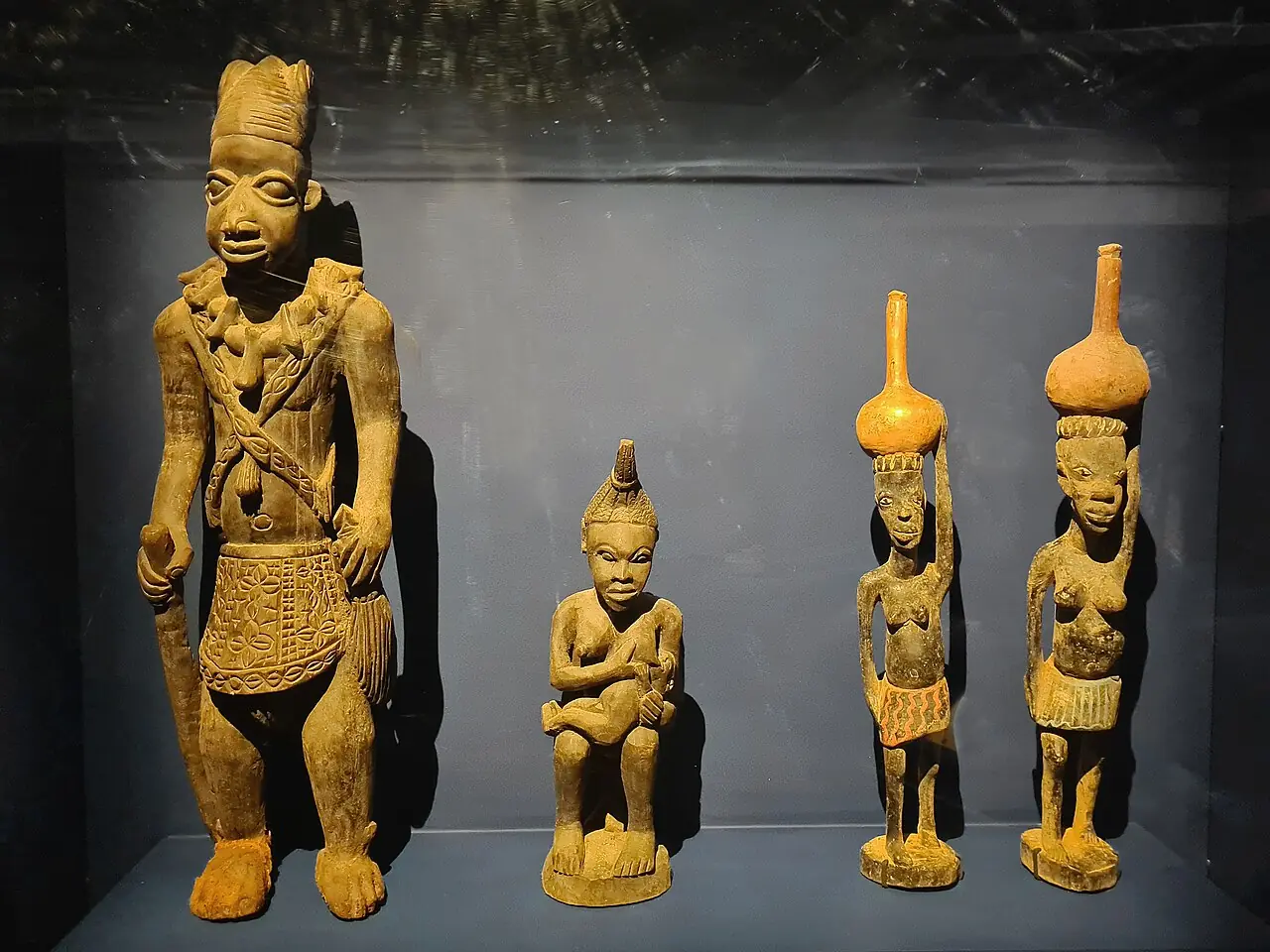
Carved wooden Bati-style statuettes displayed in a showcase

Illicit trafficking in cultural property covers theft, looting of sites, clandestine sale and removal of objects from the territory without authorisation. It affects masks, statues, thrones, beads and court objects, but also archaeological pieces, manuscripts and archive documents. Every object that leaves the country without a trace is a page of history that disappears: without context, its origin, function and meaning are lost.

Warning signs

  • an old object offered for sale without a document of origin;
  • unauthorised excavations around a mound, a cave or an old village;
  • intermediaries who approach chiefdoms or families to buy back ritual pieces;
  • parcels or luggage containing art objects without an export authorisation;
  • online advertisements presenting objects described as Cameroonian, without provenance.

What to provide

Describe the property (material, dimensions, appearance), the seller or the place of the transaction, the date and any element helping to identify a network. The export of a work of art is subject to prior authorisation; its absence is a strong indication. Reports are handled in line with the policy against illicit trafficking and may lead to a request for restitution where pieces have already left the territory.

ℹ️
Do not intervene alone

Do not try to recover the object yourself and do not confront the sellers: pass the information to the Ministry, which coordinates action with law enforcement.

Anonymity

Report anonymously

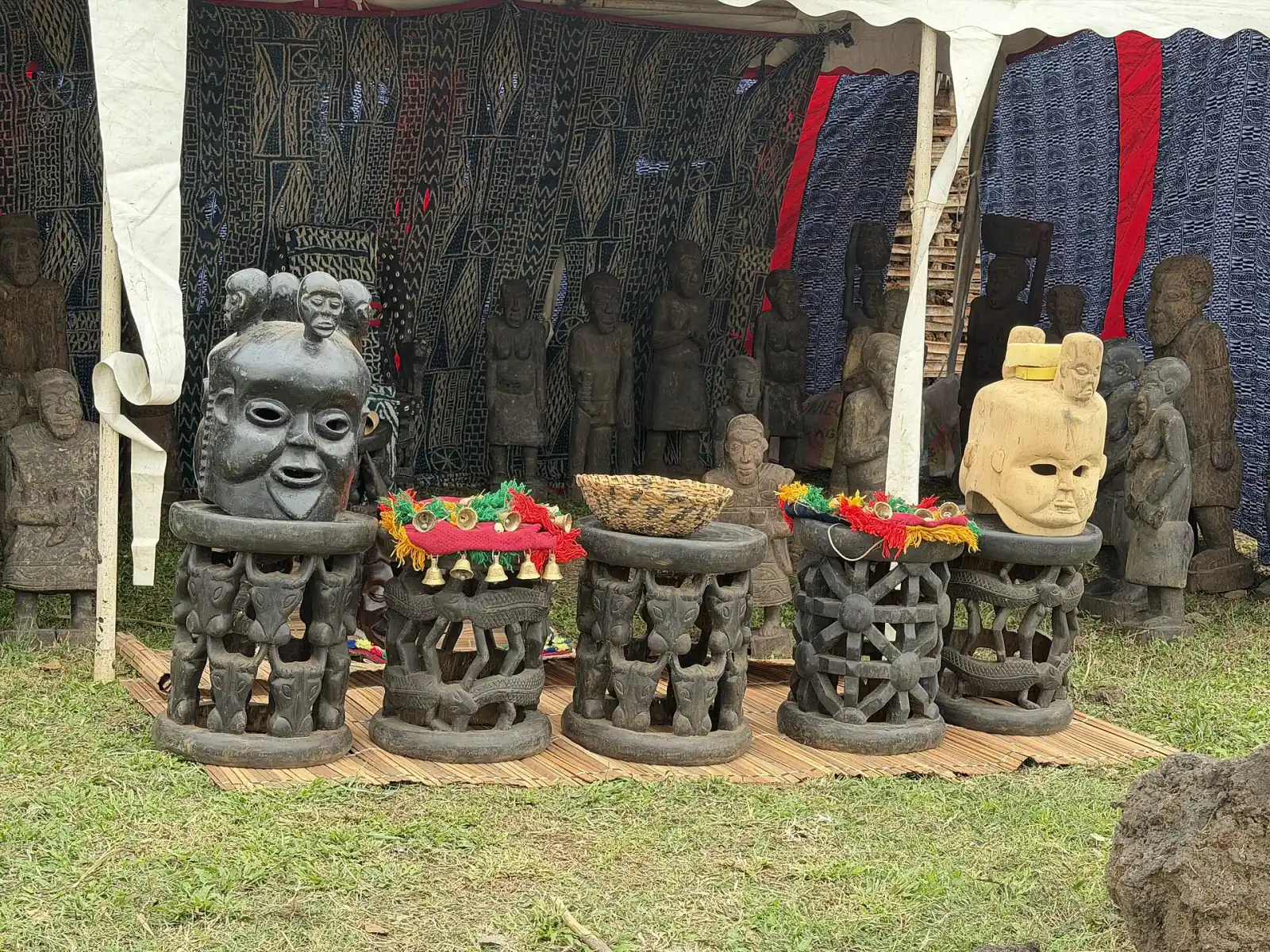
Carved totems and stools under an exhibition tent in front of the Lebialem palace

Many witnesses hesitate to speak out for fear of reprisals: neighbours, employer, local authority, criminal network. The Ministry’s reporting system therefore provides that facts may be submitted without giving one’s identity. The online form includes a box “report without giving my name”; when it is ticked, no personal data is requested or recorded.

What anonymity changes

An anonymous report is examined on the same basis as the others. However, no personalised acknowledgement of receipt can be sent and the service cannot contact you again to obtain clarification. A reference number is displayed on screen at the end of the submission: note it down, as it allows you to follow the general status of processing from the file tracking page without revealing who you are.

How to make an anonymous report effective

  • be very precise about the place, the date and the description of the facts;
  • attach photographs from which you have removed your phone’s personal location data, if you do not want them to give you away;
  • avoid details that would identify you, such as a sentence like “I was alone at home”;
  • preferably use a device and a connection that are not monitored.

If you prefer, you can also provide your contact details together with a request for confidentiality: your identity will then be known only to the investigating officer. See the section on protection of the person making the report.

ℹ️
Anonymous or confidential?

Anonymous: the Ministry does not know your identity. Confidential: it knows it, but does not disclose it to anyone outside the service handling the case.

Protection

Protection of the person making the report

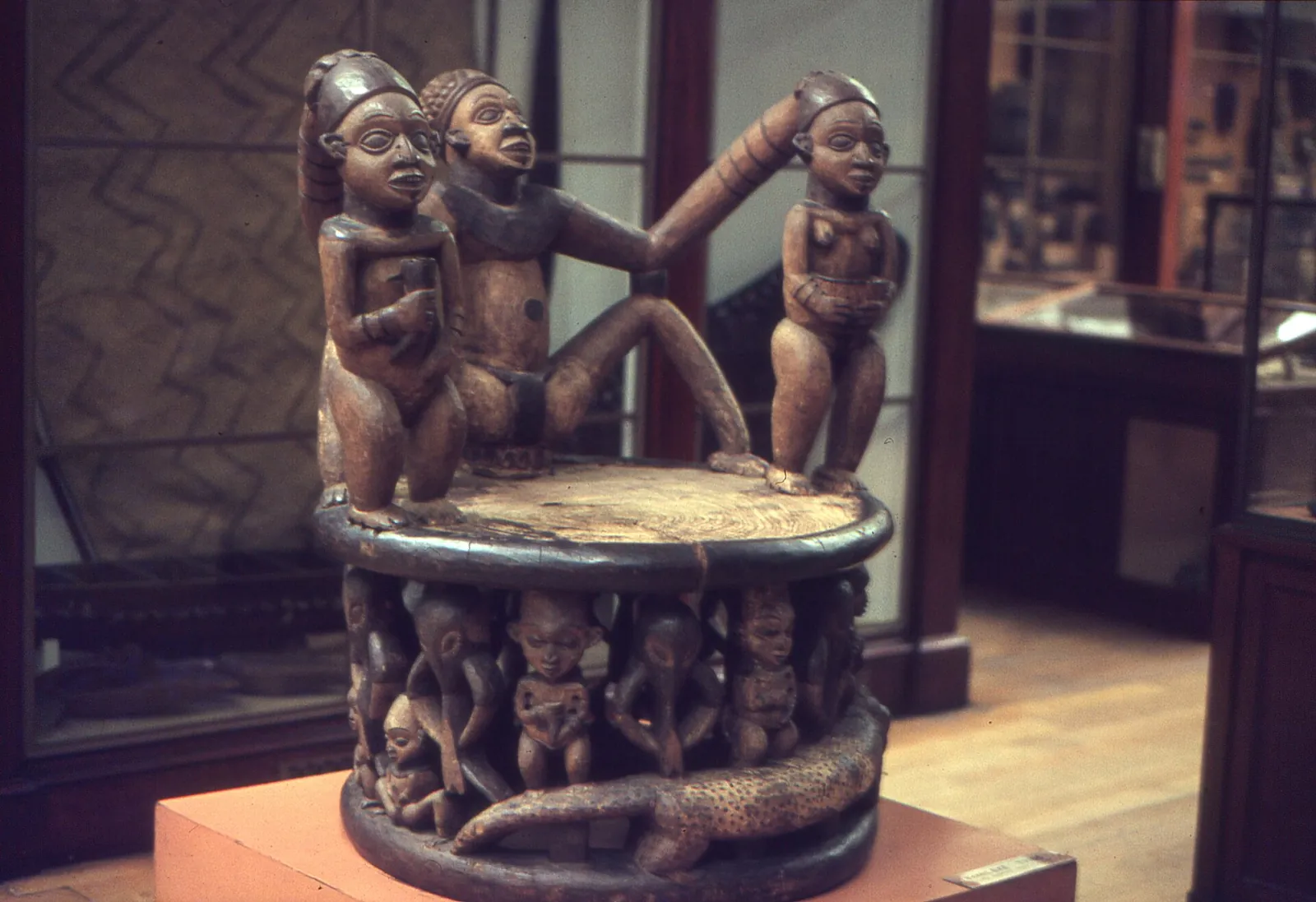
Bamileke chief's stool carved with figures and a crocodile, in a museum case

Reporting a fact in good faith must not expose anyone to trouble. The Ministry undertakes to handle reports within a strict framework of confidentiality, never to reveal the identity of a whistleblower to the person implicated and to restrict access to the file to the officers in charge of the investigation.

Practical safeguards

  • restricted access: only the investigating officer and their manager see the contact details;
  • data separation: the whistleblower’s identity is recorded separately from the facts described;
  • no copy of the report is sent to a third party unless the investigation requires it;
  • limited data retention, in accordance with the page on personal data;
  • the possibility of requesting deletion of your contact details once the file is closed.

Good faith and liability

Protection applies to anyone reporting facts that they believe to be accurate. A false report, intended to harm a person, a competitor or a neighbour, is a fault and may engage the liability of its author. For this reason, you are asked to limit yourself to observed facts, without interpreting or accusing.

ℹ️
Ministry officers

An officer who notices an internal irregularity can report it to the General Inspectorate without going through their direct line management.

Method

What a good report contains

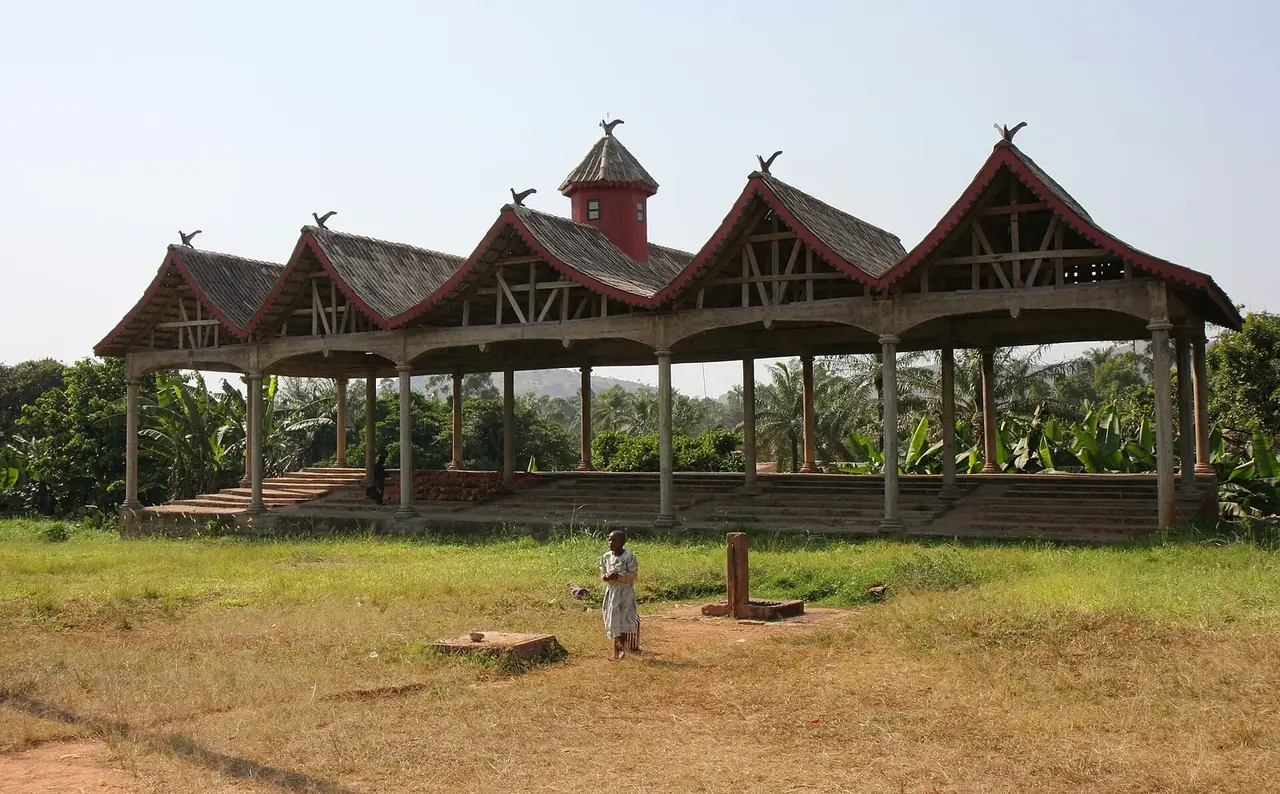
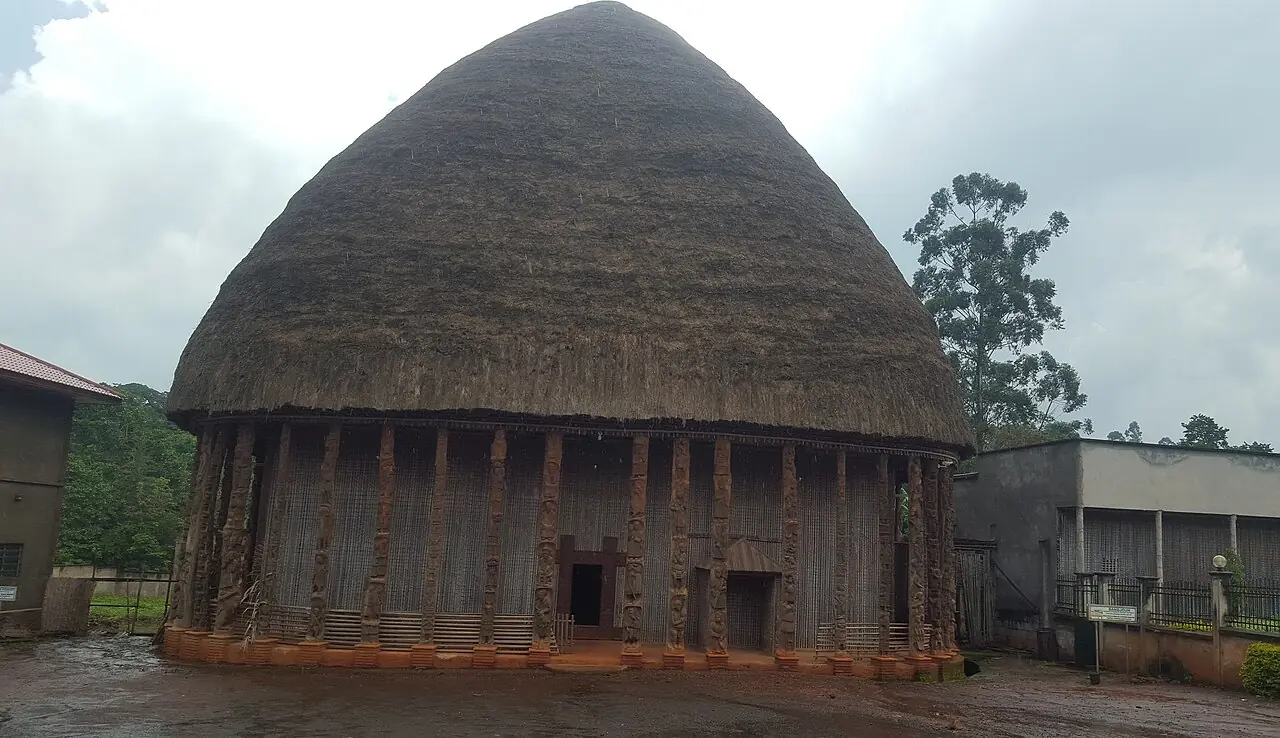
Large thatched-roof house of the Bandjoun chiefdom

The quality of a report determines the speed of the response. A vague message (“there are problems at the museum”) forces the service to investigate the investigation; a precise message makes it possible to trigger a check within the following days.

The five questions

  1. What? The property or work concerned, its name, its appearance.
  2. Where? The exact place, with a landmark that any officer can find.
  3. When? The date of observation and, if the facts recur, their frequency.
  4. Who? The people or organisations involved, without gratuitous accusation.
  5. How do you know? Seen, heard, photographed, reported by a third party.

Accepted attachments

Photographs, short videos, screenshots, copies of documents, audio recordings. Files are submitted through the One-Stop Shop; the accepted formats are those indicated in the online help. If you do not have a connection, an officer of the regional delegation can record your statement orally.

What not to do

Do not publish accusations on social media before alerting the competent service: this may alert the perpetrators, destroy evidence and expose the whistleblower. Do not handle suspect objects and do not alter the condition of a site.

Step by step

Submit a report online

Choose the type of report

On the One-Stop Shop page, select threatened property, piracy or illicit trafficking; the form adapts to the type chosen and guides you question by question.

Describe the facts

State the place, the date, the property or work concerned and the nature of the danger; a free-text field allows you to add anything that seems useful to the investigation.

Attach evidence

Add photographs, screenshots or documents; each file is limited in size, but you can submit several to document the situation.

Choose how to be contacted

Give your contact details, request confidentiality or tick the anonymous option; this choice does not influence the examination of the facts.

Confirm and note the reference

At the end of the submission, a reference number is displayed; if you have left a contact, an acknowledgement of receipt is sent to you within forty-eight hours.

Follow the processing

With your number, check the general progress of the file on the tracking page: registered, under verification, forwarded or closed.

To go further

Protecting heritage and creators

To act

Procedures related to reporting

List a property

If a threatened property is not yet protected, request its listing to give it official status.

Request listing

Authorise export

A work of art leaves the country only with a prior authorisation, issued after verification.

See the procedure

Declare your work

Have your creation registered to prove its date and facilitate your remedies in the event of piracy.

Register a work

Track a file

Find the status of a report or procedure using its reference number.

Track a file
Practical cases

Concrete situations of reporting

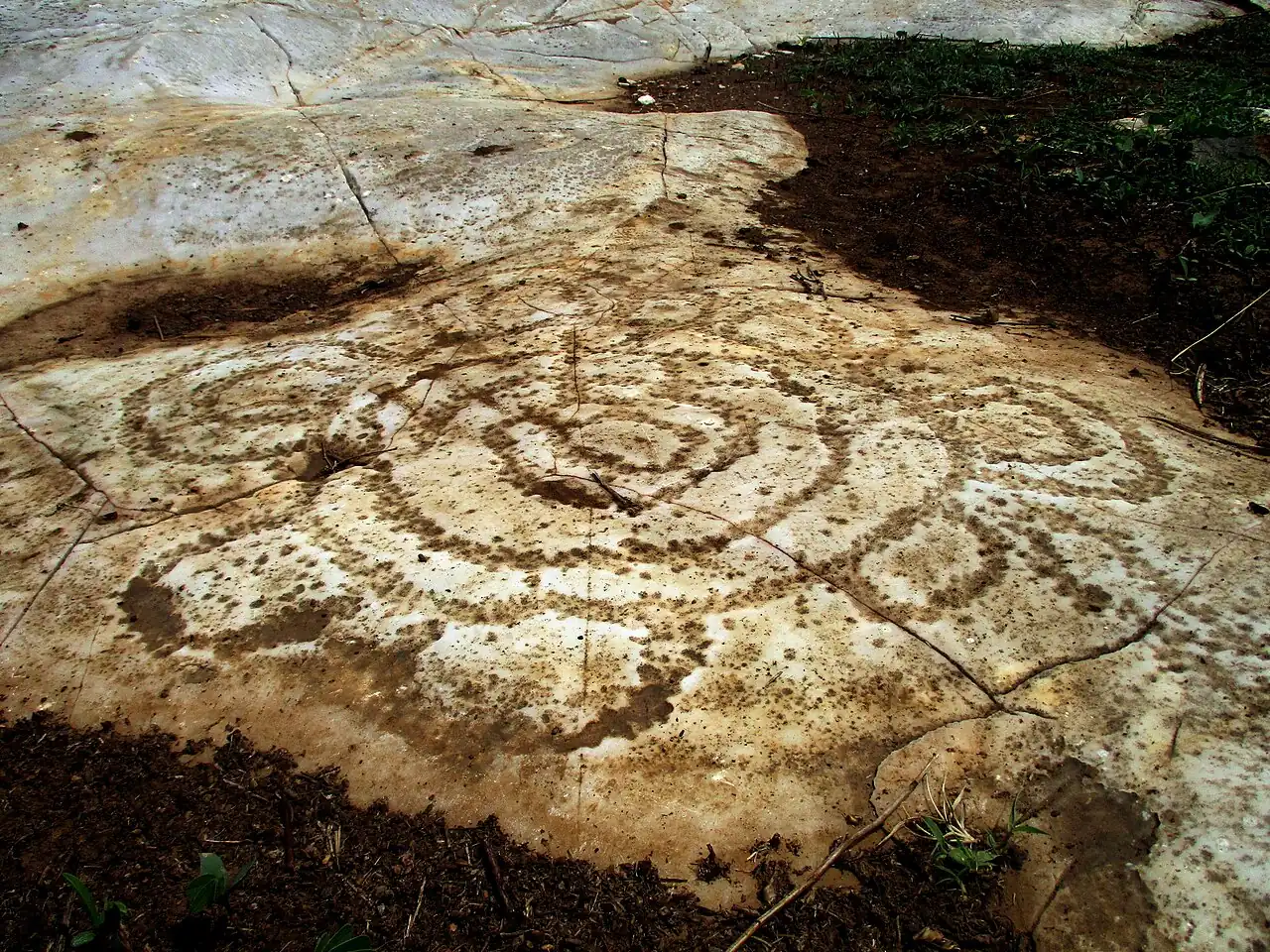
Circular engravings on a rock at the Bidzar archaeological site

To better understand what falls within the system and what does not, here are typical cases, drawn from the most frequent situations in the regions.

The deteriorating chiefdom hut

In a village in the West, the roof of an old hut gives way during the rainy season. A young man from the village photographs the damage and sends it through the form, with the chief’s contact details. The regional delegation visits the site, the Directorate of Cultural Heritage assesses the cost of restoration and the file is directed to the support funds.

The film shown without a licence

A producer discovers that his feature film is shown every evening in a neighbourhood hall without a contract. He sends the date, the address and photographs of the poster. The collective management society and the Ministry draw up a report of findings, followed by regularisation. For the protection of cinematographic works, see the licences page.

The court object offered for sale

A foreign collector offers a family to buy an old throne with no papers. A cousin alerts the Ministry anonymously. The object is identified, the family is helped to request protection of the piece and the sale is suspended.

The building site too close to the site

A developer digs foundations near an ancient mound. A teacher notifies the delegation. Work is stopped while a preventive archaeology assessment is carried out.

Emergency

Emergencies, law enforcement and limits of the system

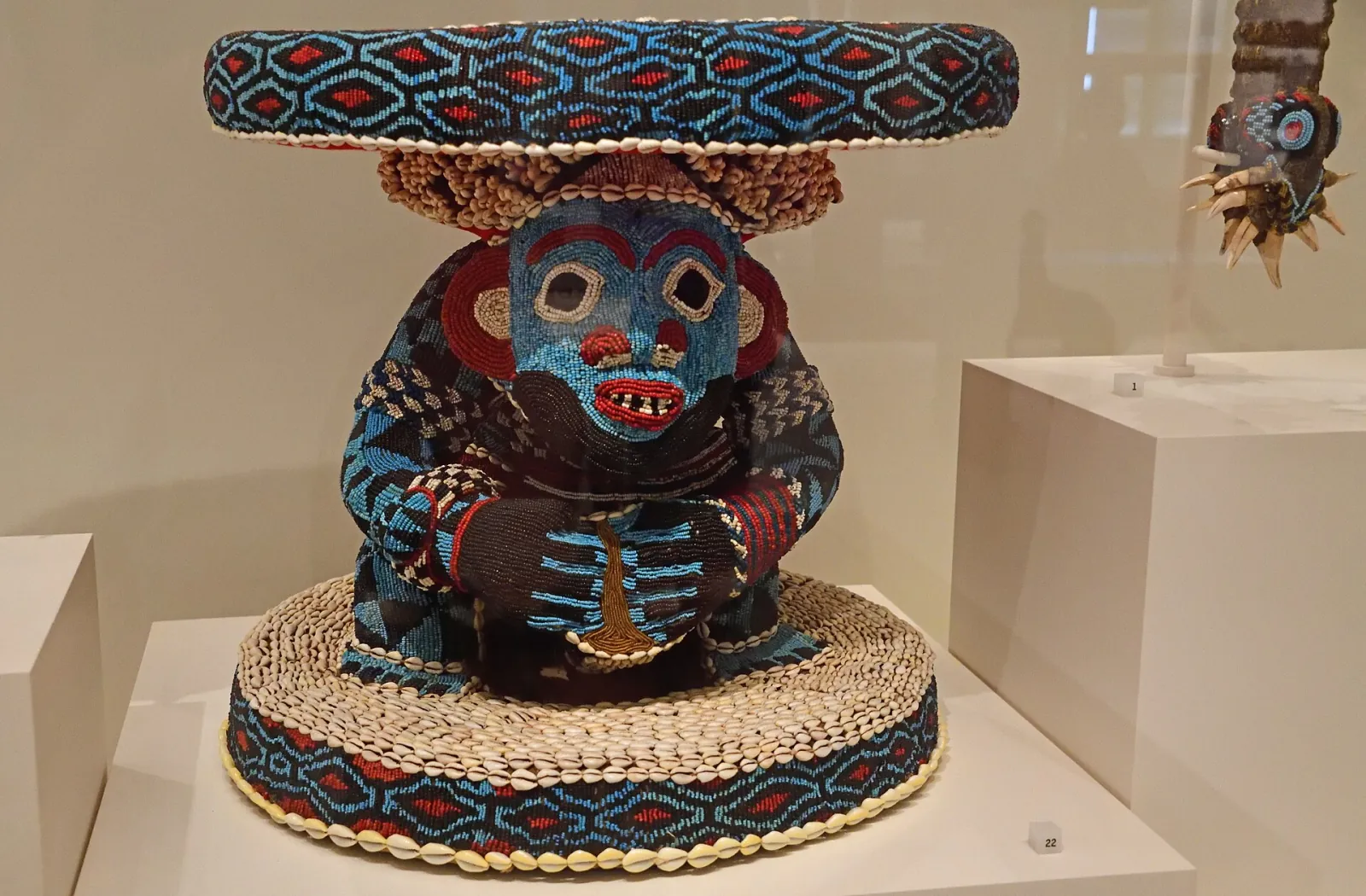
Royal stool with a seated figure entirely covered in blue and red beads

The reporting form is not an immediate intervention service. When a person is in danger, a fire breaks out, a theft is in progress or looting is observed live, the emergency services and law enforcement must be called without delay, and the Ministry informed within the following hours.

What falls within the Ministry’s remit

  • expertise on the cultural value of a property or work;
  • administrative protection: listing, inventory, prohibition of works;
  • coordination with the police, the gendarmerie, the judiciary and customs;
  • referral to the collective management society or to mediation.

What does not

Private disputes between co-authors over the sharing of rights fall under litigation. Contractual disputes between an artist and their producer, or complaints about a service provided, are settled through mediation or before the courts. A report that falls outside the Ministry’s remit is redirected and its author is informed if their contact details are known.

To download

Resources for reporting

“Protecting heritage is everyone’s business: a well-made report can save a monument, an object or a creator’s income.”

An officer of the Directorate of Cultural Heritage
Glossary

The vocabulary of reporting

Reporting

Information passed to the administration about a concerning fact so that it can verify it and act.

Whistleblower

Person who submits the report, whether or not they give their identity.

Anonymity

Act of passing on information without the administration knowing the identity of its author.

Privacy

Undertaking not to reveal the whistleblower’s identity to third parties, in particular to the person implicated.

Piracy

Copying, distribution or sale of a work without the consent of the rights holders.

Infringement

Unlawful reproduction of a work or object, presented as authentic or sold without rights.

Illicit trafficking

Trade in or removal from the territory of cultural property in breach of the law.

Looting

Removal of property from a site or monument, for example during clandestine excavations.

Finding

Official description of a state of affairs, drawn up on site by an authorised officer.

Closure without further action

Decision not to pursue the processing of a report, where the facts are inaccurate or outside the remit.

Resources

Useful links for reporting

Stakeholders

Who handles reports?

Key facts

What to report and to whom?

SituationReceiving serviceTime to first reviewPossible follow-up
Threatened cultural propertyDirectorate of Cultural Heritage and regional delegationWithin five working daysSite visit, protective measures, opening of a listing procedure
Piracy of a workCollective management society and MinistryWithin seven working daysReport of findings, formal notice, referral to the competent authorities
Illicit trafficking in cultural objectsDirectorate of Cultural HeritageWithin forty-eight hours for urgent casesInvestigation, coordination with law enforcement, request for restitution
Internal irregularity at the MinistryGeneral InspectorateWithin ten working daysAudit, inspection, referral to line management
Difficulty with an online procedureOnline help and One-Stop ShopWithin two working daysAssistance, correction of the file
Pressure or threat after reportingGeneral Inspectorate and mediationImmediateProtection of identity, referral to law enforcement
After submission

What happens to a report?

Day 0Recording

The report receives a reference number and is classified by type and degree of urgency; an acknowledgement is sent if contact details have been provided.

Days 1 to 5Sorting and referral

An officer checks that the facts fall within the Ministry’s remit, assigns them to the competent service and may ask the whistleblower for further information.

Days 5 to 15Verification

The competent service cross-checks the information received, consults the regional delegation or the collective management society, and arranges a visit if necessary.

Days 15 to 30Decision

Depending on the facts: protective measure, report of piracy, referral to law enforcement, or closure without further action with internal reasons recorded.

BeyondMonitoring of measures

The actions taken (restoration, formal notice, restitution) are followed through to completion, and the file is closed with a summary report.

Questions

Your questions about reporting

Is my identity protected?

Yes. You can report without giving your name, or give it while requesting confidentiality. In that case, only the investigating officer and their manager know your identity, which is never disclosed to the person concerned by the report.

Is evidence needed to report?

No, but it helps a great deal. A dated photograph, a screenshot or a precise address make it possible to act faster. In the absence of evidence, describe what you saw, where and on what date, without interpreting.

What should I do in an emergency?

If a theft, a fire or looting is in progress, first call law enforcement and the emergency services. Then inform the Ministry through the form or by telephone, stating the measures already taken and the exact place of the events.

How long does it take to get a reply?

An acknowledgement is sent within forty-eight hours if you have left your contact details. The first review takes place within a few days, but the investigation and protective measures may take several weeks depending on the region and the nature of the facts.

Can I report piracy of which I am not a victim?

Yes. Any citizen can raise the alarm. The Ministry and the collective management society concerned then verify the rights at stake, contact the rights holders and decide on follow-up. Your report commits you to nothing further.

What happens if my report is inaccurate?

An error made in good faith has no consequences for you: the file is simply closed. However, a deliberately false report, intended to cause harm, is a fault that may engage the liability of its author.

Can I report a property that is not listed?

Yes. Many listing procedures begin with a report. The service assesses the historical or artistic value of the property and may begin a protection procedure with the owner or the community.

How can I find out the status of my report?

With the reference number given at the end of the submission, consult the file tracking page: it shows whether the report is registered, under verification, forwarded to another service or closed. Details of an ongoing investigation are not disclosed.

Competent directorate

Contacting heritage protection

Address

Directorate of Cultural Heritage
Ministry of Arts and Culture
Quartier du Lac – Ministerial Zone
P.O. Box 1053 Yaoundé, Centre Region, Cameroon

Reach us

+237 6 51 70 58 41

contact@minac.gov.cm

Opening hours

Monday to Friday, 8 am to 4 pm

A fact to report?

Open the One-Stop Shop, choose the type of report and describe the facts: your alert may protect a property that belongs to all of us.

Open the One-Stop Shop
WhatsApp