Coat of arms of CameroonMinistry of Arts
and Culture
Republic of Cameroon
My procedures
Home
Minister’s message
News
Press releases
Cultural calendar
Official speeches
Press review
Photo library
Video library
Calls for projects
Job vacancies
Public procurement
Newsletter
Frequently asked questions
Site map
Contact
Press area
Podcast “The Voice of Culture”
Legal notices
Privacy policy
Cookies and trackers
The Ministry
Missions and responsibilities
Organisation
Organisation chart
Minister’s Office (Cabinet)
Management team
General Secretariat
General Inspectorate
Central directorates
Regional Delegations
Institutions under supervision
Legislative texts
Regulatory texts
Sector strategy
Major projects
Budget and reports
Partners
Careers
Archives
Institutional communication
Quality and accessibility
Arts
Visual and plastic arts
Visual arts
Performing arts
Theatre
Dance
Music
Literature and books
Cinema and audiovisual
Photography
Fashion and design
Digital arts
Art crafts
Artists’ directory
Residencies
Prizes and awards
Arts education
Urban arts
Heritage
Tangible heritage
Intangible heritage
UNESCO sites
National museums
Listed monuments
National inventory
Palaces and chiefdoms
Archaeology
Linguistic heritage
Oral traditions
Traditional know-how
Restitution of cultural property
Fight against illicit trafficking
Listing and protection
Conservation and restoration
Heritage Days
Cultural landscapes
Industries
Music and recording
Cinema
Publishing and books
Digital arts
Fashion and creativity
Crafts
Cultural tourism
Funding for culture
Support funds
Incubators
Cultural entrepreneurship
Culture Observatory
Vocational training
Studies and reports
Sector statistics
Export and outreach
Intellectual property
Copyright
Legal framework
Copyright and neighbouring rights
Collective management societies
Register a work
Licences
Private copying
Fight against piracy
Model contracts
Social status of artists
Mediation
Disputes
Training
Fee scales
Register of works
Contact
Digital neighbouring rights
Public domain
Festivals
National calendar
Ngondo
Nguon
Écrans Noirs
Heritage Days
Music Day
Regional festivals
Fairs and exhibitions
Biennials
National competitions
Cultural days
Organise a festival
Event grants
Ticketing
Archives
Volunteering
Diaspora festivals
Regions
Adamawa
Centre
East
Far North
Littoral
North
North-West
West
South
South-West
Cultural map
Regional Delegations
Traditional chiefdoms
National languages
Cultural routes
Decentralised cooperation
Regional observatory
Cooperation
UNESCO
Francophonie (OIF)
African Union
Commonwealth
CEMAC
Bilateral cooperation
Cultural agreements
Professional organisations
Scholarships
Artist exchanges
Cultural years
Diaspora
Funded projects
Embassies
Technical partners
International restitution
International monitoring and calls
Services
Artist card
Show authorisation
Filming authorisation
Festival authorisation
Deposit of a work
Export of works of art
Listing of a property
Grant application
Association accreditation
File tracking
Forms
Fees
Opening hours and addresses
Reporting
Online help
My account
One-Stop Shop
The Ministry

Budget and reports

Finance law, special appropriation account under decree 2001/389, activity reports, public procurement and audits: understand how the Ministry funds its work and reports on it, without any amount put forward outside an official source.

Updated on 6 November 20264 sub-pages
Special appropriation account created in2001
Founding textDecree 2001/389
Account authorising officerMinister in charge of culture
Budget frameworkFinance law
Budget and reports

Accounting for the use of resources

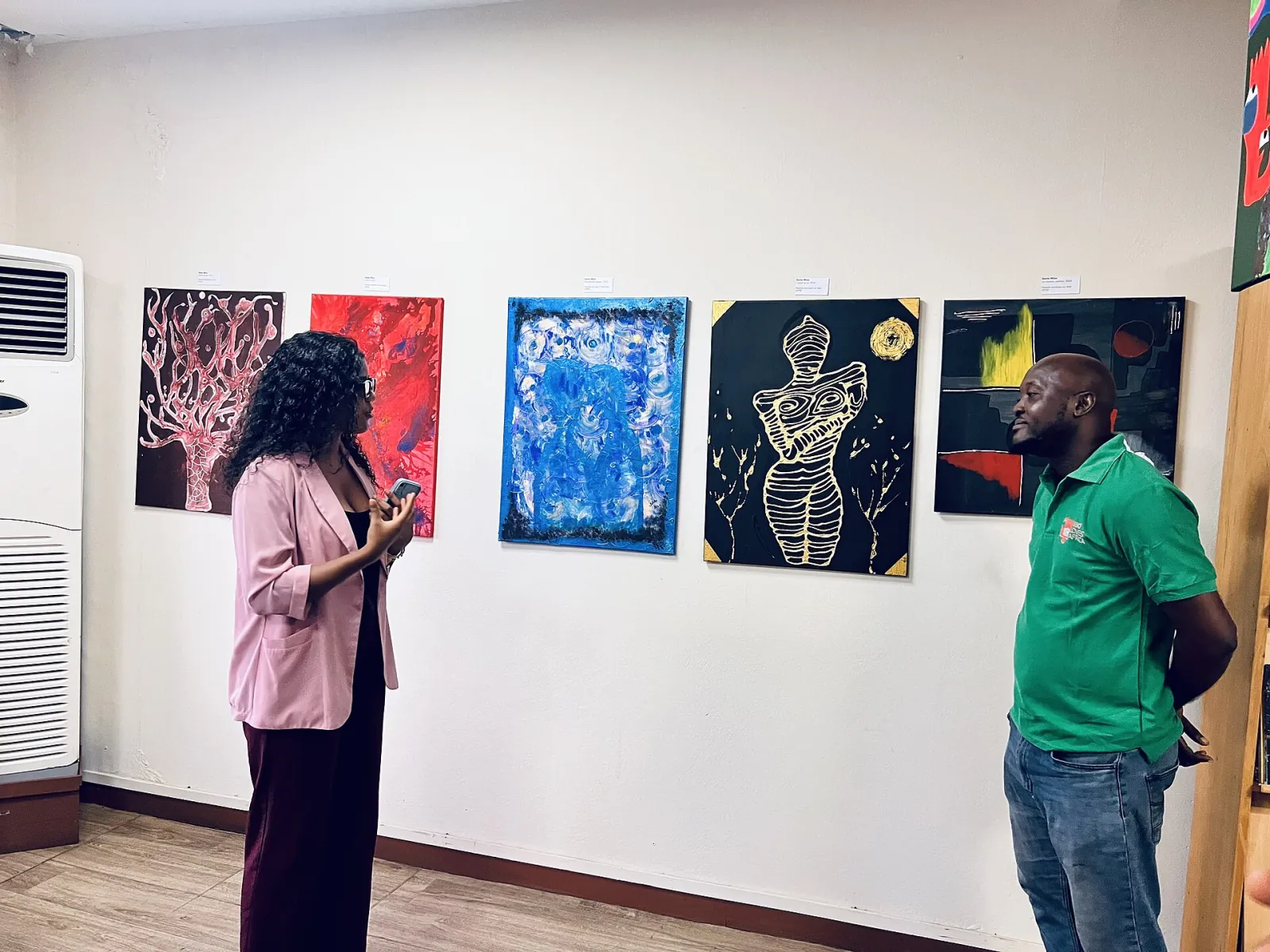
Visitors in front of abstract paintings hung on the walls of an art gallery

This page brings together what makes it possible to understand and follow the use of the cultural sector’s resources: the budget voted each year in the finance law, the special appropriation account for the support of cultural policy, activity reports, the award of public contracts and the audits that govern expenditure.

No amount is put forward here without an official source: the site describes the circuits, the stakeholders, the documents and their timetable, so that artists, enterprises, partners and citizens know where to find information and whom to ask their questions.

  • Financial circuits explained step by step
  • Reports with known timetables
  • Open and supervised public procurement
Understanding the budget
Finance law

The Ministry’s annual budget

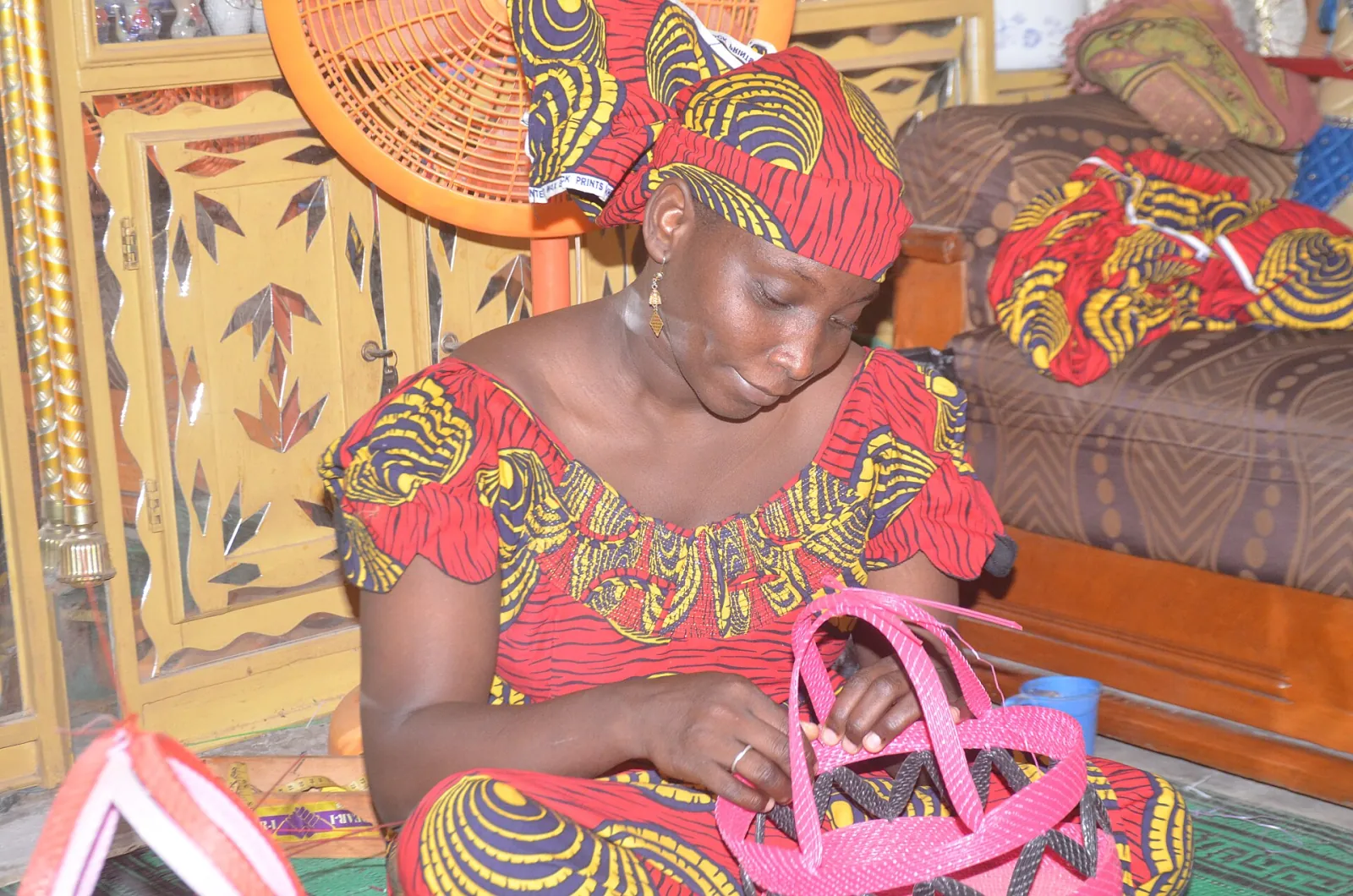
Woman in wax-print clothes weaving a pink bag in a living room

The Ministry’s budget is voted each year in the finance law, at the same time as those of the other ministerial departments. It consists of operating appropriations (salaries, maintenance, supplies), investment appropriations (works, equipment) and transfers (grants to institutions and bodies). No figure is presented on this page without an official source.

The budget cycle

Each directorate states its needs on the basis of the sector strategy and its action programmes. The proposals are consolidated by the General Secretariat, discussed at budget conferences with the ministry in charge of finance, then incorporated into the draft finance law examined by Parliament. Once the law is promulgated, appropriations are delegated to the secondary authorising officers, including the regional delegations.
Who commits expenditure?

The Minister is the principal authorising officer of the budget; he or she delegates signing authority to the officials designated by order. Payments are made by the Treasury services after the regularity of the expenditure has been checked. The major projects benefit from identified investment lines.

Where can I get information?

The text of the finance law is public. For a question on a particular line, users may write to the Minister’s Office using the form on this page.

ℹ️
Good to know

Support for artists and cultural enterprises does not all come from the current budget: also consult the support funds and cultural funding pages.

Reviews of the year

Activity reports and how to read them

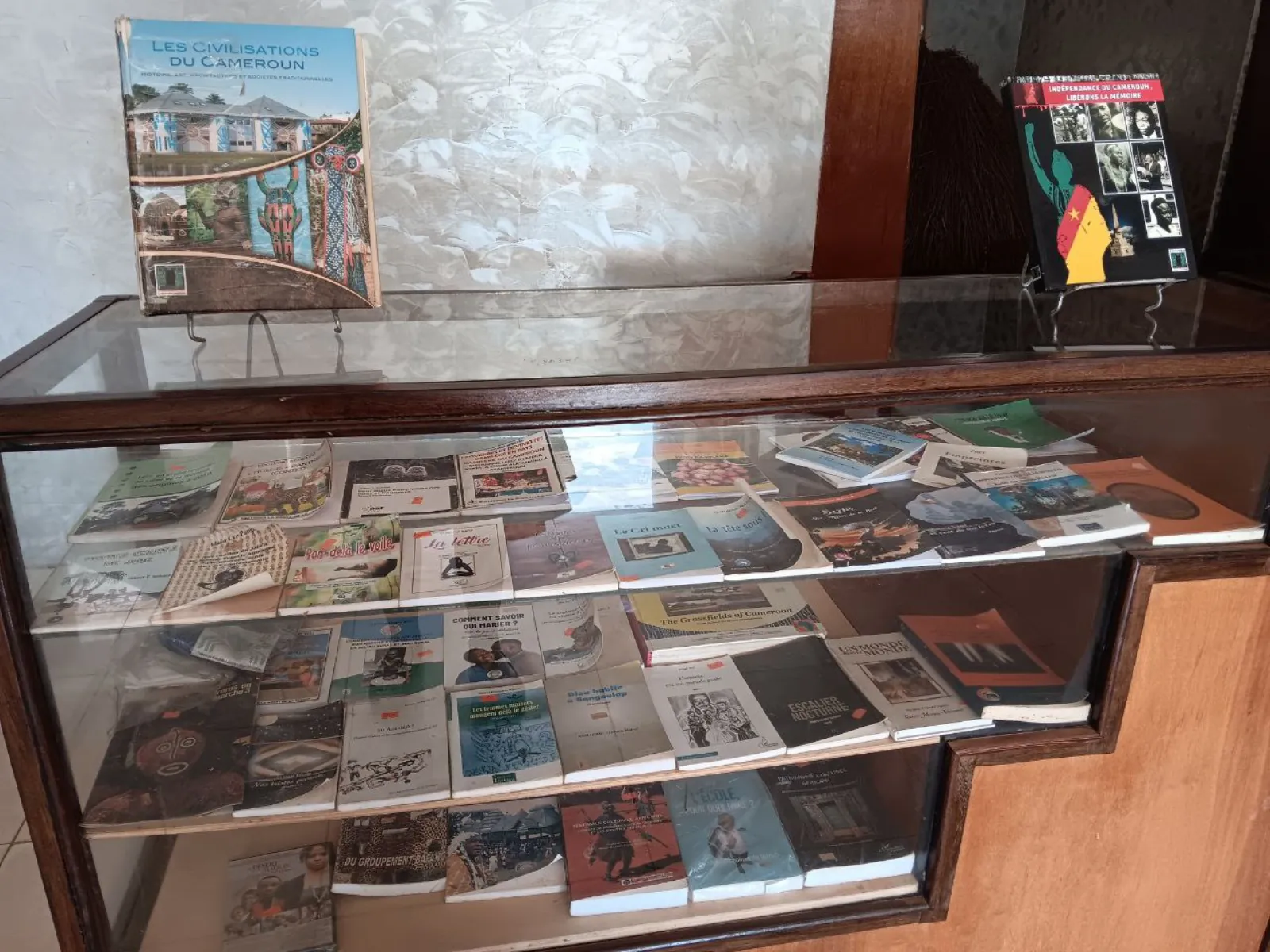
Display case of books and booklets in the library area of the Dschang civilisations museum

The Ministry produces several categories of reports, which do not have the same author, the same purpose or the same timetable. Reading them together gives an accurate picture of the work carried out.

Annual reports

The Ministry’s annual activity report sets out, directorate by directorate, the actions carried out, the results achieved and the difficulties encountered. It is prepared at the beginning of the following year from the contributions of the directorates, the institutions under supervision and the regional delegations, then approved by the General Secretariat.

Audit reports

The General Inspectorate draws up mission reports after each audit or inspection: findings, recommendations and follow-up given. They are sent to the Minister and feed into the annual report.

Project reports

Projects and programmes are the subject of periodic progress reports, in particular for the major projects, as well as completion reports sent to the partners who co-finance them (see the Partners page).

How to read them?

A good approach is to read the summary first, then the table of activities, before consulting the financial annexes. Always compare the objectives announced at the beginning of the year with the achievements recorded at the end.

Public procurement

The Ministry’s public procurement

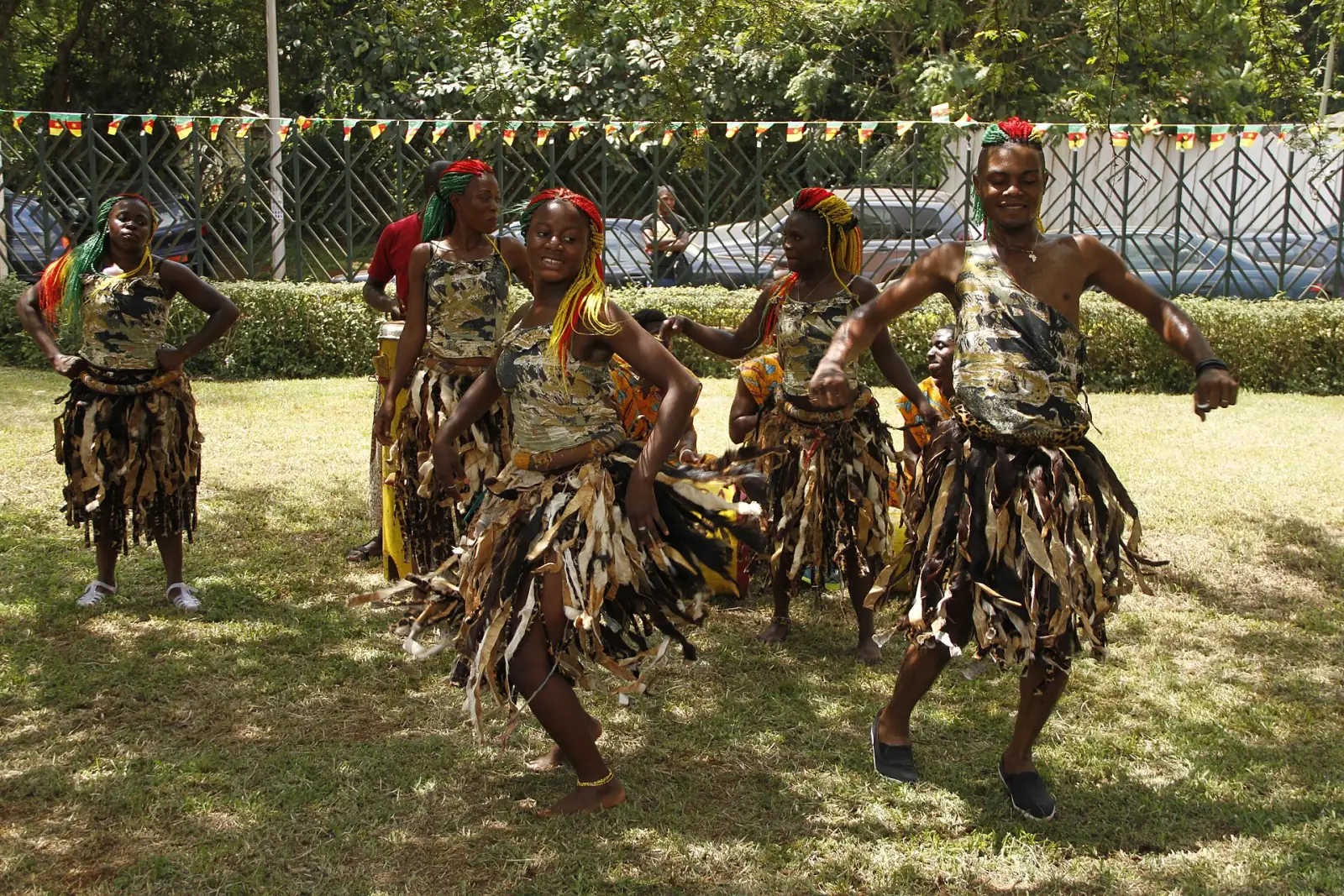
Dancers in raffia and leaf costumes performing on a lawn

The Ministry’s purchases — works, supplies, services, intellectual services — are made in accordance with the public procurement code in force. Notices of calls for tenders, consultations and awards are published on the site’s Public Procurement page, which serves as the information desk for suppliers.

The stages of a contract

  1. Scheduling of contracts in the annual procurement plan, drawn up with the budget;
  2. Publication of the call for tenders notice with the tender documents;
  3. Submission of bids within the stated deadline, then opening in public session;
  4. Analysis of bids by a commission, which proposes a ranking;
  5. Award, notification, signature of the contract and start of performance;
  6. Acceptance of the services and payment after delivery.

Advice for bidders

Read the consultation rules carefully, comply with the format of the administrative documents and submit your bid before the deadline. Cultural enterprises can also find out more about cultural entrepreneurship and calls for projects.

Oversight of procurement

Procurement oversight bodies intervene at several stages, and bidders have means of appeal in the event of a dispute. The reporting system makes it possible to bring an irregularity to the attention of the administration.

Making it accessible

Transparency: special account, audits and information

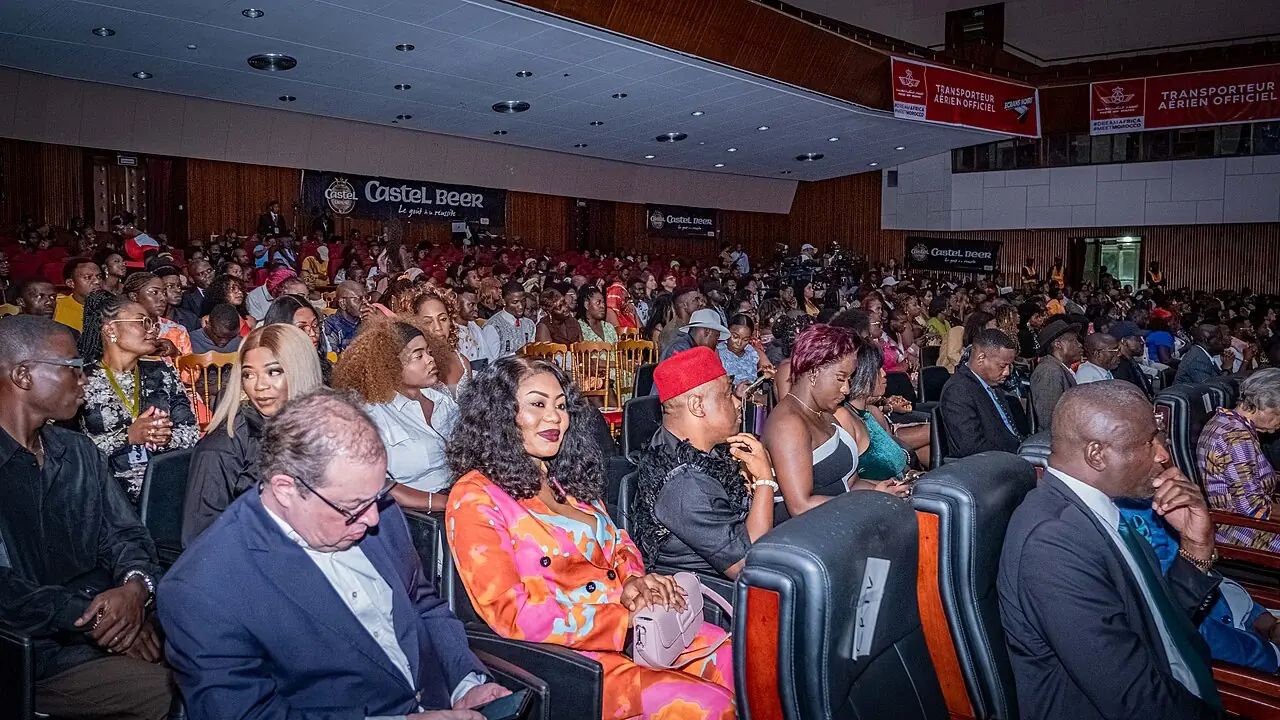
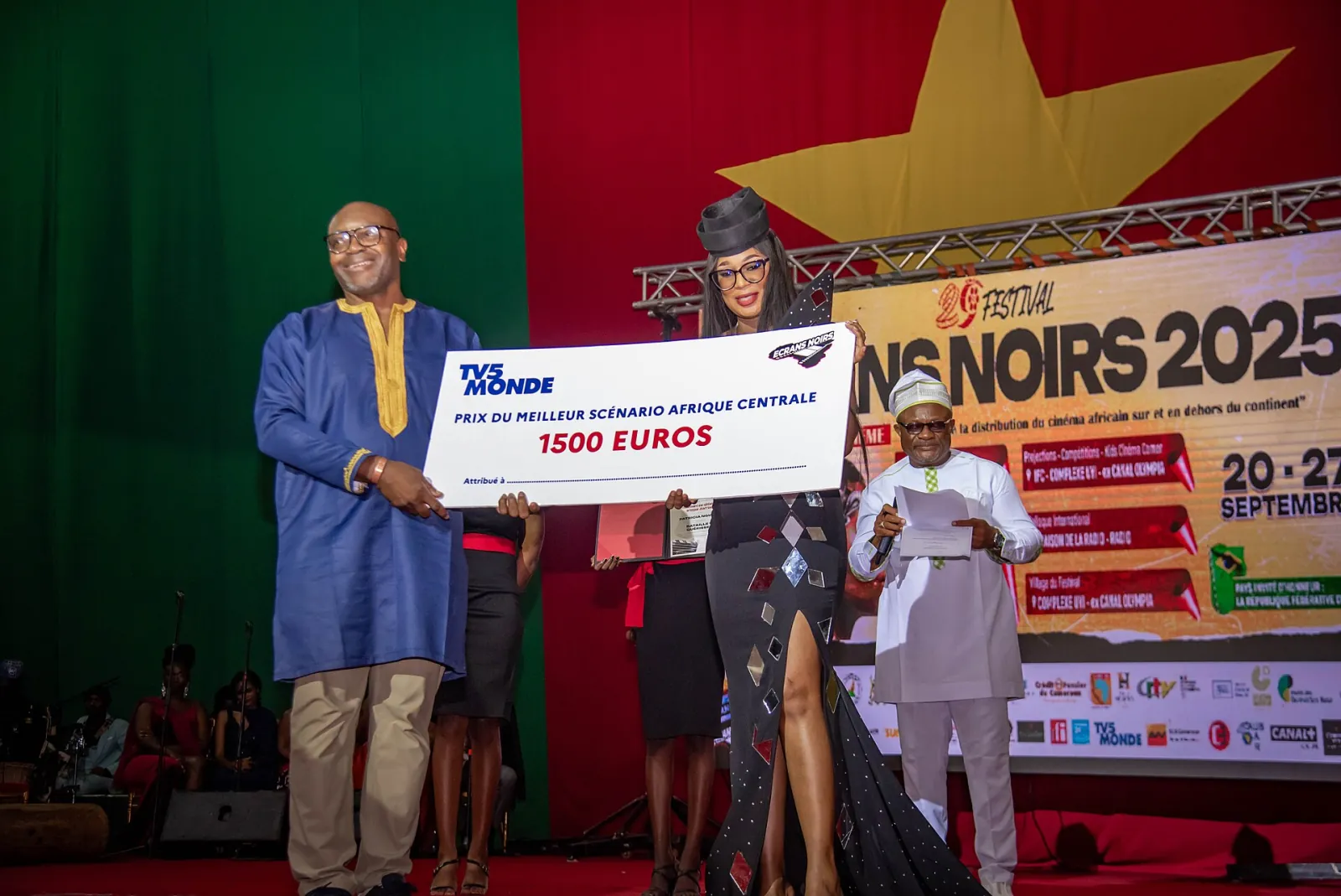
Packed hall at the opening ceremony of the Écrans Noirs festival

Decree No. 2001/389 of 5 December 2001 creates a special appropriation account for the support of cultural policy. The Minister in charge of finance delegates by order his or her powers as authorising officer to the Minister in charge of culture for its management. The text appears in the regulatory texts section.

How the account is funded

Its resources, set each year by the finance law, include in particular the royalties paid for the performance or fixation of folklore, those paid for the exploitation of public domain works, the remuneration for private copying and any other authorised resource. See also private copying and the public domain.

What is it for?

It encourages Cameroonian literary and artistic production: grants for creation and distribution, publishing support, support for collective management bodies, loan guarantees, prizes, relief for the beneficiaries of deceased artists and professional solidarity. Applications are examined by the Commission for the Arts and Letters before the Minister decides.

Audits

Expenditure is subject to financial control, to General Inspectorate audit and to that of the competent courts. Public information is provided through this site, press releases and the complaints procedure.

ℹ️
Decree 2001/389

The account supports cultural enterprises governed by Cameroonian law and Cameroonian authors and performers, in accordance with the text of the decree.

Circuit

From the finance law to payment

Prepare the budget

The directorates cost their needs, the General Secretariat consolidates and the Minister’s Office arbitrates before the budget conferences.

Vote the finance law

Parliament adopts the State budget; the Ministry’s appropriations are then notified by line and by programme.

Delegate appropriations

Appropriations are made available to the central services, the regional delegations and the institutions under supervision.

Commit and certify

The authorising officer commits the expenditure, the service records the delivery or the service performed, then the expenditure is certified.

Audit and pay

Financial control checks the supporting documents, then the public accountant pays the supplier or the beneficiary.

Reporting

The year’s expenditure is set out in the activity report and subject to audits and inspections.

To act

Consult, apply, report

Respond to a tender

Consult the notices, collect the file and submit a complete bid before the deadline.

Public procurement

Apply for a grant

Submit a file to request support from the Ministry or the special appropriation account.

Make an application

Read the texts

Decrees and laws that govern the budget, special accounts and bodies.

Regulatory texts

Report an irregularity

A secure system makes it possible to report a failing or an abusive practice.

Report
Key facts

Financial documents at a glance

DocumentContentPaceWho produces it
Finance lawAppropriations opened to the Ministry for the financial yearAnnualGovernment and Parliament
Procurement planList of planned contracts and launch timetableAnnualDirectorate of General Affairs
Call for tenders noticeSubject of the contract, conditions of participation, deadlineAt each consultationContracting authority
Activity reportReview of actions by directorate and by institutionAnnualGeneral Secretariat
Inspection reportFindings and recommendations after an auditAfter each missionGeneral Inspectorate
Project progress reportPhysical and financial implementation rate, difficultiesQuarterly or half-yearlyProject manager
Special account support decisionSupport granted after the opinion of the Commission for the Arts and LettersDepending on the sessionsMinister’s Office (Cabinet)
Documents

The references for the budget and reports

“Accountability means trusting users: every item of expenditure in the cultural sector must be explainable.”

Principle of the Ministry’s management
Glossary

The words of the budget

Special appropriation account

Account funded by resources dedicated to a policy and whose use is restricted to that policy.

Authorising officer

Authority that commits and authorises expenditure, distinct from the accountant who pays it.

Finance law

Law voted each year that authorises the State’s revenue and expenditure.

Credits

Sums made available to a service to commit expenditure during the financial year.

Financial year

Period of one year during which the budget is implemented.

Public contract

Contract concluded by the administration with an enterprise for works, supplies or services.

Call for tenders

Procedure that puts several candidates in competition according to criteria announced in advance.

Contracting authority

Authority that commissions the work or service and bears its cost.

Commission for the Arts and Letters

Body that examines requests for financial support addressed to the Minister.

Financial control

Verification of the regularity of expenditure before it is settled.

Audit

Independent examination of a service or project intended to verify its management.

Calendar

The rhythm of a budget year

First halfImplementation and monitoring

Appropriations are committed, contracts launched and a mid-year progress review is drawn up by the General Secretariat.

Mid-yearPreparation of the next budget

The directorates prepare their proposals on the basis of the strategy and the results already achieved.

AutumnExamination by Parliament

The draft finance law is debated; the orientations of the cultural sector are presented to elected representatives.

End of the yearClosure of commitments

Expenditure is regularised and contracts accepted before the close of the financial year.

Start of the yearActivity report

The review of the past year is drafted, consolidated, then presented to the hierarchy and to partners.

On the site

Extend your reading on the budget

Resources

Useful links on the budget and reports

Stakeholders

Who manages and audits?

To explore

The stakeholders in the budget and reports

Voices of users

They follow cultural spending

“
Knowing where to find the procurement notice, the documents required and the deadline allowed us to apply with confidence for the first time.
A cultural enterprise manager
Douala
“
When support is granted after the opinion of a commission, you understand the decision, even if your file was not selected.
An association chairman
Bafoussam
“
The annual report is a working tool: I compare the objectives from one year to the next to prepare my applications.
A cultural policy adviser
Yaoundé
“
For donors, the clarity of the circuits matters as much as the amounts: we always ask for a clear report.
A programme officer at a partner organisation
International cooperation
Questions

Your questions on the budget and reports

Where can I find the Ministry’s budget?

In the finance law of the year, which is public. This page describes the budget circuit and does not reproduce any amount without an official source. For a specific line, the Minister’s Office can direct you to the text or service concerned.

What is the special appropriation account?

It is an account created by decree No. 2001/389 of 5 December 2001 to support cultural policy. It is funded by royalties and remunerations linked to copyright, and finances in particular creation, publishing, prizes and professional solidarity.

Who decides on support from the special account?

The Minister in charge of culture, after the opinion of the Commission for the Arts and Letters, which examines the applications. The beneficiaries are cultural enterprises governed by Cameroonian law and Cameroonian authors and performers.

When is the activity report published?

The annual report is prepared at the beginning of the year following the financial year, then approved by the General Secretariat. Project reports are produced at regular intervals, and General Inspectorate reports after each mission.

Where can I see the public procurement notices?

On the Public Procurement page of the site, which brings together the notices of calls for tenders, consultations and awards. Consult it regularly and meet the deadlines stated in each notice.

How can I challenge the award of a contract?

Bidders have the means of appeal provided for by the public procurement regulations. Contact the contracting authority first, then the competent bodies; the reporting system can also be used for an irregularity.

Is the Ministry audited?

Yes. Expenditure is subject to financial control, to General Inspectorate audits and to checks by the competent courts and bodies. Partners who co-finance programmes also require their own reports.

Whom should I contact with a question about the budget?

Write to the Minister’s Office using the form on the page or at contact@minac.gov.cm, stating the subject of your request (budget, report, contract, support). The message is forwarded to the competent service, which replies to you directly.

Contact

Write to the Ministry: Budget and Reports

A question about the budget or contracts?

Minister’s Office (Cabinet)

Contacts: budget and reports

Address

Minister’s Office
Ministry of Arts and Culture
Quartier du Lac – Zone ministérielle
P.O. Box 1053 Yaoundé, Centre Region, Cameroon

Reach us

+237 6 51 70 58 41

contact@minac.gov.cm

Opening hours

Monday to Friday, 8 am to 4 pm

See public procurement

Consult the Ministry’s notices of calls for tenders and awards.

Public procurement
WhatsApp