Coat of arms of CameroonMinistry of Arts
and Culture
Republic of Cameroon
My procedures
Home
Minister’s message
News
Press releases
Cultural calendar
Official speeches
Press review
Photo library
Video library
Calls for projects
Job vacancies
Public procurement
Newsletter
Frequently asked questions
Site map
Contact
Press area
Podcast “The Voice of Culture”
Legal notices
Privacy policy
Cookies and trackers
The Ministry
Missions and responsibilities
Organisation
Organisation chart
Minister’s Office (Cabinet)
Management team
General Secretariat
General Inspectorate
Central directorates
Regional Delegations
Institutions under supervision
Legislative texts
Regulatory texts
Sector strategy
Major projects
Budget and reports
Partners
Careers
Archives
Institutional communication
Quality and accessibility
Arts
Visual and plastic arts
Visual arts
Performing arts
Theatre
Dance
Music
Literature and books
Cinema and audiovisual
Photography
Fashion and design
Digital arts
Art crafts
Artists’ directory
Residencies
Prizes and awards
Arts education
Urban arts
Heritage
Tangible heritage
Intangible heritage
UNESCO sites
National museums
Listed monuments
National inventory
Palaces and chiefdoms
Archaeology
Linguistic heritage
Oral traditions
Traditional know-how
Restitution of cultural property
Fight against illicit trafficking
Listing and protection
Conservation and restoration
Heritage Days
Cultural landscapes
Industries
Music and recording
Cinema
Publishing and books
Digital arts
Fashion and creativity
Crafts
Cultural tourism
Funding for culture
Support funds
Incubators
Cultural entrepreneurship
Culture Observatory
Vocational training
Studies and reports
Sector statistics
Export and outreach
Intellectual property
Copyright
Legal framework
Copyright and neighbouring rights
Collective management societies
Register a work
Licences
Private copying
Fight against piracy
Model contracts
Social status of artists
Mediation
Disputes
Training
Fee scales
Register of works
Contact
Digital neighbouring rights
Public domain
Festivals
National calendar
Ngondo
Nguon
Écrans Noirs
Heritage Days
Music Day
Regional festivals
Fairs and exhibitions
Biennials
National competitions
Cultural days
Organise a festival
Event grants
Ticketing
Archives
Volunteering
Diaspora festivals
Regions
Adamawa
Centre
East
Far North
Littoral
North
North-West
West
South
South-West
Cultural map
Regional Delegations
Traditional chiefdoms
National languages
Cultural routes
Decentralised cooperation
Regional observatory
Cooperation
UNESCO
Francophonie (OIF)
African Union
Commonwealth
CEMAC
Bilateral cooperation
Cultural agreements
Professional organisations
Scholarships
Artist exchanges
Cultural years
Diaspora
Funded projects
Embassies
Technical partners
International restitution
International monitoring and calls
Services
Artist card
Show authorisation
Filming authorisation
Festival authorisation
Deposit of a work
Export of works of art
Listing of a property
Grant application
Association accreditation
File tracking
Forms
Fees
Opening hours and addresses
Reporting
Online help
My account
One-Stop Shop
The Ministry

Missions and responsibilities

The Ministry of Arts and Culture develops and implements the Government’s policy on the promotion and development of the arts and culture. Discover its missions, its responsibilities, the texts on which it is founded and its history.

Updated on 5 November 20264 sub-pages
Fields of responsibility of the Minister12
International organisations in liaison3
Organisation decree2012
Reference frameworkNDS30
Our mission

A mission serving culture

Ministry façade decorated with traditional patterns beneath red circles

Placed under the authority of a Minister, the Ministry of Arts and Culture develops and implements the Government’s policy to promote and develop the arts and culture. It also ensures the preservation of sites and monuments, the protection of heritage and the professional oversight of artists.

This page explains, without jargon, what the Ministry does, which texts it relies on, how its missions translate into programmes and procedures, and where the institution comes from. It is intended for artists, associations, local authorities, researchers and any citizen who wants to know which door to knock on.

  • Government cultural policy
  • Heritage, museums, archives, libraries
  • Supervision of artists and major events
Read the responsibilities
General mission

The general mission of the Ministry of Arts and Culture

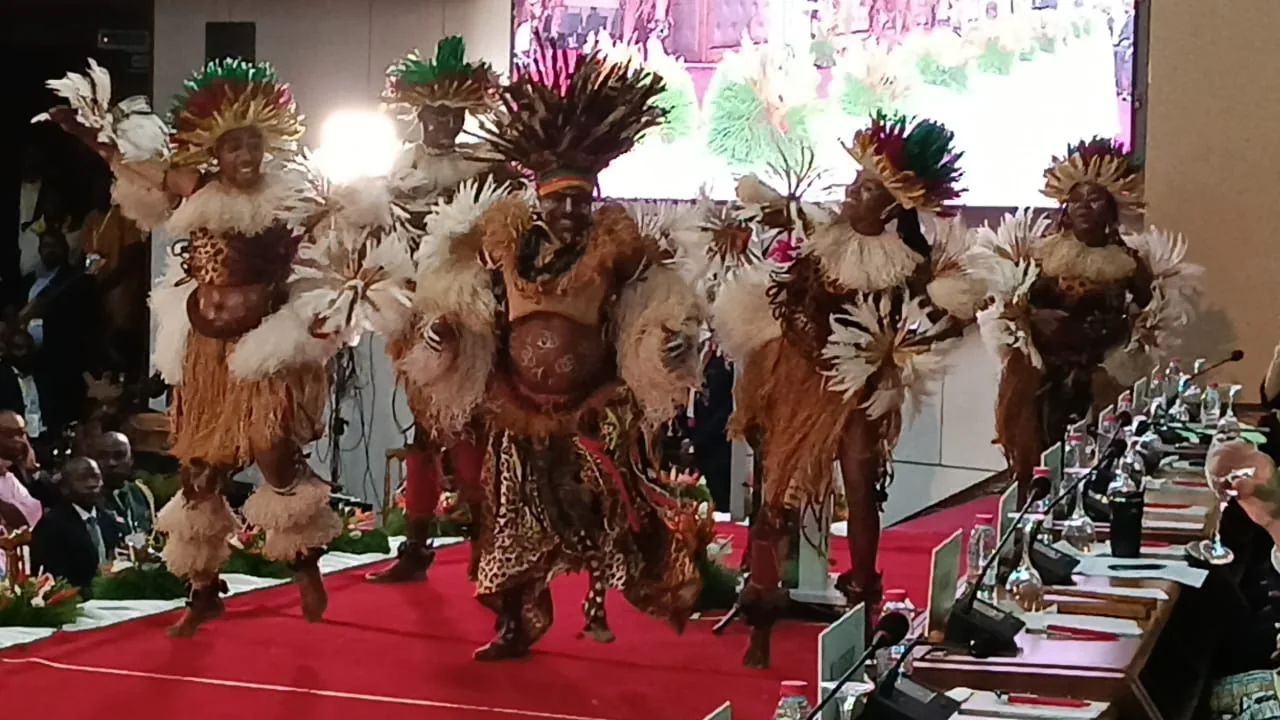
Dancers in raffia and feather costumes perform on a red carpet in front of a conference table.

The Ministry of Arts and Culture is responsible for developing and implementing the Government’s policy on the promotion and development of the arts and culture. This formula, simple in appearance, covers three major objectives: the growth of the arts and culture sub-sector, the development of cultural and creative industries and the promotion of heritage.

Developing policy

To develop policy is to analyse the situation of the sector, listen to professionals, arbitrate between priorities and translate the guidelines of the Head of State and the Government into sector strategies. This work draws on the figures of the culture observatory and feeds the sector strategy, itself aligned with the NDS30.
Implementing it

To implement is to bring policy down to artists and communities: processing files, granting authorisations, supporting projects, maintaining museums, protecting monuments, organising or supervising major events. This mission is shared between the central administration, the regional delegations and the attached institutions.

Serving several audiences

The Ministry is in turn a partner of creators, regulator of a field of activity, custodian of a shared heritage (see listing and protection), funder of projects (funding for culture) and point of contact for international partners. Its sphere of action is the whole country, described by the cultural map. It must therefore reconcile freedom of creation, the general interest and respect for everyone’s rights.

ℹ️
Key points

Policy, programmes, oversight: the three stages of the mission are found in every directorate. The details are on the Organisation page.

Responsibilities

The responsibilities of the Minister of Arts and Culture

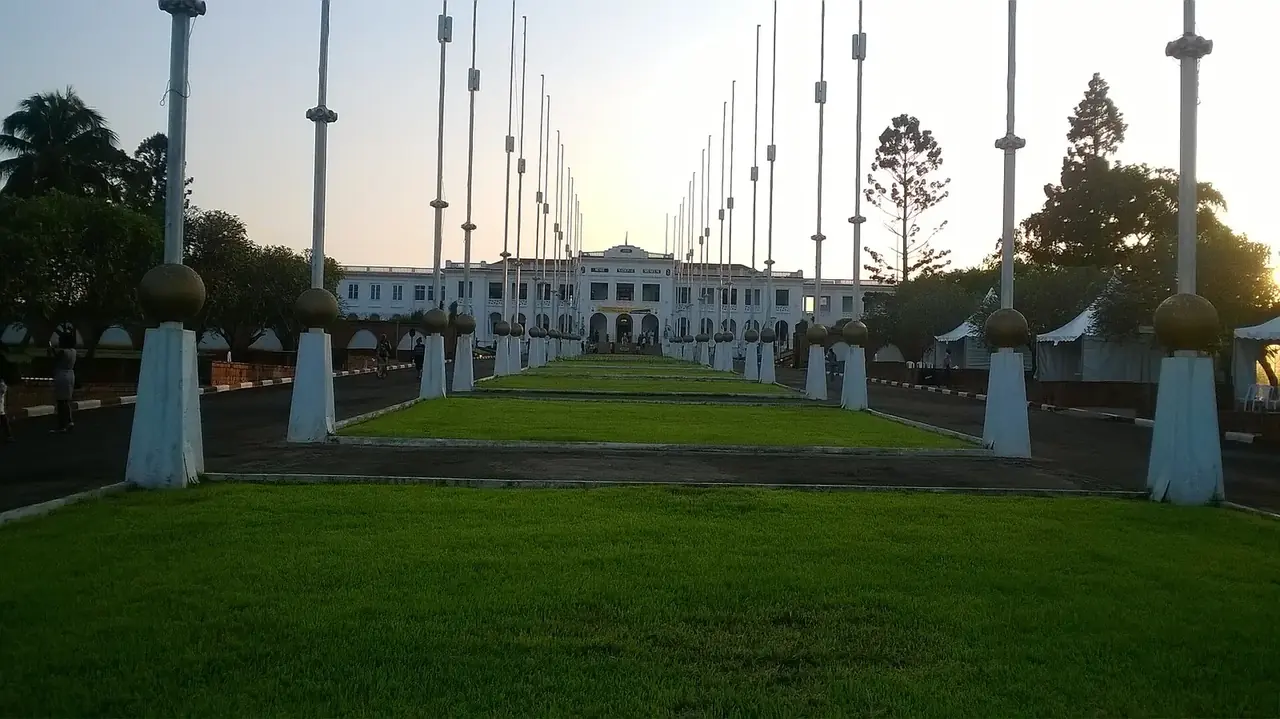
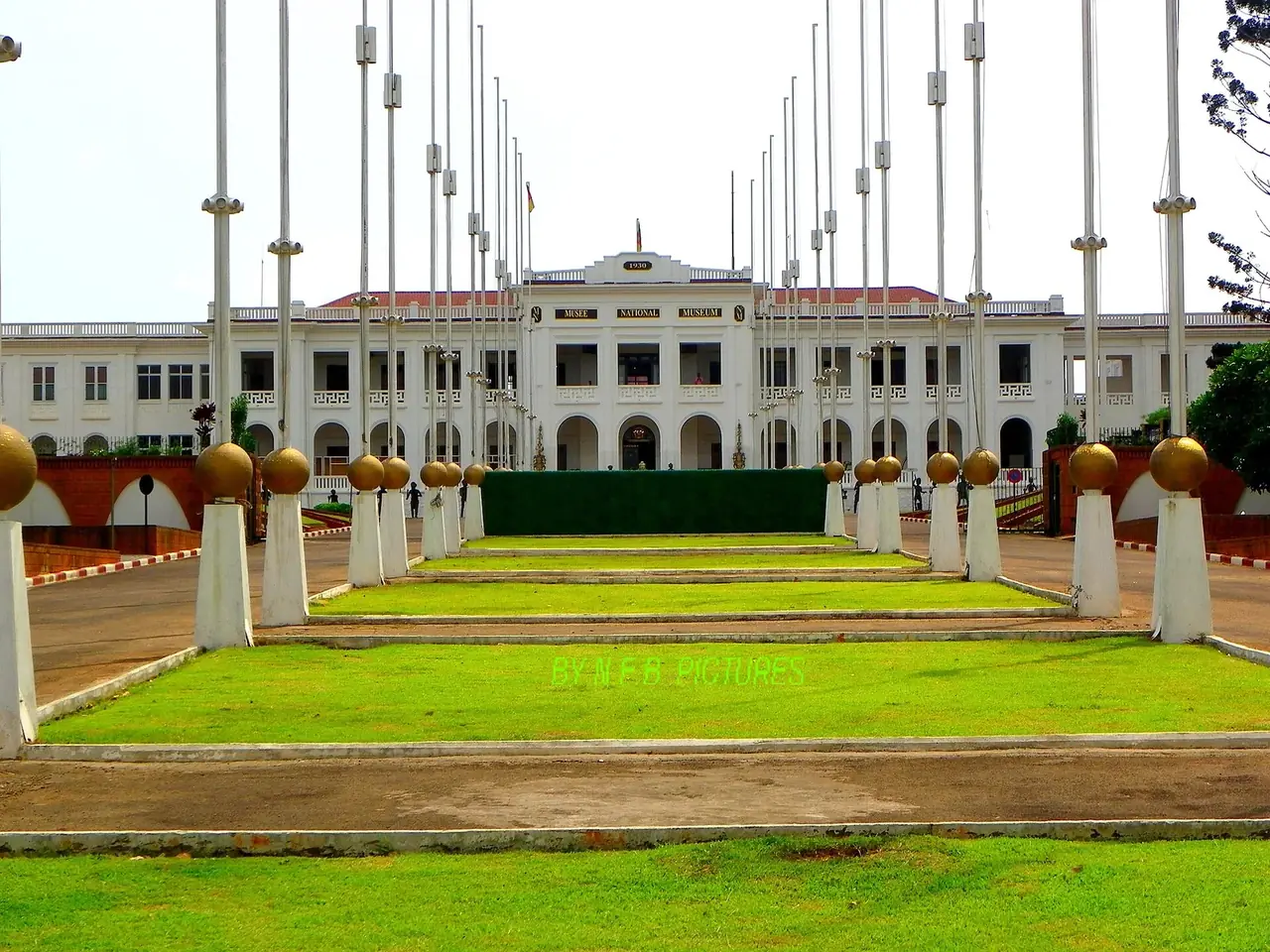
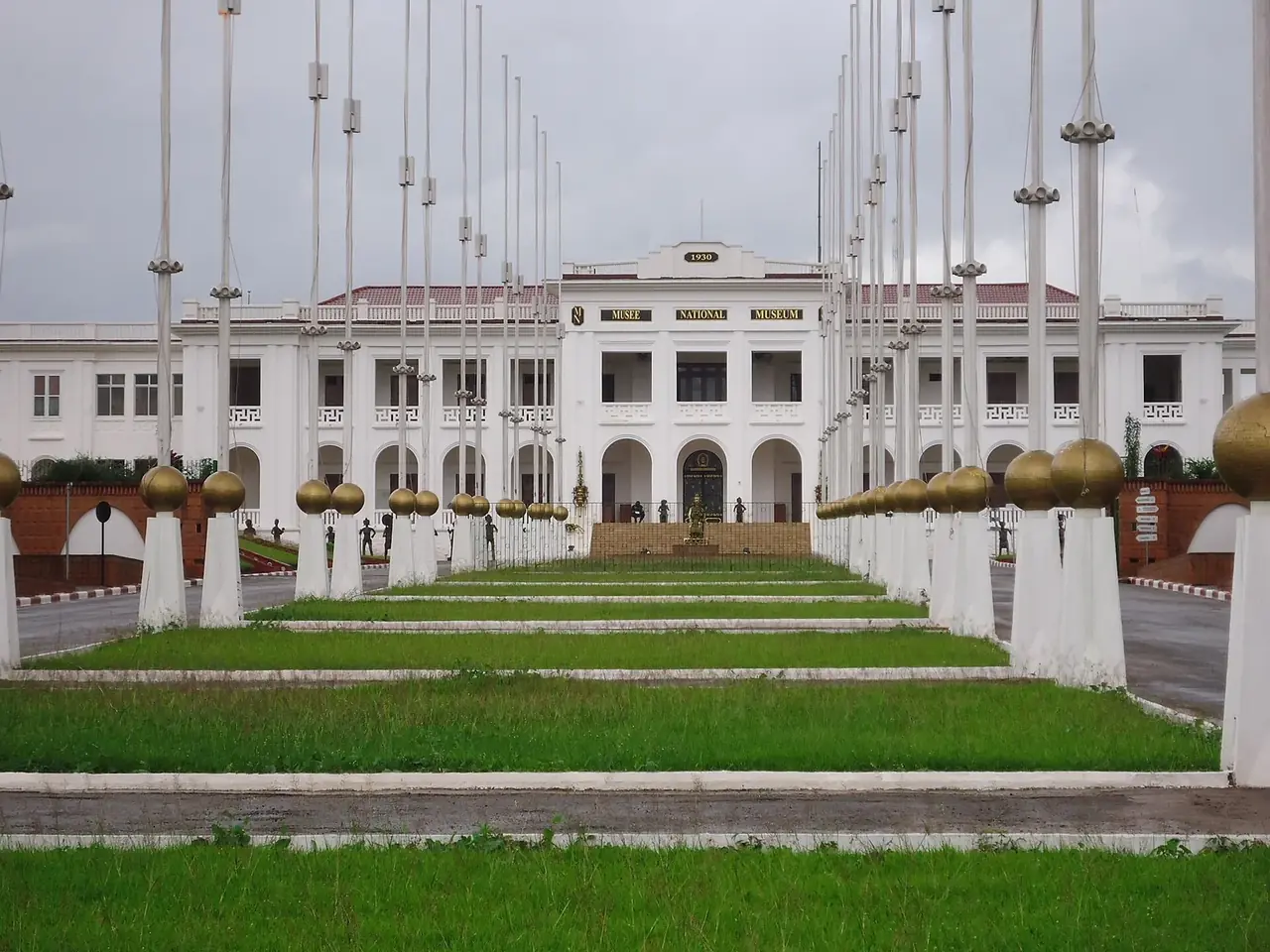
Avenue of flagpoles and lawn leading to the white building of the National Museum in Yaoundé

The Minister of Arts and Culture is responsible for developing and implementing the Government’s policy on the promotion and development of the arts and culture. In this capacity, the Minister is responsible for:

  • the development and dissemination of the national arts and culture;
  • the preservation of historic sites and monuments;
  • the protection, conservation, enrichment and promotion of cultural, artistic and cinematographic heritage;
  • the promotion of artistic and cultural creation;
  • the promotion and monitoring of the dissemination of works of art and films, in liaison with the administrations concerned;
  • museums, libraries, film archives, media libraries and the national archives;
  • conservatories and other professional training centres in the trades concerned;
  • monitoring the activities of the national ballet, the national orchestra and the national theatre;
  • the promotion of cinematography and dramatic arts;
  • the promotion and professional supervision of artists;
  • the promotion and supervision of major cultural events;
  • monitoring the activities of the national structures for the collective management of copyright and neighbouring rights.
ℹ️
Finding your way

Each responsibility corresponds to a directorate or an institution: consult the central directorates to find out who handles what.

Founding texts

The founding texts of the Ministry’s action

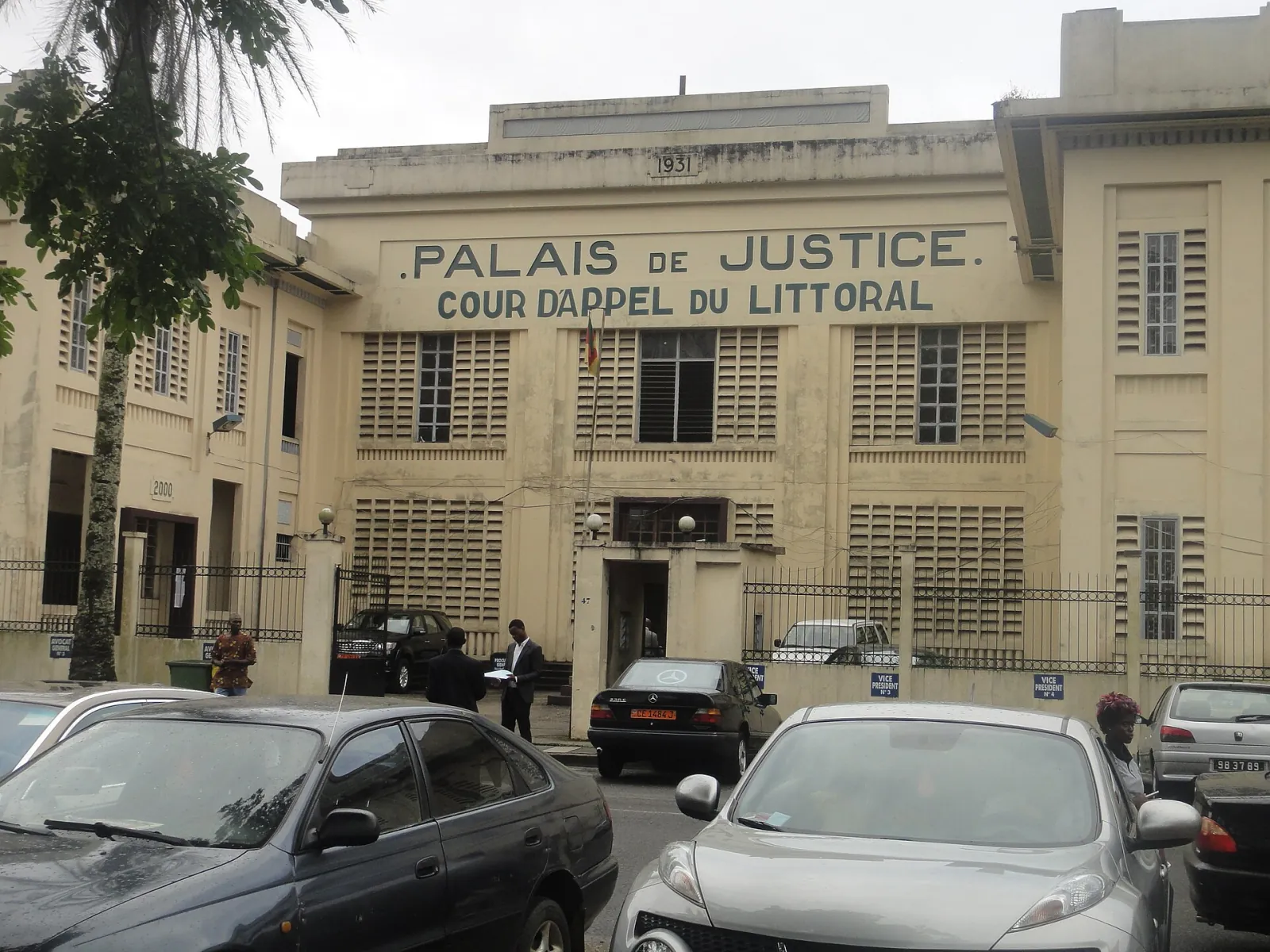
Bonanjo Palace of Justice in Douala, seat of the Littoral Court of Appeal

The organisation of the Ministry is laid down by decree; Decree No. 2012/381 of 14 September 2012 on the organisation of the Ministry of Arts and Culture is cited as the basis of the implementing texts. It specifies the composition of the Minister’s Office, the central administration and the decentralised services, as well as the missions of each directorate.

The laws of the sector

Around this decree there is a body of laws governing culture, heritage, cinema, performances, copyright, patronage and legal deposit. They can be consulted in full on the Legislative texts page.

Decrees and orders

Implementing decrees create or organise public institutions, advisory bodies, funds and collective management bodies. They are gathered on the Regulatory texts page.

From text to practice

An artist applying for an artist card, an association seeking its approval or an organiser preparing a festival all apply these texts, often without realising it. The online One-Stop Shop turns them into forms and deadlines.

ℹ️
A tip

Before any complex procedure, read the text on which it is based: it states who decides, within what time and with which documents. The forms reflect the essentials.

History of the Ministry

The history of the Ministry: from the administration of culture to the present department

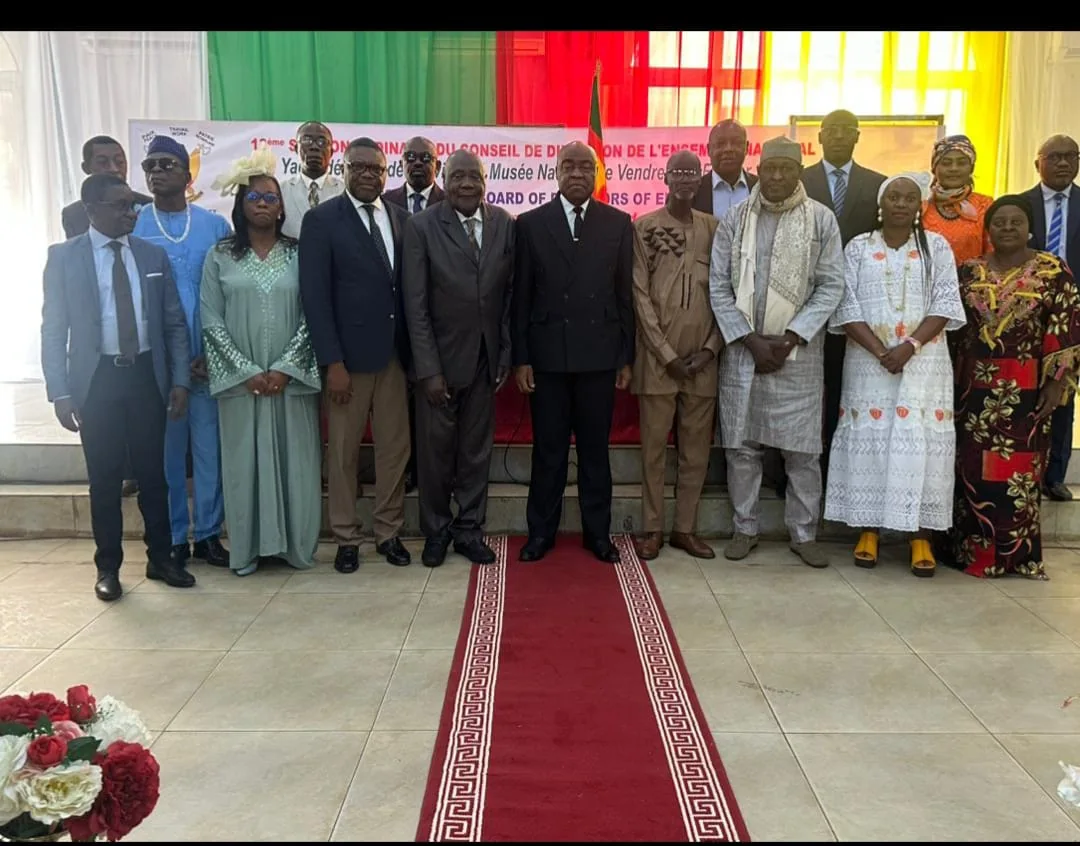
Board members posing on a red carpet at the National Museum

The administration of culture in Cameroon was built up in stages. After independence, cultural affairs came under services integrated into larger departments responsible for education, information or youth. The first national institutions – museum, artistic ensemble, library, archives – were created at that time, often around a collection or a troupe.

The emergence of a department of its own

Over time, the importance of the arts, heritage and creative industries in the economy and in the country’s image led to culture being given a full ministry, whose remit became clearer through successive reshuffles. Cinema, books, archives and live performance were gradually brought under a single authority.

The 2012 decree and the current organisation

Decree No. 2012/381 of 14 September 2012 established the organisation we know today: a Minister’s Office, a General Inspectorate, a General Secretariat, seven directorates, regional and divisional delegations, seven attached services and two bodies under supervision. Since 4 January 2019, the department has been headed by Dr Pierre Ismaël Bidoung Mkpatt.

A history that continues

Digitisation of the archives, construction of new buildings, structuring of the artistic community: the current major projects extend this history. The historical collections are held in the Ministry’s archives.

ℹ️
Memory of the Ministry

Former officials, researchers and staff may deposit their documents and testimonies in the archives to enrich this history.

Running costs

How a cultural decision is taken day to day

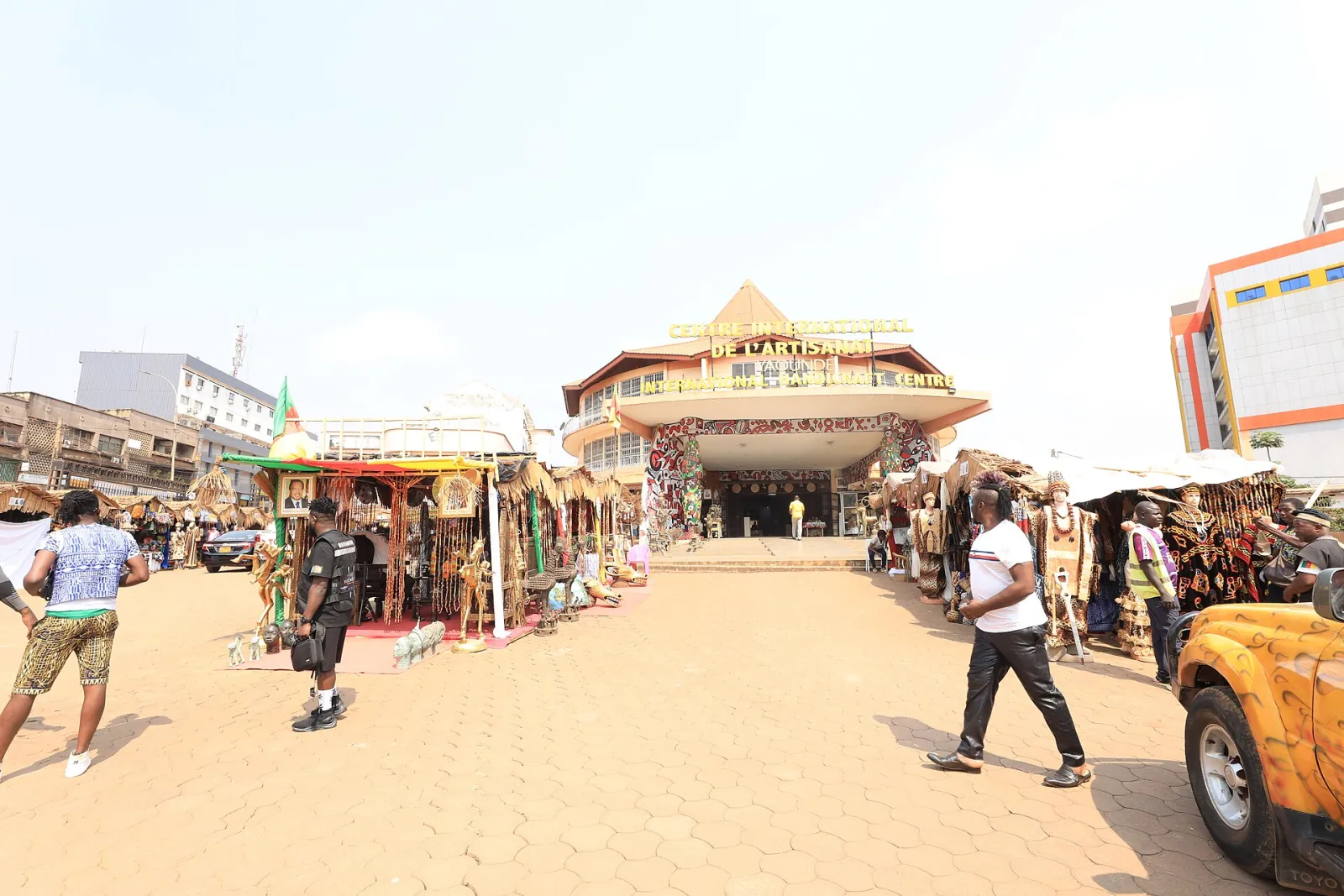
Esplanade of the International Craft Centre in Yaoundé lined with artisans' stalls

Behind each Ministry programme lies a decision-making circuit involving several levels. Understanding this circuit helps users to place their request and anticipate timescales.

The starting point

A request may come from an artist, an association, a local authority or a regional delegation. It is registered at the One-Stop Shop or at the reception desk, then directed to the competent directorate by the mail service of the General Secretariat.

Processing and opinion

The directorate processes the file: checking the documents, consulting a commission where necessary, and giving a technical opinion. Where the matter involves legal issues, the Division of Legal Affairs is consulted; where it commits the budget, the Directorate of General Affairs steps in.

Arbitration and signature

The Secretary General coordinates, then the Minister or the Minister’s delegate signs. Each inspection mission of the General Inspectorate can then verify the proper application of the decision. The applicant, for their part, tracks the progress of their file through file tracking and finds common answers in the frequently asked questions.

From text to the field

From policy to action in five stages

Referral

The Government sets national priorities; the Ministry breaks them down into objectives for the arts, heritage, books, cinema and creative industries.

Programming

The directorates prepare their action plans and budgets, in liaison with the General Secretariat and the regional delegations.

Implementation

Calls for projects, grants, restorations, festivals and training are launched and monitored by the competent services.

Oversight

The General Inspectorate assesses the performance of the services and the functioning of attached structures or those under supervision.

Evaluation

Results are recorded in activity reports and used to adjust the following year’s strategy.

Key facts

The fields of action in one table

FieldContentLearn more
CreationPromotion of artistic and cultural creation, support for artistsVisual arts, dance, theatre, music, Arts section
HeritageSites, monuments, cultural, artistic and cinematographic heritageTangible and intangible heritage, Heritage section
InstitutionsMuseums, libraries, film archives, media libraries, national archivesInstitutions under supervision page
TrainingConservatoires and vocational training centres for the professions concernedArts education page
Live performanceMonitoring of the national ballet, the national orchestra and the national theatrePerforming arts page
CinemaPromotion of cinematography and dramatic arts, distribution of worksCinema and audiovisual page
ArtistsPromotion and professional oversight of artistsSocial status of the artist page
CopyrightMonitoring of national collective management bodiesCollective management societies page
Institutional pathway

The major stages of the cultural institution

After independenceThe first institutions

Birth of the first national institutions – museum, artistic ensemble, archives – attached to larger ministerial departments.

Following decadesA sector taking shape

The performing arts, cinema and books obtain dedicated services, and the first sector laws govern copyright and performances.

The 2000sA full ministry

Culture has its own department, with a remit covering heritage, the arts, cinema, books and creative industries.

2012The organisation decree

Decree No. 2012/381 of 14 September 2012 lays down the organisation of the Ministry of Arts and Culture, with its directorates and decentralised services.

2019A new political leadership

On 4 January 2019, Dr Pierre Ismaël Bidoung Mkpatt was appointed Minister of Arts and Culture in the new government.

TodayThe NDS30 as a compass

The Ministry places its action within the national development strategy and carries out digitisation and infrastructure construction projects.

External relations

The international liaison and the collective management of rights

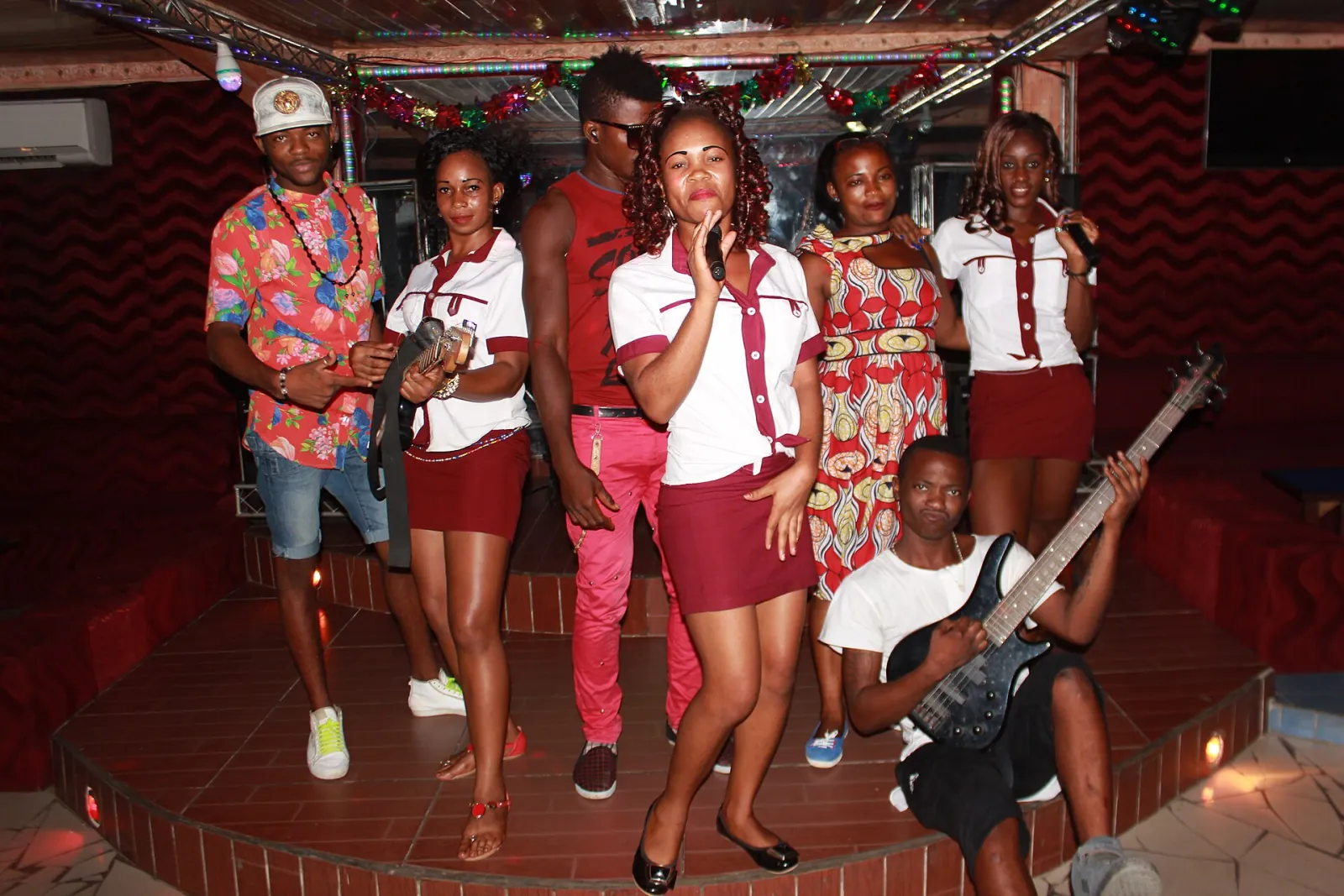
Small band of musicians and singers in matching outfits on a cabaret stage

Among the Minister’s responsibilities is a bridging role: ensuring liaison between the Government and the international organisations working in art and culture. Three of them come up constantly: UNESCO, for heritage and the diversity of cultural expressions; OAPI, for intellectual property in Africa; OMPI, for global copyright standards.

Working with External Relations

This liaison is carried out in conjunction with the Ministry of External Relations and the other administrations concerned. In practical terms, the Ministry prepares nominations for UNESCO lists, monitors the conventions ratified by the country and takes part in international conferences in the sector.

Between public authorities and authors’ societies

The Minister also ensures liaison between the public authorities and the collective management bodies for copyright and neighbouring rights. The Minister monitors their activities and ensures transparency in collection and distribution. The collective management societies nonetheless remain bodies separate from the administration.

Bilateral and multilateral agreements are presented in the Cultural agreements section.

“Responsible for drawing up and implementing Government policy on the promotion and development of the arts and culture.”

Ministry of Arts and Culture
They address the Ministry

Users describe the mission in everyday practice

“
My show authorisation file was directed to the right service from the first day, and I knew at every stage who was examining it.
A theatre company director
Yaoundé
“
The regional delegation helped me put together the file for the recognition of a dance of our community, then the central directorate took over.
A head of a cultural association
West Region
“
Understanding which directorate deals with books and which with archives saved me weeks in my procedures as a publisher.
An independent publisher
Douala
“
The Ministry’s monitoring of collective management societies reassures authors about the transparency of the distribution of their rights.
A singer-songwriter
Bafoussam
To act

The procedures that stem from the missions

Make an application

Authorisations, grants, cards: the One-Stop Shop centralises procedures for all audiences.

Open the One-Stop Shop

Read the texts

Consult the laws and decrees of the sector in full to learn your rights and obligations.

Legislative texts

Understand the organisation

Identify the competent directorate or delegation before writing or submitting a file.

View the organisation

Ask a question

In doubt about the Ministry’s missions or competences? Our team will answer you.

Contact us
Resources

The reference documents

Glossary

The vocabulary of the missions

Award

Competence entrusted by a text to an authority, here the Minister, to carry out a specific mission.

Supervision

Oversight exercised by the Ministry over a body, such as the Congress Centre or CREPLA.

Decree

Text signed by the Head of State that organises a service or sets the rules for applying a law.

Decentralised service

Ministry service established in a region or a division, as close as possible to users.

Attached service

National cultural institution placed directly under the Ministry, such as the National Museum.

Neighbouring rights

Rights of performers, producers and broadcasting bodies, close to copyright.

Collective management

Collection and distribution of rights by a body on behalf of many authors.

UNESCO

United Nations Educational, Scientific and Cultural Organization, a heritage partner.

OAPI

African Intellectual Property Organization, of which Cameroon is a member.

OMPI

World Intellectual Property Organization, which develops international standards.

NDS30

National Development Strategy 2020-2030, the reference framework for public policies.

On the site

Extend your reading on the missions

References

Useful links for understanding the missions

Stakeholders

Who carries out the missions?

Questions

Your questions about the Ministry’s missions

Who defines the country’s cultural policy?

Policy is defined by the Government. The Ministry of Arts and Culture develops it within its field of competence and implements it, with its directorates, its regional delegations and the attached institutions that extend its action in the field.

Where can I find the texts that organise the Ministry?

The laws of the sector appear on the Legislative texts page and the decrees on the Regulatory texts page. Decree No. 2012/381 of 14 September 2012 on the organisation of the Ministry is the basis of the implementing texts for the current organisation.

What supervision does the Ministry exercise?

The Minister exercises supervision over the Congress Centre. The Ministry also monitors the attached services, such as the National Museum or the National Ensemble, as well as CREPLA, according to the texts that created or organised them.

Does the Ministry deal with cinema and books?

Yes. The Minister is responsible for the promotion of cinematography and dramatic arts, as well as libraries, film libraries, media libraries and national archives. Two directorates, the Directorate of Books and Reading and the Directorate of Cinematography, carry out these missions.

Does the Ministry fund artists?

It supports creation and provides professional oversight for artists, notably through the artist card, grants and residencies. Each scheme has its own conditions, detailed in the Services section and on the grants page.

Who represents Cameroon at UNESCO?

Diplomatic representation falls under the Ministry of External Relations. The Ministry of Arts and Culture provides technical liaison with UNESCO, OAPI and OMPI, prepares files and takes part in sector meetings.

How do I know which directorate to contact?

Consult the Central Directorates page, which describes the remit of each, or write to the Ministry stating your subject: your message will be directed to the competent service. The regional delegations can also advise you.

Does the Ministry oversee major cultural events?

Yes. The Minister is responsible for the promotion and supervision of major cultural events. Festival organisers must obtain an authorisation and can consult the pages on organising a festival.

Contact

Write to the Ministry: Missions and responsibilities

Ask your question about the Ministry’s missions.

Contacts

Write to the General Secretariat

Address

General Secretariat
Ministry of Arts and Culture
Quartier du Lac – Ministerial Zone
P.O. Box 1053 Yaoundé, Centre Region, Cameroon

Reach us

+237 6 51 70 58 41

contact@minac.gov.cm

Opening hours

Monday to Friday, 8 am to 4 pm

See the organisation?

Find out how the Ministry is organised, from the Minister’s Office to the regional delegations.

Organisation
WhatsApp