Coat of arms of CameroonMinistry of Arts
and Culture
Republic of Cameroon
My procedures
Home
Minister’s message
News
Press releases
Cultural calendar
Official speeches
Press review
Photo library
Video library
Calls for projects
Job vacancies
Public procurement
Newsletter
Frequently asked questions
Site map
Contact
Press area
Podcast “The Voice of Culture”
Legal notices
Privacy policy
Cookies and trackers
The Ministry
Missions and responsibilities
Organisation
Organisation chart
Minister’s Office (Cabinet)
Management team
General Secretariat
General Inspectorate
Central directorates
Regional Delegations
Institutions under supervision
Legislative texts
Regulatory texts
Sector strategy
Major projects
Budget and reports
Partners
Careers
Archives
Institutional communication
Quality and accessibility
Arts
Visual and plastic arts
Visual arts
Performing arts
Theatre
Dance
Music
Literature and books
Cinema and audiovisual
Photography
Fashion and design
Digital arts
Art crafts
Artists’ directory
Residencies
Prizes and awards
Arts education
Urban arts
Heritage
Tangible heritage
Intangible heritage
UNESCO sites
National museums
Listed monuments
National inventory
Palaces and chiefdoms
Archaeology
Linguistic heritage
Oral traditions
Traditional know-how
Restitution of cultural property
Fight against illicit trafficking
Listing and protection
Conservation and restoration
Heritage Days
Cultural landscapes
Industries
Music and recording
Cinema
Publishing and books
Digital arts
Fashion and creativity
Crafts
Cultural tourism
Funding for culture
Support funds
Incubators
Cultural entrepreneurship
Culture Observatory
Vocational training
Studies and reports
Sector statistics
Export and outreach
Intellectual property
Copyright
Legal framework
Copyright and neighbouring rights
Collective management societies
Register a work
Licences
Private copying
Fight against piracy
Model contracts
Social status of artists
Mediation
Disputes
Training
Fee scales
Register of works
Contact
Digital neighbouring rights
Public domain
Festivals
National calendar
Ngondo
Nguon
Écrans Noirs
Heritage Days
Music Day
Regional festivals
Fairs and exhibitions
Biennials
National competitions
Cultural days
Organise a festival
Event grants
Ticketing
Archives
Volunteering
Diaspora festivals
Regions
Adamawa
Centre
East
Far North
Littoral
North
North-West
West
South
South-West
Cultural map
Regional Delegations
Traditional chiefdoms
National languages
Cultural routes
Decentralised cooperation
Regional observatory
Cooperation
UNESCO
Francophonie (OIF)
African Union
Commonwealth
CEMAC
Bilateral cooperation
Cultural agreements
Professional organisations
Scholarships
Artist exchanges
Cultural years
Diaspora
Funded projects
Embassies
Technical partners
International restitution
International monitoring and calls
Services
Artist card
Show authorisation
Filming authorisation
Festival authorisation
Deposit of a work
Export of works of art
Listing of a property
Grant application
Association accreditation
File tracking
Forms
Fees
Opening hours and addresses
Reporting
Online help
My account
One-Stop Shop
The Ministry

Regional Delegations

Ten regions, ten delegations: the Ministry of Arts and Culture welcomes, guides and supports users in every regional capital. Discover its delegates, its holiday cultural camps and its mobile library, and what they did in 2026.

Updated on 5 November 20264 sub-pages
Regions, each with a delegation10
Cultural zones of the country4
Age of the children at the Rzehwa camp5–17 years
Mobile library days in Mengong4
The Ministry close to you

Ten regions, ten delegations

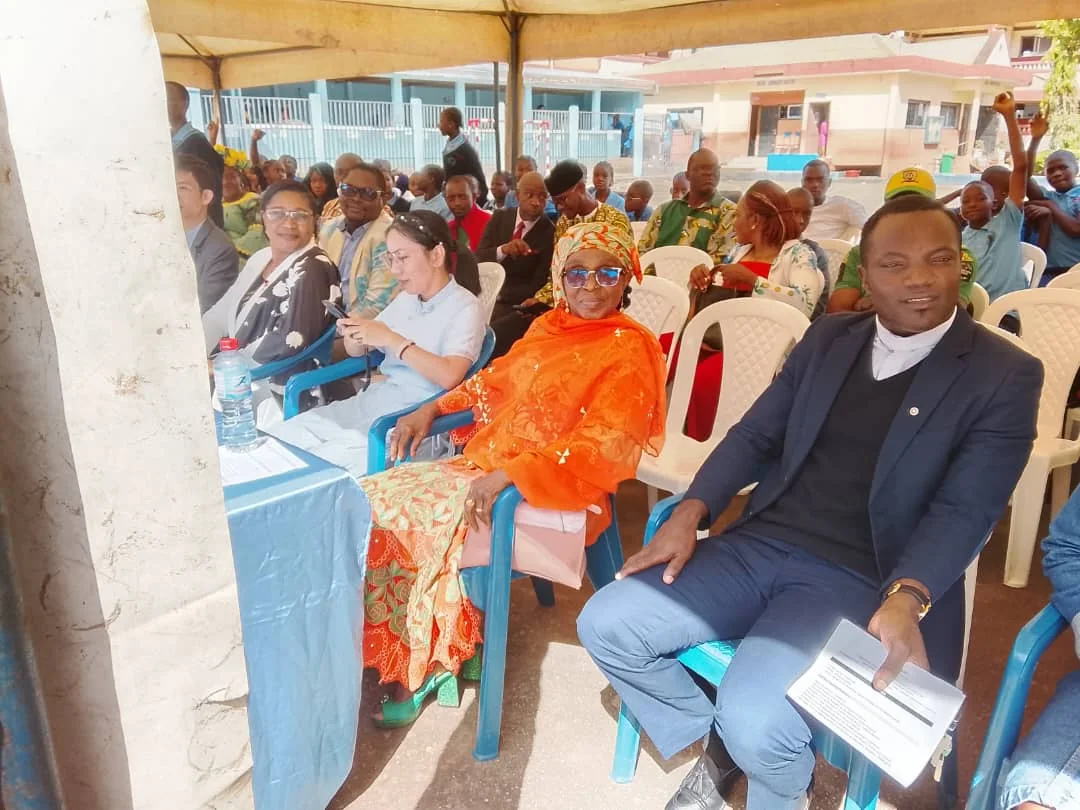
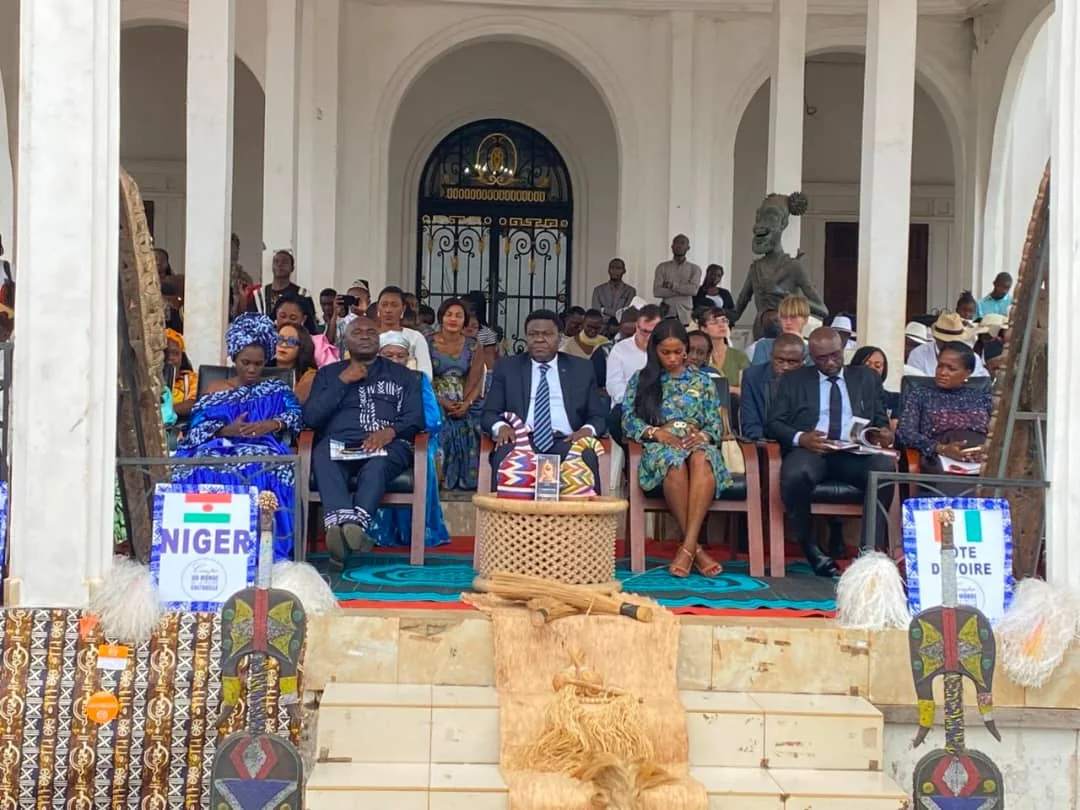
An audience seated under a tent, including a woman in orange in the foreground, attends a ceremony.

The Ministry of Arts and Culture is not limited to the offices in Quartier du Lac, Yaoundé. In each of Cameroon’s ten regions, a regional delegation of arts and culture represents the Minister, welcomes users, follows cultural activities in the territory and relays the decisions of the central administration. It is the first local point of contact for an artist, an association, a traditional ruler or a festival organiser.

This page presents the network of delegations: where they are based, how to contact them, who heads them, what they do day to day and what they achieved in 2026, from the “Rzehwa” cultural camp in the South-West to the deployment of the mobile library in Mengong. It draws on the organisation of the Ministry, of which the decentralised services form the backbone.

  • A delegation in each of the ten regions
  • Cultural camps and a mobile library
  • A relay for the One-Stop Shop to submit and track files
See the ten delegations
The network

The ten regional delegations of arts and culture

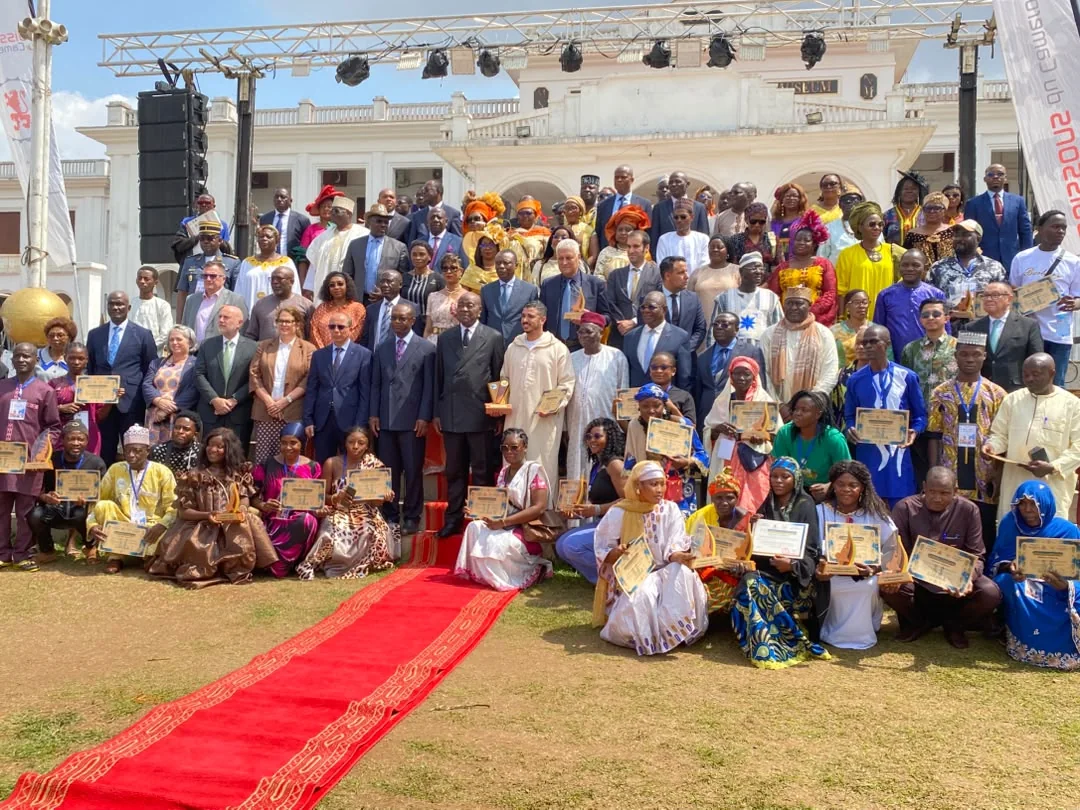
Award winners gathered on the lawn during a national ceremony

Adamawa, Centre, East, Far North, Littoral, North, North-West, West, South and South-West: each region has a regional delegation, based in the regional capital. These services are part of the decentralised services described in the organisation chart: they report to the Minister, under the coordination of the General Secretariat, and work in liaison with the central directorates for each field (heritage, arts, books, cinema, performances).

A presence throughout the territory

The country has four major cultural zones, and the reality of a region is never uniform: the South-West brings together six divisions, each with its own traditions. The delegation acts as a relay between these local realities and national policy. It knows the chiefdoms, associations, troupes, art schools and craftspeople of its territory.

Three main functions

  • Welcome and guide: inform the public about procedures, receive files and forward them to the One-Stop Shop;
  • Monitor and promote: support events, festivals, cultural camps and public reading activities;
  • Report: pass on to the central administration the region’s needs, figures and good practices.

For an overview of each territory, see the cultural map section and the page for each region, such as the South-West or the Far North.

ℹ️
Key points

One delegation per region, based in the regional capital: this is where local procedures are submitted, directed and followed up, in addition to the online One-Stop Shop.

Contacting a delegation

How to contact the delegation of your region

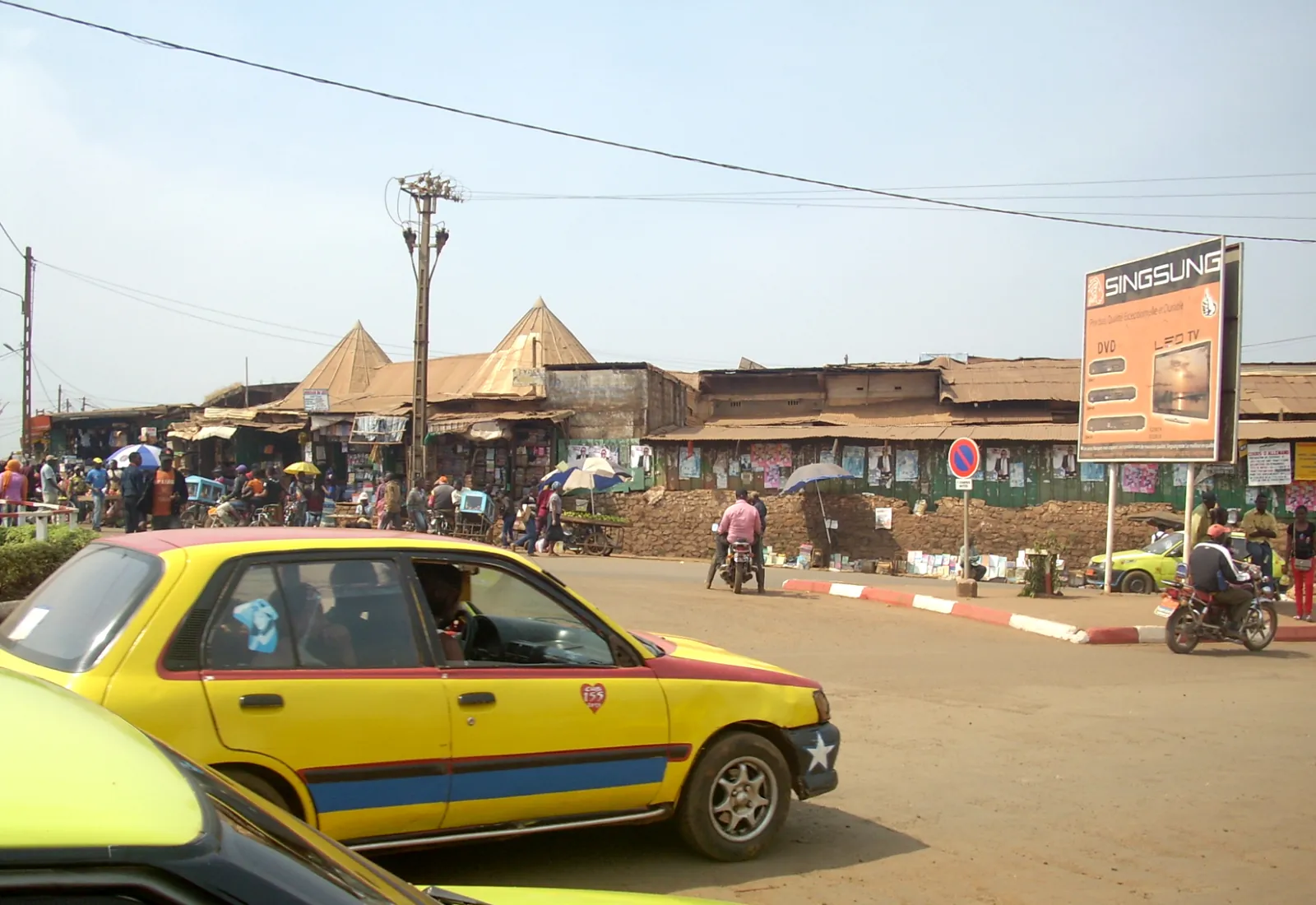
Entrance to Bafoussam main market with pointed roofs and a yellow taxi

The Ministry does not publish a telephone number or e-mail address specific to each delegation: all requests go through the Ministry’s official contact details. The switchboard, on +237 6 51 70 58 41, and the address contact@minac.gov.cm direct each caller to the competent delegation. Postal mail should be addressed to the Ministry: Quartier du Lac – Ministerial Zone, P.O. Box 1053 Yaoundé.

Wording your request well

To be directed quickly, always state your region, your division or your town, the nature of your project (performance, festival, association, heritage property, library) and, if you have one, your file number. A precise message avoids back-and-forth and makes it possible to identify straight away the regional contact and the central directorate concerned.

ℹ️
Official contact

Telephone +237 6 51 70 58 41 · contact@minac.gov.cm · P.O. Box 1053 Yaoundé. Always state your region in your message.

Officials

Regional delegates, representatives of the Minister

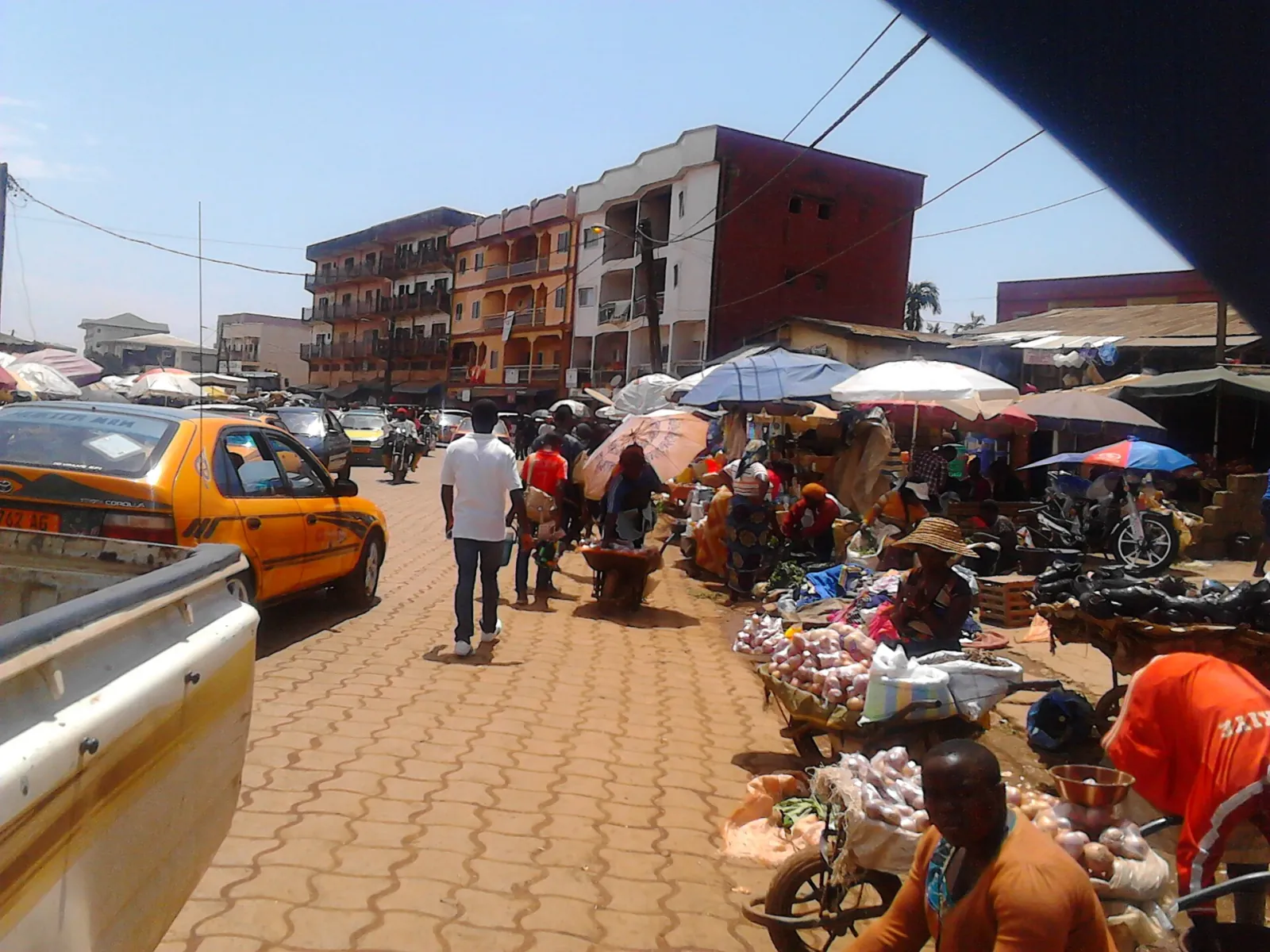
Paved street in Bamenda with market stalls, a taxi and apartment blocks

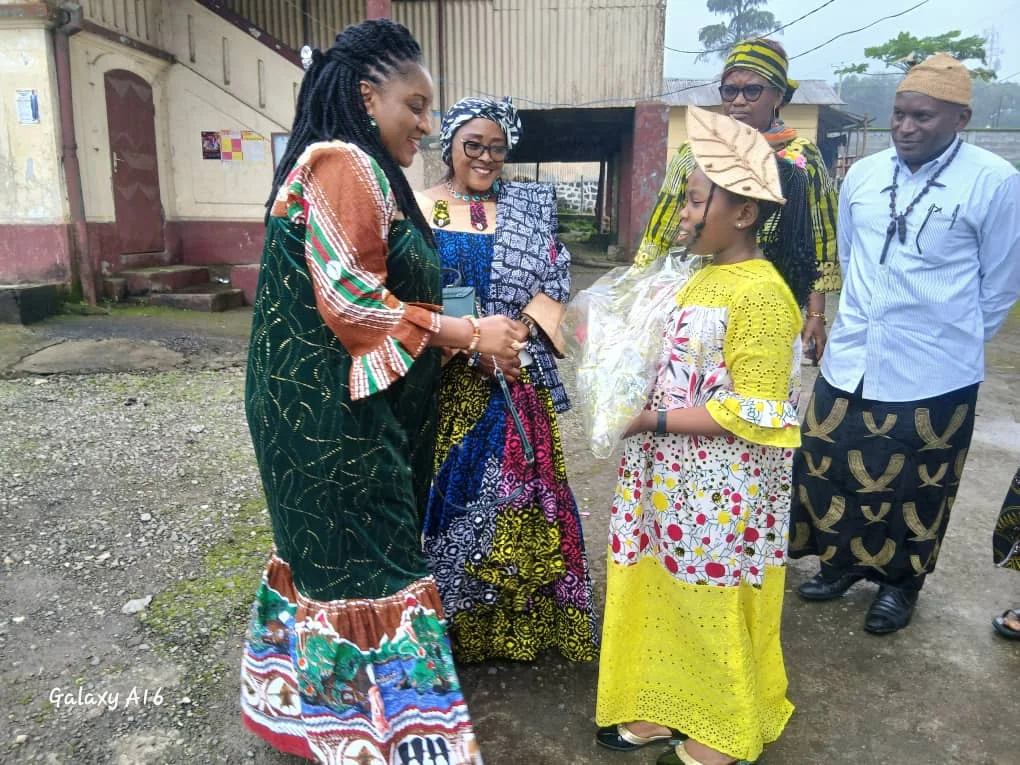
Each delegation is headed by a regional delegate of arts and culture. The delegate represents the Minister in his or her region: in July 2026, it was the regional delegate for the Centre who presided, on behalf of the Minister, over the launch ceremony of the arts and culture holiday camp in Akono, in the Mefou-et-Akono division. This ceremonial representation illustrates part of their role.

What a delegate does

  • directs the delegation’s services and distributes work among colleagues;
  • processes or forwards the files of users in the region;
  • maintains links with administrative authorities, local authorities and traditional rulers;
  • encourages festivals, cultural camps and initiatives by associations;
  • proposes to the central administration each year a review and priorities for the region.

Reporting line and oversight

Delegates are appointed and monitored within the framework of the Ministry’s general organisation. Their activities are examined by the General Inspectorate and feed into the Department’s activity reports. The Ministry does not publish, on this page, the list of delegates by name; users should address the post, through the official switchboard.

In the field

Delegation activities in 2026

Avenue in Bafoussam

The delegations do not merely receive files: they organise or host the cultural life of their territory. The year 2026 offers two remarkable illustrations.

The “Rzehwa” cultural camp in the South-West

On 13 August 2026, the South-West regional delegation closed the year’s cultural camp, named “Rzehwa”, meaning “the bugle call”. Starting on 7 July, this month-long programme brought together children aged 5 to 17 to discover their cultural values and learn to preserve and promote them. Participants drew inspiration from the country’s four cultural zones and the region’s six divisions. Mentors from various sectors gave them classes in fine arts, culinary art, rhythm creation, fashion, music and dance, mother tongue, cinema and the art of oratory, with an excursion to cultural and tourist sites in Buea.

The mobile library in Mengong

From 17 to 20 July 2026, the Ministry’s mobile library was deployed in Mengong, in the Mvila division, South Region. The operation followed on from the fifth edition of the Bia So Mengong festival, held under the theme “Return to the roots”. The readers were supervised by facilitators from the Directorate of Books and Reading.

Other camps took place, notably in Akono (Centre). These reports can be found in the news and the books and reading section.

ℹ️
Holiday camps

Cultural camps are for children and teenagers: enquire at your region’s delegation before the summer, and consult the cultural agenda.

To act

Three local procedures

Submit a file

Submit online or at the regional capital of your region; a tracking number is issued for each application.

Open the One-Stop Shop

Track an application

Enter your file number to find out the stage of processing and any documents that may be missing.

Track my file

Report a threatened property

A site, object or practice at risk in your locality can be reported to the delegation and to the Ministry.

Make a report
Step by step

Submit a file through your regional delegation

Identify the procedure

Find the procedure on the services page: authorisation, artist card, association approval, grant application or listing of a property.

Gather the documents

Prepare the documents requested, in digital or paper form, and check that they are legible and signed before you travel.

Go to the delegation

Present your file in the regional capital; an officer checks the documents and directs you if one is missing.

Obtain a file number

The file is given a number that lets you track its progress online, without returning to the delegation.

Follow the review

Consult the file tracking page: the competent central directorate examines the application and the delegation relays useful information.

Collect the decision

Once the decision has been made, it is notified; collection can be done at the delegation or online depending on the procedure.

To explore

Regions to discover on the site

Day to day

What a delegation does each week

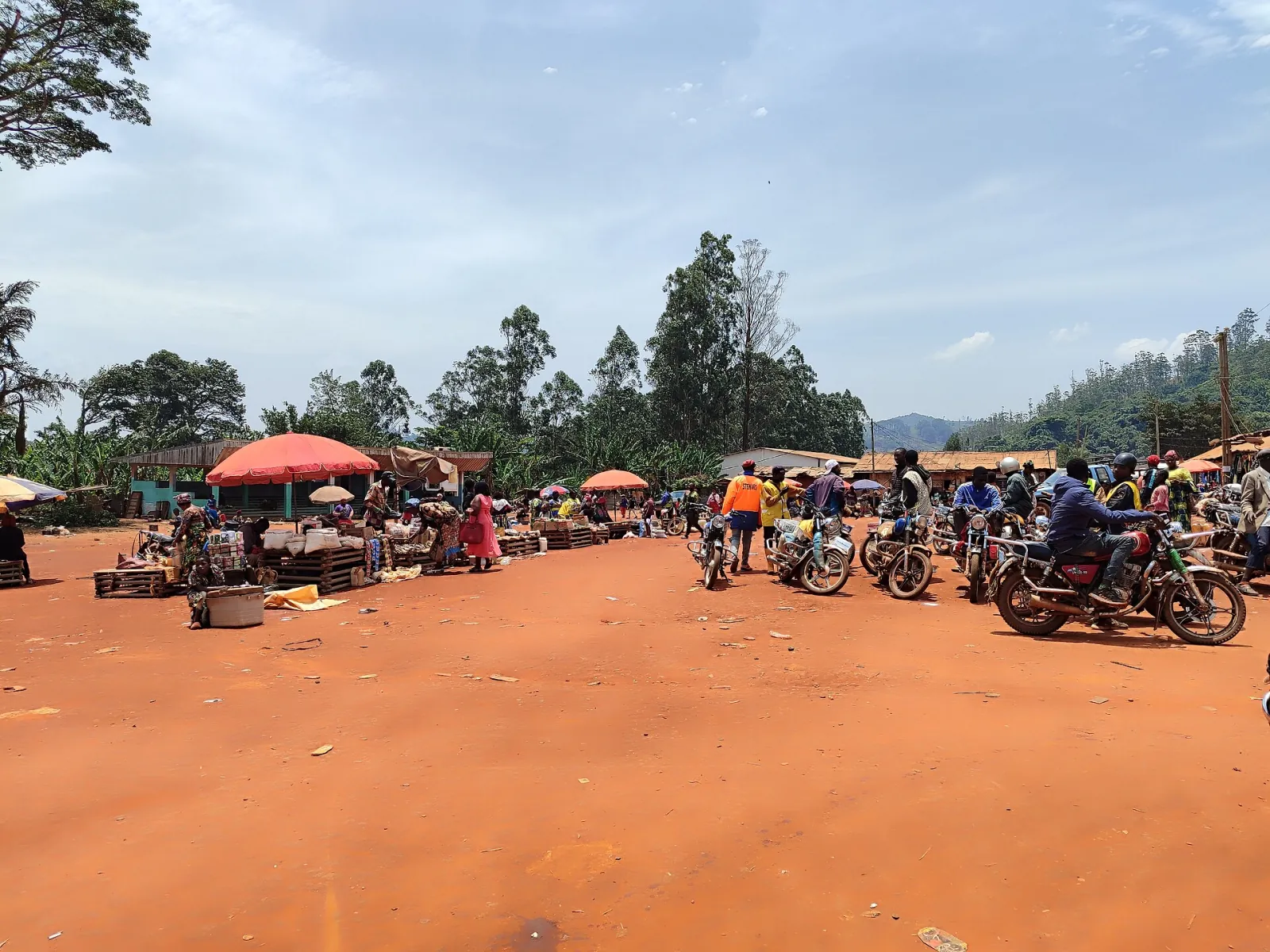
Open-air market on a red-earth square at Bamendou with motorbikes and parasols

Behind the major summer operations, the work of a delegation is mostly regular and discreet. An ordinary week combines several tasks: receiving the head of a troupe preparing a show and explaining the performance permit to them; supporting an association that wishes to obtain its approval; advising a traditional ruler on the listing of a property; informing an organiser about the festival permit.

The delegation also keeps its knowledge of the territory up to date: survey of cultural venues, identification of artists, record of local festivals, monitoring of the condition of sites. This information feeds the heritage national inventory and the regional observatory. Finally, it prepares official visits and ceremonies presided over by the delegate on behalf of the Minister.

They talk about it

Users tell their delegation’s story

“
For my association approval, the delegation told me which documents were missing before I sent the file; I saved several weeks.
An association president, Bamenda
North-West
“
The cultural camp gave my children a taste for their mother tongue; they learned songs that my grandparents used to sing.
A parent, Buea
South-West
“
The mobile library arrived in our town like a celebration: the children queued up to borrow their first book.
A teacher, Mengong
South
“
To organise our festival, it was the delegate who put us in touch with the right services and the local authorities.
A festival organiser, Maroua
Far North

“The Ministry is present in every region of Cameroon: culture is lived where the artists, the children and the communities are.”

A regional delegate, South-West
Glossary

The vocabulary of the delegations

Regional Delegation

A decentralised service of the Ministry based in the regional capital of a region to represent the cultural administration.

Regional Delegate

Head of the delegation, representative of the Minister in the region and head of its services.

Decentralised service

A State service located outside the central administration, acting in a territory under the authority of the Minister.

Regional capital

The main city of a region where State services are based, such as Garoua for the North.

Cultural camp

A holiday course that introduces children to the arts, languages and values of their territory.

Mobile library

A mobile library that goes out to meet readers where there is no permanent library.

Cultural zone

A large grouping of peoples sharing close traditions; Cameroon has four.

Central administration

Cabinet, General Secretariat, General Inspectorate and directorates based in Yaoundé.

File number

A reference assigned when an application is submitted, essential for following its processing.

Local authority

A commune or decentralised region, a natural partner of the delegations for local projects.

Key facts

The ten regions and their regional capitals

RegionRegional capitalA cultural point of entry
AdamawaNgaoundéréA land of savannah and livestock, Fulani and Mbum traditions
CentreYaoundéSeat of the national institutions, of bikutsi and of many museums
EastBertouaForest, traditions of the peoples of the East and oral heritage
Far NorthMarouaMandara Mountains, leather crafts, harvest dances
LittoralDoualaEconomic capital, the Ngondo festival, urban scene
NorthGarouaFulani and Hausa culture, lamidates, end-of-season festivals
North-WestBamendaGrassfields chiefdoms, court dances, sculpture
WestBafoussamBamileke and Bamoun kingdoms, the Nguon festival in Foumban
SouthEbolowaForest, mvet, the Mengong mobile library in 2026
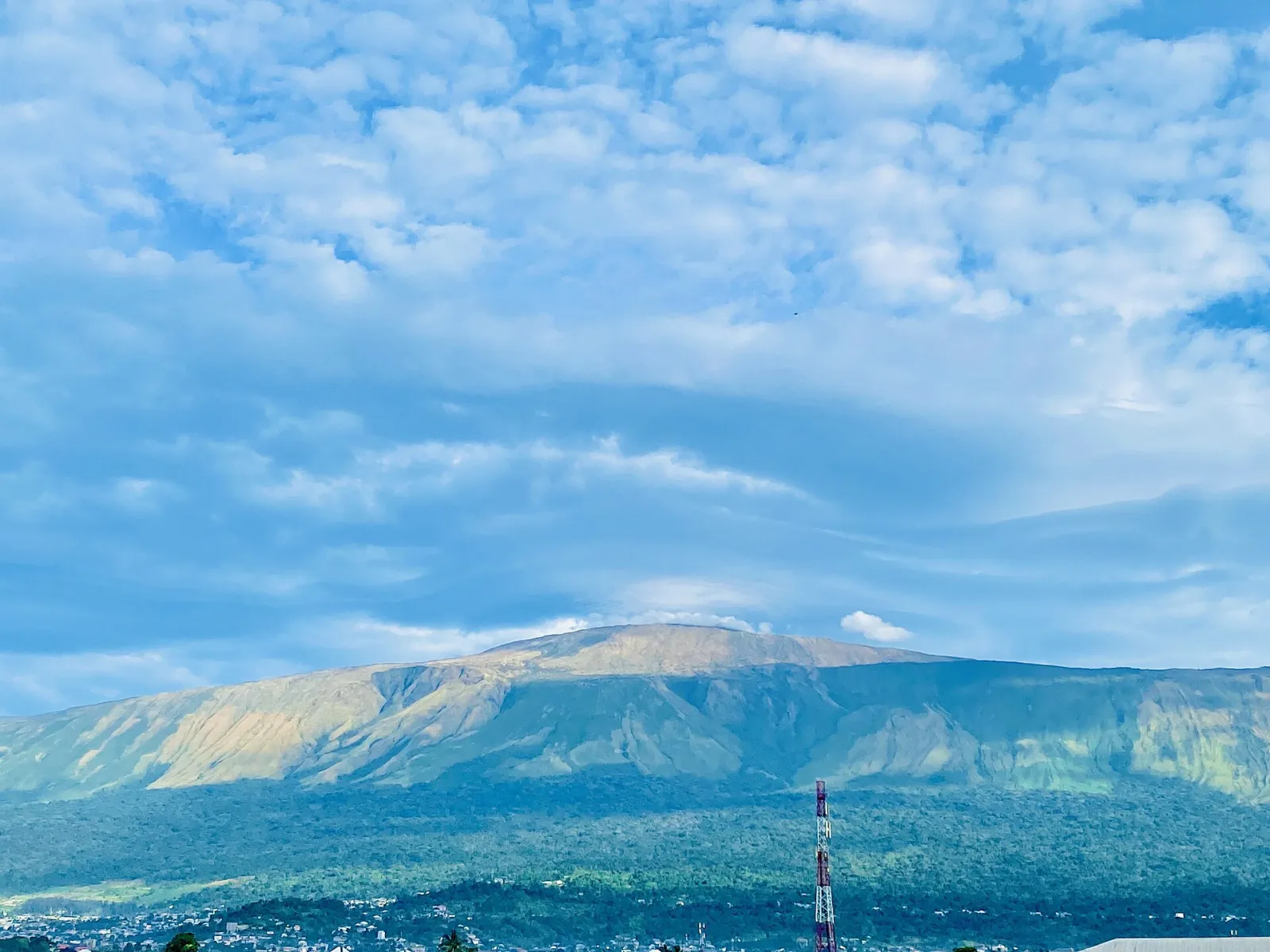
South-WestBueaMount Cameroon, Rzehwa cultural camp, coasts and plantations
On the site

Extend your tour of the delegations

References

Useful links for the regions

Stakeholders

Who works with the delegations?

Calendar

A year in the regions

7 July 2026Opening of the Rzehwa camp

In the South-West, a month-long cultural programme begins for children aged 5 to 17, centred on the cultural values of the country’s four zones.

17 – 20 July 2026Mobile library in Mengong

The mobile library sets up for four days in the Mvila, following on from the Bia So Mengong festival, with facilitators from the Directorate of Books.

21 July 2026Holiday camp in Akono

The regional delegate for the Centre presides, on behalf of the Minister, over the launch of the arts and culture camp activities in the Mefou-et-Akono.

13 August 2026Closing of Rzehwa in Buea

The South-West delegation celebrates the end of the year’s cultural camp, after a month of artistic classes and an excursion to sites in Buea.

All year roundReception of users

The delegations receive, direct and forward files, and relay calls for projects and instructions from the central administration.

Questions

Your questions about the regional delegations

Where do I submit my file in my region?

At the regional delegation of arts and culture of your region, located in the regional capital, or online through the One-Stop Shop. In both cases, you are given a file number to follow the processing and to know which directorate is examining your application.

How can I contact a delegation?

By calling the Ministry’s switchboard on +237 6 51 70 58 41, or by e-mail at contact@minac.gov.cm, stating your region and the purpose of your request. The staff will direct you to the competent delegation. Postal mail may be addressed to B.P. 1053 Yaoundé.

Who heads a delegation?

A regional delegate for arts and culture, who represents the Minister in the region and heads the delegation’s services. It was he who, on behalf of the Minister, presided over the launch of the Akono camp in July 2026, in the Centre Region.

Can my child take part in a cultural camp?

The camps are open to children and teenagers, aged 5 to 17 in the case of Rzehwa in the South-West in 2026. Enquire with the delegation of your region at the start of the summer, and follow the cultural calendar and the news on the site.

Will the mobile library visit my town?

The mobile library travels around: in 2026, it was deployed for four days in Mengong, in the Mvila. Stops are decided with the Directorate of Books and Reading and announced in the news. A reasoned request may be sent to the delegation of your region.

Can a delegation help me organise a festival?

Yes. It explains the authorisation procedure, puts you in touch with local authorities and can support your request for assistance. See also the Organising a festival section for the detailed steps.

Can I find out the name of the delegate for my region?

The Ministry does not publish the list of delegates by name on this page. You can ask the switchboard to put you in touch with the delegate for your region, stating the reason for your request.

How do I report a service problem in a delegation?

Write to the Ministry using the contact form or at contact@minac.gov.cm, describing the facts, the date and the delegation concerned. The General Inspectorate may be seized in the event of proven misconduct.

Contact

Write to the Ministry: Regional Delegations

Please state your region in your message.

Contact the Ministry

Official contacts

Address

Ministry of Arts and Culture
Quartier du Lac – Ministerial Zone
P.O. Box 1053 Yaoundé, Centre Region, Cameroon

Reach us

+237 6 51 70 58 41

contact@minac.gov.cm

Opening hours

Monday to Friday, 8 am to 4 pm

Find your region

Discover the cultural life, venues and festivals of each region of Cameroon.

View the cultural map
WhatsApp