Coat of arms of CameroonMinistry of Arts
and Culture
Republic of Cameroon
My procedures
Home
Minister’s message
News
Press releases
Cultural calendar
Official speeches
Press review
Photo library
Video library
Calls for projects
Job vacancies
Public procurement
Newsletter
Frequently asked questions
Site map
Contact
Press area
Podcast “The Voice of Culture”
Legal notices
Privacy policy
Cookies and trackers
The Ministry
Missions and responsibilities
Organisation
Organisation chart
Minister’s Office (Cabinet)
Management team
General Secretariat
General Inspectorate
Central directorates
Regional Delegations
Institutions under supervision
Legislative texts
Regulatory texts
Sector strategy
Major projects
Budget and reports
Partners
Careers
Archives
Institutional communication
Quality and accessibility
Arts
Visual and plastic arts
Visual arts
Performing arts
Theatre
Dance
Music
Literature and books
Cinema and audiovisual
Photography
Fashion and design
Digital arts
Art crafts
Artists’ directory
Residencies
Prizes and awards
Arts education
Urban arts
Heritage
Tangible heritage
Intangible heritage
UNESCO sites
National museums
Listed monuments
National inventory
Palaces and chiefdoms
Archaeology
Linguistic heritage
Oral traditions
Traditional know-how
Restitution of cultural property
Fight against illicit trafficking
Listing and protection
Conservation and restoration
Heritage Days
Cultural landscapes
Industries
Music and recording
Cinema
Publishing and books
Digital arts
Fashion and creativity
Crafts
Cultural tourism
Funding for culture
Support funds
Incubators
Cultural entrepreneurship
Culture Observatory
Vocational training
Studies and reports
Sector statistics
Export and outreach
Intellectual property
Copyright
Legal framework
Copyright and neighbouring rights
Collective management societies
Register a work
Licences
Private copying
Fight against piracy
Model contracts
Social status of artists
Mediation
Disputes
Training
Fee scales
Register of works
Contact
Digital neighbouring rights
Public domain
Festivals
National calendar
Ngondo
Nguon
Écrans Noirs
Heritage Days
Music Day
Regional festivals
Fairs and exhibitions
Biennials
National competitions
Cultural days
Organise a festival
Event grants
Ticketing
Archives
Volunteering
Diaspora festivals
Regions
Adamawa
Centre
East
Far North
Littoral
North
North-West
West
South
South-West
Cultural map
Regional Delegations
Traditional chiefdoms
National languages
Cultural routes
Decentralised cooperation
Regional observatory
Cooperation
UNESCO
Francophonie (OIF)
African Union
Commonwealth
CEMAC
Bilateral cooperation
Cultural agreements
Professional organisations
Scholarships
Artist exchanges
Cultural years
Diaspora
Funded projects
Embassies
Technical partners
International restitution
International monitoring and calls
Services
Artist card
Show authorisation
Filming authorisation
Festival authorisation
Deposit of a work
Export of works of art
Listing of a property
Grant application
Association accreditation
File tracking
Forms
Fees
Opening hours and addresses
Reporting
Online help
My account
One-Stop Shop
Home

Frequently asked questions

Procedures, copyright, festivals and online account: twenty frequently asked questions sorted by theme, with clear answers, the site pages to consult and ways of writing to the right service if yours is not listed.

Updated on 5 November 20264 sub-pages
Questions handled20
Themes4
UpdateEvery month
Public reception5 days a week
Find an answer

All your questions, in one place

Group photo of many officials and guests in varied attire, posing on the steps in front of a building.

This page brings together the questions most often received by the Ministry through the form, at the headquarters counter and in the regional delegations. They are grouped into four themes: procedures, copyright, festivals and the online account. Each answer refers to the site page that covers the subject in detail.

The answers are reviewed regularly with the directorates concerned. If your situation is not covered, the form at the bottom of the page and the online help allow you to write directly to the competent service.

  • Answers sorted by theme
  • Links to reference pages
  • A form for any other question
Go to the procedures
Procedures

Procedures and the One-Stop Shop: the principle

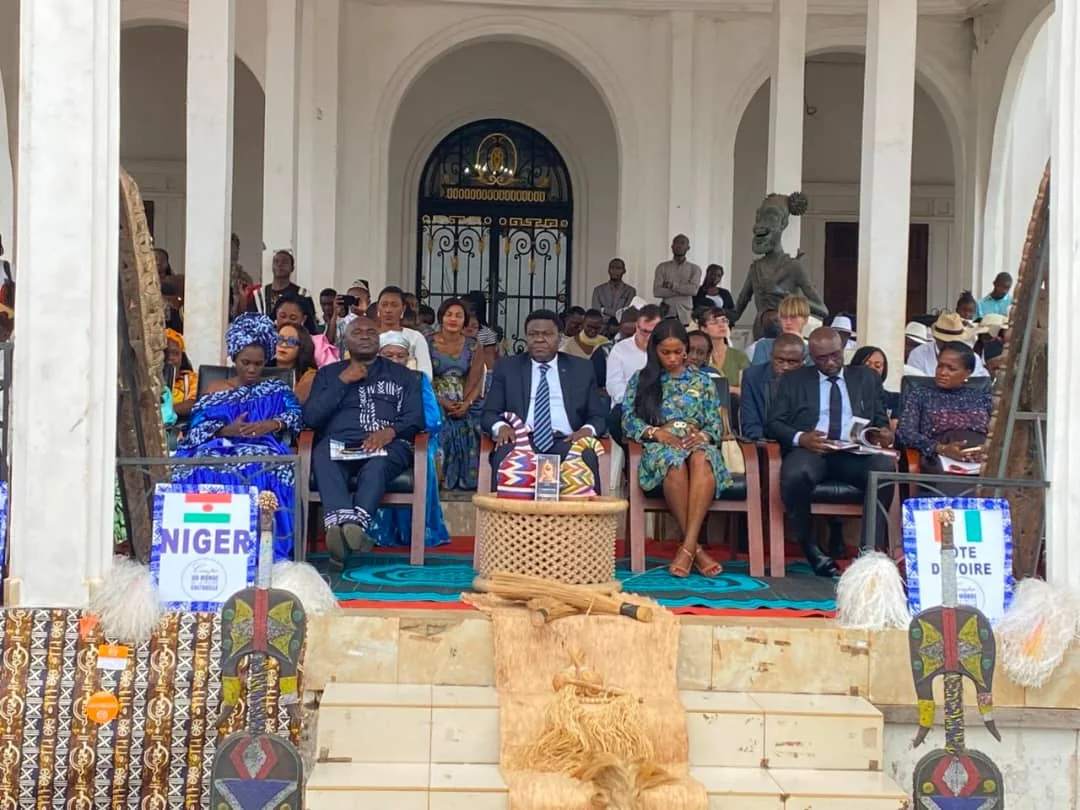
Foreign delegations seated under the Ministry gallery during a ceremony

Almost all the Ministry’s procedures go through the One-Stop Shop: artist card, authorisation for a show, filming or festival, deposit of a work, association approval, grant application. The logic is the same everywhere: one account, one form, supporting documents and a file number that accompanies the application until the decision.

Before submitting

Read the page for the procedure concerned: it states who may apply, the documents to gather and the points to watch. The artist card requires proof of practice; the show authorisation requires a venue, a date and a safety plan; the association approval requires articles of association. Any applicable amounts are shown on the fees page.


After submission

  • An acknowledgement of receipt confirms that the file is registered;
  • the file tracking shows the current stage;
  • a request for additional documents specifies the missing items;
  • the decision is notified by e-mail and remains available in your area.
ℹ️
In the regions

Regional delegations receive paper files and help to complete them: see the contact details.

Procedures

Questions about administrative procedures

How do I submit an application to the One-Stop Shop?

Create your account, choose the procedure from the list, fill in the online form and attach the requested documents. At the end, a file number is assigned to you. Keep it: it lets you follow the processing, respond to a request for additional documents and find the decision in your personal area.

How can I find out the status of my file?

Go to the One-Stop Shop tracking page and enter your file number with the e-mail address used when submitting. The current stage is displayed: received, under review, additional documents requested or decision issued. If the status does not change for an unusually long period, use the reminder function or write to the help service.

What should I do if my file is declared incomplete?

You receive a request for additional documents that lists precisely the missing or illegible items. Submit them from your personal area, quoting the file number. Processing resumes as soon as the documents are received. If a document causes you difficulty, a regional delegation can help you prepare or scan it properly.

Do the procedures have to be paid for?

Some procedures are free; others give rise to a fee set by regulation. Any applicable amount is shown before payment and can be consulted at any time on the fees page. No official is authorised to ask for a sum outside the official payment methods of the One-Stop Shop: if in doubt, report it.

Copyright

Copyright: protecting, declaring, being paid

Award winners gathered on the lawn during a national ceremony

An author, composer, choreographer or photographer is protected as soon as they create an original work: protection does not depend on any formality. The legal framework distinguishes moral rights, which link the work to its author, from economic rights, which allow remuneration for its exploitation.

Declaring to date and prove

The deposit of a work is not compulsory, but it fixes a date and authorship in the event of a dispute. It is done online through the work deposit procedure and gives rise to a receipt. Deposited works appear in the register of works.

Getting paid

The collection of rights is entrusted to collective management societies depending on the field: music, visual arts, audiovisual, literature. Joining allows you to receive your share of broadcasting royalties and private copying remuneration.

In case of a problem

Counterfeiting, unauthorised use, disagreement over a contract: mediation is the first route, before litigation. Reporting allows you to alert the services to a case of piracy.

ℹ️
Contracts

Before signing, consult the model contracts for publishing, production and assignment.

Copyright

Questions about the protection of works

How do I protect my work?

Protection arises automatically from the creation of an original work, with no formality. To have dated proof, deposit it with the Ministry through the work deposit procedure, which issues a receipt. Also keep your drafts, source files and correspondence: they strengthen your position if authorship is ever disputed.

Is the deposit of my work compulsory?

No, deposit is not a condition of protection. It is nevertheless strongly recommended, because it establishes a certain date and identifies you as the author in the register of works. It then makes it easier to join a collective management society and to negotiate a contract with a publisher, producer or broadcaster.

How can I be paid when my work is broadcast?

Join the collective management society for your field: it authorises broadcasters, collects royalties and pays them out to you according to the distribution rules. You can also negotiate your terms directly by contract, specifying the scope of the assignment, its duration, the territory and the level of remuneration provided.

What should I do about an illegal copy or broadcast?

Gather the evidence: dated screenshots, page addresses, seized copies or testimonies. Then use the site’s reporting form, and contact your collective management society. Mediation may be proposed before any court action, depending on the seriousness of the facts. Keep a copy of all your correspondence for later steps.

Festivals

Festivals: authorisations, support and organisation

International Dance Day participants in front of the house of culture

Every festival, concert or show open to the public requires prior authorisation. This rule protects the public and the artists: it makes it possible to check the venue, safety, insurance and respect for creators’ rights. The application is submitted online through the festival authorisation procedure, or at the regional delegation for the event venue.

Planning the calendar

Submit your file well before the planned date and do not begin publicity until you have received the response. The guide Organising a festival covers the programme, safety, ticketing and the use of volunteers.

Funding your event

Organisers may apply for event grants, respond to calls for projects or seek a patron. Successful files are then entered in the national calendar and the cultural agenda.

Artists wishing to perform at a festival will find organisers’ calls on the page of each event, such as the Ngondo or Music Day. For large-scale festivals, the opinion of the local authorities and chiefdoms concerned is often sought in advance: the organiser benefits from involving them from the design stage of the project, which eases the reception of the public, logistics and the acceptance of the event by local residents.

Festivals

Questions about festivals and shows

Is authorisation needed to organise a festival?

Yes, for any festival or show open to the public, whatever its size. The application specifies the venue, dates, programme, capacity and safety measures. It is submitted online or at the regional delegation for the venue. Without authorisation, the event may be stopped and the organisers penalised.

When should the file be submitted?

As early as possible, several weeks before the event, because processing involves checks on the venue and safety. The minimum deadline is shown on the procedure form. A file submitted late may not be processed in time; also allow a margin to respond to any request for additional documents.

Is there support for organisers?

Yes. The Ministry offers event grants, calls for projects and support in finding partners. Each scheme has its own criteria and calendar, set out on the dedicated pages. A strong file includes a balanced budget, a detailed programme and a review of the previous edition if there is one.

How do I get my event into the agenda?

Use the Submit an event section of the cultural agenda, giving the title, date, venue, a short description and a contact. The information is checked before publication. Remember to attach the authorisation obtained: an authorised event is more easily promoted and reassures the public. Publication in the agenda never replaces authorisation.

Online account

Your online account: creating, securing, managing

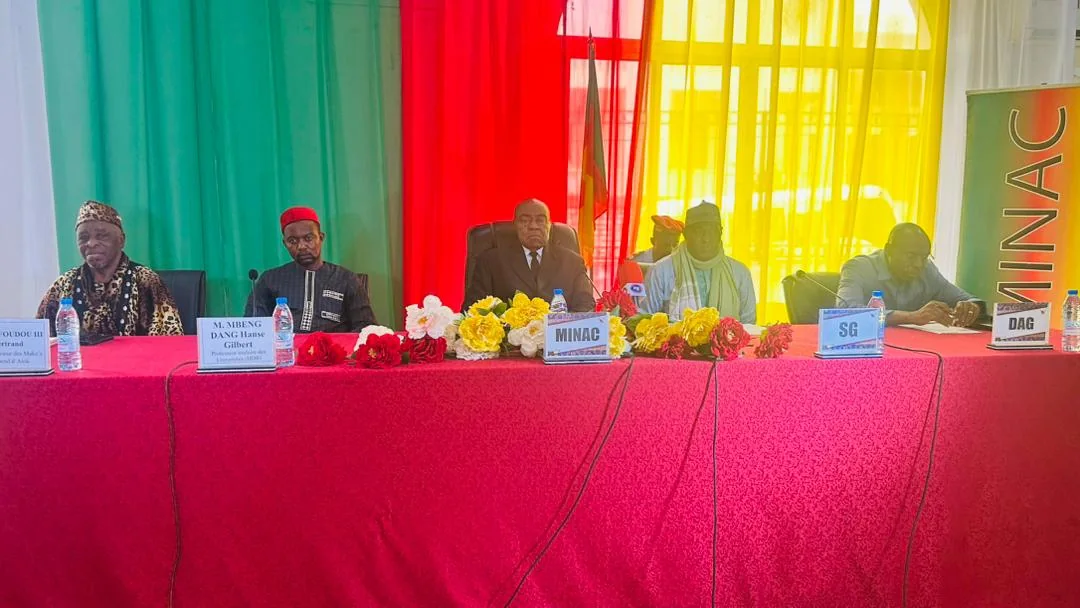
Officials sit behind a long meeting table covered with a red cloth and flowers, in front of curtains in the national colours.

The online account gives access to all One-Stop Shop services. It is created from the My account page with a valid e-mail address, a password and some identity details. It brings together your files, messages, receipts and decisions.

Using it well

  • Choose a long password that you do not use anywhere else;
  • enter an e-mail address that you check regularly: notifications are sent there;
  • log out after use on a shared computer, for example in a cybercafé;
  • check your contact details before each submission.

Forgotten password, data, deletion

The “Forgotten password” link on the login page lets you choose a new password. The information entered is used only to process procedures, as explained in the Personal data section. You may request access to your data, its correction or the deletion of your account by writing to the help service.

If you are stuck, the online help offers guides and assistance, and the One-Stop Shop remains accessible from every page of the site.

Online account

Questions about your personal area

How do I create my account?

Open the My account page, click on account creation and enter your identity, a valid e-mail address and a password. A confirmation message is sent to you: click on the link it contains to activate the area. You can then submit your applications and track them without re-entering your information.

I have forgotten my password, what should I do?

On the login page, choose “Forgotten password” and enter the address used when the account was created. A reset link is sent to you. If nothing arrives, check your spam folder, then contact the online help, giving your address, but never disclosing your password.

Is my personal data protected?

The information entered is used only to process your procedures and to reply to you. It is neither sold nor passed on to third parties. The site uses no advertising cookies. The Personal data page describes the processing, your rights of access, rectification and deletion, and how to exercise them.

Can I delete my account?

Yes, on simple request to the online help service from the account address. Files under review must first be closed. Certain documents may be kept for the period provided by regulations, in particular for administrative decisions. You are informed of what is deleted and what is kept.

Step by step

Putting your question to the right service

Search

Browse the answers by theme or use the site search: most common questions find their answer there.

Consult the page

Open the reference page indicated in the answer, which details the conditions, documents and steps of the procedure concerned.

Specify

If the question remains, describe your situation in a few lines: region, procedure, file number where applicable.

Choose the subject

Select the appropriate subject in the form so that the message reaches the right service directly.

Send

Submit the form. Your message is recorded, forwarded to the competent service, and a reply is then sent to you by e-mail.

User feedback

They found their answer

“
My question was asked exactly as it stood, with the answer and the link to the right form. I did not have to write.
An artist
South-West
“
I understood why my file was incomplete and which documents to add, without travelling to Yaoundé.
A festival organiser
North
“
The answer on the declaration of works convinced me to join a collective management society.
A composer
Littoral
“
The online account guide helped me regain access within minutes from my phone.
An association manager
West
Glossary

The words of cultural administration

Acknowledgement of receipt

Message confirming that your file has been received and registered by the service.

Supporting document

Document proving a piece of information in the file: identity, articles of association, contract, programme.

Processing

Examination of the file by the competent service before the decision.

Request for additional documents

Letter listing the missing documents needed to continue processing.

Receipt

Receipt issued after a deposit, which dates and authenticates the procedure.

Economic rights

Rights allowing the author to earn income from the exploitation of the work.

Collective management

Mechanism by which a society collects and distributes royalties on behalf of authors.

Authorisation

Prior approval from the administration to hold a public show or festival.

Regional Delegation

Ministry office located in a region to receive the public.

Personal area

Secure area of the account where your files, messages and decisions are found.

To download

The practical user guides

On the site

Continue your research

Resources

Useful links before writing

Relays

Who relays the answers?

Referral

Which page for which question?

Your questionThemeReference pageService that replies
How do I obtain my artist card?ProceduresArtist cardDirectorate of Arts Development and Promotion
What is the status of my file?ProceduresFile trackingOne-Stop Shop
How much does a procedure cost?ProceduresFeesOne-Stop Shop
How do I declare my work?CopyrightRegister a workDirectorate responsible for copyright
Which management society should I choose?CopyrightCollective management societiesCollective management societies
How do I organise a festival?FestivalsOrganise a festivalRegional delegation for the venue
Where do I announce my event?FestivalsCultural calendarCommunication service
How do I reset my password?Online accountMy accountOnline help
Going further

The guides that complement the answers

“A clear administration is one that explains: every question asked improves the next answer.”

Ministry service commitments
Take action

Is your question not here?

Write to the help service

The form on this page is read every working day and directed to the service concerned.

Use the form

Getting to headquarters

The public reception handles enquiries for information; an appointment is advised for a file.

Opening hours and addresses

Meet a delegation

An official in your region helps you prepare, submit and complete your file.

Find my delegation
Contacts and procedures

Contacts, deadlines and tracking of your requests

How do I contact the Ministry with a general question?

Use the form at the bottom of this page or the one on the Contact page, choosing the subject closest to your request. You can also write to contact@minac.gov.cm, call +237 6 51 70 58 41 during opening hours or visit the headquarters, Quartier du Lac, in Yaoundé. The message is directed to the competent service.

How soon can I expect a reply?

Messages are handled in order of arrival, with priority given to requests tied to an event date. Deadlines vary according to the nature of the request and the workload of the service; they are given for guidance and do not constitute a commitment. Always state your deadline in the message to help with routing.

Can I visit the headquarters without an appointment?

Yes, to obtain general information or to leave a document at the reception. For a complex file or a discussion with a directorate, write beforehand so that an official is available. Reception hours are published on the Hours and addresses page; they may vary on public holidays.

Where do I submit a file if I live far from Yaoundé?

At the regional delegation for your place of residence or directly online at the One-Stop Shop. The ten delegations receive the public, direct requests and forward files to the directorates concerned. They do not replace the decision of the central administration, but spare a long and costly journey, especially for artists and associations based far from the capital.

How do I report a problem encountered during a procedure?

Write to the help service describing the procedure, the date and the facts, or use the Reporting page for a more serious situation such as an unofficial request for money. The service commitments also provide for mediation and the handling of complaints, which can be consulted in the Quality and accessibility section.

Are the answers on this page kept up to date?

Yes, they are reviewed every month with the directorates and supplemented with new questions received through the form. In the event of a discrepancy between an answer and an official text, the official text prevails. The date of the last update appears at the top of the online help section.

Form

Write to the help service

Describe your question: it is forwarded to the relevant service.

Help service

Contact the online help service

Address

Online Help Service
Ministry of Arts and Culture
Quartier du Lac – Ministerial Zone
P.O. Box 1053 Yaoundé, Centre Region, Cameroon

Reach us

+237 6 51 70 58 41

contact@minac.gov.cm

Opening hours

Monday to Friday, 7:30 a.m. to 3:30 p.m.

A first online procedure?

Create your One-Stop Shop account, submit your file and track it with your number.

Open the One-Stop Shop
WhatsApp