
Copyright
Law No. 2000/011, protection during the life of the author and fifty years after death, resale right, private copying, five collective management societies and an Arbitration Commission: everything you need to declare, manage and defend your rights in Cameroon.
The right at the service of those who create
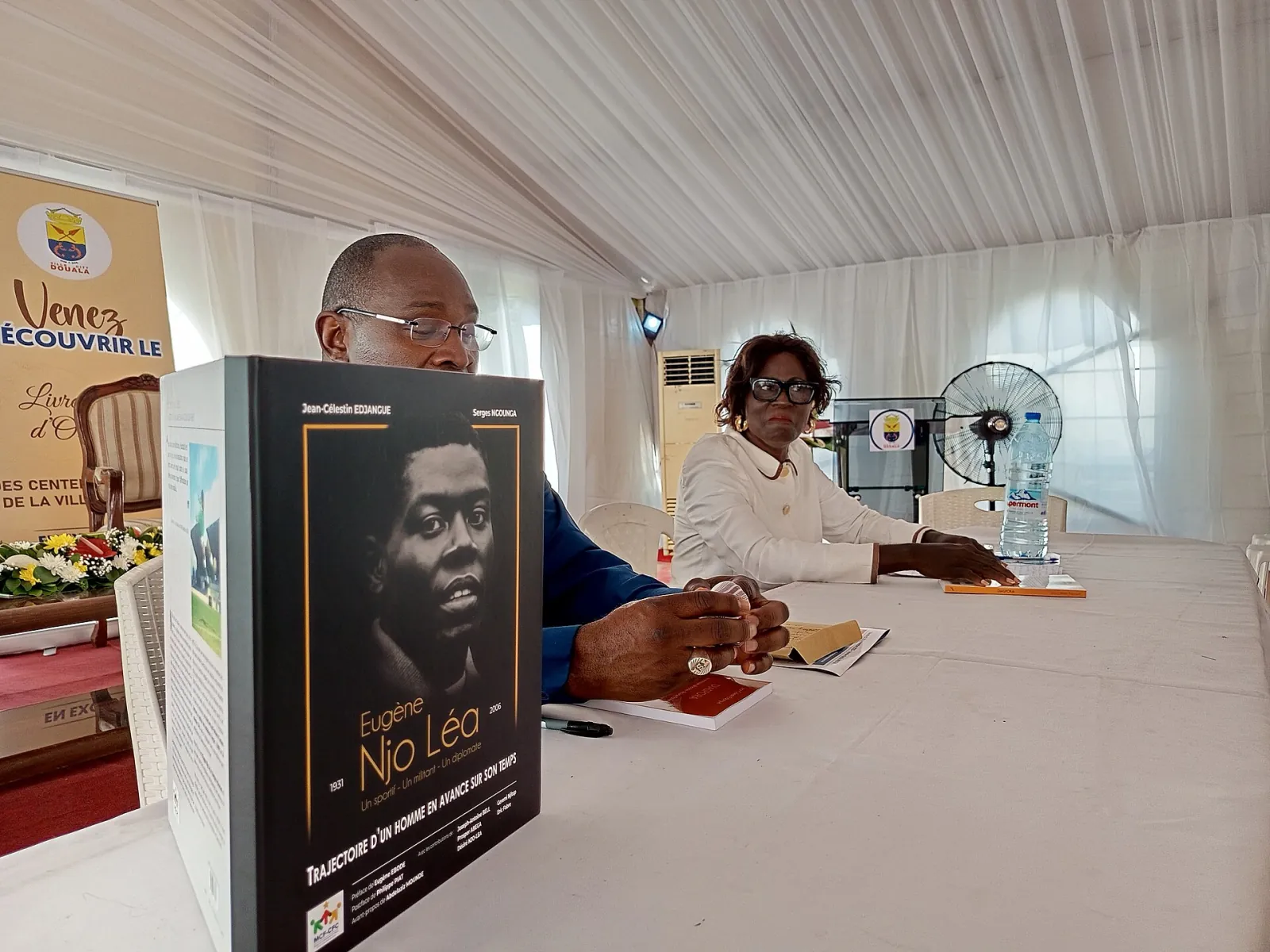
Law No. 2000/011 of 19 December 2000 on copyright and neighbouring rights is the foundation of the protection of Cameroonian creators. It recognises that the author, from the creation of their work, holds perpetual moral rights and economic rights that last for their whole life and fifty years after their death. It also protects performing artists, producers of phonograms and videograms and audiovisual communication enterprises.
This section brings together seventeen pages to move from the rule to practice: read the legal framework, declare a work, join a collective management society, understand the rate schedules, report an infringement or refer a matter to the Arbitration Commission.
- Protection from the moment of creation, with no formalities
- Five approved collective management societies
- Penalties for infringement of 5 to 10 years’ imprisonment
From principle to practice: how the protection of creators is organised
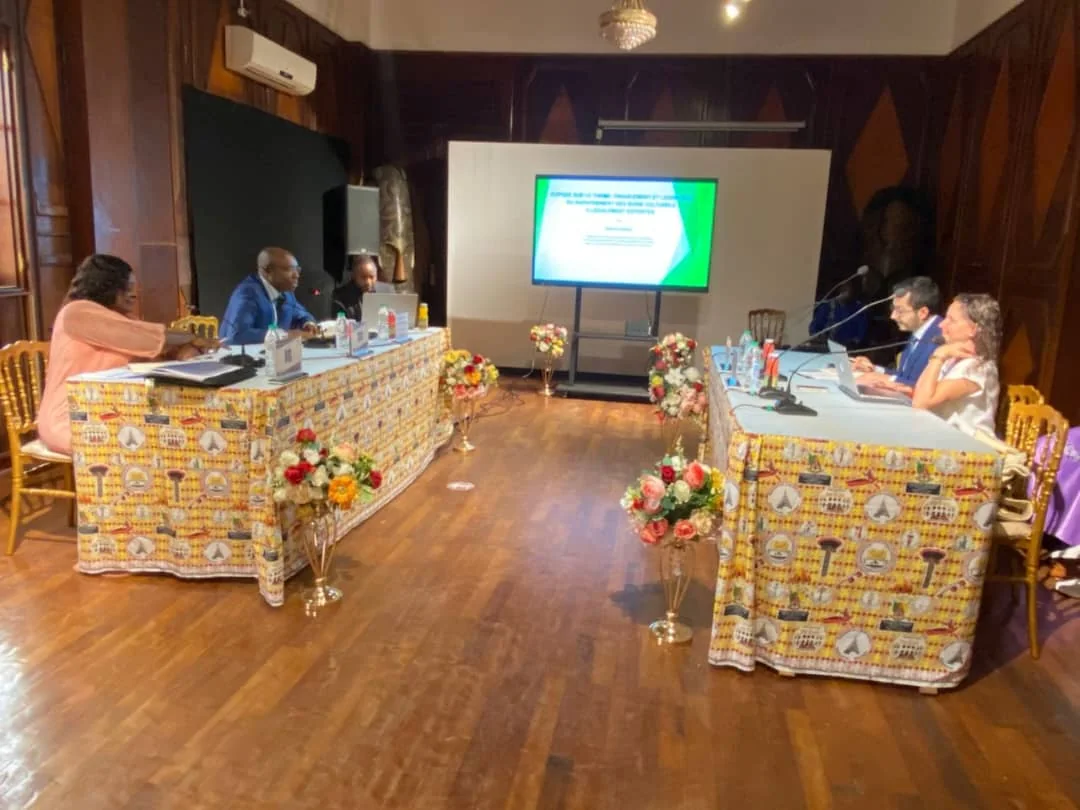
Copyright rests on a simple idea: the person who creates an intellectual work is its first owner, and nobody may exploit it without their consent or without remuneration. The 2000 Law protects literary and artistic works whatever their genre, form of expression, merit or purpose: novels, songs, choreographies, films, photographs, paintings, software. No formality is required to be protected; the declaration serves to prove the date and authorship.
Around this principle, the Cameroonian system relies on implementing texts, notably the decrees of 25 September 2015, on collective management bodies that collect and distribute royalties, on an Arbitration Commission that settles certain disputes and on a supervisory commission, the CCOGC, which oversees the societies. The collection of legislative texts allows you to read them all.
A path for every creator, performer or user
Authors and composers
Protect a work, declare it, choose a society, sign a publishing or assignment contract.
Register a workModel contractsRegister of worksPerformers and producers
Assert neighbouring rights, understand private copying and the remuneration linked to online broadcasting.
Neighbouring rightsDigital neighbouring rightsPrivate copyingOrganisers and broadcasters
Obtain the licences needed to play music in a venue, broadcast works or stage a show.
LicencesFee scalesManagement societiesVictims of piracy and legal practitioners
Report an infringement, refer a matter to a mediator, bring legal proceedings and learn about the penalties incurred.
Fight against piracyMediationDisputesMoral rights, economic rights and neighbouring rights: who holds what?
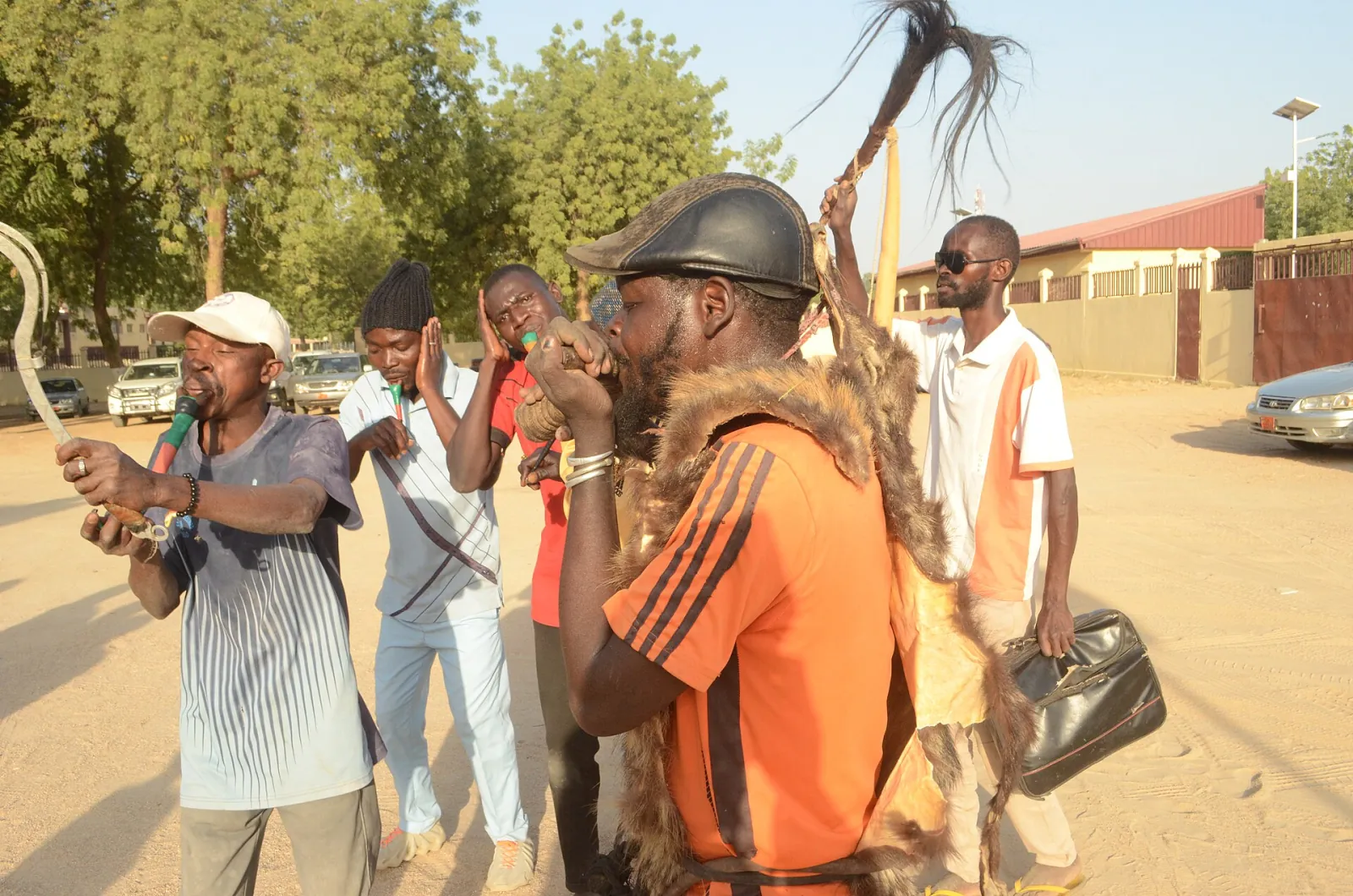
Copyright is divided into two families. Moral rights protect the personality of the author: the right of disclosure, the right of attribution and the right to the integrity of the work. They are perpetual. Economic rights allow the author to authorise or prohibit the reproduction, performance and adaptation of the work, and to derive remuneration from it; they last for the author’s lifetime and fifty years after death.
Neighbouring rights protect those who help to make the work known: performers, producers of phonograms and videograms, and audiovisual communication enterprises. The copyright and neighbouring rights page details each category, while digital neighbouring rights deals with streaming and platforms.
When a work enters the public domain: duration, folklore and the 50% royalty
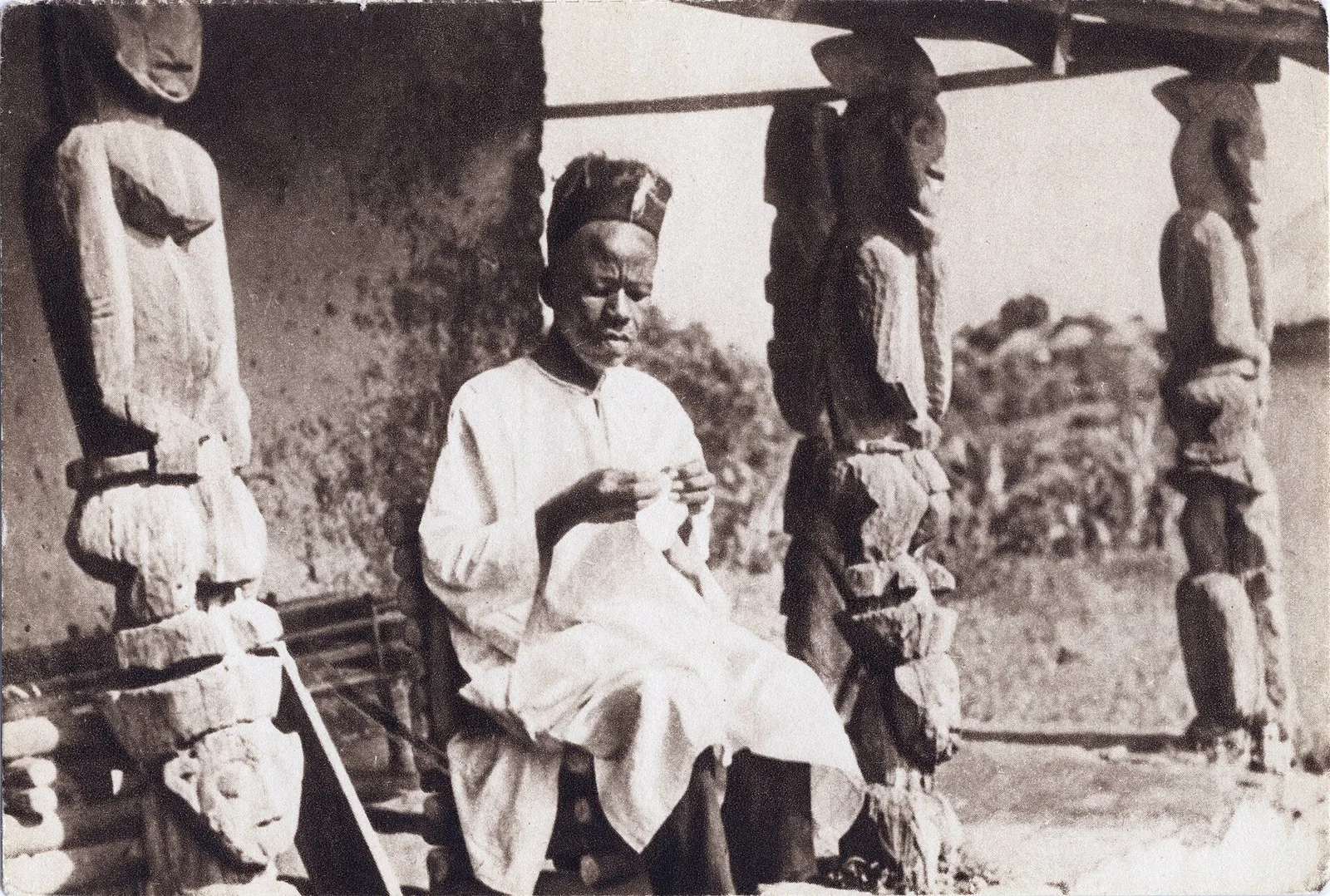
Economic protection expires fifty years after the author’s death, counted from the end of the calendar year. The work may then be used freely, without the heirs’ authorisation, provided that the author’s name and the integrity of the work are respected, since moral rights remain. For works of joint authorship, the period runs from the death of the last surviving co-author.
The commercial exploitation of a public domain work, like that of folklore, gives rise to a royalty set at 50% of the amount due, the proceeds of which fund cultural action. This rule ensures that what belongs to the common memory returns to the community of creators. The public domain page explains how to make the prior declaration, how to deal with orphan works and how to carry out your research.
Declare a work in five steps
Gather
Prepare the work’s file or a significant extract, an identity document and the consent of each co-author for a work created by several people.
Complete
Enter the title, the nature of the work, the author’s name and the date of creation in the online form, without abbreviations.
Deposit
Attach the documents, validate and keep the file number displayed, together with the confirmation message sent by e-mail.
Obtain the certificate
The service responsible for declarations registers the work and issues a dated certificate, useful as proof of authorship and priority.
Consult
You can then find the work in the register, check its details and use the certificate in your contracts and appeals.
Declare and register a work: certificate, register and statistics
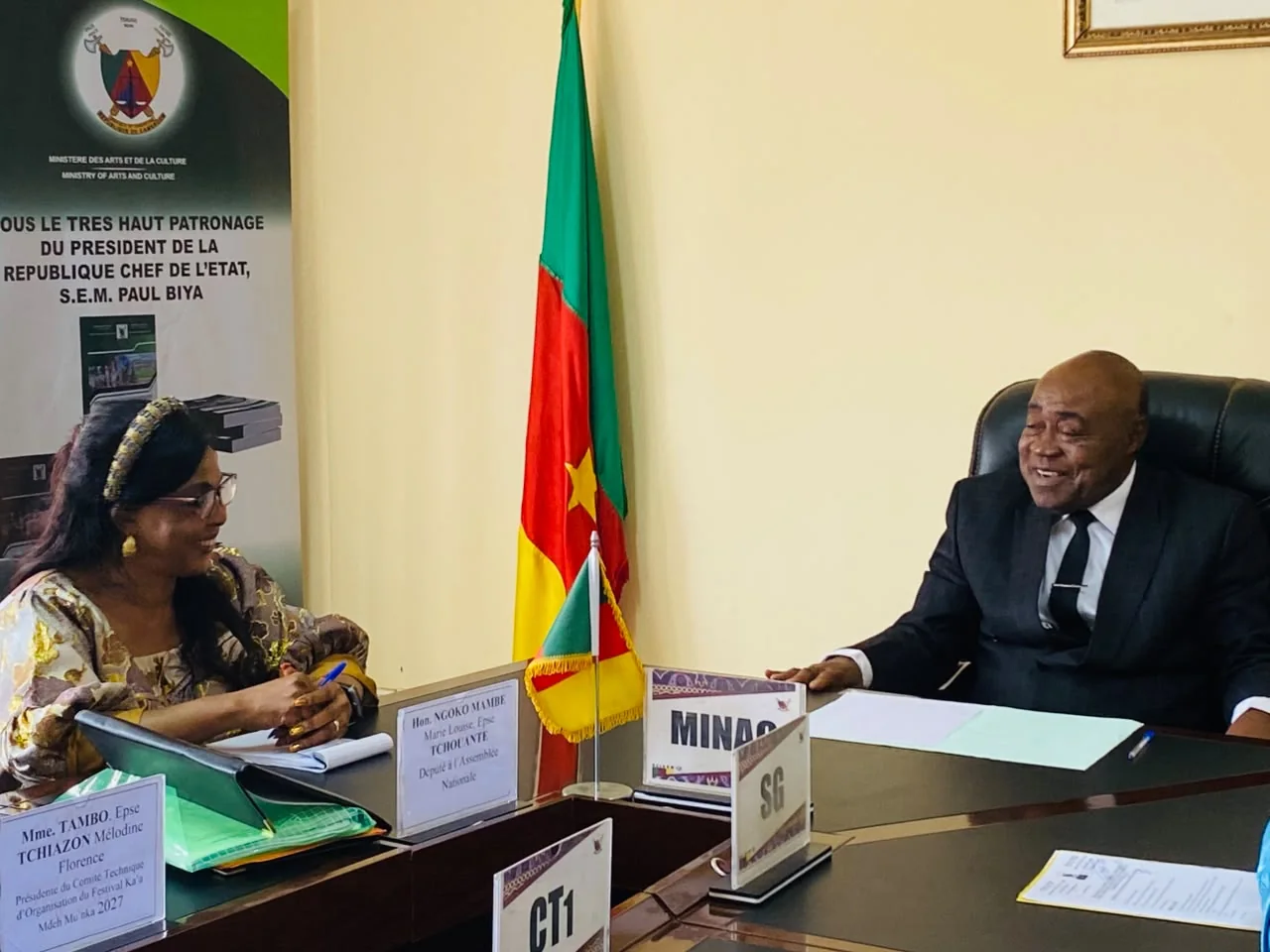
Declaration is not compulsory to be protected, but it provides proof of date and identity that is very useful in the event of a dispute. The procedure is carried out online, through the work submission of the One-Stop Shop, and is tracked with the file number on the file tracking page.
Declared works are recorded in the register of works, which can be searched by title or by author. It makes it possible to verify the authorship of a title, to find a rights holder in order to request authorisation and to follow the life of a creation. The certificate issued can be downloaded, with its details and date.
Five societies, one supervisory commission: collective management day to day
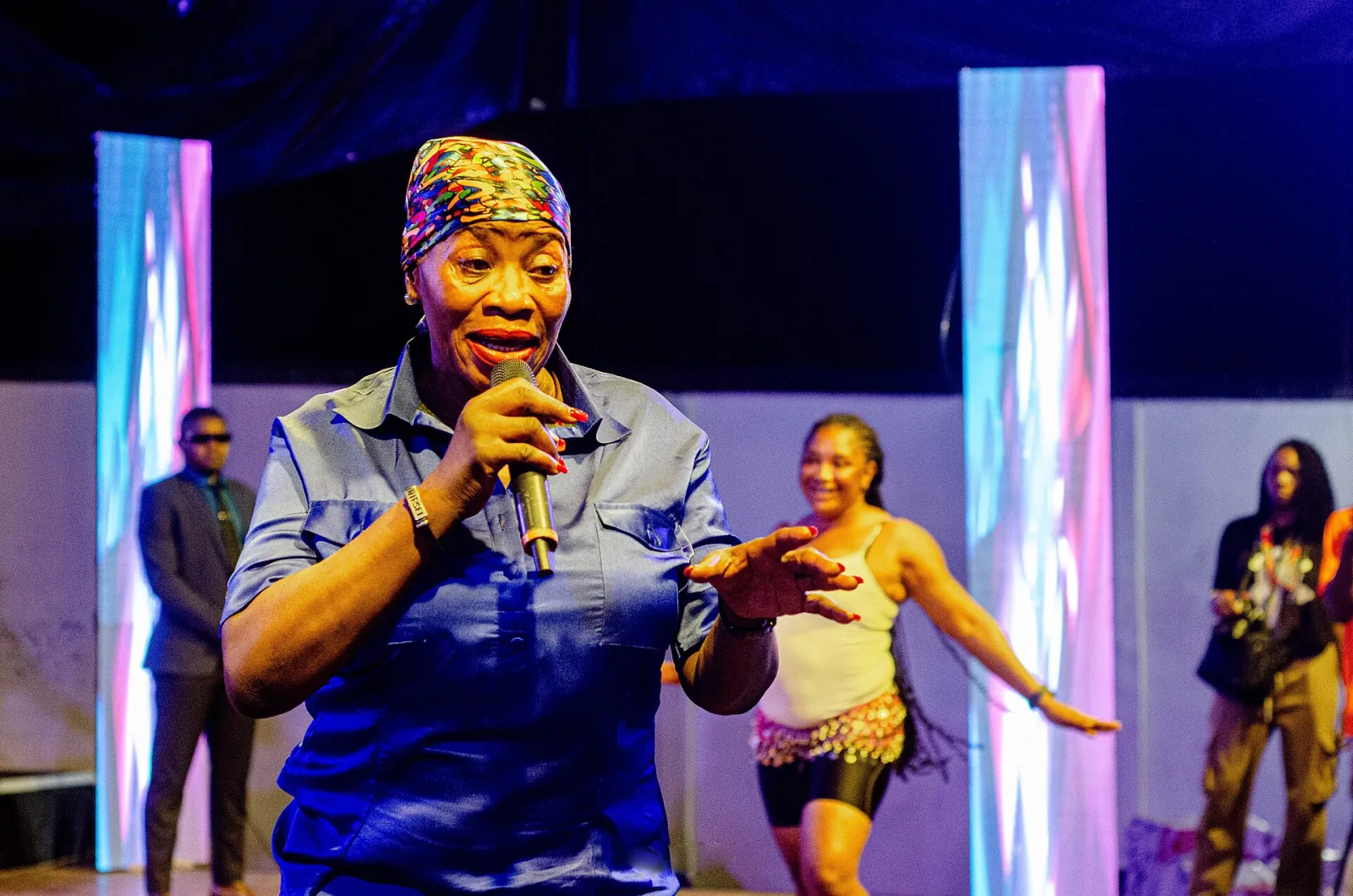
No author can monitor on their own every radio station, every venue and every café that broadcasts their works. The law has therefore organised collective management: five approved societies, each competent in a given field, collect royalties from users and distribute them among their members. SONACAM for music, SCAAP for audiovisual works and photography, SOCILADRA for literature and dramatic arts, SOCADAP for plastic and graphic arts and SCDV for neighbouring rights cover all creators. The collective management societies page presents them one by one.
These societies are placed under the supervision of the Commission for the Supervision of Collective Management Bodies, the CCOGC. Management fees are capped at 20% of the sums collected, so that most of the money goes to the rights holders.
Private copying, resale right, public domain: the royalties to know about
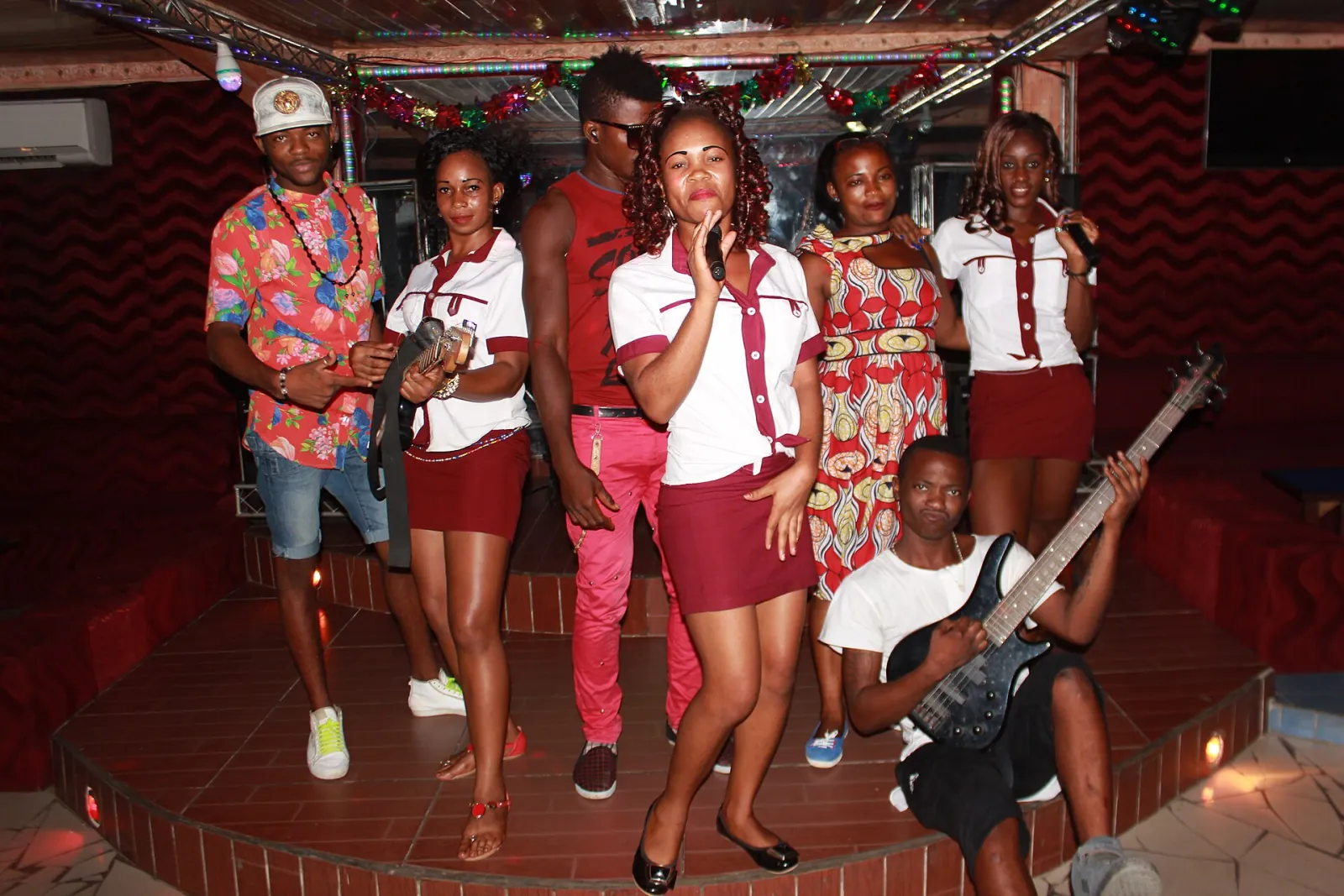
Three rates set by decree come up most often. The resale right is 5% of the resale price of an original work. The public domain royalty is 50% of the amount due for commercial exploitation. Private copying of printed works is 5% of the sale price of reproduction equipment; for phonograms and videograms, the remuneration is shared equally between authors, performers and producers.
Each of these mechanisms has its beneficiary, its debtor and its payment channel, which explains the frequent confusion. The private copying page presents the principle, the royalty, the rate schedule and the distribution; the rate schedules page brings together the tariffs, royalties, calculation methods and orders.
Infringement: penalties, mediation and courts in the event of a violation of rights
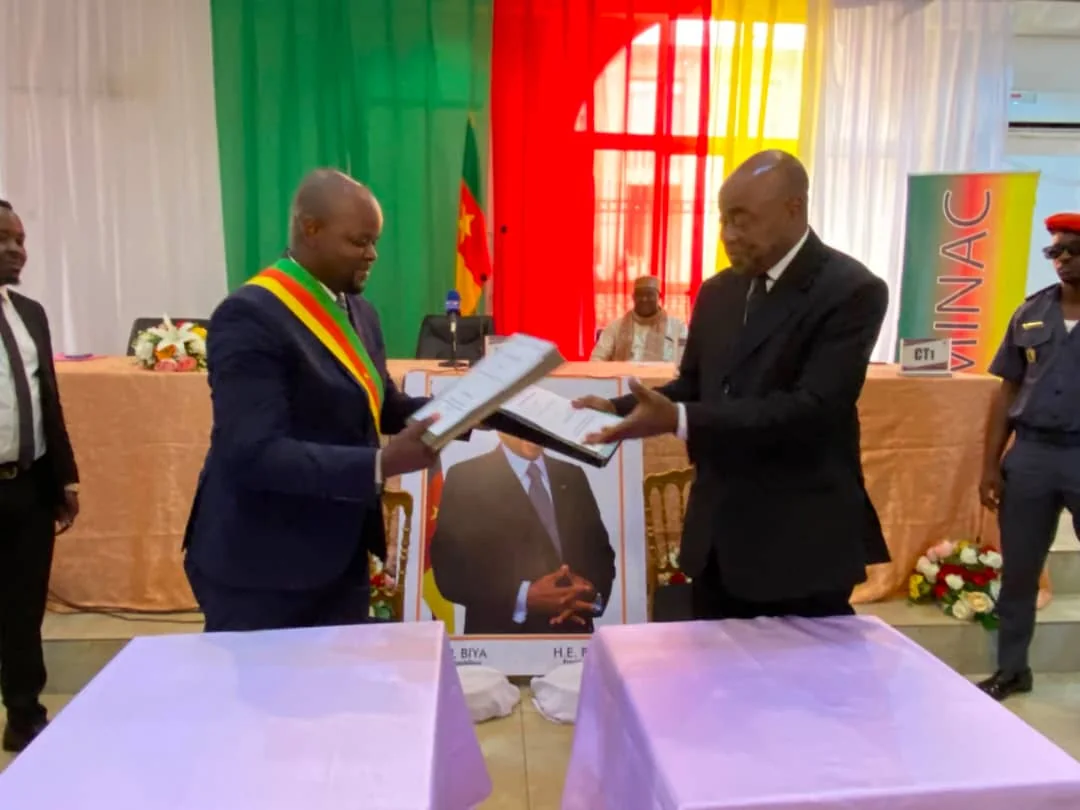
Infringement of a work is punishable by imprisonment of five to ten years and a fine of 500,000 to 10,000,000 CFA francs, or by one of these two penalties. The penalties are doubled where the offender is the contracting party of the holder of the infringed right. The fight against piracy page explains how to report the facts, what field operations are carried out and how to prevent illicit copying.
Before going to trial, a faster route exists: the Arbitration Commission, created by the 2000 Law and organised by Decree No. 2015/3978/PM, has four members and deliberates once a quorum of two thirds is reached. It intervenes in particular in disputes between management societies and users. Matters are referred to it under the procedure described on the mediation page.
Artist status, training and platforms: making a living from your rights today
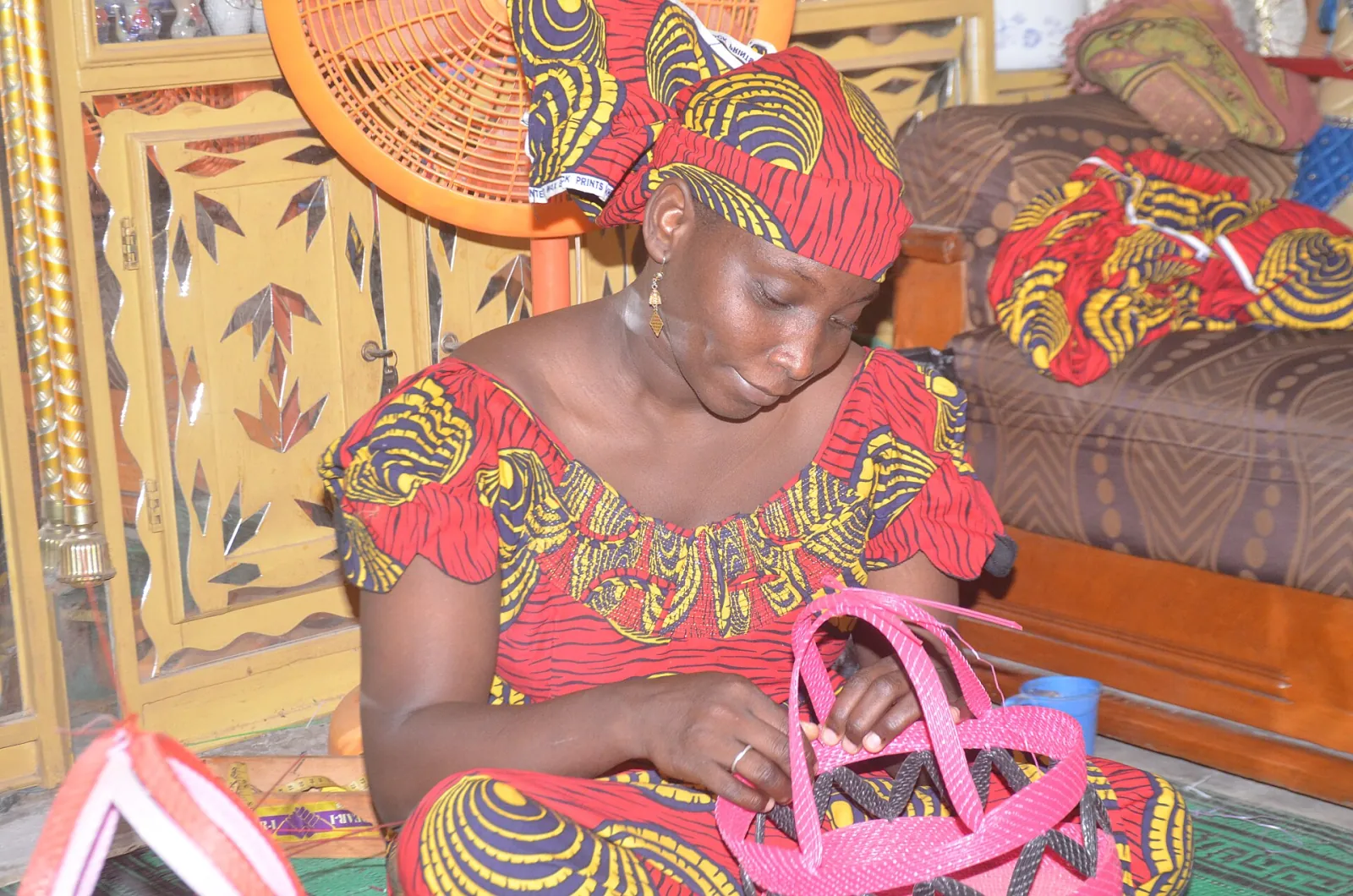
Protecting a work is not enough: one must also be able to make a living from one’s art. The social status of the artist page deals with social protection, retirement, health and taxation for creators, whose income is often irregular. It is linked to the artist card issued by the One-Stop Shop.
Knowing your rights also involves training: workshops on declaring works, practical guides, webinars and partner schools. Upcoming events are listed in the agenda below. Finally, the digital economy has transformed distribution: streaming, platforms, content removal. The digital neighbouring rights page explains online remuneration and the steps to follow to have illicit content removed.
From the founding text to the implementing texts of copyright
On 19 December, the law on copyright and neighbouring rights established the protection regime, collective management and penalties.
The Law of 17 April 2000 designates the National Library and the National Film Library as depositories of printed matter, sound recordings and films.
On 25 September, Decrees 2015/3978/PM and 2015/3979/CAB/PM organised the Arbitration Commission and set the arrangements for applying the law.
The fields of music, audiovisual works, literature, plastic arts and neighbouring rights are covered by five societies.
Declaration of works, reporting of piracy and file tracking are all done online, through the Ministry’s One-Stop Shop.
The most visited copyright pages
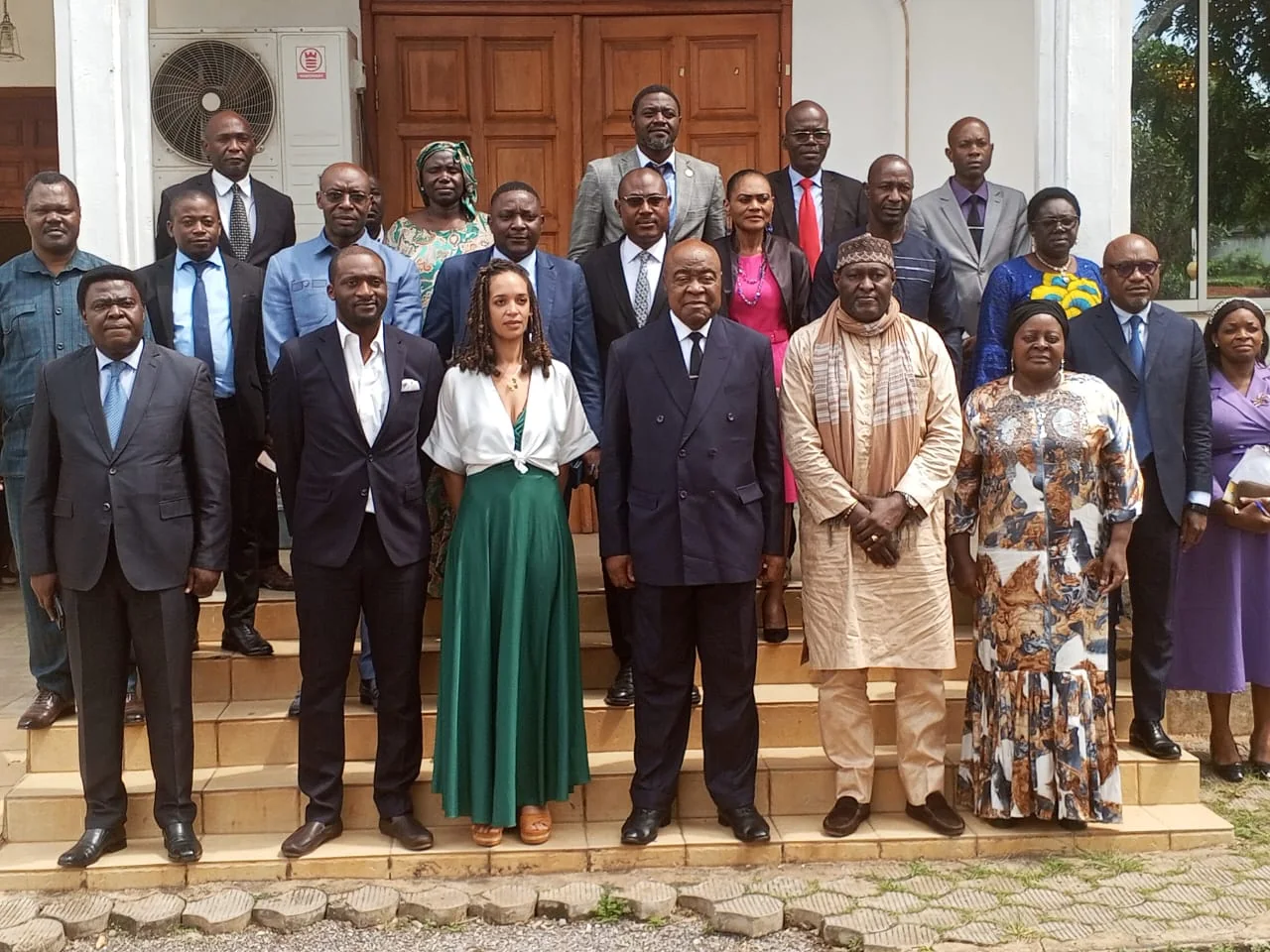
Legal framework
The 2000 Law, the implementing decrees, international conventions and case law in a single path.
Discover →
Register a work
Online procedure, form, supporting documents and tracking to date your creation.
Discover →
Collective management societies
The five approved societies, membership, distribution and the supervision exercised by the CCOGC.
Discover →
Fee scales
Tariffs, royalties, calculation methods and orders setting the applicable rates.
Discover →
Fight against piracy
Report, understand the penalties, follow operations and prevent infringement.
Discover →
Mediation
Refer a matter to the Arbitration Commission, follow the procedure and learn about its decisions.
Discover →The words of Cameroonian copyright
Moral right
The author’s perpetual right to their name, to disclosure and to respect for their work.
Economic right
The right to authorise and remunerate exploitation, valid for the author’s lifetime and fifty years after.
Neighbouring rights
Rights of performers, producers and audiovisual enterprises in their performances.
Resale right
The 5% share of the resale price of an original work due to the author.
Public domain
The status of a work whose economic protection has expired, usable subject to a 50% royalty if commercial.
Private copying
Reproduction for personal use, offset by remuneration levied on media.
CCOGC
Commission for the Supervision of Collective Management Bodies, which oversees the five societies.
Infringement
Reproduction or broadcasting of a work without authorisation, punishable by 5 to 10 years’ imprisonment.
Orphan work
A protected work whose rights holder remains untraceable despite serious searches.
Rights holder
A person who receives an author’s rights: heir, assignee or mandated society.
“Economic rights persist for fifty years after the author’s death: today’s creation remains protected for their heirs.”
Key dates
Texts and services for copyright
The rates, durations and penalties of copyright in one table
| Rule | Value | Where to learn more |
|---|---|---|
| Duration of economic rights | Author’s lifetime and 50 years after death | /droits-dauteur/droit-dauteur-et-droits-voisins |
| Resale right | 5% of the resale price of the original | /droits-dauteur/baremes |
| Public domain royalty | 50% of the amount due for commercial exploitation | /droits-dauteur/domaine-public |
| Private copying of printed works | 5% of the retail price of the devices | /droits-dauteur/copie-privee |
| Infringement | 5 to 10 years’ imprisonment and a fine of 500,000 to 10,000,000 FCFA | /droits-dauteur/lutte-contre-la-piraterie |
| Management fees of societies | Capped at 20% of the sums collected | /droits-dauteur/societes-de-gestion-collective |
| Arbitration Commission | Four members, quorum of two thirds | /droits-dauteur/mediation |
Your questions about copyright in Cameroon
Must a work be declared to be protected?
No. Protection arises from creation itself, without deposit or formality. The online declaration serves to prove the date and authorship in the event of a dispute: it provides a dated certificate, entered in the register of works. It is strongly recommended for a song, a manuscript or a choreography intended to circulate.
How long does the protection of a work last?
Economic rights last for the author’s whole lifetime and fifty years after death, counted from the end of the calendar year. Moral rights, however, are perpetual. For a work of joint authorship, the period runs from the death of the last surviving co-author. After this period, the work enters the public domain.
Which collective management society should I choose?
It depends on your field: SONACAM for music, SCAAP for audiovisual works and photography, SOCILADRA for literature and dramatic arts, SOCADAP for plastic arts and SCDV for neighbouring rights. A creator active in several fields may join several societies.
What are the penalties for counterfeiting?
Counterfeiting is punishable by five to ten years’ imprisonment and a fine of 500,000 to 10,000,000 CFA francs, or by one of these two penalties. They are doubled where the offender is the contracting party of the holder of the infringed right, such as a publisher or producer bound by contract.
What is the resale right?
It is the right of the author of a visual work or an original manuscript to receive 5% of the price of each resale at auction or by a dealer. It is inalienable: it cannot be waived by contract. The gallery or auction house deducts the sum and pays it to the artist or their successors in title.
Can a work in the public domain be used freely?
Yes, on two conditions: respect the name of the author and the integrity of the work, since moral rights subsist, and declare the exploitation where it is for profit. This gives rise to a royalty of 50% of the amount due. Also check the neighbouring rights on the recording or edition used.
How can a dispute be resolved without going to court?
The Arbitration Commission, created by the 2000 Law and organised by Decree No. 2015/3978/PM, may be seized in writing by any party to the dispute. It has four members and deliberates with a quorum of two thirds. The mediation page describes the referral, the procedure and the form of decisions.
Whom should I contact for a specific question?
The One-Stop Shop directs you to the competent service. You can also call +237 6 51 70 58 41, write to contact@minac.gov.cm or book an appointment with a copyright adviser via the contact page. For a contract to be reviewed or an author’s estate, an appointment-based meeting is recommended.
Contact the copyright service
Address
Quartier du Lac – Ministerial Zone, P.O. Box 1053 Yaoundé
Opening hours
Monday to Friday, 7:30 a.m. to 3:30 p.m.
Discover the other sections

Date and protect your creation today
Declare your work online, obtain a dated certificate and track your file with its number.