Coat of arms of CameroonMinistry of Arts
and Culture
Republic of Cameroon
My procedures
Home
Minister’s message
News
Press releases
Cultural calendar
Official speeches
Press review
Photo library
Video library
Calls for projects
Job vacancies
Public procurement
Newsletter
Frequently asked questions
Site map
Contact
Press area
Podcast “The Voice of Culture”
Legal notices
Privacy policy
Cookies and trackers
The Ministry
Missions and responsibilities
Organisation
Organisation chart
Minister’s Office (Cabinet)
Management team
General Secretariat
General Inspectorate
Central directorates
Regional Delegations
Institutions under supervision
Legislative texts
Regulatory texts
Sector strategy
Major projects
Budget and reports
Partners
Careers
Archives
Institutional communication
Quality and accessibility
Arts
Visual and plastic arts
Visual arts
Performing arts
Theatre
Dance
Music
Literature and books
Cinema and audiovisual
Photography
Fashion and design
Digital arts
Art crafts
Artists’ directory
Residencies
Prizes and awards
Arts education
Urban arts
Heritage
Tangible heritage
Intangible heritage
UNESCO sites
National museums
Listed monuments
National inventory
Palaces and chiefdoms
Archaeology
Linguistic heritage
Oral traditions
Traditional know-how
Restitution of cultural property
Fight against illicit trafficking
Listing and protection
Conservation and restoration
Heritage Days
Cultural landscapes
Industries
Music and recording
Cinema
Publishing and books
Digital arts
Fashion and creativity
Crafts
Cultural tourism
Funding for culture
Support funds
Incubators
Cultural entrepreneurship
Culture Observatory
Vocational training
Studies and reports
Sector statistics
Export and outreach
Intellectual property
Copyright
Legal framework
Copyright and neighbouring rights
Collective management societies
Register a work
Licences
Private copying
Fight against piracy
Model contracts
Social status of artists
Mediation
Disputes
Training
Fee scales
Register of works
Contact
Digital neighbouring rights
Public domain
Festivals
National calendar
Ngondo
Nguon
Écrans Noirs
Heritage Days
Music Day
Regional festivals
Fairs and exhibitions
Biennials
National competitions
Cultural days
Organise a festival
Event grants
Ticketing
Archives
Volunteering
Diaspora festivals
Regions
Adamawa
Centre
East
Far North
Littoral
North
North-West
West
South
South-West
Cultural map
Regional Delegations
Traditional chiefdoms
National languages
Cultural routes
Decentralised cooperation
Regional observatory
Cooperation
UNESCO
Francophonie (OIF)
African Union
Commonwealth
CEMAC
Bilateral cooperation
Cultural agreements
Professional organisations
Scholarships
Artist exchanges
Cultural years
Diaspora
Funded projects
Embassies
Technical partners
International restitution
International monitoring and calls
Services
Artist card
Show authorisation
Filming authorisation
Festival authorisation
Deposit of a work
Export of works of art
Listing of a property
Grant application
Association accreditation
File tracking
Forms
Fees
Opening hours and addresses
Reporting
Online help
My account
One-Stop Shop
The Ministry

Quality and accessibility

Service commitments, mediation, accessibility of the site and services, complaints: everything a user can expect from the Ministry and the channels to follow when something does not work.

Updated on 6 November 20264 sub-pages
Avenues of redress4
File trackingOnline
Site languagesFR · EN
Accessibility approachOngoing
Public service

An accessible and reliable service

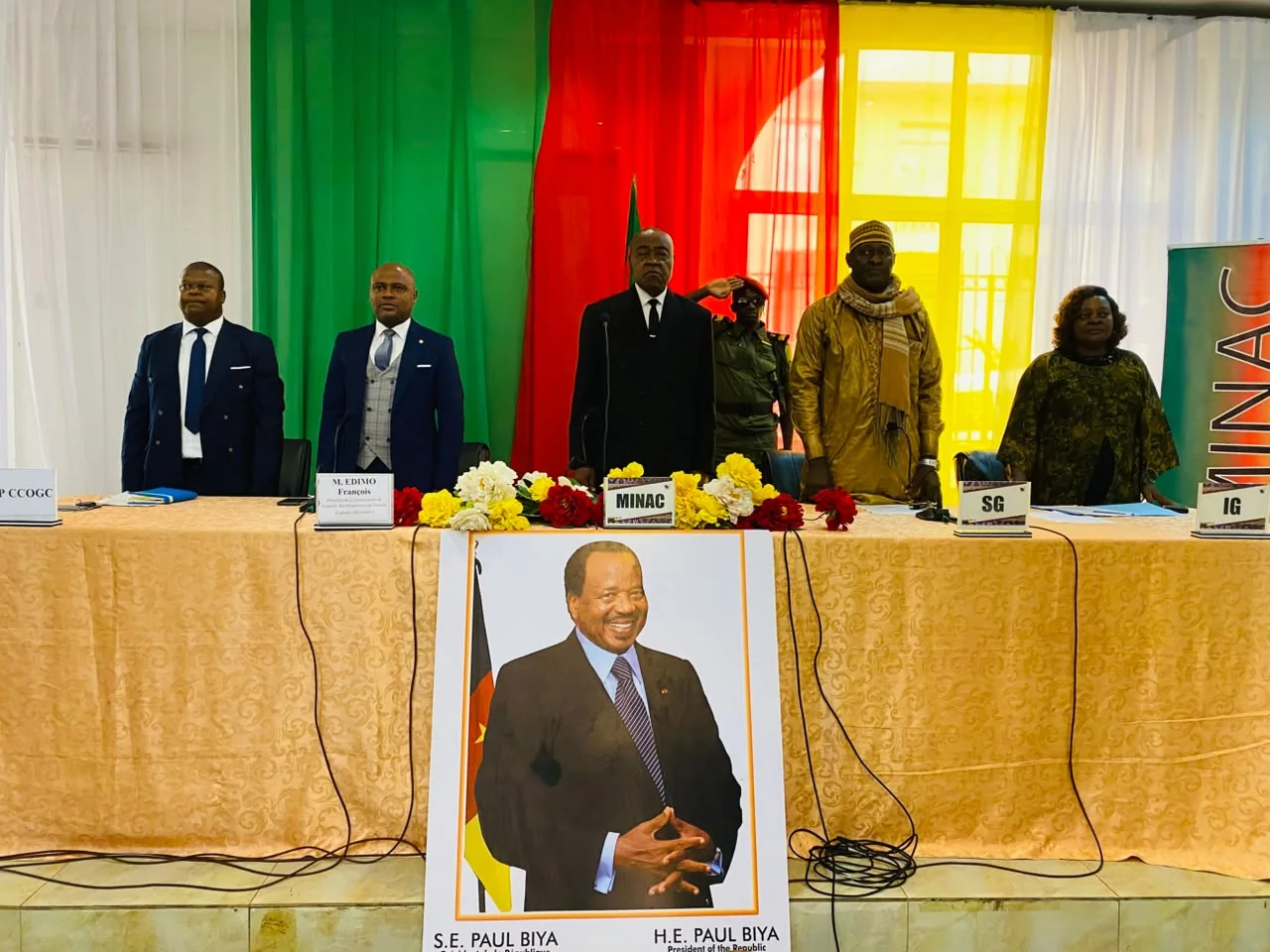
A group of men and women in varied outfits poses on the steps in front of a building entrance.

The Ministry of Arts and Culture is committed to welcoming every user, responding to their requests and handling their complaints seriously. Artists, associations, festival organisers, researchers, students or ordinary citizens: anyone who contacts the Ministry is entitled to a courteous reception, clear information and a reasoned reply.

This page presents the service commitments, mediation, the accessibility of the site and premises, and the complaint channels. It relies on existing tools: the One-Stop Shop, file tracking, reporting and the contact form.


  • Service commitments
  • Mediation and complaints
  • A legible and accessible site
Read the commitments
Commitments

Our service commitments to users

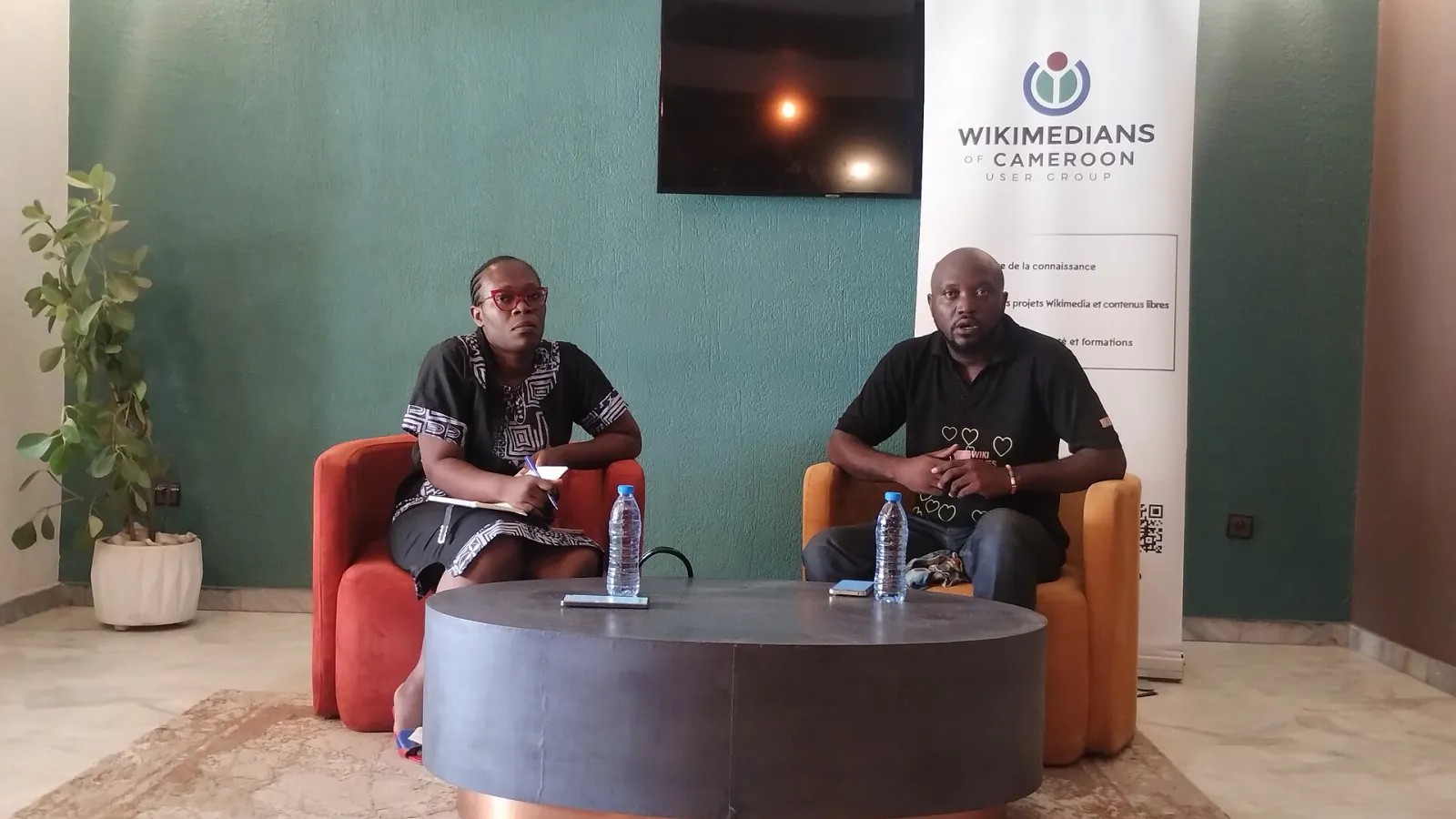
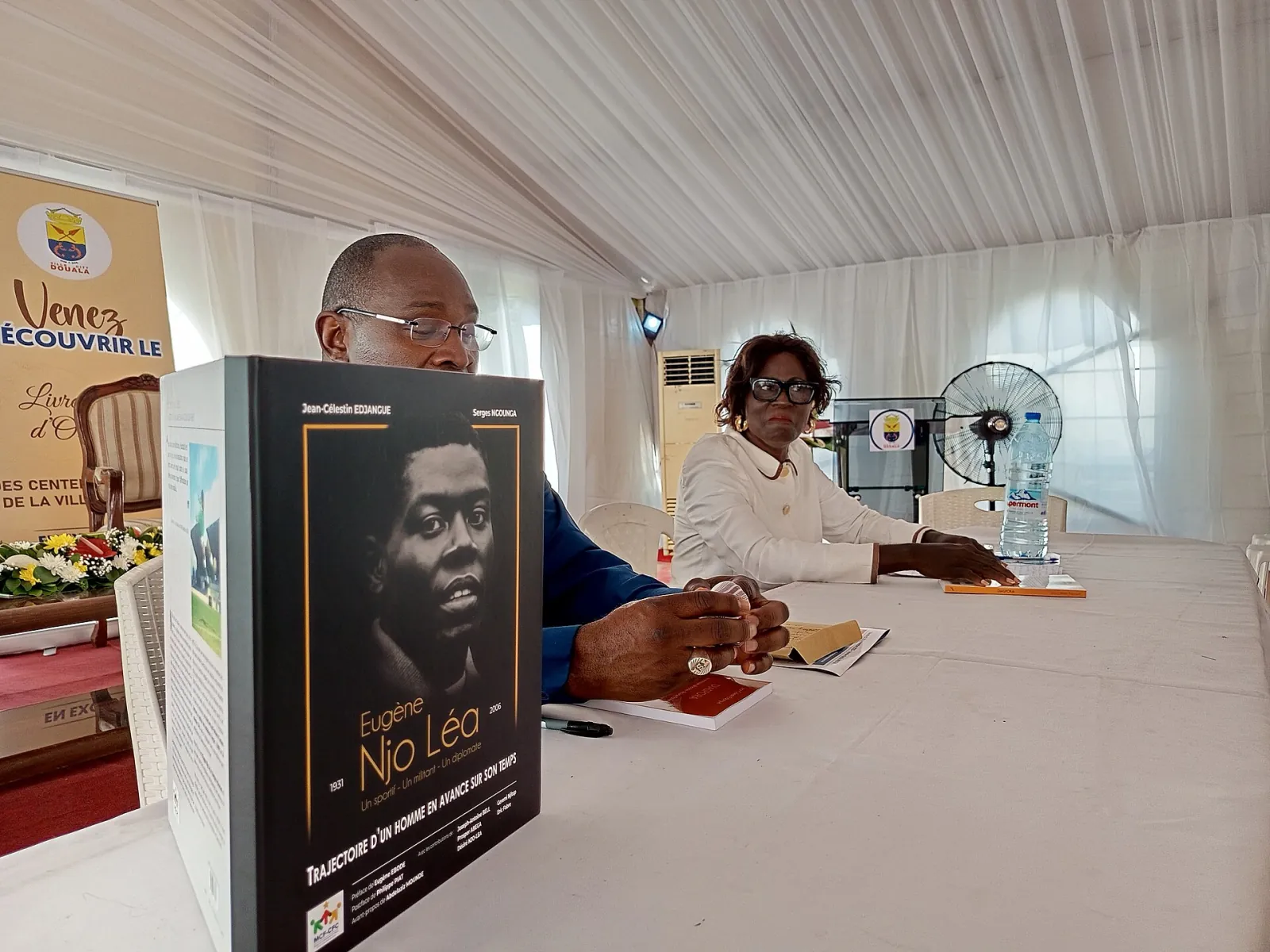
Two speakers seated in front of a banner at the launch of a photo competition

Welcome, inform, guide: these three verbs sum up the relationship the Ministry wishes to maintain with its users. Every file submitted receives an acknowledgement of receipt and a tracking number, which can be consulted online at any time. No file should remain unanswered: the user is informed of the progress of their request, of any need to complete their documents, and of the final decision.

What you can expect

  • A respectful welcome, at headquarters as in the regional delegations;
  • Clear information on the documents to be provided, with forms available online;
  • A file number that allows each stage to be tracked without travelling;
  • A reasoned reply, including when the request cannot be granted;
  • Confidentiality of the personal data submitted in procedures.

What we ask in return

The quality of the service also depends on the quality of the files: legible documents, accurate information, compliance with opening hours and procedures. The fees are public and no payment is required outside the official channels.

Verifiable commitments

The commitments are reviewed regularly on the basis of the complaints received and user feedback. The General Inspectorate monitors compliance with procedures, and the opening hours and addresses page indicates where and when you can be received.

ℹ️
In practice

For any procedure, keep your file number and use file tracking before travelling.

Mediation

The mediator: settling a dispute amicably

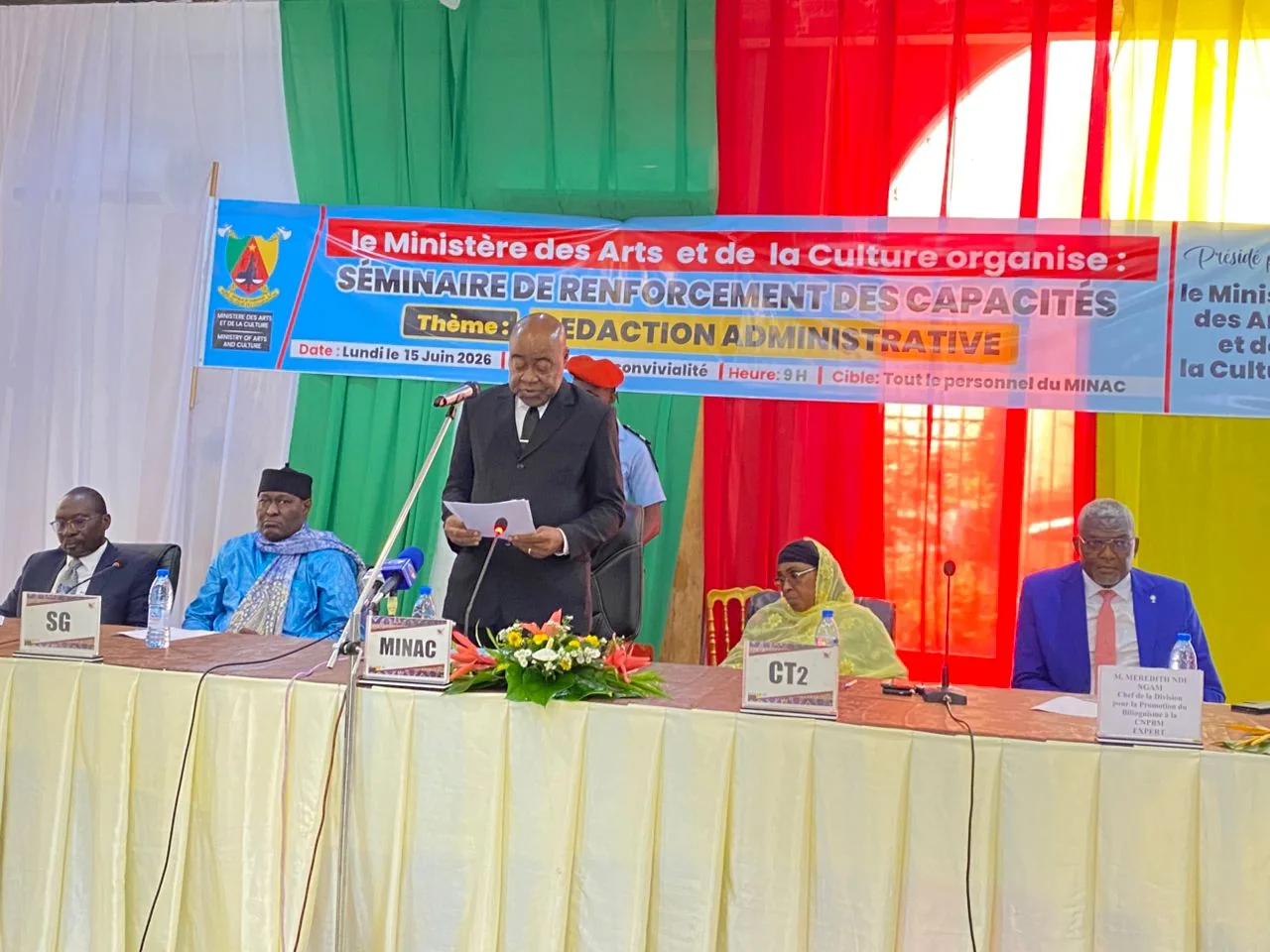
Trainer addressing participants seated around a table during a workshop

When direct dialogue with a service has failed, a user may refer the matter to the mediator. The mediator is a person independent of the services concerned, responsible for examining the situation, hearing the parties and proposing an amicable solution. Referral is free of charge and does not preclude the possibility of an appeal before the competent courts.

When to refer to the mediator

Mediation is useful when a file has remained unanswered for a long time, when a decision appears poorly reasoned or when a disagreement persists after a complaint. It is not suited to fraud or serious irregularities, which fall under reporting and the General Inspectorate.

How to proceed

  1. Write first to the service concerned, setting out the facts and keeping a copy;
  2. If the reply is unsatisfactory, send a letter to the mediator with the file number and the relevant documents;
  3. Make yourself available for an exchange so that each party can set out its position;
  4. Receive a written opinion, which recalls the facts, the applicable rules and the proposed solution.

Mediation and copyright

Disputes specific to works, contracts or collective management societies follow a specific procedure, described in the copyright Mediation section. The contact details for reaching the Ministry’s mediator are provided by the contact service.

Accessibility

The accessibility of the site and services

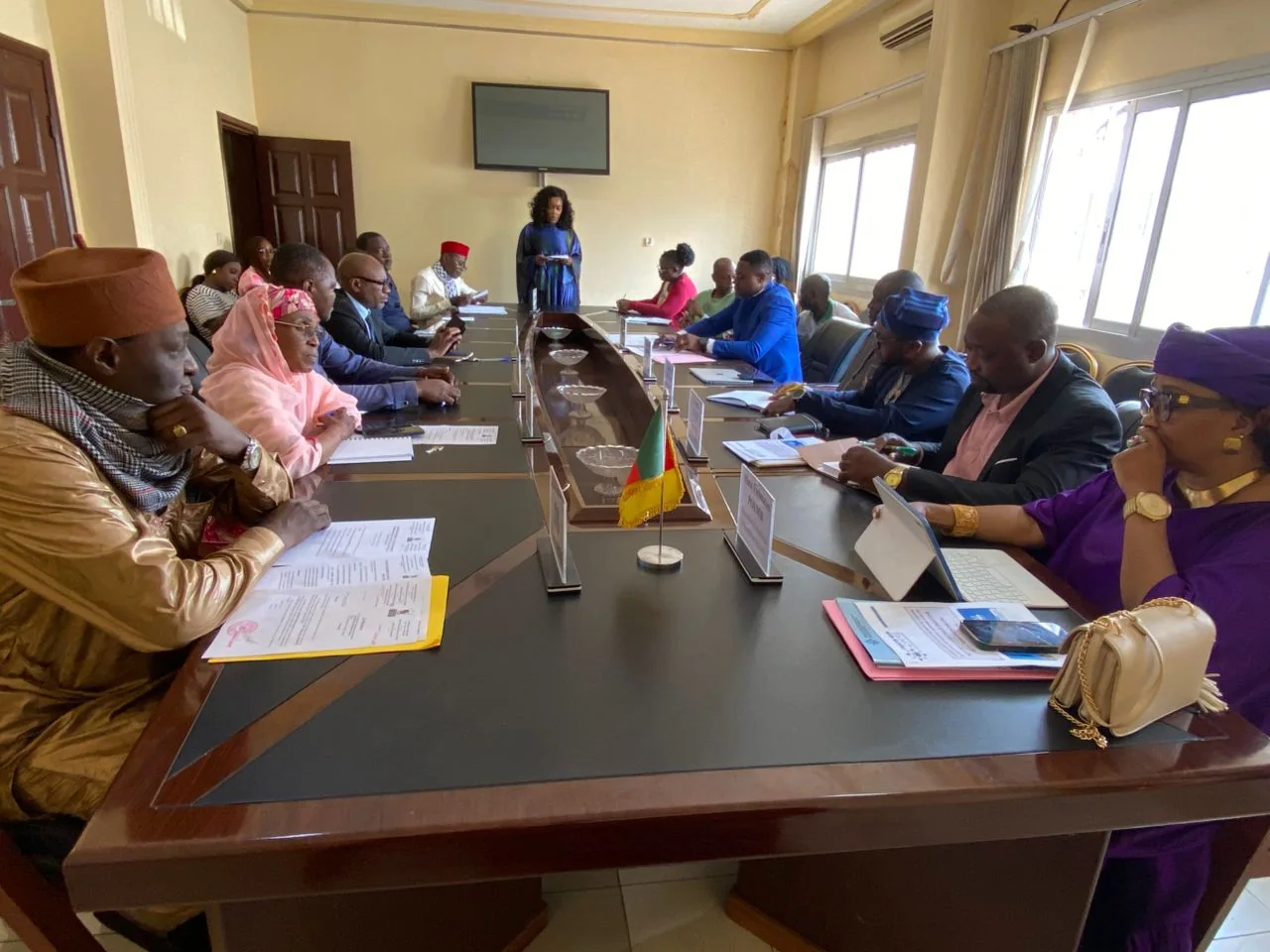
Working meeting around a large table in a Ministry room

A public service is only of quality if it can be used by everyone: persons with disabilities, older people, users with a limited connection or an entry-level phone. The Ministry’s website is designed with legible contrast, keyboard navigation, alternative texts for images and a consistent heading structure.

On the site

  • Text that can be enlarged without loss of content and legible fonts;
  • Images accompanied by descriptions for screen readers;
  • Forms in which each field is clearly labelled;
  • A site available in French and English, as required by official bilingualism;
  • Lightweight pages designed for slow connections.

In premises and cultural venues

Accessibility also concerns buildings: access ramps, signage, reserved seats, assistance for visitors. The national museums and the ticket office of the festivals specify their reception arrangements. Organisers are encouraged to provide suitable seating and clear information on access.

An ongoing approach

A formal accessibility audit is the step that will make it possible to publish an official accessibility statement. In the meantime, any difficulty encountered can be reported through the contact form; it is passed to the site team, which corrects the defects found. The site map also makes navigation easier.

ℹ️
Difficulty accessing the site?

Describe the page, the device and the difficulty encountered: we correct the obstacles reported and, if necessary, suggest another way of completing the procedure.

Complaints

Submitting a complaint or reporting a problem

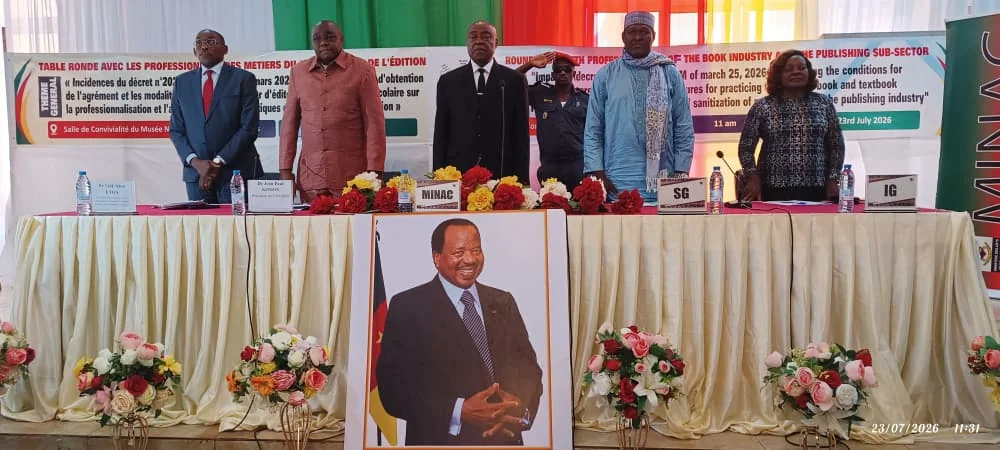
Board session of a Ministry institution, participants posing in the room

A complaint is the expression of dissatisfaction with a service provided or the handling of a file. It is a right, never a fault. To submit one, write to the Ministry describing the facts precisely: date, service, person met if you know them, file number and supporting documents.

Choosing the right channel

  • A question about the progress of a file: file tracking;
  • A disagreement or poor reception: the contact form, subject “Other”;
  • An irregularity, an undue request for payment or a breach: reporting, which can be anonymous;
  • A dispute that persists: the mediator.

What happens next

The complaint receives an acknowledgement of receipt, then is assigned to the service concerned, which examines it. The user receives a reasoned reply recalling the facts, the applicable rule and, where appropriate, the measures taken. If the handling warrants it, the file is passed to the hierarchy or to the General Inspectorate.

Protection of the person making a report

The user’s personal information is treated confidentially. No complaint may result in unfavourable treatment of the file. Personal data is managed according to the rules described in the site map, personal data section.

Step by step

From a complaint to its response

I gather the facts

Note the date, the service, the file number and what did not work; gather copies of the documents exchanged.

I choose the channel

File tracking for a question, contact for a complaint, reporting for an irregularity, mediator for a dispute.

I submit my request

Write clearly and courteously; an acknowledgement of receipt confirms that the Ministry has received your message.

The service examines the matter

The service concerned examines the facts, checks the file and, if necessary, consults the staff involved.

I receive a reasoned reply

The reply explains the decision, the rule applied and any follow-up; it proposes a solution where possible.

I continue if necessary

If the disagreement persists, you may refer the matter to the mediator, then to the competent courts.

Journey

A public service that is improving

HomeGuiding the user

Every user is received, listened to and directed to the competent directorate or service, at headquarters as in the regions.

DigitisationThe One-Stop Shop

Procedures are submitted online, receive a file number and can be tracked without travelling.

TrackingTransparency of processing

Users can check the status of their request and receive a reasoned reply, including for a refusal.

AppealComplaint and mediation

Disagreements are first settled amicably, through a complaint and then through the mediator.

ImprovementReview of practices

Complaints and suggestions feed into the regular review of procedures and service commitments.

To act

What to do depending on your situation?

Track a file

Enter your file number to find out the processing stage and any documents that may be expected.

Track my file

Submitting a complaint

Describe the facts in writing, attaching the relevant documents; you will receive an acknowledgement of receipt.

Write to the Ministry

Report an irregularity

Undue payment, inappropriate behaviour, threatened property: a report can be submitted anonymously.

Report

Get help

Guides, frequently asked questions and assistance to successfully complete your online procedures.

Online help
They used our services

Users share their experience

“
I submitted my file online and received a number. I tracked it from my phone without travelling to Yaoundé, which is real progress.
A festival organiser
Littoral Region
“
My file was blocked for lack of one document. An officer explained which one was missing, and I was able to regularise it without starting the whole procedure again.
An association president
West Region
“
I am visually impaired and use a screen reader. The described images and keyboard navigation allow me to read the site independently.
A user with a disability
Centre Region
“
After my complaint, I received a reply that explained the rule and the decision. Even though it did not rule in my favour, I understood it.
A visual artist
South-West Region

“A quality public service is a service accessible to all: someone who does not understand the procedure is not at fault, it is the procedure that must explain itself.”

A head of reception services, Yaoundé
To download

Service quality documents

Key facts

Avenues of redress at a glance

SituationWhere to applyWhat to provideLink
Question about a fileFile trackingFile numberTrack a file
Poor reception or disagreementContact formDescription of the facts, service concernedContact
Complaint about a decisionService concerned, then directorateCopy of the decision, documents from the fileCentral directorates
Irregularity or undue paymentReportingFacts, date, place, any evidenceReporting
Persistent disputeMediatorHistory of exchanges, file numberMediation
Difficulty accessing the siteContact formPage concerned, device usedSite map
Problem in a delegationRegional delegation, then headquartersPlace, date, nature of the problemDelegations
CopyrightCopyright mediationContract, work, exchangesMediation
Glossary

Vocabulary of service quality

Mediator

An independent person responsible for proposing an amicable solution to a dispute between a user and the administration.

Accessibility

The possibility for everyone to use a service or a site, including persons with disabilities.

Complaint

A request for reconsideration of a decision or an expression of dissatisfaction addressed to the administration.

Service commitment

A public promise of quality made to users concerning reception, information and follow-up.

Acknowledgement of receipt

A document confirming that the administration has received a request or a file.

File number

A unique identifier used to track the progress of a request.

Alternative text

A written description of an image, read by assistive software.

Screen reader

Software that reads aloud the content displayed, useful for blind or visually impaired people.

Appeal

A procedure to challenge a decision, before the administration or before a judge.

Reasoned decision

A reply that explains the factual and legal grounds for an approval or a refusal.

On the site

Continue with users

References

Learn more about service quality

Stakeholders

Who guarantees the quality of the service?

To explore

The tools serving the user

Questions

Your questions about quality and accessibility

How do I make a complaint?

Write to the Ministry using the contact form, describing the facts: date, service concerned, file number and supporting documents. For an irregularity, use reporting instead, which can be anonymous. You receive an acknowledgement of receipt, then a reasoned reply.

Is the site accessible to people with disabilities?

It is designed to be: legible contrast, keyboard navigation, alternative texts for images. A formal audit will make it possible to publish an official accessibility statement. If a page causes you difficulty, report it: the site team corrects the obstacles.

Where can I find the mediator?

The mediator can be approached after a complaint has remained without a satisfactory reply. Write first to the service concerned, then request the mediator’s contact details through the contact form, attaching the file number. Referral is free of charge and does not prevent an appeal before a judge.

How can I track the progress of my file?

Go to file tracking and enter the number received when you submitted it. You will see the current stage, the documents expected and the decision once it has been issued. If it is blocked, write to the Ministry quoting this number.

Can the Ministry ask me for money to process a file?

Only the fees set by the regulations are due, and they appear on the fees page. Any request for a sum outside the official channels is an irregularity: keep the evidence and use the reporting form.

Is the site available in English?

Yes. The site is available in French and English, in line with the country’s official bilingualism. The procedures, forms and main pages are available in both languages; for assistance, you may write to the Ministry in either.

What if I do not have an internet connection?

You can submit a file on paper at headquarters or at a regional delegation. An officer helps you fill in the forms and enters your request into the system, which gives you a tracking number. Check the opening hours and addresses before travelling.

Will my complaint message be treated confidentially?

Yes. Personal information is shared only with the officers who examine the complaint. It cannot be used to disadvantage your file. For a report, you have the option of not revealing your identity.

Contact

Write to the Ministry: Quality and accessibility

Describe your complaint.

For any complaint

Contact the Ministry

Address

Ministry of Arts and Culture
Quartier du Lac – Ministerial Zone
P.O. Box 1053 Yaoundé, Centre Region, Cameroon

Reach us

+237 6 51 70 58 41

contact@minac.gov.cm

Opening hours

Monday to Friday, 8 am to 4 pm

Report a problem

Use the reporting form for an irregularity, a breach or a threatened property.

Reporting
WhatsApp