
Bookshop approval
Officially recognises a bookshop as a point of sale for books, distinguishes it from general retailers and opens access to public purchasing and book support schemes.
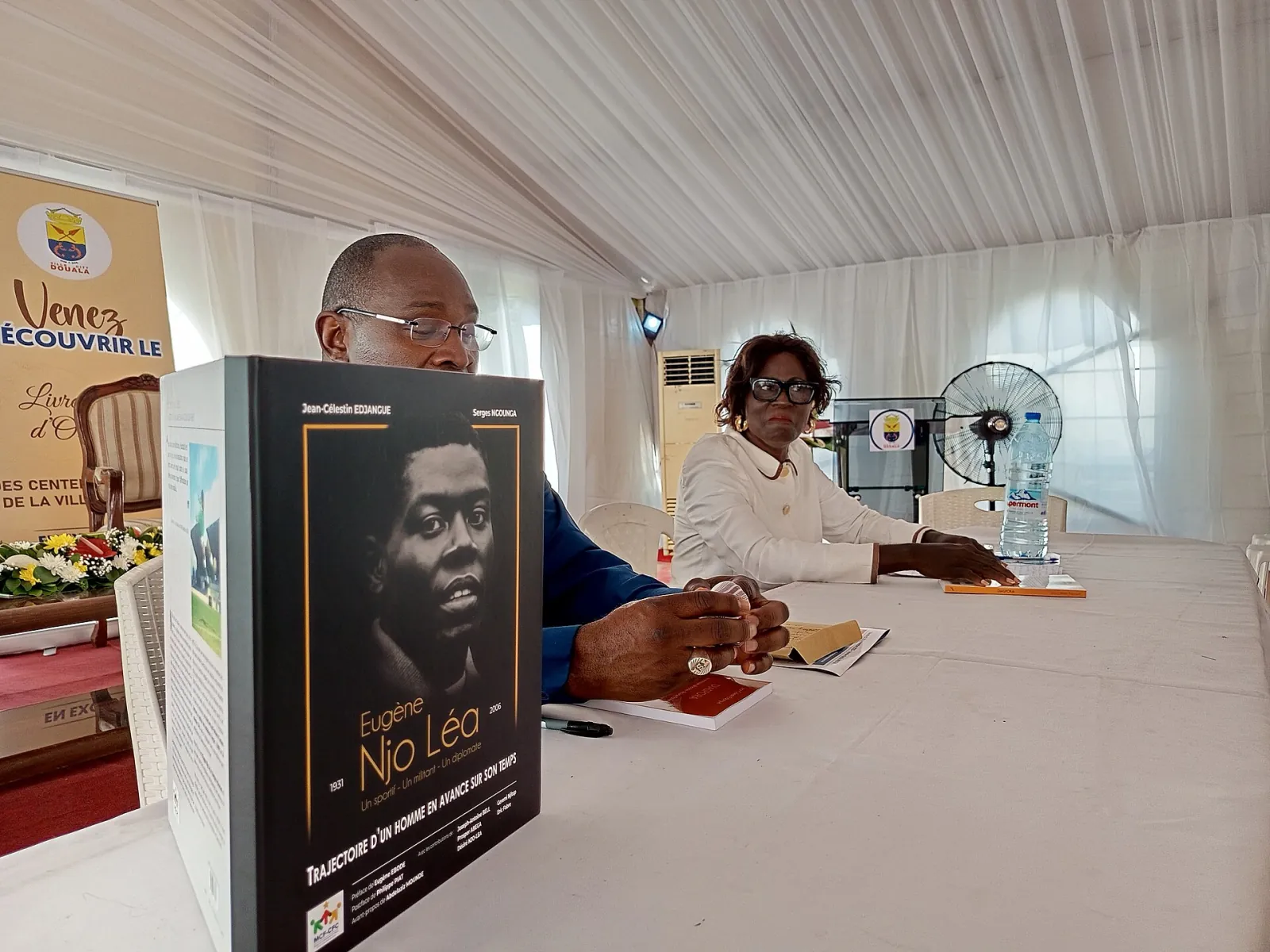
An approved bookshop is a business that offers a varied stock of books, open to the public all year round. MINAC approval verifies the nature of the stock, the running of the shop and compliance with the fixed book price. It allows the bookshop to fulfil orders from libraries, schools and institutions and to take part in book fairs. The procedure is open to independent neighbourhood bookshops as well as large chains.
- Fee payable
- 50,000 FCFA
- Turnaround
- Allow 20 to 30 working days from a complete file, including a visit
- Validity
- Valid for 5 years, renewable on presentation of a new inventory
- Documents to provide
- 8
Who is this procedure for?
Traders and companies that operate a point of sale whose main activity is selling books may apply for approval. Seasonal kiosks and stationery outlets where books are marginal are excluded, unless they prove a maintained book stock.
Processing time. Allow 20 to 30 working days from a complete file, including a visit. Insufficient purchase receipts or a stock that needs building up may extend the period or lead to a conditional decision.
Before you begin
- The point of sale must have a stock of at least one thousand different titles, from varied publishers and fields, accessible to customers.
- Books must account for the main share of turnover or of sales floor space, which the bookshop shows through its invoices and inventory.
- The premises must be open to the public at regular hours, with a suitable display area and clearly visible signage.
- The bookseller undertakes to respect the prices set by publishers and not to sell works reproduced without authorisation.
Documents to provide
- Approval application signed by the bookseller
- Trade register extract and tax identification number
- Identity document of the manager
- Lease or title deed of the commercial premises
- Photographs of the sales area, shelves and shopfront
- List of the main suppliers and publishers with which the bookshop works
- Extract of the stock inventory, by section and number of titles
- Insurance certificate for the premises and stock
Step by step
- Draw up the inventoryList the stock by section: literature, children’s books, science, school books, national languages. State the number of titles per shelf.
- Gather the supporting documentsAttach the trade register extract, the lease and recent invoices for purchases from publishers or distributors.
- Submit the fileUpload the documents to the One-Stop Shop and pay the fee shown before payment.
- Visit to the point of saleAn officer from the regional delegation checks the opening, the stock and the price display during an on-site visit.
- Approval decisionThe approval is notified. You may display the approved bookshop wording and appear in the Ministry’s directory of booksellers.
Special cases
If stationery accounts for a large share of the business, separate the turnover figures in the file. Books must remain the establishment’s dominant activity.
A bookshop that sells over the internet submits the same documents and describes its warehouse and delivery methods. A physical collection point is appreciated.
Each point of sale is subject to its own approval. The branch file may refer to documents already supplied for the company.
Frequently asked questions
Can a bookshop sell school textbooks?
Yes, and this segment is often decisive in provincial towns. It must, however, be accompanied by a general stock in order to meet the approval criteria.
Must only Cameroonian books be sold?
No, approval imposes no origin. Sufficient space given to Cameroonian publishers is nevertheless valued in the review of the stock.
Does approval allow sales to the State?
It facilitates access to orders from libraries and public institutions, which give preference to approved booksellers in their consultations.
What happens if I move premises?
Inform the regional delegation before the move. A new visit may be arranged to confirm that the new location complies.
Useful templates and documents
- Invoice for a work of artInvoice
- Sales statementRegister
- Gallery owner’s licence certificateCertificate
Reference texts
- Law No. 2000/011 of 19 December 2000 on copyright and neighbouring rightsLaw
- Decree on the organisation of the Ministry of Arts and CultureDecree
Services that process the file
- Directorate of General Affairs
- Regional Delegations
Conseil. Présentez l’inventaire par rayon avec des photographies datées : l’agent de visite pourra rapprocher ces éléments de ce qu’il constatera sur place.
Submit the file
Fee payable: 50,000 FCFA
Have an account? Sign in to pre-fill the form and attach your documents.