
Approval as an art restorer
Authorises a professional to restore and conserve works of art and heritage objects, on the basis of proven technical competence and a code of ethics of non-alteration.
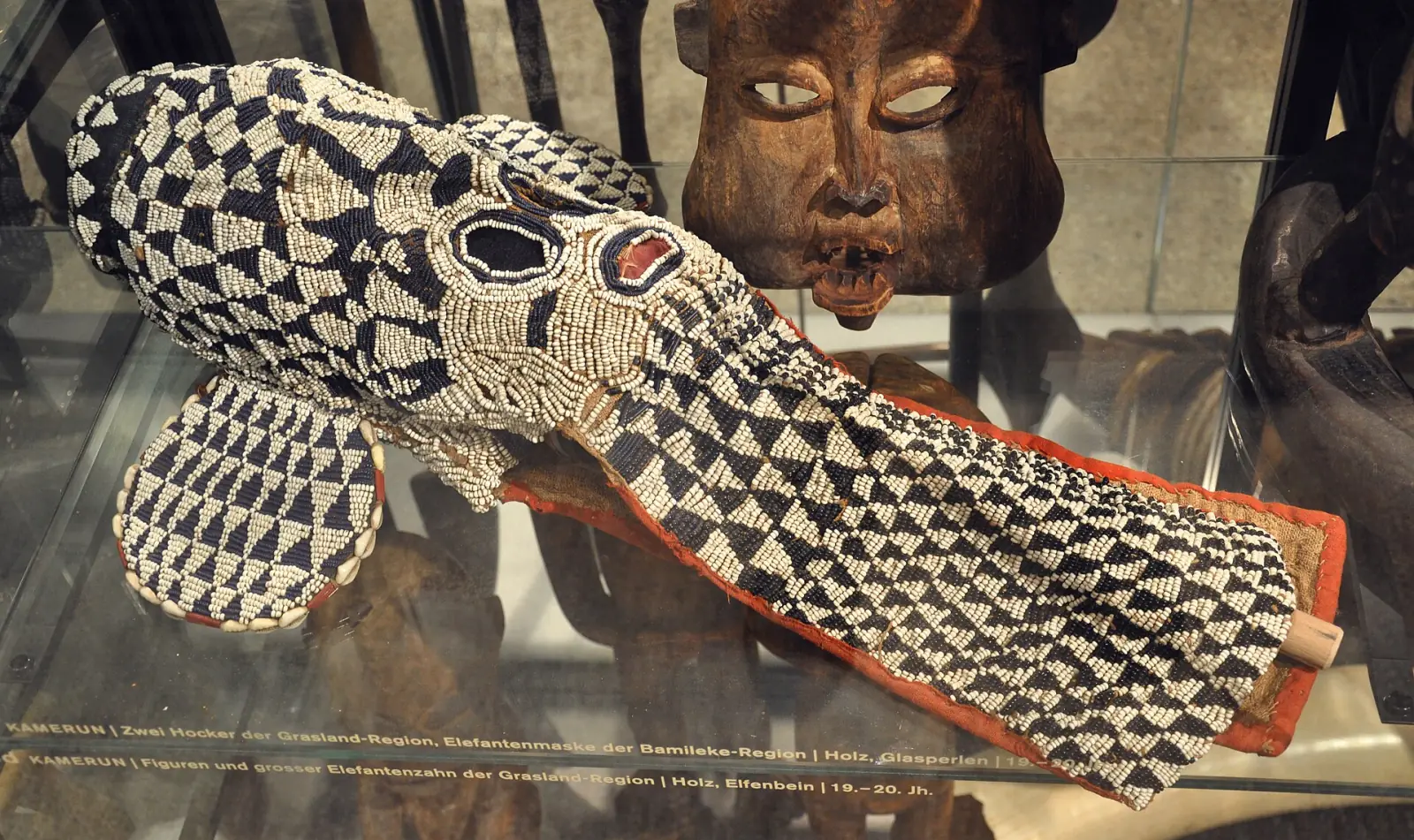
Restoring an old work, a mask, a painting or a textile piece is an irreversible act if badly carried out. The restorer’s licence guarantees that the professional masters conservation techniques, respects the integrity of the object and documents each of their interventions. It is required to work on property belonging to the State, to local authorities or to institutions, and strongly recommended for private collections. The licence covers a speciality: wood, textile, metal, paper, painting, ceramics. It requires a restoration report to be submitted for each work treated.
- Fee payable
- 75,000 FCFA
- Turnaround
- Processing takes 25 to 35 working days, workshop visit included
- Validity
- Valid for 5 years, renewable.
- Documents to provide
- 8
Who is this procedure for?
Any restorer or conservator-restorer, self-employed or employed by a workshop, with recognised training or demonstrated practice in treating works of art and heritage objects. Artists who retouch their own creations do not need to apply for the licence.
Processing time. Processing takes 25 to 35 working days, workshop visit included. An insufficiently equipped workshop or reports that are too summary lead to requests for additional documents.
Before you begin
- Show training in restoration or conservation, or at least five years of practice in a precisely identified speciality.
- Have a suitable, secure workshop equipped for the storage and treatment of works, with controlled climatic conditions.
- Undertake to apply principles of reversible restoration and to document each intervention with a report and photographs.
- Be covered by insurance guaranteeing works entrusted during their stay at the workshop and in transit.
Documents to provide
- Copy of the national identity card or passport
- Diplomas, training certificates or internship certificates in restoration
- Portfolio of work: six documented restorations with photographs before, during and after
- Certificates from project owners: museums, communities, galleries or collectors
- Description of the workshop, with plan, photographs and list of equipment
- Insurance certificate covering entrusted works
- Extract from the criminal record, less than three months old
- Model restoration report and condition report used
Step by step
- Definition of the specialityState the main material of your activity: polychrome wood, textile, metal, painting on canvas, paper.
- File submissionAttach the documented works and certificates, then pay the fee displayed before payment.
- Technical studyA specialist from the Directorate of Cultural Heritage examines your reports and your treatment choices.
- Workshop visitAn officer checks on site the storage conditions, security and organisation of intervention files.
- Notification of the licenceThe certificate stating your specialities is issued to you. You are entered on the list of licensed restorers.
Special cases
To restore property in a chiefdom or a church, for example in Bandjoun, the restorer must obtain the community’s consent and notify the Regional Delegation before intervening.
A recent graduate without five years of practice may obtain a provisional one-year licence, under the sponsorship of a licensed restorer who supervises their first projects.
Work on listed property requires specific authorisation from the Listing and Protection Service, accompanied by a detailed treatment protocol.
Frequently asked questions
Must I document all my interventions?
Yes. Each restoration gives rise to a report with an initial condition report, products used, operations carried out and photographs. This report is given to the owner and kept by you.
May I use any product?
You should favour reversible, stable materials compatible with the work. Irreversible interventions must be justified in the report and accepted by the owner.
Does the licence cover all materials?
No, only the specialities stated on the certificate. To treat another material, you must request an extension by proving your competence in that field.
What should I do if the work is more damaged than expected?
Stop the intervention, draw up a supplementary condition report and inform the owner in writing before continuing. A change to the quotation requires their consent.
Useful templates and documents
- Condition report on a workMinutes
- Conservation condition monitoring sheetProfile
- Restoration certificateCertificate
- Preventive conservation planReport
- Restoration reportReport
Reference texts
- Law No. 2013/003 of 18 April 2013 governing cultural heritage in CameroonLaw
- Decree on the organisation of the Ministry of Arts and CultureDecree
- Conservation-restoration guideGuide
Services that process the file
- Directorate of Cultural Heritage
- Listing and Protection Service
Conseil. Photographiez systématiquement l’œuvre sous le même angle et avec la même lumière avant, pendant et après le traitement : ces images forment le cœur de vos rapports.
Submit the file
Fee payable: 75,000 FCFA
Have an account? Sign in to pre-fill the form and attach your documents.