
Approval as an art expert
Officially recognises a specialist able to authenticate, appraise and document works of art, whose reports are accepted by the administration and professionals.
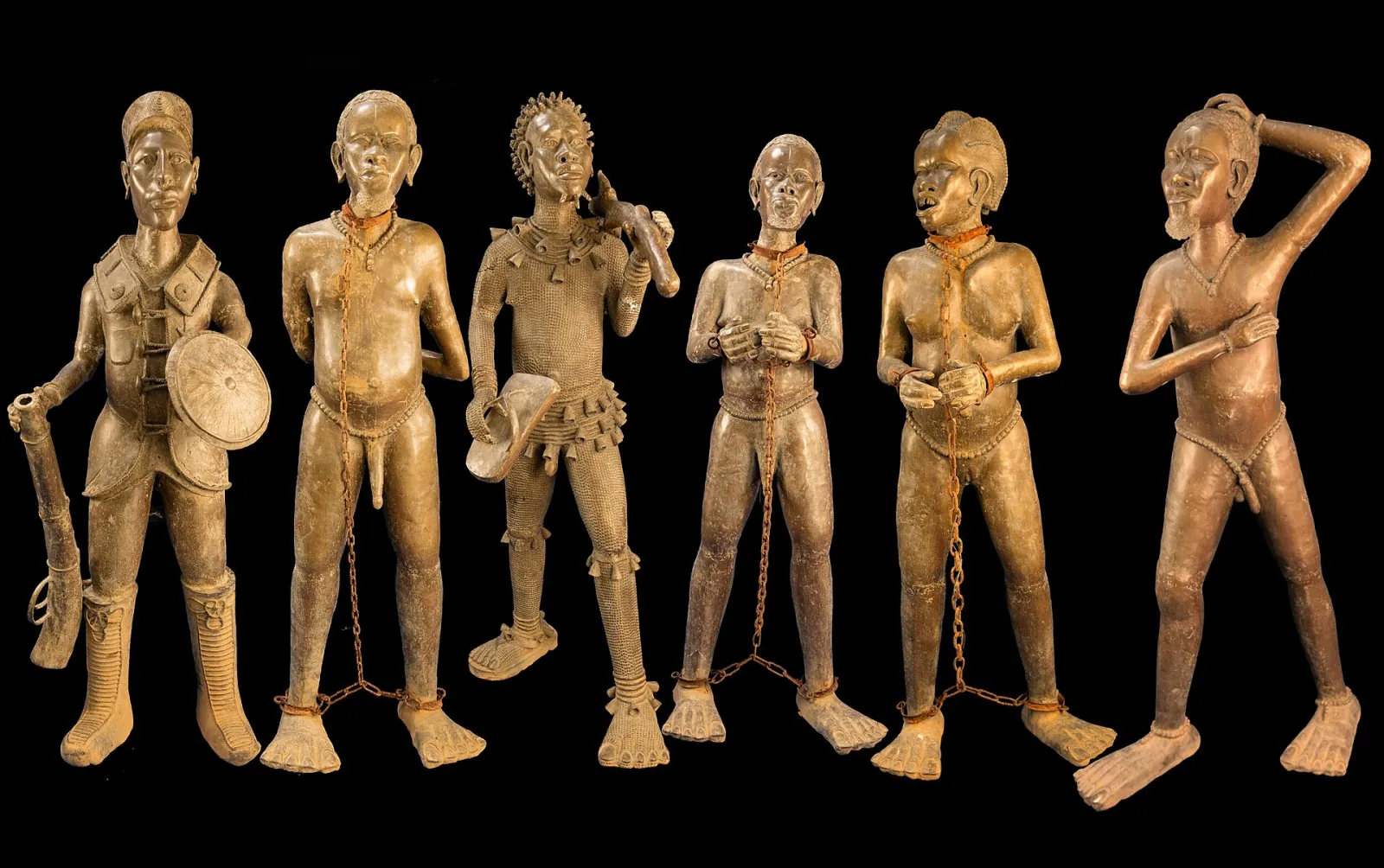
The art expert authenticates, dates, attributes and appraises pieces at the request of collectors, galleries, auction houses, insurers or the administration. Their conclusions carry great weight: they determine sales, insurance, exports and sometimes restitution procedures. The licence guarantees that the expert has demonstrated competence in a specific field, acts with full independence and takes responsibility for their work. Reports by a licensed expert are accepted as supporting documents in procedures with MINAC, notably for certificates of authenticity and circulation authorisations.
- Fee payable
- 100,000 FCFA
- Turnaround
- Allow 35 to 45 working days
- Validity
- Valid for 5 years, renewable on proof of expert activity.
- Documents to provide
- 8
Who is this procedure for?
Anyone with recognised competence in a field of art: traditional Central African arts, sculpture, contemporary painting, textiles, bronzes, ritual objects or archaeology. Curators, academics, former museum officials and long-standing connoisseurs may apply.
Processing time. Allow 35 to 45 working days. The committee’s reading of the reports and the scheduling of the hearing are the longest stages.
Before you begin
- Show a precise speciality and at least five years of practice in expertise, conservation or research in that speciality.
- Present reference work: publications, expert reports, catalogues, studies carried out for institutions.
- Declare any links with galleries, collectors or auction houses, in order to avoid any conflict of interest.
- Undertake to comply with a code of ethics forbidding the purchase for oneself of a work one has appraised.
Documents to provide
- Copy of the national identity card or passport
- Scientific curriculum vitae, with list of publications and appraisals carried out
- University degrees or training certificates in art history, anthropology or archaeology
- Three expert reports written by you, anonymised
- Letters of recommendation from two institutions: museum, university, heritage directorate or gallery
- Declaration of conflicts of interest with the art market
- Extract from the criminal record, less than three months old
- Professional liability insurance certificate
Step by step
- Choice of specialityState precisely your field or fields of competence in the form, for example Grassfield bronzes or contemporary painting.
- File submissionUpload your references and reports, then pay the fee displayed before payment.
- Reading of the reportsA committee of peers appointed by the Directorate of Cultural Heritage reads your reports and assesses their methodological rigour.
- HearingYou are summoned to present your method, sometimes with a study of a piece submitted by the committee.
- ApprovalThe certificate states your fields of expertise. It is issued at the One-Stop Shop and your name is entered on the list of licensed experts.
Special cases
A lecturer-researcher in Yaoundé may put forward their scientific publications, but must also produce practical expert reports, since research alone is not sufficient.
If you later wish to extend your licence to a new field, you simply submit a supplementary file with new reports and references.
An expert employed by a gallery may not appraise that gallery’s works. They must recuse themselves and the report must be entrusted to another licensed expert.
Frequently asked questions
Does a licensed expert’s report guarantee authenticity?
It engages the expert’s responsibility and constitutes solid evidence, but it remains a reasoned opinion. The report must state its limits, the examinations carried out and any reservations.
May I appraise listed property?
Only at the request of the heritage services or with their authorisation. Listed property cannot be the subject of independent commercial appraisals.
How long must I keep my files?
You must keep reports, photographs and working notes for at least ten years. They may be requested in the event of a challenge or inspection.
Does the licence authorise me to sell works?
No. The expert’s independence implies that they derive no direct profit from the sale of works they appraise. They receive only fees for their work.
Useful templates and documents
- Certificate of authenticityCertificate
- Expert reportReport
- Condition report on a workMinutes
Reference texts
- Law No. 2013/003 of 18 April 2013 governing cultural heritage in CameroonLaw
- Decree on the organisation of the Ministry of Arts and CultureDecree
- Guide for licensed expertsGuide
Services that process the file
- Directorate of Cultural Heritage
- Cultural Property Circulation Service
Conseil. Choisissez pour votre dossier des rapports qui montrent votre méthode de travail : examen matériel, comparaisons, références bibliographiques et conclusion argumentée.
Submit the file
Fee payable: 100,000 FCFA
Have an account? Sign in to pre-fill the form and attach your documents.