
Heritage digitisation support
This procedure allows an institution, an association or a community to apply for funding to digitise collections, archives, recordings or objects of cultural heritage.
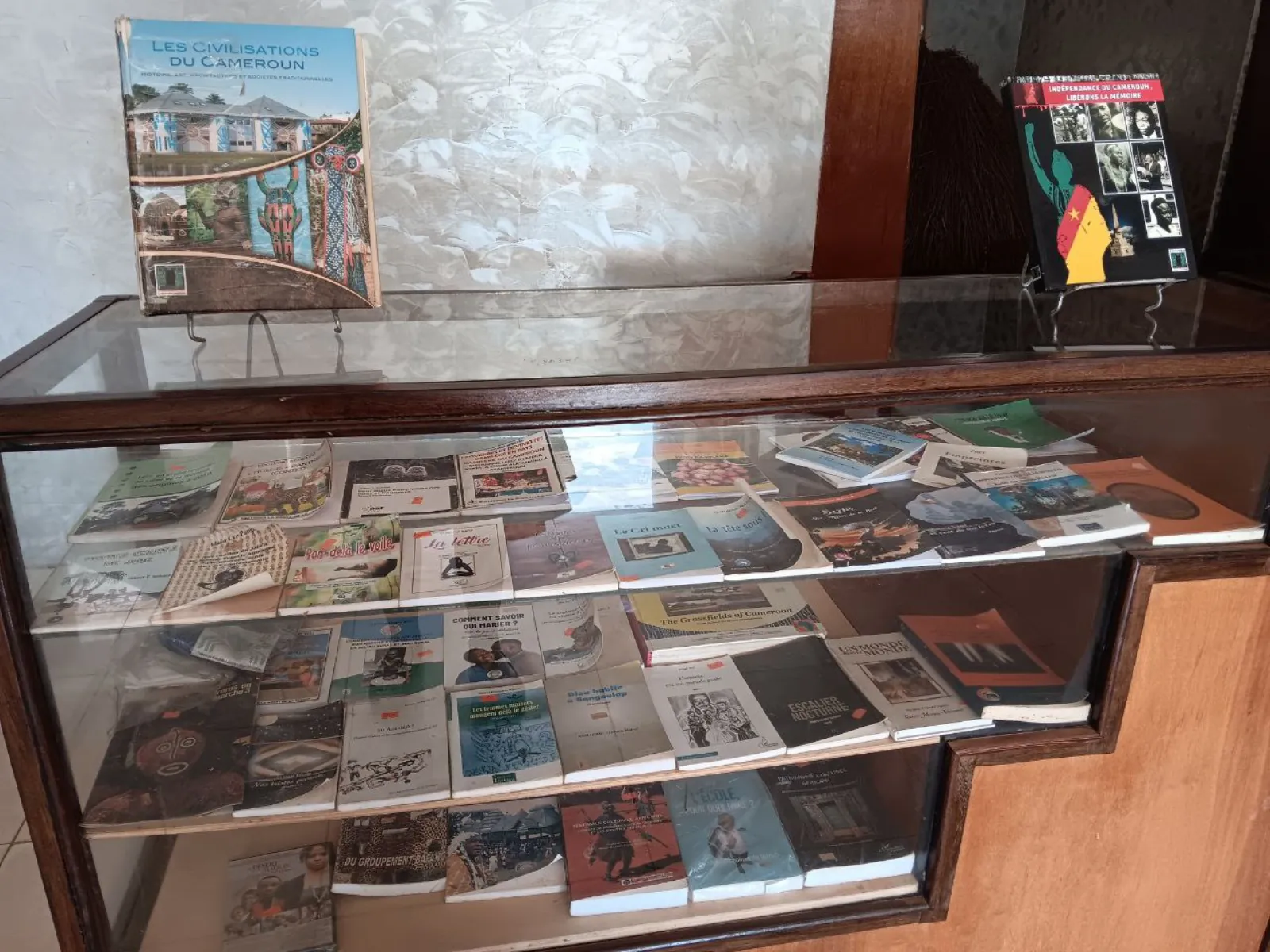
Heritage digitisation support funds the conversion of documents, objects and recordings into durable digital files: manuscripts, old photographs, sound archives, films, museum collections, chiefdom objects. It covers digitisation equipment, staff training, secure storage and description of the holdings. It promotes the safeguarding of threatened items, their remote consultation and their educational use, in respect of the rights of communities and authors.
Step by step
- Submission of the projectYou describe the holdings, their risks of deterioration and the digitisation schedule, then upload the budget and the authorisations.
- Heritage assessmentThe Directorate of Cultural Heritage assesses the value and urgency of safeguarding the holdings, if necessary after a site visit to record their condition.
- Technical reviewAn expert in digital preservation checks the choices of formats, storage and metadata, and makes recommendations.
- Decision and agreementIf the project is selected, the agreement sets the support, the expected deliverables and the deposit of a copy of the files with the Ministry.
- Delivery and paymentAt the end of the project, you deliver the files and a report. The balance is paid after verification of a sample of the digitisation.
- Fee payable
- Free
- Turnaround
- The review takes about fifty working days
- Validity
- Support valid for the duration of the project, for a maximum of 18 months
- Documents to provide
- 8
Documents to provide
- Digitisation support application form completed and signed
- Description of the holdings: nature, volume, dates, condition, photographic samples
- Digitisation plan: formats, resolution, naming, metadata, processing schedule
- Detailed budget: equipment, service providers, training, storage and backup
- Authorisation from the owner of the holdings or the community, including any access restrictions
- Statutes of the organisation and identity document of its manager
- Certificate for the planned storage space and file backup plan
- Access and reuse policy for the digitised files
Before you begin
- Lawfully hold the holdings to be digitised or be mandated by their owner, with a clear description of their content and condition.
- Present a digitisation plan specifying the formats, resolution, metadata and long-term preservation arrangements.
- Designate a trained team or undertake to train at least two people in digitisation techniques and file preservation.
- Guarantee public access to all or part of the data, in respect of copyright and customary prohibitions.
Who is this procedure for?
Museums, libraries, archive centres, chiefdoms, cultural associations, universities and research bodies that hold heritage collections. Private owners of collections may apply if they undertake to make part of the holdings publicly accessible. Local authorities managing a collection are also eligible.
Processing time. The review takes about fifty working days. A site visit to record the condition of the holdings, or waiting for a community’s agreement, may add two to four weeks.
Frequently asked questions
Does the support fund the purchase of a scanner?
Yes, if the equipment is suited to the holdings and the organisation undertakes to use it over the long term. Everyday equipment, such as an office computer, is not covered.
Who keeps the digital files?
You keep them and the Ministry receives a backup copy. Dual preservation, on two different media and at two sites, is required to reduce the risk of loss.
Can works protected by copyright be digitised?
Yes, for preservation. Online distribution requires the agreement of the authors or their successors in title, in accordance with the 2000 law. The access plan must provide for this case.
Does staff need to be trained?
Yes. Basic training in handling documents, digitisation and file naming is required, and may be included in the support budget.
Special cases
Sensitive or sacred documents are not distributed without the agreement of the traditional authorities. The access plan provides for distinct levels of consultation.
These media deteriorate quickly. The file demonstrates the condition of the tapes and the urgency of treatment, and may provide for the use of a specialist provider.
The museum digitises its objects as a priority according to the inventory. It may involve the public in identifying old pieces and publish the records on a shared portal.
Useful templates and documents
- Condition report on a workMinutes
- Digital reproduction licenceContract
- Preventive conservation planReport
- Standardised inventory sheetProfile
- Collections accession registerRegister
Reference texts
- Law No. 2013/003 of 18 April 2013 governing cultural heritage in CameroonLaw
- Texts in force relating to the inventory and conservation of heritageText
- Guide to heritage digitisation, MINAC One-Stop ShopGuide
Services that process the file
- Directorate of Cultural Heritage
- Listing and Protection Service
- Grants Service
Conseil. Commencez par un échantillon d’une cinquantaine de pièces numérisées selon votre plan : il rassure la commission sur vos méthodes et révèle les difficultés avant le grand chantier.
Submit the file
This procedure is free of charge.
Have an account? Sign in to pre-fill the form and attach your documents.