
Archaeological excavation permit
This procedure issues authorisation to carry out archaeological excavations at a given site, under the Ministry’s supervision, by a qualified scientific team.
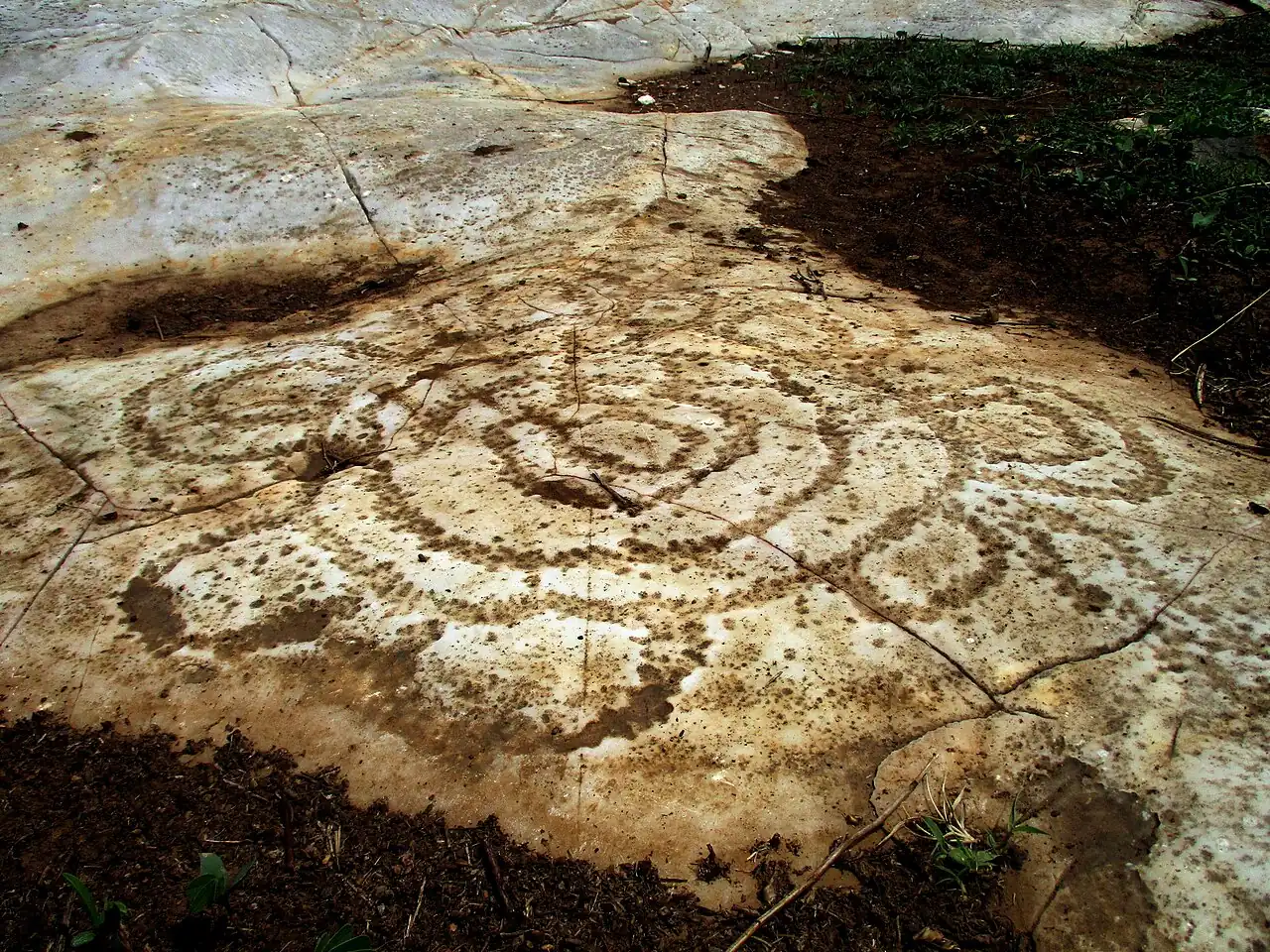
Every archaeological excavation, whether planned by a university, a research institute or a foreign team, must be authorised by the Ministry. The authorisation sets the perimeter, duration, method, scientific lead and the fate of the objects unearthed. You obtain an order that makes the campaign lawful, protects the site for the duration of the operation and defines your reporting obligations. This procedure ensures that discoveries are documented, preserved and shared, and that no clandestine excavation destroys irreplaceable information about Cameroon’s past.
Documents to provide
- Excavation authorisation application form completed online
- Detailed scientific project: objectives, methods, schedule, team, budget
- Curriculum vitae of the lead and the main team members
- Letter of affiliation from a Cameroonian research institution
- Location plan and site coordinates, with a map of the perimeter
- Written agreement of the landowner and the local traditional authority
- Plan for the conservation of finds and the proposed place of deposit
- Certificate of insurance for the team during the campaign
Before you begin
- The scientific lead must demonstrate qualifications in archaeology and field experience, attested by a curriculum vitae and previous publications or reports.
- The project must include a scientific research question, an excavation protocol and a plan for the conservation of the objects and data collected.
- The agreement of the landowner and that of the traditional authority or neighbouring community must be obtained in writing before any work on site begins.
- The applicant must undertake to deposit the archaeological finds with an institution designated by the Ministry once the studies are complete.
- Fee payable
- 200,000 FCFA
- Turnaround
- Processing takes 45 to 60 working days
- Validity
- Valid for the authorised campaign, for a maximum of 12 months, with annual renewal for multi-year programmes
- Documents to provide
- 8
Step by step
- Submission of the projectThe scientific project and administrative documents are submitted at least three months before the desired start of operations.
- Scientific evaluationThe Scientific Council for Heritage examines the relevance, method and qualifications of the team. Clarifications may be requested.
- Local consultationThe regional delegation verifies the agreement of neighbouring communities and may organise an information meeting on the project.
- Issue of the authorisationThe Minister signs the authorisation order, setting the perimeter, duration and excavation requirements. A monitoring officer is designated.
- Reports and deposit of findsAn operation report is submitted at the end of the campaign, and the finds are inventoried and then deposited with the designated institution.
Who is this procedure for?
The application is submitted by an archaeologist holding a postgraduate degree or with proven experience, attached to a university, institute or museum. Foreign teams must partner with a Cameroonian counterpart. Companies carrying out preventive excavations before works may also apply.
Processing time. Processing takes 45 to 60 working days. It may take longer where the site is sensitive, where local consultation is incomplete or where the scientific council requests changes to the protocol.
Special cases
When the opening of a road or quarry threatens a site, the operation is carried out as a matter of urgency by a qualified team. The cost is borne by the developer under the rules in force.
Partnership with a Cameroonian institution is compulsory. Foreign researchers also apply for a research visa, which the Ministry supports with an invitation letter.
In-depth dialogue with the community is required and the traditional authority must approve each stage. Some areas may be excluded from the perimeter or excavated without public exhibition.
Useful templates and documents
- Preventive conservation planReport
- Storage deposit agreementContract
- Standardised inventory sheetProfile
- Collections accession registerRegister
Frequently asked questions
Can I take samples abroad for analysis?
Yes, with specific authorisation. You must state the nature and quantity of the samples, the receiving laboratory and the return date. The samples remain the property of the Cameroonian State.
Do the objects I discover belong to me?
No. Archaeological finds belong to the State. Researchers have a priority right of study and publication for the period set in the authorisation order.
What happens if a burial is discovered?
Work is suspended in the area concerned and the Ministry is notified immediately. Specific requirements are defined with the community before work resumes.
Is a separate authorisation needed to photograph the site?
Images of the excavation intended for scientific publication are covered by the authorisation. Commercial or media use requires a separate application to the Directorate of Cultural Heritage.
Reference texts
- Law No. 2013/003 of 18 April 2013 governing cultural heritage in CameroonLaw
- Decree on the organisation of the Ministry of Arts and CultureDecree
- User guide: setting up an excavation projectGuide
Services that process the file
- Directorate of Cultural Heritage
- Listing and Protection Service
Conseil. Associez dès la conception du projet un étudiant ou un chercheur camerounais et la communauté locale : cela renforce le dossier devant le conseil scientifique et facilite l’accès au site.
Submit the file
Fee payable: 200,000 FCFA
Have an account? Sign in to pre-fill the form and attach your documents.