
Accreditation of arts trainers
Officially recognises the qualification of an artist or teacher to teach an artistic discipline in approved training organisations or supervised workshops.
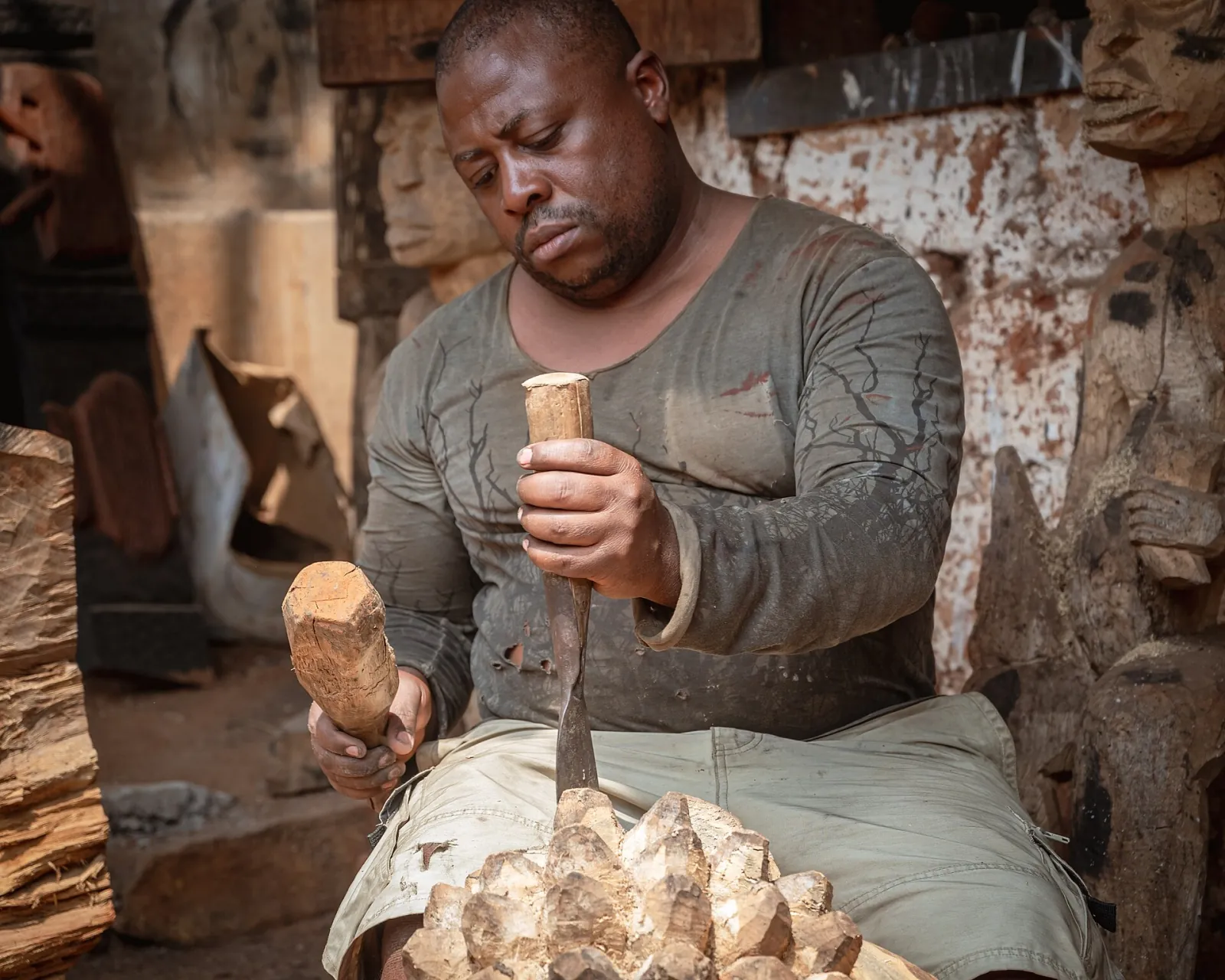
A choreographer who leads workshops, a musician who teaches at the conservatoire or a visual artist who trains young people in Garoua must be able to have their teaching competence recognised. MINAC accreditation certifies your qualification in a given discipline. You receive an accreditation card or certificate, which approved schools and training organisers may require before entrusting you with classes.
Step by step
- Define the disciplineChoose your main discipline and, if applicable, a second. Accreditation is specific and does not cover a general field.
- Prepare the model programmeWrite a training cycle with progression, exercises and assessment. It serves as the basis for assessing your competence.
- Submit the fileSubmit the documents to the One-Stop Shop, then pay the fee shown before payment.
- Review and interviewThe Artist Status Service studies your references and may summon you for an interview or a teaching demonstration.
- Issue of the accreditationThe accreditation certificate states the discipline, the authorised teaching level and the period of validity.
- Fee payable
- 20,000 FCFA
- Turnaround
- Processing takes 20 to 30 working days from a complete file
- Validity
- Valid for 3 years for the discipline stated, renewable
- Documents to provide
- 8
Documents to provide
- Accreditation application signed by the trainer
- Copy of identity document
- Detailed curriculum vitae with artistic and teaching background
- Diplomas, certificates or training records received
- Teaching references or workshops already led, with contact details of the organisations
- Model programme for a training cycle of at least thirty hours
- Extract from the criminal record, less than three months old
- Two passport photographs and a medical fitness certificate if the teaching is physical
Before you begin
- The applicant must demonstrate at least five years of artistic experience in the discipline for which accreditation is requested.
- They must present a model training programme, with objectives, duration, teaching method and criteria for assessing participants.
- They must not have been convicted of any offence incompatible with working with young audiences, as proved by a recent criminal record extract.
- They undertake to comply with the rules of the host organisation and to protect the integrity of students, particularly minors.
Who is this procedure for?
Artists, teachers and performing arts technicians who provide or wish to provide arts training may apply for accreditation as individuals. It covers one or two specific disciplines. Trainers who already hold a State teaching qualification may benefit from a simplified procedure.
Processing time. Processing takes 20 to 30 working days from a complete file. An interview to be arranged or references to be checked with distant institutions may extend it.
Frequently asked questions
Is accreditation compulsory to give classes?
It is required by approved schools and recognised training organisations. A private lesson outside any organisation is not subject to it.
Can I teach several disciplines?
Yes, up to two disciplines, if you show sufficient experience in each. Beyond that, a separate application with a specific file is needed.
Is accreditation equivalent to a diploma?
No. It certifies a competence recognised by the Ministry but does not replace an accredited diploma. It can, however, speed up your dealings with schools.
What happens if I move to another region?
Your accreditation remains valid throughout the territory. Simply inform the Artist Status Service of your new address.
Special cases
A foreign speaker who comes to lead a masterclass provides a temporary accreditation, limited to the length of their stay. They attach the invitation from the host school.
In the absence of a diploma, you may prove your competence through productions, prizes and certificates from recognised peers. A demonstration before the service may be requested.
A clean criminal record and a child protection undertaking are required. The host school confirms the supervision arrangements in writing.
Useful templates and documents
- Artist fileProfile
- Artistic engagement contractContract
- Parental authorisation for a minor artistCertificate
Reference texts
- Decree on the organisation of the Ministry of Arts and CultureDecree
- Texts in force applicable to associations and cultural organisationsText
Services that process the file
- Artist Status Service
- Directorate of General Affairs
Conseil. Présentez un programme de formation réellement utilisé avec des élèves, accompagné d’un témoignage de l’école : il pèse davantage qu’un plan théorique.
Submit the file
Fee payable: 20,000 FCFA
Have an account? Sign in to pre-fill the form and attach your documents.