
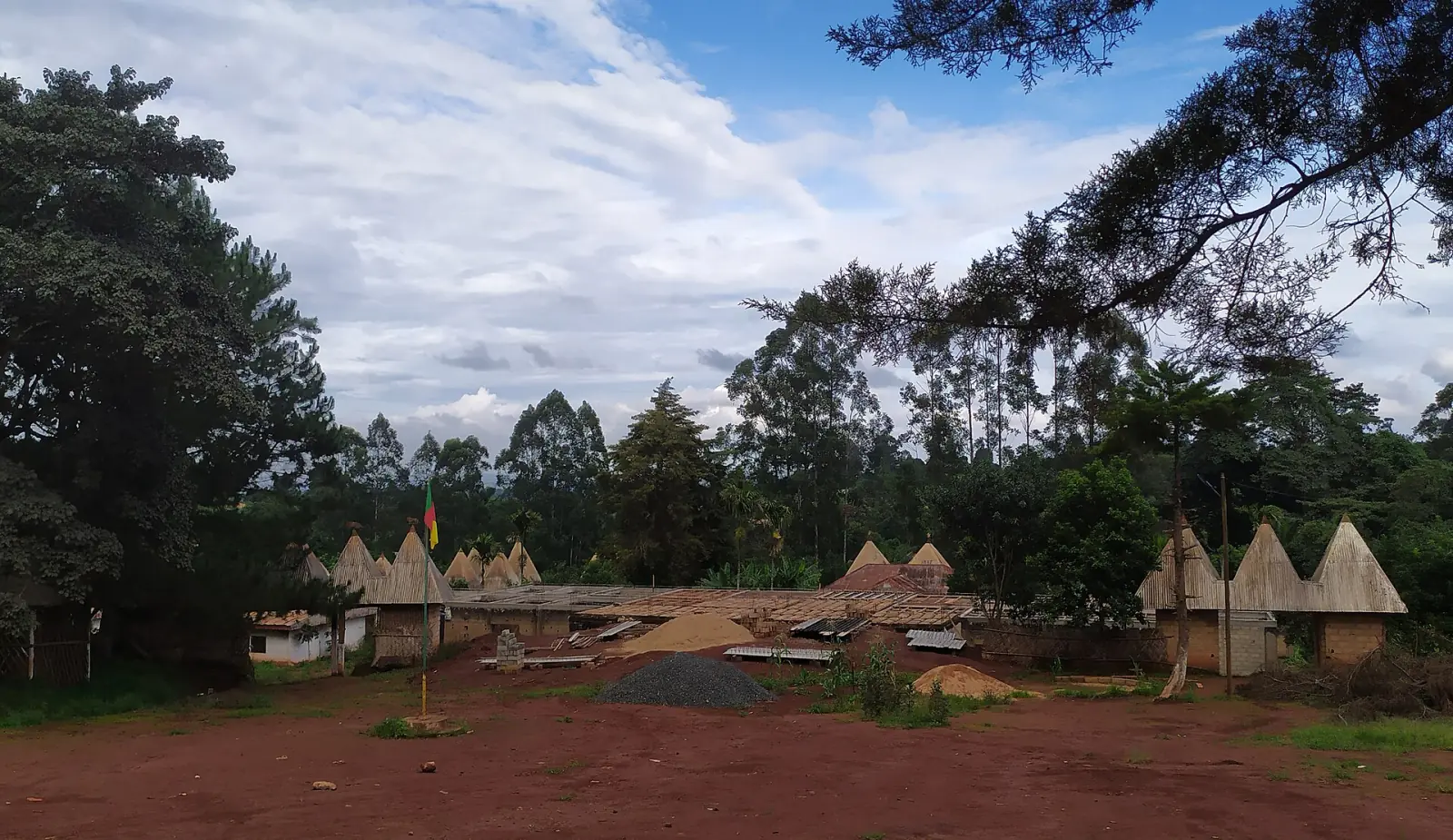
Entry on the heritage inventory
This procedure enables a cultural property, site or collection to be entered in the heritage inventory in order to record and identify it and to begin its protection.
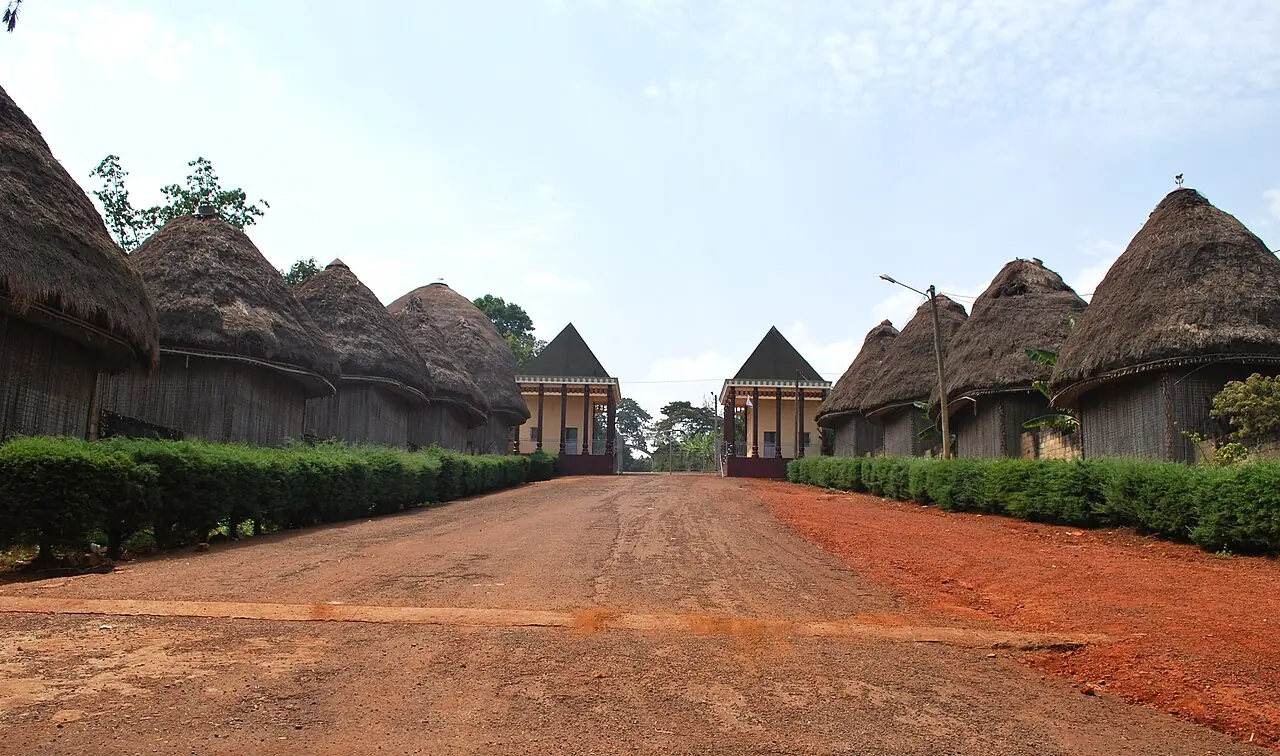
The cultural heritage inventory records movable and immovable property of interest to the history, art, archaeology or traditions of Cameroon. Having an object, building or group of items entered in it documents its existence, records its condition and, if necessary, prepares for future listing. The procedure is free of charge for the applicant and open to private owners and communities alike. You receive a numbered inventory sheet, which officially recognises the property and places it under conservation monitoring. Entry does not entail any transfer of ownership.
Step by step
- Submission of the applicationThe applicant completes the property identification sheet and attaches photographs and supporting documents. A file number is assigned.
- Verification visitAn officer of the regional delegation visits the site to verify that the property exists, assess its condition and complete the record.
- Scientific opinionThe Directorate of Cultural Heritage submits the file to a scientific committee, which assesses the interest of the property against the inventory criteria.
- Entry decisionThe Minister decides on the entry. The decision is notified to the applicant and the owner, together with the corresponding inventory sheet.
- Follow-up of the propertyEntry opens periodic monitoring of the state of conservation. The owner is required to inform the Ministry of any change.
- Fee payable
- Free
- Turnaround
- Processing takes 30 to 45 working days, including the field visit
- Validity
- No time limit, with periodic checks on the condition of the property
- Documents to provide
- 8
Documents to provide
- Inventory entry form completed online
- Historical and descriptive record of the property: origin, uses, materials, dimensions
- Recent photographs from several angles, with a visible scale
- Location plan or location coordinates, with a sketch for a site
- Proof of ownership or written agreement of the holder or the community
- Written testimonies from notables, researchers or associations attesting to the interest of the property
- Summary condition report, drawn up by the applicant or a curator
- Applicant’s identity document or deed of representation of the organisation
Before you begin
- The property must be of cultural, historical, artistic, scientific or social interest, demonstrated by a reasoned record supported by sources or testimonies.
- The applicant must show that they are the owner, holder or representative of the community that looks after the property.
- The property must be precisely locatable and accessible to Ministry officers for a verification visit and photography.
- The owner must accept the reporting obligations in the event of sale, relocation or works that attach to any entry.
Who is this procedure for?
Owners, holders, chiefdoms, preservation associations, local authorities and cultural institutions may apply. A resident or researcher may also report a property with a view to its entry, with the owner’s agreement or as an ex officio proposal examined by the Ministry.
Processing time. Processing takes 30 to 45 working days, including the field visit. It takes longer for remote sites or where the scientific committee requests additional expertise.
Frequently asked questions
Does entry prevent me from selling my property?
No, but you must inform the Ministry of any sale or relocation. The Ministry may then make its observations, in particular so that the property remains accessible to researchers.
Must I open my property to the public after entry?
No, entry does not require public opening. It simply provides that officers may visit the property and examine its condition at regular intervals.
What is the difference from listing?
Entry records and monitors the property, whereas listing is enhanced protection subject to stricter obligations. Many properties are first entered before possibly being listed.
Can I request the correction of a record?
Yes. An owner or researcher may submit a request for rectification, with supporting documents, to update the description, dating or location of the property.
Special cases
The application is submitted by the chief or the management committee, accompanied by minutes of the notables’ consultation. The entry names the community as guardian of the property.
Each object is described on a separate sheet, or the whole is entered as a collection if the items form a coherent whole. The owner remains free to make future acquisitions, subject to declaration.
An accelerated procedure may be initiated if an imminent risk is established, with a visit within a few days and a provisional protective entry.
Useful templates and documents
- Work identification sheetProfile
- Certificate of provenanceCertificate
- Condition report on a workMinutes
- Standardised inventory sheetProfile
- Deed of bequestStatement
- Record of acquisitionMinutes
- Inventory check sheetProfile
- Declaration of sale to the administrationStatement
Reference texts
- Law No. 2013/003 of 18 April 2013 governing cultural heritage in CameroonLaw
- User guide: preparing an inventory sheetGuide
Services that process the file
- Directorate of Cultural Heritage
- Listing and Protection Service
- Regional Delegations
Conseil. Photographiez le bien en lumière naturelle avec un objet de référence pour l’échelle : c’est la pièce qui accélère le plus l’avis de la commission scientifique.
Submit the file
This procedure is free of charge.
Have an account? Sign in to pre-fill the form and attach your documents.