
Entry of an intangible heritage element
This procedure enables a community or group to have a living practice, such as a rite, dance, skill or narrative, entered in the intangible heritage inventory.
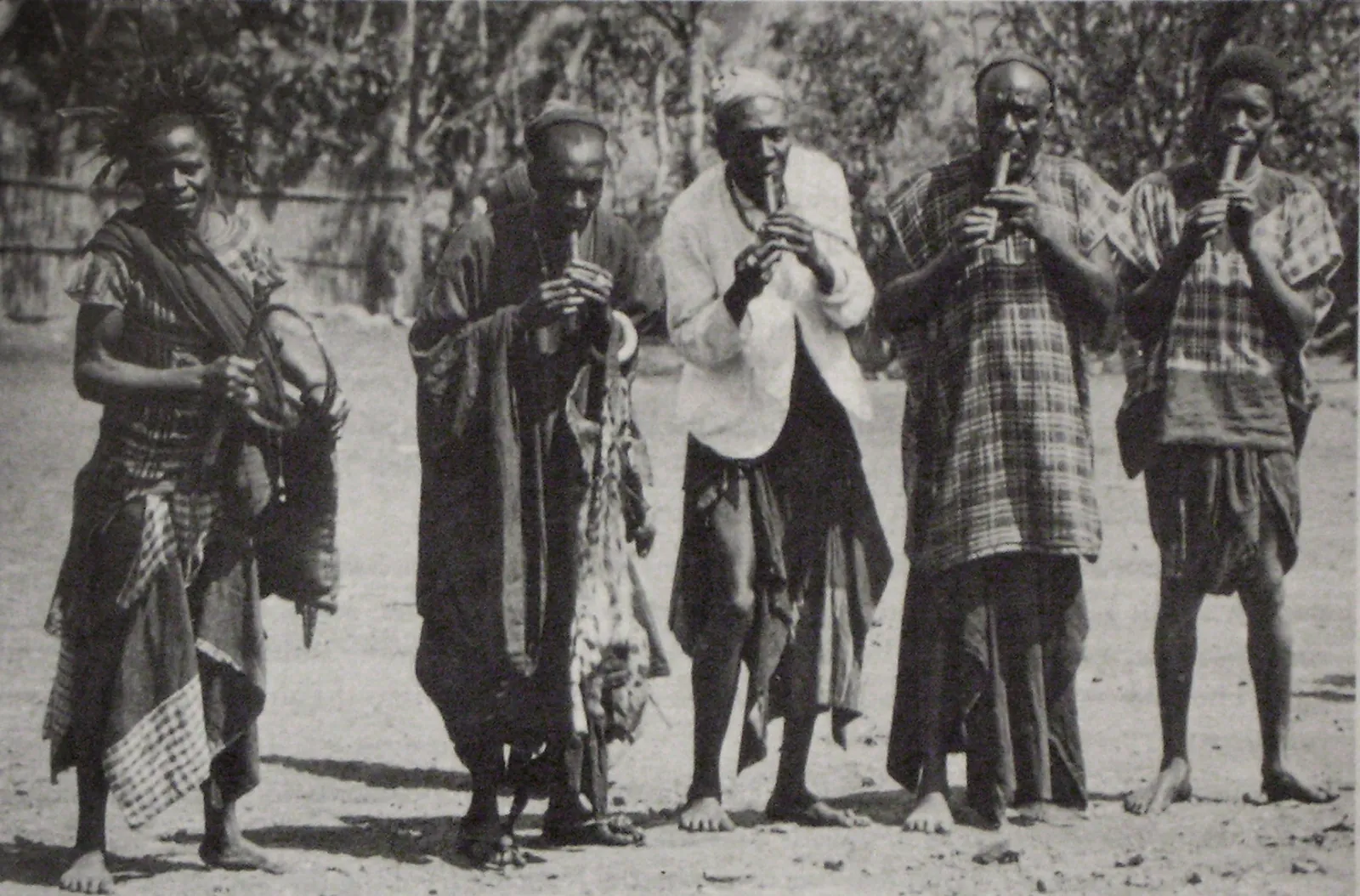
Cultural heritage is not limited to objects and monuments: it includes dances, songs, rites, languages, craft skills and oral traditions passed down from generation to generation. Entering an intangible element in the inventory officially recognises the practice, values those who carry it and supports its transmission. You obtain a consultable inventory sheet, a monitoring commitment and the possibility of support for safeguarding actions, such as workshops, recordings or festivals. Entry does not freeze the practice and does not make the Ministry its owner.
Documents to provide
- Intangible heritage element entry form completed online
- Consent record signed by the representatives and notables of the community
- Descriptive sheet: name, origin, holders, uses, periods, languages concerned
- Audiovisual documentation: photographs, sound recordings or videos, with the holders’ agreement
- Testimonies from practitioners, elders or researchers on the history and state of the practice
- List of holders and custodians with their roles in transmission
- Proposed safeguarding plan: training of young people, archiving, events
- Letter of support from the traditional authority or local authority
Before you begin
- The element must be living, transmitted within the community and recognised by it as part of its identity, as shown by a consultation record.
- The community must give its free, prior and informed consent to the entry, including for the audiovisual recording of practices and their possible dissemination.
- The application must describe the holders, modes of transmission, periods of practice and any restrictions on access linked to a secret or sacred nature.
- A safeguarding plan must be proposed, with measures for transmission, documentation and promotion that are compatible with the community’s customs.
- Fee payable
- Free
- Turnaround
- Processing takes 60 to 90 working days, as it includes a field survey
- Validity
- No time limit, with monitoring every two years
- Documents to provide
- 8
Step by step
- Community consultationThe community meets to decide whether to enter the element, designate its representatives and establish the rules for sharing information.
- File submissionThe file is submitted online or to the regional delegation. An officer contacts the designated contact person to check the documents and clarify needs.
- Field surveyThe Directorate of Cultural Heritage conducts a survey with the community to document the practice and collect missing testimonies.
- Commission opinionA committee examines the interest, vitality and safeguarding plan. It may recommend adjustments or support measures.
- Entry and monitoringThe element is entered in the inventory. A monitoring review is held every two years to assess the state of the practice and the actions undertaken.
Who is this procedure for?
The application is brought by the community that holds the practice, represented by a chiefdom, association, collective of practitioners or local authority. A researcher or institution may assist, but the community’s free and informed consent is essential for the application to be admissible.
Processing time. Processing takes 60 to 90 working days, as it includes a field survey. It may take longer if the community’s consent needs to be consolidated or if several groups lay claim to the practice.
Special cases
A joint application is possible, with the consent of each. Failing agreement, each community may enter its own variant, and the Ministry links them in the inventory.
For Mubako pottery or raffia weaving, for example, an emergency plan is provided with master craftspeople, apprentices and training support. Entry triggers enhanced monitoring.
Certain secret aspects are not described in the sheet. Only public elements are included in the inventory, with a note stating the restricted nature of the practice.
Useful templates and documents
- Work identification sheetProfile
- Standardised inventory sheetProfile
- Collections accession registerRegister
Frequently asked questions
Does entry make the community the property of the Ministry?
No. The practice remains that of the community that carries it. Entry recognises its value and facilitates support for it, without any transfer of rights or obligation to change the way it is practised.
Can the dissemination of images of a rite be refused?
Yes. The community decides what may be filmed, archived or disseminated. The restrictions are recorded in the sheet and respected by all researchers who consult the documents.
Can an individual submit the application alone?
A practitioner or researcher may submit it, but the file will be admissible only with the consent of the community concerned. Otherwise, the Ministry will invite the parties to consult one another.
What concrete benefits does the community gain?
It can access support for transmission: workshops, recordings, equipment, meetings, publications, and be showcased at national events, in liaison with its representatives.
Reference texts
- Law No. 2013/003 of 18 April 2013 governing cultural heritage in CameroonLaw
- User guide: inventorying a living heritageGuide
Services that process the file
- Directorate of Cultural Heritage
- Regional Delegations
Conseil. Associez les jeunes et les femmes de la communauté à la constitution du dossier : leur participation renforce le plan de sauvegarde et rassure la commission sur la transmission réelle de la pratique.
Submit the file
This procedure is free of charge.
Have an account? Sign in to pre-fill the form and attach your documents.