
Recognition of a chiefdom or sacred site
This procedure enables a chiefdom, palace, sacred grove or other traditional place of worship to be officially recognised as a place of memory and heritage to be protected.
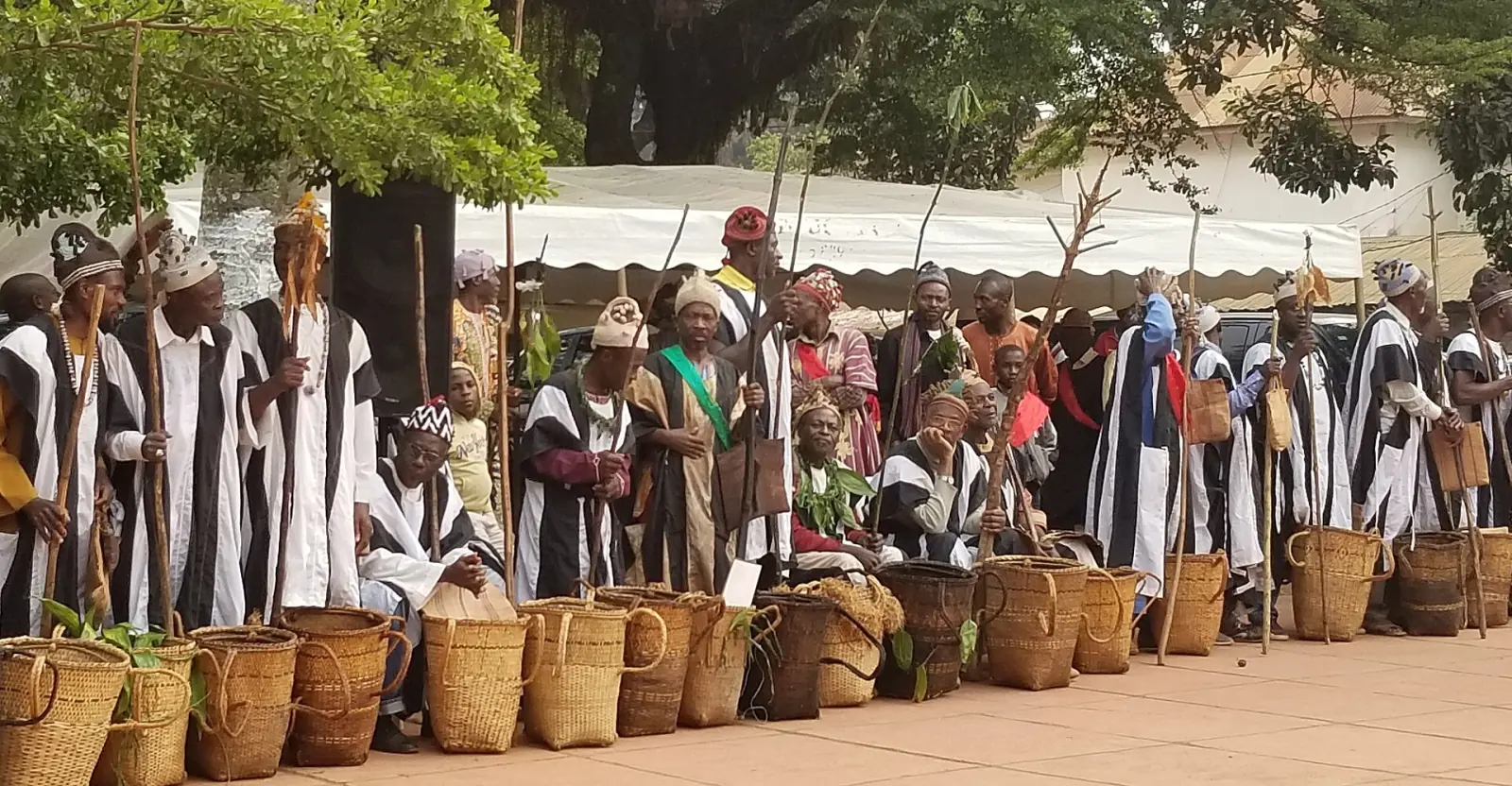
Chiefdoms, sacred groves, places of worship and memorial sites are spaces where the authority, rites and history of communities are perpetuated. The recognition application obtains from the Ministry a status that protects the integrity of the place, enhances its cultural role and opens access to conservation support. It replaces neither customary investiture nor administrative decisions relating to traditional authority. You obtain a recognition decision, a delimitation of the protected perimeter and usage recommendations suited to the sacred nature of the place and the life of the community.
Documents to provide
- Recognition application form completed online
- Consultation record signed by the chief, notables and community representatives
- Historical and genealogical record of the place: foundation, lineage, significant events
- Delimitation plan with coordinates and description of natural or built boundaries
- Photographs of significant buildings, objects and natural features
- Certificates from neighbouring chiefs or the local administrative authority on the age of the place
- Description of the uses, rites and taboos linked to the site
- Composition of the management committee and letter of commitment to preservation
Before you begin
- The place must be attested in collective memory and recognised as a chiefdom, place of worship or place of memory by the community and neighbouring authorities.
- The customary rights and uses of the place must be described, including access restrictions, rules of passage and the taboos that apply there.
- The perimeter of the site must be delimited on a plan, with the agreement of neighbouring landowners and the chief of the community.
- The community must designate a management committee responsible for upkeep and relations with the Ministry.
- Fee payable
- Free
- Turnaround
- Processing takes 60 to 90 working days, because of the visits and interviews
- Validity
- No time limit, with a review of the management agreement every five years
- Documents to provide
- 8
Step by step
- Consultation and submissionThe community validates the application, designates its representatives and submits the file. The reference officer at the regional delegation is informed.
- Visit and interviewsA Ministry team visits the place, meets the notables and collects oral tradition, respecting the taboos that apply.
- Delimitation of the perimeterThe proposed boundary is checked on the ground with neighbouring owners. Any disagreements are recorded and settled by consultation.
- Commission opinionThe Heritage Protection Committee gives an opinion on the cultural value of the place and on appropriate protection measures.
- Decision and management agreementThe recognition decision is notified. A management agreement sets out the roles of the local committee and the Directorate of Cultural Heritage.
Who is this procedure for?
The application is brought by the chiefdom, the council of notables, the site management committee or the association representing the community. It presupposes the agreement of the customary holders of the place. A local authority or a researcher may assist the community in drafting the file.
Processing time. Processing takes 60 to 90 working days, because of the visits and interviews. A land dispute, or the need to consult several customary authorities, may extend the time.
Special cases
The file highlights the architecture, royal objects and the role of craftspeople. Particular protection may cover reception halls, multi-storey huts and sculptures.
The owner must give written consent. A customary right of way may be recorded in the management agreement to preserve access for initiates.
The Ministry organises mediation before processing the application. No recognition is pronounced until the competing claim has been examined with all parties.
Useful templates and documents
- Work identification sheetProfile
- Condition report on a workMinutes
- Preventive conservation planReport
- Standardised inventory sheetProfile
Frequently asked questions
Does recognition change the chief’s power?
No. It affects neither the chiefdom as an institution nor its powers. It merely recognises the cultural value of the place and supports its preservation, without interfering with customary authority.
Can visitors access the site after recognition?
Only under the conditions decided by the community. Some areas may remain closed to all visits, and the routes open to the public are defined with the management committee.
Can recognition be withdrawn?
Yes, if the community requests it or if the site loses its character. A specific procedure allows the situation to be examined, with an opinion from the committee and consultation of the local committee.
What types of support are possible?
The Ministry can advise on building upkeep, train custodians, carry out surveys and support traditional festivals. This support is decided case by case according to the needs of the site.
Reference texts
- Law No. 2013/003 of 18 April 2013 governing cultural heritage in CameroonLaw
- Decree on the organisation of the Ministry of Arts and CultureDecree
- User guide: having a place of memory recognisedGuide
Services that process the file
- Directorate of Cultural Heritage
- Listing and Protection Service
- Regional Delegations
Conseil. Faites valider le plan de délimitation en présence des voisins avant le dépôt ; un tracé accepté de tous évite les contestations qui bloquent le plus souvent ce type de dossier.
Submit the file
This procedure is free of charge.
Have an account? Sign in to pre-fill the form and attach your documents.