
Private collection approval
This procedure enables a collector to have their collection approved in order to have it officially recognised, secured and to facilitate its loans, exhibitions and movements.
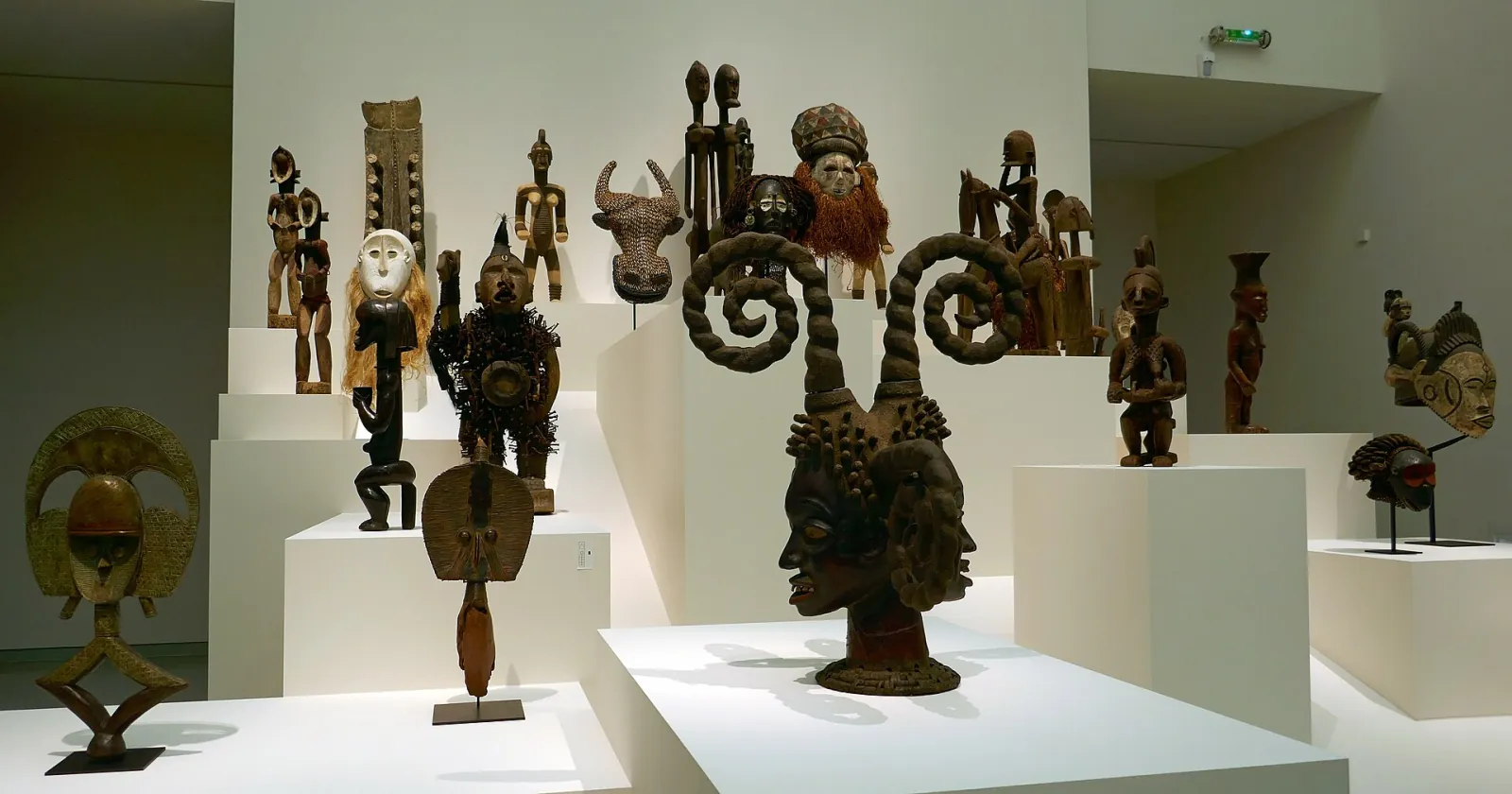
A collector of masks, sculptures, musical instruments or contemporary art can have their collection approved by the Ministry. Approval attests that the items are lawfully held, inventoried and kept in good conditions. You obtain an approved collector card, which facilitates loans to institutions, temporary export applications and exchanges with museums. Approval does not prevent you from selling or giving away your objects, but these transactions must be declared. It also protects the collection against suspicion of irregular provenance and simplifies inspections.
Documents to provide
- Private collection approval application form completed online
- Collector’s identity document or articles of association of the association holding the collection
- Complete inventory of the collection with photographs, dimensions, materials and condition
- Proof of provenance: invoices, certificates, deeds of donation, statements of heirs
- Presentation of the collection: theme, history of its formation, major objects
- Description of the place of conservation with photographs and security measures
- Certificate of insurance or undertaking to take out insurance for the collection
- Proof of payment of the processing fee
Before you begin
- The collection must include a significant number of objects that are coherent in theme, origin or period, and be of documentary, artistic or cultural interest.
- Each object must be traceable to a lawful provenance: purchase, inheritance, gift or personal making, with supporting documents where these exist.
- The collector must have adequate conservation and security conditions, which are checked during a visit by a Ministry officer.
- They must keep an up-to-date register of objects coming in and going out and make it available to officers during inspections.
- Fee payable
- 50,000 FCFA
- Turnaround
- Approval is issued within 30 to 45 working days, visit included
- Validity
- Valid for 5 years, renewable after the inventory has been updated
- Documents to provide
- 8
Step by step
- Drawing up the inventoryThe collector describes each object on a sheet with photographs and provenance. A standard sheet template is available in the One-Stop Shop library.
- Submission of the applicationThe file is submitted online, together with payment of the displayed fee. A file number is assigned and a reference officer is designated.
- Home visitAn officer visits the place of conservation, examines a sample of objects and checks security and preventive conservation conditions.
- Verification of provenanceThe Directorate of Cultural Heritage checks the supporting documents and may consult the registers of stolen or missing objects.
- Issue of approvalApproval is issued with the collector card and entry in the register. The collector receives the rules to be observed.
Who is this procedure for?
The application is made by a collector, a family holding a collection or an association that brings together art and cultural objects. It concerns significant groups of ancient, traditional or contemporary objects held by private individuals on a non-commercial basis or out of passion and a desire to pass them on.
Processing time. Approval is issued within 30 to 45 working days, visit included. The time may be extended if proof of provenance is incomplete or if certain objects require expert assessment.
Special cases
The heir provides the deed of devolution and, if possible, the inventory drawn up by the deceased. Objects without documented provenance are flagged and may be subject to expert assessment.
The file specifies the purchase contracts with artists or galleries. Copyright remains with the creators, and approval confers no reproduction rights over the works.
The object is set aside from the scope of approval while an inquiry is carried out. It may later be attached to the collection if it is established that it was lawfully acquired.
Useful templates and documents
- Work identification sheetProfile
- Certificate of provenanceCertificate
- Certificate of ownershipCertificate
- Conservation condition monitoring sheetProfile
- Art insurance policyContract
- Preventive conservation planReport
- Storage safety sheetProfile
- Storage deposit agreementContract
- Standardised inventory sheetProfile
- Collections accession registerRegister
- Deed of giftContract
- Deed of bequestStatement
- Inventory check sheetProfile
- Stolen object report sheetProfile
Frequently asked questions
Must I open my collection to the public?
No. An approved private collection remains private. You are simply asked to accept inspection visits and, possibly, to allow a researcher to consult certain objects under agreed conditions.
Can I keep buying objects after approval?
Yes. You must update your register and declare new acquisitions each year, with their provenance. Listed items are subject to stricter declaration rules.
Does approval make it easier to export objects?
It simplifies temporary exit procedures for an exhibition, but does not remove the need for an export licence or for checking that the object is not listed or banned from export.
What happens in the event of theft?
You must report it within 48 hours to the Ministry and the police with the object identification sheet. Approval then facilitates the circulation of the alert and the search.
Reference texts
- Law No. 2013/003 of 18 April 2013 governing cultural heritage in CameroonLaw
- Texts in force relating to the holding of cultural propertyText
- Collector’s guide: keeping a reliable inventoryGuide
Services that process the file
- Directorate of Cultural Heritage
- Cultural Property Circulation Service
- Regional Delegations
Conseil. Photographiez chaque objet avec une règle et sur fond neutre dès le début de l’inventaire : ces photographies serviront en cas de prêt, d’assurance ou de signalement de vol.
Submit the file
Fee payable: 50,000 FCFA
Have an account? Sign in to pre-fill the form and attach your documents.