
Permit for scientific research on heritage
This authorisation allows a researcher to carry out excavations, surveys, enquiries or analyses on elements of tangible or intangible cultural heritage, under the scientific supervision of the Ministry.
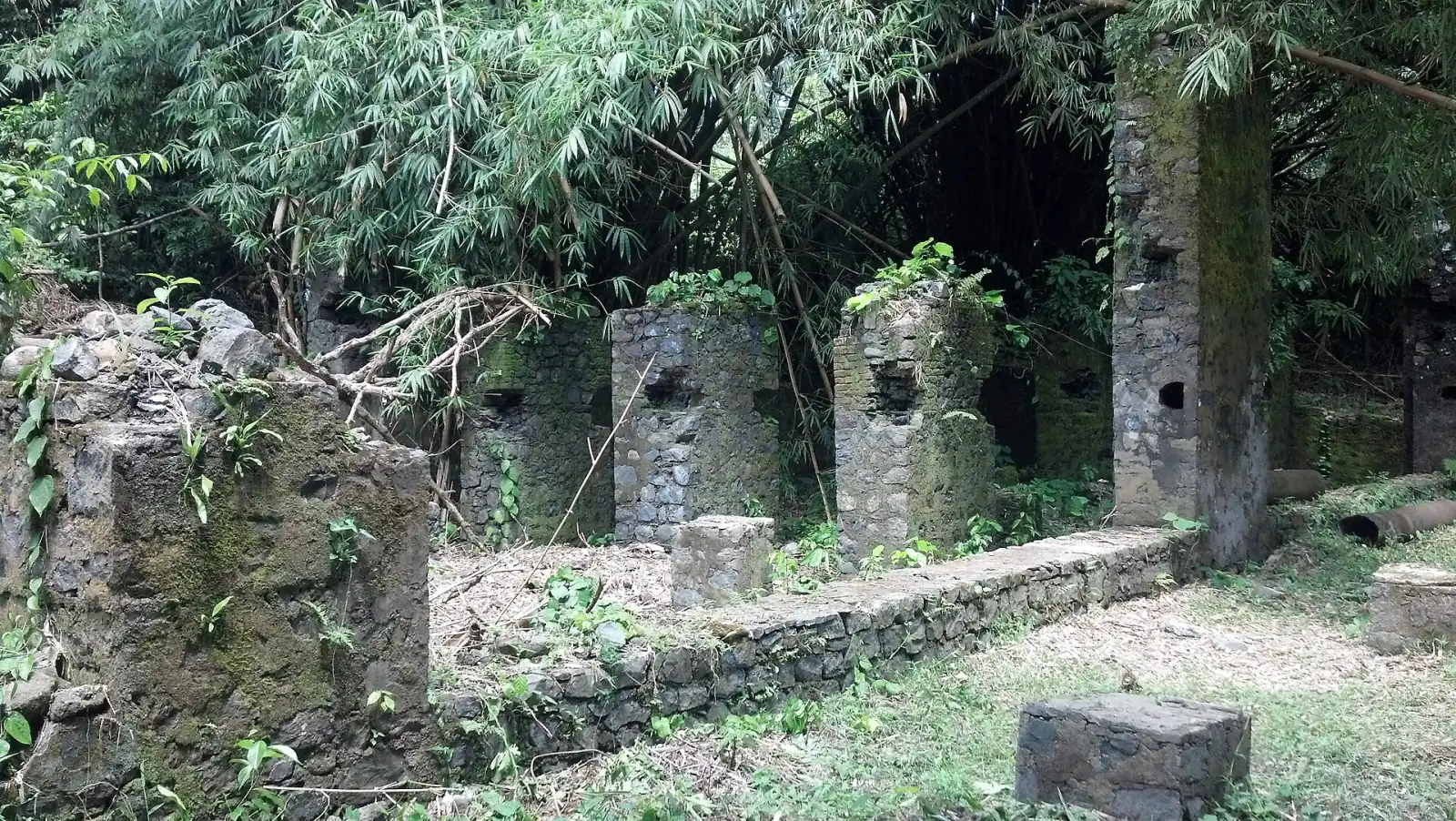
Any research concerning cultural heritage, whether an archaeological site, a museum collection, a ritual or a transmitted know-how, requires supervision. This procedure grants you the official authorisation to conduct your work: prospecting, test pits, sampling, recording of interviews, study of collections. It specifies the field site, the duration, the team and the obligations to report back the results. It protects both the properties studied and the communities concerned, and is a condition for exporting any samples for analysis.
- Fee payable
- 30,000 FCFA
- Turnaround
- Committee review takes 30 to 45 working days
- Validity
- Valid for the duration of the stated mission, up to 2 years, renewable on a progress report
- Documents to provide
- 8
Who is this procedure for?
Researchers attached to a university, institute or laboratory, Cameroonian or foreign, doctoral students under the supervision of a scientific lead, and excavation teams. The file is submitted by the scientific lead of the mission, who is answerable for the whole team. Foreign researchers must partner with a Cameroonian counterpart.
Processing time. Committee review takes 30 to 45 working days. It may take longer where the project concerns a sensitive area, requires a supplementary agreement or is subject to requests for clarification.
Before you begin
- The project must be attached to a recognised scientific institution, which attests to its value and to the qualification of the mission leader.
- Foreign researchers must present a partnership agreement with a Cameroonian institution, responsible for monitoring the work and receiving the results.
- The protocol must provide for the free and informed consent of the custodian communities where the research concerns sacred practices, knowledge or places.
- The researcher undertakes to submit a progress report and a final report, together with copies of the data, within the set deadlines.
Documents to provide
- Research authorisation application form signed by the scientific lead
- Detailed curriculum vitae and list of publications of the mission leader
- Research project with research question, methods, schedule and precise study area
- Attachment letter from the scientific institution of affiliation
- Partnership agreement with a Cameroonian institution, for foreign teams
- Nominal list of the team with copies of identity documents
- Ethics protocol and consent form for the communities concerned
- Proof of funding and insurance for the mission
Step by step
- Submission of the projectThe scientific lead submits the complete file through the One-Stop Shop, specifying the study area and the fieldwork schedule.
- Scientific evaluationA committee of the Directorate of Cultural Heritage examines the interest of the project, its methods and its compliance with the rules for the protection of property.
- Field consultationThe local authority or the Regional Delegation is consulted to verify the reception by the communities and access constraints.
- Decision and paymentThe fee payable is displayed before payment. The authorisation is then signed and states the field requirements and the expected deliverables.
- Follow-up and reportingAn official may visit the mission. At the end of the work, you submit reports and data, and, if necessary, request authorisation to take samples out of the country.
Special cases
Any excavation, even a simple test pit, requires a conservation plan for the finds. The objects found remain the property of the State and are inventoried in a designated repository.
For recordings of rites, tales or techniques, a written agreement with the custodians is mandatory. The researcher states the intended use of the recordings and where they will be deposited.
A sample sent out of the country requires a specific export authorisation. The results of the analysis and the remains of the samples must be returned to Cameroon.
Frequently asked questions
Can a foreign doctoral student submit an application alone?
No. He or she must be attached to a laboratory and to a Cameroonian partner, who co-sign the project. The thesis supervisor attests to the subject and the fieldwork period.
Must I wait for the authorisation before contacting the chiefdoms?
You may make informal contacts, but no fieldwork may begin before the decision. The formal consent of the communities is attached to the file.
What happens to my field data?
You remain the author, but a copy is deposited with the Directorate of Cultural Heritage. It is kept and may be consulted under the conditions you specify.
Can I change my study area during the mission?
A minor change is reported in writing to the processing service. A move to another site or another region requires an amendment to the authorisation.
Useful templates and documents
- Restoration reportReport
- Standardised inventory sheetProfile
- Collections accession registerRegister
- Residency agreementContract
Reference texts
- Law No. 2013/003 of 18 April 2013 governing cultural heritage in CameroonLaw
- The decree on the organisation of the Ministry of Arts and CultureDecree
- Guide to scientific missions on heritageGuide
Services that process the file
- Directorate of Cultural Heritage
- Listing and Protection Service
- Regional Delegations
Conseil. Contactez le partenaire local très tôt : son implication, formalisée dans la convention, est le critère le plus souvent déterminant pour un avis favorable du comité.
Submit the file
Fee payable: 30,000 FCFA
Have an account? Sign in to pre-fill the form and attach your documents.